No. 01
Nieuwe Doelenstraat 24 Amsterdam Netherlands (the) 1012 CPAmsterdam1489 verified reviews
9
.0
Bitvoya Edit
Layering imagery, place, and detail before the page opens.
Amsterdam's UNESCO-listed Grachtengordel (Canal Ring) is more than just a scenic waterway; it is the beating heart of the city's 17th-century Golden Age. Staying here means waking up in monumental merchant houses that have been transformed into some of Europe's most exquisite hotels. From the bustling Nine Streets (De Negen Straatjes) to the prestigious Golden Bend of the Herengracht, these properties offer a direct portal to the past. Guests at properties like the Waldorf Astoria or The Dylan don't just visit Amsterdam; they inhabit its history, surrounded by gabled facades, hidden courtyard gardens, and the gentle lapping of water against centuries-old brickwork.
Choosing to stay on the Grachtengordel is a commitment to immersion. While modern Amsterdam buzzes with innovation, the Canal Ring preserves the sheer opulence of the Dutch Golden Age. Hotels like the Pulitzer Amsterdam and the Waldorf Astoria Amsterdam are not merely places to sleep; they are curated museums of Dutch heritage. These properties often span multiple historic canal houses stitched together, offering a labyrinth of period features, marble fireplaces, and original art. Unlike the newer districts, staying here places you within walking distance of the Anne Frank House, the Rijksmuseum, and the floating flower market, all while offering the seclusion of private gardens hidden behind monumental facades.
When seeking Golden Age grandeur, location within the Canal Ring matters.
Expect a fusion of 17th-century architecture and 21st-century comfort. Due to the protected status of these buildings, you will find quirky layouts, steep staircases (though luxury hotels always provide elevators), and rooms with unique character—no two are alike. Expect high ceilings with exposed beams, views of boats gliding by, and world-class dining. For instance, the NH Collection Amsterdam Barbizon Palace and Rosewood Amsterdam offer gastronomic experiences that rival the city's best standalone restaurants.
While all are historic, the Tivoli Doelen Amsterdam Hotel is the oldest, dating back to the 17th century, and was the original location where Rembrandt's 'The Night Watch' was displayed.
Yes, hotels like the Pulitzer Amsterdam are very family-friendly, offering connecting family rooms, special amenities for children, and private boat tours suitable for all ages.
Most properties like The Dylan and Waldorf Astoria offer specific room categories with canal views. It is highly recommended to request a 'Canal View' room specifically when booking, as some rooms face the inner gardens.
Explore our complete curated list of luxury accommodations, from boutique hideaways to grand dames.
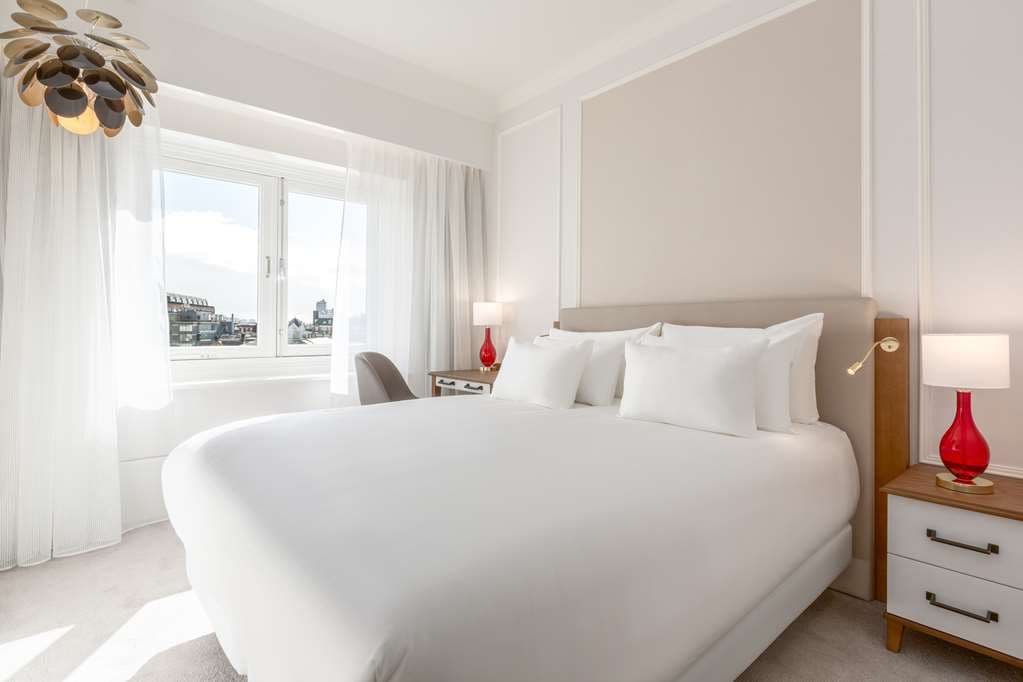
Explore All Amsterdam HotelsIf walls could talk, these would critique your brushwork. Standing on the footprint of the 17th-century Kloveniersdoelen—the very civic guard hall where Rembrandt painted 'The Night Watch'—the Tivoli Doelen is less a hotel and more a habitable piece of Dutch Golden Age history. Recently awarded Two Michelin Keys (2025), this Independent-branded dame proves she still commands the Amstel. The interiors are unapologetically heavy on drama: think marble hallways, crystal chandeliers, and reproductions of Dutch Masters watching you sleep. However, potential guests should navigate the room categories with a surgeon’s precision. The entry-level quarters are historically accurate in the wrong way—cramped at 16 square meters. Bypass them for a Canal View Suite, where the breathing room matches the grandeur and Lalique amenities line the marble vanities. Downstairs, Restaurant Omber avoids the trap of stuffy hotel dining. The menu is a witty ode to the artist’s palette, but the standout is the traditional Dutch herring paired with Jenever—a sharp, briny slap awake. While the absence of a gym or spa might deter the wellness set, the Tivoli Doelen trades treadmills for texture. You don't come here to sweat; you come to brood elegantly by the window, watching the river churn just as it did in 1642. The service, often described as familial, smooths over the creaks inherent in a building of this vintage.
“Skip the taxi. The hotel has a private dock, so arrange a water taxi arrival directly from Central Station for the ultimate 17th-century entrance.”
Insider TipAvg. Nightly Rate
240USD
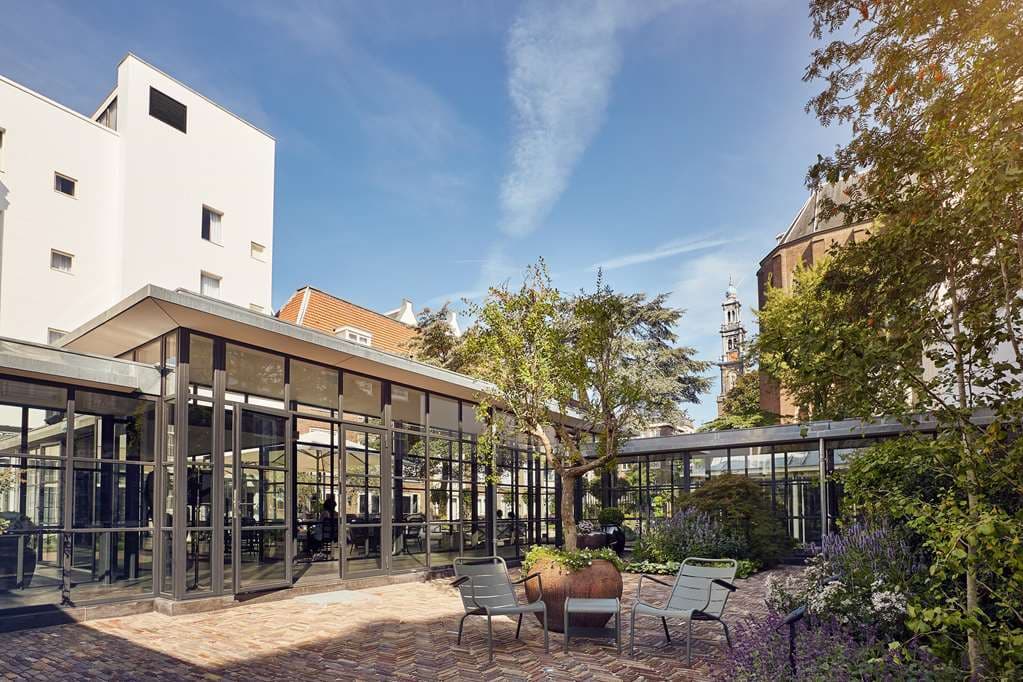
Forget the polished anonymity of international chains; the Pulitzer is a neighborhood turned inside out. Comprising 25 interlinked 17th and 18th-century canal houses in the heart of the Negen Straatjes (Nine Streets), this property is a glorious, creaky maze of heritage. It doesn't rely on a grand, echoing lobby to impress. Instead, the architecture dictates a more intimate, discovery-led experience where corridors zig-zag, staircases spiral unpredictably, and glass walkways slice through tranquil inner gardens. While the entry-level 'Cosy' rooms are historically accurate in their tightness (claustrophobes should immediately upgrade to a 'Generous' room or the palatial, new-for-2024 Merchant Suite), the design execution is impeccable. Expect rich velvet headboards, D.S. & Durga amenities, and a puncture repair kit hanging by the door—a witty, practical nod to the city’s cycling obsession. Dining is equally storied: Jansz. serves a signature Lobster Spaghetti that justifies the carbohydrate load, while Pulitzer’s Bar provides a moody, Art Deco escape for a craft cocktail nightcap. Service is polished but mercifully devoid of stiffness, best exemplified by the concierge’s ability to book 'The Tourist,' the hotel’s private salon boat. This isn't just a vessel; it’s the same teak-and-brass beauty that carried Winston Churchill in 1946. For history buffs and design lovers alike, the Pulitzer offers a sophisticated soul that modern builds simply cannot replicate.
“Skip the public canal tours. Reserve 'The Tourist,' the hotel’s private 1909 salon boat (once used by Winston Churchill), for a champagne cruise at sunset.”
Insider TipAvg. Nightly Rate
285USD
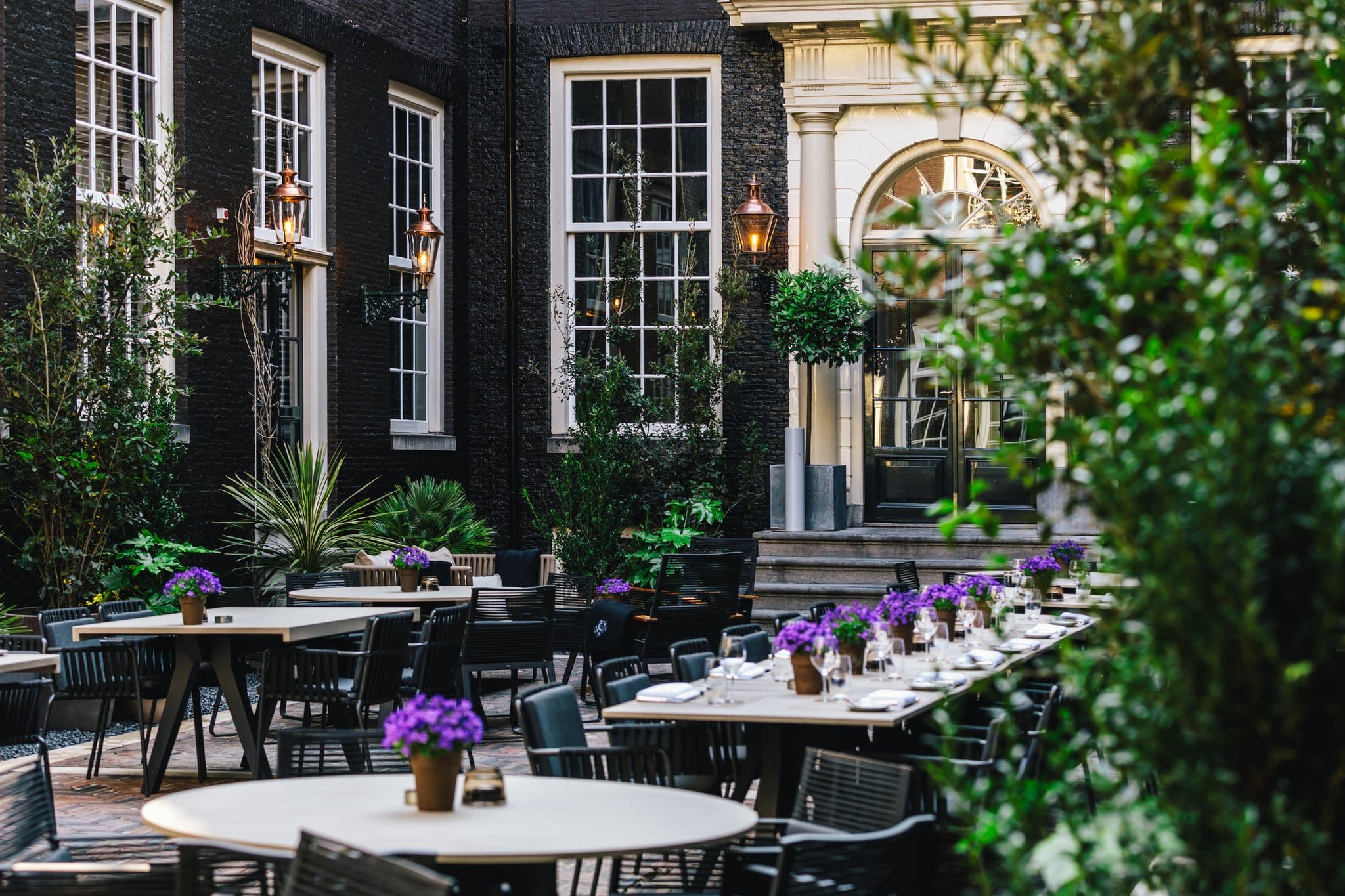
If Amsterdam’s hotels were a cast of characters, The Dylan would be the sophisticated lead who avoids the paparazzi. Anchored on the Keizersgracht within the 'Nine Streets' district, the property occupies the footprint of a 1637 theater, a lineage immediately apparent as you pass through the 17th-century stone archway into a secluded courtyard lined with copper pots of hydrangeas. It is an entrance that demands a hushed reverence. Inside, the drama shifts from spectacle to texture. Design schemes vary wildly across the 40 rooms—from the 'Serendipity' wing’s loft-like exposed beams to the 'Amber' rooms' moody palettes—but all share a tactile richness, featuring Frette linens and Aesop amenities. A standout touch? The turndown service often includes fresh stroopwafels from the legendary Lanskroon bakery nearby, a local detail that beats generic chocolates. Culinary performance is headlined by Vinkeles, where Executive Chef Jurgen Kowalczyk holds two Michelin stars in a space that once housed the regent’s ovens. The signature glazed turbot with garlic is technical perfection. For a less formal intermission, Bar Brasserie OCCO serves a 'High Wine' pairing that outshines the city's ubiquitous high teas. While the lack of a spa or pool might deter the wellness-obsessed, the trade-off is hyper-personalized service. Ask for Concierge Ronald; his ability to secure impossible canal tours is the hotel’s best unlisted amenity. Verdict: A masterclass in intimate luxury for those who prefer their history served with a side of Michelin stars rather than museum crowds.
“Request a 'Serendipity' room on the top floor to experience the mechanical 'hoist' wheel still embedded in the historic beams—a relic of the building's trading past.”
Insider TipAvg. Nightly Rate
480USD
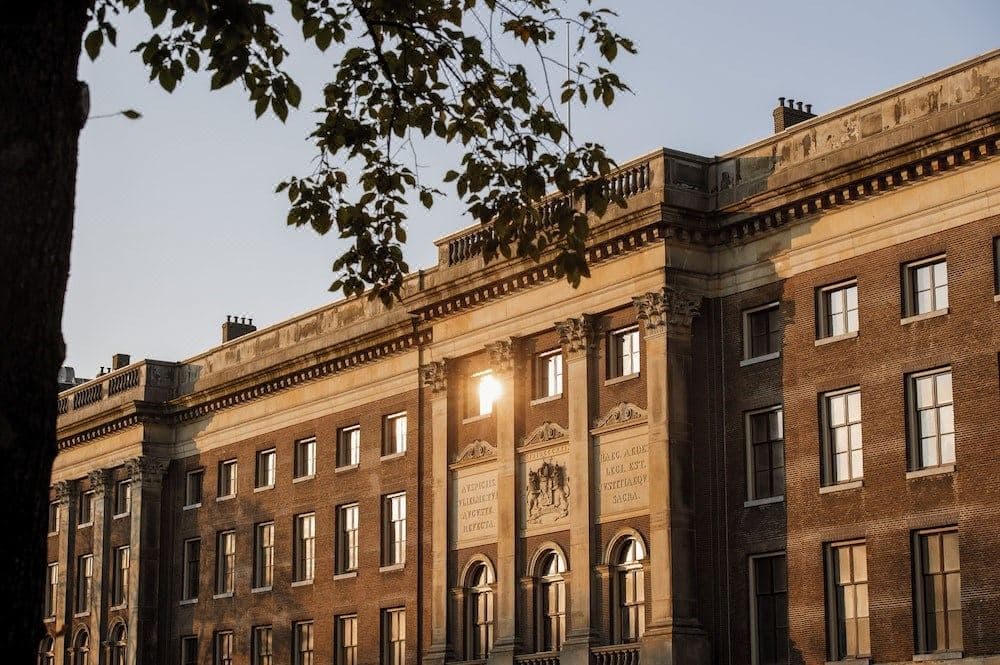
It took a decade of wrangling to transform the formidable Palace of Justice into the Rosewood Amsterdam, but the final verdict is indisputable: this is the new sovereign of the Grachtengordel. Situated on the Prinsengracht, the property avoids the trap of museum-like sterility. Instead, Studio Piet Boon has orchestrated a sophisticated 'museum-meets-living-room' atmosphere where the weight of 17th-century judicial authority is tempered by whimsical book-art installations in the Grand Library and the lush, hidden sanctuary of the 'De Tuin' courtyard. The residential wings are a study in high-spec Dutch restraint rather than Golden Age excess. Expect 600-thread count Rivolta Carmignani linens, Dyson Supersonic hair dryers, and intuitive lighting that actually works. While the canal views are the marketing hook, the courtyard-facing suites offer a rarer commodity in this city: absolute silence. Dining here is already a local sport; at 'Eeuwen', the Yellowtail Tartar with Ajoblanco is the dish monopolizing feeds, though the Sole with capers is the superior choice for purists. Afterward, slip into 'Advocatuur', the speakeasy-style bar where the house-distilled PRØVO Jenever is served with theatrical reverence. The experience isn't entirely without objection. The valet pricing (€110 daily) feels punitive, and early administrative hiccups suggest the back-office software hasn't quite caught up to the five-star hardware. Yet, as you float in the 12-meter indoor pool—a near-impossible find in the Canal District—or settle in for a Dr. Barbara Sturm facial at the Asaya Spa, the minor infractions are sustained. Rosewood has raised the bar, literally and figuratively.
“Request a room on the top floor overlooking the 'De Tuin' internal courtyard to completely bypass the street noise from the Prinsengracht.”
Insider TipAvg. Nightly Rate
1300USD
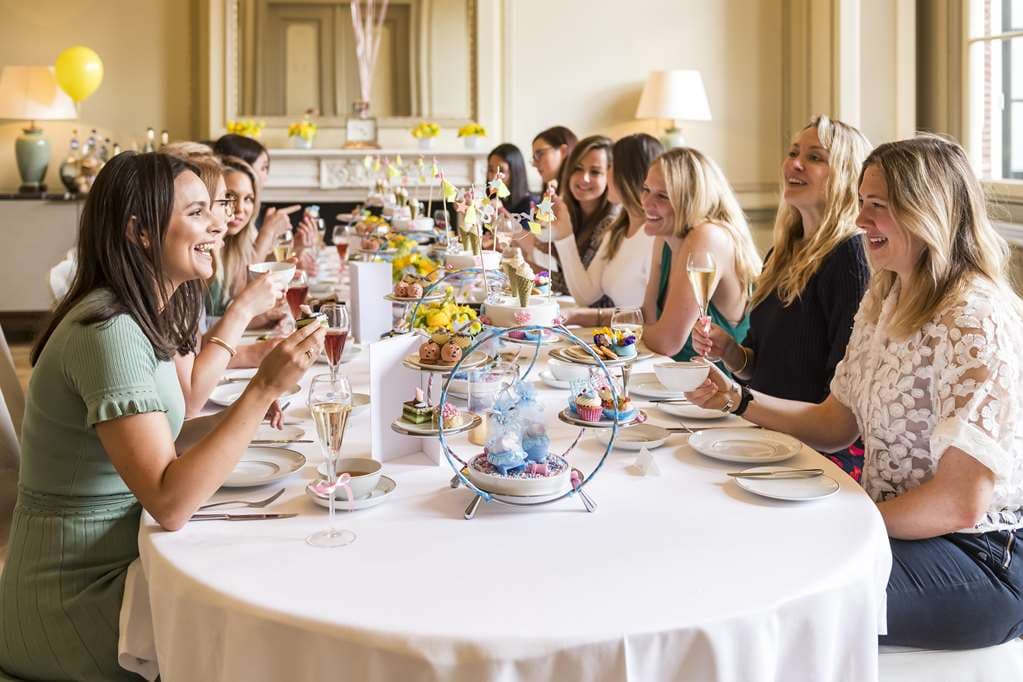
If the walls of the Herengracht could talk, they would speak in the hushed, patrician tones of the Waldorf Astoria. Occupying six distinct 17th- and 18th-century canal palaces, this property is less a hotel and more a masterclass in adaptive reuse. The arrival ritual sets the tone: distinct from the typical lobby clamor, you are seated and presented with a 'Scent Menu' by Cire Trudon, choosing the olfactory backdrop for your stay—a sensory detail that outshines standard luxury gestures. The architecture is the protagonist, anchored by the UNESCO-listed Daniel Marot Staircase, a Rococo marvel that survived the unification of these merchant homes. Heritage, however, dictates the layout; the corridors can feel labyrinthine, and room configurations vary wildly from soaring ceilings in the 'Grand Premier' categories to cozy, beam-heavy lofts in the eaves. Downstairs, the Guerlain Spa offers a rare Amsterdam luxury: a heated indoor pool with direct access to the city’s largest private garden. Culinary pursuits are serious business at the two-Michelin-starred Spectrum, but for a nightcap, The Vault Bar—housed in the original bank vault—serves the 'Gulden' cocktail, a spirited nod to the building's mercantile past. It is an investment, certainly, but one that buys you a genuine slice of Dutch history.
“To avoid the 'room layout lottery,' request a 'King Grand Premier' in the Van Loon palace for the highest ceilings, or a top-floor loft if you prefer exposed 17th-century beams.”
Insider TipAvg. Nightly Rate
711USD
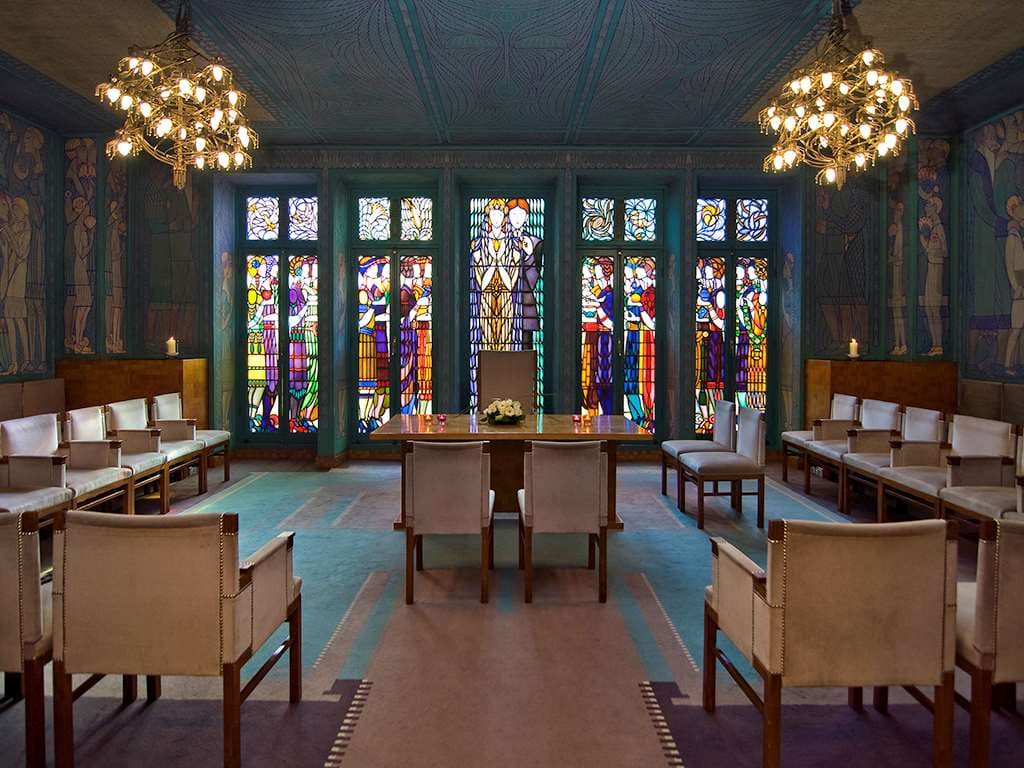
You don't merely check into The Grand; you inhabit the former seat of Dutch naval power. Housed in the 1655 Admiralty building—and later Amsterdam’s City Hall—this property trades the usual canal-house coziness for echoing marble corridors and imposing brick facades. It is a place of grand gestures, where the Golden Age is palpable in the stained-glass stairwells, yet softened by the brand's signature French tact. The accommodations are a study in historical negotiation. While the suites command regal canal views and come with dedicated butler service, some standard room layouts can feel like a quirky compromise with the past—the saloon-style bathroom doors, for instance, are a polarizing acoustic choice. However, the experience is salvaged by the details: the cloud-like Sofitel MyBed systems and the subterranean spa spread over two floors. Dining is serious business here; skip the tourist traps for 'Bridges', where the signature Langoustine with duck liver is a masterclass in richness, or retreat to 'The Flying Dutchman' for bitterballen and craft beers in a brown-café setting that feels surprisingly authentic. It is history, modernized, but thankfully not sanitized.
“Request a room facing the inner garden courtyard. It is an acoustic fortress against the noise of Dam Square, and the terrace is the city’s best-kept secret for an afternoon Spritz.”
Insider TipAvg. Nightly Rate
305USD
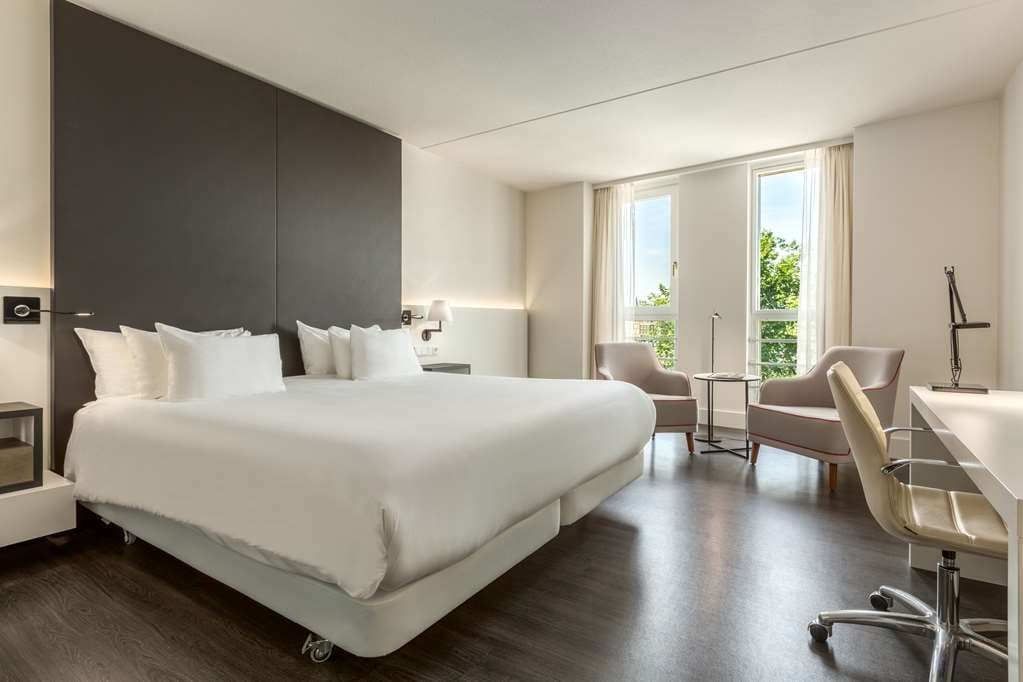
The architectural audacity of the NH Collection Amsterdam Barbizon Palace is often lost on the commuters rushing past its Prins Hendrikkade façade. Directly facing the chaotic hive of Central Station, this hotel is a deceptive sanctuary, stitched together from nineteen distinct 17th-century canal houses and the 15th-century St. Olof’s Chapel. It is a structural puzzle of Golden Age heritage disguised as a modern flagship, offering a tangible connection to the city's architectural fabric that glass-and-steel competitors cannot mimic. Inside, the lobby’s marble sleekness gives way to the quirkier, creakier charm of the original structures. Low ceilings and exposed oak beams in the Premium rooms remind you that you are sleeping in a merchant’s history, even if the Technogym-equipped wellness area and 'Sleep Better' mattresses are strictly 21st-century. The journey to breakfast often feels like time travel, navigating the underground passage that links the hotel to the chapel. While the lack of a swimming pool and the occasional hum of street noise are reminders of the urban density outside, they are fair trades for the unbeatable location. Dining remains the hotel’s anchor. At the culinary landmark Restaurant Vermeer, the kitchen delivers a standout thinly sliced hamachi with zolderspek and dashi-soy jus—a plate that mirrors the hotel’s blend of Dutch tradition and sharp modernity. For a looser vibe, Bottles & Jars pours creative wines alongside a rustic cherry tomato soup. **Verdict**: A sophisticated, labyrinthine refuge that turns Amsterdam’s busiest intersection into a doorstep convenience rather than a nuisance.
“Skip the crowded public tourist piers; book a private salon boat pickup directly from the hotel’s exclusive dock on the Oudezijds Kolk for a seamless canal entry.”
Insider TipAvg. Nightly Rate
169USD
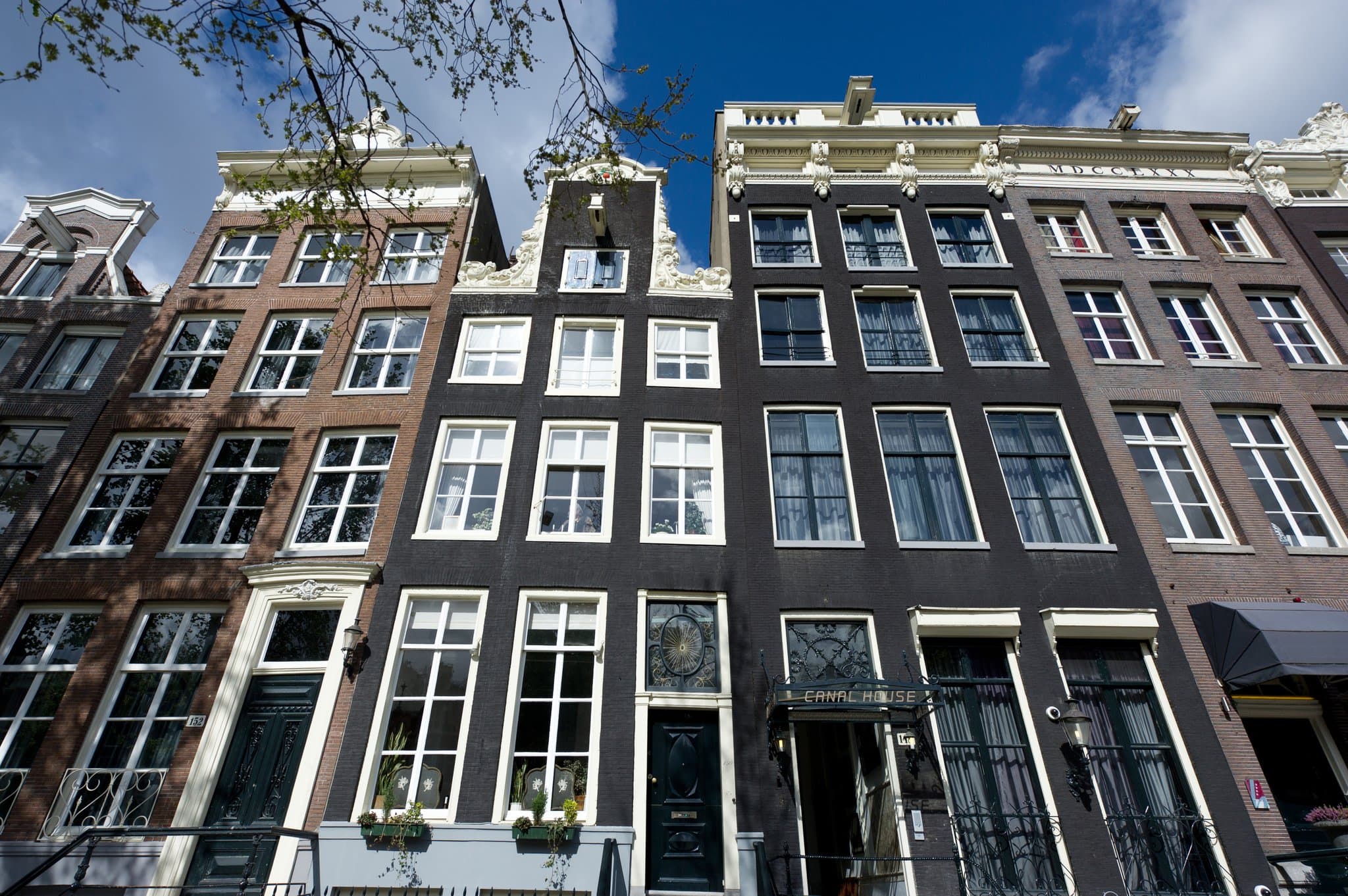
Forget the beige minimalism currently sweeping European hospitality. Canal House stitches together three 17th-century merchant houses into a theatrical study of shadow and light, evocative of a Rembrandt painting come to life. The vibe here is unapologetically sultry: think black gloss woodwork, crushed purple velvet, and dim lighting that flatters everyone. The 23 rooms are distinct—and polarizing. Many feature open-plan layouts where freestanding bathtubs sit brazenly in the bedroom, making this a haven for romance but a gamble for platonic travelers. You won't find a spa, but the deep soaking tubs and botanical Green & Spring amenities (a nod to the owner’s British roots) fill the void effectively. Socializing centers on 'The Great Room' and the bar, where the signature Canal House G&T is the required order. However, the real showstopper is the private garden. In a city of density, this massive, manicured green space is a luxury worth the booking price alone. Be warned: the stairs are historically steep and the corridors dark, but if you prefer atmosphere over standard ergonomics, this is your Amsterdam address.
“Book a 'Garden View' room to avoid street noise and gaze out at one of the largest private gardens in the canal ring.”
Insider TipAvg. Nightly Rate
275USD