No. 01
491 Sukhumvit Road Bangkok ThailandBangkok5357 verified reviews
9
.6
Bitvoya Edit
Layering imagery, place, and detail before the page opens.
Bangkok has firmly established itself as a global culinary capital, and the city's finest hotels are at the forefront of this gastronomic revolution. For the discerning traveler, a stay is no longer just about thread counts and swimming pools; it is about the journey of the palate. Our curated collection focuses on the 'Epiculinary' experience—where world-class hospitality meets Michelin-recognized dining. From the historic grandeur of the Riverside, home to the legendary Mandarin Oriental and the contemporary Capella Bangkok, to the bustling luxury corridors of Sukhumvit and Wireless Road hosting The Okura Prestige and The Athenee, these properties offer more than a room. They offer a seat at some of the world's most coveted tables, right at your doorstep.
Bangkok presents a unique value proposition in the world of luxury travel: the ability to experience ultra-luxury accommodation and Michelin-starred dining at a price point often more accessible than Paris, Tokyo, or New York. Choosing a hotel with a Michelin pedigree ensures a seamless experience. Guests at properties like The St. Regis Bangkok or The Okura Prestige don't just sleep in luxury; they have priority access to acclaimed restaurants like IGNIV or Elements, inspired by Ciel Bleu. This integration of stay and dine eliminates the stress of navigating Bangkok's notorious traffic, allowing you to move from a spa treatment directly to a world-class tasting menu.
When booking these properties, expect a holistic approach to luxury. Breakfasts are often gourmet affairs that rival dinner service elsewhere. Concierges are well-versed in securing difficult reservations, not just within the hotel but across the city. Dress codes are strictly enforced at these culinary institutions—smart casual to formal is the norm. Finally, anticipate seasonal tasting menus; chefs at these hotels often utilize the Royal Projects organic produce, blending European techniques with the freshest local Thai ingredients.
Several hotels host Michelin-starred venues, including Mandarin Oriental (Le Normandie), Capella Bangkok (Côte), The Okura Prestige (Elements), COMO Metropolitan (Nahm), and The St. Regis (IGNIV).
Yes, reservation is highly recommended even for guests. While concierges prioritize in-house guests, popular venues like Le Normandie or Nahm can be booked out weeks in advance.
Most Michelin-pedigree restaurants enforce a 'Smart Casual' or 'Formal' dress code. Men are typically required to wear long trousers and closed shoes; shorts and sandals are not permitted.
Explore our complete curated list of luxury accommodations, from boutique hideaways to grand dames.
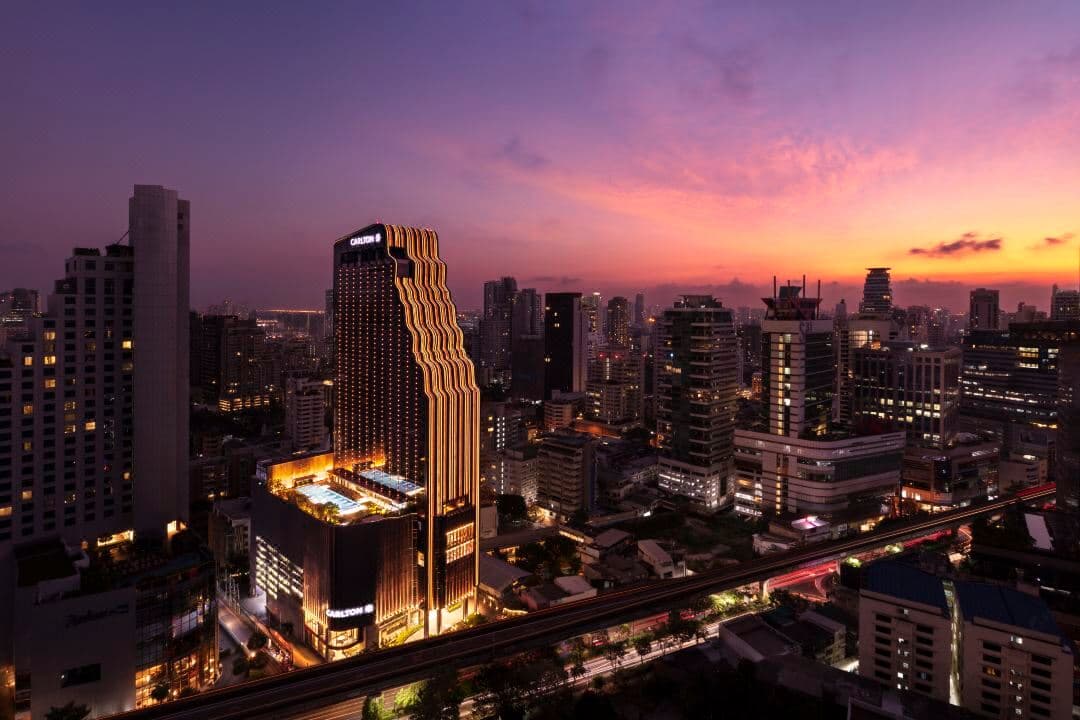
Explore All Bangkok HotelsIn a city where 'luxury' often implies sprawling riverside resorts, the Carlton Hotel Bangkok Sukhumvit offers a sharp, vertical rebuttal: precision. Standing thirty-four stories above the Sukhumvit fray, this Singaporean export trades distinctively Thai languor for efficient, high-gloss sophistication. The lobby sets the tone immediately—not with a wai and a lotus flower, but with a hand-blown glass dragon chandelier spiraling downwards, a subtle nod to the property’s true crown jewel: its Cantonese kitchen. While the rooms are triumphs of modern ergonomics—think Japanese bidet toilets, automated blackout blinds, and 55-inch Smart TVs—the real reason you book here is Wah Lok. This isn't just a hotel restaurant; it is a Michelin-listed pilgrimage site where the Braised Boston Lobster with egg noodles commands a reverence usually reserved for deities. The culinary competence extends to breakfast at Plate, where the Singapore Chicken Rice offers a hawker-grade hit of nostalgia. Service is swift and intuitive, lacking the cloying hovering of older establishments. The 10th-floor saltwater pool, with its waterfall edge, feels like an architectural pause button. For the traveler who prioritizes a perfect dim sum lunch over a vast hotel garden, the Carlton is arguably the smartest booking in the district.
“Book the Dim Sum lunch at Wah Lok at least three days in advance; walk-ins are virtually impossible. Ask for a table by the window in the main dining hall for a view of the BTS skytrain snaking below.”
Insider TipAvg. Nightly Rate
115USD
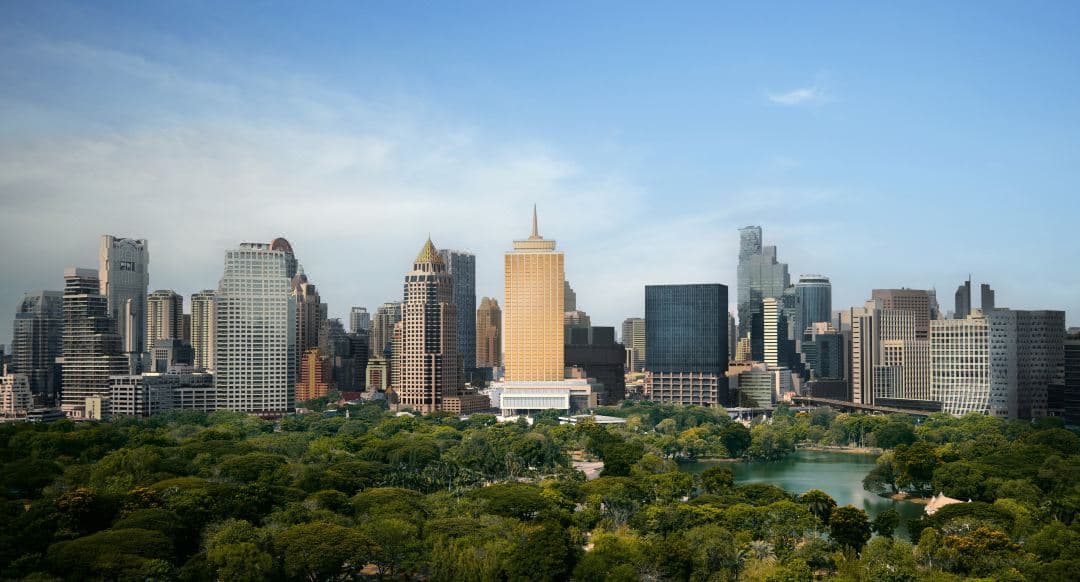
Bangkok’s hospitality scene is fickle, but the return of the Dusit Thani isn’t just a reopening—it’s a royal decree. After a five-year hiatus, the icon has risen, literally encasing its original 1970 golden spire within a new, soaring tower designed by André Fu. The vibe is less 'hotel' and more 'vertical palace,' trading the old-school heavy teak for a sophisticated, airy aesthetic that frames the city like art. The rooms are sanctuaries of observation. Forget the television; the cantilevered window daybeds offer cinematic, floor-to-ceiling views of Lumpini Park’s canopy, perfect for watching morning tai chi sessions with an espresso in hand. The details are exacting: Dyson Supersonic hair dryers, intuitive lighting controls, and bathrooms that feel like personal spas. However, the property's true gravitational pull is culinary. 'Cannubi by Umberto Bombana' is not merely a name-drop; it is a destination. Recently crowned with a Michelin star (Nov 2025), the dining room overlooks a mesmerizing nine-level outdoor waterfall. The signature white truffle tagliolini is a masterclass in restraint and indulgence. While the driveway traffic remains a classic Bangkok headache, the Dusit has successfully reclaimed its throne. It’s not just back; it’s better.
“Request a 'Deluxe Corner' room for the widest panoramic angle of Lumpini Park. For drinks, skip the lobby and head straight to the '1970 Bar' for a martini mixed tableside—a nod to the hotel's original opening year.”
Insider TipAvg. Nightly Rate
256USD
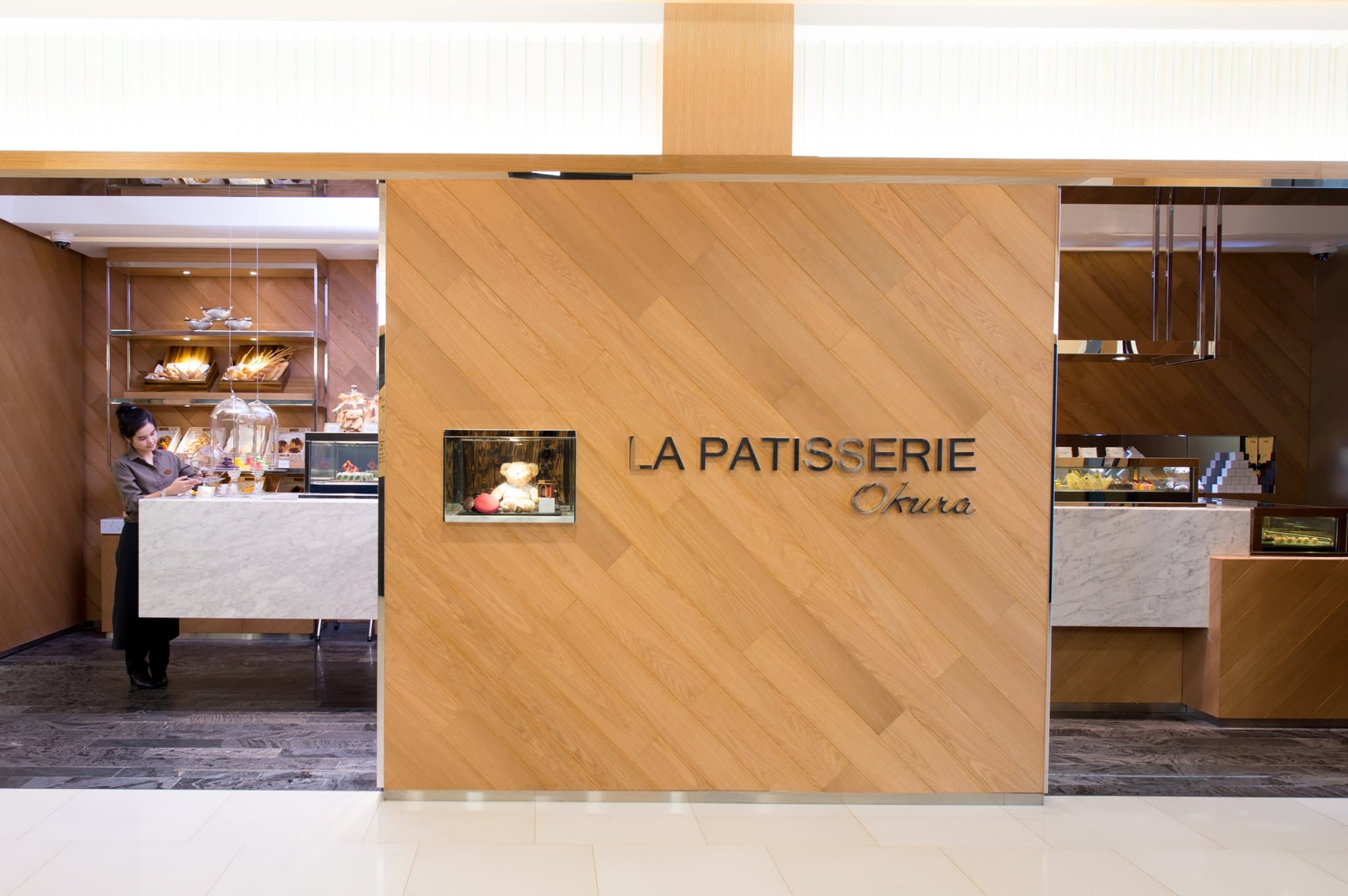
It is a specific kind of magic to hover above the snarled gridlock of Phloen Chit and hear absolutely nothing. The Okura Prestige, recently awarded Two Michelin Keys, operates less like a hotel and more like a hermetically sealed chamber of Japanese perfectionism. The lobby, a floating glass wedge on the 24th floor, sets the tone: hushed, immaculate, and smelling faintly of expensive tea. The rooms are studies in corporate zen—triple-glazed windows block the city’s roar, leaving you with 400-thread count silence and crisp yukatas. The bathrooms are the real draw, featuring the non-negotiable TOTO Washlets (the Rolls-Royce of plumbing) and aromatic HARNN amenities. It feels serious, yes, reminiscent of a first-class ANA cabin, but the service softens the edges with genuine 'Omotenashi' warmth. Dining here isn't an afterthought; it’s the destination. While Yamazato delivers Kaiseki so authentic it requires a passport check, Elements is the showstopper. Inspired by Ciel Bleu, this one-Michelin-starred venue marries French technique with Japanese produce—the Hokkaido Scallops with cucumber and yuzu are revelatory. Verdict: This is not for the backpacker or the pool-party seeker. It is a sanctuary for those who demand their luxury served with silence and a side of Wagyu.
“Book a Deluxe Corner Room. The bathtub is positioned against a glass wall, offering a vertiginous, cinematic view of the skyline that standard rooms lack.”
Insider TipAvg. Nightly Rate
190USD
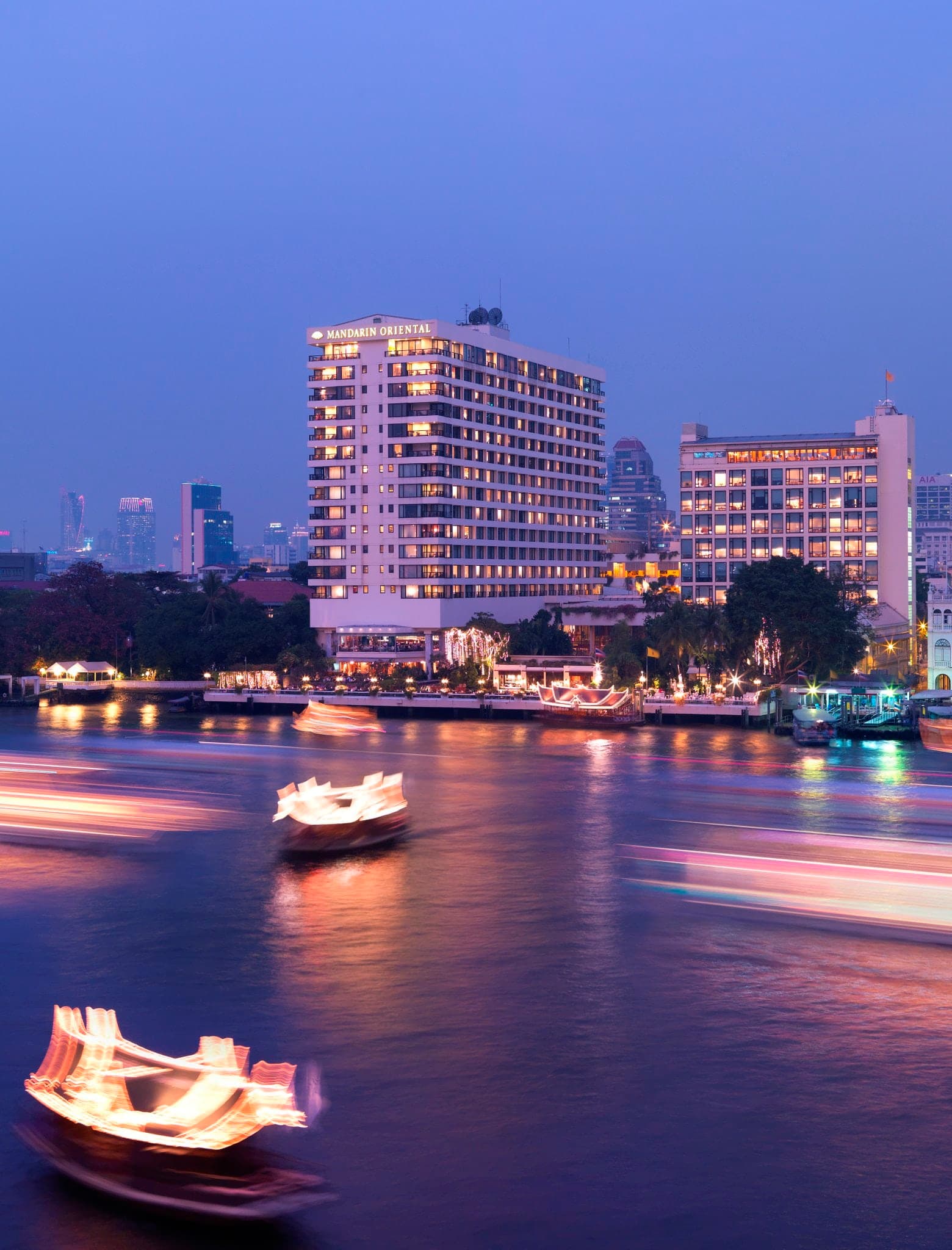
The phrase 'legendary' gets tossed around like cheap confetti, but at the Mandarin Oriental, Bangkok, it actually sticks. Known locally as 'The O,' this 148-year-old riverfront institution recently secured a trio of 2024 accolades—including three Michelin Keys and The Daily Telegraph’s 'World's Best Hotel' title—confirming that the Grande Dame hasn’t just aged; she’s evolved. Arrival sets the tone: a private teak shuttle boat ferries you from the chaos of Saphan Taksin directly to the hotel’s private pier, where the air smells of jasmine and old money. Inside, the lobby’s floor-to-ceiling floral installations command attention, but the real flex is the service. With a staff-to-guest ratio that borders on obsessive, your floor butler anticipates needs you didn't know you had—like sourcing a specific vintage charger or pressing a linen suit before dinner. Rooms in the River Wing feature floor-to-ceiling windows and Thai silk furnishings, though light sleepers should request a high floor to dampen the nocturnal hum of long-tail boats. Culinary bragging rights are serious here. Le Normandie by Alain Roux remains the city’s fine-dining north star, where the roasted duck and pan-fried foie gras justify the two Michelin stars. For a looser vibe, the Bamboo Bar offers live jazz and stiff Negronis on tiger-print stools that have hosted literati for decades. While the pool area can feel social, the dedicated Oriental Spa—accessed via that charming boat ride—offers true isolation with its Moroccan Rhassoul and ice baths. It’s not just a hotel; it’s a masterclass in hospitality.
“The gym and Oriental Spa are located on the opposite bank of the river; use the hotel’s complimentary teak shuttle boat for a scenic warm-up before your workout.”
Insider TipAvg. Nightly Rate
760USD
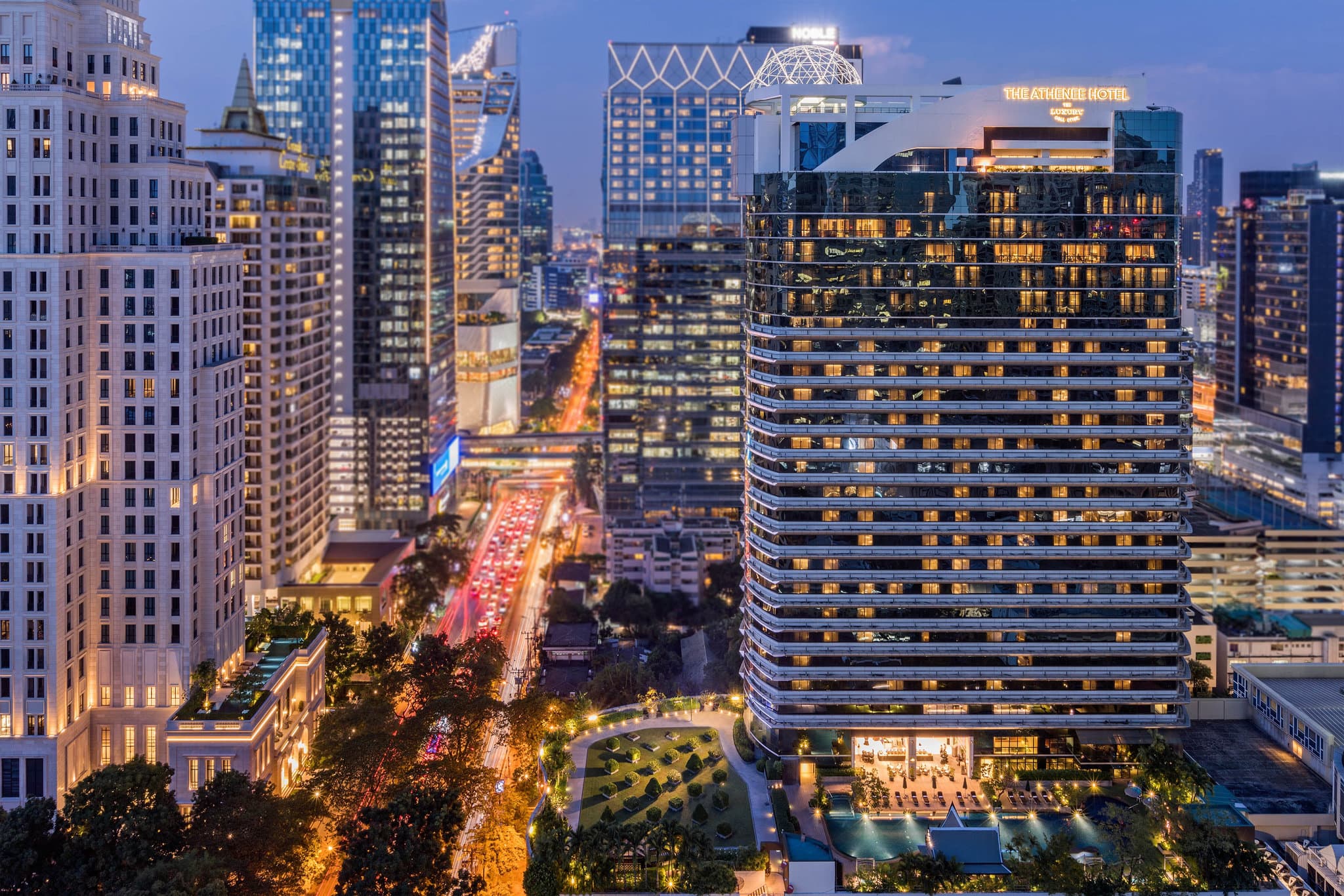
Standing on the former grounds of Kandhavas Palace, The Athenee doesn’t just lean into its royal heritage—it curates it. The lobby is a riot of Thai colonial grandeur, centered around a crystal-draped staircase that demands an entrance. While the rooms, with their dark wood paneling and silk motifs, can feel a touch ceremonial (and occasionally dimly lit), they offer a stately counterpoint to Bangkok’s glass-box modernity. But the real draw here is the culinary pedigree. This is an 'Epiculinary' destination where you don’t merely eat; you pay homage. At **Kintsugi**, Chef Jeff Ramsey—an alumnus of the Michelin-starred Tapas Molecular Bar—dismantles the kaiseki rulebook. His Alaskan King Crab & Black Truffle Chawanmushi is a textural masterclass, savory and ethereal. Down the hall at **The Silk Road**, the Peking Duck topped with caviar isn't a gimmick; it’s a rich, salty indulgence that ruins you for lesser ducks. Even breakfast at **Rain Tree Café** feels like a flex, featuring grilled river prawns that rival local markets. **The Verdict**: A sophisticated gastronomic stronghold. Come for the royal history, stay because you’re too full of caviar-topped duck to leave.
“Skip the crowded main pool hours. Instead, book a 'Blood Type' therapy session at Athenee Spa—they use Immunetra products customized to your biology, a quirkily specific wellness flex.”
Insider TipAvg. Nightly Rate
170USD
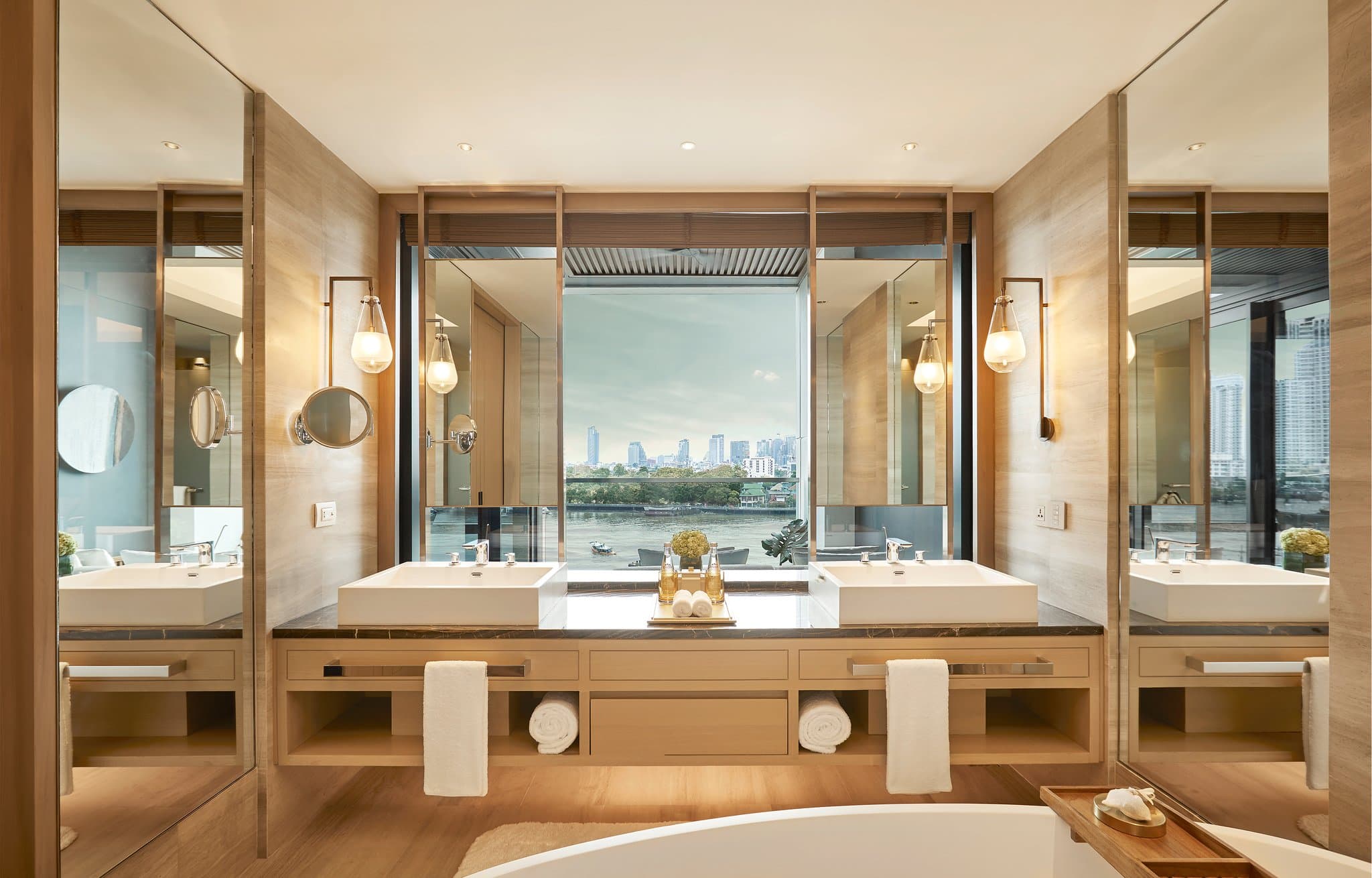
When a hotel is crowned No. 1 in The World’s 50 Best Hotels (2024), skepticism is the natural reflex. At Capella Bangkok, that skepticism dies in the lobby—or rather, the 'Living Room,' because check-in desks are for ordinary hotels. This isn’t a resort; it’s a riverside estate for the hyper-wealthy who prefer anonymity over gold leaf. The design is a masterclass in restraint, framing the Chao Phraya with floor-to-ceiling glass and beige linens, but the Villas are the true power move, featuring private plunge pools that feel like a wealthy friend's backyard. The culinary pedigree is formidable. Côte by Mauro Colagreco has just been elevated to two Michelin stars (2025), validating its 'Riviera to the River' concept. The Carte Blanche menu is a non-negotiable rite of passage, often featuring the chef’s signature beetroot with caviar—a dish of startling earthy precision. For a sharp pivot to local heat, Phra Nakhon serves a Muek Tom Holay (squid soup) that doesn't code-switch for tourist palates. Finish at Stella, the boudoir-chic bar, with a 'Cocktail 1861' under the white peacock. It’s expensive, yes, but in a city of chaotic luxury, Capella sells the one thing money usually can’t buy: absolute, riverside silence. Verdict: The hype is real.
“If the Villas are booked, request a 'Verandah' room. You get a private outdoor jacuzzi plunge pool with the same river views for a fraction of the villa price.”
Insider TipAvg. Nightly Rate
750USD
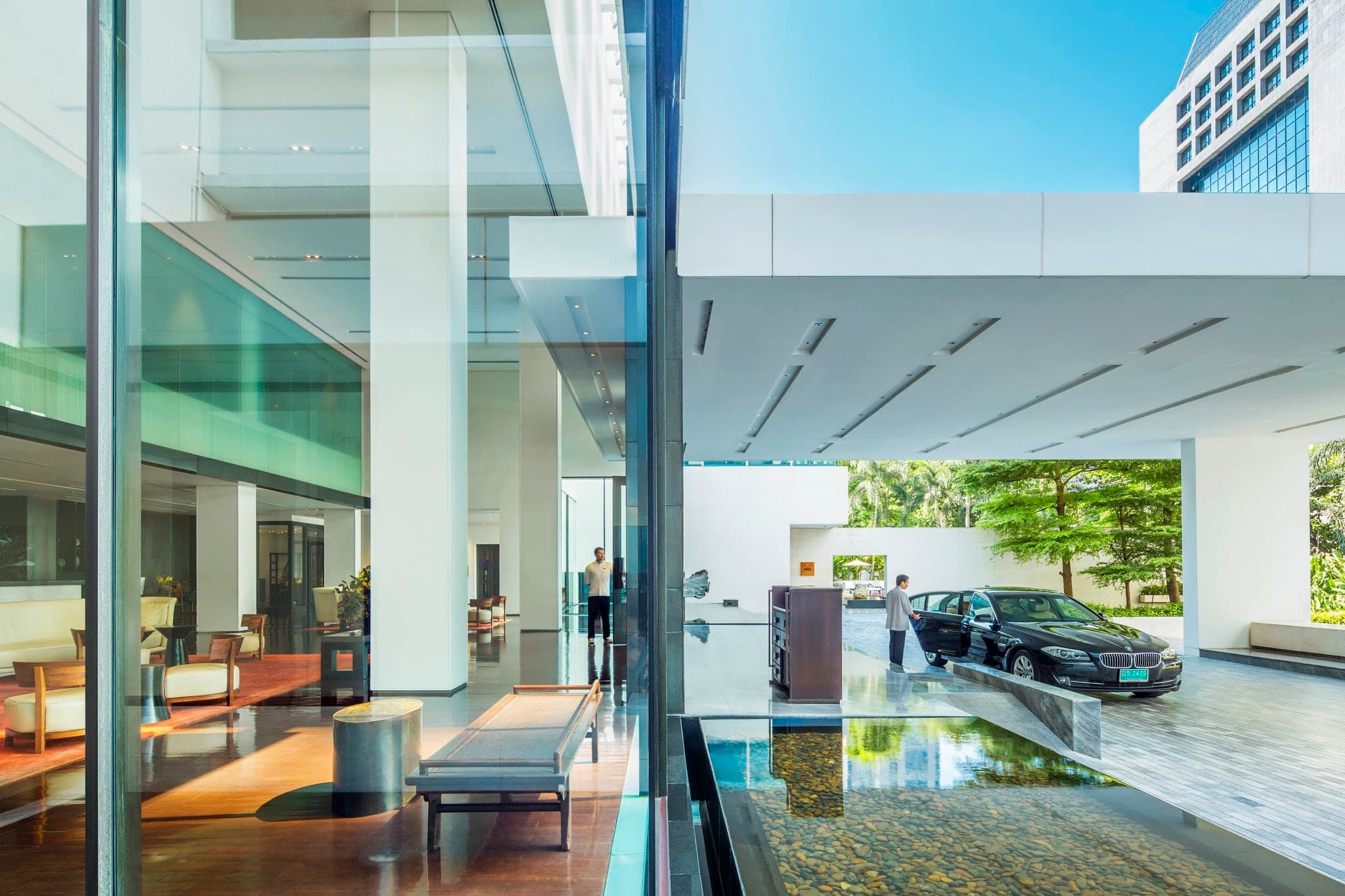
If Bangkok is a sensory assault, COMO Metropolitan is the architectural antidote. Located on the furious artery of South Sathorn Road, this property doesn’t just block out the noise; it replaces it with a disciplined, almost religious calm. Following a sharp 2025 redesign by Paola Navone, the lobby feels less like a hotel and more like a modern temple—clad in textured masonry and screened by bamboo, with deliberate splashes of ‘Buddhist orange’ breaking the monochrome palette. Upstairs, the minimalism is absolute but expensive. You won’t find chandeliers, but you will find 500-thread-count Egyptian cotton sheets, yoga mats in every wardrobe, and COMO Shambhala amenities that smell like lemongrass and money. The real pilgrimage, however, is to the ground floor. *Nahm*, under Chef Pim Techamuanvivit, retains its Michelin star (for the eighth consecutive year) by refusing to compromise. The Blue Swimmer Crab Curry is not 'tourist spicy'; it is an unbridled, tear-inducing masterpiece of balance. Recover the next morning at the 25-meter outdoor lap pool—a serious swimmer's rectangle flanked by white loungers that feels miles away from the humidity and exhaust of the city. It is a hotel for the disciplined hedonist.
“Avoid the South Sathorn Road-facing rooms if you are a light sleeper. Request a 'Metropolitan Room' on a high floor facing the pool for absolute silence.”
Insider TipAvg. Nightly Rate
107USD
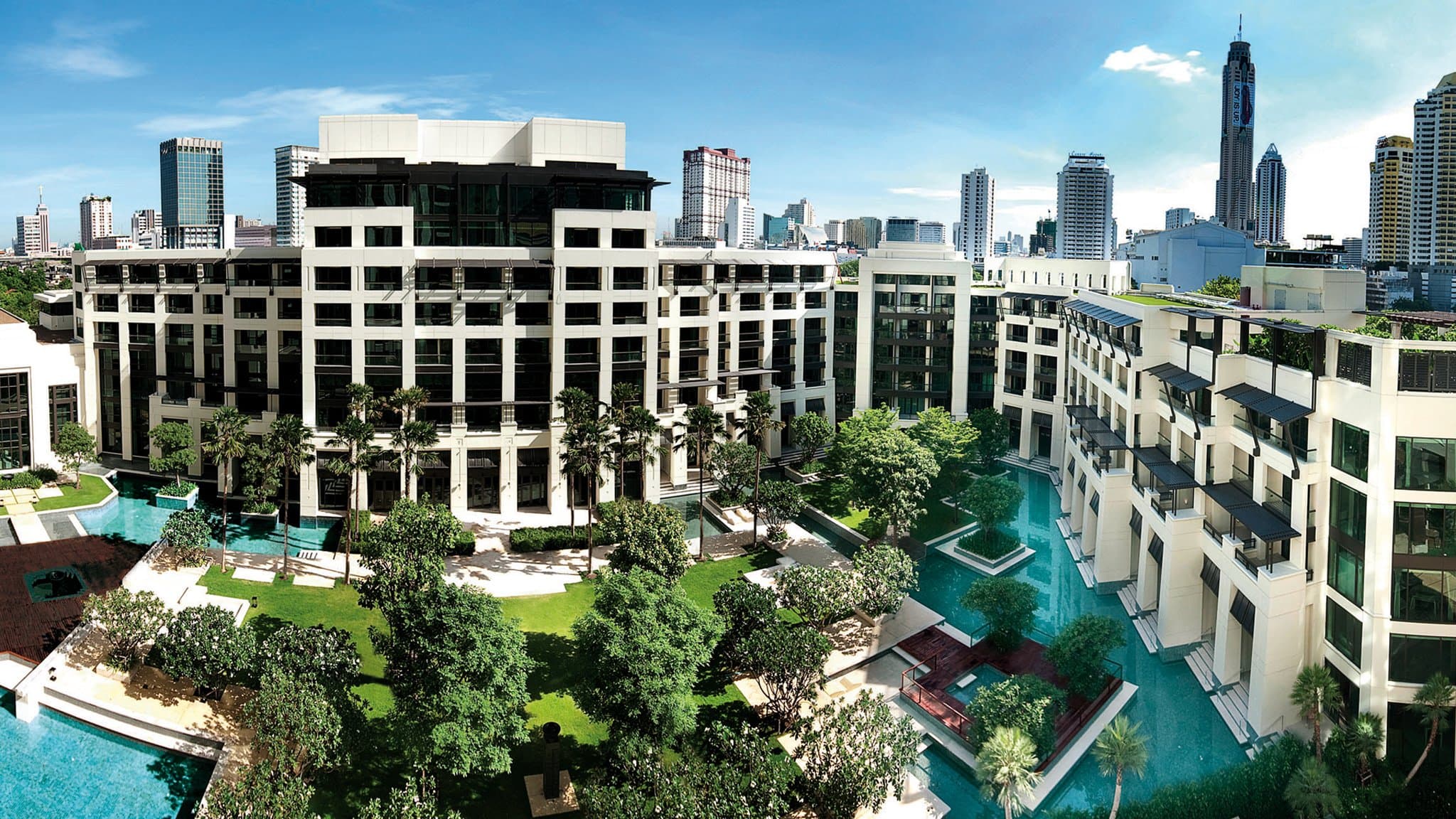
While Bangkok’s frantic energy pulses just outside the doors, the Siam Kempinski operates on a different frequency entirely. It is a resort masquerading as a city hotel, organized around a massive saltwater pool complex that makes you forget the gridlocked Rama I Road nearby. The design is grand European-meets-Thai—think high ceilings and lotus motifs—but the real draw here is the culinary theatre. Sra Bua by Kiin Kiin remains the property's crown jewel. Chef Henrik Yde-Andersen’s molecular interpretations of Thai classics are not for purists, but they are undeniably fun; the frozen red curry with lobster salad arrives shrouded in liquid nitrogen smoke, a spectacle that actually delivers on flavor. Breakfast at ALATi is a sprawling affair, though recent frequent flyers note a slight dip in variety. The rooms are hushed and spacious, featuring muted palettes and balconies that overlook the gardens. A word to the wise: the standard mattresses are firm enough to be orthopedic. If you prefer sleeping on something softer than a yoga mat, request a topper immediately upon check-in. Service is polished, anchored by the brand’s signature 'Lady in Red' ambassadors who navigate the lobby with practiced grace. For shoppers, the direct bridge to Siam Paragon is dangerous convenience.
“The standard mattresses are notoriously firm. Call housekeeping *before* arrival to request a plush featherbed topper and a selection from the pillow menu.”
Insider TipAvg. Nightly Rate
330USD
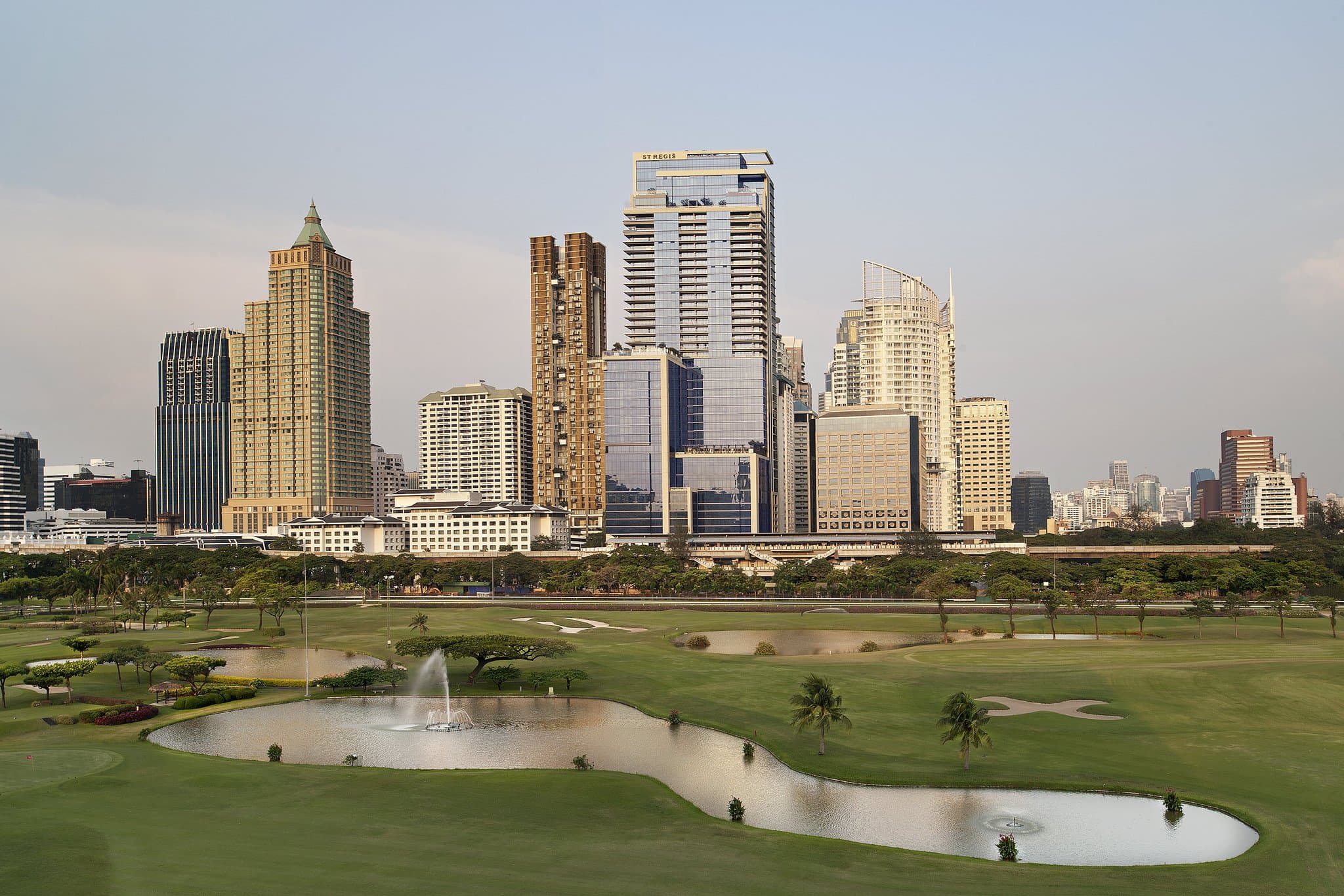
In a city that often feels like a frenetic assault on the senses, The St. Regis Bangkok operates with the cool, Caroline’s-Four-Hundred-scented detachment of a Manhattan manor. Arriving at the 12th-floor Sky Lobby, you aren't greeting a 'tropical paradise'; you are entering a fortress of old-world competence. The rooms are studies in corporate luxe—think Frette linens and grand windows—but the true amenity is human. The legendary 24-hour Butler Service is not a gimmick here; having your suitcase unpacked and your suit pressed while you settle in with a Siam Mary is a luxury that quickly becomes a necessity. However, the hotel’s pulse beats strongest in its kitchens. IGNIV Bangkok, the brainchild of Swiss maestro Andreas Caminada, has retained its Michelin Star for 2026, solidifying its status as a culinary pilgrimage site. The dining concept defies the stiff solitude of traditional fine dining; it is a sharing experience. The signature 'Chicken Nuggets'—a high-wire act of culinary wit—are mandatory, as is the Chocolate Soufflé. For a different kind of excess, the breakfast at VIU features Wagyu and lobster tails, ruining all future hotel buffets for you. If there is a fault, it lies in the 15th-floor infinity pool. While it offers cinematic views of the Royal Bangkok Sports Club’s golf greens, the unheated water is frequently bracing enough to wake the dead. If you require warmth, bypass the swim and head straight to the Longevity Hub by Clinique La Prairie for a facial using Swiss Perfection products. **Verdict:** A polished, gastronomic powerhouse for the traveler who prefers their gluttony served with white gloves.
“Request a room facing the Royal Bangkok Sports Club (RBSC) for unobstructed green views. Also, the direct skybridge to BTS Ratchadamri is a lifeline during rush hour—use it.”
Insider TipAvg. Nightly Rate
200USD

In a city where hotels typically loom as glass obelisks, U Sathorn Bangkok commits a delightful act of rebellion: it lies flat. Tucked down the labyrinthine Soi Ngam Duphli, this low-rise, whitewashed colonial estate feels less like a hotel and more like the diplomatic residence of a particularly relaxed ambassador. The architecture enforces a hushed reverence, with three-story wings wrapping around a long saltwater pool that demands lazy laps rather than athletic performance. The property’s true innovation, however, is its contempt for standard hotel clocks. The '24-hour use' policy is a game-changer: check in at 8 PM, and the room is yours until 8 PM the next day. This fluidity extends to breakfast, which the staff will happily serve on your terrace at 3 PM if jet lag dictates. Then there is J’AIME by Jean-Michel Lorain. The venue is a disorienting masterpiece where a grand piano hangs from the ceiling and chandeliers sprout from the floor—a surreal stage for Chef Lorain’s Michelin-pedigree cuisine. The Ocean oyster terrine is a masterclass in textural precision, translating Burgundy technique for the tropics without the heaviness. It is sophisticated, slightly eccentric, and entirely comfortable with its own rhythm.
“Book a 'Terrace Garden' room on the ground floor for direct pool access, but request a unit in the wing furthest from the lobby for absolute silence.”
Insider TipAvg. Nightly Rate
75USD
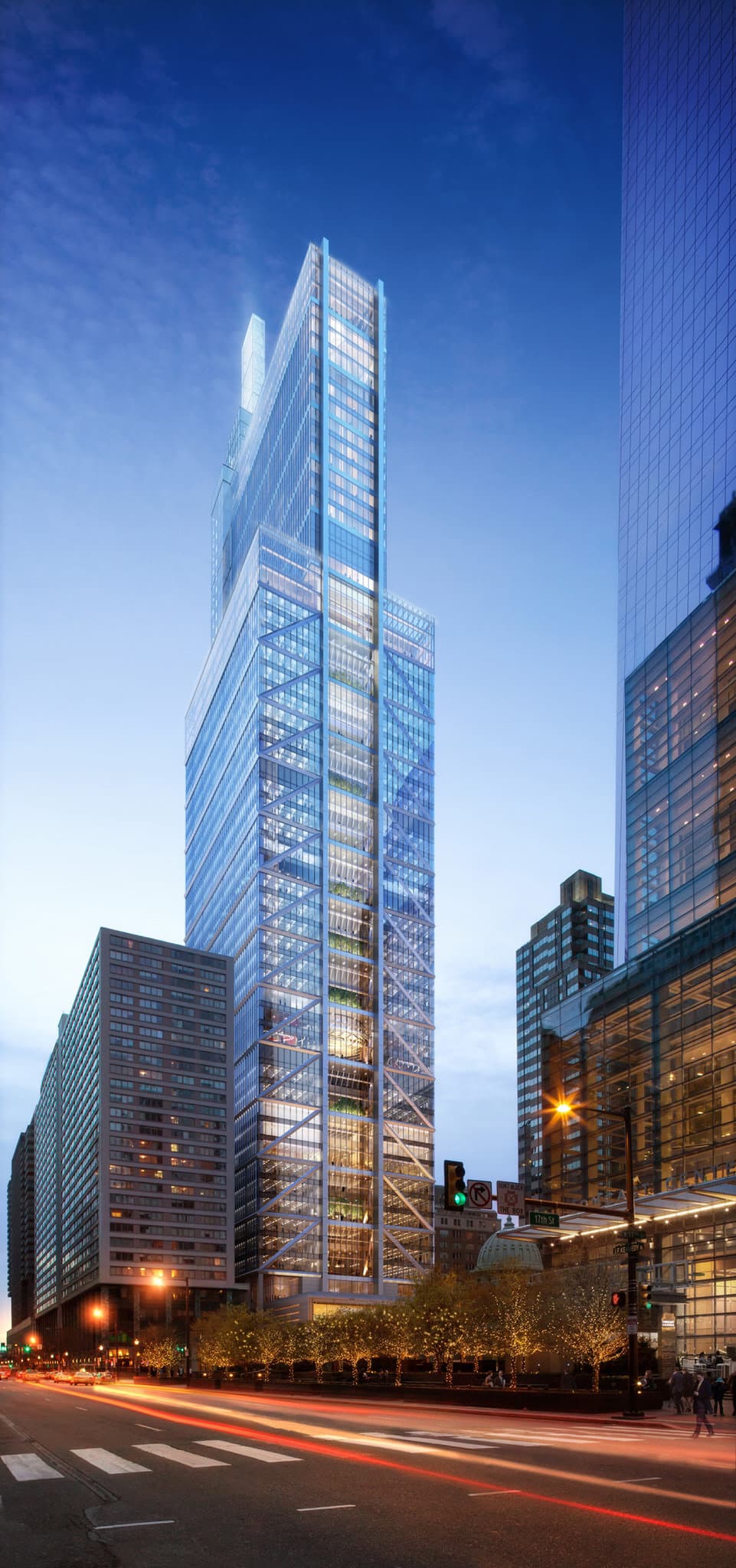
If the Chao Phraya is the River of Kings, the Four Seasons is its new palace. Jean-Michel Gathy’s design doesn't just embrace the water; it orchestrates a dialogue with it through a dramatic series of cascading courtyards and reflection pools that dissolve the chaos of Charoen Krung into Zen-like silence. This is not merely a hotel; it is an atmospheric shift. The rooms are sanctuaries of understated power—think high ceilings, floor-to-ceiling glass, and a palette of river-grey and silk that feels expensive rather than loud. But the real theater happens downstairs. Yu Ting Yuan, the first Cantonese venue in Thailand to earn Michelin recognition, remains a temple of technique; the Peking duck, carved with surgical precision, is non-negotiable. Then there’s BKK Social Club. With its lush green velvet banquettes and Buenos Aires glamour, it feels like the set of a movie you desperately want to be in. Order the ‘Evita’—it’s complex, floral, and arguably the best sip in the city. Service is telepathic, the Technogym-equipped fitness center is vast, and the urban wellness centre’s chemical-free vitality pool is the ultimate jet-lag cure. Verdict? A game-changer that makes the rest of the riverside feel suddenly yesterday.
“Skip the standard river view and request a 'Deluxe Palm Court' room on a low floor (3rd or 4th). You get a private, immersive view of the reflection ponds and art installations that feels like staying in a contemporary gallery.”
Insider TipAvg. Nightly Rate
450USD