No. 01
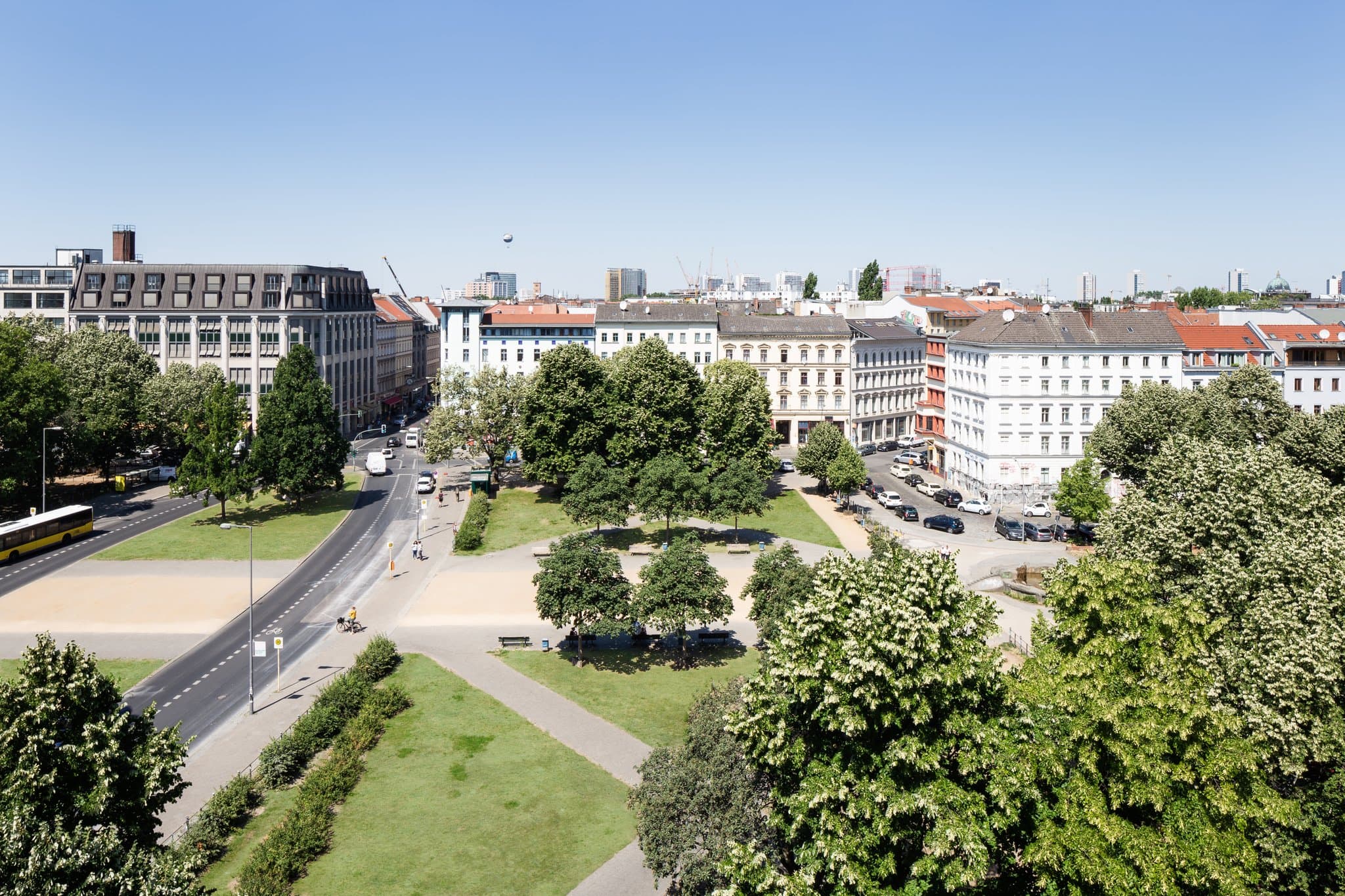
Oranienplatz 17. Berlin Germany 10999Berlin560 verified reviews
9
.4
Bitvoya Edit
Layering imagery, place, and detail before the page opens.
Berlin is a city where history is not just preserved; it is reinvented. For the discerning traveler, the true magic lies in the capital's ability to transform its scars and monuments into beacons of modern luxury. Our curated collection, 'Architectural Rebirth,' takes you inside buildings that have lived past lives—from the majestic Hotel de Rome, once a bank headquarters in Mitte, to the regal SO/ Berlin Das Stue, formerly the Royal Danish Embassy in the leafy Tiergarten district. Whether it's the aristocratic charm of Schlosshotel Berlin in Grunewald or the creative pulse of Orania.Berlin in Kreuzberg, these properties offer more than just a stay; they offer a narrative. Experience the juxtaposition of Prussian heritage and contemporary design in spaces that define Berlin's resilient soul.
Berlin stands as a global capital of adaptive reuse. Following a tumultuous 20th century, the city found itself with an abundance of vacant, historically significant structures ranging from Prussian palaces to industrial complexes. Rather than demolishing these relics, Berlin's architects have masterfully repurposed them. Staying in these converted spaces offers a unique travel experience where guests can sleep in rooms with soaring ceilings, dine in former bank vaults, or relax in spas that were once jewels of Art Nouveau design. Hotels like Hotel Palace Berlin and The Westin Grand Berlin exemplify this blend of grand history and modern comfort.
Expect the unexpected. Unlike purpose-built modern hotels, converted spaces in Berlin offer eccentric layouts and bespoke character. At Schlosshotel Berlin by Patrick Hellmann, you are not just in a hotel but in a former private mansion, offering an intimacy and grandeur impossible to replicate. Interiors often feature preserved original details—marble staircases, intricate stucco work, and heavy vault doors—seamlessly integrated with contemporary art and high-tech amenities. These stays are destinations in themselves, providing a tactile connection to Berlin’s layered past.
Hotel de Rome is the premier choice. Located on Bebelplatz, it is housed in the beautifully restored 19th-century headquarters of the Dresdner Bank.
Schlosshotel Berlin by Patrick Hellmann, located in Grunewald, offers an exclusive stay in a former historic villa with fashion-forward interiors.
Yes, SO/ Berlin Das Stue is located directly adjacent to the Berlin Zoo in the Tiergarten district, occupying the former Royal Danish Embassy building.
Explore our complete curated list of luxury accommodations, from boutique hideaways to grand dames.
Explore All Berlin HotelsIf walls could talk, the Oranienpalast would sing. Built in 1913 as a café-concert venue, this architectural stalwart in the heart of Kreuzberg has been masterfully reimagined by Dietmar Müller-Elmau into a cultural salon that just happens to have bedrooms. Forget the typical minimalist beige; here, the aesthetic is a sophisticated riot of warm reds, exposed brick, and rich textiles. The lobby isn’t a thoroughfare but a destination—a 'living room' where Patricia Urquiola wingchairs face a stage graced by a Steinway piano, hosting free jazz and classical concerts that draw as many locals as guests. Upstairs, the rooms defy the cookie-cutter hotel mold. While the entry-level Orania.17 can feel intimate (read: cozy), the design pedigree is undeniable, featuring handmade Schramm mattresses and elephant-motif headboards that nod to the building's history. The real showstopper, however, is the dining. Chef Philipp Vogel’s X-Berg Duck is not merely dinner; it’s an event—a four-course masterclass in roasting. Service is refreshingly unscripted, striking that elusive balance between Berlin cool and genuine warmth. Be warned: this is Kreuzberg. The vibrancy of Oranienplatz is audible, but for those seeking the pulse of Berlin’s creative district rather than a silent retreat, Orania is the only address that matters. **Verdict:** A masterclass in adaptive reuse that trades silent luxury for soulful, sonic vibrancy.
“Skip the standard double and book an Orania.25 room; the bay window nook overlooking Oranienplatz is the ultimate perch for people-watching with a morning espresso.”
Insider TipAvg. Nightly Rate
187USD
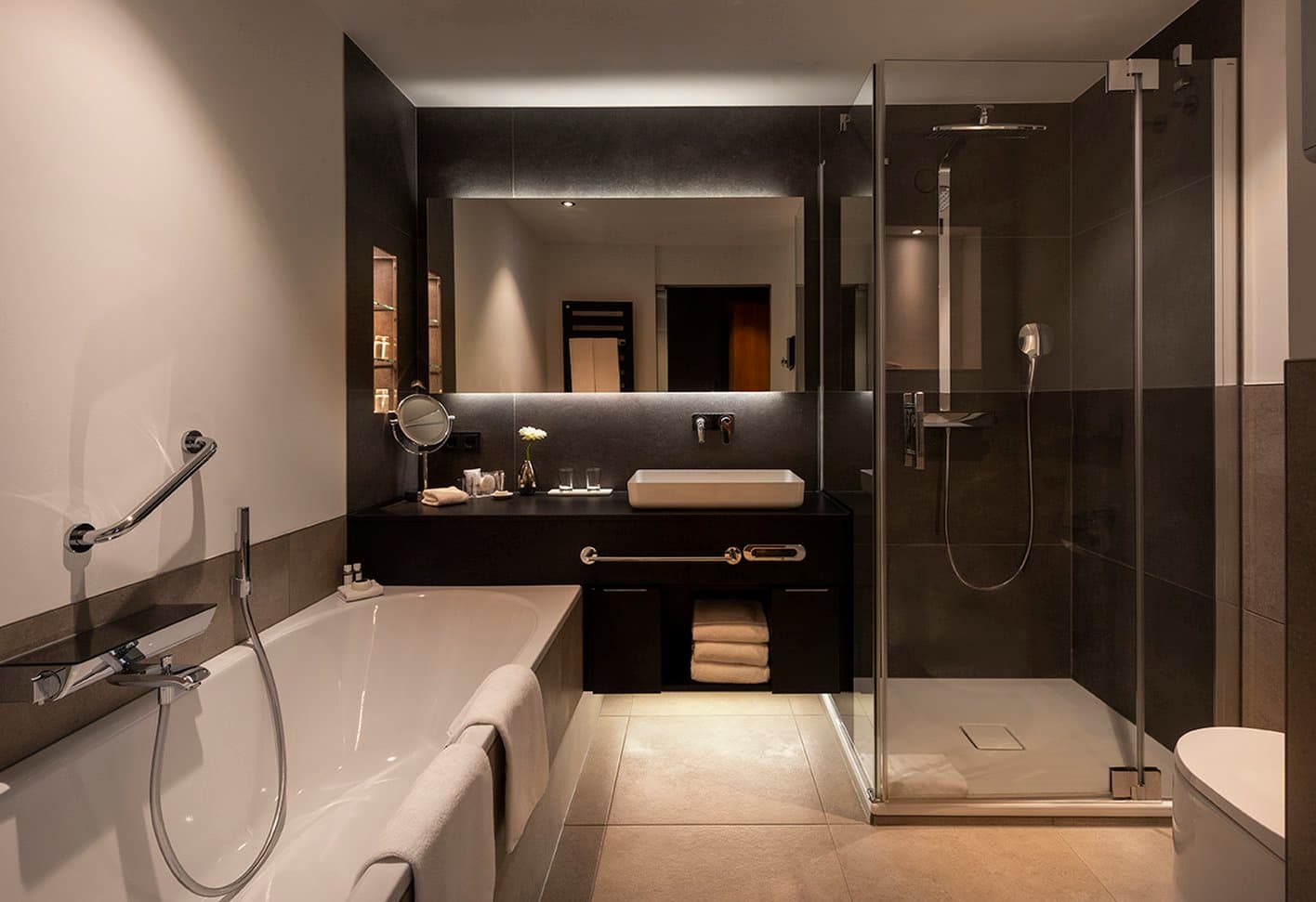
While East Berlin chases industrial chic, the Hotel Palace Berlin remains the unapologetic anchor of the Europa Center—that 1965 icon of capitalist resilience topped with a rotating Mercedes star. This isn't a trendy warehouse conversion; it is the living, breathing pulse of City West’s original architectural ambition. The lobby may whisper of nineties business deals, but the recent injection of glamour is undeniable. The standout is the *House of Gin*, where 150 varieties await beneath a ceiling installation of suspended gold batons—a design flourish that feels more Gatsby than Cold War. Dinner at *beef 45* is equally serious, delivering sous-vide Simmental beef tartare that puts the hipster burger joints of Kreuzberg to shame. Yes, the corridors retain a certain heavy-carpeted silence, and the decor in standard rooms leans towards reliable rather than revolutionary. Yet, the Technogym-equipped fitness center and the *Palace Spa Berlin*—complete with an ice grotto and Ayurvedic treatments—deliver five-star efficacy. It’s a hotel that doesn’t try to be a start-up hub; it’s where you go for a proper Tomahawk steak, a stiff Stay Gold G&T, and a view of the Zoo’s elephant enclosure that no amount of exposed brick can replicate.
“Book a Club Room on the 7th or 8th floor for access to the Club Lounge—the breakfast spread is superior, and the view over the Kaiser Wilhelm Memorial Church is the best history lesson in town.”
Insider TipAvg. Nightly Rate
180USD
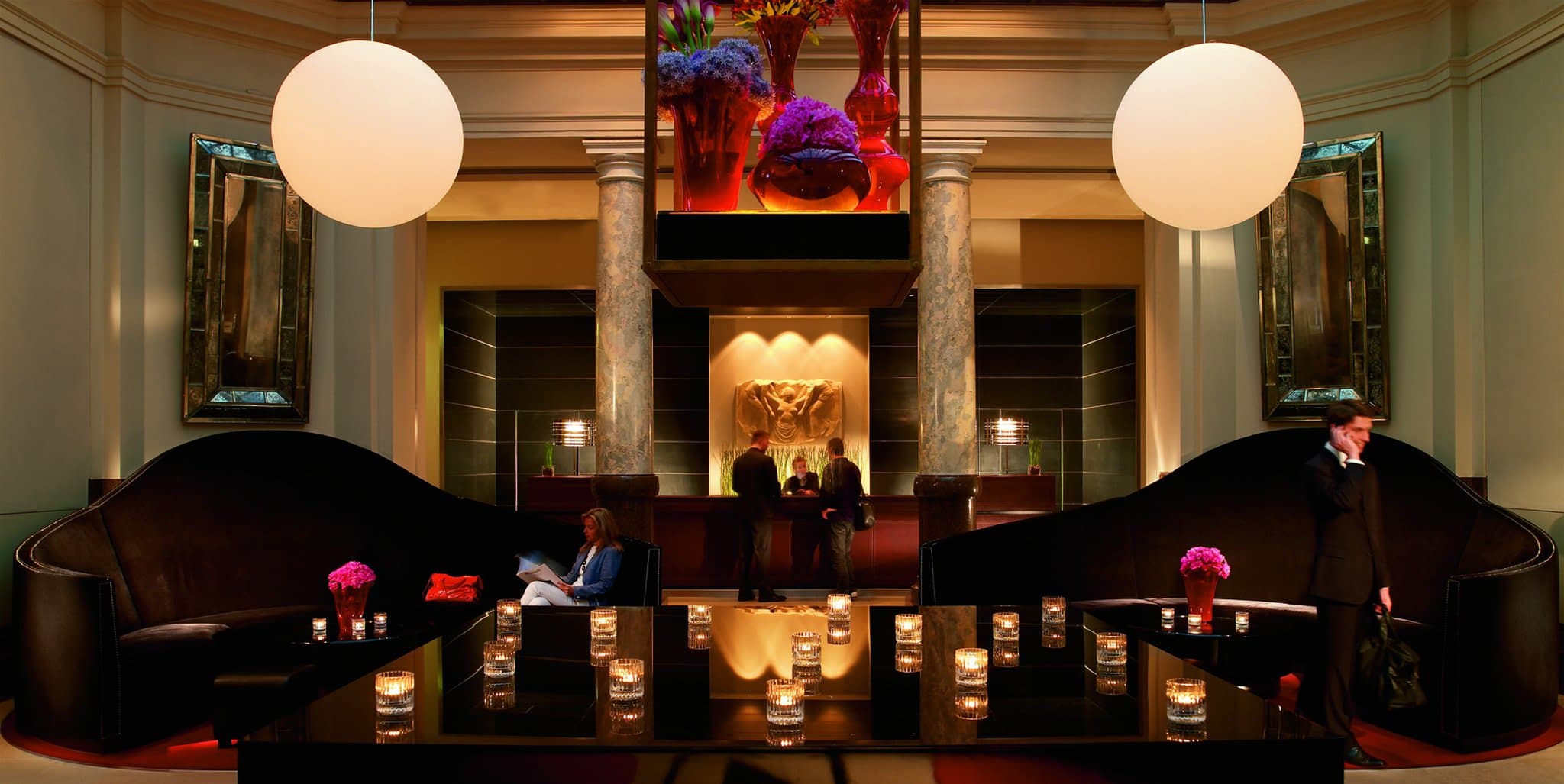
If walls could talk, these would whisper wire transfer codes. Commanding Bebelplatz, Hotel de Rome is a limestone monolith that doesn't just occupy the former 19th-century Dresdner Bank—it weaponizes that history for pure atmosphere. The conversion is a masterclass in adaptive reuse: the cashier’s hall has morphed into a ballroom with ceilings high enough to give you vertigo, while the spa hides in the former jewel vault. Swimming laps here, surrounded by gold mosaics and behind a massive steel blast door, feels like a scene from a Bond film, minus the espionage. The rooms strike a difficult balance between 'Banker Chic' and actual comfort. High ceilings and soundproofing are stellar, though courtyard-facing units can feel a touch somber—perfect for deep sleep, less so for natural light. Details matter: Dyson hair dryers, Irene Forte skincare (a nod to the family brand), and crisp linen keep the experience tactile. Dining at CHIARO offers a reprieve from the serious architecture; the Linguine al Limone is sharp and bright, but the tableside Spaghetti Ice Cream is the witty, unpretentious finish you didn't know you needed. Service is polished, though the Rooftop Terrace can suffer from its own popularity during sunset hours.
“Book a treatment to secure access to the vault pool during peak hours, and ask for a room facing St. Hedwig’s Cathedral for the best light.”
Insider TipAvg. Nightly Rate
408USD
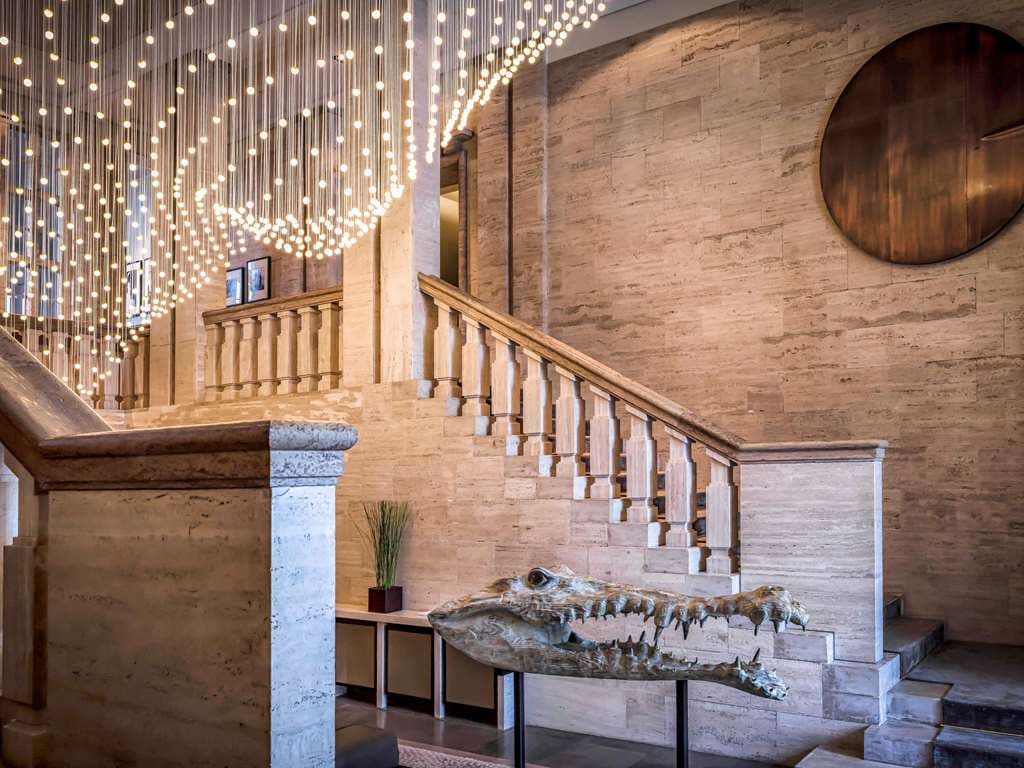
If the limestone walls of this former Royal Danish Embassy could talk, they would swap state secrets for gossip about the ostriches next door. SO/ Berlin Das Stue achieves the impossible: transforming a rigid 1930s diplomatic stronghold into Berlin’s most seductive living room ('Stue' is Danish for just that). Patricia Urquiola’s interiors are the antidote to the building’s severe, Nazi-era adjacent classicism; think parametric travertine curves clashing brilliantly with plush velvets and a bronze crocodile head greeting you in the foyer. The real theater, however, happens in the Stue Bar. Forget the lobby—head here at dusk, order a 'Stue Mule' (their signature spicy ginger kick), and watch the Berlin Zoo’s gazelles graze just meters beyond the floor-to-ceiling glass. It’s an urban safari with better glassware. Upstairs, the rooms divide into two camps: the 'Embassy' rooms, which some find historically cramped, and the airy 'Stue' rooms in the modern extension. Opt for the latter; the extra square footage and balconies matter. Dining at Carte Blanche is a serious affair—the beef tartare is texturally perfect—but the true sanctuary is the Susanne Kaufmann spa, where the 14-meter pool feels like a secret bunker for the wellness elite. It’s not just a hotel; it’s a masterclass in architectural repurposing.
“Skip the main zoo entrance queue entirely; guests get exclusive private access through the hotel's terrace gate (ask the concierge for the key).”
Insider TipAvg. Nightly Rate
368USD
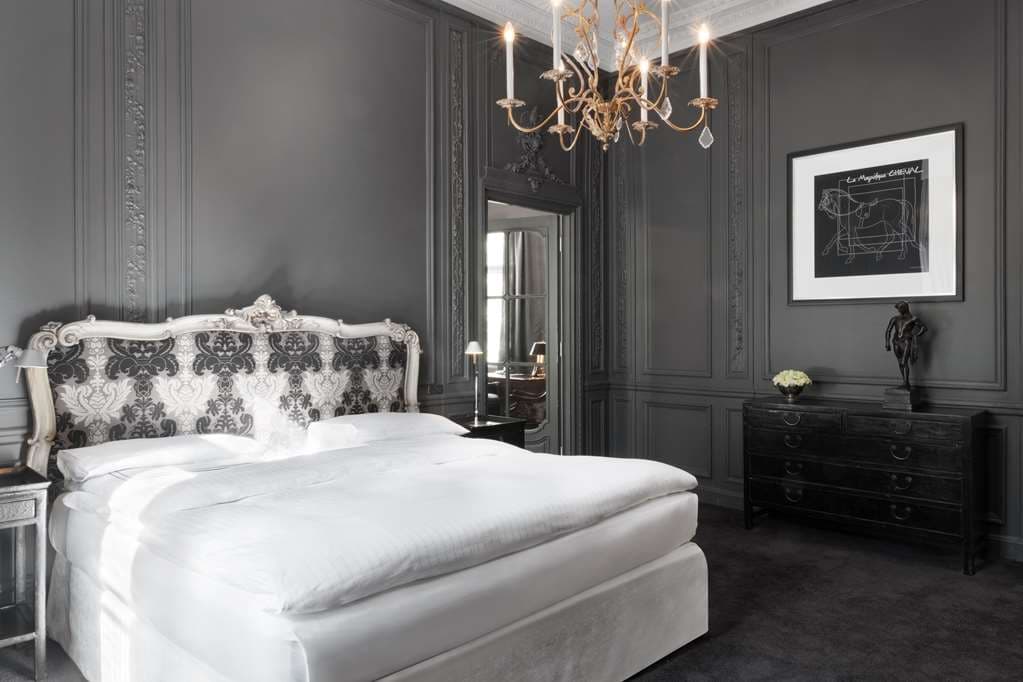
In a city defined by industrial grit and techno hedonism, Schlosshotel Berlin is a velvet-draped act of defiance. Anchored deep in the diplomatic silence of the Grunewald district, this 1914 Renaissance-style villa—originally built for the Kaiser’s attorney, Walther von Pannwitz—feels less like a hotel and more like the set of a Weimar-era mystery. Fashion designer Patrick Hellmann has overlaid the historic bones with a moody, high-gloss aesthetic that channels both Karl Lagerfeld (who designed the Kaiser Suite) and a modern-day Jay Gatsby. The arrival is cinematic: a check-in devoid of lobby bustle, leading to rooms that reject standard beige hospitality scripts. Expect heavy fabrics, crystal chandeliers, and bathrooms stocked with Lalique amenities. The fitness offering is surprisingly serious, featuring Technogym equipment that caters to the vanity of the fashion set. Dining is an exercise in atmosphere. The GQ Bar serves a lethal Signature Manhattan amidst moody fashion photography, while the main restaurant delivers competent classics like Beef Tenderloin Rossini. However, the transition from private noble residence to public hotel has friction points. Service can suffer from a peculiarly Berlin nonchalance—often bordering on neglect—and the sprawling gardens, while romantic, occasionally betray a renovation backlog with weathered stonework. This is not a base for exploring Alexanderplatz; it is a sanctuary for those who find the city center vulgar.
“Book a Premium Room for the Hellmann-designed 'New York' interiors, and visit the indoor pool late at night—the crystal chandeliers reflecting on the water create a surreal, private swim.”
Insider TipAvg. Nightly Rate
194USD
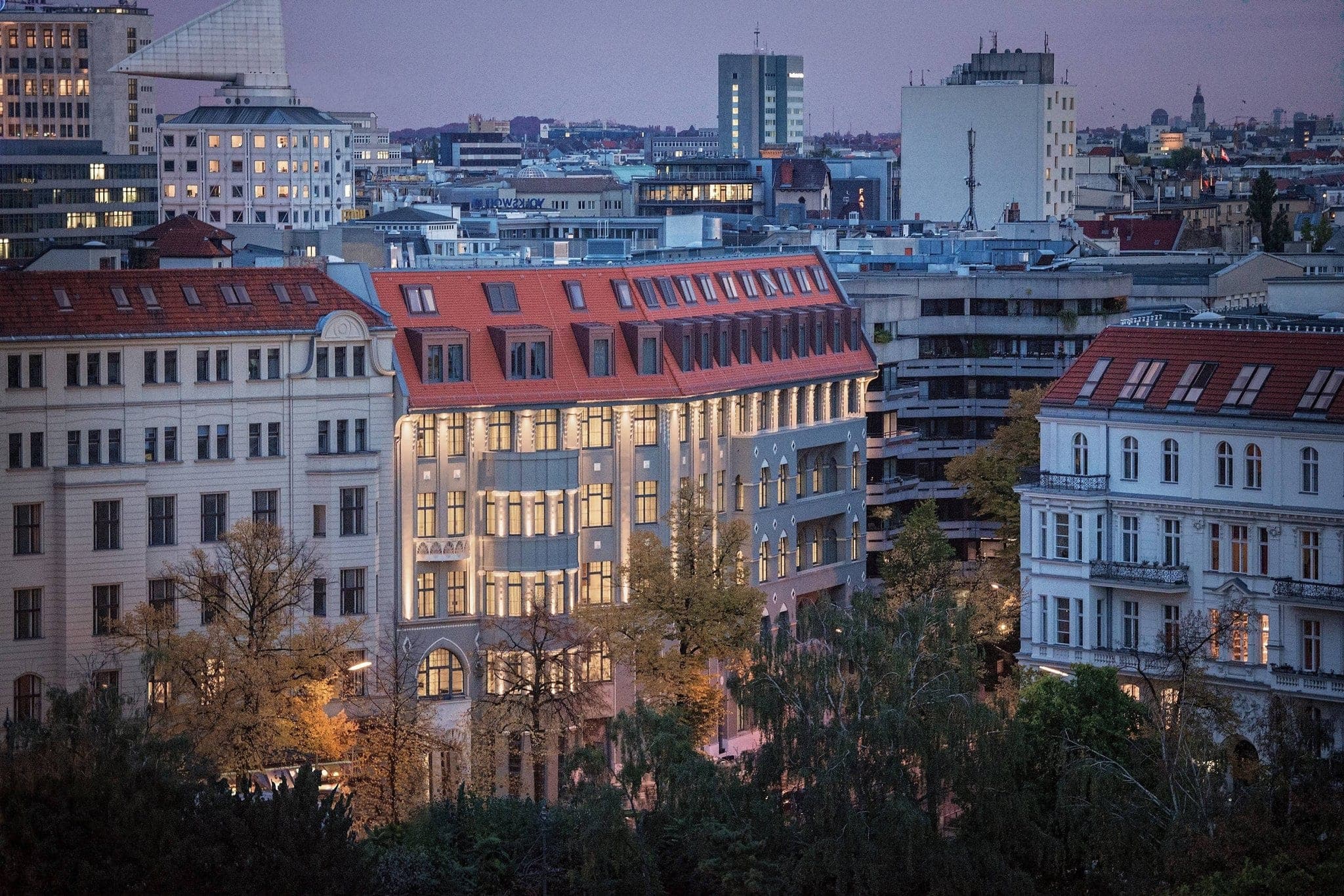
If walls could talk, the 1913 façade of Roomers Berlin Steinplatz would whisper of Russian aristocrats, Allied officers, and a goat named Beate who once inhabited the courtyard during WWII. Today, this Autograph Collection outpost isn't just a hotel; it is an act of architectural archaeology with a pulse. The restoration by architect August Endell’s original blueprints is meticulous, reviving the Gothic arches and Art Nouveau curves that make the arrival experience feel less like a check-in and more like a coronation. Be warned: the historical footprint dictates the floor plan. Entry-level rooms (22sqm) are bijou, bordering on tight, but the execution distracts you from the square footage. We’re talking chrome fixtures, intuitive lighting, and Dyson dryers that actually work. The real theatre happens downstairs at Manon Brasserie Nouvelle. Forget the standard hotel fare; the veal sweetbreads with caviar are a decadent collision of textures, and the Filet de Boeuf Rossini is unapologetically rich. While the lack of a pool is a slight buzzkill for a five-star claimant, the rooftop Thalgo spa compensates with panoramic saunas that offer a voyeuristic peek at the Berlin skyline. It’s a sanctuary for the design-obsessed who prefer character over cavernous, empty suites.
“Ask the concierge about the 'goat cheese praline' amenity—a quirky nod to the goat that lived in the courtyard during the 1940s food shortages.”
Insider TipAvg. Nightly Rate
177USD
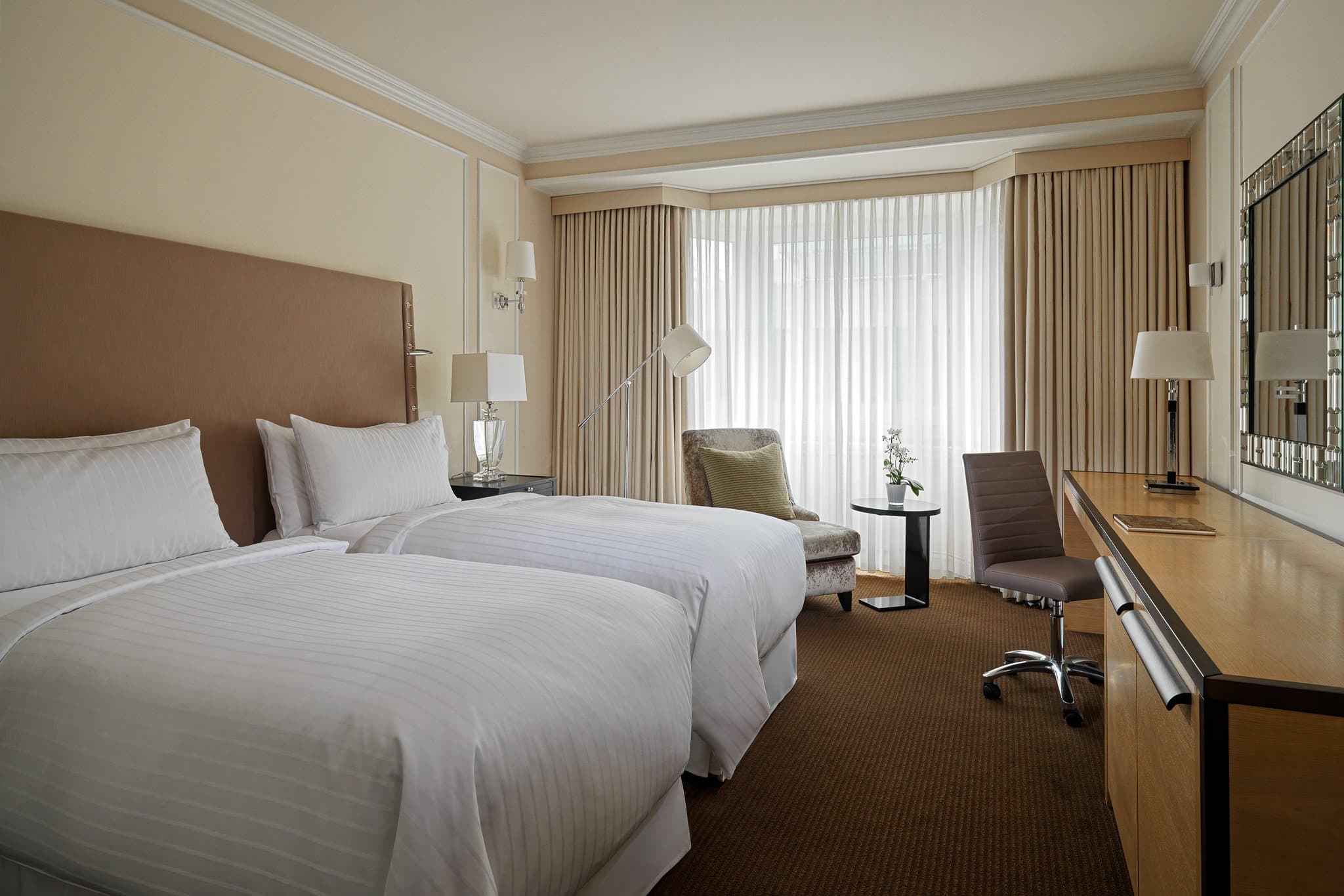
It is a delightful historical irony that one of Berlin’s most ostentatious displays of luxury was commissioned by the GDR. Opened in 1987 as the ‘Grand Hotel Berlin’ to siphon hard currency from Western visitors, The Westin Grand Berlin remains a theatrical relic of late-socialist ambition. The experience centers on the massive octagonal atrium—a sun-drenched, Beaux-Arts spectacle that feels more like a cinematic set (indeed, *The Bourne Supremacy* filmed here) than a mere lobby. Check-in is efficient, though the service can struggle to match the building's grandeur during peak hours. The rooms are a study in contrasts: the signature Westin Heavenly Beds deliver the brand’s promised cloud-like sleep, yet the bathrooms, with their shower-tub combos, betray the building's 80s lineage. They are clean but decidedly un-modern. Dining offers a redeemable high note; the ‘Relish Restaurant & Bar’ serves Linum Veal Medallions that are technically flawless, and the breakfast at Restaurant Coelln—while a steep €32—features house-made rooftop honey that is genuinely memorable. The wellness area, with its heated circular pool and Gezer Spa saunas, offers a necessary respite after navigating the Friedrichstraße crowds. Ultimately, you book this for the architecture and the location, accepting the retro quirks as part of the historical admission price.
“Skip the street-view rooms; ask for an Atrium-facing room on a high floor for the quietest sleep and a dramatic view of the glass dome. Also, the sauna incurs an extra fee—forewarned is forearmed.”
Insider TipAvg. Nightly Rate
148USD
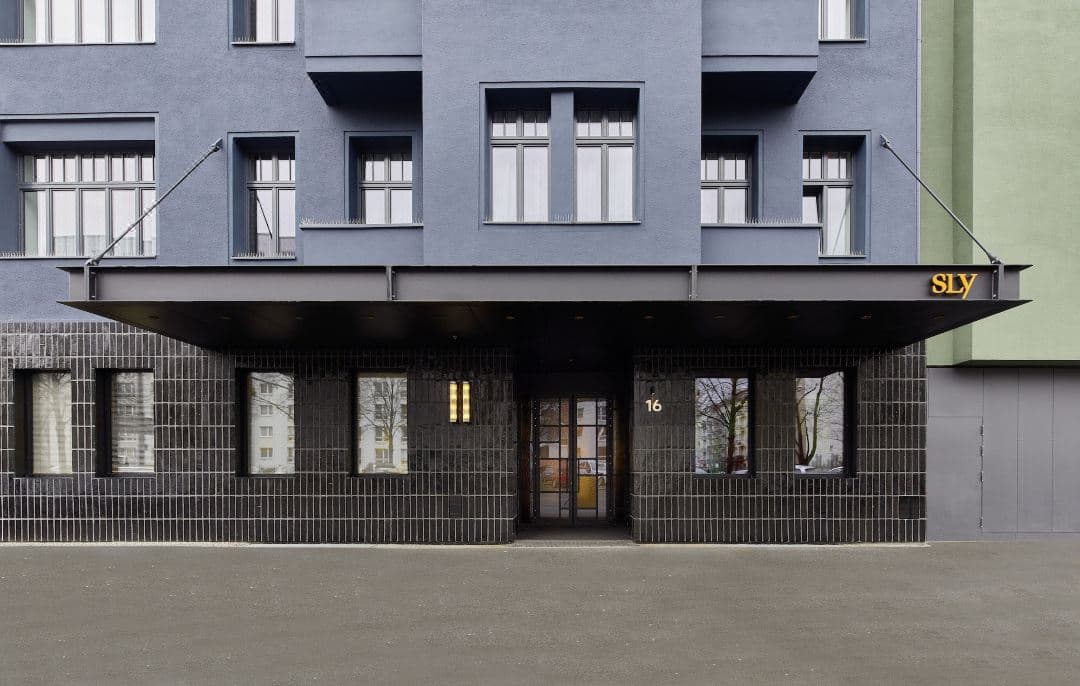
In a neighborhood synonymous with graffiti and techno, sly Berlin pulls off a sophisticated horticultural miracle. Spanning four distinct structures—including a historic 19th-century *Altbau*—the hotel anchors its identity not in a lobby, but in a soaring, glass-roofed greenhouse that acts as the property's lungs. It is a masterclass in adaptive reuse, where brutalist concrete ceilings are softened by solid oak parquet floors and curvaceous Fritz Hansen furniture. The rooms are textural triumphs, though they eschew traditional conveniences for local flavor; the absence of minibars is a deliberate nod to Berlin culture, replaced by a 24-hour in-house 'Späti' (kiosk) stocked with artisanal snacks. While the Molton Brown amenities and Marshall Bluetooth speakers signal luxury, light sleepers should request courtyard views to avoid the rattle of Petersburger Straße trams. Dining is theatrical under the greenhouse trellis, where the Robata grill turns out a smoky Miso Cod and charred Rubia Gallega rib eye. Finish at the rooftop KLAFS sauna, which offers a voyeuristic sightline to the TV Tower. The service can be characteristically Berlin—relaxed to a fault—but the visual drama makes the wait forgiveable.
“Skip the standard rooms facing the street; book a 'Courtyard Room' for silence. Also, the lobby 'Späti' sells local craft beers cheaper than the bar.”
Insider TipAvg. Nightly Rate
131USD