No. 01
ChengduChengdu1519 verified reviews
9
.6
Bitvoya Edit
Layering imagery, place, and detail before the page opens.
In a city famed for its rapid modernization, the soul of Chengdu still resides within its ancient walls. Bitvoya invites you to step back in time, swapping glass skyscrapers for grey brick tiles and serene koi ponds. This curated collection highlights the finest heritage courtyard stays, focusing on the preservation of the traditional Western Sichuan architectural style known as 'Siheyuan'.
From the bustling, historic arteries of the Kuanzhai Alleys (Wide and Narrow Alleys) where Guanyin Yiyuntai stands, to the spiritual tranquility near Wenshu Monastery, and the chic fusion of Taikoo Li housing The Temple House, these properties are not just hotels; they are living museums. Venture further to Anren Ancient Town for a resort experience that captures the romance of the Republic of China era.
Chengdu offers a rare juxtaposition where millennia-old history coexists with cutting-edge luxury. Choosing a heritage courtyard stay allows travelers to immerse themselves in the 'Shu' lifestyle—a philosophy that values leisure, tea culture, and harmony with nature. Unlike standard luxury hotels, properties like The Temple House or Guanyin Yiyuntai offer an intimate connection to the city's past. You aren't just visiting Chengdu; you are dwelling within its narrative. These restored residences, often former homes of scholars or merchants, feature intricate wood carvings, private gardens, and a level of privacy that is hard to find in the city center.
Expect a sensory journey. Visually, these hotels feature 'Siheyuan' layouts (quadrangle courtyards) with grey brick walls and flying eaves. Culturally, the service is often tailored to reflect traditional Sichuan hospitality. Expect in-room tea ceremonies using local Zhuyeqing tea, calligraphy sets for guest use, and serene courtyards designed for quiet contemplation. Modern amenities are seamlessly integrated; underfloor heating and smart home systems are hidden beneath vintage aesthetics, ensuring that your time travel comes with zero compromise on comfort.
Yes, properties like Guanyin Yiyuntai and The Temple House are located in central districts (Qingyang and Jinjiang), offering immediate access to major attractions like Kuanzhai Alleys and Chunxi Road.
Absolutely. The 'Siheyuan' courtyard architecture is integral to Western Sichuan culture, emphasizing privacy, family, and a connection to nature, offering a deeply authentic living experience.
Yes, all selected properties are luxury accommodations. While they maintain historic architecture, interiors are equipped with modern comforts like air conditioning, high-speed Wi-Fi, and premium bedding.
Explore our complete curated list of luxury accommodations, from boutique hideaways to grand dames.
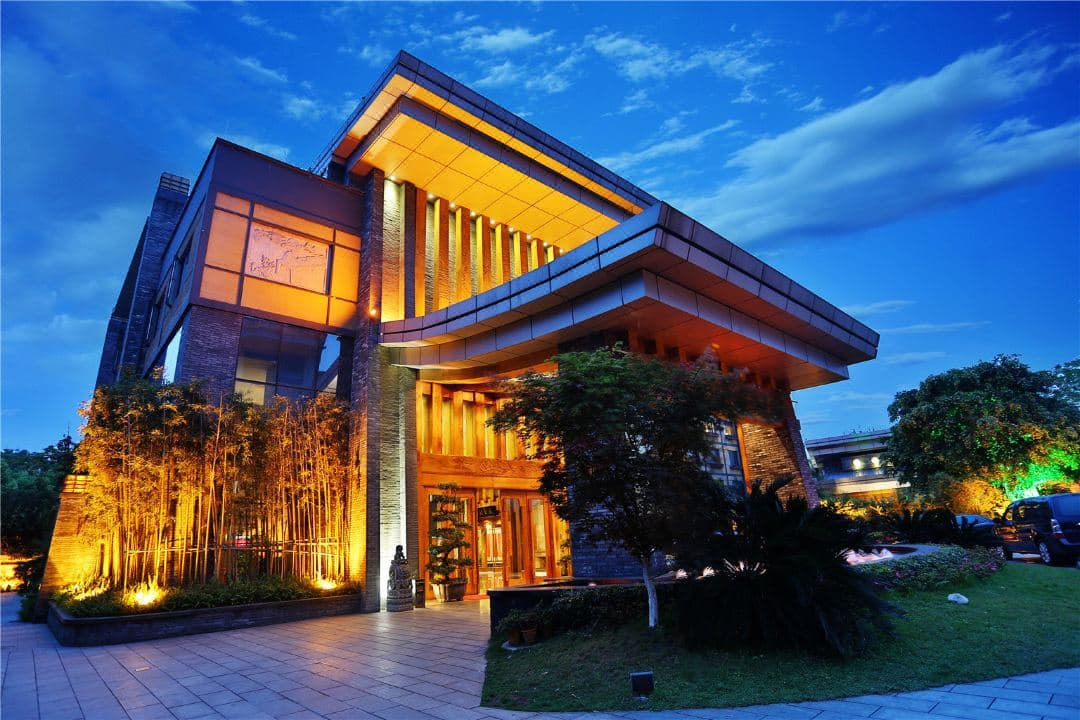
Explore All Chengdu HotelsForget the cookie-cutter glass towers of the CBD; the Chengdu Huanhua Hongtai Hotel offers a rare, scholarly retreat located literally within the heritage protection zone of the Du Fu Thatched Cottage. This isn’t just a stay; it’s an architectural dialogue with the Tang Dynasty. The lobby feels less like a check-in desk and more like a private museum, dominated by raw timber beams and intricate Shu embroidery that smells faintly of cedar and old books. The rooms eschew flashy modernism for a moody, monastic chic—think dark wood paneling, antique-style latches, and heavy drapes that shut out the 21st century. While the hardware bears a charming patina from its 2012 origins, the hyper-personalized butler service compensates with aggressive hospitality. Expect nightly turndowns that include hot milk and a medicinal foot bath delivered to your door—a ritual that feels delightfully imperial. Dining at Du Lin Fang is non-negotiable. The kitchen executes a disciplined Eight Treasure Gourd Duck that rivals any in the province. It’s a place for purists who prefer the sound of rain on tiles to the hum of an HVAC system.
“Book the 'Garden Suite' on the 4th floor for direct views into the dense canopy of the neighboring park—it’s the closest you’ll get to sleeping in the poet’s own garden.”
Insider TipAvg. Nightly Rate
105USD

While Chengdu races toward a sci-fi future in its Science City district, the Ahn Luh Guantang pulls you sharply back into the 14th century. This isn’t a superficial reproduction; it is an architectural salvage mission of serious ambition. The lobby alone—a reconstructed timber hall from the Qing dynasty—smells of aged wood and rain, immediately silencing the hum of the nearby expressway. The 34 villas are exercises in restraint, featuring clay walls and straw-thatched roofs that conceal formidable modern comforts: B&O speakers, Swedish mattresses, and the distinct, herbal scent of Ba Yan Ka La amenities. The lighting design, dubbed 'hidden light,' is atmospherically moody—perhaps too moody for reading a contract, but perfect for doing absolutely nothing. Dinner at the All-Day Dining pavilion requires ordering the 'Guantang Three Treasures'; the crispy spicy chicken arrives with a shattering crunch that rivals any street stall in town. Service is hyper-attentive, with butlers who anticipate needs before they arise, though the spa booking system remains an analog hurdle in a digital property. It is a place for silence, not scenes.
“Book a treatment at the Ahn Luh SPA immediately upon check-in; technicians are scarce. Ask for a villa near the lotus pond for the best morning mist views.”
Insider TipAvg. Nightly Rate
310USD
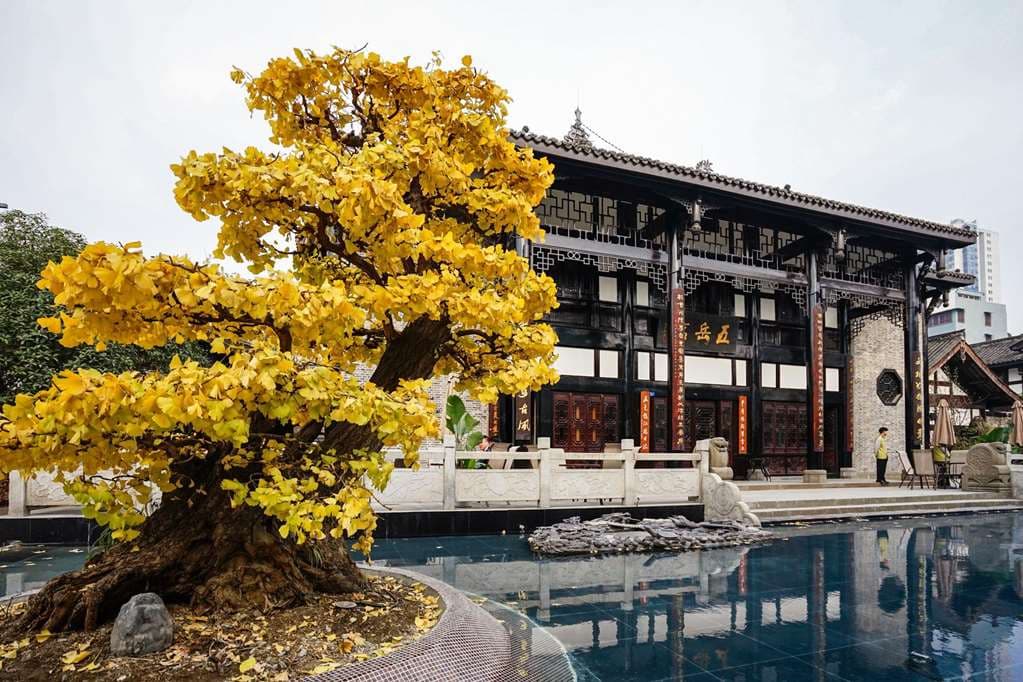
Forget the glass towers dominating the skyline; this is the Chengdu of yore, sans the time machine. Located mere steps from the incense-heavy air of Wenshu Monastery, the Chengdu Courtyard Hotel is less of a hotel and more of a preservation project, comprising 16 impeccably restored Siheyuan courtyards. The arrival is a reset button for the senses. You aren't checked in; you are welcomed into a labyrinth of grey-tiled roofs and wooden corridors. Rooms are themed around local intangible heritage—request a 'Shu Brocade' suite to sleep amidst hand-woven silk history. The bathrooms are surprisingly modern, stocked with **Bvlgari** amenities that cut through the humidity, a luxe touch that contrasts with the delightful creak of ancient timber. Dining at **Wu Yue Gong** is non-negotiable. The Kung Pao Prawns here are a masterclass in balance—sweet, sour, and numbing—while the Chargrilled Beef Ribs pair dangerously well with a local baijiu. Mornings are best spent at the **Courtyard Tea Bar**, watching the mist lift off the eaves over a gaiwan of jasmine tea. Recently crowned Asia-Pacific's Top Heritage Hotel at the 2024 NOW Travel Asia Awards, this is a moody, atmospheric dive into Old Chengdu that sacrifices zero luxury.
“Book the Family Loft even if you're a couple; the extra vertical space is dramatic, and yes, the in-room wooden slide is legitimate fun.”
Insider TipAvg. Nightly Rate
90USD
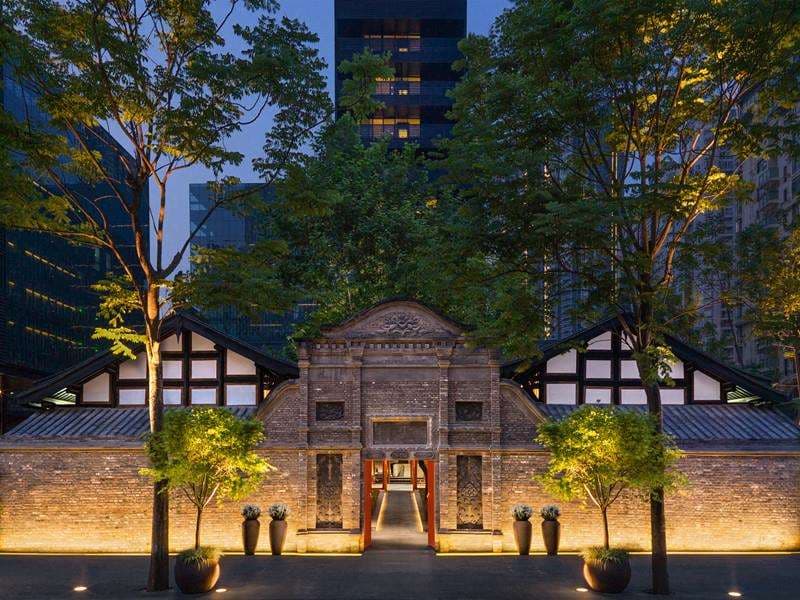
Newly rebranded as **Upper House Chengdu** (formerly The Temple House) in late 2025, this property remains the hospitality world's best magic trick. The arrival is a cinematic head-spin: you enter through the *Bitieshi*—a silent, restored Qing-dynasty courtyard—before plunging underground into a brutalist, charcoal-hued bunker designed by Make Architects. It isn't just a hotel; it is a time portal. The accommodations are unapologetically moody. Entry-level 'Studio 60' rooms offer a sprawling 63sqm of limestone and oak, significantly eclipsing local competitors. While the lighting is atmospherically dim—you might need your phone torch to locate your amenities—the complimentary 'Maxi-bar' stocked with craft beer and the woven brass skylights in the pool smooth over any practicality gripes. Dining is headline-worthy: **Mi Xun Teahouse** retained its Michelin Star in the 2025 Guide and earned a Green Star; their vegan Mapo Tofu possesses enough *ma-la* heat to convert the most devout carnivore. **Verdict:** A masterclass in contrast that feels more like a habitable art installation than a hotel.
“For the ultimate architectural 'money shot,' bypass the lobby and head to the white spiral staircase near the library. Order the Sichuan Negroni at Jing Bar—it uses local peppercorns for a numbing kick.”
Insider TipAvg. Nightly Rate
305USD
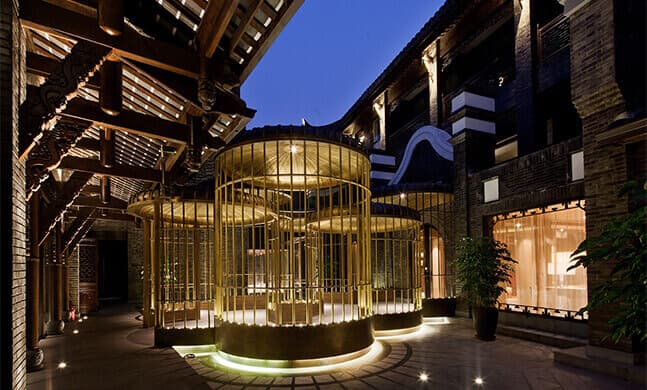
It is the ultimate architectural magic trick: step off the chaotic, tourist-thronged pavement of Kuanzhai Alley and into a silence so profound it feels heavy. Guanyin Yiyuntai (formerly Diaoyutai) is the definition of the 'Great Hermit' philosophy—hiding in plain sight. Designed by Bruno Moinard, the French visionary behind Cartier’s global boutiques, the property doesn't merely renovate the Qing-dynasty courtyards; it polishes them with a jewelry-maker’s precision. Inside, the heritage structures are framed by swooping eaves and lit by mood-altering lacquer red accents. Guest rooms are serious retreats, featuring 600-thread count linens, mirror-embedded televisions, and a soundproofing system that effectively deletes the city outside. The dining is the real showstopper: the Royal Court restaurant serves legitimate Diaoyutai State Banquet cuisine—the same culinary lineage served to foreign dignitaries in Beijing. Order the 'Buddha Jumps Over the Wall' or the 'Codfish in Golden Soup'; these aren't just dishes, they are edible history. **Verdict**: For those who want the bragging rights of staying inside the Old City without sacrificing an ounce of silence or Dyson-grade luxury.
“Book the 'Tianfu Suite' for a private courtyard view that feels miles away from the public. Also, the hotel car cannot enter the pedestrian zone, so prepare for a short, porter-assisted walk from the drop-off point.”
Insider TipAvg. Nightly Rate
240USD
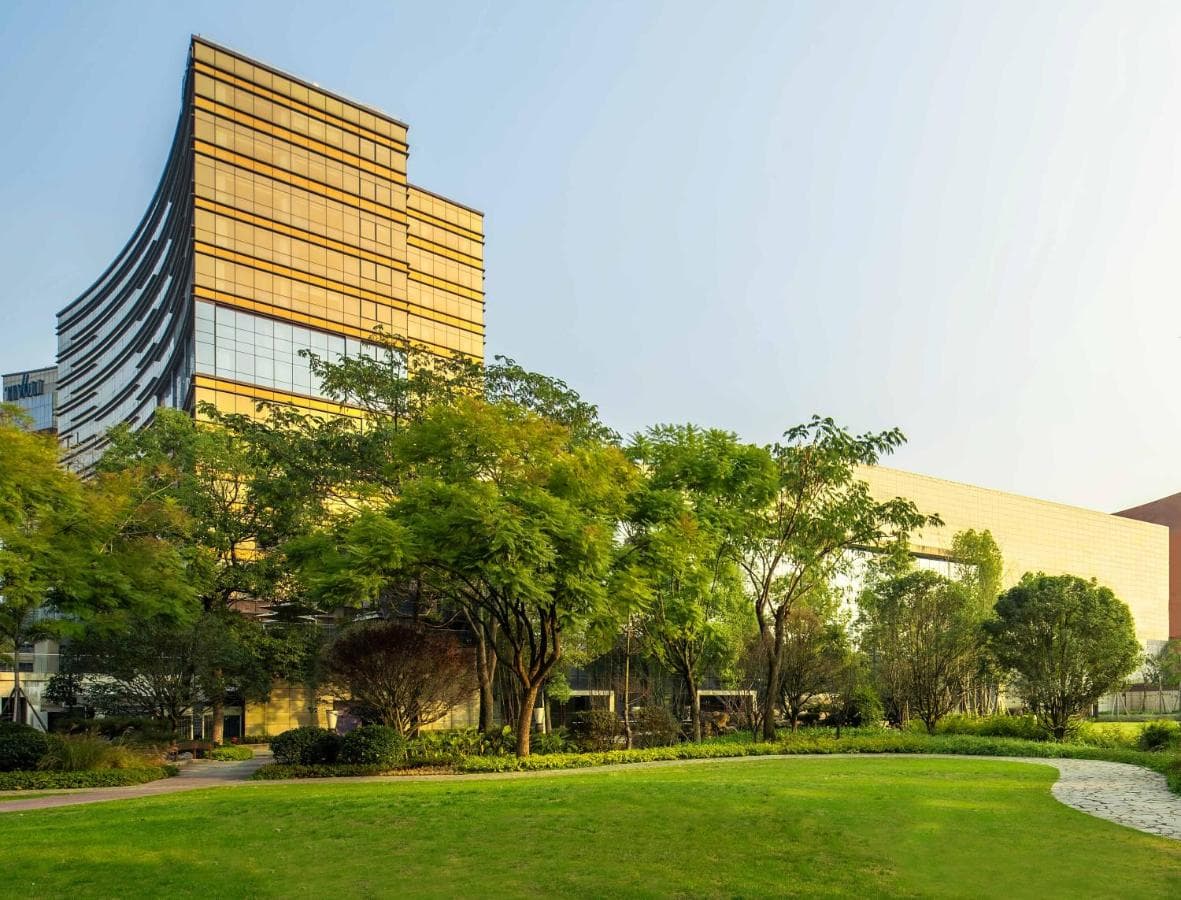
The commute to the International Intangible Cultural Heritage Park—roughly 14 kilometers from Tianfu Square—filters out the casual tourists, leaving a serene, green enclave for the dedicated traveler. As the first Tivoli property in China, this hotel attempts a daring cultural dialogue: placing Portuguese heritage squarely in the lap of Sichuanese tradition. It works. The lobby is less a reception and more a gallery, dominated by towering hibiscus-shaped pillars that draw the eye upward. Upstairs, the rooms abandon the generic beige of business hotels for a sharper, cleaner aesthetic (the 9.5/10 hygiene rating is palpable in the crisp linens and spotless surfaces). But the real draw is the culinary pivot. After days of numbing Sichuan peppercorns, the *Casa de Fados* restaurant offers a startlingly authentic reprieve with Mediterranean seafood and the melancholic strum of Fado music—a Sunday brunch here feels transported directly from Alfama. For those still craving heat, *Tihong* delivers precise, spicy delicacies without the street-food grease. The amenities are heavyweight: an 858-square-meter heated pool that actually encourages swimming laps, and an Anantara Spa that justifies the trek alone. It isn’t central, but in a city of frantic energy, that is precisely its greatest luxury.
“Request a room facing the 3,650 sqm Grand Lawn for morning mist views. Also, skip the taxi traffic; the Intangible Cultural Heritage Park Metro Station is a verified 300-meter walk.”
Insider TipAvg. Nightly Rate
85USD

It begins with the Double-Dou Stone Masts standing guard at the entrance—a silent declaration that you are leaving Chengdu’s urban clamor for a scholars' sanctuary. Tsingpu Chengdu Retreat isn’t just a hotel; it’s an architectural thesis on solitude, set on a private island in the Jiang’an River. The design is introspective, dominated by deep wooden corridors and the moody interplay of shadow and lantern light. While the 45-minute drive from the city center might deter the impatient, the reward is absolute stillness, broken only by the sound of flowing water. Inside, the experience pivots from visual to visceral. While room hardware has sparked debate among value-hunters, the soft product is unimpeachable. Butlers anticipate needs with uncanny precision, orchestrating days that drift from Sichuan Opera workshops to TCM therapies in the compact Tsingpu Spa. Dining is the retreat's unsung hero: skip the room service and head to 'Shí Jí' (Market Place) for the handmade Dandan noodles—a masterclass in texture and spice. For dinner, 'Chun Feng' offers seasonal local delicacies that feel less like a meal and more like a geography lesson. It’s not a resort for facility-chasers; it’s a hideaway for those who prefer ink stones to iPads.
“Book a sunset session at the 300 sqm infinity pool along the Jiang’an River—it’s the property’s most photogenic angle. Afterward, walk the 800m to Minjiang Academy for a private cultural tour.”
Insider TipAvg. Nightly Rate
205USD
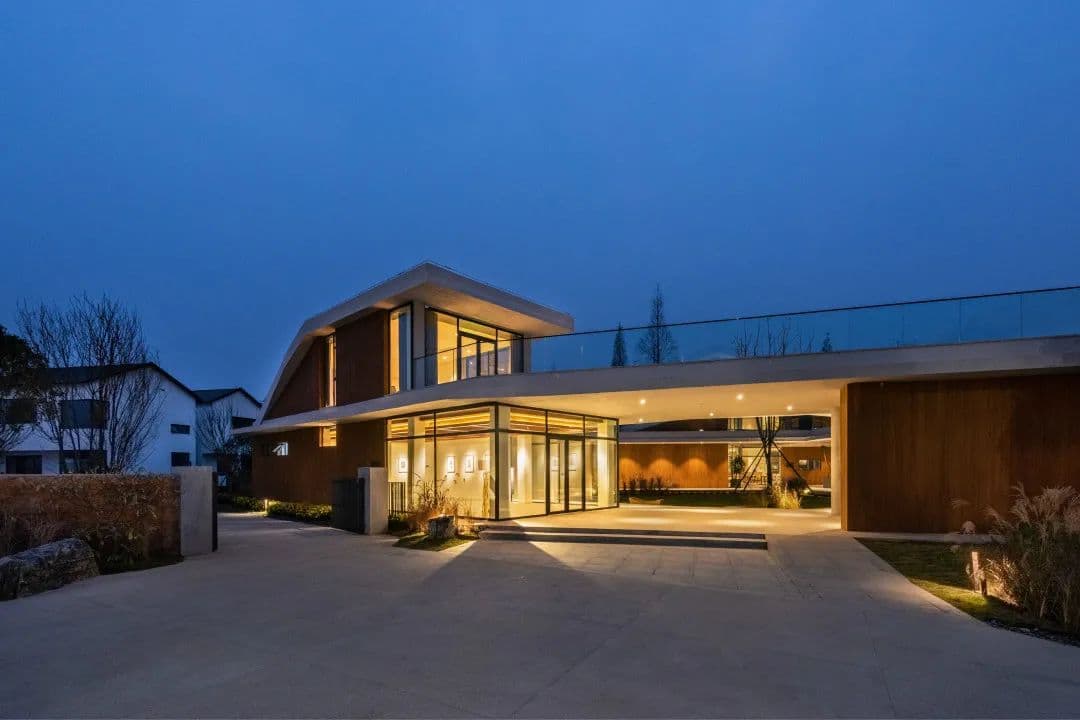
If Wong Kar-wai directed a reboot of *The Wizard of Oz*, he’d scout Volver Resort ANREN. Located a stone's throw from the hyper-historic Liu’s Manor in Anren Ancient Town, this property pulls off a difficult magic trick: balancing heavy Republic-era nostalgia with refreshing, glass-walled modernism. The vibe is less 'dusty museum' and more 'curated pastoral dream.' You aren't just sleeping near history; you’re waking up to panoramic views of rapeseed flowers and rice paddies through floor-to-ceiling windows that effectively erase the boundary between your duvet and the Sichuan countryside. While the hotel lacks a public spa, the in-room experience in the suites makes up for it with hidden luxury bubble pools that feel wickedly indulgent. Dining is strictly farm-to-table at the on-site Guiyuan Restaurant; do not leave without ordering the Signature Fresh Pepper Beef—it’s a numbing, fragrant slap awake for the palate. A fair warning: the 'wild luxury' concept includes actual wildness, meaning the occasional mosquito intrusion is the price you pay for such aggressive proximity to nature. Service can be pleasantly laid-back rather than laser-focused, but for a slow-paced, photogenic escape into 1930s elegance, Volver is a triumphant return to the past.
“Book a suite with a private courtyard during the rapeseed bloom (March-April) for the ultimate 'living in an oil painting' privacy.”
Insider TipAvg. Nightly Rate
85USD