No. 01

ChengduChengdu1113 verified reviews
9
.6
Bitvoya Edit
Layering imagery, place, and detail before the page opens.
Chengdu is a city where the echoes of the Qing Dynasty harmonize with the pulse of modern luxury. In the heart of the Qingyang District, specifically around the iconic Kuanzhai Alley (Wide and Narrow Alleys), a collection of meticulously restored courtyard hotels offers a gateway to the past. These properties, such as the Guanyin Yiyuntai and The Temple House, preserve the intricate wood carvings, grey brick walls, and serene open-air atriums typical of traditional Siheyuan architecture. Staying here is not merely about accommodation; it is an immersion into the 'Old Chengdu' lifestyle, located just steps away from the bustling tea houses and vibrant street life of the city center.
Chengdu offers a unique juxtaposition where ancient heritage is not just a museum exhibit but a living, breathing part of the hospitality sector. Choosing a restored Qing Dynasty courtyard hotel ensures an intimate connection with the region's history. Unlike standard high-rises, properties like the **Chengdu Courtyard Hotel** and **Guanyin Yiyuntai** offer the architectural serenity of a 'Siheyuan'—a historical walled compound that provides exclusive privacy amidst the city's chaos. These venues masterfully blend centuries-old aesthetics with contemporary amenities, making them perfect for travelers seeking culture without compromising on comfort.
While Kuanzhai Alley is the epicenter, the heritage experience extends to surrounding enclaves.
Expect to be transported back in time. The defining feature is the central courtyard, often adorned with tranquil ponds, bamboo groves, and stone pathways. Rooms typically feature high ceilings with exposed wooden beams, while interiors are modernized with floor heating and smart home technology. Service in these establishments, particularly in places like **Tsingpu Chengdu Retreat**, is often modeled after traditional noble hospitality, offering bespoke tea ceremonies and personalized itineraries.
Yes, properties like Guanyin Yiyuntai and The Temple House incorporate genuine Qing Dynasty structures, restored with traditional materials like grey brick and timber, while blending in modern luxury.
Guanyin Yiyuntai (formerly Diaoyutai Boutique Hotel) is located directly within the Kuanzhai Alley historic block, offering the most immediate access.
Absolutely. Despite their historic exteriors, these luxury hotels feature floor heating, air conditioning, modern plumbing, high-speed Wi-Fi, and often spa facilities.
Explore our complete curated list of luxury accommodations, from boutique hideaways to grand dames.
Explore All Chengdu HotelsForget the performative heritage of Kuanzhai Alley. The real architectural pilgrimage is forty minutes south in the Tianfu wetlands, where Ahn Luh Guantang has resurrected—not renovated—authentic Qing and Ming dynasty timber framing. This is a property that takes 'silence' seriously; with only 34 keys, the lobby’s towering wooden pillars cast shadows that feel more like a museum than a check-in desk. The villas are exercises in monastic excess: heated floors, high-beamed ceilings, and an almost militant dedication to privacy. Ironically, while the property recently snagged a LIT Lighting Design Award for its concept of "hidden light," you might find the actual user experience baffling—mastering the controls requires the dexterity of a safe cracker. But all is forgiven in the bath, where Ba Yan Ka La amenities steep the room in the scent of indigenous medicinal roots. Dining is equally rigorous; the 'Guantang Three Treasures'—specifically the crispy spicy chicken—delivers a numbing Sichuan peppercorn hit that feels sophisticated, not just punishing. It’s a stoic, beautiful escape, occasionally interrupted by a jarringly modern B.Duck-themed family room, proving even high culture has to compromise for toddlers.
“Book a courtyard villa facing the inner lake for absolute silence. Also, the 'Hidden Light' award is real, so bring an eye mask—the mood lighting is spectacular but hard to fully extinguish.”
Insider TipAvg. Nightly Rate
310USD
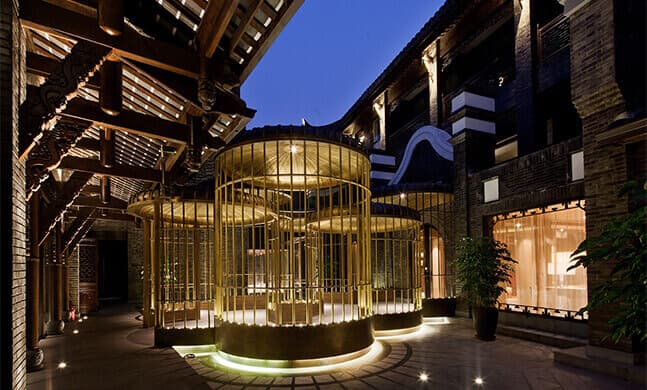
Step off the clamorous pavement of Kuanzhai Alley, push through the heavy wooden gates of Number 38, and the world abruptly stops. You have entered the Guanyin Yiyuntai (formerly Diaoyutai Boutique), a masterful architectural paradox where the deafening tourist buzz evaporates into the silence of two restored Qing Dynasty courtyards. Interiors by Cartier boutique designer Bruno Moinard reject the cliché of 'lanterns and dragons' for a sharper, moodier aesthetic—think charcoal bricks meets slash-of-crimson lacquer. The 45 rooms are studies in texture, featuring 600-stitch cotton flax linens and TVs invisibly embedded in mirrors, but the real theater happens downstairs at The Royal Court. Here, the kitchen executes the legendary State Banquet cuisine—the 'Buddha Jumps Over the Wall' is a gelatinous, umami-rich masterpiece that requires days of preparation. While heritage restrictions mean no swimming pool, the absence of splashing children only deepens the gravitas. Service is spectral: staff appear only when needed, moving with the hushed efficiency of palace courtiers. This isn't just a hotel; it’s a power move in hospitality.
“Book a 'Narrow Yard' suite facing the inner atrium. These rooms offer absolute silence and private terraces, unlike the 'Wide Yard' rooms which occasionally catch the hum of the alley.”
Insider TipAvg. Nightly Rate
240USD
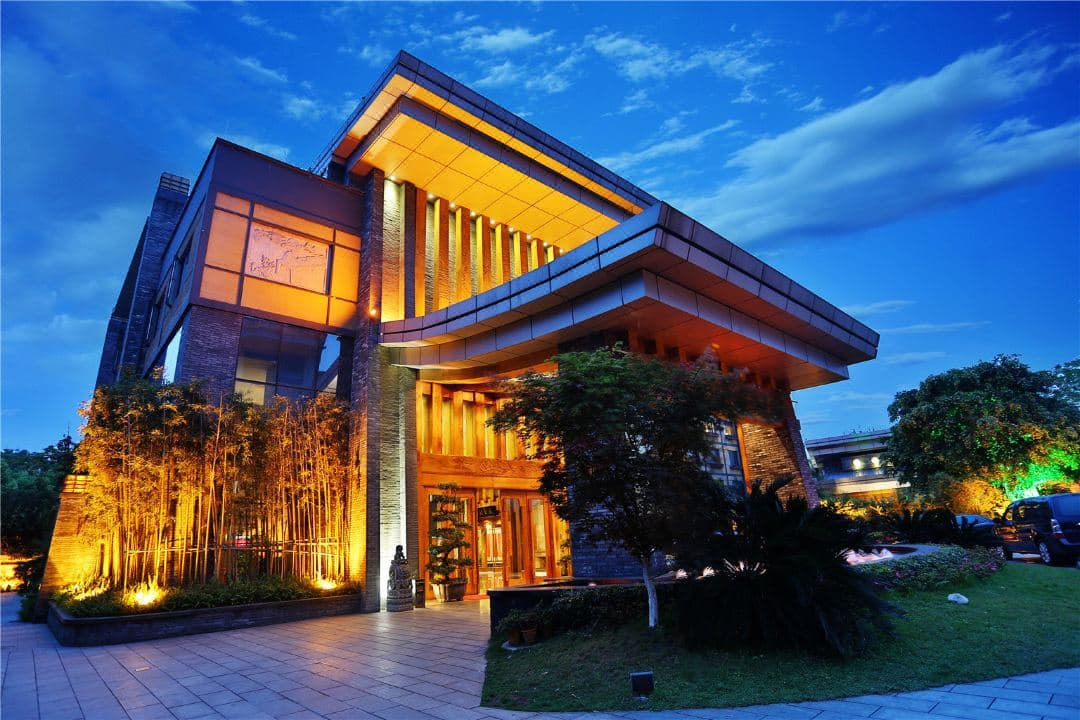
While tourists jostle for selfies in the chaotic gentrification of Kuanzhai Alley, a far deeper silence reigns just a mile west. Positioned directly against the perimeter of the Sichuan Museum and the ancient Du Fu Thatched Cottage, the Chengdu Huanhua Hongtai Hotel feels less like a hotel and more like a scholar’s private residence from the late Qing era. The architecture is a moody masterclass in Western Sichuan vernacular: grey brick, mossy courtyards, and raw, unpolished timber beams that scent the lobby with aged cedar rather than the cloying white tea perfume of international chains. The rooms are not for those demanding 2025 tech; having opened in 2012, the hardware carries a heavy, tactile patina. But what it lacks in USB-C ports, it compensates for with hyper-domestic intimacy. Butlers don't just turn down beds; they arrive with wooden basins of hot herbal water for a foot soak and bowls of medicinal silver ear soup—a ritual that feels disarmingly tender after a day of humidity. Dining at Du Lin Fang is non-negotiable; their Eight Treasure Gourd Duck is a culinary artifact requiring patience and appetite. There is no pool, no glossy spa, only the sound of rain on tiles and the weight of history next door. It is imperfect, creaky, and utterly magnificent.
“Skip the standard rooms and book a Garden View Suite on the 2nd floor; the balcony opens almost directly into the tree canopy of the neighboring park.”
Insider TipAvg. Nightly Rate
105USD
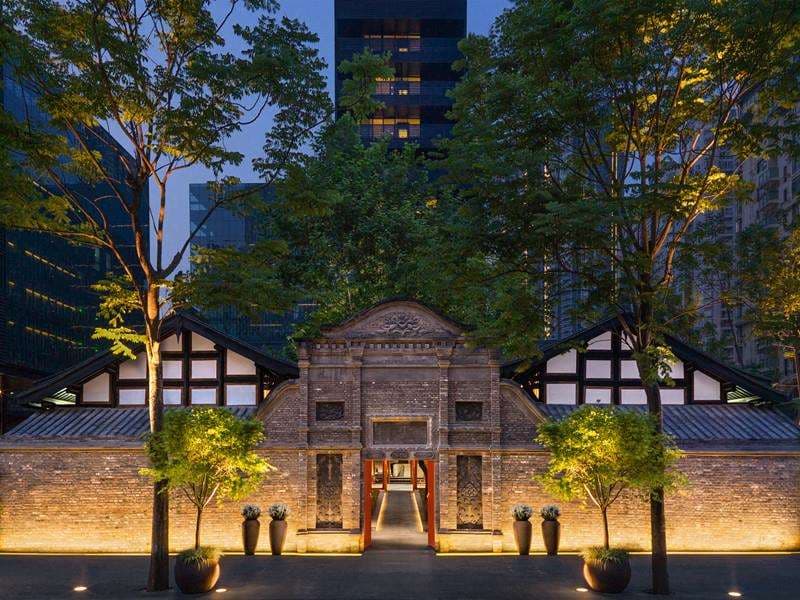
Entering Upper House Chengdu (formerly The Temple House) is a deliberate architectural feint. You step off the street into the Bitieshi—a restored Qing Dynasty courtyard that smells of aged cedar and centuries-old silence—only to be swept down a spiral staircase into a subterranean world of brutalist masonry and high-fashion minimalism. It’s a transition that defines the hotel: a sharp, confident cut between the 17th and 21st centuries. Following its late 2025 rebrand to align with its Hong Kong sibling, the property feels sharper than ever. The entry-level studios are massive (63 sqm), putting the cramped quarters of nearby competitors to shame. Inside, the vibe is moody and low-lit—perfect for seduction, terrible for applying eyeliner—equipped with Bamford amenities and a complimentary 'Maxi-bar' stocked with beer and sweets that actually tempt you. Dining is a serious affair here: Tivano serves a wood-fired pizza that rivals anything in Naples, but the real draw is Mi Xun Teahouse. Recently awarded a Michelin Green Star, its Vegan Mapo Tofu with chanterelles offers a numbing, spicy kick without a trace of meat. Service is telepathic, not bearing, cementing this as Chengdu’s design anchor.
“Skip the standard cocktails and order the 'Sichuan Negroni' at Jing Bar; the peppercorn infusion cuts the Campari bitterness perfectly.”
Insider TipAvg. Nightly Rate
305USD
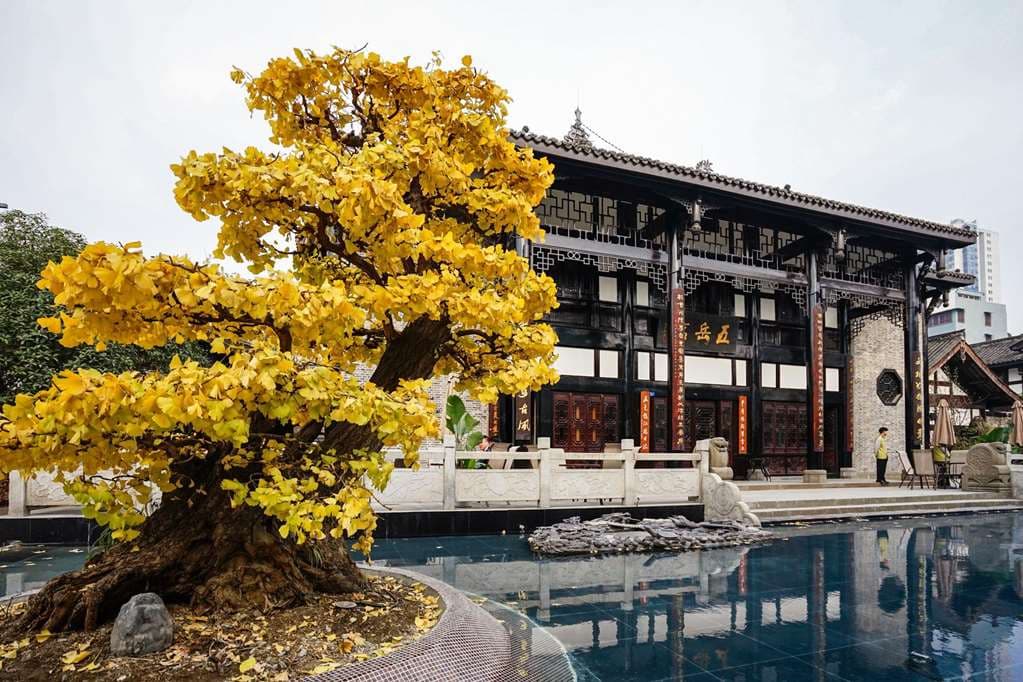
Chengdu buzzes with a frenetic energy—hotpot steam, honking taxis, and the relentless click-clack of mahjong tiles. But step past the threshold of the Chengdu Courtyard Hotel, mere feet from the Wenshu Monastery, and the volume drops instantly. This isn’t a manufactured 'Zen' pastiche; it’s a rigorous, dedicated restoration of sixteen authentic Qing Dynasty courtyards. The architecture commands respect: grey brick, sweeping eaves, and intricate wood carvings that smell of history (and, admittedly, a touch of the humidity inherent to centuries-old Sichuan structures). Rooms here trade cookie-cutter polish for genuine character. You won't find standardized layouts; instead, expect heavy timber beams and spaces dictated by the building's original, geomantic footprint. While the bathrooms and facilities lean towards the 'vintage' side of the millennium—a common quirk in heritage properties—the trade-off is waking up to a courtyard view that hasn't changed in a hundred years. The property's culinary arm, **Wu Yue Gong**, is the standout performer, recently tapped by the Michelin Guide. Forget the watered-down tourist fare; the kitchen balances numbing peppercorn heat with a sophistication that justifies the stay alone—the Kung Pao Prawns and Chargrilled Beef Ribs are non-negotiable orders. It’s not for the traveler demanding hyper-modern, sterile luxury, but for those who prefer their hotels with a pulse and a past.
“Skip the street-side tea stalls. The hotel’s own Tea House Terrace offers a formidable Gaiwan service; order the high-grade jasmine at dusk when the lanterns click on.”
Insider TipAvg. Nightly Rate
90USD
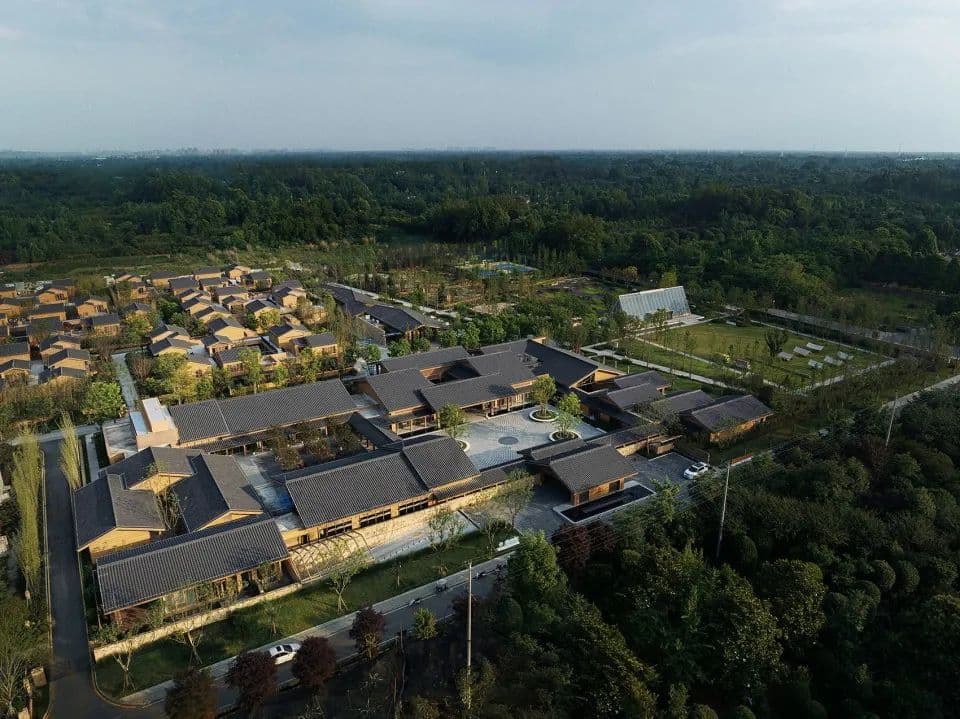
It takes confidence to pitch a tent—metaphorically speaking—next to the Qing Dynasty. Angsana Chengdu Wenjiang sits directly opposite the Chenjia Yard, a sprawling 300-year-old complex that keeps the hotel’s modern ambitions in check. Designed by CCD (Cheng Chung Design), the property doesn’t try to mimic the ancients; it frames them. Bamboo-woven partitions and grey brick walkways channel the 'chuanxi' (Western Sichuan) vernacular without descending into kitsch. Inside, the historical austerity vanishes. Rooms are high-tech sanctums equipped with Dyson hair dryers, 55-inch LED screens, and smart toilets that open before you reach for the door. It’s a rare luxury property that not only tolerates pets but designs for them, offering dedicated garden zones where your Golden Retriever is treated with as much reverence as the architecture. The real flex here, however, isn’t the hardware; it’s the pacing. Days revolve around the Angsana Spa’s signature Asian therapies and laps in the heated indoor pool, while nights belong to the central courtyard bonfire, where the air smells of woodsmoke and roasted chestnuts. It’s less about business efficiency and more about the art of doing nothing—elegantly. Verdict: A history lesson you can sleep in, perfect for the traveler who prefers incense rituals over emails.
“Ask for the 'Incense Healing' course—often complimentary with room packages—or request a Courtyard Duplex Suite for direct garden access for your pet.”
Insider TipAvg. Nightly Rate
276USD

If the chaotic thrum of Kuanzhai Alley is a sensory overload, Tsingpu Chengdu Retreat is the architectural antidote. Located within the lovingly restored Minjiang Academy, this isn’t merely a hotel; it is a masterclass in spatial poetry. Passing the formidable ‘Double-Dou’ stone masts at the entrance, you don’t just check in—you abdicate the modern world. The restoration is forensic in its detail: deep wooden corridors lined with lanterns create a cinematic chiaroscuro, leading to rooms that feel less like suites and more like private reading pavilions. Inside, the hardware eschews trendy minimalism for tactile substance—think heavy timber furniture and bespoke herbal amenities that echo the on-site TCM spa. It’s quiet. Profoundly so. For dinner, skip the fine dining pretension and hit ‘Market Place (Shí Jí)’ for the handmade Dandan noodles. They are an elevation of the street staple, boasting a noodle texture so precise it demands attention. Service is handled by butlers who anticipate needs with eerie accuracy, appearing only when your tea cup is empty. It’s a trek from the city center, yes, but that’s the point. A sanctuary for the serious traveler.
“Request a courtyard-facing room near the library for maximum silence, and don't miss the private Sichuan Opera workshops arranged by the butler—far superior to the tourist traps in town.”
Insider TipAvg. Nightly Rate
205USD
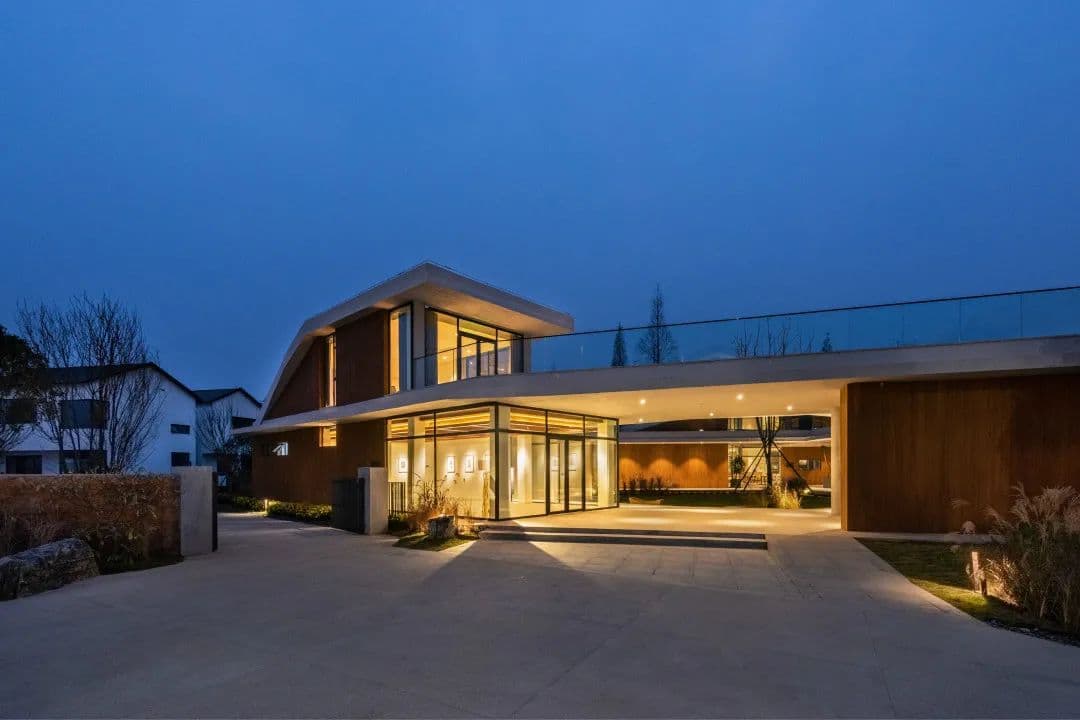
If Anren Ancient Town is a sepia-toned archive of warlord manors and Republican history, Volver Resort (Xiangye) is its technicolor dreamscape. Located just far enough from the museum crowds to feel like a secret, this property ditches the heavy Qing Dynasty timber for what can only be described as a 'Wizard of Oz' aesthetic—endless, rippling rice fields that frame minimalist white architecture. The suites are exercises in restraint, featuring floor-to-ceiling glass that prioritizes the paddy views over ornate decor. It’s wild luxury, quite literally—expect the occasional uninvited moth to join your evening soak in the hidden in-room bubble pool (there is no public spa, a curious omission). Dining is the anchor here: the on-site Guiyuan Restaurant serves a Fresh Pepper Beef that is unapologetically Sichuanese—numbing, verdant, and brilliant. While the service can suffer from a laissez-faire 'rural' pacing and the access roads are testingly narrow, the payoff is absolute privacy. It is a photogenic, slow-paced antidote to Chengdu’s bustle, provided you pack mosquito repellent along with your curiosities.
“Request a courtyard suite facing the inner rice paddies for maximum privacy; the 'seasonal camps' are great for kids, but the real luxury is the silence.”
Insider TipAvg. Nightly Rate
85USD