No. 01
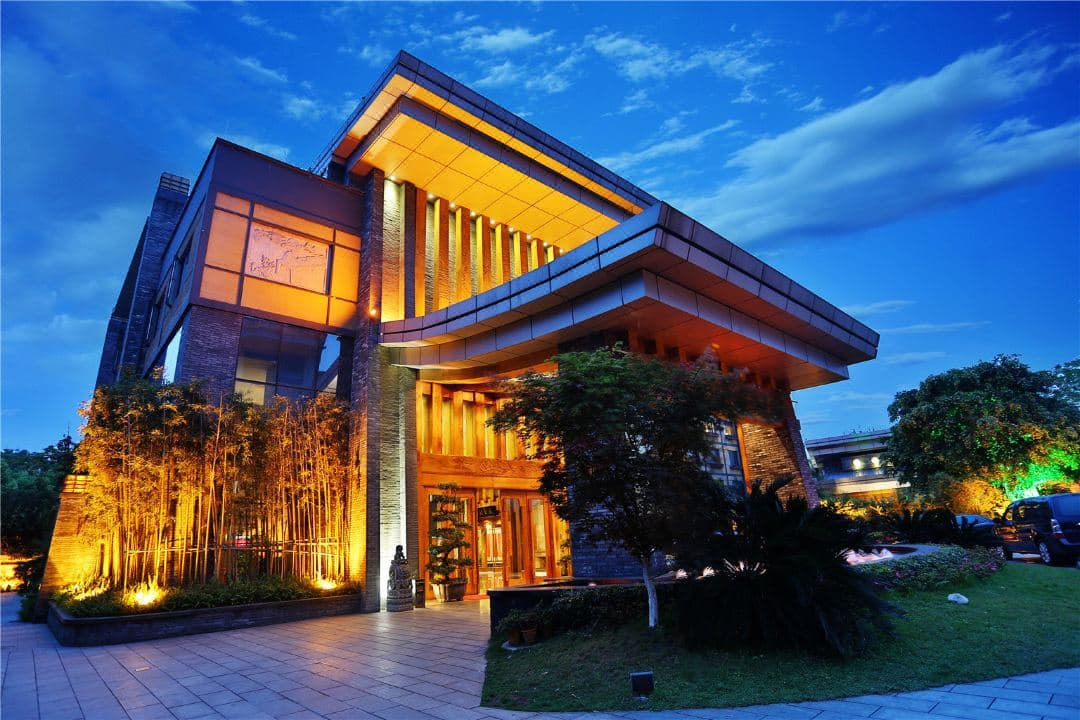
ChengduChengdu1526 verified reviews
9
.8
Bitvoya Edit
Layering imagery, place, and detail before the page opens.
Chengdu is not merely the panda capital; it is a canvas of living history where Qing Dynasty architecture whispers tales of the past amidst a modern metropolis. In this curated collection, we explore the finest heritage stays that bridge the gap between ancient Shu culture and contemporary luxury. We journey from the bustling Kuanzhai Alley, home to the meticulously restored Guanyin Yiyuntai Hotel (formerly Diaoyutai), to the serene, mist-covered peaks of Qingcheng Mountain where the Six Senses integrates Taoist philosophy into its design. Whether it is the chic urban restoration of The Temple House near Sino-Ocean Taikoo Li or the secluded charm of Volver Resort in Anren Ancient Town, these properties offer a unique gateway into the soul of Sichuan.
Chengdu offers a hospitality landscape unlike any other in China, where the concept of the 'Siheyuan' (courtyard house) is meticulously preserved and reimagined for the modern luxury traveler. Choosing a heritage stay here means immersing yourself in the 'Bashu' culture—a lifestyle that prioritizes leisure, tea, and aesthetic beauty. Properties like Tsingpu Chengdu Retreat and AHN LUH GUANTANG are not just hotels; they are architectural museums that allow guests to sleep within history. Unlike standard glass skyscrapers, these restored courtyards offer tactile connections to the Qing Dynasty and the Republic of China era, featuring grey brickwork, intricate wood carvings, and private gardens that provide a sanctuary of silence in a bustling city.
When booking a heritage stay in Chengdu, expect a fusion of high-end amenities and cultural immersion. Rooms often feature traditional design elements—calligraphy brushes, bamboo furniture, and silk embroidery—paired with modern comforts like underfloor heating and smart technology. Dining is a highlight, with many of these hotels, such as the Chengdu Huanhua Hongtai Hotel, hosting restaurants that serve refined Sichuan cuisine, moving far beyond typical street food spice to offer delicate, complex flavors. Furthermore, service in these establishments often includes cultural rituals, such as private tea ceremonies or guided tours of the property's architectural significance.
Spring (March to June) and Autumn (September to November) are ideal. The mild weather allows you to fully enjoy the open-air courtyards and gardens typical of hotels like Six Senses or The Temple House.
Yes, properties like Six Senses Qing Cheng Mountain and The Temple House offer family-friendly amenities, spacious villas, and proximity to panda bases, making them excellent for families.
Qingcheng Mountain is about 60-90 minutes by car or high-speed train from Chengdu city center. Hotels like AHN LUH GUANTANG act as great stopovers between the city and the mountains.
Explore our complete curated list of luxury accommodations, from boutique hideaways to grand dames.
Explore All Chengdu HotelsTo call the Huanhua Hongtai a 'hotel' is to misunderstand its ambition; it is a habitable stanza of Du Fu’s poetry. Situated audaciously within the perimeter of the Chengdu Museum of Literature and History, this property eschews the glass-and-steel vernacular of the nearby Wuhou district for a somber, meditative aesthetic of raw timber and gray brick. The architecture feels less built than grown, a tactile extension of the ancient trees shading the facade. Inside, the experience is strictly Old World—sometimes to a fault. The 2012 renovation has left the hardware in a state of 'faded glory'; tech-obsessed nomads may sneer at the lack of USB-C ports, but they miss the point. You are here for the 400-thread count silence and the hyper-personalized butler service that borders on clairvoyance. Dinner at Du Lin Fang is non-negotiable; the Eight Treasure Gourd Duck is a culinary artifact, deboned and reconstructed with a precision that mirrors the building’s joinery. Instead of a spa, you get a butler kneeling with a wooden tub for a nightly herbal foot bath—a ritual that feels infinitely more luxurious than a generic deep-tissue massage. It is imperfect, slightly aging, and utterly magnificent.
“Skip the lobby coffee. Instead, summon the butler for the 'Nightly Amenity' ritual—specifically the medicinal silver ear soup, served piping hot before bed.”
Insider TipAvg. Nightly Rate
105USD
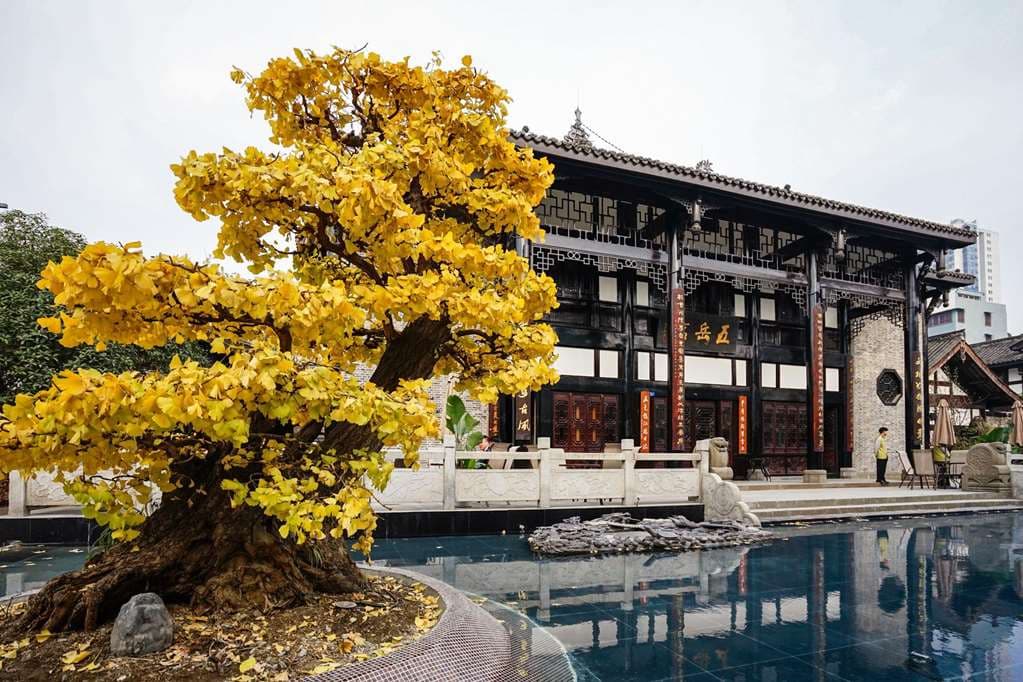
Forget the sterile glass towers dominating the skyline; the real flex in Chengdu is silence, and you’ll find it behind the grey-brick walls of the Chengdu Courtyard Hotel. Just steps from the incense-heavy air of Wenshu Monastery, this property connects 16 restored Siheyuan (traditional courtyards) into a labyrinth of Dynastic cool. It avoids the polished veneer of the big chains in favor of a moody, timber-scented authenticity. The rooms are heavily themed around local craft—expect Shu brocade accents and intricate lacquerware rather than generic abstract art. While the historic architecture means battling the occasional damp patch or a lower-pressure shower (a common trade-off for heritage stays), the trade is worth it. The crown jewel is undoubtedly **Wu Yue Gong**, the on-site restaurant. A Michelin Guide selection, it serves a Kung Pao Prawn dish that redefines the genre with a balance of sweetness and numbing peppercorn heat that puts tourist traps to shame. Service is less 'white glove' and more 'attentive butler', perfect for sipping a Gaiwan of jasmine tea on your private terrace while the city buzzes obliviously outside.
“Book a table at Wu Yue Gong immediately upon check-in; as a Michelin-selected venue, it draws non-guests and fills up fast. Request the 'Chargrilled Beef Ribs' off the menu if available.”
Insider TipAvg. Nightly Rate
90USD
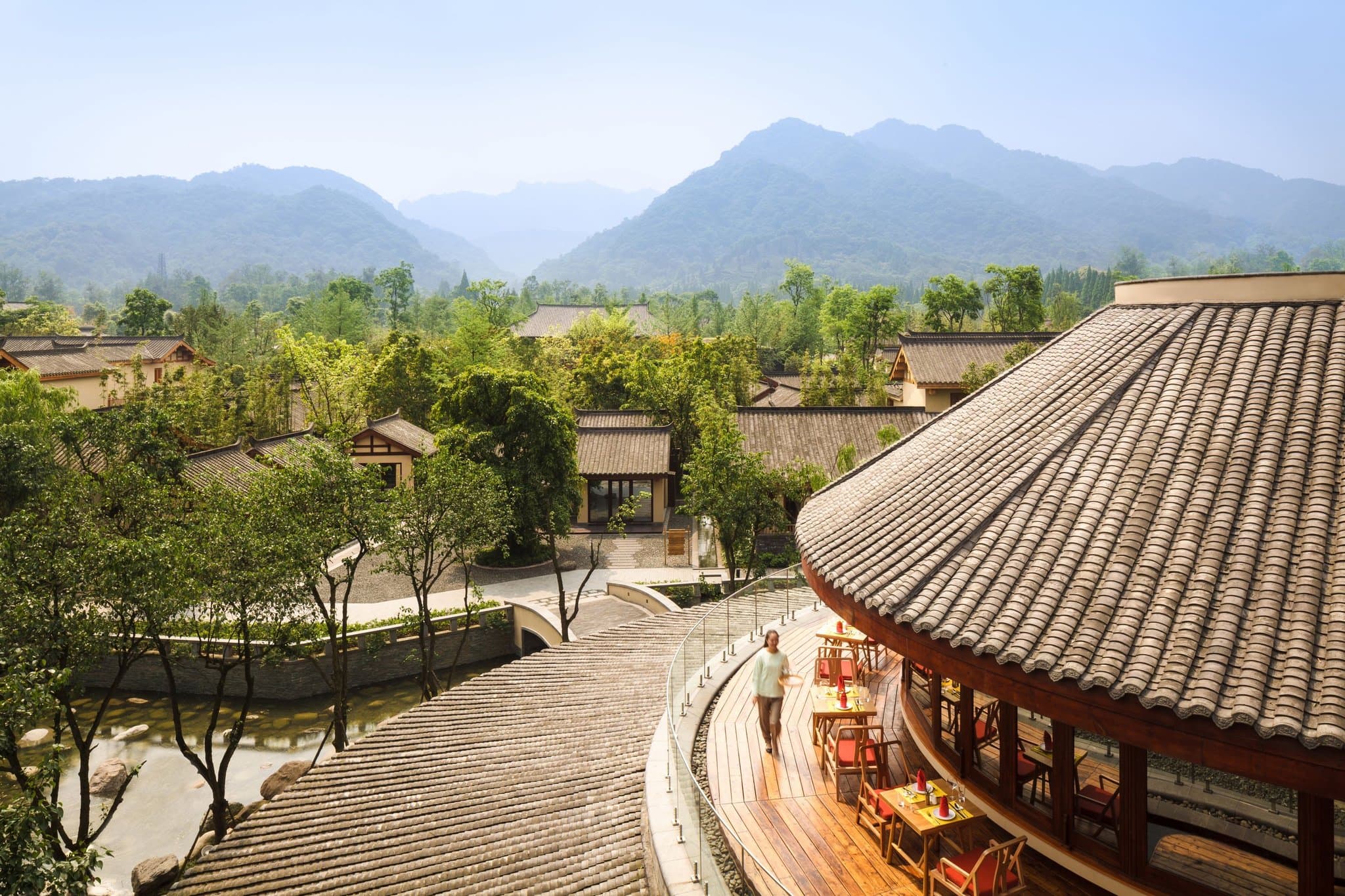
If the adjacent Mount Qingcheng is the birthplace of Daoism, this Six Senses outpost is its luxurious, if slightly expensive, modern temple. Entering the property feels less like a hotel check-in and more like stumbling into a high-budget period drama. The architecture ignores the urge to be a glass monolith, opting instead for timber-beamed pavilions and curved eaves that mimic the ancient temples next door. It is a serious architectural conversation with history, anchored by a bamboo-lined driveway that immediately lowers your blood pressure. Inside the Courtyard Suites, the 'Secret Village' aesthetic is absolute, though tempered by app-controlled lighting and organic cotton linens that justify the room rate. The sleep experience is obsessively curated, though the absence of smart toilets in the bathrooms feels like a surprising oversight for a property of this caliber in 2025. Dining at 'Farm2Fork' requires a willing wallet; the prices are ambitious, but the 32-hour slow-cooked Wagyu Beef Short Rib—utilizing produce from the on-site organic gardens—offers a compelling argument for the expense. While the service can occasionally stumble over linguistic hurdles, the staff’s warmth and the seamless buggy service smooth over the gaps. This is heritage done with a light, expensive touch.
“Request a villa near the Tai Chi Garden for absolute morning silence, and book the 'Moon Bar' at twilight to see the lantern reflections against the mountain silhouette.”
Insider TipAvg. Nightly Rate
215USD

Forget the skyscraper fatigue of downtown Chengdu. Ahn Luh Guantang is a time-capsule with 5G, a reconstruction of a traditional village that feels less like a hotel and more like a film set where you are the protagonist. With only 34 keys, the privacy here is aggressive—in the best way. The architecture is a masterclass in "hidden light" (a concept that won them a 2026 LIT Award), where ancient timber beams meet symmetrical walkways lined with bamboo that whisper rather than shout. Inside, the commitment to high-spec silence is real: B&O speakers and Swedish mattresses ensure the outside world stays out. But it’s not all perfect zen; the lighting controls in the room are a cryptic puzzle that might require a degree in engineering to dim. Once you solve that, however, the experience is flawless. Dining at the All-Day Dining restaurant offers the "Guantang Three Treasures"—the Crispy Spicy Chicken is a revelation. For a slower burn, the Infinity Tea Pavilion serves Tang Dynasty-style pastries that look almost too historic to eat. Service is led by butlers who anticipate needs you didn’t know you had, though booking a slot at the spa can feel like entering a lottery due to a technician shortage. Still, floating in the heated infinity pool overlooking the countryside makes you forget the minor logistical hiccups. It is a masterpiece of restoration that trades urban chaos for dynastic calm.
“Book the infinity pool for a late evening dip; the underwater lighting creates a reflection effect that is pure magic. Also, request a room away from the main path to avoid early morning Hanfu photoshoot noise.”
Insider TipAvg. Nightly Rate
310USD
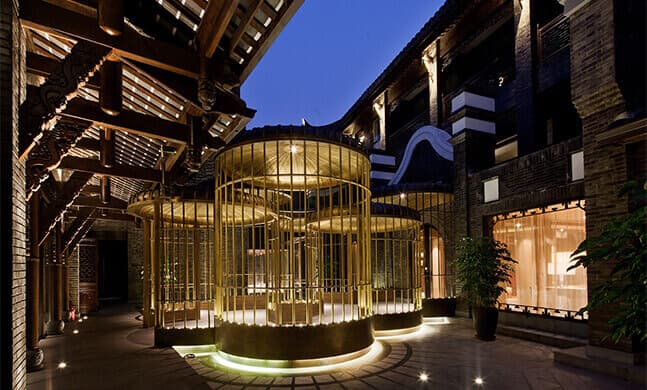
To enter the Guanyin Yiyuntai (formerly the Diaoyutai Boutique Hotel) is to abruptly mute the cacophony of Chengdu’s most tourist-saturated artery. While Kuanzhai Alley outside is a riot of ear-cleaning vendors and sugar-spinners, the world behind these heavy timber doors is one of conspiratorial silence. French architect Bruno Moinard—best known for designing Cartier’s global retail temples—has orchestrated a restoration that avoids the kitsch often plaguing ‘heritage’ stays. Instead of lazy red lanterns, you get a cinematic interplay of dark woods, brushed brass, and cold grey brick. The absence of a swimming pool—a casualty of strict preservation laws preventing deep excavation—is a blessing in disguise, preserving the courtyard's acoustic purity. The rooms are exercises in diplomatic gravity: 600-thread-count linens, mirror-embedded televisions, and soundproofing so absolute it feels hermetic. Dining here is not merely sustenance; it is performance. The ‘Royal Court’ restaurant continues the property’s legacy of serving Diaoyutai State Banquet cuisine. The signature ‘Buddha Jumps Over the Wall’—a viscous, golden soup of abalone and sea cucumber—is rich enough to induce a pleasurable coma. This is not a hotel for the ‘digital nomad’; it is a residence for the modern mandarin.
“Book the Fangfei Garden Lounge for afternoon tea; the glass ceiling offers a rare, private view of the Qing-era tiled roofs without the crowds.”
Insider TipAvg. Nightly Rate
240USD
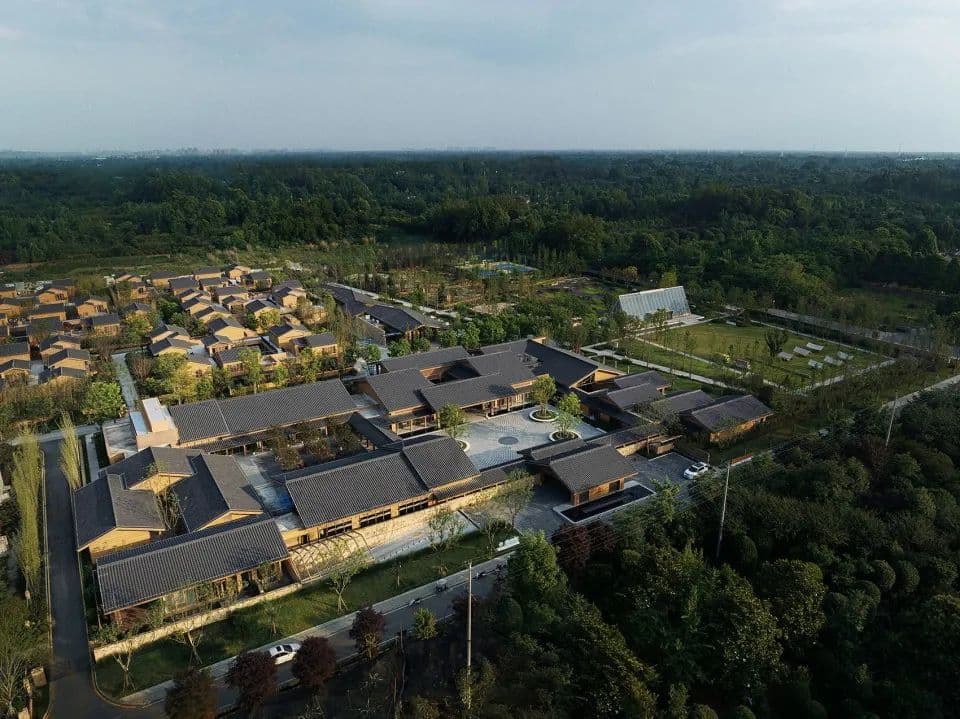
It requires a certain architectural audacity to construct a modern hotel directly adjacent to the Qing-era Chenjia Yard, yet the Angsana Chengdu Wenjiang manages the conversation with poise. Designed by the heavyweights at CCD and winner of a Red Dot Design Award, the property eschews the predictable marble-and-gold lobby trope for a vernacular narrative of rammed earth, grey brick, and intricate bamboo weaving. The result isn't a clumsy 'blend' but a respectful mirror to the 200-year-old compound next door. The arrival experience is bifurcated: by day, the central patio is a study in sun-dappled geometry; by night, it transforms around a sunken bonfire pit, the air thick with the scent of woodsmoke and the distant humidity of the Chengdu Plain. Inside, the guest rooms offer a tactile retreat. You won’t find generic luxury here; instead, expect walls clad in warm wood textures, 400-thread count linens, and the reassuring hum of Dyson Supersonic hair dryers. The bathrooms, equipped with heated smart toilets, offer a stark, welcome contrast to the ancient aesthetics outside. While the 'All Day Dining' venue serves a competent international spread, the real flavor lies in the property’s slow-paced ethos. It is unapologetically pet-friendly—a rarity in China’s luxury sector—with dedicated outdoor zones that keep the 'zen' intact while allowing four-legged guests to roam. For travelers willing to trade the city center’s chaos for Wenjiang’s quietude, this is a sophisticated architectural reset.
“Book a 'Courtyard View' room to wake up facing the historic Chenjia rooflines, and visit the bonfire pit at 8 PM for the hotel's signature evening ritual.”
Insider TipAvg. Nightly Rate
276USD
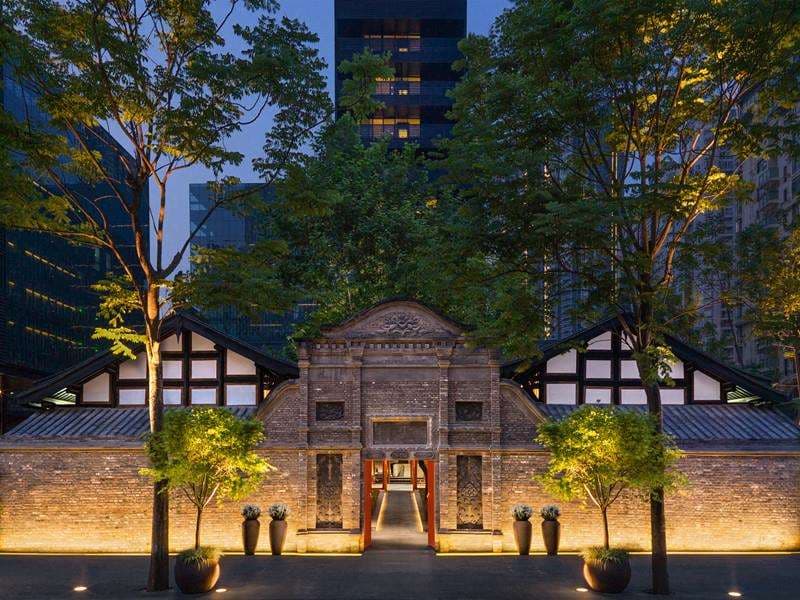
If checking into a hotel could count as a spiritual practice, entering through the Bitieshi—the restored Qing Dynasty courtyard that guards this property—would be instant enlightenment. Rebranded in late 2025 (joining its Hong Kong sibling in the ‘Upper’ echelon), the former Temple House remains the definitive heavy-hitter of Chengdu hospitality. The architectural dialogue between the ancient courtyard and the Make-designed limestone towers is stark, moody, and brilliant. The entry-level Studio 60 rooms shame the competition at 63 square meters, draped in a palette of charcoal and timber so committed to 'mood' that finding your complimentary Maxi-bar requires decent night vision. But the darkness works; it forces a slower pace. The bathrooms, vast caves of stone with freestanding oval tubs and Appelles amenities, are destinations in themselves. Dining is no afterthought. Tivano delivers the city’s best wood-fired pizza (the Sichuan peppercorn crust is non-negotiable), but the crown jewel is Mi Xun Teahouse. Recently awarded a Michelin Green Star, its vegan Mapo Tofu with chanterelles possesses a depth that makes meat irrelevant. Service is telepathic, not hovering. It’s moody, it’s dark, and it’s undeniably the coolest address in town.
“Book a 'Courtyard Suite' for direct access to the Bitieshi vibe, but for the best swim, hit the pool at noon when sunlight pierces the woven brass skylights, creating a golden grid on the water.”
Insider TipAvg. Nightly Rate
305USD
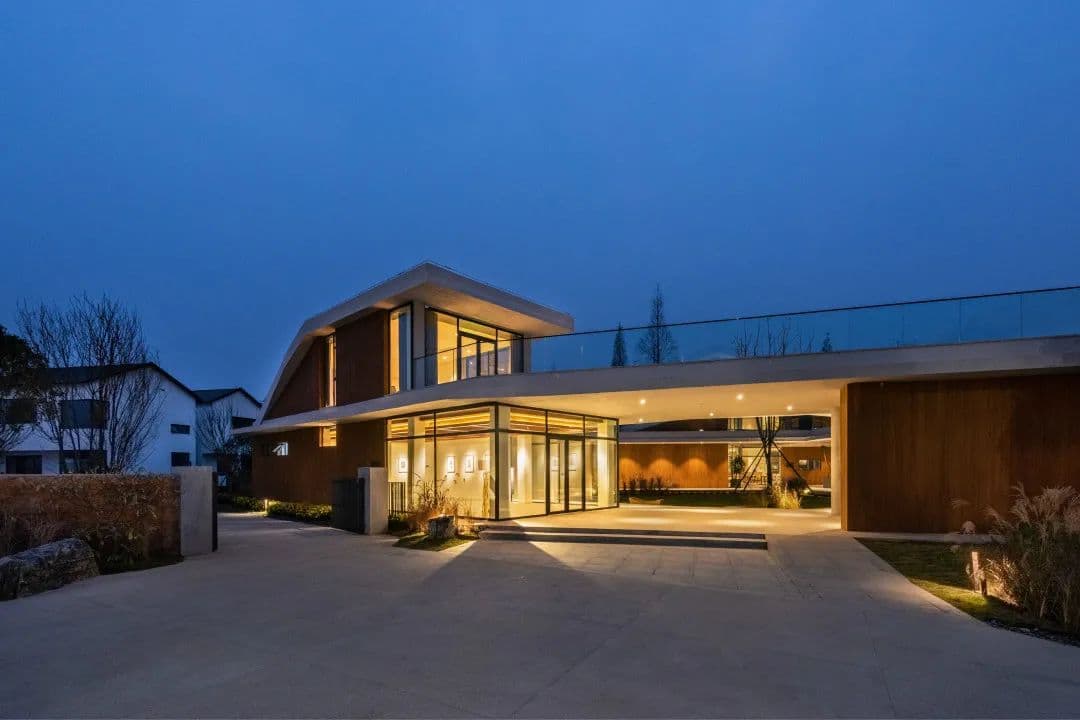
Anren Ancient Town is usually defined by the imposing Liu’s Manor, a sprawling complex of feudal grandeur. Volver Resort ANREN provides the necessary counterpoint: a sharp, modernist retreat that doesn’t mimic history but frames it. The architecture here favors clean lines and independent courtyards, turning the surrounding 'Wizard of Oz' rice fields into living art through floor-to-ceiling glass. It is less about opulence and more about the texture of rural silence. The rooms maximize privacy, functioning as standalone observatories for the changing seasons. While the property lacks a communal spa, the trade-off is superior: select suites feature concealed luxury bubble pools, offering a solitary soak without the performative wellness of larger chains. Dining is strictly farm-to-table at Guiyuan Restaurant; do not leave without trying the Fresh Pepper Beef, a Sichuan signature that uses local peppercorns to wake up the palate rather than destroy it. Service can be idiosyncratic—a hallmark of independent operations—so book your table when you book your room. This is a place for those who prefer the slow, organic rhythms of a harvest over the frantic polish of a city hotel.
“Skip the standard rooms and secure a suite with the hidden bubble pool; it’s the only way to get a spa experience here.”
Insider TipAvg. Nightly Rate
85USD

Forget the frenetic pulse of Chunxi Road. The Tsingpu Chengdu Retreat demands a different kind of attention, sitting stoically on the historic grounds of the Minjiang Academy. This isn’t a hotel that screams for Instagram likes; it whispers in the vernacular of grey brick and restored timber. The arrival sets the tone: pass the imposing Double-Dou Stone Masts and you’re effectively entering a walled scholar’s garden, shielded from the suburban sprawl by the Jiang’an River’s lazy drift. The architecture is the main event here—a rigorous exercise in dynasty-era aesthetics where deep wooden corridors frame rain-slicked courtyards. Inside, the rooms eschew the generic 'international luxury' template for something more introspective. You won't find a sprawling 24-hour mega-gym or a DJ-led pool party. Instead, the luxury is tactile and specific: the rough-hewn texture of local stone, the scent of aged wood, and the hyper-personalized butler service that feels less like staff and more like a household retainer. Dining is equally curated. Skip the international buffet vibe; the 'Market Place (Shí Jí)' serves handmade Dandan noodles that put city center tourist traps to shame with their numbing peppercorn bite. For dinner, 'Chun Feng' offers seasonal Sichuan delicacies that are unapologetically spicy yet refined. The verdict? It’s a trek—45 minutes from the airport and nearly an hour from the city core—but for those who prefer the scent of old books and herbal TCM therapies over club lounges, this is the only address in Chengdu that matters.
“Skip the standard massage; book a session at the Tsingpu TCM spa for a local herbal therapy treatment, then ask your butler to arrange tea service by the Jiang'an River infinity pool at sunset.”
Insider TipAvg. Nightly Rate
205USD