No. 01
No 199 Weigan Branch Road Chengdu ChinaChengdu1089 verified reviews
9
.6
Bitvoya Edit
Layering imagery, place, and detail before the page opens.
Immerse yourself in the slow rhythm of Chengdu, a city where the ancient art of tea defines the very soul of daily life. Our curated collection, 'The Art of Ti-shi', invites you to experience luxury properties that weave tea culture into their architectural DNA.
From the misty, Taoist peaks surrounding Six Senses Qing Cheng Mountain to the heritage-rich courtyards of The Temple House in the bustling Jinjiang district, these sanctuaries offer a respite from the modern world. Explore the historic charm near Kuanzhai Alley at the Chengdu Courtyard Hotel, or find Zen along the river at AHN LUH GUANTANG. These are not just hotels; they are gateways to the sophisticated 'Man Sheng Huo' (slow life) of Sichuan.
Chengdu is the undisputed tea capital of the world, where the concept of 'Ti-shi'—an elevated, mindful lifestyle—is best experienced through its hospitality. Unlike the fast-paced energy of Shanghai or Beijing, Chengdu offers a sanctuary of calm. Staying in a tea-infused property allows guests to engage with the destination on a sensory level, enjoying exclusive tea ceremonies, locally sourced Zhu Ye Qing tea amenities, and architecture that encourages contemplation.
Guests can expect more than just a room. These curated sanctuaries offer dedicated tea sommeliers, in-room brewing sets featuring premium Sichuan teas, and spa treatments utilizing tea polyphenols. The design philosophy often centers around the 'Courtyard' (Siheyuan) concept, ensuring that every window frames a view of nature, perfect for sipping tea in tranquility.
Spring (March to May) is ideal, as this is when the fresh green teas, especially the famous Zhu Ye Qing, are harvested and available for tasting.
The Temple House and Six Senses Qing Cheng Mountain are renowned for their dedicated tea houses and expert tea sommeliers who guide guests through traditional Sichuan ceremonies.
Properties like The Temple House and Chengdu Courtyard Hotel are central (Jinjiang/Kuanzhai Alley), while Six Senses and Angsana are located in quieter, scenic outskirts like Qingcheng Mountain.
Explore our complete curated list of luxury accommodations, from boutique hideaways to grand dames.
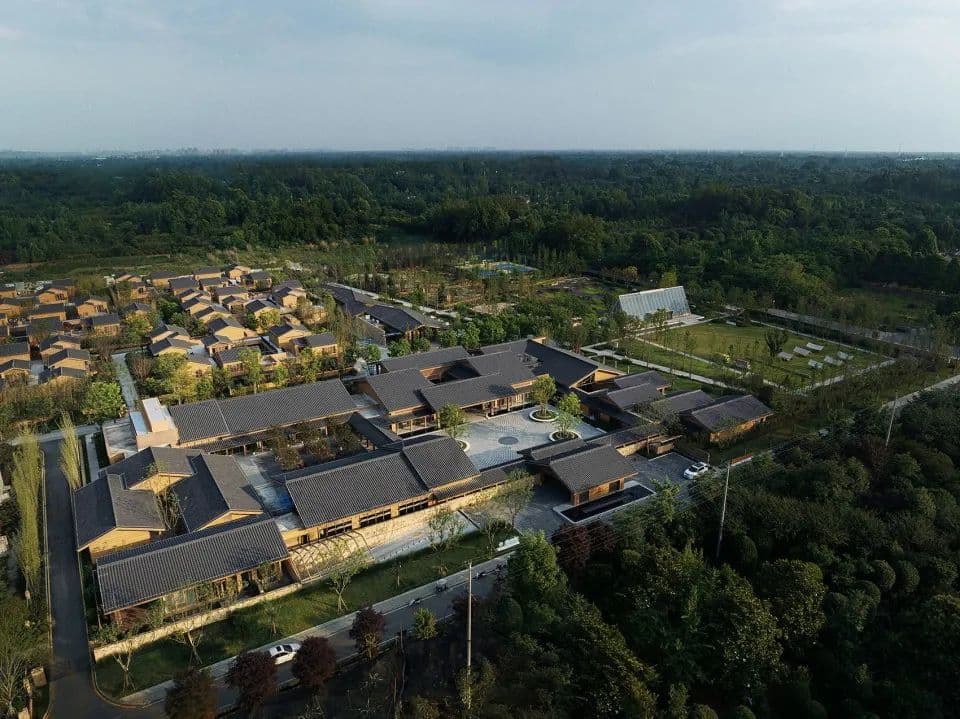
Explore All Chengdu HotelsWhile downtown Chengdu buzzes with kinetic energy, Angsana Chengdu Wenjiang offers a masterclass in the art of the pause. Located across from the historic Chenjia Yard, this sanctuary designed by CCD (Cheng Chung Design) doesn't just mimic heritage—it inhabits it. The architecture is a moody, atmospheric dialogue of grey tiles, bamboo weaving, and rustic red brick that shifts from sun-dappled Zen by day to a bonfire-lit intimate retreat by night. Inside, the commitment to modern comfort is uncompromising. Rooms are equipped with Dyson hair dryers and intuitive smart toilets, ensuring the rustic aesthetic never feels archaic. Dining at Chun Feng is a highlight, where the Sichuan spicy chicken delivers a precise, numbing kick that demands a cold local brew. Service is intuitive and, rare for this tier of luxury, genuinely pet-friendly, welcoming four-legged guests with open arms. It’s a poetic, slow-paced escape that proves the best way to experience Chengdu is to stop moving entirely.
“Book a Courtyard Suite on the ground floor for direct garden access—perfect if you're bringing a pet or just want to sip tea under the open sky.”
Insider TipAvg. Nightly Rate
276USD
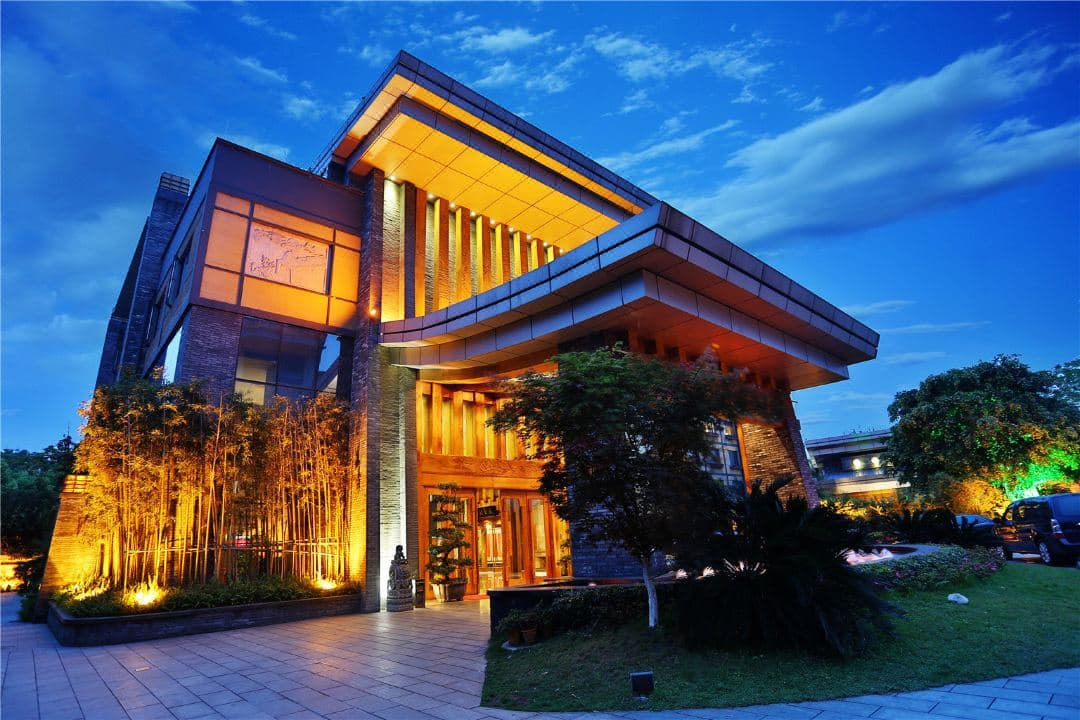
In a city obsessed with the new, the Chengdu Huanhua Hongtai Hotel offers a rebellious proposition: the luxury of old wood and silence. Located literally over the wall from the Du Fu Thatched Cottage, this independent property feels less like a hotel and more like the private residence of a reclusive scholar. The architecture is a study in 'raw timber' aesthetics—think unvarnished beams and antique furnishings that smell faintly of sandalwood and history, a sharp pivot from the polished marble of Chengdu’s IFs and Taikoo Li. The service here is hyper-personalized, bordering on familial. Butlers (often name-checked in reviews as 'Sunny' or 'Meier') don’t just turn down beds; they arrive with wooden buckets for a nightly foot bath and carafes of hot milk to ensure deep sleep. Dining at 'Du Lin Fang' is non-negotiable; order the Eight Treasure Gourd Duck, a dish that pairs medicinally-infused Cantonese precision with the local obsession for flavor. However, a word to the wise: the hardware dates back to 2012. You may find scuffs on the floorboards or a bathroom that feels compact by modern standards. But for those seeking the 'Ti-shi' (tea-infused) soul of Chengdu rather than just a place to sleep, this faded glory is part of the charm.
“Book the 'Garden Suite' on the 4th floor. It offers a private terrace that looks directly into the tree canopy of the neighboring park—perfect for morning tea without the crowds.”
Insider TipAvg. Nightly Rate
105USD
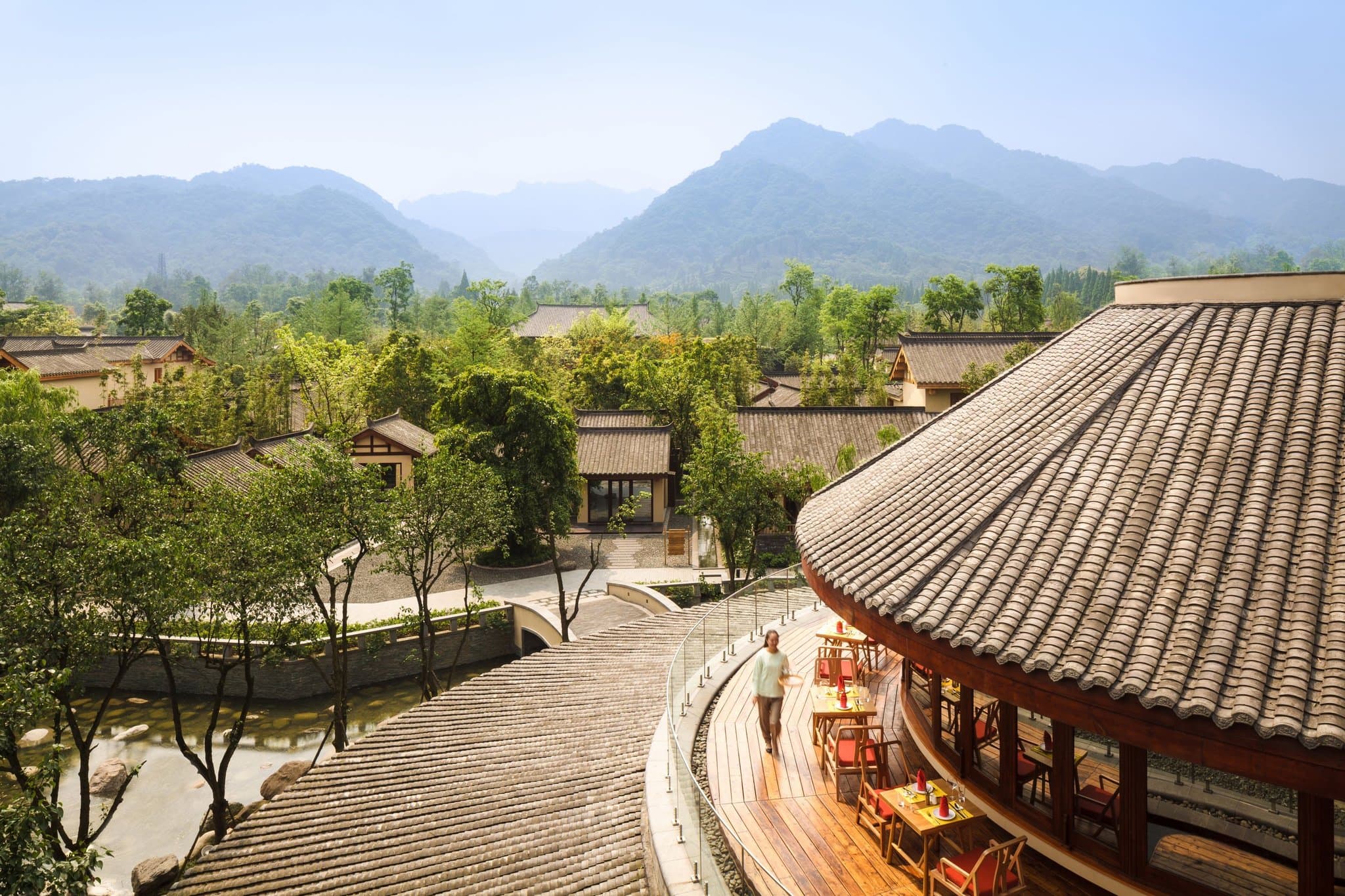
If Chengdu is the beating heart of Sichuan, Qing Cheng is its deep, meditative exhale. Situated at the literal gates of Taoism’s birthplace, Six Senses Qing Cheng Mountain is less a hotel and more a masterclass in decompression. The architecture avoids the garish gold often found in luxury Chinese hospitality, opting instead for timber-framed villas and curved eaves that mimic the surrounding canopy—a living ink wash painting. The wellness credentials here are not just marketing brochures. The 1,710-square-meter spa complex is the property's engine room. The move is to start with a Tai Chi session in the dedicated garden before retreating indoors for treatments using the Amala line. Afterward, the heated indoor pool offers a reprieve from the mountain dampness. Culinary pursuits center on 'Farm2Fork', where the garden-to-table ethos is taken seriously. The 32-hour slow-cooked Wagyu beef short rib is rich enough to make you forget the steep menu prices. While tech-obsessed travelers might scoff at the absence of smart toilets (a surprising omission) and occasional hot water quirks, these analog edges enforce a necessary slowing down. It is imperfect, expensive, and utterly restorative.
“Skip the standard massage; book a morning Tai Chi session in the garden, then head to Farm2Fork for the signature Wagyu beef.”
Insider TipAvg. Nightly Rate
215USD

Chengdu typically screams hot pot and pandas, but Ahn Luh Guantang whispers. Dropped into the heritage-protected Guantang Village, this property avoids the city's neon clamor for a vibe that is strictly 'Pastoral Zen.' The architecture is a masterclass in symmetry—so severe and cinematic it feels less like a hotel and more like the set of a high-budget period drama where you are the brooding protagonist. The 34 villas are cavernous, featuring soaring ceilings and private courtyards that justify the price tag. Interiors are decked with **B&O speakers** and **Ba Yan Ka La** amenities, though the award-winning 'hidden light' design—while atmospherically brilliant—can be functionally baffling; expect to spend your first night hunting for the master switch. Dining is equally focused: the **Guantang Three Treasures** (specifically the crispy spicy chicken) at the All-Day Dining restaurant delivers a numbing peppercorn hit that cuts through the tranquility. Don't skip the **Infinity Tea Pavilion**; it’s the property’s spiritual core. **Verdict:** A sophisticated escape for the antisocial aesthete who prefers tea ceremonies to club lounges.
“Book a sunset slot at the Infinity Tea Pavilion; the reflection of the 'hidden lights' on the water creates the property's best photo op.”
Insider TipAvg. Nightly Rate
310USD
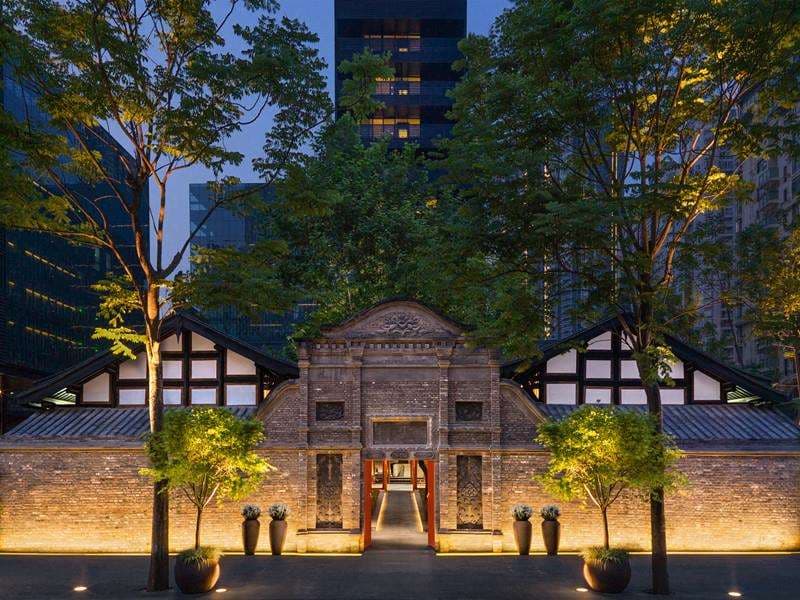
When Swire formally rebranded The Temple House to Upper House Chengdu in late 2025, loyalists held their breath—would the moody mystique survive the alignment with its Hong Kong sibling? The answer, thankfully, is a resounding yes. Entering via the Bitieshi—a restored Qing-dynasty courtyard—remains one of the world’s great hotel arrival sequences, acting as a decompression chamber from the selfie-stick wars of Sino-Ocean Taikoo Li. Inside, the vibe is less 'hotel lobby' and more 'cinematic set piece,' designed by Make Architects with a perforated brickwork that mimics the play of light through bamboo leaves. The entry-level Studio 60 rooms (a massive 63 sqm) still hum with that signature charcoal-and-greige palette. While the atmospherically dim lighting might require a tactical flashlight to locate your Le Labo lotion, the trade-off is a womb-like serenity rare in this frantic city. The 'Maxi-bar'—stocked with complimentary craft beers and sodas—remains a generous touch that embarrasses the nickel-and-dime approach of competitors. But the 'Ti-shi' soul of the property lives in the Mi Xun Teahouse. Here, the signature Vegan Mapo Tofu with chanterelles delivers a numbing peppercorn hit so profound it rivals any meat-based version in town. Post-lunch, retreat to the Mi Xun Spa, where Thémaé tea-infused treatments and a bamboo cane massage offer a physical reset. It may have a new name, but this sanctuary remains the undisputed cool kid of Chengdu luxury.
“Book a treatment at Mi Xun Spa before arrival to secure access to the pool—its woven brass skylight creates a mesmerizing, golden-hour swimming experience that is strictly for guests and spa patrons only.”
Insider TipAvg. Nightly Rate
305USD
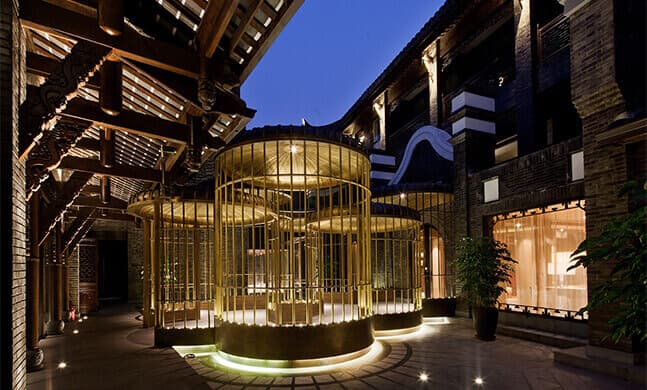
In the tourist-clogged arteries of Kuanzhai Alley, finding silence is usually a fool’s errand. Yet, behind the unassuming grey-brick facade of Guanyin Yiyuntai (the artist formerly known as Diaoyutai), the decibel level drops to a reverent whisper. This isn't just a hotel; it is a masterclass in spatial editing by Bruno Moinard—the architect behind Cartier’s global boutiques—who has sutured French geometry into a 300-year-old Qing dynasty courtyard. The 45 rooms are studies in restraint, swapping ostentatious gold for muted charcoal woods and 600-stitch cotton flax linens that feel heavier and cooler than standard luxury percale. While the heritage status forbids a swimming pool, the absence of chlorine smell allows the scent of aged cedar and brewing tea to dominate. The real power move here is dining at Royal Court. Skip the street snacks for the 'Buddha Jumps Over the Wall'—a viscous, collagen-rich seafood broth originally reserved for visiting dignitaries, served with the gravity of a religious rite. Service is less 'concierge' and more 'private secretary', anticipating needs before they register. It is a sanctuary for the traveler who prefers their history served without the noise.
“Book a table at Fangfei Garden Lounge specifically at 4:00 PM; the angled sunlight hits the glass ceiling and bamboo garden perfectly for the 'Palace-style' tea service.”
Insider TipAvg. Nightly Rate
240USD
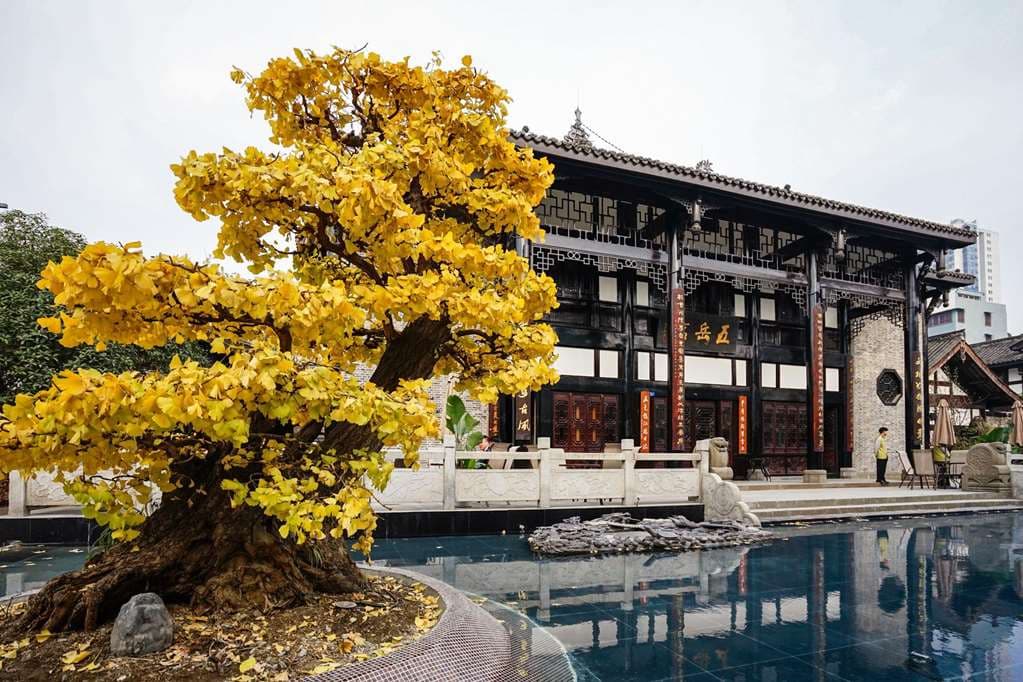
Forget the sterile glass towers of the High-Tech Zone; this is the Chengdu of poets and dynasties. Nestled directly adjacent to the incense-wreathed Wenshu Monastery, the Chengdu Courtyard Hotel (formerly the Old Chengdu Club) is less a hotel and more a living museum of Shu architecture. The property is a labyrinth of 16 restored courtyards where the city’s fabled 'slow life' isn't a marketing slogan—it’s the default setting. The rooms are moody and cinematic, featuring intricate wooden screens and heavy eaves. A word to the wise: this is a heritage building, meaning lighting is atmospheric (read: dim) and the ground-floor suites can carry a hint of historic dampness—a small tax for such authenticity. Amenities are adequate, but you’re here for the vibe, not the latest Bluetooth mirrors. Dining is the headline act. 'Wu Yue Gong' serves Sichuan fusion that respects tradition; the Kung Pao Prawns are a masterclass in the *ma-la* balance. However, the true 'Ti-shi' experience is found at the Courtyard Tea Bar. Sinking into a rattan chair with a gaiwan of locally sourced Jasmine, watching the koi navigate the stone ponds, is a spiritual reset. **Verdict**: It lacks a pool and the bathrooms feel slightly 2010, but for sheer atmospheric immersion, this sanctuary has no rival.
“Book a second-floor 'Loft' room in the inner courtyard. You get the stunning roofline views without the humidity issues of the ground floor.”
Insider TipAvg. Nightly Rate
90USD
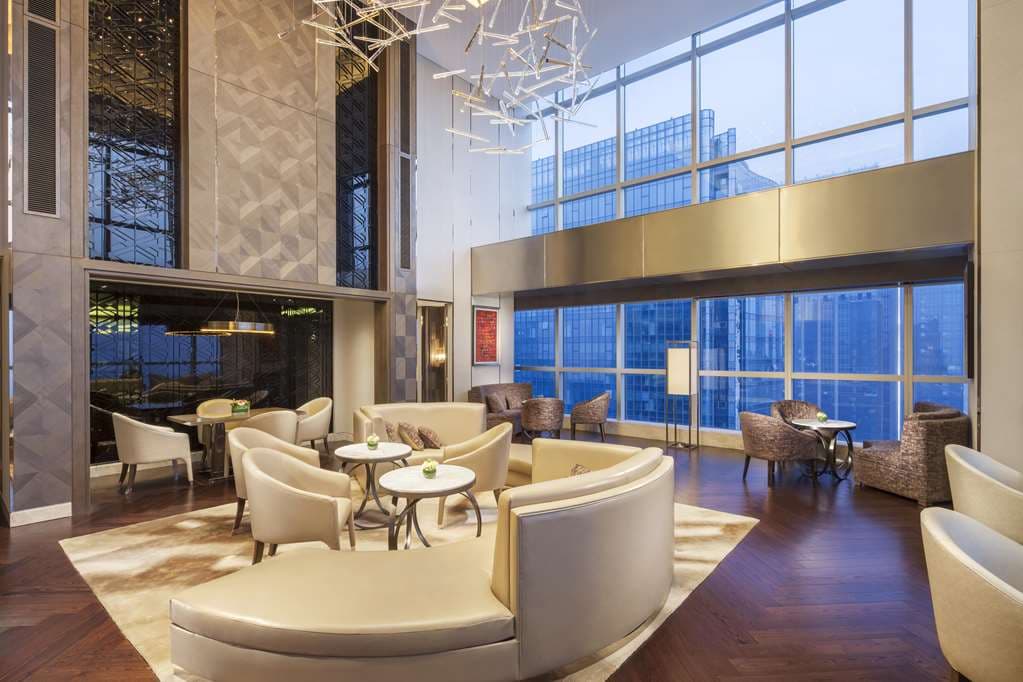
In the frenetic heart of the Tianfu Software Park, where Chengdu’s algorithms are written, the Hilton Chengdu offers a necessary counter-programming: silence. While the glass facade screams corporate cyber-future, the soul of this property lies in its resistance to speed. The lobby’s panda kitsch is a decoy; head straight for the 'Zen Six Tea House' (Jian Liu), a dedicated space that anchors our 'Ti-shi' feature. Here, the kungfu tea service isn’t a performance for tourists but a genuine recalibration of the senses, served with a precision that rivals the code being written across the street. The guest rooms are utilitarian luxury—expect Precor-equipped gyms and floor-to-ceiling windows framing the dystopian-chic New Century Global Center. Yes, the interiors are showing subtle fatigue (scuffed baseboards, temperamental WiFi), but the unbranded spa products are surprisingly high-grade, and the 39th-floor indoor pool requires a swim cap but rewards with cinematic skyline views. Dinner at Yuxi Chinese Restaurant is non-negotiable; order the Beggar’s Chicken and Kungfu Soup, dishes that demand the same slow patience as the tea downstairs. **Verdict**: A polished business high-rise that secretly functions as a deceleration chamber.
“Skip the lobby chaos for meetings. Book a private chamber at Zen Six for the 'Kungfu Tea' service—it’s the only place in the hotel where the WiFi signal serves as a secondary concern to the Oolong.”
Insider TipAvg. Nightly Rate
67USD

If the relentless, neon-lit energy of Chengdu feels like a double-shot of espresso, Tsingpu Chengdu Retreat is the herbal antidote. Located forty minutes from the grinding traffic of the urban core—a distance that serves as a necessary decompression chamber—this property doesn't shout; it whispers. Built adjacent to the historic Minjiang Academy, the architecture commands a reverence usually reserved for libraries. The arrival experience is defined by the imposing Double-Dou Stone Masts, signaling you’ve entered a zone of intellectual rigor rather than mere relaxation. Don't come here expecting the splashy excess of a mega-resort; there are no sprawling gym complexes or swim-up bars. Instead, the luxury is tactile and introspective. The 300-square-meter infinity pool slices along the Jiang’an River, offering a grimly beautiful spot for contemplation rather than cardio. Dining at ‘Market Place (Shí Jí)’ surprises with a lack of pretension; the handmade Dandan noodles are a masterclass in local spice, contrasting the otherwise austere atmosphere. While some might find the room hardware slightly austere for the price point, the value lies in the 'soft' hardware: the butler service that anticipates needs before they form, and the Tsingpu TCM spa that favors potent local herbal remedies over fragrant fluff. It is a sanctuary for the mind, best enjoyed with a book you’ve been meaning to finish.
“Skip the standard room service; ask your butler to arrange a private tea ceremony in the deep wooden corridors at sunset to watch the lanterns light up.”
Insider TipAvg. Nightly Rate
205USD