No. 01
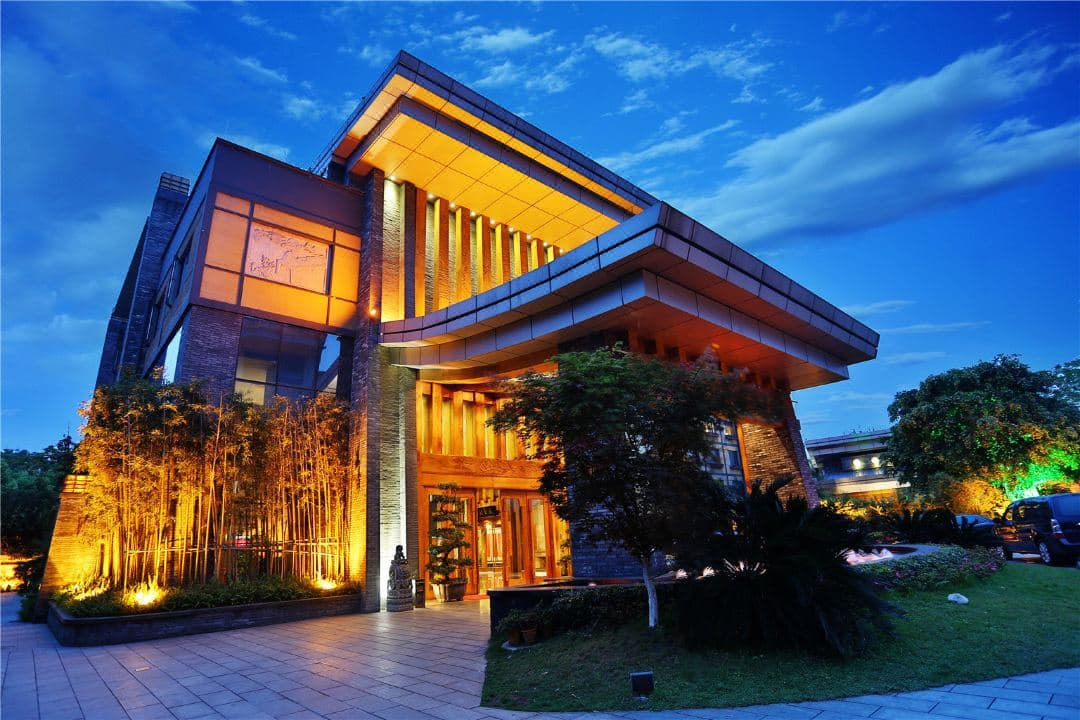
ChengduChengdu1519 verified reviews
9
.6
Bitvoya Edit
Layering imagery, place, and detail before the page opens.
Chengdu is a city that refuses to rush. Here, the passage of time is measured not in minutes, but in cups of jasmine tea and the rhythmic click of mahjong tiles. Our curated collection, "The Art of Slow Living," invites you to explore the tranquil side of Sichuan's capital. From the historic courtyards of the Kuanzhai Alleys to the mist-covered peaks near Qingcheng Mountain, we guide you to sanctuaries where architecture and nature harmoniously blend. Experience the urban zen of The Temple House in the Jinjiang District or the heritage-rich ambiance of Chengdu Courtyard Hotel near Wenshu Monastery. These properties are not just places to stay; they are gateways to understanding the profound 'Ba-Shu' philosophy of leisure and harmony.
Chengdu is arguably the capital of 'cool' in China, but its true essence lies in its ability to slow down. Unlike the frenetic pace of Shanghai or Beijing, Chengdu offers a sanctuary where tea culture and garden living are woven into the fabric of daily life. Choosing a hotel from our "Tea Culture and Garden Enclaves" collection means immersing yourself in the UNESCO City of Gastronomy's softer side. Properties like Six Senses Qing Cheng Mountain allow guests to reconnect with Taoist principles of nature, while urban retreats like The Temple House prove that tranquility can exist within a bustling metropolis. The hotels listed, including the exquisite Guanyin Yiyuntai and the culturally immersive Tsingpu Chengdu Retreat, prioritize privacy, wellness, and the ritual of tea.
When booking a stay at one of these curated properties, expect more than just a room. You will encounter meticulously landscaped Sichuanese gardens featuring bamboo groves and koi ponds. In-house tea ceremonies are a staple, often using locally sourced leaves from Mount Mengding or Emei. Design-wise, expect a fusion of traditional timber structures with modern luxury amenities. Whether it's the healing thermal waters at AHN LUH GUANTANG or the artistic heritage at Chengdu Huanhua Hongtai Hotel, the focus is consistently on mental well-being and cultural immersion.
Spring (March to June) and Autumn (September to November) are ideal. The weather is mild, perfect for enjoying outdoor tea ceremonies in the lush courtyards of hotels like The Temple House or Six Senses.
Yes, properties like Guanyin Yiyuntai and Tsingpu Chengdu Retreat offer curated tea experiences, often featuring local Sichuan teas and expert tea masters to guide guests through the ritual.
Absolutely. Hotels like Six Senses Qing Cheng Mountain and AHN LUH GUANTANG offer spacious villas and family-oriented activities that allow children to explore nature and culture in a safe environment.
Explore our complete curated list of luxury accommodations, from boutique hideaways to grand dames.
Explore All Chengdu HotelsForget the glass-and-steel vertigo of the IFS; the real luxury in Chengdu is silence, and you’ll find it here, quite literally in the backyard of the Du Fu Thatched Cottage. Huanhua Hongtai isn’t just ‘near’ the historic site—it shares its DNA. The architecture is a brooding, beautiful exercise in raw timber and grey brick, evoking a Tang Dynasty scholar’s retreat rather than a 2026 hospitality product. Inside, the vibe is aggressively analog. You won’t find iPad controls, but you will find hand-carved wooden furniture and Shu embroidery so intricate it distracts you from the slightly dated bathroom hardware—a forgivable sin given the context. The service strategy is hyper-local: forget standard turndown chocolates; here, a personal butler arrives with a steaming wooden bucket for a foot bath and a bowl of medicinal ‘Silver Ear’ soup to combat the humid Sichuan air. Dining at Du Lin Fang follows suit, offering ‘Eight Treasure Gourd Duck’ that tastes like history itself. It’s not a polished international chain experience; it’s a moody, atmospheric deep-dive into Old Shu culture.
“Ask for a garden-facing room on the 2nd floor to hear the morning birdsong from the Thatched Cottage park—it’s the same soundtrack Du Fu wrote about.”
Insider TipAvg. Nightly Rate
105USD
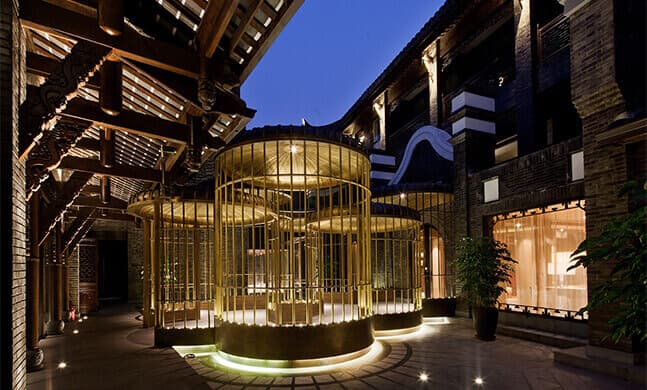
To enter the Guanyin Yiyuntai (formerly Diaoyutai) is to perform a magic trick: you step off the feverish, selfie-stick-clogged pavement of Kuanzhai Alley and vanish into silence. Designed by Bruno Moinard—the aesthetic architect behind many Cartier boutiques—this property isn't a lazy 'East-meets-West' pastiche; it’s a confident conversation between French finesse and Sichuanese grey-brick soul. The interiors are moody and cinematic, featuring red lacquer corridors that demand a slow walk. Rooms are sanctuaries of high-gloss woods and boutique cotton-flax linens, though the televisions are decidedly modest—a subtle hint to look at the courtyard, not the screen. The culinary centerpiece, Royal Court, serves the legendary 'State Banquet' cuisine (Guoyan); the 'Buddha Jumps Over the Wall' here is a gelatinous, rich masterclass in patience. Service is formal, bordering on ceremonial, fitting for a property that feels less like a hotel and more like a private diplomat’s residence. It is the ultimate counterpoint to the city’s spice-fueled energy.
“Book the 'Tianfu Suite' for the private courtyard access. Also, skip the street snacks outside and order the 'Palace-style Afternoon Tea' at Fangfei Garden Lounge—the glass ceiling offers unbeatable bamboo views without the crowds.”
Insider TipAvg. Nightly Rate
240USD

If Chengdu is the pulsating heart of China’s tech boom, Ahn Luh Guantang is its meditative exhale. Located incongruously near the Science City, this architectural sanctuary performs a vanishing act on the 21st century. The property isn't built so much as curated—a reconstruction of a traditional Sichuanese village where rammed earth walls and bamboo-lined walkways replace the generic glass facades of its neighbors. With only 34 keys, privacy is the currency here, guarded by personal butlers who navigate the layout with practiced ease. Inside, the aesthetic is unapologetically scholarly—think 'Tang Dynasty poet on a retreat.' Rooms feature soaring timber beams and Ba Yan Ka La bath amenities that scent the air with indigenous herbs. However, the mood lighting controls require a degree in electrical engineering to decipher—a rare fumble in an otherwise seamless user experience. Culinary pursuits center on the 'Ahn Luh All-Day Dining,' where the 'Guantang Three Treasures' (specifically the Crispy Spicy Chicken) delivers a sophisticated numbing kick. For a sweeter interlude, the Tang Dynasty-style pastries at the Infinity Tea Pavilion are edible art. It is a place to disconnect, provided you can figure out how to turn off the lights.
“Book a table at the Infinity Tea Pavilion exactly at sunset; the reflection of the lit lanterns on the water creates the property's definitive 'hero shot'.”
Insider TipAvg. Nightly Rate
310USD
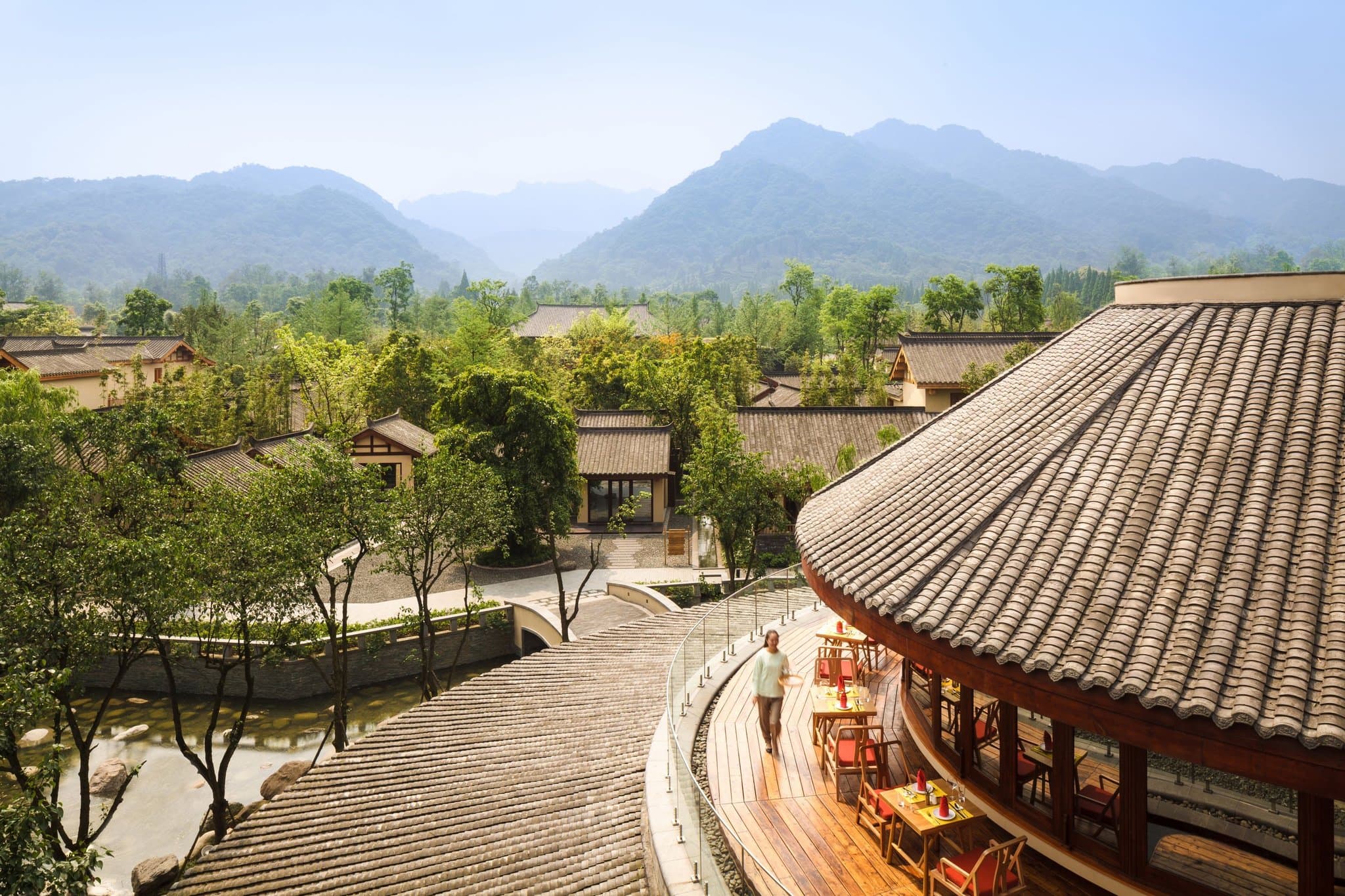
Forget the frenetic pulse of downtown Chengdu. An hour’s drive away, Six Senses Qing Cheng Mountain commands a quiet, mist-draped corner at the base of Taoism’s holiest peak. This isn't merely a hotel; it is a meticulously recreated Sichuanese village where timber-framed architecture and curved eaves frame views of the surrounding bamboo forests. The aesthetic is ancient, but the infrastructure is cutting-edge. Inside the Courtyard Suites, you are met with app-controlled lighting, sustainable wood finishes that smell of the forest, and 400-thread count organic linens that make rising for morning Tai Chi a genuine challenge. Dining is a serious pursuit here. Farm2Fork validates its moniker by plating produce harvested just yards away in the resort's massive on-site organic gardens. For those craving the region's signature heat, 28 Zodiac delivers a Mapo Tofu that sings with the numbing electric buzz of local Sichuan peppercorns, while Sala Thai offers a surprising, authentic detour to Northern Thailand with its rich curries. The service is almost clairvoyant; electric buggies whisk you through the bamboo groves before you even realize you’re tired. Do not skip the Six Senses Spa—a sprawling 1,710 sqm sanctuary where skilled therapists use local herbs to soothe muscles weary from hiking the nearby Panda Valley. It is sophisticated, serene, and spectacularly comfortable—a rare find that respects its heritage without feeling like a museum.
“Request a Courtyard Suite in the 800 block for the best views of the internal water gardens and the shortest walk to the Moon Bar for sunset cocktails.”
Insider TipAvg. Nightly Rate
215USD
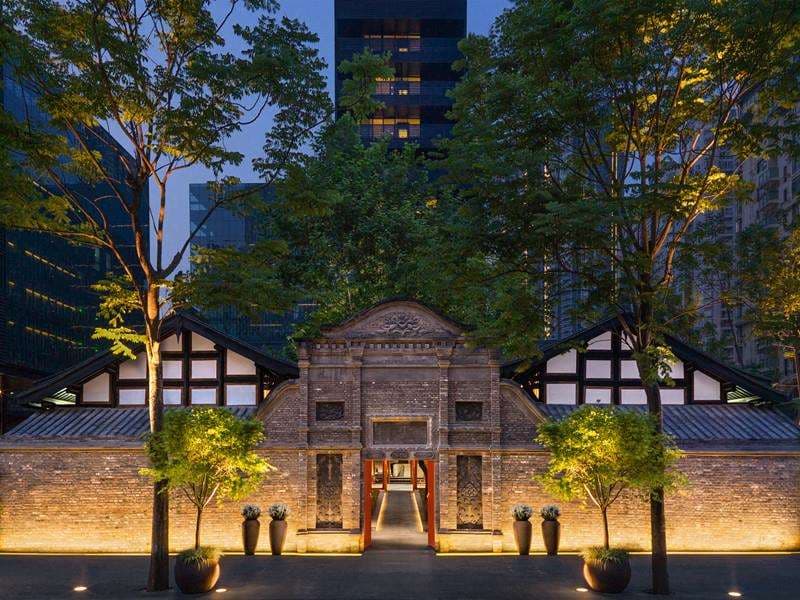
If stepping off the hyper-commercialized streets of Sino-Ocean Taikoo Li feels like a sensory assault, entering The Temple House is the antidote. You don’t check in at a counter; you vanish into the Bitieshi, a restored Qing Dynasty courtyard that smells faintly of woodsmoke and old money. This is Swire Hotels at its most atmospheric—less a hotel, more a moody, monochromatic sanctuary dedicated to the slow 'Shu' lifestyle. The minimalism here is aggressive but luxurious. Entry-level Studio 60 rooms are cavernous (63 sqm), draped in greyscale tones and low-light ambiance that forces you to decelerate. While the lighting can be famously dim—good luck applying eyeliner after sunset—the trade-off is a womb-like tranquility. The complimentary 'Maxi-bar' (stocked with local beers and unlimited sweets) and the spa-like limestone bathrooms with soaking tubs soften the brutalist edge. Dining is the property’s crown jewel. Mi Xun Teahouse isn’t just a pretty face; it’s a Michelin Green Star holder where the vegan Mapo Tofu with chanterelles offers a numbing, spicy kick that rivals any meat version. Meanwhile, Jing Bar’s Sichuan Negroni is the perfect nightcap. Verdict? A masterclass in heritage preservation that doesn't feel like a museum.
“Skip the standard coffee order and head to Mi Xun Teahouse for the 'Spinach Noodles with Dan Dan Sauce'—it’s an off-menu favorite among locals.”
Insider TipAvg. Nightly Rate
305USD
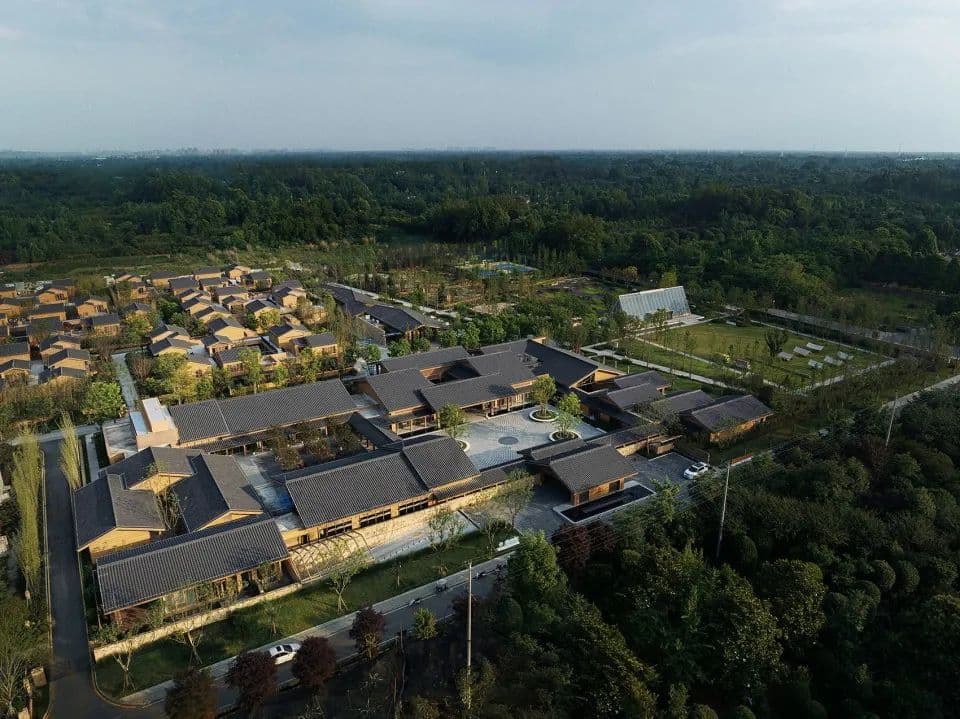
Forget the frenetic pulse of downtown Chengdu. The Angsana Chengdu Wenjiang is not a base for panda-spotting; it is a destination for decompression. Anchored by the immaculately restored Qing Dynasty-era Chenjia Yard, the property feels less like a hotel and more like a scholar’s private sanctuary. Designed by CCD (Cheng Chung Design), the architecture commands respect—gray brick walls and flying eaves mirror the historic neighbors—but the interiors are unapologetically contemporary. Inside, the asceticism of the courtyard gives way to concrete comforts. Rooms are exercises in restraint, framing garden views through floor-to-ceiling glass, yet equipped with the requisite luxury hardware: Dyson supersonic dryers and intuitive smart toilets that greet you upon entry. Dining requires no excursion; 'Chun Feng' serves Szechuan cuisine that numbs the lips without overwhelming the palate, while 'Market Place' executes handmade Dandan noodles with street-stall authenticity but white-tablecloth hygiene. As dusk falls, the vibe shifts. The central patio’s bonfire is lit, filling the air with woodsmoke and grounding the 'slow living' ethos in something primal. It is a trek from the airport, yes, but for a night spent under the eaves of 18th-century architecture with 21st-century plumbing, the distance is the point.
“Book a ground-floor room near the central courtyard. You get direct garden access and can watch the evening bonfire ritual from your private terrace with a cup of bamboo-leaf tea.”
Insider TipAvg. Nightly Rate
276USD
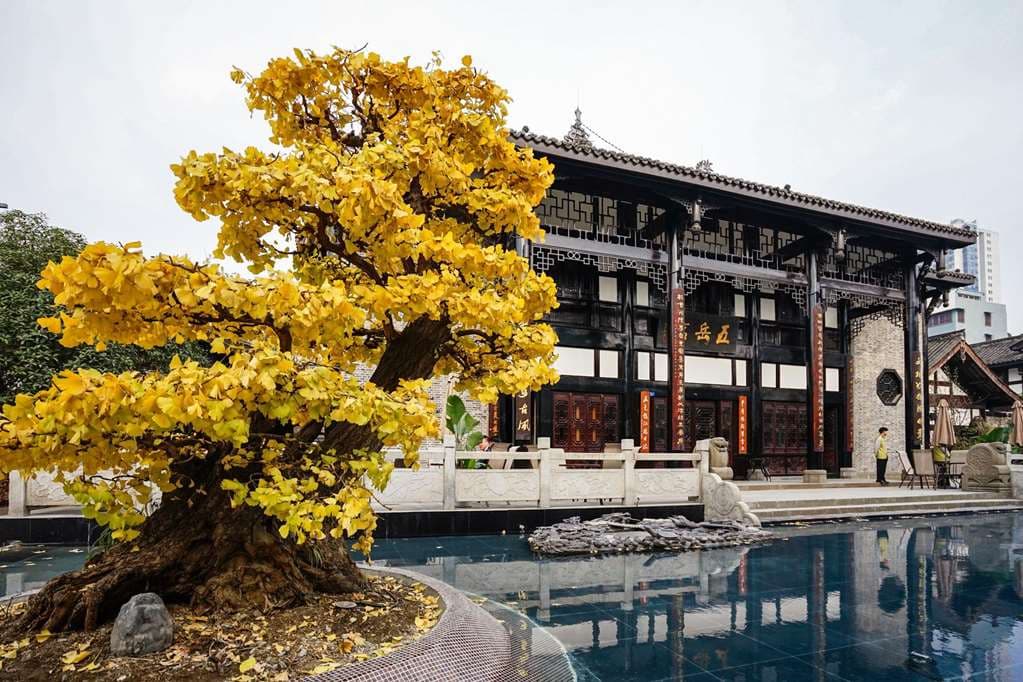
Forget the glass towers. The Chengdu Courtyard Hotel isn't just a place to sleep; it’s a 16-courtyard architectural anthology whispering stories of West Sichuan’s past. Nestled beside the incense-wreathed Wenshu Monastery, this property eschews the generic lobby for a labyrinth of wooden corridors and grey-brick patios that transport you straight to the Qing Dynasty. Check into a Garden Suite, where the faint, earthy scent of old timber—a trade-off for such rigorous authenticity—mingles with the aroma of fresh jasmine. While the bathrooms can feel a touch dated, the experience is pure atmosphere. The real draw is the **Courtyard Tea Bar**; sitting here with a gaiwan as the afternoon light hits the eaves is the definition of Chengdu’s famous 'slow life'. Dining is the crown jewel. **Wu Yue Gong**, the on-site Michelin-Selected restaurant, serves a Kung Pao Prawn dish that redefines the classic with massive, glossy crustaceans, alongside Chargrilled Beef Ribs that are impossibly tender. Service is unhurried, matching the local pace. It’s a damp, beautiful, imperfect enclave for the culturally curious.
“Book a 'Family Loft' if you're bringing kids—it features a private indoor slide that is unexpectedly chic.”
Insider TipAvg. Nightly Rate
90USD

Forget the gilded skyscrapers of the CBD; Tsingpu Chengdu Retreat is a masterclass in intellectual seclusion. Located on an island in the Jiang’an River and modeled after the historic Minjiang Academy, this isn't just a hotel—it's a sanctuary for the scholarly soul. The architecture demands your attention, not with flash, but with gravity: Double-Dou stone masts and deep, lantern-lit wooden corridors frame a silence that feels almost heavy with history. Inside, the experience is less about hotel operations and more about hosting. The butler service is borderline clairvoyant, anticipating needs before they arise. Rooms are exercises in restraint, prioritizing texture and shadow over meaningless ornamentation, though the lack of resort-style excess might deter those seeking a typical splash-and-dash vacation. Dining is a serious affair here. Skip the room service and head to ‘Market Place (Shí Jí)’ for handmade Dandan noodles that carry a genuine Sichuan kick, or commit to ‘Chun Feng’ for seasonal local delicacies that change with the micro-seasons. The 300 sqm infinity pool along the river offers a stark, beautiful place to decompose your thoughts. It’s not for everyone—it’s too quiet for the party crowd and too remote for the sightseer—but for those needing to disconnect to reconnect, it is perfection.
“Book a ground-floor courtyard room for direct garden access, and don't miss the afternoon Tea Art session—it's a legitimate cultural deep-dive, not a tourist trap.”
Insider TipAvg. Nightly Rate
205USD
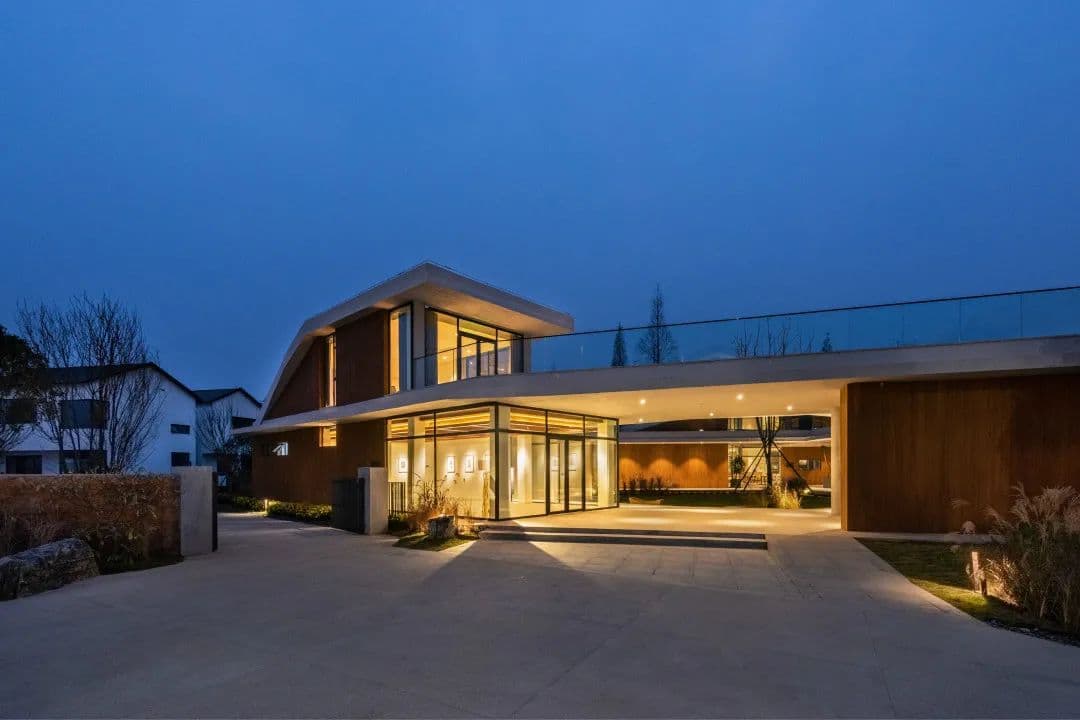
While Anren Ancient Town is famed for its sprawling museum clusters and Republican-era mansions, Volver Resort ANREN offers a masterclass in modern pastoral healing. Stepping away from the heavy grey bricks of the Old Town, the resort opens up into a startlingly fresh 'Wizard of Oz' aesthetic—think white geometric tents and minimalist structures floating atop undulating rice fields. It is a striking visual palate cleanser. The accommodations prioritize hyper-privacy. Suites are configured with independent courtyards and floor-to-ceiling windows that turn the golden rapeseed flowers outside into living wallpaper. The interiors shun generic luxury for textured comfort; expect curated in-room amenities that bridge the gap between rural rustic and urban chic. Dining here is hyper-local. The on-site 'Guiyuan Restaurant' is a destination in itself, serving farm-to-table Sichuan fare that respects the season. The Fresh Pepper Beef is the standout—numbing, fragrant, and sourced directly from the surrounding agrarian bounty. Service is unobtrusive yet precise, typical of the Volver brand’s ethos of 'returning' to a simpler state of being. For families, the seasonal nature camps offer a rare chance to disconnect, but for the solo aestheticist, the silence of the private courtyards is the ultimate luxury. **Verdict**: A photogenic sanctuary that successfully updates the concept of the Chinese garden retreat for the 21st century.
“Request a courtyard facing the rice paddies during the spring bloom (March-April) for the most dramatic 'Wizard of Oz' views. Avoid the ground floor if you are sensitive to nature's smaller flying inhabitants.”
Insider TipAvg. Nightly Rate
85USD