No. 01
No 2 Dong Ruan Rd Chengdu. Chengdu China 611844Chengdu77 verified reviews
8
.4
Bitvoya Edit
Layering imagery, place, and detail before the page opens.
Chengdu is not merely a destination; it is a state of mind defined by the rhythm of steeping tea. For the slow traveler, the city offers a sanctuary where heritage meets modern luxury. Beyond the bustling Jinjiang District, properties like The Temple House and Chengdu Courtyard Hotel transform historic architecture into havens of tranquility. Venture further to the misty peaks near Dujiangyan, where Six Senses Qing Cheng Mountain and AHN LUH GUANTANG integrate seamlessly with nature. These retreats are not just places to sleep; they are immersive experiences in the 'Way of Tea,' offering private courtyards, Zen gardens, and the promise of absolute serenity amidst the vibrant energy of Sichuan.
Chengdu is widely recognized as the capital of leisure in China. The concept of 'Slow Travel' is deeply ingrained in the city's DNA, manifested through its thousands of teahouses and the philosophy of 'Man' (slowness). Choosing a tea-themed retreat here means immersing yourself in a culture that values mindfulness, aesthetic beauty, and historical continuity. Properties like Guanyin Yiyuntai Hotel and Tsingpu Chengdu Retreat offer guests the chance to engage in private tea ceremonies, meditate in centuries-old courtyards, and experience the nuanced hospitality that defines high-end Sichuan travel.
Expect a fusion of Sichuanese architectural heritage—such as gray brick walls and bamboo groves—with world-class wellness facilities. Hotels like the Chengdu Courtyard Hotel emphasize privacy and cultural immersion. You will find in-room tea brewing sets featuring local Zhuyeqing or Emei Snow Bud teas, spa treatments incorporating tea polyphenols, and concierge services that can arrange private visits to historic tea plantations. This collection represents the pinnacle of serenity in Southwest China.
The Temple House and Chengdu Courtyard Hotel are exceptional for tea culture, offering in-room traditional tea sets and proximity to historic teahouses.
Yes, Six Senses Qing Cheng Mountain and AHN LUH GUANTANG offer luxurious, nature-focused retreats located at the foot of the scenic Qingcheng Mountain.
Slow Travel in Chengdu centers on the local 'Man' philosophy, emphasizing leisurely activities like tea tasting, strolling in ancient towns, and staying in heritage courtyard hotels.
Explore our complete curated list of luxury accommodations, from boutique hideaways to grand dames.
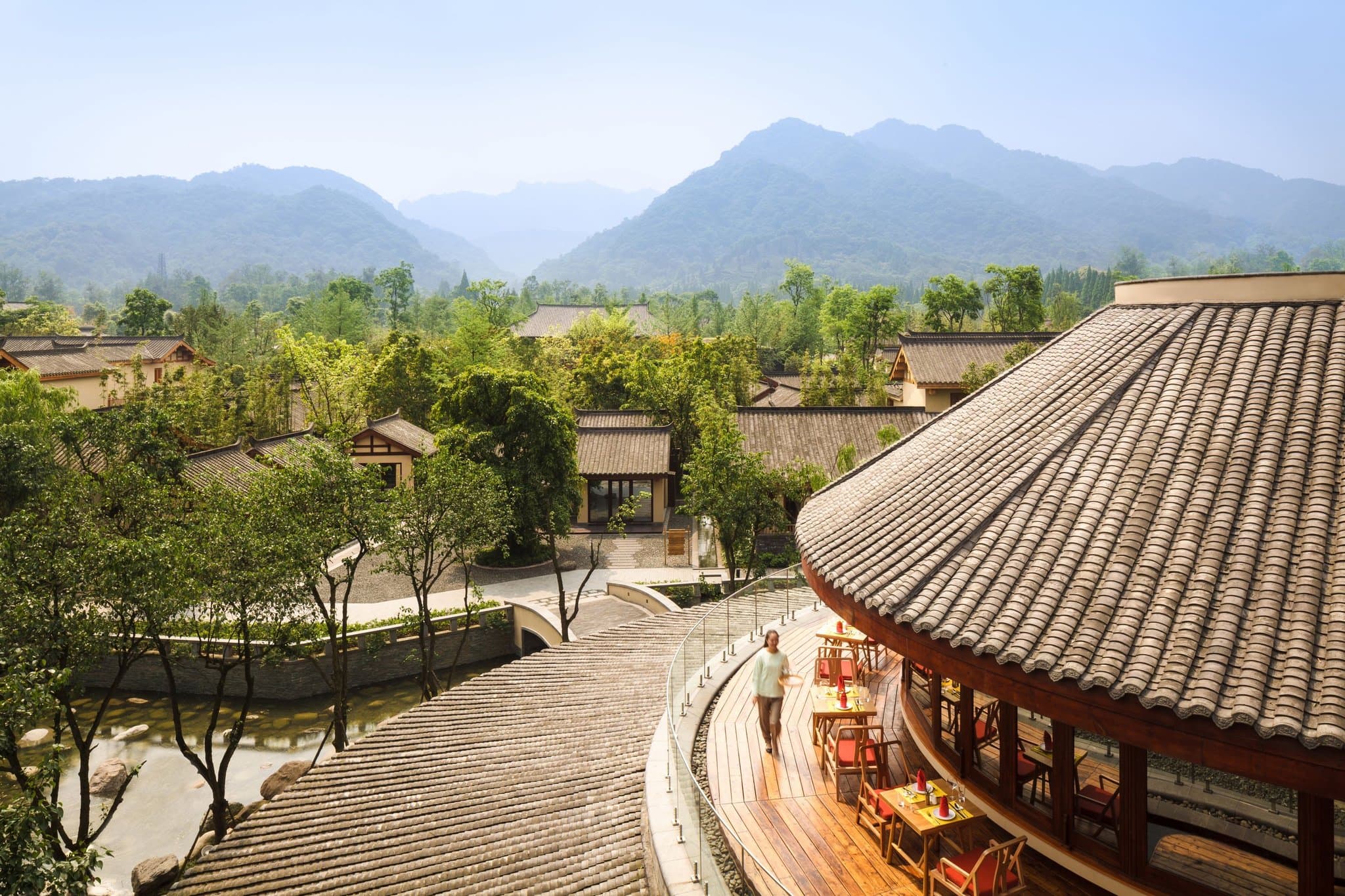
Explore All Chengdu HotelsIf Taoism had a five-star flagship, this would be it. Anchoring the misty base of Mount Qingcheng, Six Senses delivers a masterclass in high-end sustainability that feels less like a hotel and more like a secret village from a wuxia epic. The architecture is all unvarnished timber and curved eaves, framing a landscape that demands you slow your pulse. Inside, the rooms shun generic beige for warm woods and smartphone-controlled comforts, though it's the lack of plastic that truly impresses—even the water comes in glass, bottled on-site. Wellness here isn’t just a menu item; it’s the main event. The 1,710 sqm spa complex is a labyrinth of serenity where Tai Chi in the garden feels mandatory, not optional. For dinner, bypass the temptation of room service for 'Sala Thai', where the Northern Thai curries pack a genuine heat often diluted in hotel dining. Alternatively, 'Farm2Fork' serves a 32-hour slow-cooked Wagyu that justifies the international price tag. Service is warm, if occasionally struggling with English nuances, but the 'buggy' drivers navigate the bamboo paths with the precision of Formula 1 pilots. It’s a splurge, but for a detox from Chengdu’s bustle, it’s unrivaled.
“Skip the standard rooms and book a Courtyard Suite with a private hot spring tub. Also, catch the twilight lantern lighting at Moon Bar—it's pure visual poetry.”
Insider TipAvg. Nightly Rate
215USD

It requires a certain suspension of disbelief to find a Tang Dynasty architectural marvel minutes from the futuristic hum of Chengdu’s Science City. Yet, crossing the timber threshold of Ahn Luh Guantang, the urban drone vanishes, replaced by the sound of water and the scent of aged cedar. Designed with a 'hidden light' philosophy that recently garnered interior design accolades, the property avoids glare in favor of shadow, allowing the rammed-earth walls and intricate wooden beams to speak for themselves. With only 34 keys, privacy is the currency here. The villas are austere but lavish in texture—think 600-thread count linens and Ba Yan Ka La amenities that smell of medicinal herbs rather than chemical flowers. The centerpiece, the Infinity Tea Pavilion, floats over the water, demanding you engage in the local 'Way of Tea' rather than check emails. Dining is equally rooted in place; the 'Guantang Three Treasures' (specifically the crispy spicy chicken) justifies the trip alone. Service is butler-led and intuitive, though the commitment to atmospheric lighting means finding the master switch in your room requires the patience of a monk. It is a place to do absolutely nothing, and do it exceptionally well.
“Book a tea ceremony at the Infinity Tea Pavilion just before sunset; the 'hidden light' design reflects off the pool to create a surreal, lantern-lit mirror effect.”
Insider TipAvg. Nightly Rate
310USD
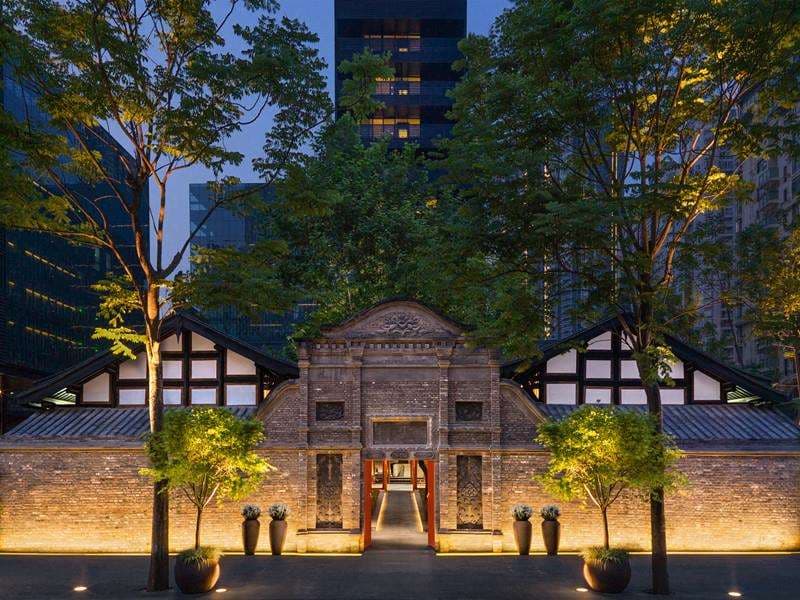
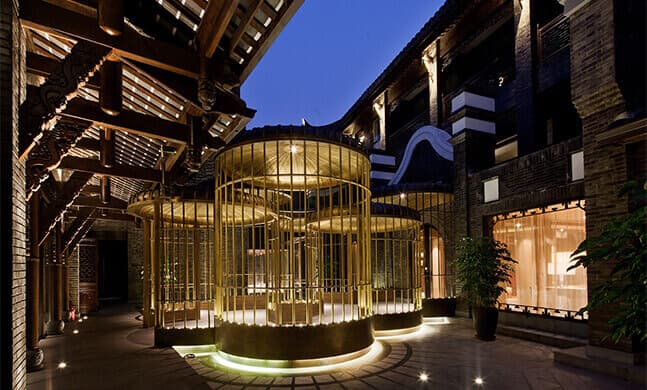
If you think "urban retreat" implies a generic lobby waterfall and Enya on loop, The Temple House is here to correct you. Anchored by the Bitieshi—a restored Qing Dynasty courtyard that serves as the hotel’s dramatic, threshold-crossing entrance—this property is a masterclass in mood. Swire Hotels has eschewed the predictable for a vibe that is shadowy, tactile, and unapologetically chic. The entry-level Studio 60 rooms are massive (a rare 63 square meters), decked out in a monochromatic palette that feels more like a private residence than a hotel room. Yes, the lighting is aggressively atmospheric—you might need your phone torch to find the luxury amenities—but the complimentary "Maxi-bar" stocked with craft beers and sweets softens the blow. The real pilgrimage here, however, is culinary. Mi Xun Teahouse isn’t just a pretty face; it recently snagged a Michelin Green Star (2025), validating its zero-waste approach to dishes like the vegan Mapo Tofu with chanterelles—a plate so flavorful it makes meat seem redundant. Afterward, descend to the pool, where light filters through woven brass skylights, creating a golden, subterranean shimmer. Service is telepathic, though the lack of smart toilets in standard rooms is a curious analogue omission in a high-tech city. Ultimately, this is the slow traveler’s holy grail: a place that forces you to decelerate, not by request, but by design.
“Book a lunch at Mi Xun Teahouse to experience the new 2025 Michelin Green Star menu, specifically the hand-picked teas which pair perfectly with the tranquil courtyard setting.”
Insider TipAvg. Nightly Rate
305USD
Kuanzhai Alley is a sensory riot of ear-cleaning peddlers and sizzling chili oil. But step past the austere mansion gate of the Guanyin Yiyuntai (formerly Diaoyutai Boutique Hotel) at No. 38, and the volume drops to zero. This is the 'Great Hermit' philosophy in practice. While architect Gary Todd restored the Qing Dynasty bones, it is Cartier designer Bruno Moinard who injected the soul, creating a cinematic interplay of light and shadow. The famous 'Red Lacquer Corridor' isn't just a walkway; it’s a mood reset button leading you away from the tourist crush. The rooms feel less like hotel inventory and more like the private quarters of a modern mandarin, adorned with heavy silk screens and residential-grade furniture. There is no pool—heritage laws forbid it—but the trade-off is the Royal Court restaurant. Here, the 'Buddha Jumps Over the Wall' is served with State Banquet precision, a rich, gelatinous testament to the brand’s diplomatic history. Service is telepathic rather than intrusive. It is a sanctuary for the traveler who wants to be *at* the party, but watching from a soundproof VIP box.
“Request the 'Tianfu Suite' for a private inner courtyard view; it’s the only way to guarantee absolute silence during the peak afternoon tourist rush in the alleys outside.”
Insider TipAvg. Nightly Rate
240USD
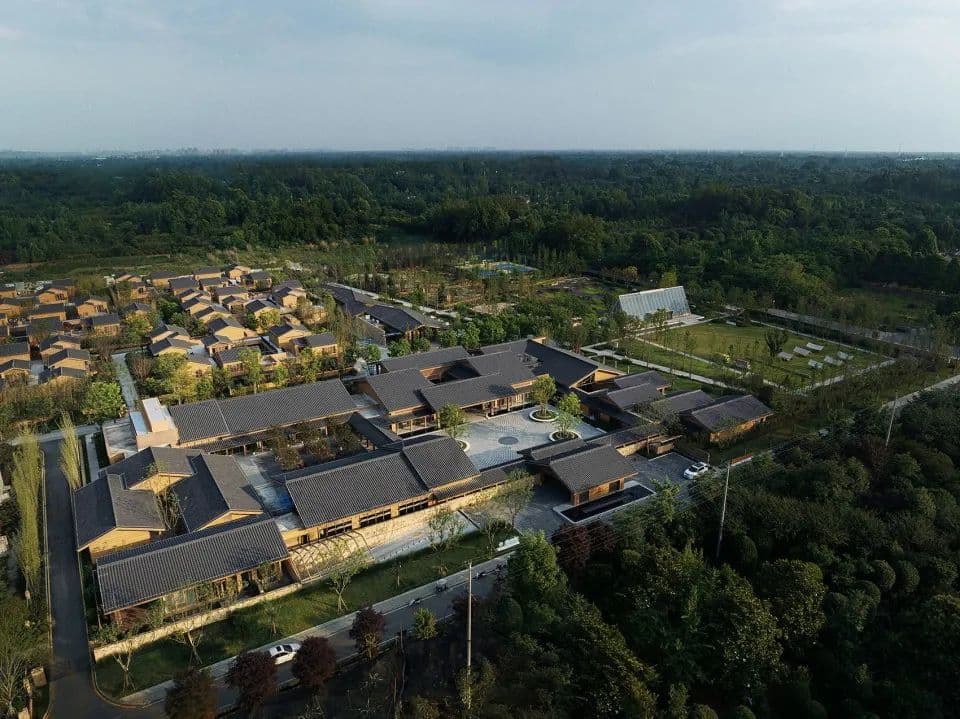
In a city revered for its 'Man Sheng Huo' (slow life), Angsana Chengdu Wenjiang serves as a masterclass in temporal weaving. Situated directly opposite the historic Chenjia Yard, this CCD-designed retreat eschews predictable gilt-edged luxury for a tactile narrative of bamboo, rammed earth, and red brick. It is a space where the 21st century whispers rather than shouts. The rooms are study-in-calm sanctuaries, anchored by private courtyards and elevated with Dyson hair dryers and high-tech smart toilets. But the property’s true wit lies in its culinary juxtaposition. While the Market Place executes flawless Chengdu Dandan noodles and Zhong dumplings, the surprise standout is the on-site NBeer Brewpub. Here, the 'Way of Tea' shares space with local craft brewing—a bold, modern pivot from the expected. For a more traditional immersion, Chun Feng offers authentic Sichuan hot pot in private terrace rooms. The verdict? A sophisticated, tactile escape that honors its heritage without being trapped in it.
“Skip the lobby bar for a nightcap; head to NBeer Brewpub within the hotel for a 'Chengdu Wheat' ale, then book a private hot pot terrace at Chun Feng for the following evening.”
Insider TipAvg. Nightly Rate
276USD
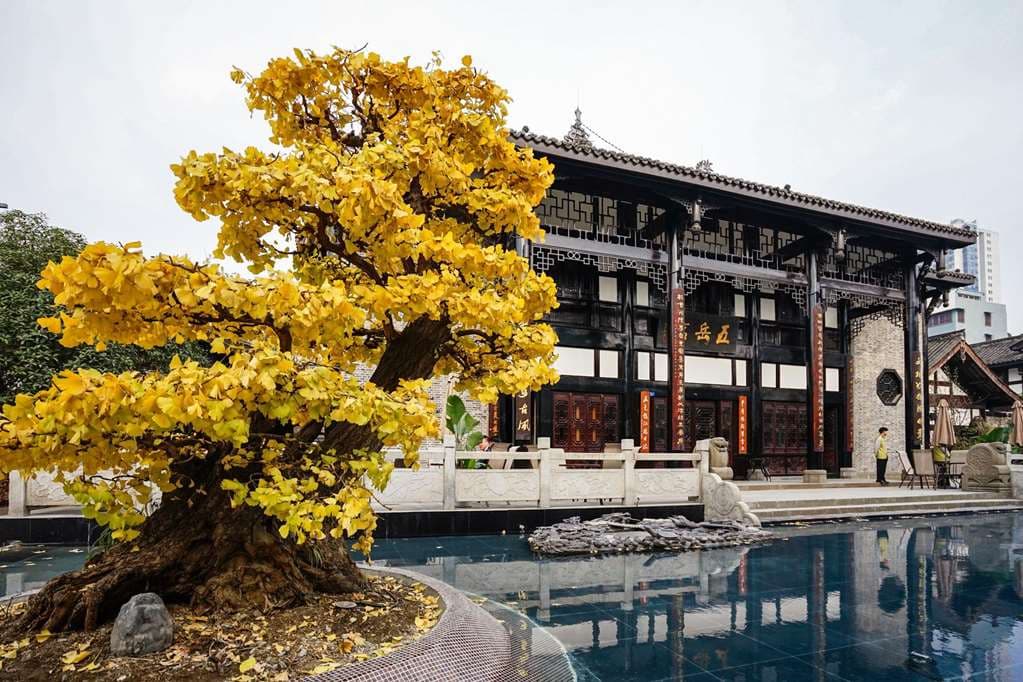
Forget the glassy, air-conditioned anonymity of the High-Tech Zone. Checking into the Chengdu Courtyard Hotel feels less like a hotel arrival and more like assuming tenancy in a Qing Dynasty noble’s estate. Located uncomfortably close—in the best way—to the incense clouds of Wenshu Monastery, this property is a masterclass in resistance to speed. There is no swimming pool here; heritage preservation laws strictly forbid digging the soil, forcing you to trade laps for sips of jasmine tea in the Courtyard Tea Bar. The 16 courtyards are a labyrinth of grey brick and wet flagstones, exuding a moody, atmospheric dampness that feels entirely appropriate for the region. Rooms are heavy on timber and brocade, featuring locally sourced amenities that smell of ginger and bamboo. Dinner at Wu Yue Gong is non-negotiable; their Kung Pao Prawns offer a numbing Sichuan peppercorn kick that demands a cold beer, while the Chargrilled Beef Ribs are smoky enough to linger on your palate for days. Service isn't white-glove crisp; it’s leisurely, reactive, and charmingly human. Come here to write your novel, not to hold a Zoom conference.
“Book the Family Loft even if you're traveling solo—it features an indoor wooden slide that offers a bizarrely fun, childish descent from the bedroom to the living area.”
Insider TipAvg. Nightly Rate
90USD
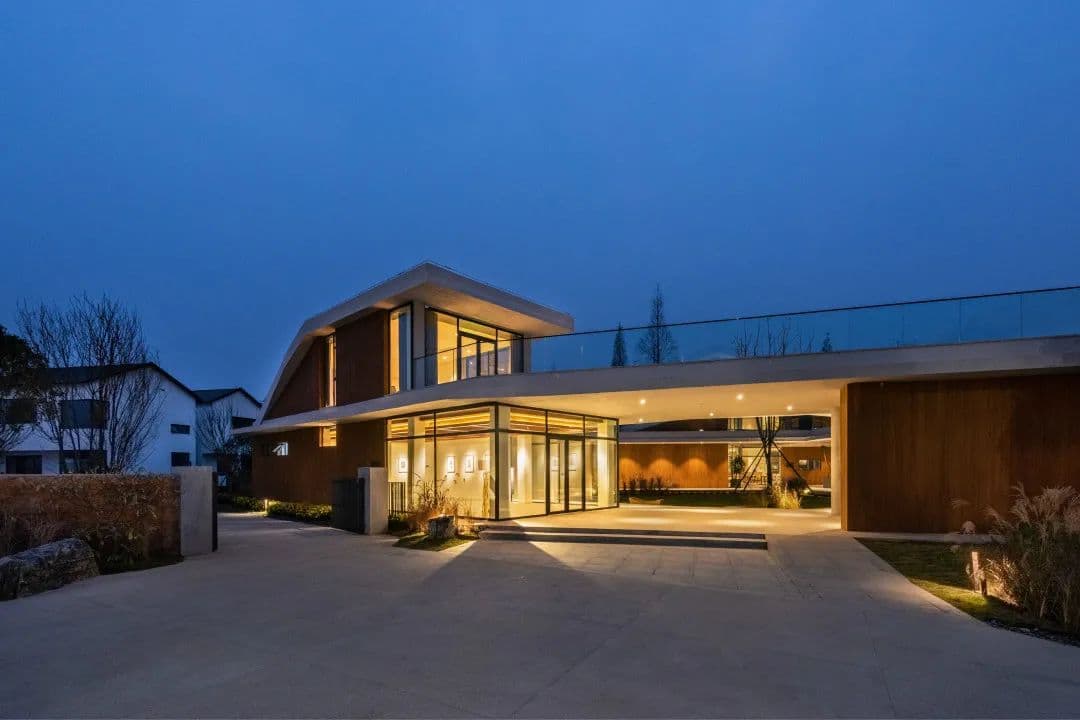
Forget the frenetic energy of Chunxi Road; the real flex in Chengdu is slowing down. Volver Resort ANREN sits in the shadow of Anren Ancient Town, but don’t expect creaky floorboards and dust. This is a sharp, confident architectural dialogue with the landscape—white geometric volumes rising from the rice fields like a minimalist sculpture park. The design intent is clear: turn the outdoors into a living canvas. The suites are exercises in restraint, featuring floor-to-ceiling glass that frames the seasonal crops—rapeseed flowers in spring, golden rice in autumn—right from your soaking tub. It’s aggressively photogenic. Dining at Guiyuan Restaurant is non-negotiable. Skip the safe options and order the Fresh Pepper Beef; it’s a numb-hot masterclass in Sichuan peppercorn usage that demands respect. Service is eager, though the 'rural luxury' vibe means you might encounter the occasional insect—a small price for waking up in a 'Wizard of Oz' painting. It’s the perfect antidote to city burnout.
“Book a courtyard suite in late March when the rapeseed fields are in full yellow bloom—it’s the best view in Sichuan, sans crowds.”
Insider TipAvg. Nightly Rate
85USD

Forget the frantic energy of Chunxi Road. Forty minutes from the city center, the Tsingpu Chengdu Retreat demands a different gear. Situated within shouting distance of the Minjiang Academy, this isn't a place to crash; it’s a place to calibrate. The architecture commands immediate respect—imposing Double-Dou Stone Masts at the entrance signal a shift from the commercial to the cultural. Inside, the vibe is unapologetically introspective. Dark wooden corridors lit by lanterns frame a courtyard that feels centuries removed from the nearby mall. The rooms eschew flashy tech for tactile substance, though the butler service is sharp enough to rival any city flagship. Dining is a highlight, provided you leave your club sandwich expectations at the door. At Market Place (Shí Jí), the handmade Dandan noodles are textural perfection—chewy, nutty, and slick with chili oil. For a slower evening, Chun Feng serves seasonal Sichuan delicacies that prove there’s more to the province’s palate than numbing peppercorns. While the lack of a 24-hour gym might irk the fitness-obsessed, the 300 sqm infinity pool along the Jiang'an River offers a far more scenic burn. Verdict: A sophisticated, moody escape for the traveler who prefers calligraphy brushes to concierge desks.
“Skip the in-room dining for breakfast and head straight to Market Place (Shí Jí) to request the Dandan noodles—they are often made in limited batches.”
Insider TipAvg. Nightly Rate
205USD