No. 01
311 Pike Street Cincinnati, OH 45202Cincinnati704 verified reviews
9
.4
Bitvoya Edit
Layering imagery, place, and detail before the page opens.
Cincinnati is a city currently experiencing a renaissance of design, where the rugged charm of the industrial era is being meticulously polished into modern luxury. For the discerning traveler, the city offers a unique collection of hotels that inhabit repurposed historic buildings, blending original architectural details with contemporary art and high-end amenities. From the bustling Central Business District to the trendy streets of Over-the-Rhine, these properties redefine accommodation. Whether it is the curated art galleries within the 21c Museum Hotel or the preserved French Art Deco grandeur of the Hilton Cincinnati Netherland Plaza, Bitvoya’s selection captures the essence of post-industrial polished design. Expect exposed brick, soaring ceilings, and an atmosphere that honors the Queen City's rich past while embracing a stylish future.
Cincinnati stands as a testament to the adaptive reuse movement, turning the skeletons of 19th and 20th-century commerce into beacons of modern hospitality. The "Post-Industrial Polished" aesthetic here is not just a style choice; it is a celebration of the city's architectural DNA. Hotels like The Cincinnatian Hotel, Curio Collection by Hilton, originally built in 1882, showcase how grand staircases and intricate frescoes can coexist with modern luxury technology. Similarly, Kinley Cincinnati Downtown leverages its historical footprint to offer a boutique experience that feels both grounded and refreshingly contemporary.
When booking a stay in this curated collection, expect high ceilings, large windows characteristic of industrial lofts, and a strong emphasis on art. The 21c Museum Hotel Cincinnati is a prime example, functioning as both a boutique hotel and a contemporary art museum. The vibe is sophisticated yet approachable, often referred to as "Midwestern Lux." You can anticipate amenities such as rooftop bars with skyline views, chef-driven restaurants within the lobby, and rooms that feature unique textures like velvet, brass, and original ironwork. This is not cookie-cutter accommodation; it is an immersive dive into Cincinnati's polished evolution.
It is a design aesthetic that repurposes historic industrial or commercial buildings, preserving original features like exposed brick and ironwork while adding luxury amenities and contemporary art.
Downtown (CBD) and Over-the-Rhine (OTR) are the top areas, hosting properties like 21c Museum Hotel and The Cincinnatian.
Yes, it features a free contemporary art museum open to the public 24/7, integrated directly into the hotel's public spaces.
Explore our complete curated list of luxury accommodations, from boutique hideaways to grand dames.
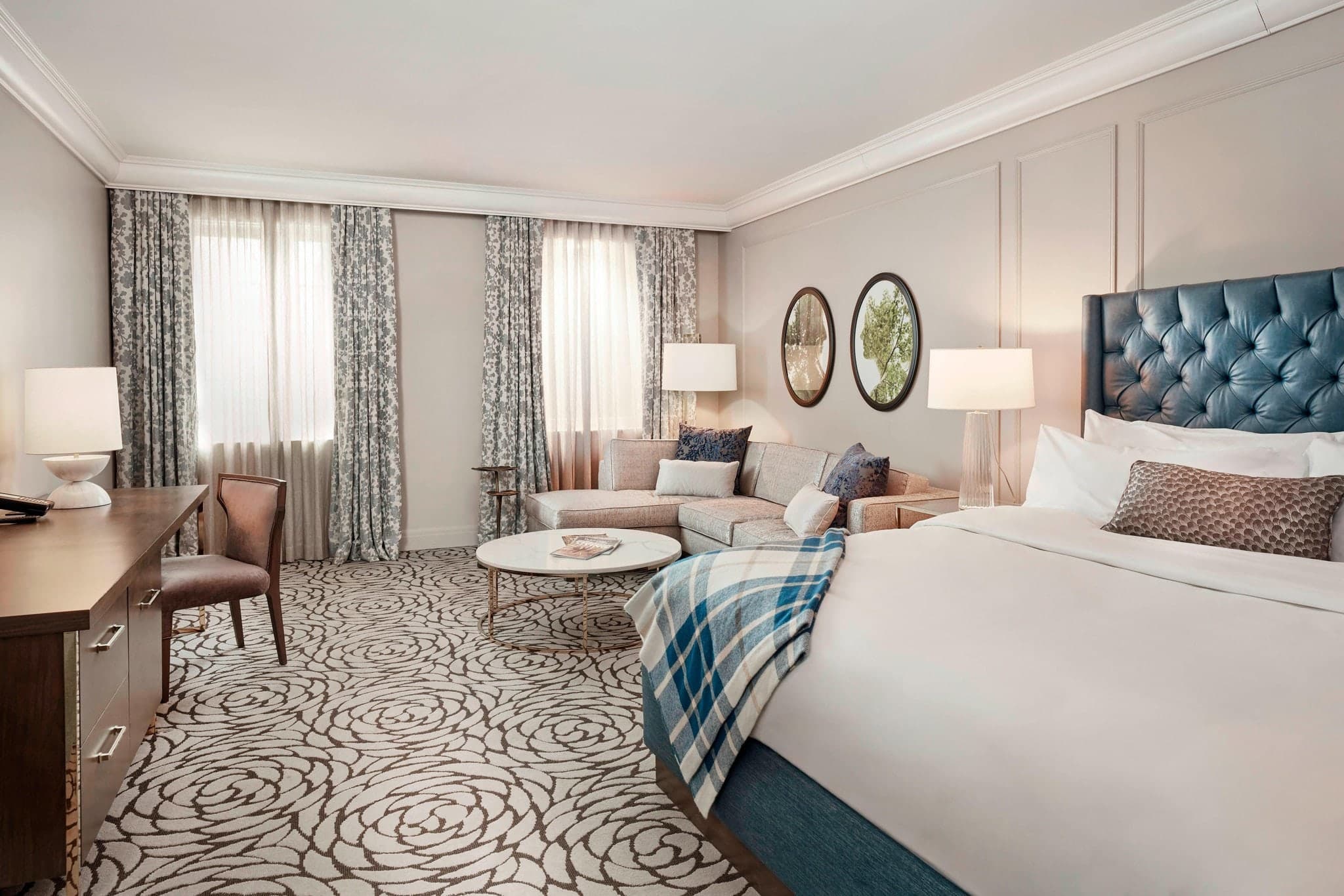
Explore All Cincinnati HotelsCincinnati’s hospitality scene often leans towards safe corporate predictability, but The Lytle Park Hotel disrupts that narrative with serious swagger. Housed in the 1909 Anna Louise Inn, this Autograph Collection property doesn’t just preserve history; it dresses it in bespoke tailoring. The centerpiece is indisputably the atrium, where the ceiling has been blown out to create a sun-drenched social hub anchored by 18-foot indoor trees and a circular gold bar that feels pulled straight from a Gatsby set. Upstairs, the rooms abandon the usual beige neutrality for bold navy palettes and cream accents. The tactile details are where the hotel flexes its luxury muscles: Frette Italian linens, Nespresso machines for the morning fog, and—crucially—Diptyque amenities that elevate the rain showers into a proper ritual. Dining is equally ambitious. Subito delivers on its Northern Italian promise (the Pappardelle Bolognese is non-negotiable), but the real power move is Vista. As the city’s only four-season rooftop, its winter-ready 'Alpen Globes' allow you to sip a smoked old fashioned while snow dusts the Great American Ball Park below. It’s polished, confident, and exactly the kind of grown-up playground downtown Cincy needed.
“Book a 'Park View' room to overlook the Lytle Park historic district; the 'River View' rooms face the highway and stadium, which can be noisy on game days.”
Insider TipAvg. Nightly Rate
271USD
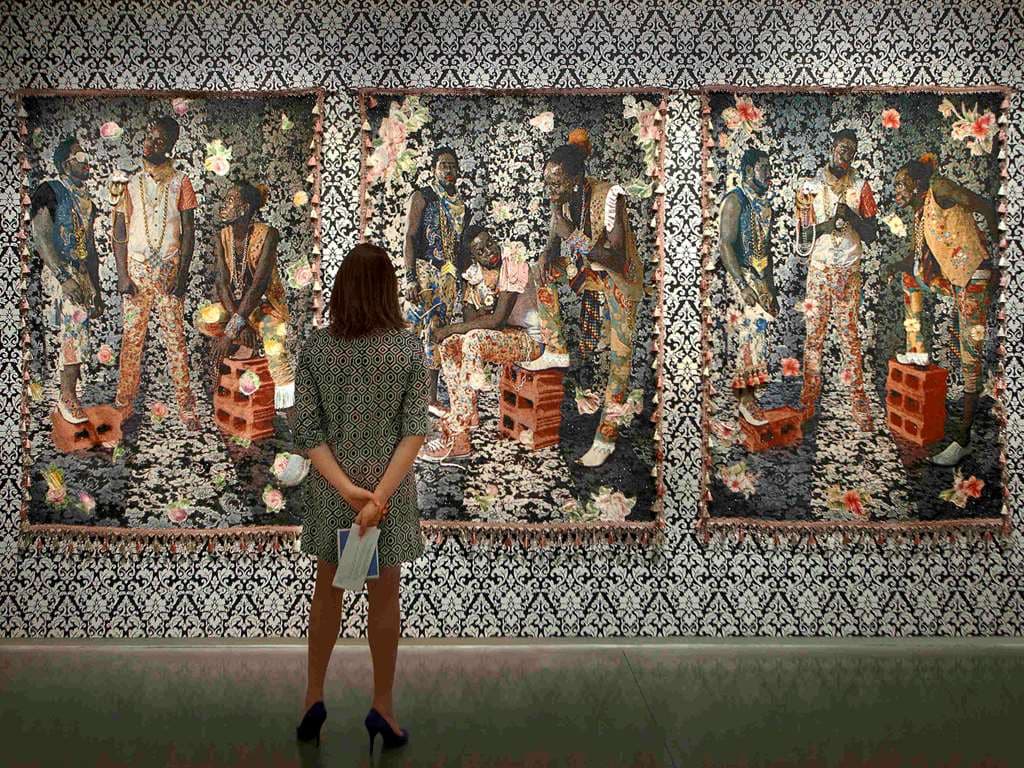
This isn’t just a hotel; it’s a gallery that lets you sleep over. The experience begins before check-in, likely when you stumble upon one of the signature four-foot yellow penguins guarding the elevators. Occupying the historic Metropole building (1912), the design is a sharp dialogue between the old world and the avant-garde. You walk across original mosaic tile floors to view rotating multimedia installations that feel delightfully disruptive against the building’s neoclassical bones. The rooms channel a 'luxury loft' energy native to this post-industrial pocket of the Midwest. While entry-level spaces can be snug—a quirk of the historic floorplan—they punch above their weight with high-touch amenities: Malin+Goetz products, original art, and custom Rookwood Pottery tiles in the bathrooms featuring molded body parts (yes, that is an ear in your shower). Dining is a destination in itself. Metropole, the ground-floor anchor, centers its menu around a roaring hearth. The Burnt Carrot Salad is legendary here—smoky, sweet, and unexpectedly complex—best followed by the Metropole Cheeseburger. For a nightcap, the seasonal Rooftop at 21c offers sweeping downtown views and 'boozy slushies' that are sophisticated, not saccharine. Verdict: A cerebral, spirited stay proving Cincinnati’s design scene is wide awake.
“Book the 'Nightwatch' room to sleep inside a site-specific video installation by artist Chris Doyle, or simply hunt for the 'Body Part' tiles in your bathroom shower.”
Insider TipAvg. Nightly Rate
110USD
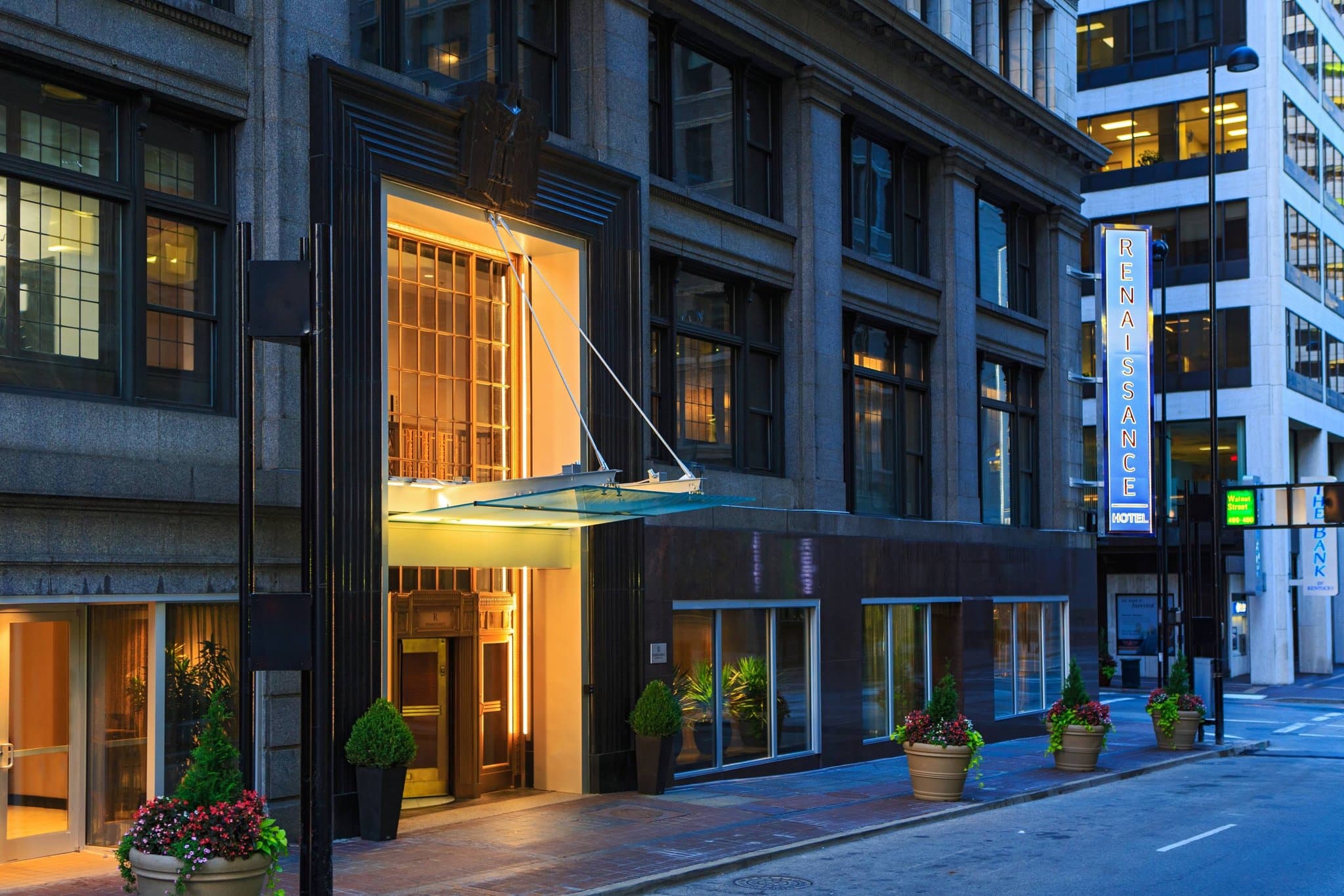
Forget the beige anesthesia of typical business hotels. The Renaissance Cincinnati is a lesson in adaptive reuse with a pulse. Housed in the 1901 Bartlett Building—a neoclassical skyscraper by the legendary Daniel Burnham—this property trades generic lobbies for a soaring, tile-domed banking hall that feels more like a cathedral of commerce than a check-in desk. The design team wisely left the 'Gilded Age' bones intact while injecting modern wit. The rooms take advantage of the verticality, offering high ceilings and quiet, polished gravity, though the lack of a bathtub in standard tiers feels like a missed opportunity for total indulgence. Dining at D. Burnham’s isn’t just a namesake nod; the Chargrilled Scottish Salmon is technically precise, and the pistachio-crusted sea bass argues a strong case for Midwestern seafood. Service is sharp—front desk staff manage the bustling lobby with the efficiency of the bank tellers who once worked here. The only withdrawals? A steep $48 valet fee and the absence of a pool. But frankly, you aren't here for laps; you're here to sleep in a piece of architectural history that hasn't been scrubbed of its soul.
“Skip the lobby restrooms and head to the basement. The public restrooms are built inside the original massive bank vault—the ultimate industrial-chic selfie spot.”
Insider TipAvg. Nightly Rate
169USD
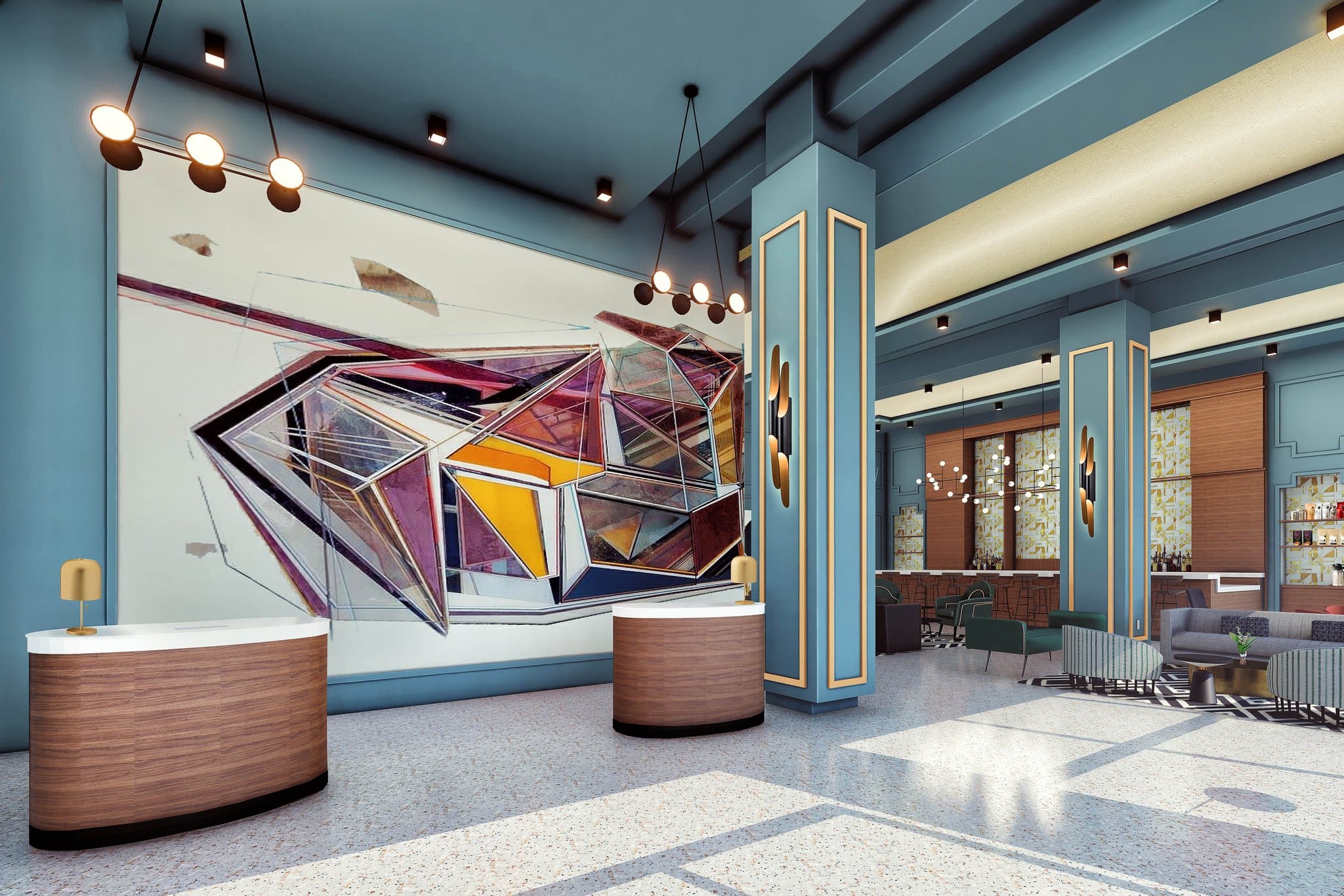
Forget the stuffy grand dames of Cincy’s past. The Kinley, occupying the 1916 Denton Building, plays a different tune—specifically, a modern jazz riff on the city’s mercantile history. It’s not about gold leaf; it’s about good bones and better burgers. The lobby, anchored by 'The Exchange', ditches the traditional check-in counter for a coffee-to-cocktail flow that feels more like a friend’s living room than a franchise hotel. Upstairs, the design shifts to 'unpretentiously hip' Mid-Century Modern. The rooms are compact but surgical in their efficiency, featuring custom Kinley mattresses that actually deliver on the promise of rest. For groups, the Bunk Room is a rare triumph—four twin beds that encourage camaraderie without the hostel aesthetic. Dining is surprisingly earnest: 'Unexpected Burgers & Bourbon' isn't false advertising. The Signature Lanee Burger is a messy, necessary indulgence after a day trekking the nearby Over-the-Rhine district. While the $46 valet might sting, the location—dead center between the CBD and OTR—makes the car superfluous anyway. Service here is swift, personal, and blissfully devoid of scripted pleasantries. **Verdict**: A sharp, social revitalization of downtown that respects its elders but refuses to act like them.
“Skip the standard King if you're with friends; book the 'Bunk Room' for a high-design sleepover vibe. Also, request a room away from the street to dodge the city noise.”
Insider TipAvg. Nightly Rate
143USD
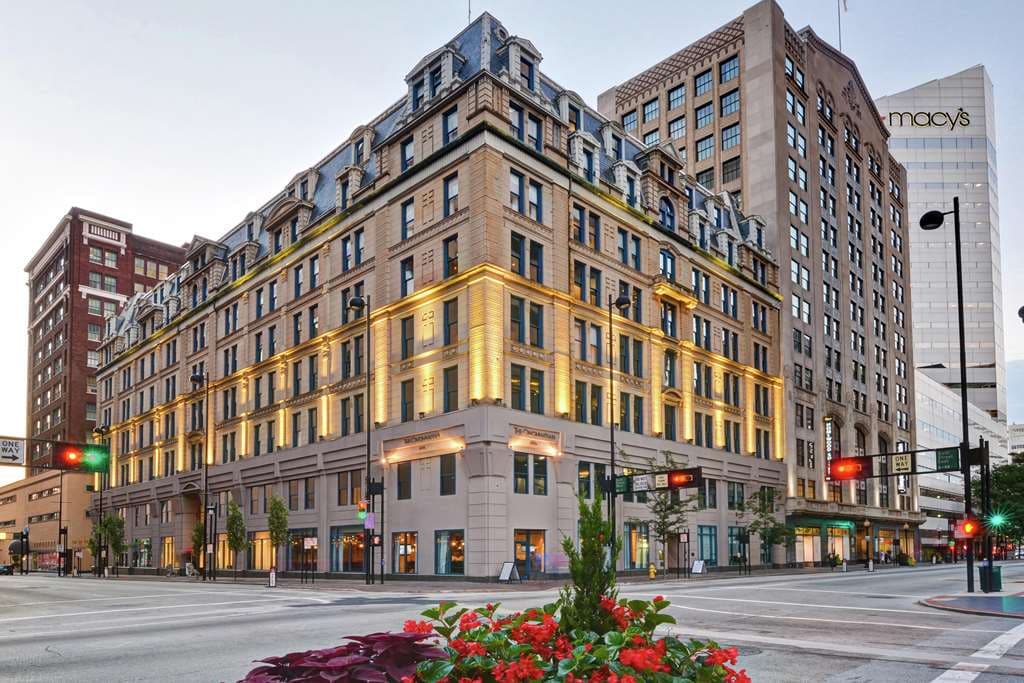
The Cincinnatian Hotel is a study in architectural schizophrenia, and that is its primary charm. Standing at 6th and Vine since 1882, the French Second Empire façade promises Gilded Age opulence. However, step past the heavy doors and you are teleported not to the 19th century, but to a cinematic 1980s atrium—think *Wall Street* meets Midwestern grandeur. It is an impressive, if slightly disorienting, eight-story hollow centered by a walnut-railed grand staircase that demands an Instagram moment. As a Curio Collection property, it trades standardized Hilton sterility for character, though occasionally at the cost of modern precision. The rooms feature soaring ceilings that standard hotels can't replicate, but the historic windows often lose their battle against the Ohio winter—pack a cashmere layer if you're visiting in January. Maintenance can feel a beat behind, with reports of dust settling in the corners of that grand history. Dining is best experienced at Maverick’s Restobar; ignore the generic menu and go straight for the bourbon flight—this is Kentucky’s neighbor, after all. Skip the on-site breakfast confusion and head out; you are steps from the city's best cafes. Verdict: A moody, perfectly located time capsule for the design-curious who forgive a few drafts for the sake of a story.
“Request a room away from the atrium if you value silence over drama; the acoustics of the grand hollow amplify lobby chatter straight to the upper floors.”
Insider TipAvg. Nightly Rate
139USD
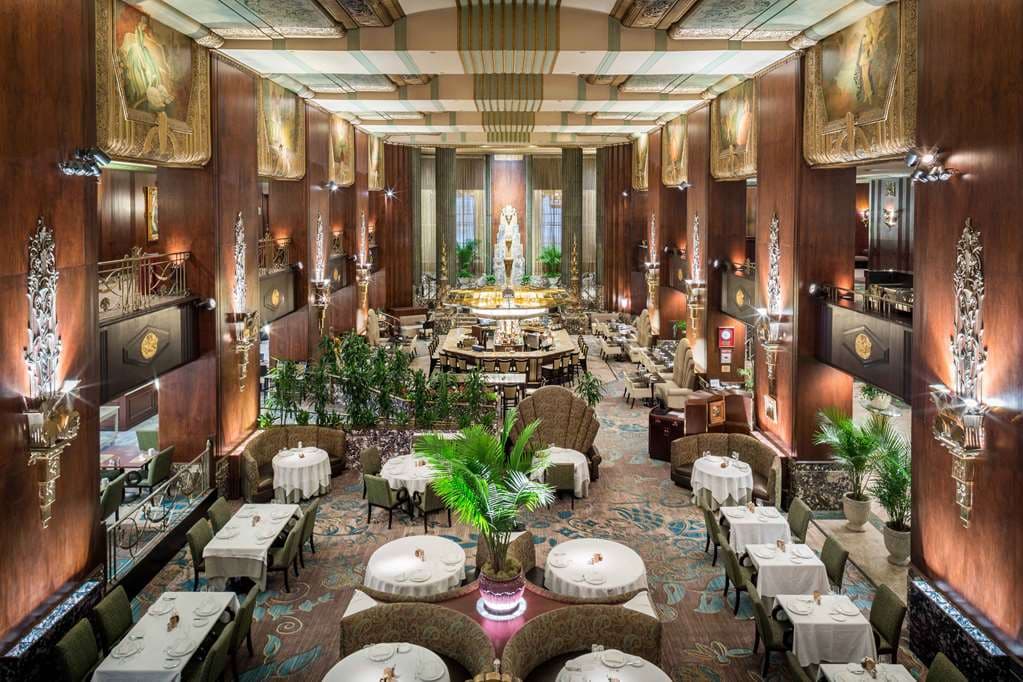
Walking into the Hilton Cincinnati Netherland Plaza is less like entering a hotel and more like stumbling onto a 1930s film set. A National Historic Landmark, this property defies the generic glass-box aesthetic of modern travel with a lobby that screams Jazz Age opulence. We are talking Brazilian rosewood paneling, soaring ceiling murals, and Rookwood pottery fountains that make the check-in process feel like a scene from a Fitzgerald novel. Upstairs, the experience shifts from museum-grade grandeur to historic reality. Yes, the standard rooms retain the layout quirks of the 1930s—meaning cozy square footage and bathrooms that challenge the claustrophobic. However, the trade-off is character you can’t manufacture. The blackout curtains are heavy and effective, and the premium bath amenities (often Crabtree & Evelyn) add a polished touch. For a true splurge, the suites with Jacuzzi tubs offer the sprawl that standard rooms lack. The culinary crown jewel, *Orchids at Palm Court*, justifies the stay alone. Under the soaring Art Deco ceilings, the Maine Lobster Salad is a masterclass in texture, while the *Bar at Palm Court* serves a Chef’s Old Fashioned that tastes like history in a glass. While the elevators and HVAC occasionally show their age, the sheer architectural ambition here makes minor inconveniences feel trivial. It’s a design pilgrimage, not just a place to sleep. **Verdict**: A stunning architectural unicorn that trades modern spatial excess for unmatched historic atmosphere.
“Skip the standard king if you crave space; book a room ending in '01' or a Junior Suite for the coveted river views and breathing room. Also, the gym is in the Carew Tower complex—it's a maze to find, so ask the concierge for the shortcut map.”
Insider TipAvg. Nightly Rate
99USD