No. 01
Eastmoreland Place Dublin Ireland 4Dublin284 verified reviews
9
.0
Bitvoya Edit
Layering imagery, place, and detail before the page opens.
Dublin's architectural soul is defined by its Georgian heritage, a golden era of the 18th century that gifted the city with elegant squares, red-brick townhouses, and ornate fanlights. To stay in one of these masterpieces is to step back into a time of grandeur. Our curated collection takes you through the city's most prestigious neighborhoods, from the leafy perimeter of St. Stephen's Green—home to the legendary Shelbourne—to the aristocratic avenues of Merrion Square and the upscale enclave of Ballsbridge. Beyond the city center, we explore grand estates in nearby Kildare and Wicklow, such as Carton House and Powerscourt, offering a manor house experience where history breathes through every corridor.
Choosing a Georgian hotel in Dublin is not merely about booking a room; it is about inhabiting a piece of art. The Georgian era (1714–1830) represents the pinnacle of Irish architectural elegance. Hotels like The Merrion and The Shelbourne are not faceless luxury chains; they are custodians of history, comprised of restored townhouses that feature original intricate plasterwork, soaring ceilings, and sash windows that frame views of the capital's historic parks. Beyond the aesthetics, these properties offer a narrative depth—hosting revolutionaries, writers, and royalty over the centuries—combined with world-class service that honors traditional hospitality.
Expect a seamless blend of antiquity and modern comfort. While the facades date back centuries, interiors in properties like The College Green Hotel and The K Club feature state-of-the-art spas, Michelin-starred dining, and contemporary technology. Be prepared for grand drawing rooms serving afternoon tea by crackling fires, concierge teams with encyclopedic local knowledge, and an ambiance that is undeniably romantic and steeped in character.
The Merrion Hotel is widely considered the best for history lovers, as it comprises four restored Grade I listed Georgian townhouses and houses one of Ireland's most impressive private art collections.
Yes, properties like The Shelbourne, The Merrion, and The College Green Hotel are located in the heart of Dublin city center, while Carton House and Powerscourt are luxury estates located about 30-40 minutes outside the city.
Absolutely. Despite their historic facades, hotels like The Shelbourne, Powerscourt Hotel, and The K Club feature world-class modern spas, swimming pools, and contemporary fitness facilities.
Explore our complete curated list of luxury accommodations, from boutique hideaways to grand dames.
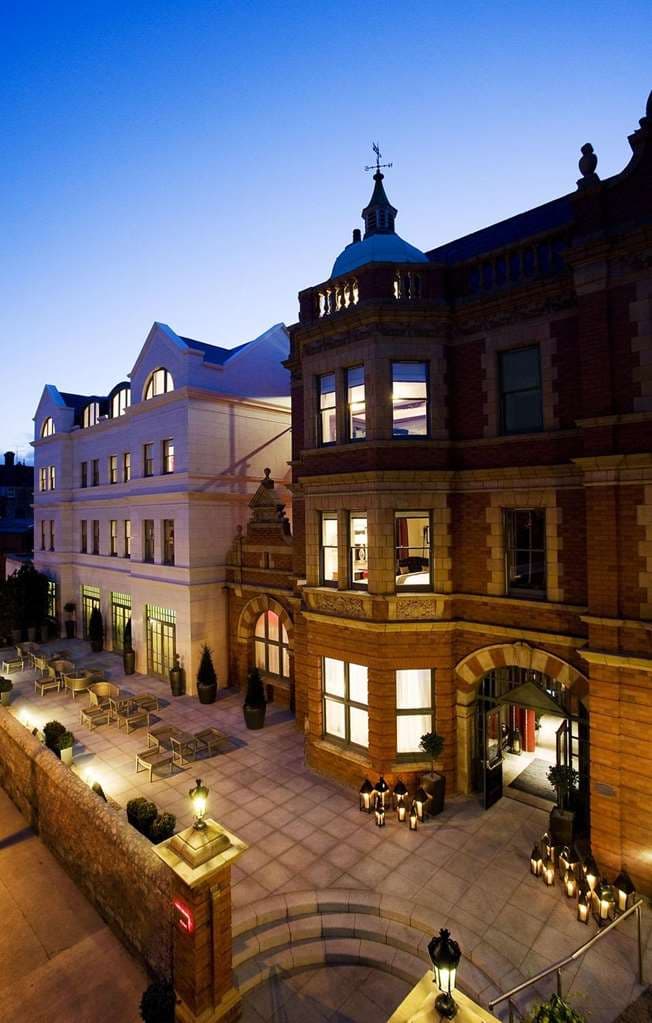
Explore All Dublin HotelsIf the Victorian red-brick facade of the Dylan suggests a starch-collared history lesson, the interior is a riotous, deliberate contradiction. Located on an exclusive leafy street in Dublin 4, just a short stroll from the Aviva Stadium, this 5-star boutique property doesn’t just inhabit a former nurses' home—it completely reimagines it. The design logic here is less about preservation and more about collision: intricate vaulted ceilings and original parquet flooring meet acid-bright velvet armchairs and Murano glass chandeliers. The 44 rooms are exercises in tactile luxury rather than minimalist restraint. Expect walnut joinery, iPad-controlled lighting, and bathrooms stocked with Maison Margiela amenities that smell aggressively expensive. While the lack of a pool or full spa might deter the bathrobe brigade, the in-room treatments are a competent consolation. Downstairs, The Eddison Restaurant serves a confident contemporary Irish menu—the Tuna Tartare is a sharp, clean starter that demands attention. But the real pulse of the hotel is The Ruby Room. Dark, moody, and draped in red velvet, it feels like a secret handshake in bar form. Order the Emerald Isle Cocktail; it’s the kind of drink that justifies the price tag. Service is sharp, intuitive, and mercifully free of stiff formality. **Verdict**: A sophisticated, high-design hideaway for the urbanite who prefers a perfect Negroni over a swimming pool.
“Request a room on the upper floors facing away from the neighboring pub to ensure your sleep is as deep as the bathtub.”
Insider TipAvg. Nightly Rate
254USD
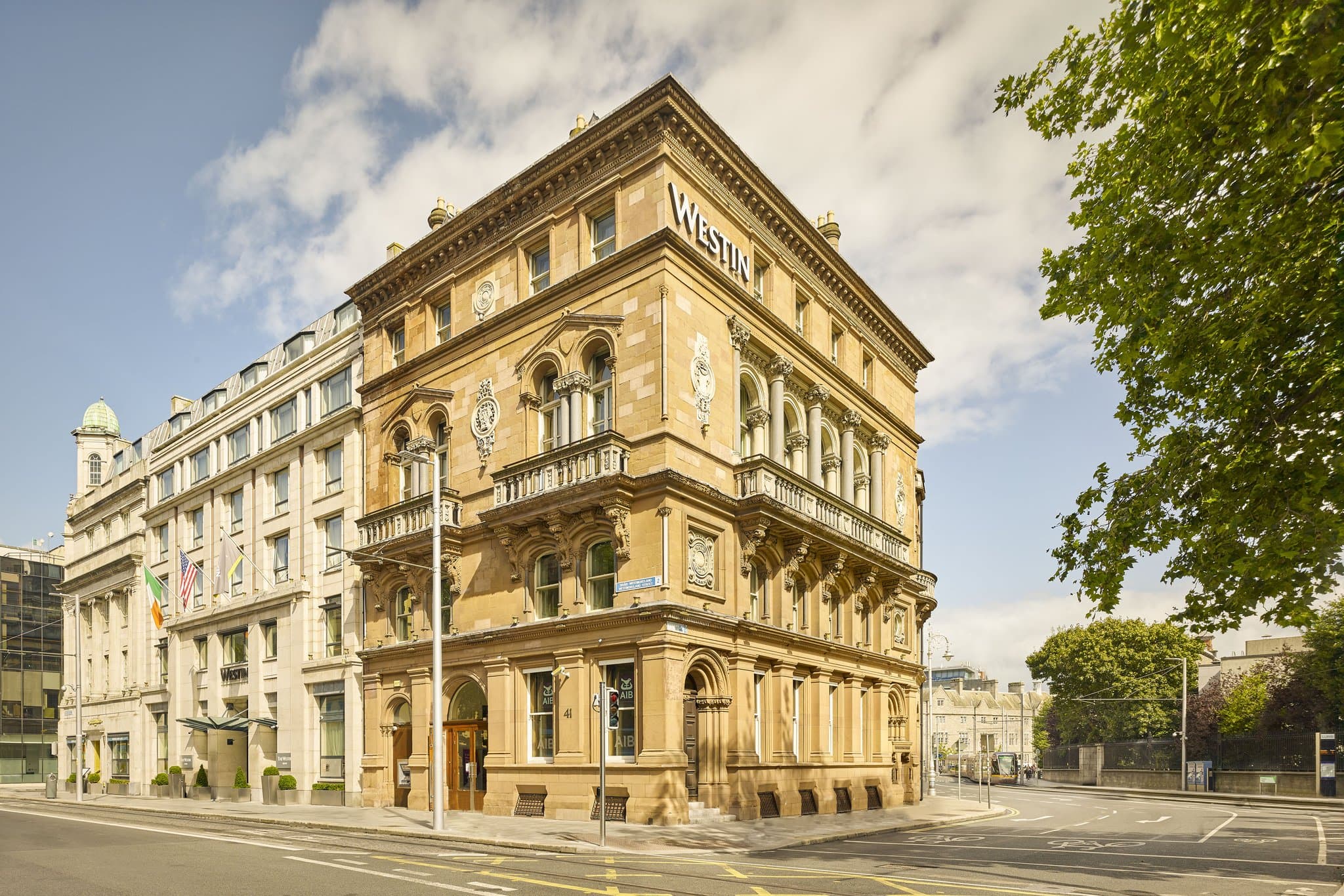
Forget the delicate Georgian townhouses that usually define Dublin’s hospitality scene; The College Green Hotel is Victorian grandeur flexing its muscles. Occupying a 19th-century bank that once guarded the city's wealth, this property demands you look up—specifically at the Atrium Lounge’s glass ceiling, a five-story spectacle where the polite clatter of afternoon tea china replaces the scratching of clerks' pens. The transition from the former Westin branding has brought a sharper, more curated edge to the interiors. The rooms are a masterclass in soundproofing, shutting out the cacophony of Westmoreland Street with startling efficiency. Inside, the details matter: you aren't just getting generic soap, but spicy, complex Amouage Reflection amenities. Morning caffeine comes in chic Tokyo Design Studio mugs, and the beds are dressed in crisp Donegal linen that feels reassuringly heavy. Dining is equally robust. Morelands Grill avoids hotel-restaurant purgatory with a Josper grill that fires Irish steaks at 500°C, while The Mint Bar, located in the original bank vaults, serves moody, subterranean cocktails that feel illicit in the best way. It’s not the cheapest vault in town, but for a location where Trinity College is practically your doormat, it’s the gold standard.
“Skip the standard rooms and book the 'College Suite.' It features a rare private balcony offering a direct, cinematic view of Trinity College’s architecture—arguably the best vantage point in the city.”
Insider TipAvg. Nightly Rate
369USD
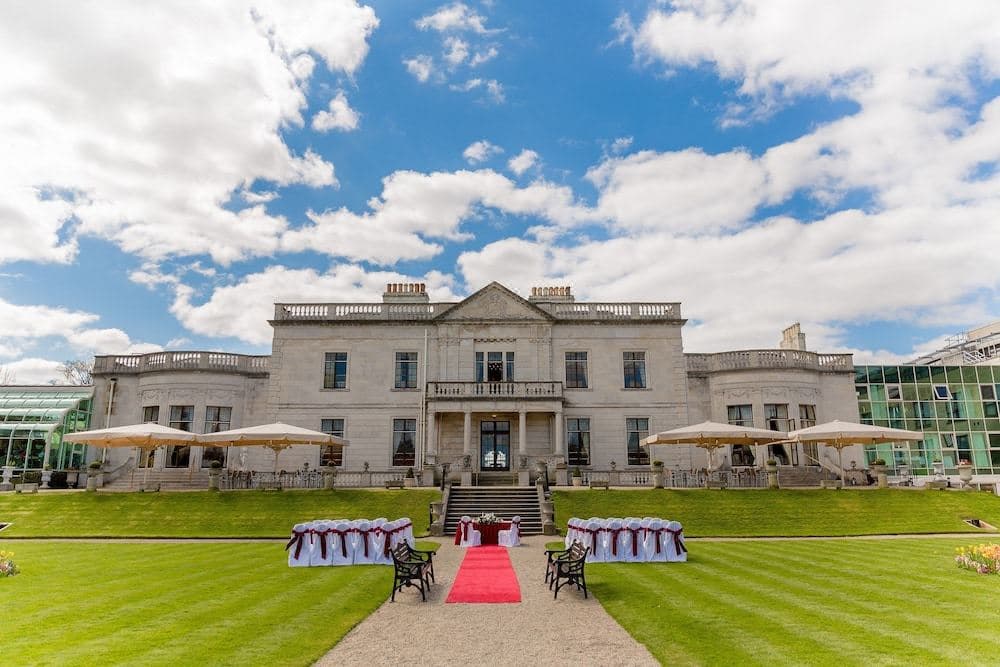
In a city crowded with Georgian pastiches, the Radisson Blu St. Helen’s is the genuine article. Built in 1750 and holding the rare distinction of being a designated National Monument, this isn't merely a hotel; it is an aristocratic seat where you are briefly the tenant. The arrival is pure theater: a sweep of manicured gardens leading to a façade that demands you straighten your posture. Inside, the experience is a tale of two eras. The public spaces—particularly the glass-walled Orangerie Bar—are architectural triumphs, flooded with light and perfect for a brooding Afternoon Tea. Guest rooms, however, occasionally struggle to match the lobby’s drama, leaning into a safe, beige neutrality. Yet, the details redeem them: Egyptian cotton sheets and duck down duvets ensure the sleep is regal, even if the decor is restrained. Dining at Talavera steers clear of hotel-buffet mediocrity. The pan-fried Dover Sole is handled with a reverence usually saved for religious artifacts. While the lack of a pool is a missed opportunity for a five-star rating, the White Willow spa’s holistic approach softens the blow. Ultimately, this is a property for those who prefer their morning coffee accompanied by four acres of history rather than a city-center rush.
“Skip the standard rooms in the modern wing; specifically request a Balcony Suite in the historic building for views over the manicured gardens.”
Insider TipAvg. Nightly Rate
80USD
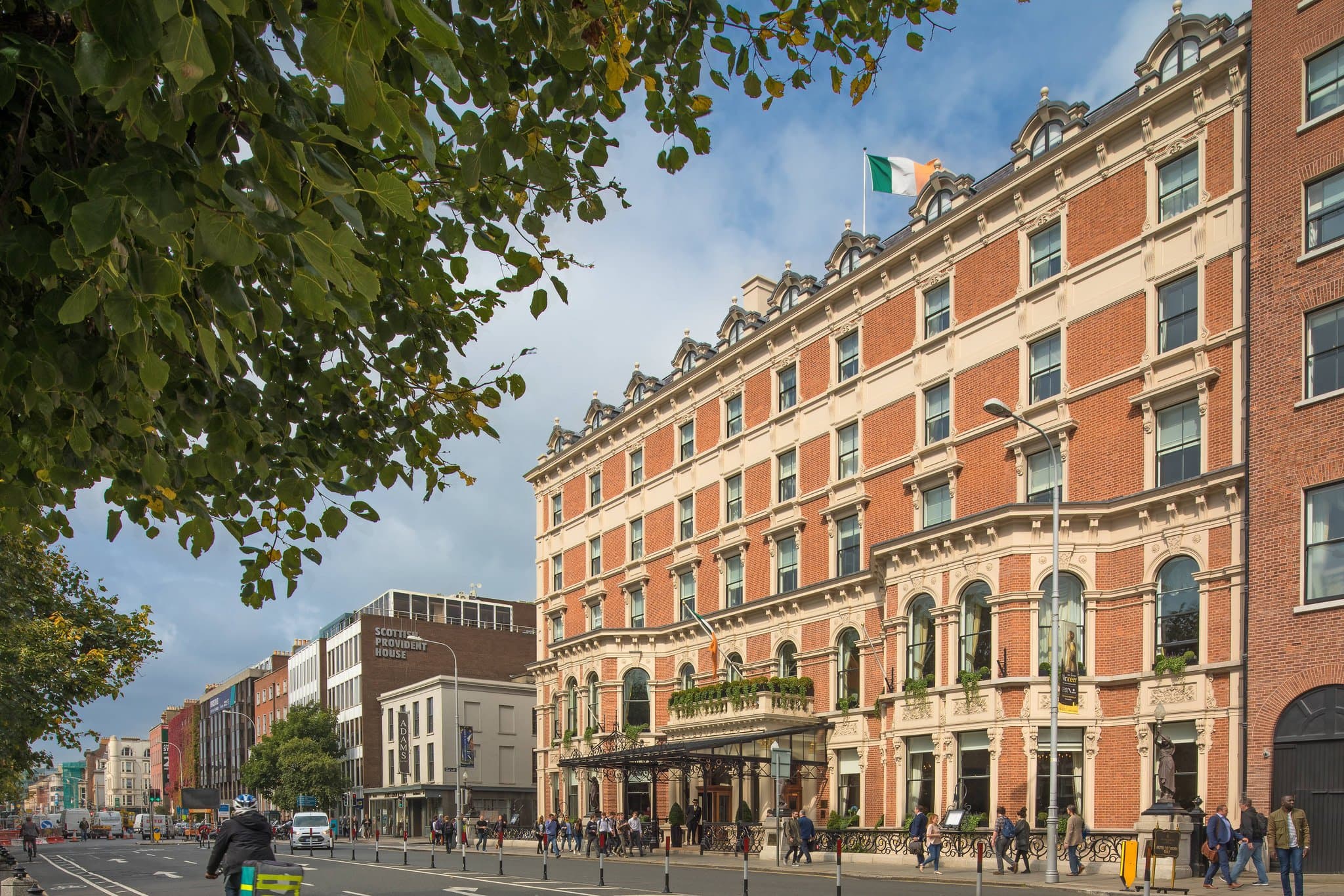
To enter The Shelbourne is to bypass a pair of top-hatted sentinels and step directly into the Irish bloodstream. For two centuries, this St. Stephen’s Green icon has served as Dublin’s unofficial drawing room—a place where the Irish Constitution was drafted in Room 112 (now the Constitution Room) and where society still flocks to see and be seen. The aesthetic is unapologetically 'Grand Dame'—think crystal chandeliers, roaring fires, and a lobby buzzing with a cacophony of accents. However, a critic must be frank: entry-level 'Heritage' rooms are historically compact (a polite 19 sqm), though they redeem themselves with 300-thread-count Egyptian cotton and gleaming marble bathrooms stocked with Elemis amenities. Dining here is theater. Skip the diet and order the Tableside 28-Day Aged Hereford Beef Chateaubriand in The Saddle Room, or sink into the scarlet leather banquettes of The Horseshoe Bar for a 'Black Velvet' (Guinness and champagne). It is expensive, occasionally raucous, and entirely essential. The service, led by a unique Genealogy Butler, remains as polished as the silverware.
“Bypass the main lobby crowds for a nightcap in the '1824 Bar'—a tucked-away, residents-only library bar that feels like a private club.”
Insider TipAvg. Nightly Rate
471USD
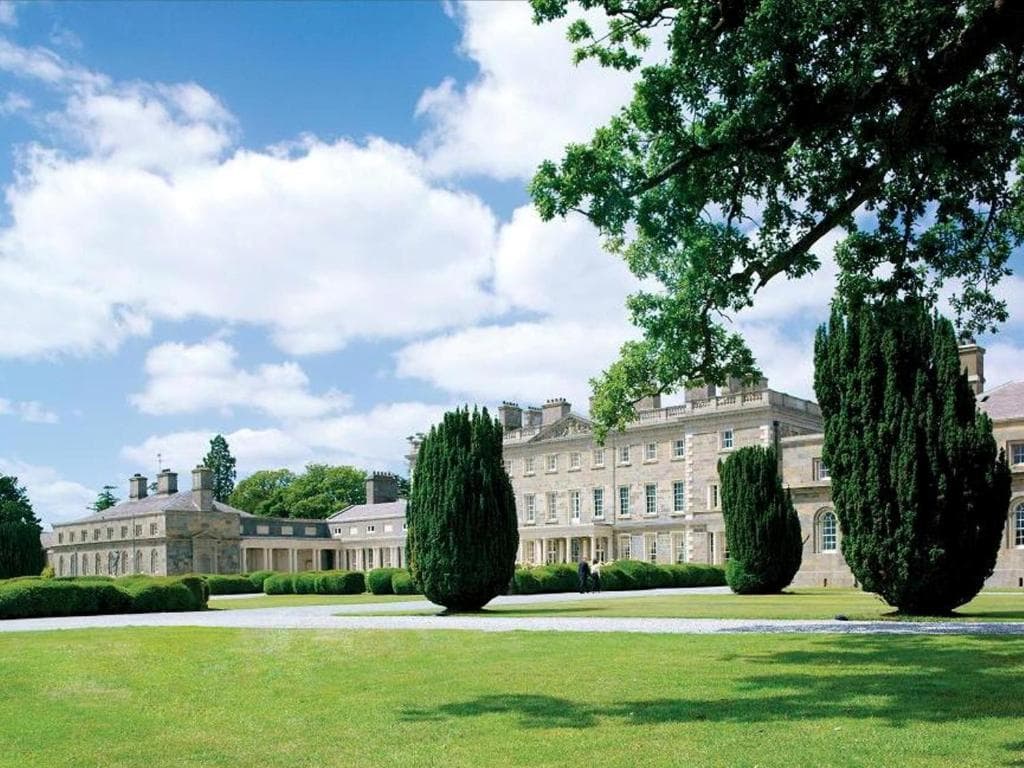
Forget the thatched-cottage clichés; Carton House is Palladian power on a massive scale. Inducted into Historic Hotels Worldwide in 2024, this 1,100-acre estate demands you bend the knee to the Earls of Kildare the moment you sweep up the driveway. The property is a game of two halves: the original 1739 House, where the Gold Salon drips with Baroque stucco and history feels heavy in the air, and the Garden Wing, a contemporary glass-and-brick addition where most guests reside. Purists should fight for a suite in the Old House to sleep beneath soaring ceilings, while Garden Wing rooms offer bespoke Fairmont beds and Technogym-ready proximity but lack the ghostly drama of the manor. Dining peaks in The Morrison Room, where Union Hall crab is served under Corinthian columns, though breakfast can feel chaotic during peak hours. The mandatory service charge is a sharp pinch, yet when you are sipping a rare pot still in The Whiskey Library—surrounded by 100-year-old oak—the grandeur justifies the tax. It is moody, unapologetically aristocratic, and undeniably impressive.
“Request a 'House Suite' in the original 18th-century manor rather than the Garden Wing to access the main building's staircases and history directly.”
Insider TipAvg. Nightly Rate
235USD
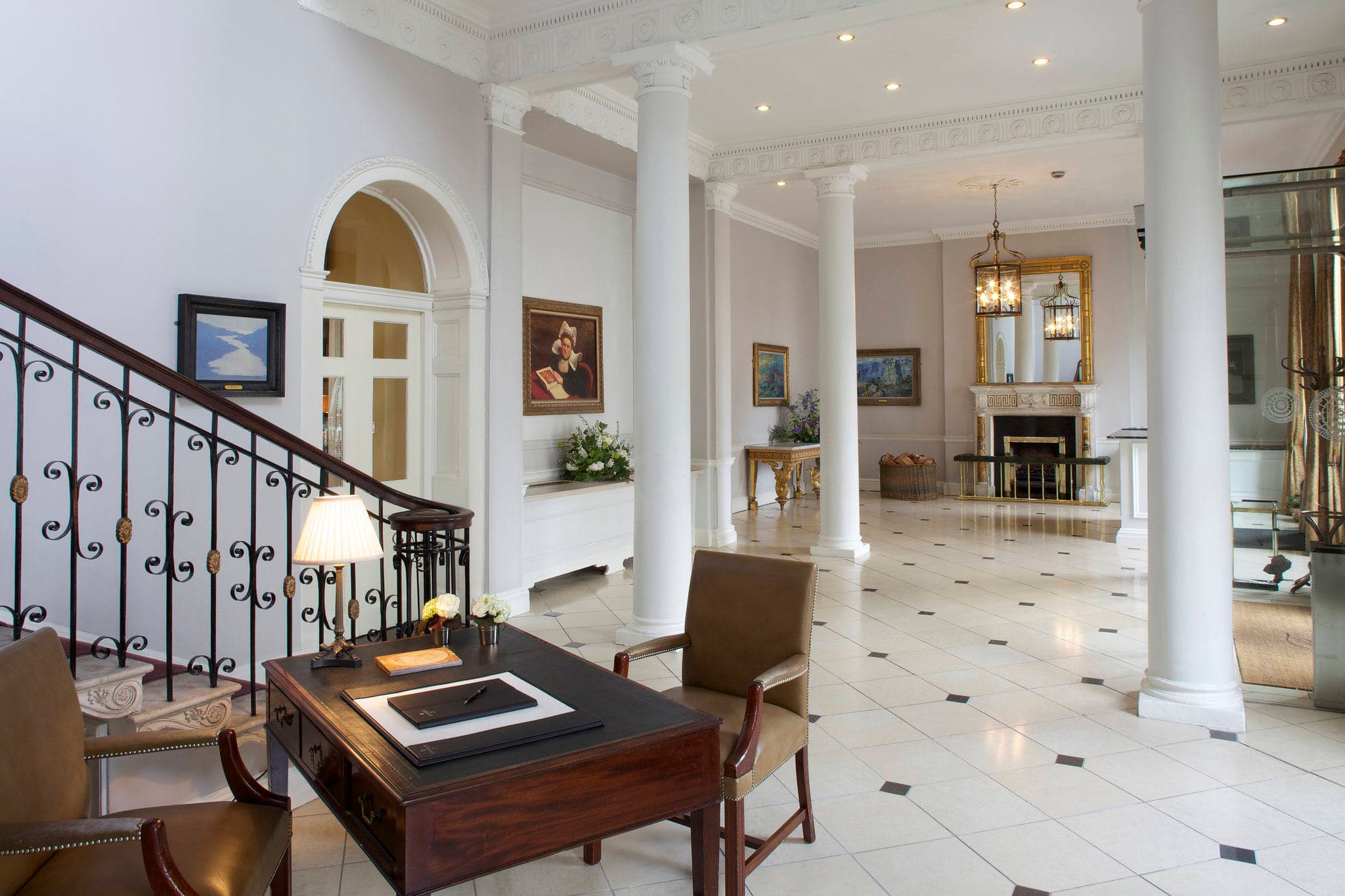
While the Shelbourne down the street preens for the paparazzi, The Merrion remains the discreet choice for heads of state and those who prefer their luxury whispered. Comprising four Grade I listed Georgian townhouses opposite Government Buildings, this isn't a hotel that relies on faux-heritage; the Rococo plasterwork is real, and the scent of peat fire in the lobby feels earned, not piped in. The hotel’s soul resides in its art collection—one of Ireland’s most significant private troves. You aren’t just walking past generic prints; you are sleeping near genuine Jack B. Yeats oils and, if you look closely near the Garden Room, the newly installed 2024 Plinth Award winner by Cecilia Danell. Dining is a bifurcated triumph. Downstairs, The Cellar Bar offers a vaulted, brick-lined return to reality with native oysters and creamy pints of Guinness. Upstairs, the two-Michelin-starred Restaurant Patrick Guilbaud demands a reservation weeks in advance—the blue lobster ravioli is a bucket-list dish. Rooms in the Main House drip with history (sash windows, heavy damask), though they occasionally betray their age with compact showers and exposed plumbing that might irk the modern minimalist. Service, however, is flawless—telepathic rather than intrusive. It is imperfect, yes, but in the way a historic aristocrat is allowed to be.
“Skip the crowded Art Tea in the Drawing Rooms. Instead, book a room in the Garden Wing for views of the box-hedge gardens and total silence away from the street.”
Insider TipAvg. Nightly Rate
450USD
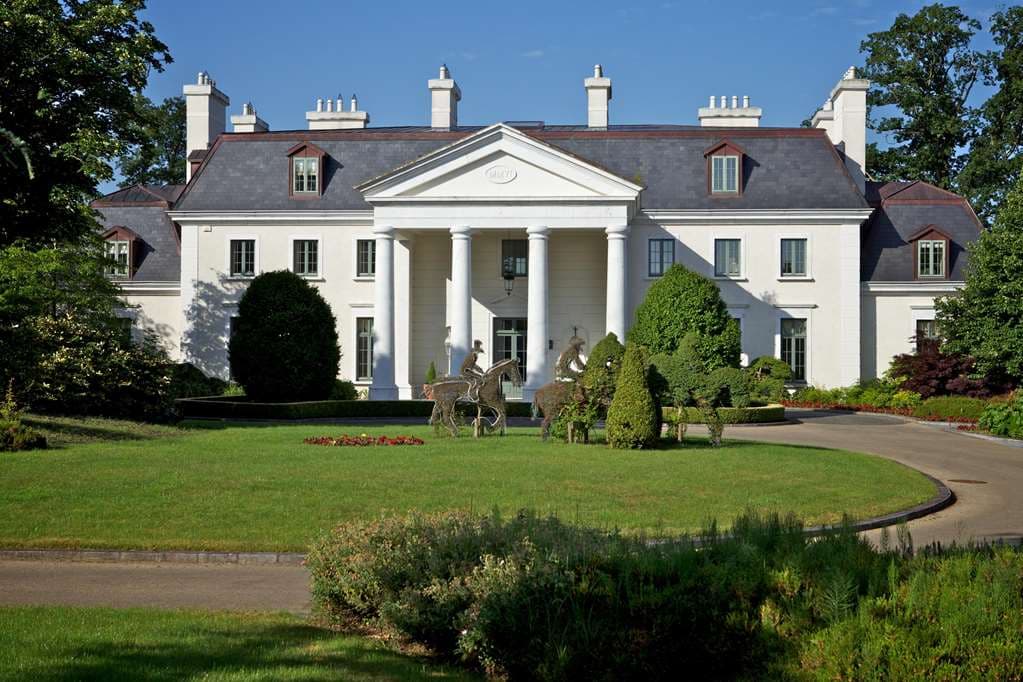
If refined Georgian melancholy had a flagship, it would be The K Club. Anchored by the 1832 Straffan House, this estate doesn't just display history; it insists you inhabit it. The arrival is pure theater: a white suspension bridge over the River Liffey leading to a facade that feels less like a hotel and more like a landed gentry’s refusal to acknowledge the 21st century. Inside, the experience is a study in textures. Rooms feature hand-painted bathrooms and crisp Frette linens that almost compensate for the building’s authentic, bone-deep chill—a reminder that draftiness is the ultimate status symbol. Dining at The Barton is the highlight; the Pan-fried Whole Atlantic Black Sole is technically flawless, though one might raise an eyebrow at the €7.20 Americano on the bill—a price that tastes distinctly of captive audience. The spa, while stocked with exemplary Natura Bissé products, demands a pilgrimage. It is a considerable trek from the guest rooms, occasionally necessitating a brisk, robe-clad dash through corridors that lose their grandeur as you go. Yet, recently crowned a 5-Star Hotel winner at the Good Food Ireland Awards 2025, the estate’s culinary prowess eventually smooths over the logistical quirks. It is imperfect, expensive, and utterly singular.
“Request a room in the original Straffan House rather than the new wing to avoid the 'conference center' feel. Warning: The walk to the spa is long; bring your own reading material for the journey.”
Insider TipAvg. Nightly Rate
260USD
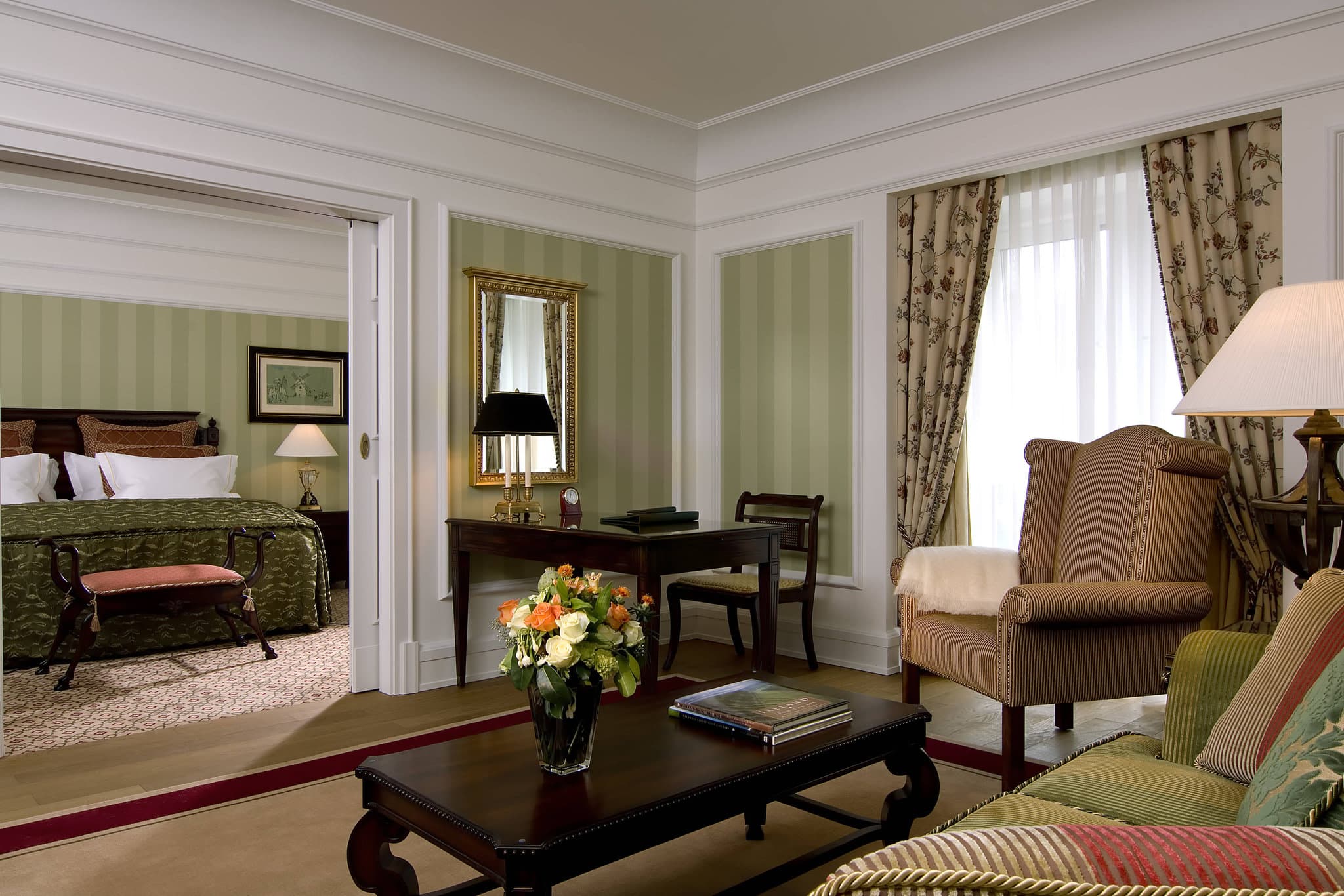
Subtlety is not the currency at Powerscourt. While the estate itself dates back to the 13th century, this hotel is a modern Palladian crescent that stares down the Great Sugar Loaf Mountain with unblinking confidence. It is less 'faded gentry' and more 'climate-controlled grandeur.' The arrival experience is cinematic, but the real shock is the scale of the accommodations. Standard rooms defy the category, starting at a cavernous 45 square meters, featuring walk-in wardrobes that could double as London studio apartments and marble bathrooms stocked with ESPA amenities. Dining at Sika Restaurant is a polished affair—order the Silver Hill Duck to see local produce treated with reverence—while the newly renovated Sally Gap Bar & Brasserie offers a looser, wagyu-burger-fueled atmosphere. The piece de resistance remains the 20-meter indoor pool, floored with basalt and lit by Swarovski crystals. It sounds gaudy, but in the low light of a Wicklow evening, it feels appropriately magical. The cracks show only in the soft product; service in the Sugar Loaf Lounge can drag during the afternoon tea rush, lacking the intuitive snap of a smaller property. Yet, with the 2024 addition of a Himalayan Salt Suite in the spa, Powerscourt confirms its status not as a hideaway, but as a heavyweight destination resort.
“Request a mountain-facing room on the 4th floor or higher. Lower floors often have their cinematic views of the Sugar Loaf obstructed by the estate's mature tree line.”
Insider TipAvg. Nightly Rate
325USD