No. 01
VIA GHIBELLINA 87 FLORENCE IT 50122 Florence199 verified reviews
9
.2
Bitvoya Edit
Layering imagery, place, and detail before the page opens.
Florence is not merely a city to visit; it is a masterpiece to inhabit. For the discerning traveler, the true essence of the Cradle of the Renaissance is best experienced by staying within the walls that once housed nobility. From the bustling streets surrounding the Duomo and Piazza della Signoria to the serene, cypress-lined hills of Fiesole, our curated collection invites you to step back in time. These are not just hotels; they are restored palazzos boasting original frescoes, antique furnishings, and stories that date back to the era of the Medici. Whether it is the riverside grandeur of the Lungarno or the hidden courtyards of Santa Croce, prepare for an immersion into living history.
Florence offers a density of art and history unrivaled in the Western world. Choosing to stay in a historic palazzo transforms a standard vacation into a cultural pilgrimage. Properties like Palazzo Portinari Salviati and the St. Regis Florence allow guests to sleep under 15th-century frescoes and walk floors once tread by legendary figures like Dante Alighieri. This collection focuses on properties that preserve museum-quality interiors while offering modern luxury, ensuring that the spirit of the Renaissance is felt in every waking moment.
When booking a stay in this curated collection, expect an intersection of heritage and high-touch service. Interiors often feature original architectural details such as vaulted ceilings, stone fireplaces, and intricate tapestries. However, modern amenities are seamlessly integrated. Expect concierge services that can unlock private tours of the Vasari Corridor, dining experiences in courtyards designed by Renaissance masters, and a level of sophistication that honors the legacy of the Medici family.
Top choices include Palazzo Portinari Salviati for its original frescoes and the St. Regis Florence for its Renaissance grandeur designed by Brunelleschi.
The Medici lived in several locations, including Palazzo Medici Riccardi and Palazzo Pitti. You can experience a similar atmosphere at hotels like Villa San Michele and Palazzo Firenze.
Stay in the city center (Centro Storico) for walkability to museums, or choose the hills (Fiesole) for luxury resorts with panoramic views like Villa La Massa.
Explore our complete curated list of luxury accommodations, from boutique hideaways to grand dames.
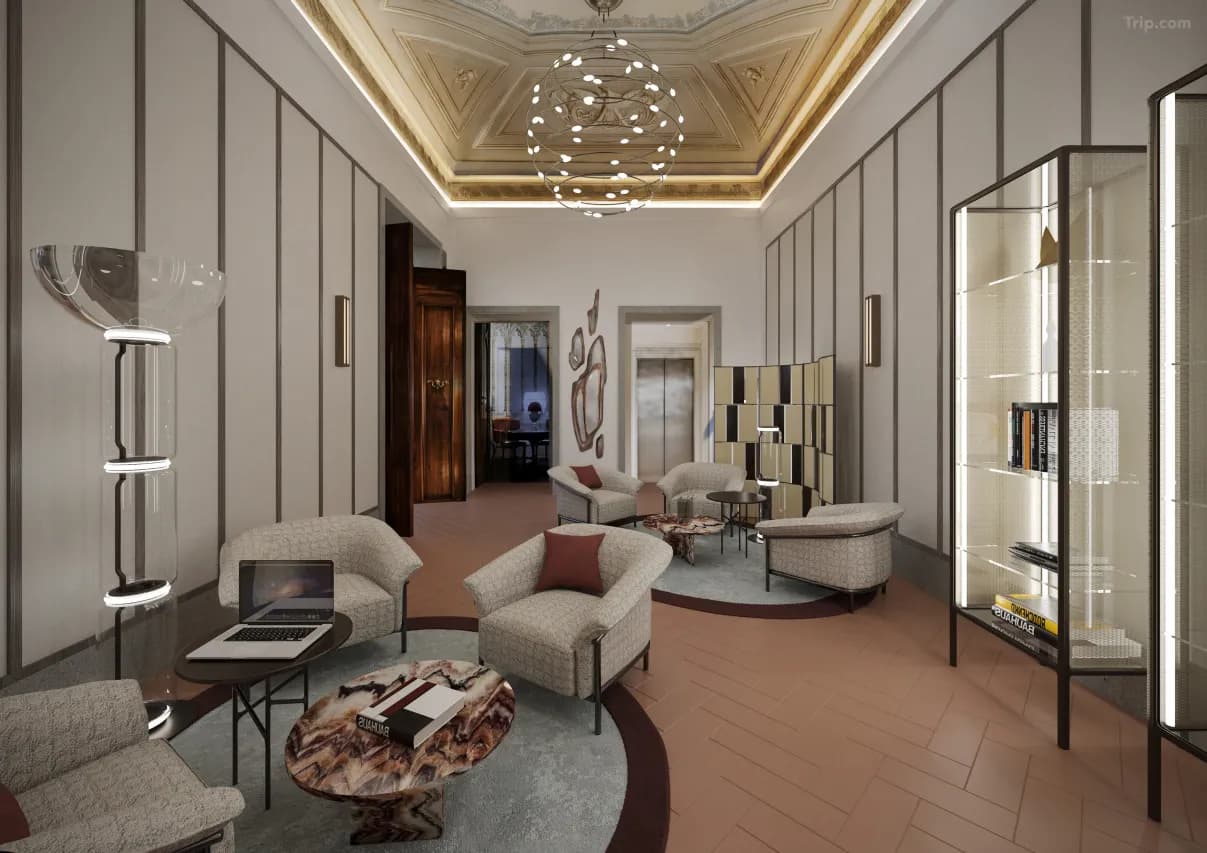
Explore All Florence HotelsWhile currently shuttered for a dramatic restyling by Studio Marco Piva until March 2026, Palazzo Firenze (formerly Baglioni Relais Santa Croce) remains the definitive address for those who prefer frescoes to fitness centers. Set within the 18th-century Palazzo Bastogi, this 24-room residence feels less like a hotel and more like a private inheritance. The centerpiece is unequivocally the Sala della Musica, a ballroom of such dizzying Rococo grandeur that it makes the Uffizi feel crowded. Entry-level rooms can feel surprisingly austere, but the suites compensate with original coffered ceilings and framed views of Brunelleschi’s Dome. There is no pool or spa—a deliberate omission that preserves the building's structural integrity. Instead, the indulgence is culinary: the property shares its foundations with Enoteca Pinchiorri, Florence’s three-Michelin-star temple of gastronomy. Skip the gym and order the ‘Evolution’ tasting menu; the pigeon with paccheri is a cultural event in itself. Service is exacting, intimate, and mercifully discreet, befitting a property that functions as a quiet cultural salon rather than a tourist hub.
“Book Room 308 for the private terrace overlooking Santa Croce Basilica—perfect for a sunset Spritz before dinner at Pinchiorri.”
Insider TipAvg. Nightly Rate
480USD
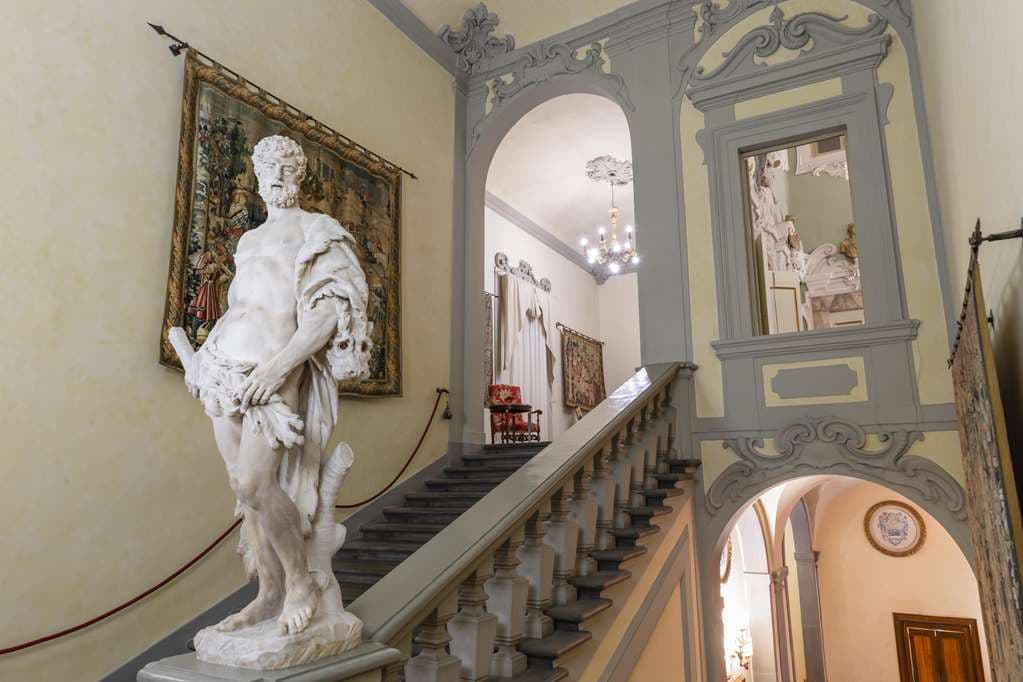
If the walls of the Tivoli Palazzo Gaddi could talk, they’d recite Dante. Housed in a 16th-century complex that once hosted John Milton, this hotel isn’t just near the action; it is the action. The lobby feels less like a check-in desk and more like a set from a Visconti film, anchored by the jaw-dropping *Sala del Paradiso*, where original Baroque frescoes rival anything you’ll queue for at the Uffizi. Upstairs, the experience shifts from aristocratic grandeur to modern intimacy. Be warned: entry-level rooms are a tight squeeze at 17 square meters—a common Florentine trade-off—but they are impeccably finished with heated towel racks and soundproofing that battles the street noise below. The real theater, however, happens at *Terrae*, where Michelin-starred Executive Chef Iside de Cesare oversees a menu highlighting the 'Bolla'—a crispy, savory sphere of Tuscan comfort. Yet, the pièce de résistance is the *Aria Rooftop Bar*. Sipping a Negroni here while staring eye-to-eye with Brunelleschi’s dome is a spiritual experience. Service is white-glove but warm, with a concierge team that actually delivers on 'impossible' reservations. **Verdict:** A moody, museum-quality retreat for culture vultures who don't mind sacrificing square footage for soul.
“Skip the Deluxe rooms if you have heavy luggage. Book a 'Premium Double with View' to secure both breathing room and a private vista of the terracotta skyline.”
Insider TipAvg. Nightly Rate
216USD
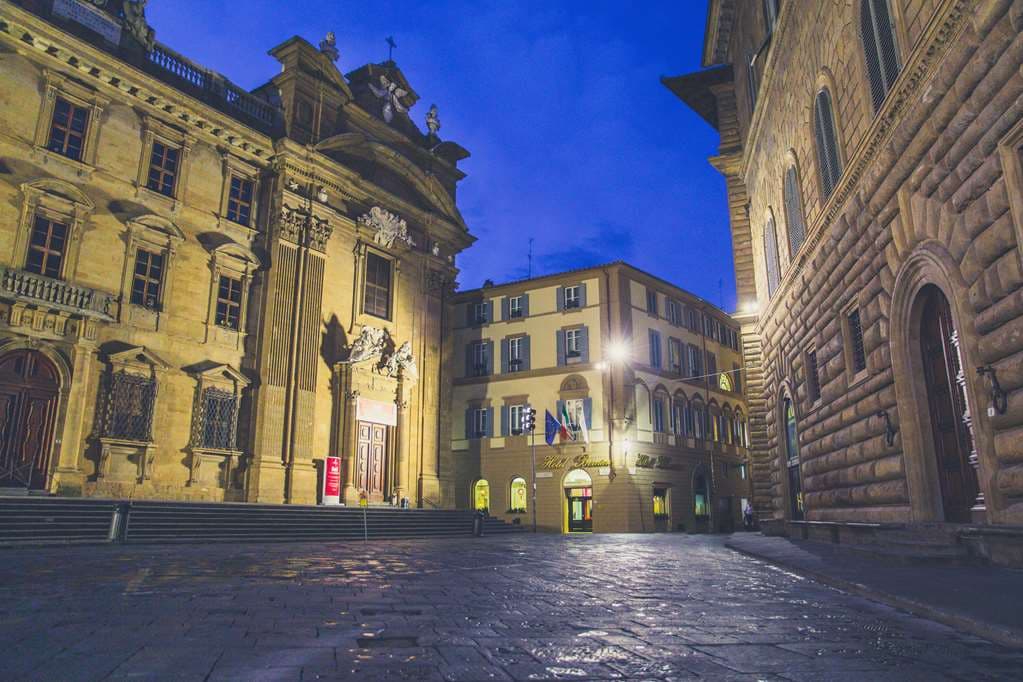
This isn't just a hotel; it's a pivotal slice of the Risorgimento. Before it was a five-star residence, this 15th-century palazzo served as the seat of the Italian Parliament when Florence briefly held the title of capital (1865–1871). The ghosts of politicians past linger in the Sala Parlamento, now the breakfast room, where you sip cappuccino beneath glorious 19th-century frescoes depicting Italian luminaries. It’s a heady start to the day that beats any museum queue. The interiors fluctuate between eras. While the "Tuscan Floor" embraces terracotta and exposed beams, the classic rooms lean into rich velvets and glass chandeliers. A word of caution: the entry-level "Classic" rooms are historically accurate in their dimensions—meaning compact (approx. 14 sqm). If you value elbow room over period intimacy, upgrade to a Suite. Dining at Ristorante La Chiostrina offers a sophisticated reprieve from the street-level tourist scrum, serving a standout Risotto Riserva San Massimo with porcini mushrooms. For a nightcap, the Lounge Bar pours a Golden Martini dusted with gold powder—a nod to the city’s goldsmithing heritage. Service is presided over by a Les Clefs d'Or concierge, a non-negotiable asset for securing last-minute Uffizi tickets without the headache. Verdict: A sophisticated time capsule for history obsessives who prefer their heritage with 400-thread counts and Culti amenities.
“Request a room on the 'Tuscan Floor' for authentic Renaissance styling (terracotta floors, beamed ceilings) rather than the plush but more standard decor of the lower levels.”
Insider TipAvg. Nightly Rate
198USD
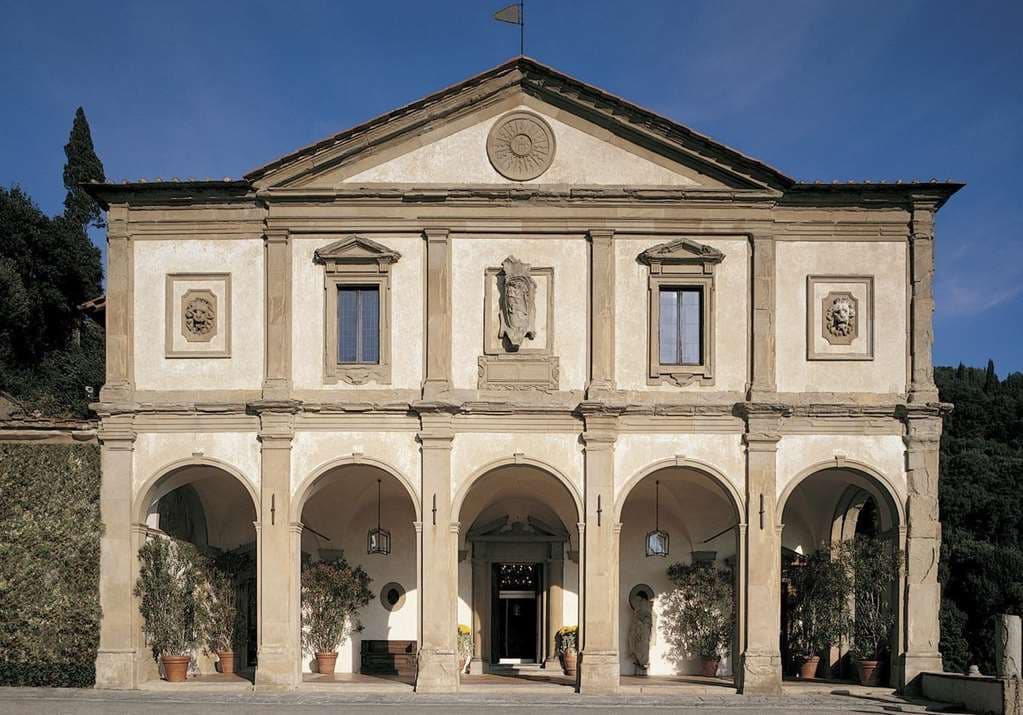
If Florence is the cradle of the Renaissance, Villa San Michele is its high altar. Perched in the Fiesole hills, this 15th-century Franciscan monastery—with a façade attributed to Michelangelo—has long been the city’s most soulful retreat. Now, after a meticulous reimagining by architect Luigi Fragola, the 'sleeping beauty' reawakens in April 2026, proving that even timeless masterpieces can be improved. The renovation is less a facelift and more a deepening of character. Artisanal details abound: scagliola tabletops by the Bianco Bianchi workshop and Rubelli silks that shimmer against the ancient stone. The headline act, however, is the debut of the Villa San Michele Spa by Guerlain, finally giving this sanctuary a wellness offering to match its spiritual roots. Check into the new Limonaia Suite, tucked in the former orangery with its own heated plunge pool, or the grand Botanica Suite, where Elena Carozzi’s frescoes bring the gardens indoors. Dining remains a religious experience at La Loggia, where Executive Chef Alessandro Cozzolino elevates Tuscan terroir—try the Bischeri pasta—against the backdrop of the Arno Valley. It is monastic chic at its most hedonistic.
“Secure the new 'Limonaia' suite for total privacy and a heated plunge pool in the former orangery—a rarity in Florence.”
Insider TipAvg. Nightly Rate
1750USD
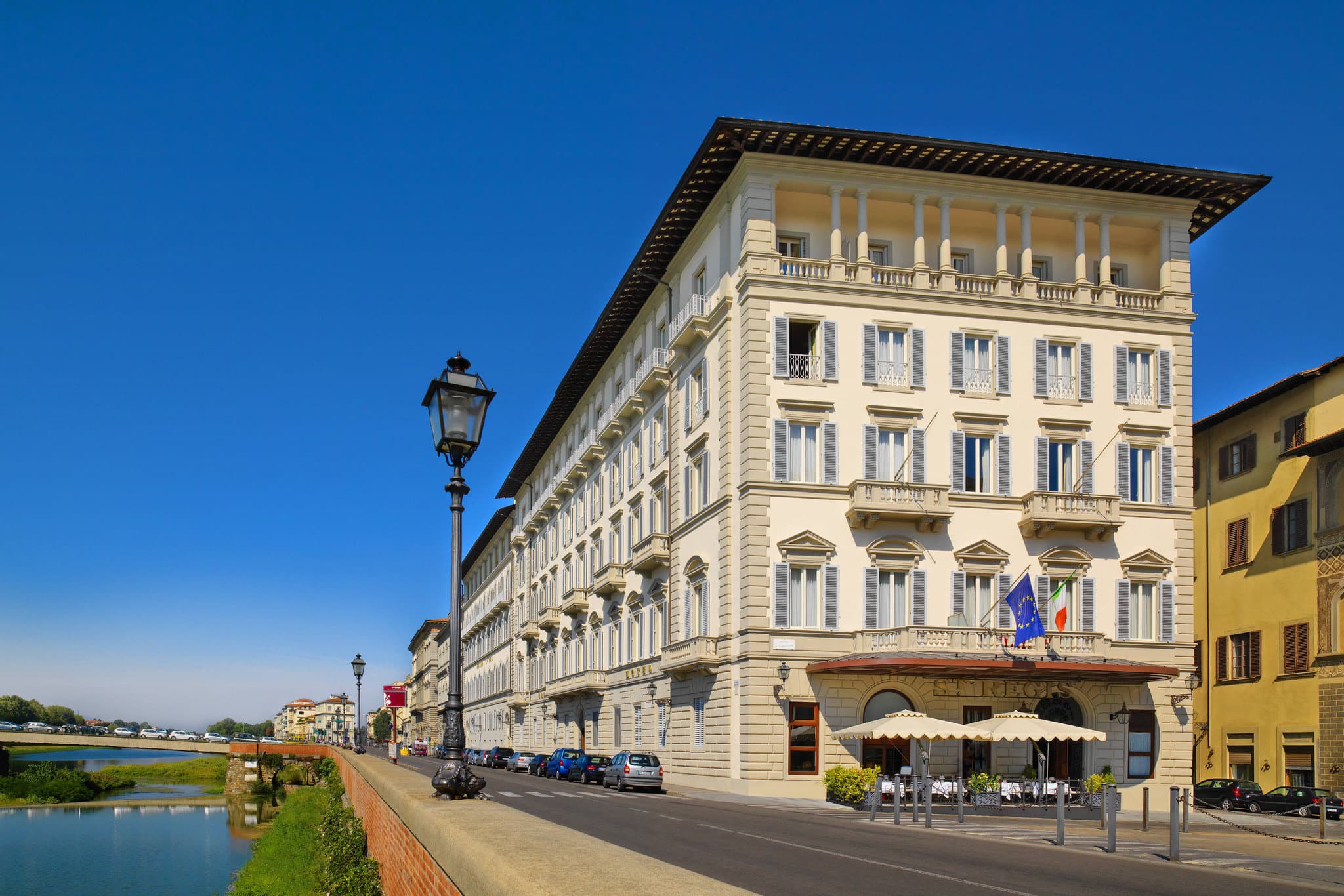
If the ghost of Lorenzo de' Medici needed a pied-à-terre in 2026, he’d choose the Palazzo Giuntini. Attributed to Filippo Brunelleschi, this property isn't just a hotel; it’s a living gallery where 15th-century architecture meets Gilded Age swagger. The heart of the hotel is the Winter Garden, crowned by a 19th-century stained-glass ceiling so elaborate it distracts from the menu. Speaking of which, skip the safe options and order the signature Paccheri with lobster and lime at the Winter Garden Restaurant—it’s Tuscan comfort with a acidic kick. Upstairs, the suites are unapologetically opulent. We’re talking original frescoes, crystal chandeliers, and heavy velvets that muffle the city noise. The Iridium Suites Spa myBlend by Clarins offers a necessary respite, though the lack of a pool (a historic building casualty) is felt during July heatwaves. Service is the real differentiator here: the St. Regis Butlers don’t just unpack; they practically curate your wardrobe into the antique armoires. It’s expensive, yes, and the entry-level rooms are tight (20 sqm), but for a night of feeling like Florentine nobility, it’s unrivaled.
“Request a table for the 7:00 PM Champagne Sabrage ritual in the Winter Garden—it’s theatrical, complimentary for guests, and sets the tone for the evening.”
Insider TipAvg. Nightly Rate
950USD
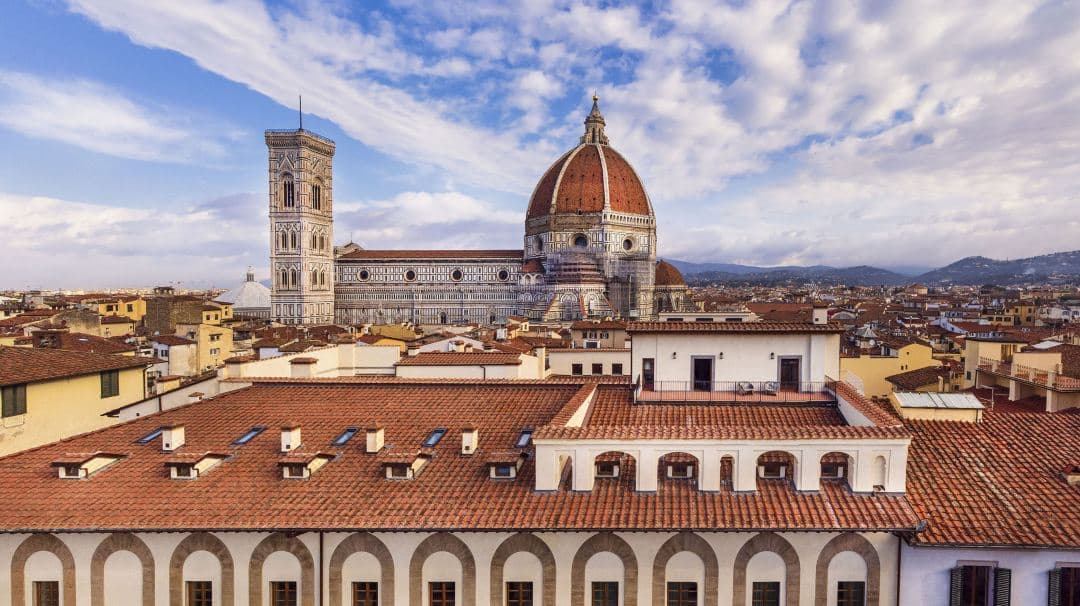
In a city where 'historic' often serves as a euphemism for dusty velvet and drafty corridors, Palazzo Portinari Salviati operates on a different frequency. This is not merely a hotel; it is a forensic restoration of the childhood home of Dante’s muse, Beatrice Portinari, and the first residence of Cosimo I de’ Medici. To check in here is to effectively inhabit a private museum, one recently anointed with Two Michelin Keys (2024). The arrival experience sets the tone: you enter through the Corte Cosimo I, a skylit atrium where the silence is absolute—a jarring, luxurious contrast to the Vespa-choked streets of the Duomo district just outside. The 13 suites eschew the generic 'greige' of modern luxury for genuine 1700s frescoes, original Tuscan terracotta floors, and timbered coffered ceilings. Yet, the modernity is sharp: sophisticated home automation and Dyson hair dryers prevent the history from feeling heavy. The subterranean Vita Nova spa is a vaulted sanctuary using Seed to Skin Tuscany amenities; the ozone-therapy pool offers a necessary reprieve after tackling the Uffizi. Dining is equally serious. Chef Vito Mollica’s ATTO (One Michelin Star) serves a Cavatelli cacio e pepe with red prawns and baby squid that is a masterclass in balancing salinity with creaminess. Even the casual Salotto Portinari delivers a club sandwich that puts most room service to shame. Service is hyper-competent, though the 'optional' 5% staff gratuity on the final bill feels slightly gauche for a property commanding these rates. Ultimately, this is the closest one gets to Medici status without the poisoning plots.
“The Vita Nova spa is strictly limited to 2-hour slots to ensure privacy. Book your session immediately upon reservation, specifically requesting the 6:00 PM slot to decompress right after the museums close.”
Insider TipAvg. Nightly Rate
770USD
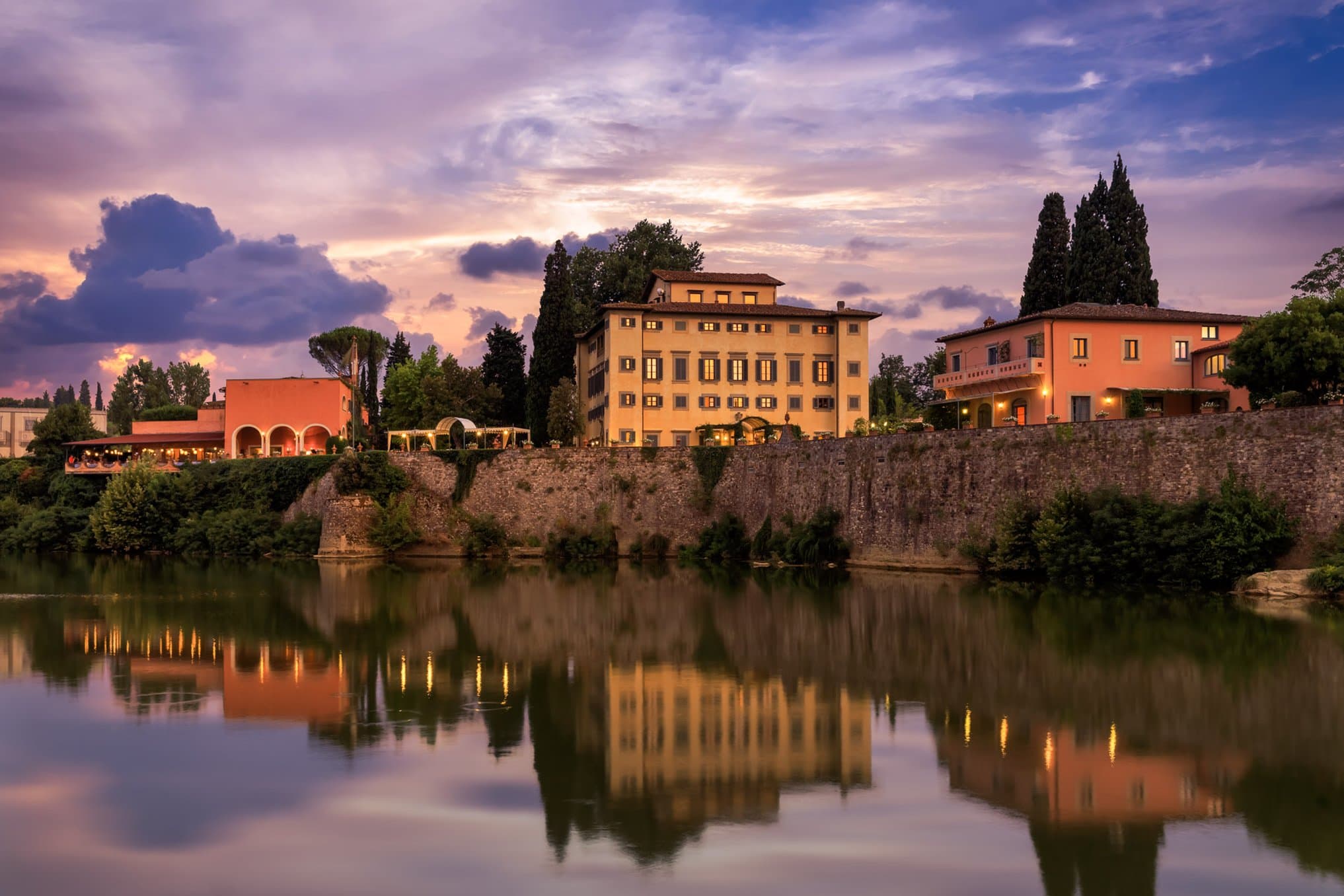
If the Uffizi’s queues feel like a circle of Dante’s Inferno, Villa La Massa is Paradiso found. Just 15 minutes from the Ponte Vecchio, this 16th-century Medici villa—sister to Lake Como’s Villa d’Este—trades frantic tourism for patrician stillness. The property recently nabbed Two Keys from the Michelin Guide (2024), and it’s easy to see why. The atmosphere isn't just 'historic'; it is heavy with noble provenance, featuring vaulted ceilings, canopied beds, and an air of quiet confidence that only centuries of aristocracy can breed. Days here drift by the Arno pool, framed by lemon trees and the scent of iris. Dinner at Il Verrocchio is non-negotiable; secure a terrace table at sunset and order the signature spaghetti with smoked butter and shrimp—a dish so rich it practically requires confession. Afterward, the Arno Spa awaits, using Santa Maria Novella formulations that feel appropriately alchemic. The only critique? The shuttle service to Florence turns into a pumpkin at 11:00 PM, cutting late-night negronis short. But perhaps that’s the point: to retreat to your riverside manor before the spell breaks. It is the ultimate Medici cosplay, with better plumbing.
“Book the 'Parco Suite' for direct garden access, or visit in late April when the property’s Iris Garden blooms in full Florentine glory.”
Insider TipAvg. Nightly Rate
600USD
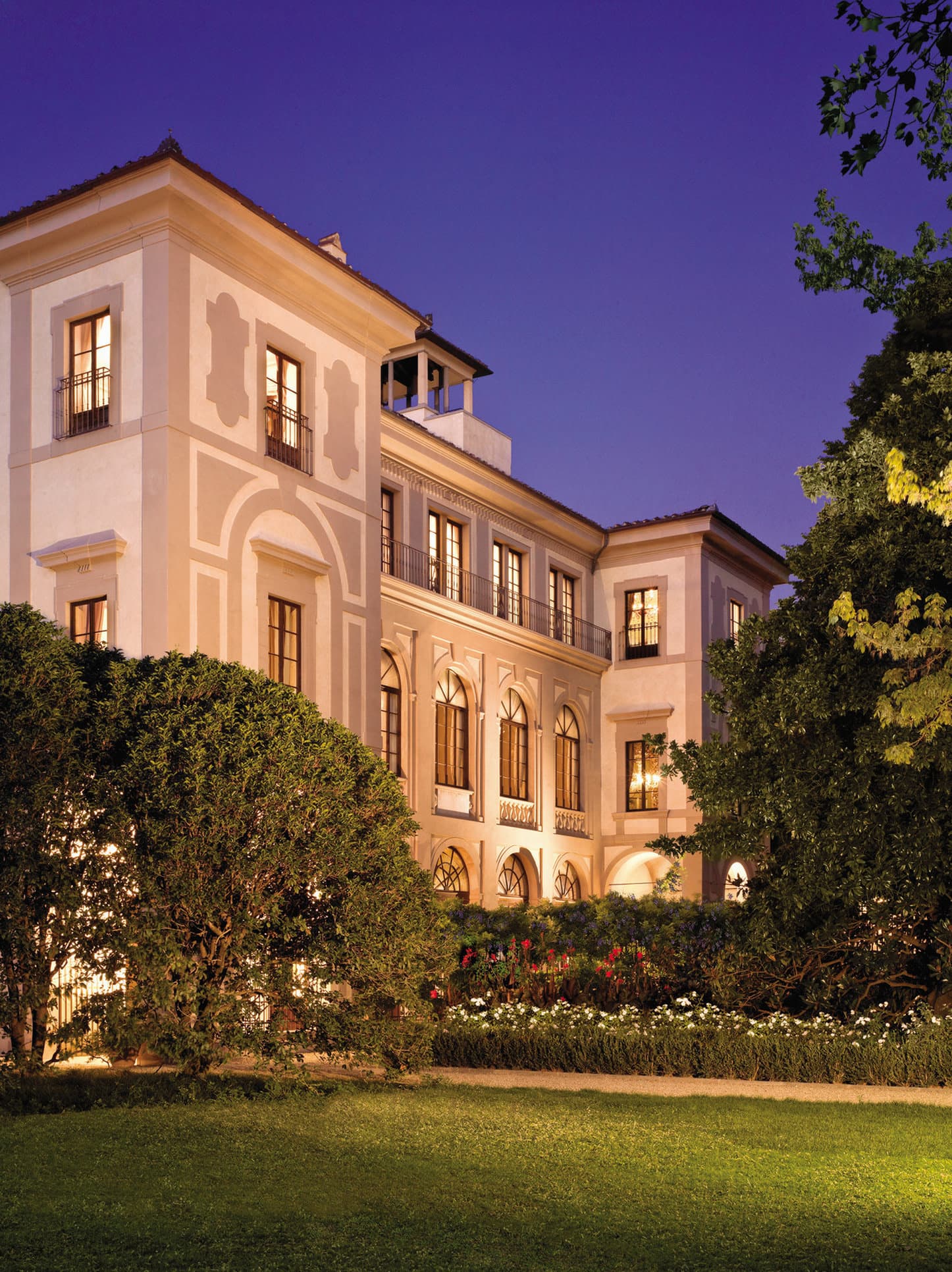
To call the Four Seasons Firenze a hotel is a comical understatement; this is a curator’s fantasy brought to life. Anchored by the 15th-century Palazzo della Gherardesca and the newly restored Palazzo del Nero, the property feels less like a place to sleep and more like a private residency within the Uffizi. The drama begins in the lobby, where original Renaissance bas-reliefs and stuccoes outshine the check-in desks. Beyond the art, the property’s 11-acre Giardino della Gherardesca—the largest private garden in Florence—offers a verdant firewall against the city’s frenetic tourism. Rooms are exercises in historic preservation, boasting restored frescoes and ceramic floors, yet tempered by modern necessities like Santa Maria Novella amenities and blazing-fast Wi-Fi. Dining is equally theatrical. While the Michelin-starred Il Palagio dazzles with its signature risotto with tomatoes and pecorino grotta, the newer Onde offers a breezy Mediterranean counterpoint with its impeccable raw bar. The only gripe? It’s a solid 20-minute walk to the Duomo, and the 27.8m outdoor pool remains strictly seasonal. But frankly, after a vintage Negroni at the Atrium Bar, you won’t mind the distance from the crowds. This is the Renaissance, refined.
“Request a room in the Palazzo del Nero for a more intimate, butler-serviced experience, and don't miss the 'vintage' cocktail menu at Atrium Bar.”
Insider TipAvg. Nightly Rate
1000USD
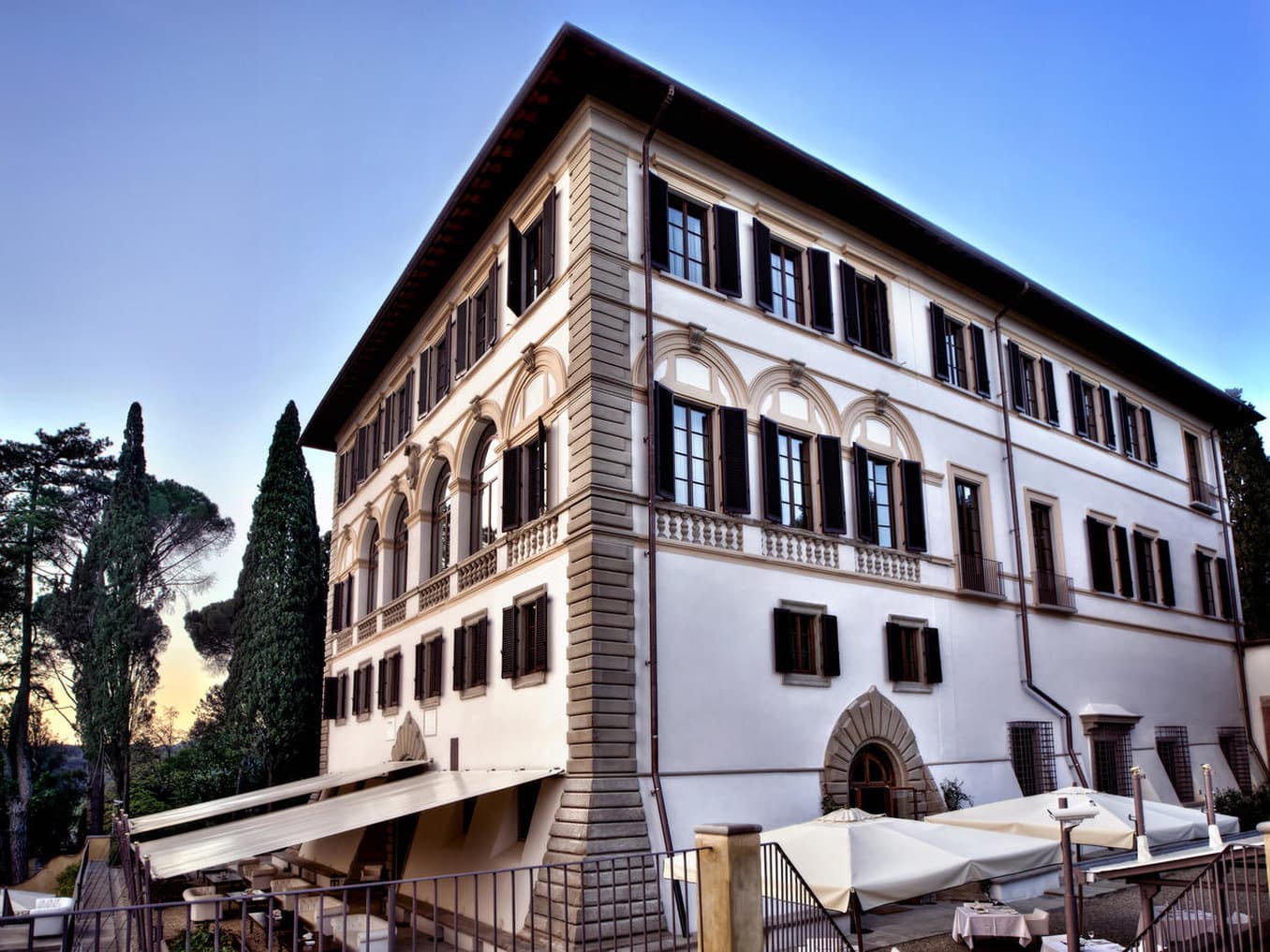
While the masses sweat in the queues for the Uffizi, the truly enlightened escape to Fiesole. Il Salviatino isn’t just a hotel; it’s a restored 15th-century villa that feels less like a property and more like the private estate of a particularly tasteful Medici cousin. The arrival alone—a winding drive up into the Tuscan cypress trees—sets a pulse-slowing tempo that the frenetic city center simply cannot match. Inside, the commitment to art is serious. The Affresco Suite is the showstopper, boasting an 1886 fresco by Bruschi and two original Gabriel van der Leeuw oils that would look at home in a museum. But don't mistake this for a dusty gallery. The vibe is masculine elegance: heavy mahogany, hand-stitched leather, and a refreshingly modern edge in the amenities. We’re talking Technogym equipment for your morning guilt-cleansing and a spa housed in a restored greenhouse stocking Augustinus Bader and Santa Maria Novella products—because even a Renaissance prince needs good skincare. Dining is equally curated. At 'Da Giacomo al Salviatino', the red prawn tartare is a masterclass in simplicity, though the Bistecca alla Fiorentina demands a carnivorous appetite. Finish with a signature Martini at Rosa Bar, where the glassware is as sharp as the service. Speaking of service, it’s telepathic without being suffocating. The staff, led by the legendary concierge Paul, treat you with a warmth that feels genetic rather than contractual. Verdict? A flawless sanctuary that turns Florentine history into a living, breathing indulgence.
“Book the Ojetti Suite for its glass floor overlooking the grand staircase, but the real power move is asking Paul the concierge to secure a sunset table on the terrace—he’s the property’s true magician.”
Insider TipAvg. Nightly Rate
629USD
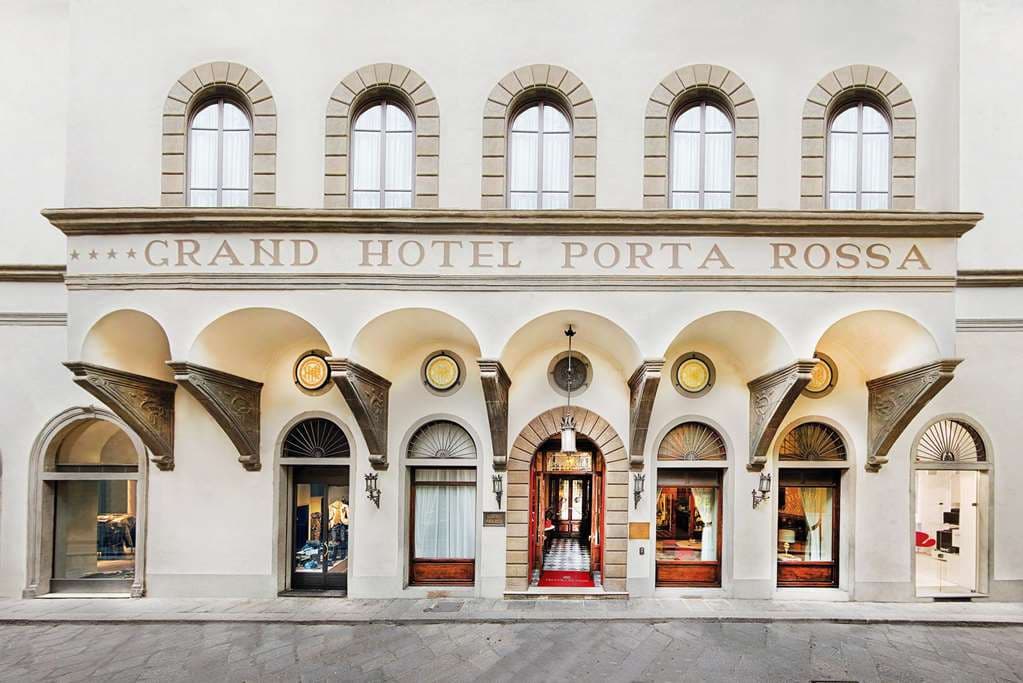
If the walls of the NH Collection Firenze Porta Rossa could talk, they’d likely whisper court secrets from the 13th century. Known as Florence’s oldest hotel, this isn’t your typical polished marble box; it is a living museum where you sleep under frescoes that rival the Uffizi’s nearby. The entrance on Via Porta Rossa, marked by a discreet red door, feels like stumbling into a secret society. Inside, the lobby’s stained-glass ceiling bears the Poliziano motto 'Per non dormire' (For not sleeping)—an ironic command given the plush bedding, though the vintage elevators might actually keep you awake with their clanking protestations. The real draw is the atmosphere: gritty, authentic, and spectacularly grand. Dinner at the on-site Savini Tartufi is non-negotiable; the Tagliolini al Tartufo is an earthy masterpiece that demands a full glass of Chianti Classico. However, the historic preservation comes with caveats. The heritage charm extends to the infrastructure, meaning the elevators can be noisy and the management response sometimes lags behind the modern world. Yet, for the chance to stay in a palazzo that hosted 19th-century intellectuals and medieval nobility, these are minor taxes to pay. It is a place for those who prefer character over clinical perfection.
“Skip the standard rooms and book the Monalda Suite. Located inside the 13th-century Torre Monalda, it offers a private 360-degree view of Florence that’s strictly for you, not the tourists jostling on the Ponte Vecchio.”
Insider TipAvg. Nightly Rate
237USD