No. 01
No. 108 Guangda Road. Fuzhou ChinaFuzhou134 verified reviews
9
.0
Bitvoya Edit
Layering imagery, place, and detail before the page opens.
Fuzhou, a city of banyans and hot springs, offers a unique blend of heritage and modern luxury. At the heart lies the "Three Lanes and Seven Alleys" (Sanfang Qixiang), a living museum of Ming and Qing architecture. Staying here immerses you in the cultural soul of Fujian. Whether you choose the heritage-focused Tsingpu Collection Yunxi Gucuo nestled within the lanes or the panoramic river views from the InterContinental Fuzhou nearby, you are perfectly positioned. Explore the bustling Gulou District, wander through historic courtyards, and retreat to world-class hospitality at the Shangri-La or Kempinski. These curated stays promise an unforgettable journey through time.
Fuzhou is often overlooked in favor of Xiamen, but its cultural depth is unmatched. The Three Lanes and Seven Alleys (Sanfang Qixiang) district is one of China's largest preserved historical areas, featuring hundreds of Ming and Qing dynasty houses. Staying in or near this district offers a rare opportunity to live within history while enjoying modern 5-star amenities. Whether it is the curated cultural activities at Tsingpu Collection or the grand ballrooms of the Empark Grand Hotel, the hospitality here is rooted in centuries of tradition.
Expect a juxtaposition of the ancient and the hyper-modern. Hotels in Fuzhou place a strong emphasis on tea culture, given Fujian's status as a tea capital. You can expect high-end tea sets in rooms at properties like the Kempinski Hotel Fuzhou. Furthermore, Fuzhou is a city of hot springs; many top-tier hotels incorporate spa facilities that utilize these natural resources. Dining is also a highlight, with hotels offering exquisite Fujian cuisine (Min Cai), characterized by its light, savory, and umami-rich flavors.
The Tsingpu Collection Yunxi Gucuo is the best choice for history lovers. Located directly within the Three Lanes and Seven Alleys, it is a restored ancient residence that offers immersive cultural activities.
Yes, for spectacular views of the Min River, the InterContinental Fuzhou, Crowne Plaza Fuzhou Riverside, and The Westin Fuzhou Minjiang are top recommendations.
The Gulou District is ideal for first-time visitors as it houses the Three Lanes and Seven Alleys (Sanfang Qixiang) and major museums, making sightseeing very convenient.
Explore our complete curated list of luxury accommodations, from boutique hideaways to grand dames.
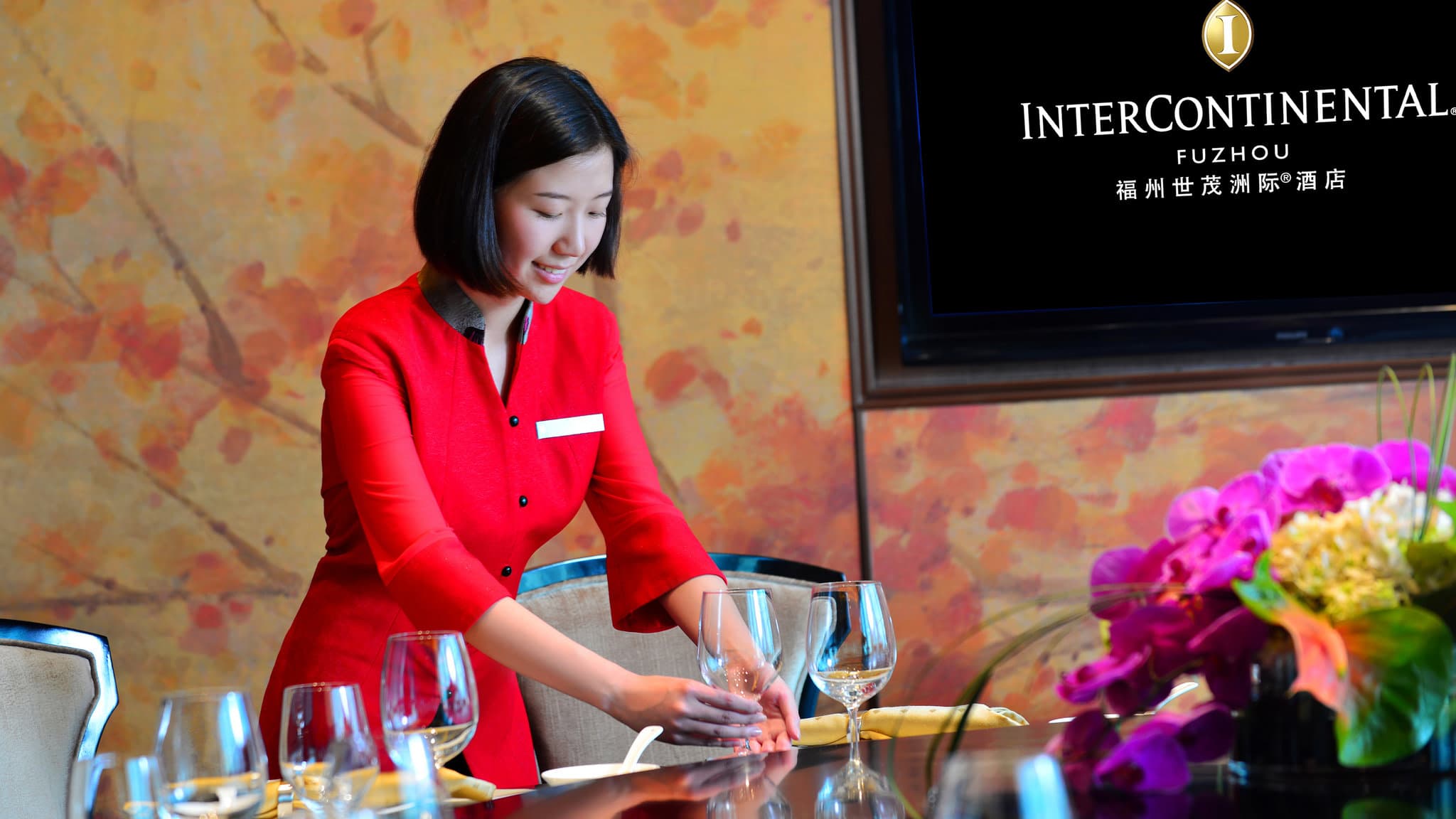
Explore All Fuzhou HotelsWhile the romance of Fuzhou lies in the timber-framed courtyards of Three Lanes and Seven Alleys, the smartest way to experience them is from a vertical distance. Rising above the Chating Metro Station, the InterContinental Fuzhou offers a necessary counterpoint to the city’s dense heritage: unadulterated, air-conditioned modernity. The lobby is a cavernous expanse of marble that sets a business-first tone, but the rooms on the upper floors soften into residential sanctuaries with spectacular city panoramas. The hardware is holding up well since its 2014 opening, though the open-concept bathrooms—glass-walled and visible from the bed—remain a polarizing choice better suited for solo travelers or very comfortable couples than colleagues sharing a twin. Dining is where the hotel flexes its local muscle. Skip the room service and head straight to Fortune Mansion for their rendition of 'Buddha Jumps Over the Wall,' a soup so rich in collagen it practically replaces a facial. For breakfast, the Stage restaurant offers a dizzying array of international stations, but the snow crab legs at the evening buffet are the real draw. It’s not a boutique heritage stay, but when you need a consistent power shower and a professional-grade gym after walking Wuyi Square, it’s unbeatable.
“Request a room ending in '08' or '10' on the 20th floor or higher for the best direct sightlines of the city center and Wuyi Square.”
Insider TipAvg. Nightly Rate
71USD
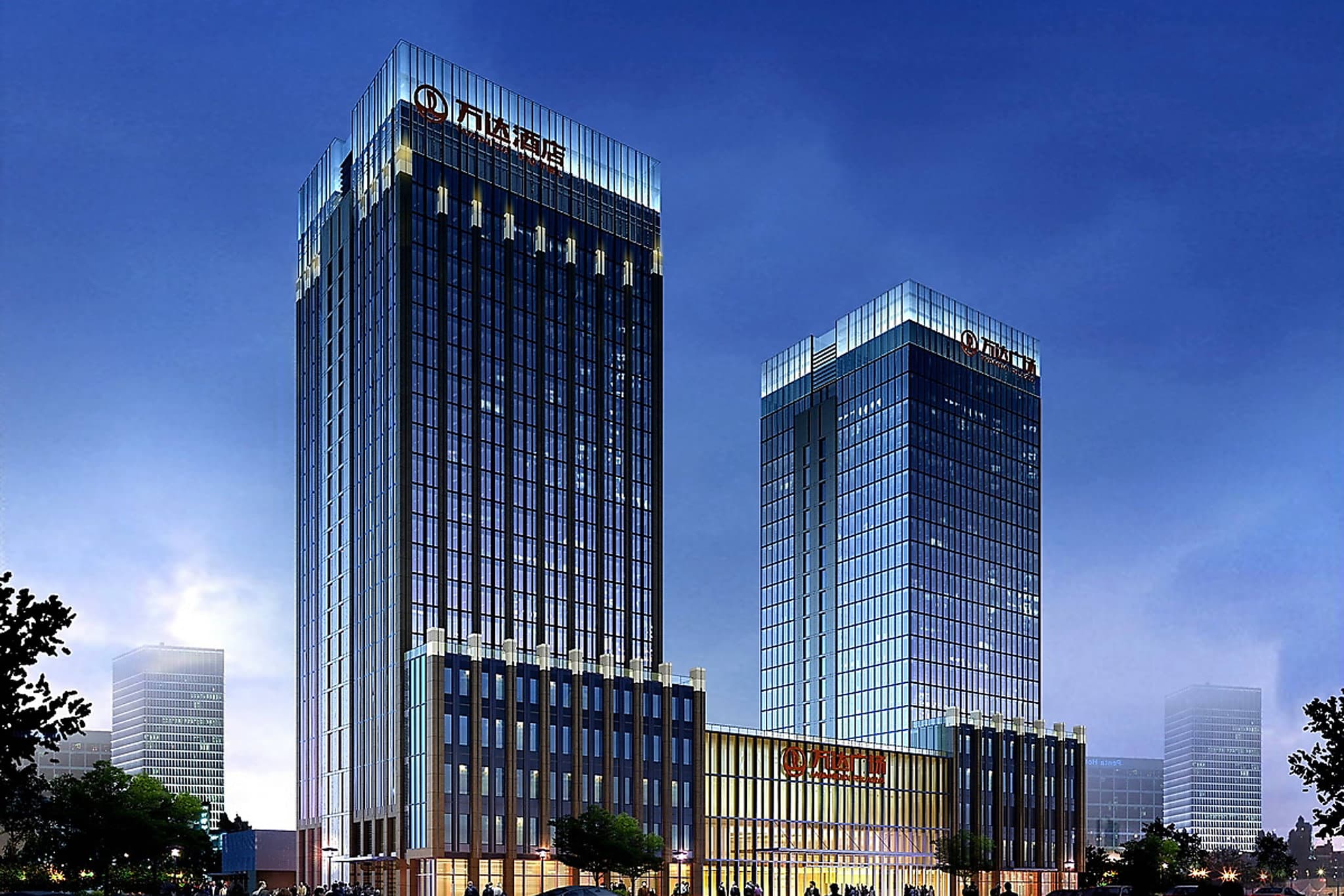
While the romance of Fuzhou lies in the timbered courtyards of the Three Lanes and Seven Alleys, the city’s pulse beats fastest along the Min River. Opened in 2010, The Westin Fuzhou Minjiang serves as a polished, if slightly vintage, counterpoint to the preservation district’s intimate chaos. It lacks the boutique unpredictability of the old quarter, trading it for the muscular reliability of a global flagship. The lobby is a cavern of marble and glass, efficiently channeling business travelers and heritage tourists alike. Upstairs, the rooms lean into the brand’s ‘Heavenly’ manifesto—the beds remain the gold standard for erasing a day of cobblestone trekking, even if the dark wood joinery whispers of a previous design era. The real draw, however, is the culinary bridge to the locale: Five Zen5es. Here, the kitchen executes a pitch-perfect ‘Buddha Jumps Over the Wall,’ the region’s complex seafood stew, proving that corporate hotels can still possess a local soul. Afterward, the indoor infinity pool offers a silent, glass-walled vantage point over the neon-lit riverbanks—a reminder of Fuzhou’s rapid modernization.
“Request a room ending in '18' on a high floor for the widest panoramic sweep of the Min River and the nightly light show on the bridge.”
Insider TipAvg. Nightly Rate
83USD
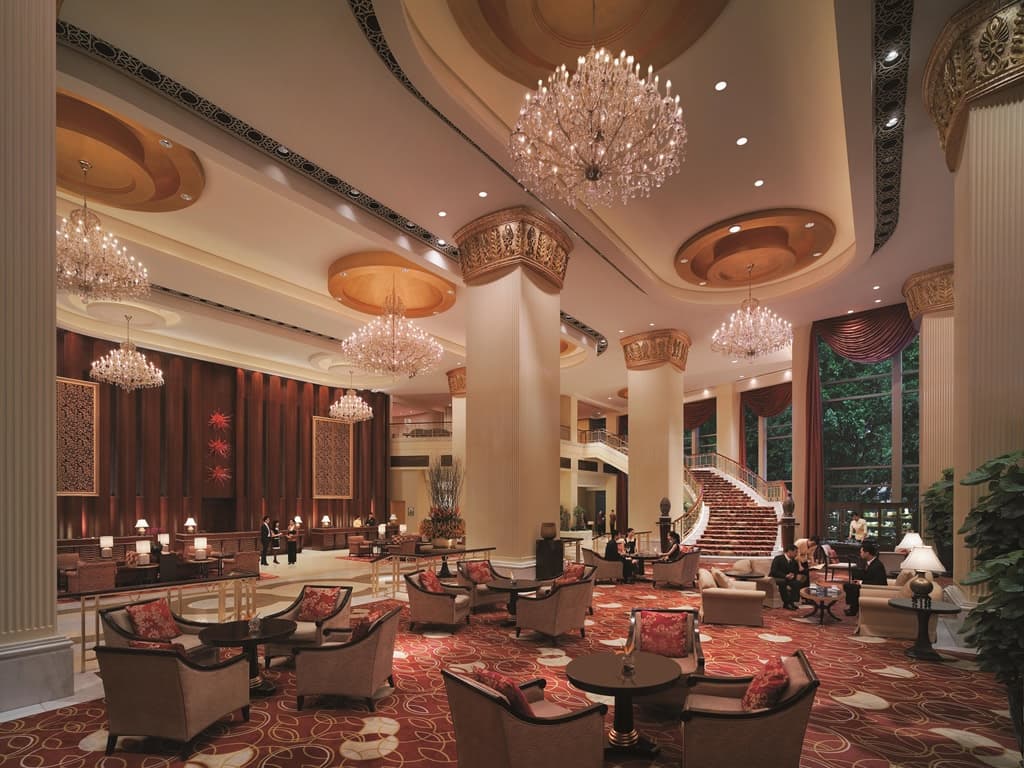
While newer, flashier competitors have risen along the Min River, the Shangri-La Fuzhou retains the city's most enviable address. Standing guard over Wuyi Square, this property doesn't just offer proximity to the Three Lanes and Seven Alleys; it offers a front-row seat to history. The lobby’s centerpiece—a cascading installation of 232 handcrafted jasmine lanterns—immediately roots you in Fuzhou’s floral heritage, setting a tone of stately grandeur. Upstairs, the rooms lean into a classic aesthetic. While the decor in some wings acknowledges the hotel's 2005 origins with heavier carpets and mahogany tones, the upkeep is immaculate. The tradeoff for the vintage feel is the view: request a room facing the White Pagoda for a panorama that spans centuries. The real draw here, however, is the dining. Jiangnan Wok isn't just a hotel restaurant; it’s a destination for serious gourmands, serving a Braised Yellow Croaker 'Lion's Head' that justifies the Michelin acclaim. For families, the 'Buds' club offers a reprieve from sightseeing. It’s a property that trades trendy minimalism for reliable, white-glove luxury.
“Book a Horizon Club room for access to the 21st-floor lounge; the evening cocktails come with the best sunset view of the White Pagoda in the city.”
Insider TipAvg. Nightly Rate
75USD
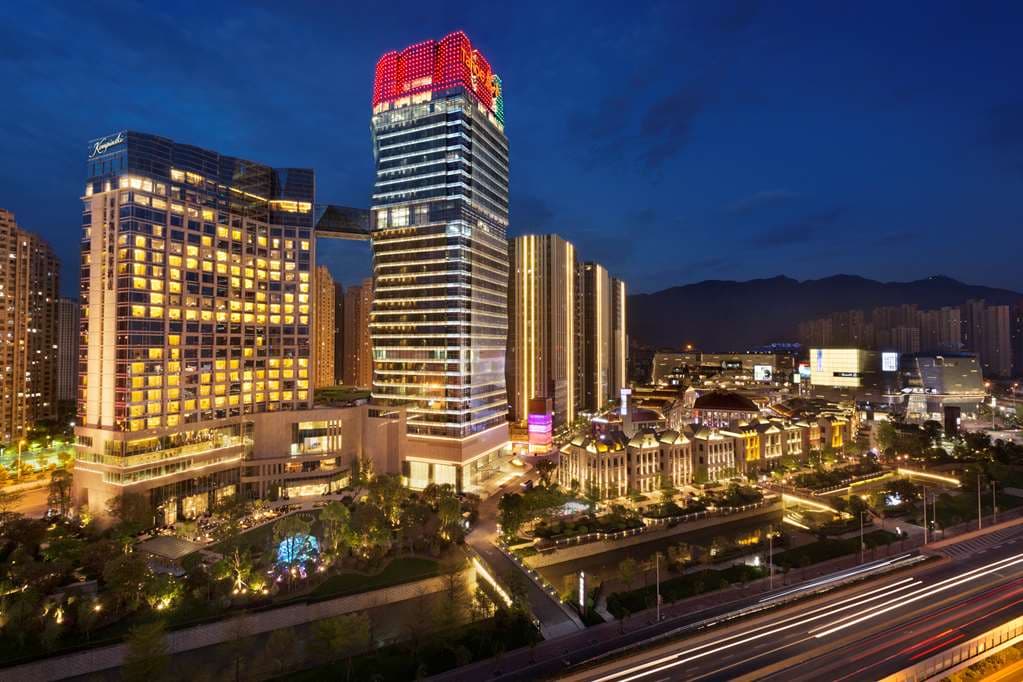
Fuzhou is a city of layers—ancient lanes wrapping around glass monoliths—and the Kempinski Hotel Fuzhou navigates this duality with characteristic German precision. Anchored beside the East Second Ring Thaihot Plaza, the location initially suggests pure commerce, yet the lobby’s massive 'Sailing' art installation immediately reclaims the narrative, nodding to the city’s port history. It is a sophisticated pivot from business efficiency to cultural artistry. The rooms are exercises in quiet competence rather than loud design. Expect soundproofing that effectively deletes the bustling plaza outside, creating a vacuum of calm where the plush linens and Valmont spa amenities can properly indulge you. The real theater, however, happens in the kitchens. While the Paulaner Bräuhaus delivers the brand’s obligatory (and excellent) pork knuckle and home-brewed wheat beer, the Taifu Restaurant is the true insider’s draw. Here, the Lychee Pork isn’t just a local staple; it’s a textural masterpiece, competing with the sautéed conch for dominance. For the heritage traveler, this property serves as a refined, reliable counterweight to the sensory overload of the Three Lanes and Seven Alleys.
“Skip the main lap pool in the evening and commandeer one of the six whirlpools in the wellness area—they are often deserted pre-dinner.”
Insider TipAvg. Nightly Rate
57USD
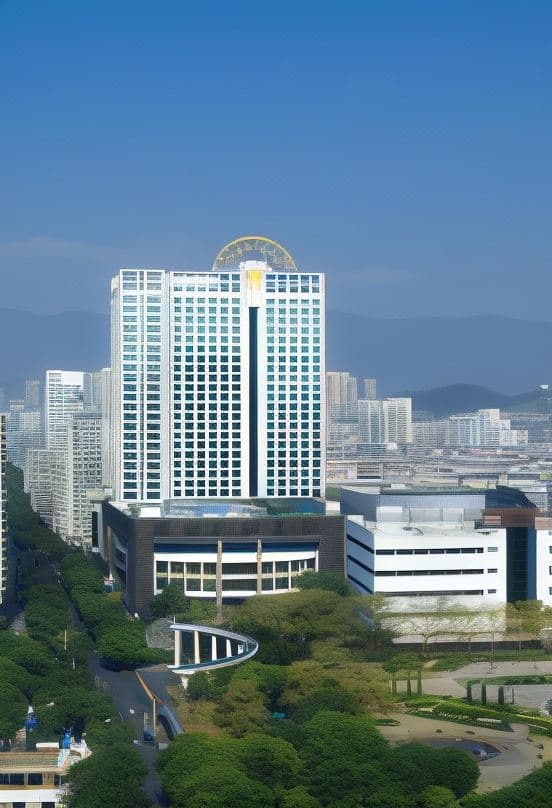
While the boutique courtyards of the Three Lanes and Seven Alleys offer intimacy, the Empark Grand Hotel (Shiji Jinyuan) offers scale. This is Fuzhou’s hospitality aristocracy—a massive, marble-clad fixture from 2001 that refuses to shrink into minimalism. It doesn't rely on Le Labo amenities or mid-century modern furniture to impress; instead, it leans on sheer, early-millennium grandeur and unbeatable hydrotherapy. The headline feature here is the plumbing: bypass the standard quarters for a 'Deluxe King Room Hotspring', where the oversized tub taps directly into the city’s fault lines, delivering authentic, mineral-rich water to your bath. It’s a private onsen experience that newer, trendier hotels struggle to engineer. Dining is equally substantial; Jin Fu Chinese Restaurant executes a sticky, collagen-rich 'Buddha Jumps Over the Wall' that justifies the dish’s legendary status. Finish at Yidian Bar, a surprisingly moody whisky lounge with a backlit wall of rare malts that feels miles away from the echoing lobby. It’s not cutting-edge cool, but it’s deeply comfortable.
“Skip the standard rooms. You must book the 'Deluxe King Hotspring' category specifically to get the in-room mineral water tap; standard tubs just use city water.”
Insider TipAvg. Nightly Rate
37USD

While Fuzhou’s Sanfang Qixiang district buzzes with restored glory, the true crown jewel of the Tsingpu Collection lies 60 kilometers away in the mist-shrouded mountains of Minqing. Tsingpu Collection Yunxi Gucuo is not merely a hotel; it is a defensive rammed-earth fortress turned living museum. The restoration here is less about polish and more about preservation—expect authentic Qing Dynasty courtyards where the wabi-sabi aesthetic isn’t a design choice, but a centuries-old reality. The sensory experience is commanded by the 'Yiwen' cultural activities, but the silence is the real amenity, broken only by the hum of the valley. Rooms are encased in historic wooden structures (light sleepers, pack earplugs) featuring high-tech comforts like Dyson hair dryers and plush linens that contrast with the raw timber frames. Dining is hyper-local at 'The Dining Room'; do not leave without trying the Red Vinasse Vermicelli and the collagen-rich Olive and Pig Trotter Soup, a savory masterclass in Min cuisine. With personal butlers anticipating your need for a buggy ride to the forest hot springs, this is heritage hospitality at its most immersive.
“Ask your butler to book a sunset session at the natural hot spring pools in the adjacent valley resort—it's the perfect antidote after exploring the fortress's Tianjing courtyards.”
Insider TipAvg. Nightly Rate
350USD
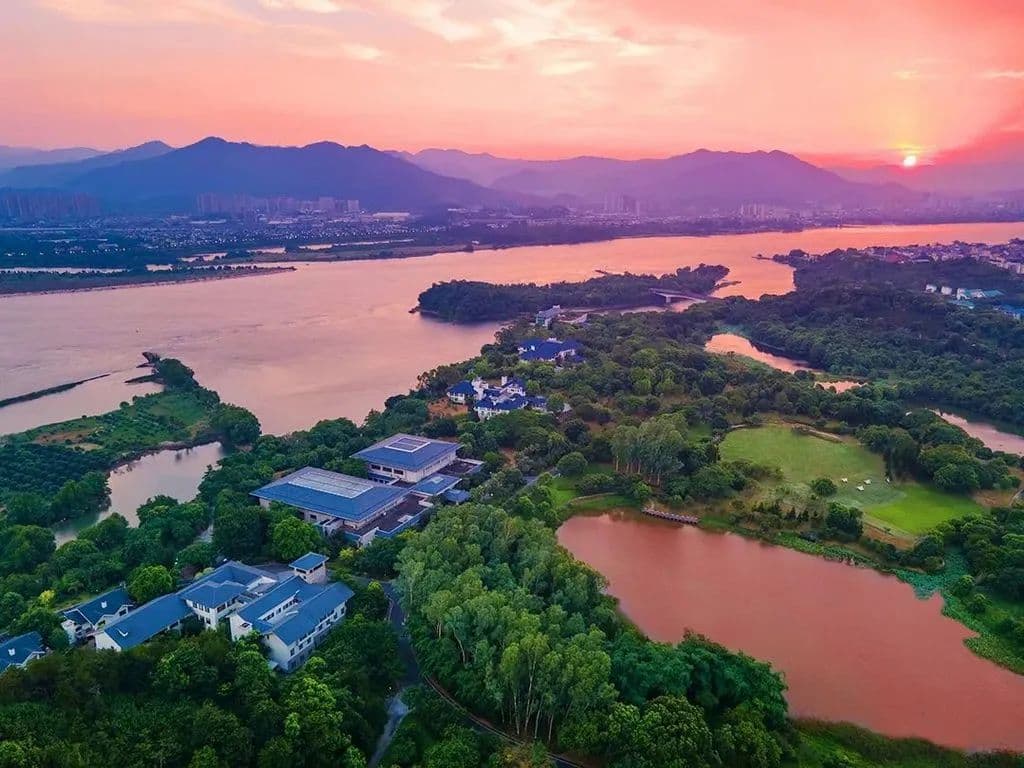
Carp Islet Resort (Li Yu Zhou) operates on a scale that feels almost sovereign—a 180-acre riverine sanctuary that functions as both a State Guesthouse and a living museum of Min architecture. This is not a boutique hotel; it is a macroscopic experience of Fuzhou’s ecological grandeur. You check in not for trend-chasing interiors—the 2001 build retains a distinct, early-millennium diplomat aesthetic with heavy polished woods and vast, silent corridors—but for the absolute silence and the preservation of Fujianese craft. The standalone villas are the real draw, mirroring the intricate woodwork of the Three Lanes and Seven Alleys but breathing with the space of the Min River wetlands. Mornings here are strictly analog; swap the podcast for the 'Oxygen Bar' nature therapy, where the air quality is monitored like a vital sign. Dinner at the Chinese Restaurant is non-negotiable: order the signature Old Duck Soup and the steamed Minjiang White Tiao Fish, dishes served with a precision that betrays the kitchen's experience feeding dignitaries. It is grand, slightly retro, and utterly composed.
“Skip the paid shuttle to Sakura Island unless it is peak March bloom. Instead, request a 'Lakeside Cabin' and wake up at dawn to spot the resident silver pheasants on the 3km jogging loop.”
Insider TipAvg. Nightly Rate
125USD
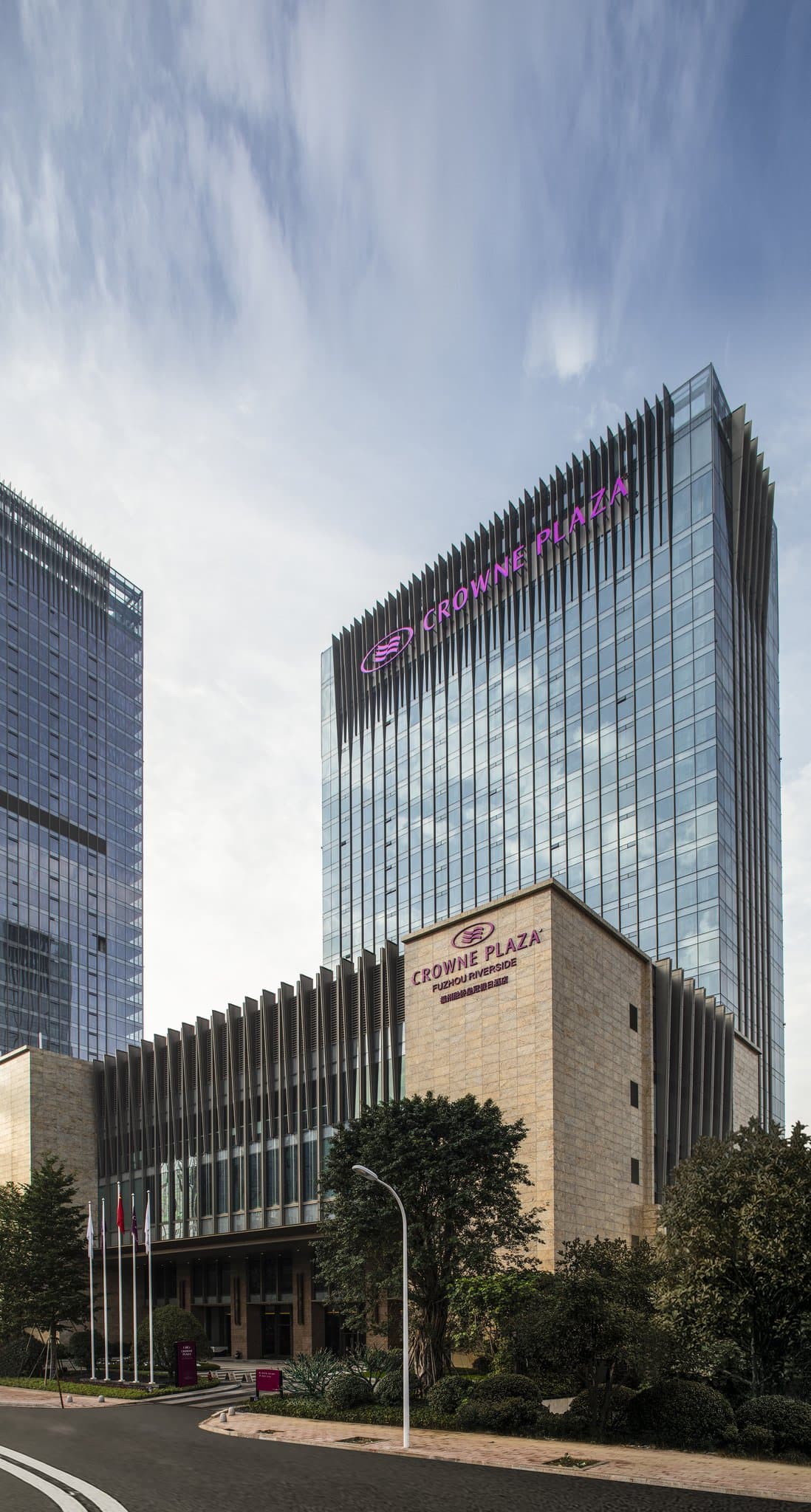
While Fuzhou’s soul resides in the Ming-dynasty wood of Sanfang Qixiang, its ambition soars here, in the North Minjiang CBD. The Crowne Plaza Fuzhou Riverside offers a polished, high-rise counterpoint to the city’s ancient lanes. It is the modern mirror to the historic heart—where the Min River, once the artery of the tea trade, now reflects glittering skyscrapers. The vibe is unapologetically corporate-luxe, yet softened by the thoughtful hospitality of staff like Elma, whose attention to detail rivals a personal butler. Rooms are quiet monoliths of comfort, featuring floor-to-ceiling windows that turn the river sunset into a private cinema. For dinner, bypass the international buffet for ‘Cai Feng Lou’, where the Baked Wenchang Chicken with Pepper offers a fragrant kick that lingers pleasantly. It’s a stay that proves you don’t need to sleep in a museum to appreciate the culture; sometimes, you just need the best view of it.
“Book a river-facing room on a high floor to watch the nightly light show over the Minjiang Park, and order the Jasmine tea set in the Lobby Lounge—Fuzhou is the birthplace of jasmine tea.”
Insider TipAvg. Nightly Rate
71USD