No. 01
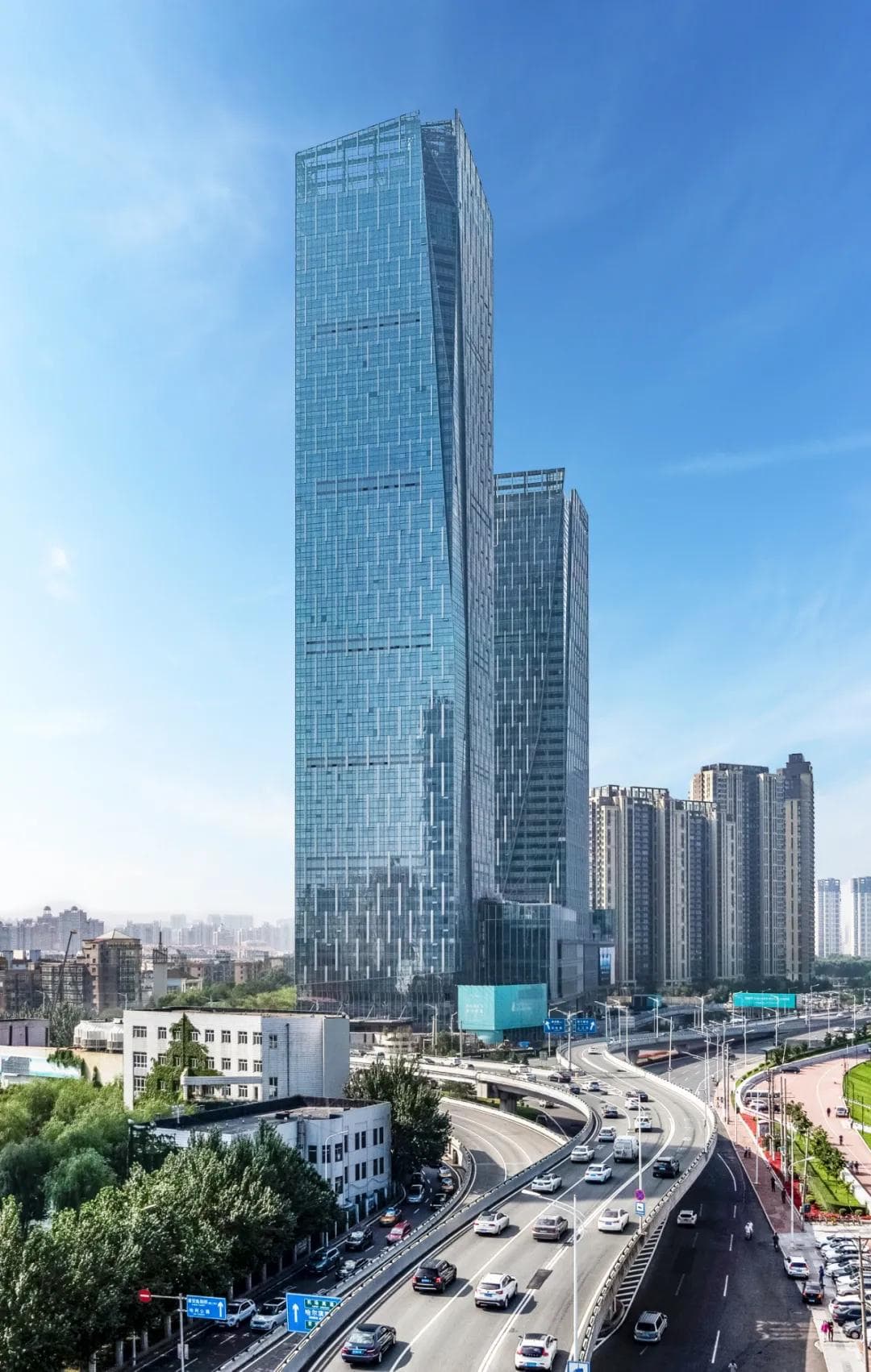
TOWER 1 NO 660 W YOUYI RDHarbin1371 verified reviews
9
.8
Bitvoya Edit
Layering imagery, place, and detail before the page opens.
Harbin is a city of ice and spice, where European heritage meets hearty Northern Chinese hospitality. Central Street (Zhongyang Pedestrian Street) is the beating heart of this fusion, a cobblestone promenade lined with Russian baroque architecture and an endless array of culinary delights. From the historic elegance of the Puyan Hotel to the soaring modern luxury of The Ritz-Carlton, Harbin, staying in this district puts you steps away from the famous Madieer popsicles and authentic Dongbei dumplings. Daoli District offers a vibrant atmosphere for food enthusiasts, while the nearby Songhua River provides a scenic backdrop for evening strolls. This curated collection guides you through the finest gastronomic gateways where luxury accommodation meets world-class dining.
Harbin offers a culinary landscape unlike anywhere else in China. The unique blend of Chinese, Russian, and Jewish influences created a fusion cuisine that is robust, savory, and sophisticated. Choosing a hotel near Central Street means you are immersing yourself in the epicenter of this gastronomic evolution. Properties like the Sofitel Harbin and Shangri-La Hotel, Harbin not only provide luxury amenities but also house award-winning restaurants that serve local specialties such as Harbin red sausage, dalieba (Russian bread), and Guo Bao Rou (sweet and sour pork).
Expect a heavy emphasis on seasonality and warmth. In winter, hotel menus feature warming stews and high-calorie comforts essential for the sub-zero climate. Luxury hotels in Harbin take pride in their breakfast buffets, often featuring stations dedicated to local delicacies like tofu pudding and steaming dumplings. Furthermore, high-tea culture is prominent here, influenced by the city's European past; expect exquisite pastries served in the lobby lounges of the Sofitel and Shangri-La.
The Ritz-Carlton, Harbin offers exceptional fine dining with Cantonese and local fusion cuisine, while the Shangri-La Hotel is famous for its authentic Ice Palace restaurant.
Yes, especially from Puyan Hotel Harbin Central Street and Sofitel Harbin, which are located within or very close to the pedestrian-friendly Daoli district.
Most luxury properties listed, including the Sheraton and Shangri-La, offer extensive breakfast buffets featuring local staples like dumplings, pickles, and warm soy milk.
Explore our complete curated list of luxury accommodations, from boutique hideaways to grand dames.
Explore All Harbin HotelsHarbin is a city of brutal, beautiful extremes, and The Ritz-Carlton, Harbin matches that intensity with a masterclass in heated, high-altitude luxury. Perched in the R&F Center, this is not just a hotel; it’s a viewing platform for the frozen theater of the Songhua River. The design is a clever nod to the locale—think abstract artworks echoing snow drifts and a muted palette of coffee and cobalt that feels distinctly 'winter chic' without the kitsch. Your refuge from the sub-zero bite is a guest room that feels less like a suite and more like a private observation deck. The soaking tubs with jets are a non-negotiable perk after a day exploring Central Street, especially when paired with the property's Natura Bissé spa amenities. Dining here demands attention: ‘King Wong Heen’ delivers a Cantonese high-note with its melt-in-the-mouth Longjiang Wagyu Beef, while the rooftop bar ‘FLAIR’ serves Southeast Asian tapas that provide a spicy counterpoint to the icy panorama outside. While the breakfast rush can rival a tour group migration, the staff’s swift, intuitive service keeps the chaos at bay. It is, unequivocally, the city’s sharpest address.
“Skip the lobby crowds at sunset. Head straight to the 37th-floor heated indoor pool; the river views from the water are hypnotic and far more private.”
Insider TipAvg. Nightly Rate
301USD
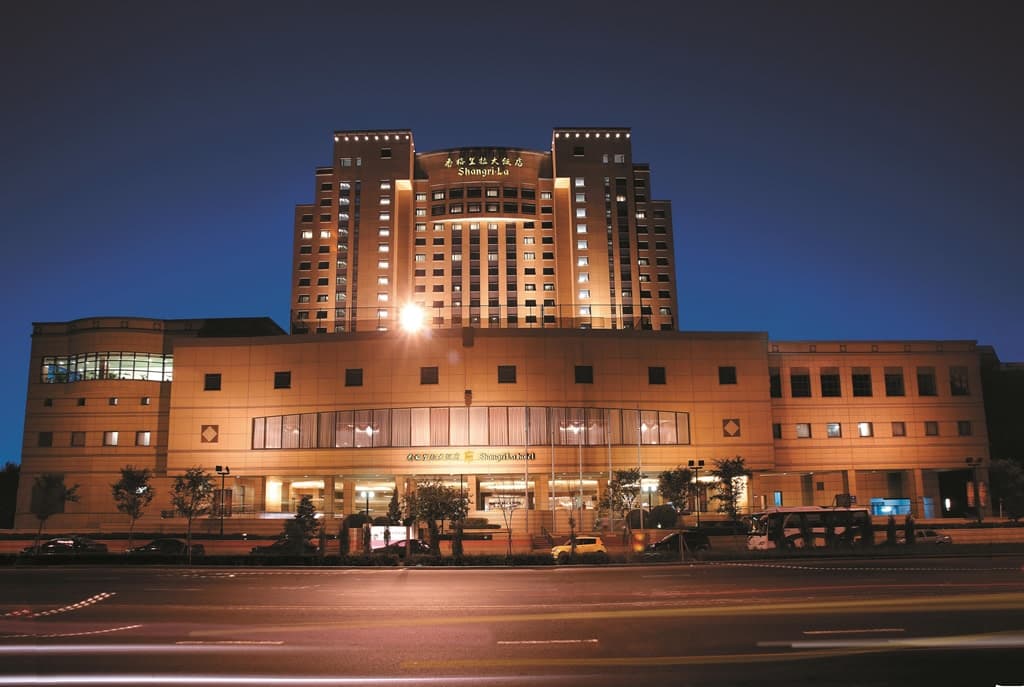
Harbin’s winters are less a season and more a survival sport, demanding a base camp with gravity. Enter the Shangri-La Harbin. While flashier, glass-wrapped contenders have risen in Songbei, this Daoli district matriarch remains the city’s emotional anchor. The lobby alone—a vast, chandelier-lit expanse of polished marble—feels like a set piece from a Cold War thriller, offering a heavy, caloric warmth that modern minimalism simply can’t replicate. The hardware is unapologetically classic. You won’t find voice-activated controls here; instead, you get dark mahogany furniture and blackout curtains substantial enough to insulate against the Siberian winds whipping off the Songhua River. The real magic, however, lies in the property's culinary schizophrenia: the 'Shang Palace' serves a Peking Roast Duck with a skin-shatter ratio that respects tradition, while the seasonal 'Ice Palace' indulges in pure frozen theatre. Eating spicy hot pot in a transparent ice yurt while downing vodka from frozen tumblers is the kind of fever-dream dining that defines a Harbin trip. When the chill inevitably seeps in, the CHI Spa offers a tactical retreat with its Five Elements treatments, designed to defrost you from the marrow out. It’s not the sharpest, newest hotel in the north, but it possesses a texture and service competence that the newcomers are still trying to manufacture.
“Book the 'Ice Palace' hot pot at least 48 hours in advance—the yurts are limited and book out instantly during the Ice and Snow Festival.”
Insider TipAvg. Nightly Rate
74USD
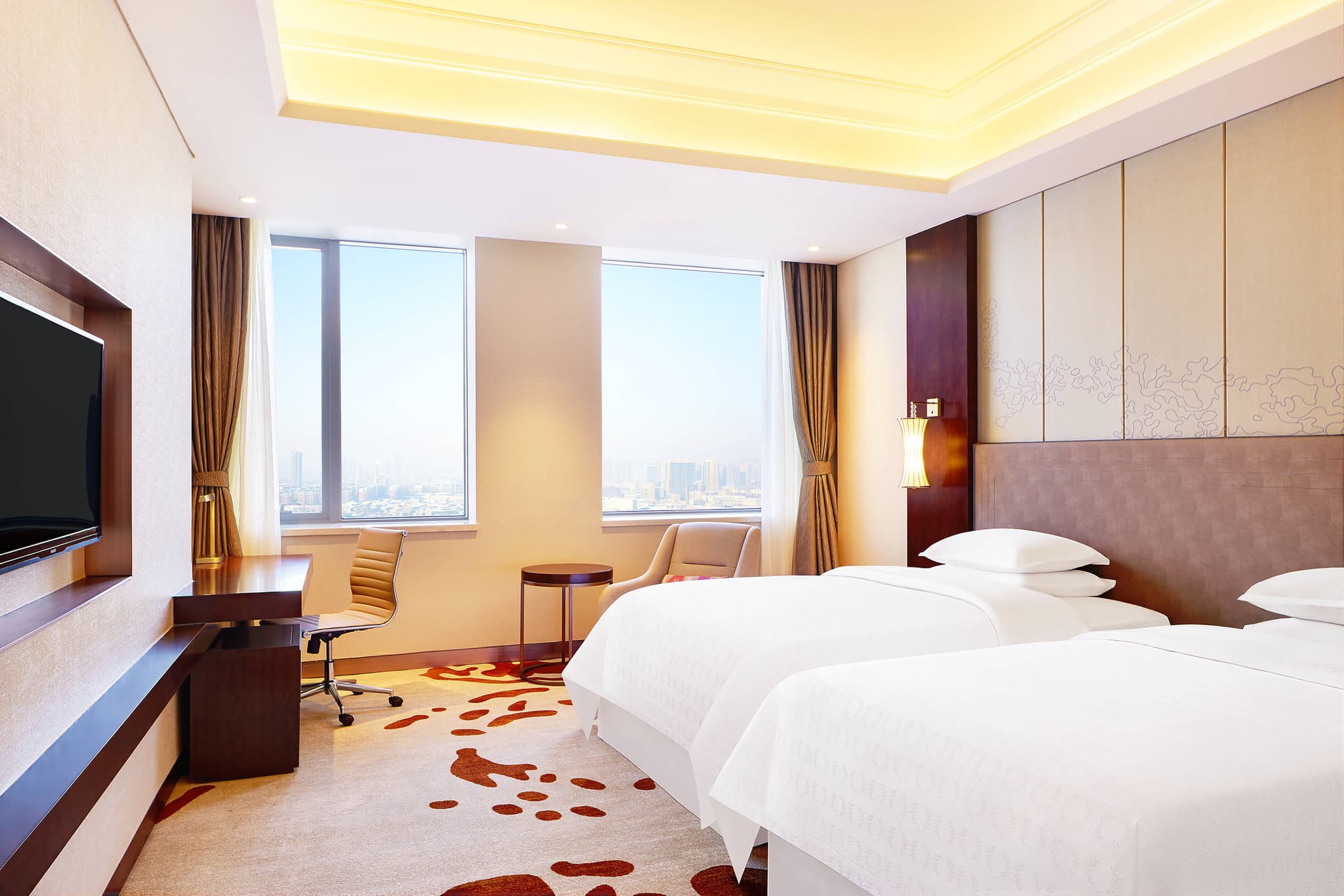
Harbin’s Central Street is a sensory assault of frozen pear vendors and baroque architecture, but when the mercury drops to -20°C, you don’t want a boutique; you want a fortress. The Sheraton Harbin Xiangfang functions exactly as that warm, reliable embrace. While it sits a forty-minute drive from the Saint Sophia Cathedral, this property operates as a self-contained ecosystem of warmth, anchoring the Xiangfang district with a scale that feels more ‘diplomatic summit’ than ‘ski lodge.’ The rooms, starting at a generous 45 square meters, soften the hotel's massive footprint with deep soaking tubs and blackout curtains that actually work—a necessity after a day of blinding snow glare. But the real draw for the culinary traveler is the caloric recovery. At 63# Restaurant & Bar, the American BBQ ribs arrive falling off the bone, paired with house-brewed craft beer that rivals any microbrewery in the historic district. For breakfast, FEAST Signature Restaurant abandons the usual tepid continental spread for a full-throttle Dongbei experience, featuring steaming stews and fresh seafood on ice. It connects directly to Eontime City, but with the Technogym-equipped fitness center and a heated infinity pool maintained at a tropical 28°C, you might find little reason to leave this climate-controlled bubble. It’s the pragmatic, polished choice for travelers who prefer their adventures followed by predictable, high-thread-count luxury.
“Request a room on a high floor facing the Eontime Theme Park; at night, the park's illuminations provide a neon light show viewable from your soaking tub.”
Insider TipAvg. Nightly Rate
79USD
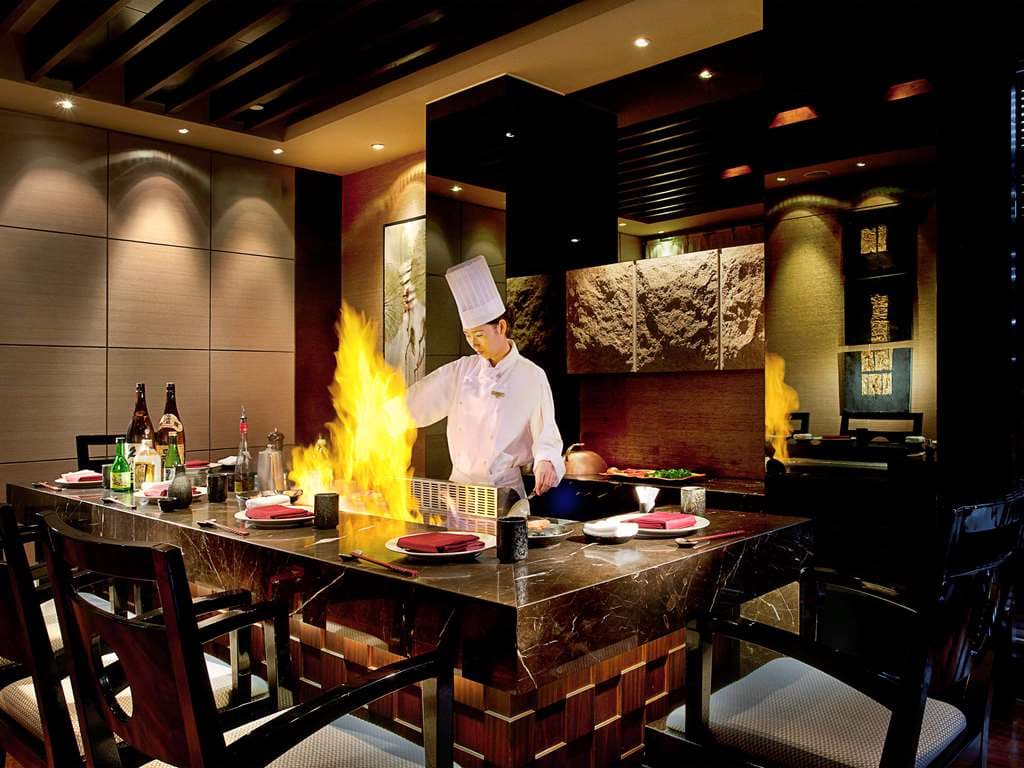
Harbin’s reputation as the ‘Moscow of the East’ often overshadows its Gallic aspirations, but the Sofitel Harbin corrects the record with aplomb. Located a strategic distance from the tourist-heavy Central Street, this property acts less like a hotel and more like a diplomatic bridge between French sophistication and Heilongjiang’s rugged charm. The lobby, a study in polished marble and chandeliers, sets a tone of serious luxury, though the real draw is the seamless pivot from wellness sanctuary by day to social hub by night. Upstairs, the rooms are generous—starting at 35sqm—and while the decor leans towards a classic aesthetic that some might call ‘vintage,’ the upkeep is immaculate. The beds are the kind of cloud-like affairs that ruin you for home, and the bathrooms, stocked with L’Occitane amenities (or Cinq Mondes in suites), are spa-grade. A witty quirk for the winter traveler: the heating is enthusiastic, often creating a tropical microclimate that defies the sub-zero reality outside—pack light sleepwear. Culinary exploits here are serious business. ‘Elements’ isn’t your standard hotel buffet; the Seafood on Ice is a briny masterpiece, and the hand-pulled noodles offer a necessary local grounding. For a nightcap, Ku Bar delivers signature martinis that could rival any Parisian lounge. It’s a polished, if slightly dated, grand dame that knows exactly how to host.
“Request a high-floor room ending in '08' for the most perfectly framed view of the Dragon Tower (Long Ta) against the city skyline.”
Insider TipAvg. Nightly Rate
61USD
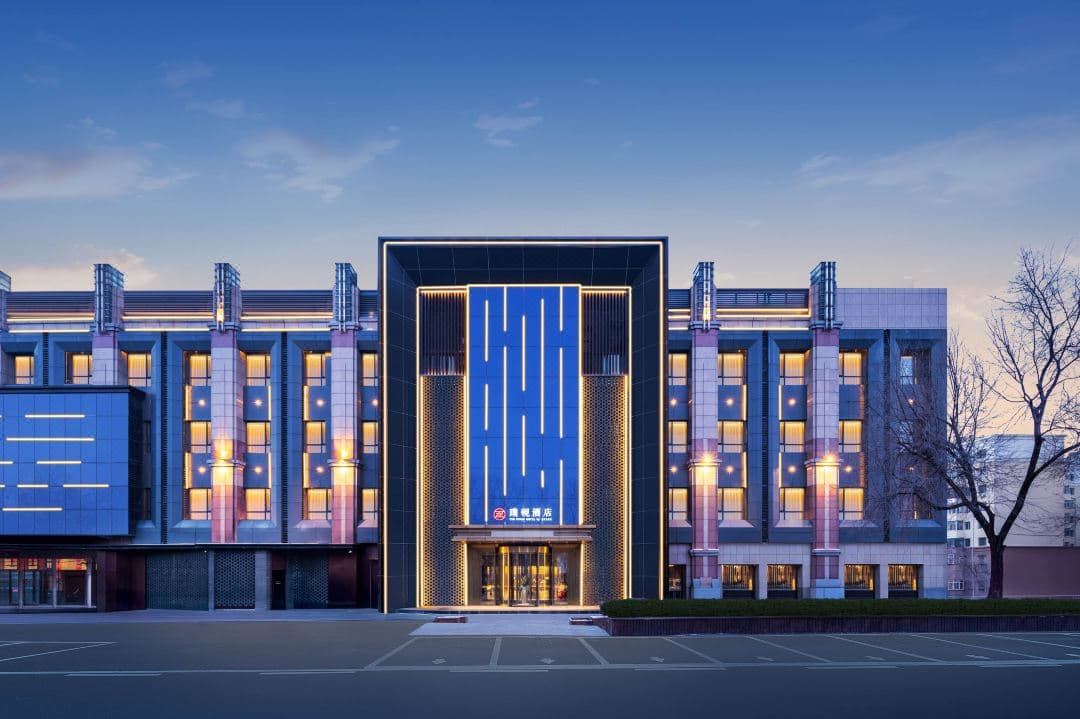
Harbin is a glorious assault on the senses—sub-zero winds, neon lights, and crowds clamoring for Madieer popsicles. Puyan is the antidote. Located at the literal terminus of Central Street, where the cobblestones vanish into the Songhua River, this independent property eschews the gaudy Russian-Baroque mimicry of its neighbors for a calm, Zen-industrial aesthetic. The lobby is a hushed atrium of warm timber and slate, a sharp pivot from the cacophony outside. The rooms are designed as bunkers against the -30°C chill, equipped with the Holy Trinity of Harbin survival: aggressive floor heating, high-output humidifiers to combat the dry air, and Dyson hair dryers. While the 'Puyan All-Day Dining' serves a capable *guobaorou*, the real flex is the butler service. A knock at the door brings complimentary frozen pears—sliced and icy—and late-night hot milk, a ritual that feels surprisingly grounding after a day on the ice. It’s not a grand heritage hotel; it’s something smarter: a warm, functional viewing deck for the frozen theater outside.
“Request a 'River View' room on the 5th floor or higher. You’ll get a front-row seat to the cable cars swaying over the frozen river and the Ice and Snow Carnival without the noise.”
Insider TipAvg. Nightly Rate
85USD