No. 01
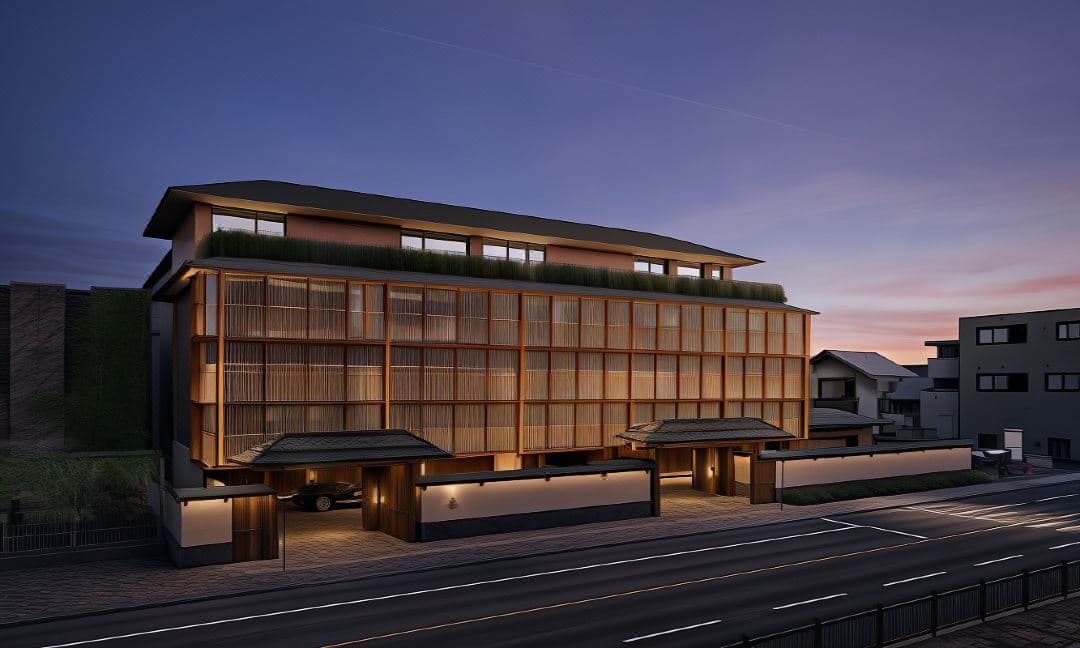
431 Myohoinmaekawa-cho Kyoto-shi JapanKyoto78 verified reviews
9
.0
Bitvoya Edit
Layering imagery, place, and detail before the page opens.
Kyoto is a city where time seems to stand still, particularly in the winding cobblestone streets of the Higashiyama District and the atmospheric alleys of Gion. This curated collection, 'Heart of Heritage,' invites you to reside within the living history of Japan's ancient capital. We have selected properties that serve not just as places to sleep, but as gateways to the elusive world of the Geisha and the spiritual serenity of nearby temples like Kiyomizu-dera.
From the transformed heritage of The Hotel Seiryu Kyoto Kiyomizu, a former elementary school turned luxury retreat, to the intimate ryokan aesthetics of Sowaka, these stays offer unparalleled access to Kyoto's cultural soul. Whether you choose the modern zen of Six Senses Kyoto or the established grandeur of The Westin Miyako Kyoto, you are perfectly positioned to explore the lantern-lit magic of Hanamikoji Street.
Staying in the Gion and Higashiyama districts offers an immersive experience into the Japan of yesteryear. Unlike the modern bustle of Kyoto Station, this area preserves the architectural integrity of the Edo and Meiji periods. By choosing properties like the Park Hyatt Kyoto or Four Seasons Hotel Kyoto, travelers are not just booking a room; they are securing a front-row seat to the daily rituals of the geiko and maiko. The area is home to UNESCO World Heritage sites, traditional tea houses (ochaya), and preserved historic streets, making it the ultimate location for cultural connoisseurs.
The collection focuses on two primary, intertwining neighborhoods that represent the pinnacle of Kyoto heritage:
Guests booking these heritage stays should expect a harmonious blend of Omotenashi (Japanese hospitality) and world-class luxury. Hotels such as Six Senses Kyoto integrate wellness traditions with local aesthetics, offering onsens and zen gardens on-site. Expect interiors featuring tatami mats, washi paper screens, and cedar wood, seamlessly integrated with modern technologies. Dining is a highlight, with many of these hotels housing Michelin-starred restaurants or offering traditional Kaiseki cuisine that utilizes seasonal Kyoto vegetables. Whether it is the hillside elegance of the Westin Miyako or the intimate luxury of a converted ryokan, these stays promise a transformative journey into the heart of Japanese tradition.
Sowaka is located directly within the Gion district, offering an authentic ryokan experience. The Hyatt Regency Kyoto and Park Hyatt Kyoto are situated immediately adjacent to Gion in the Higashiyama area.
Yes, hotels like Four Seasons Hotel Kyoto and The Westin Miyako Kyoto offer extensive family amenities, including pools and spacious room configurations, while maintaining a luxury atmosphere.
Yes, several properties feature exceptional wellness facilities. The Hotel Seiryu, Six Senses Kyoto, and The Westin Miyako Kyoto are renowned for their spa services and onsen-style baths.
Explore our complete curated list of luxury accommodations, from boutique hideaways to grand dames.
Explore All Kyoto HotelsForget the dusty tropes of tatami-mat austerity. Six Senses Kyoto, opened April 2024 in Higashiyama, is a slick, high-tech reinterpretation of the Heian court. The lobby sets a dramatic stage with a raku-yaki tile screen depicting Mount Kurama and a ceiling mimicking folded origami, but the real draw here is the aggressive pursuit of wellness. This isn't just about a massage; it's about the Biohack Recovery Lounge, where compression boots and red-light therapy undo the damage of 20,000-step temple runs. Rooms are hushed sanctuaries with sleep-tracking tech and organic mattresses that arguably outclass the nearby luxury incumbents. Dining at Sekki follows the 24 solar terms of the micro-seasonal calendar—expect vegetable-forward precision that rivals the city's kaiseki giants, while the Nine Tails bar pours bespoke spirits under moody amber lights. It’s expensive, yes, and the location demands a taxi for dinner in Gion, but for a recharge that balances ancient aesthetics with biohacking modernity, it is unrivaled.
“Book a Premier Suite facing the Toyokuni Shrine for private garden views, and hit the Watsu pool early morning before the post-breakfast crowd descends.”
Insider TipAvg. Nightly Rate
830USD
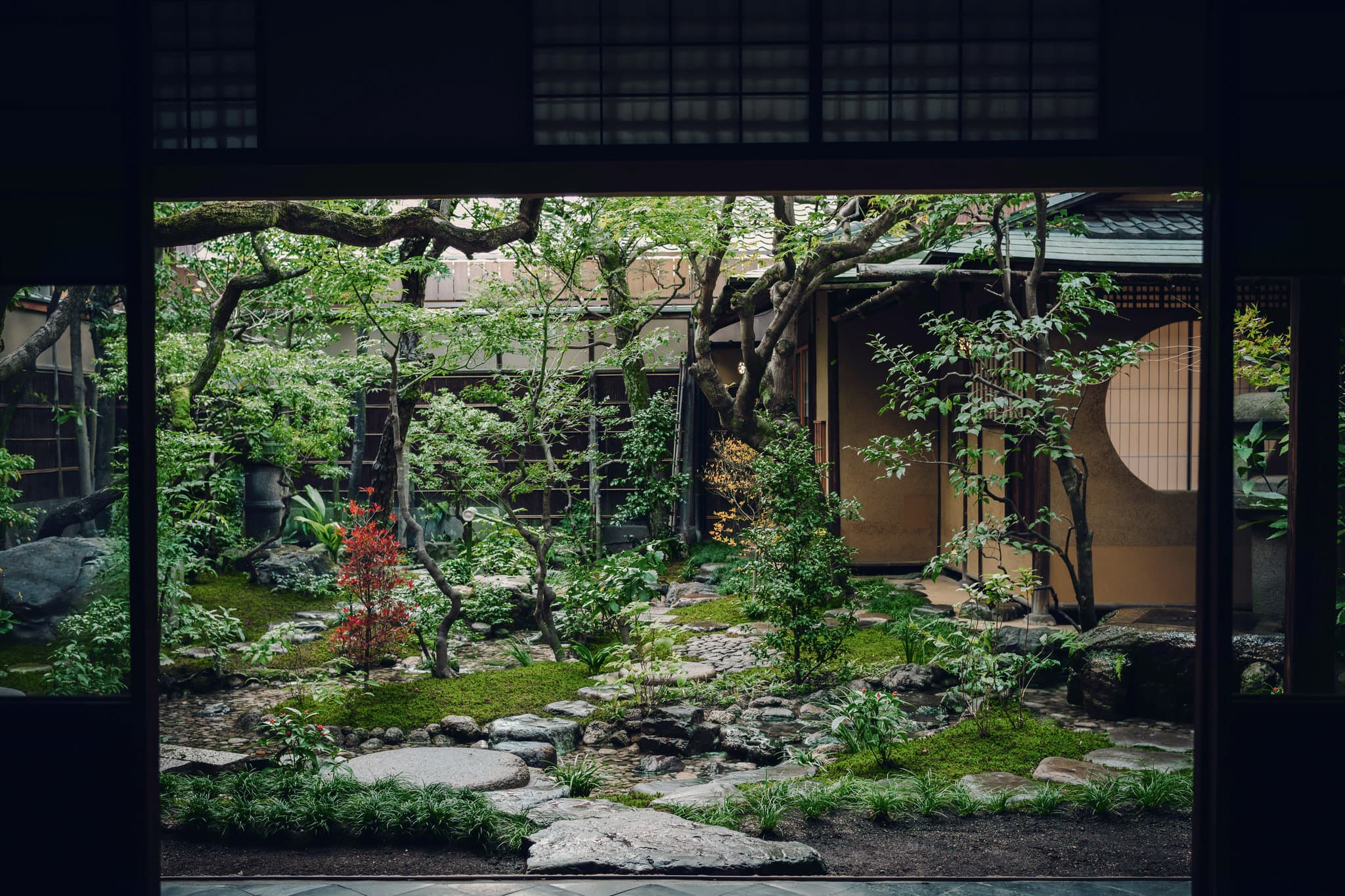
To call Sowaka a 'refuge' cheapens the architectural surgical strike it has performed on this corner of Gion. Just meters from the selfie-stick battles of Yasaka Shrine, this property—formerly a Taisho-era ryotei—commands a silence that feels almost heavy. The layout is a deliberate maze. In the Main Building, history dictates the footprint: low beams, creaking corridors, and the scent of aged tatami. The Annex, by contrast, is a study in modern Japanese minimalism, but both wings share a devotion to the sensory. We aren't talking generic luxury; the bathrooms feature soaking tubs of Japanese cypress (hinoki) so aromatic they act as a sedative, paired with camellia oil amenities by local institution Kazurasei Shinise. Dining at Gion Loka is mandatory. The chef abandons the rigid script of traditional kaiseki for something more dangerously palatable—specifically, the sashimi dressed in truffle paste and the signature clay pot rice, which arrives with a theatrical release of steam. Evening recaps should happen at 'The Bar,' a brooding, four-seat counter dedicated to Japanese whisky and obscure sakes. Is it perfect? Not quite. The breakfast service operates with a rigidity that brooks no tardiness, and the strict child policy reinforces the quietude to a fault. Yet, securing 'Two Michelin Key' status in 2024 confirms what the locals whisper: this is the closest you can get to living inside a Kyoto period drama without a script.
“Book Room 109 in the Main Building for the iconic heart-shaped 'Inome' window that frames the garden foliage perfectly.”
Insider TipAvg. Nightly Rate
515USD
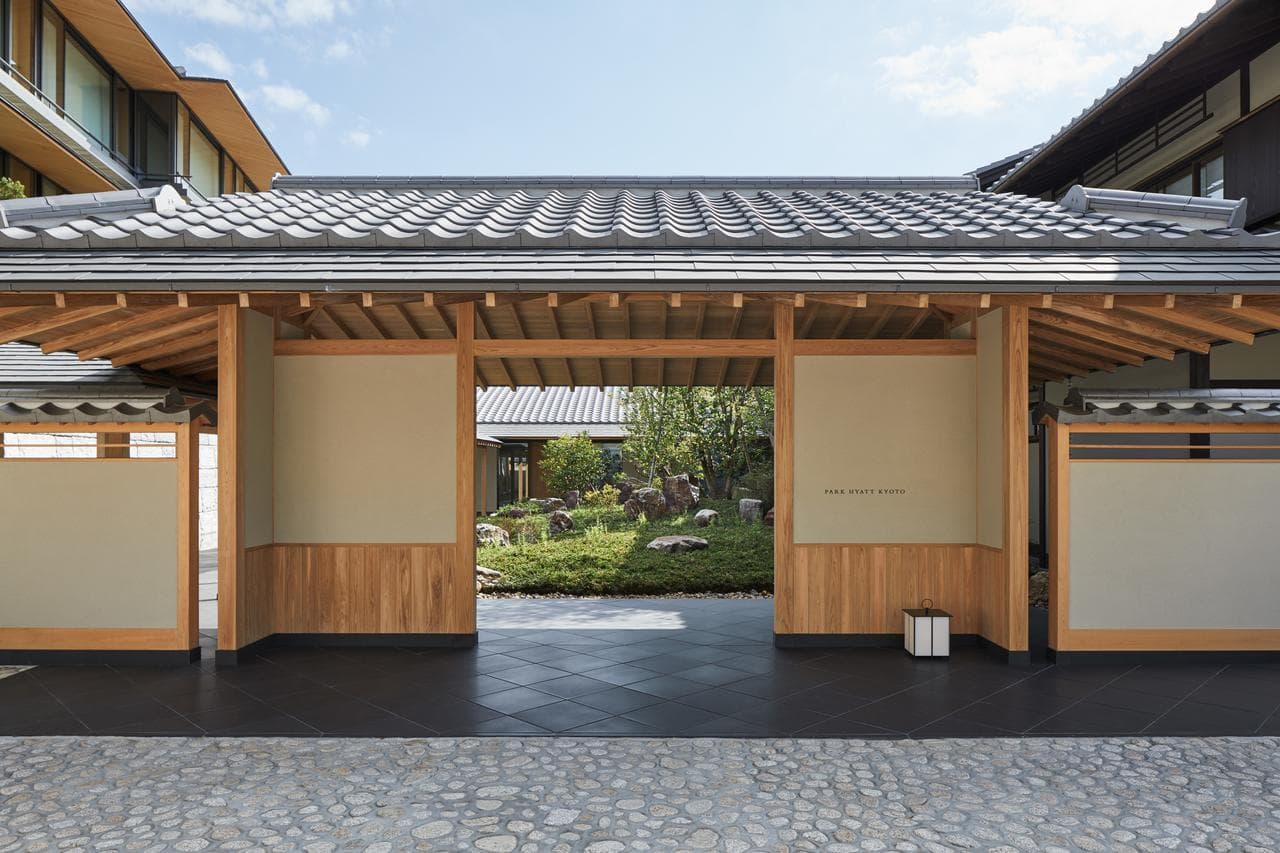
If the Ninenzaka steps are Kyoto’s most photographed artery, the Park Hyatt is its silent ventricle. Perched instantly atop the tourist crush, this Tony Chi-designed fortress feels less like a hotel and more like a billionaire’s private ryokan. The property is a masterclass in 'borrowed scenery'; the Yasaka Pagoda isn't just a view, it’s practically your roommate. Inside, the silence is absolute, broken only by the slide of tamo wood doors and the rustle of the private gardens that buffer the low-slung, tile-roofed villas. The rooms master the art of shadow and light, though ground-floor suites trade privacy for intimacy with the street—a bold choice for the exhibitionist. For the true insider, the Bathhouse is the sanctuary, stocking organic KOTOSHINA amenities derived from Uji tea. Dining is a duel between eras: the historic Kyoyamato serves kaiseki on centuries-old pottery, while Yasaka slaps Ohmi Beef Tenderloin onto a teppan grill against a backdrop of the glittering city. It is ruinously expensive and impossibly exclusive—exactly as a citadel should be. **Verdict**: The ultimate velvet rope experience in Gion.
“Skip the main bar queue. As a guest, book the 'sunset hour' at Kohaku specifically for the 'Ki No Bi' gin cocktails; the window seats frame the pagoda perfectly as the sky turns indigo.”
Insider TipAvg. Nightly Rate
1500USD
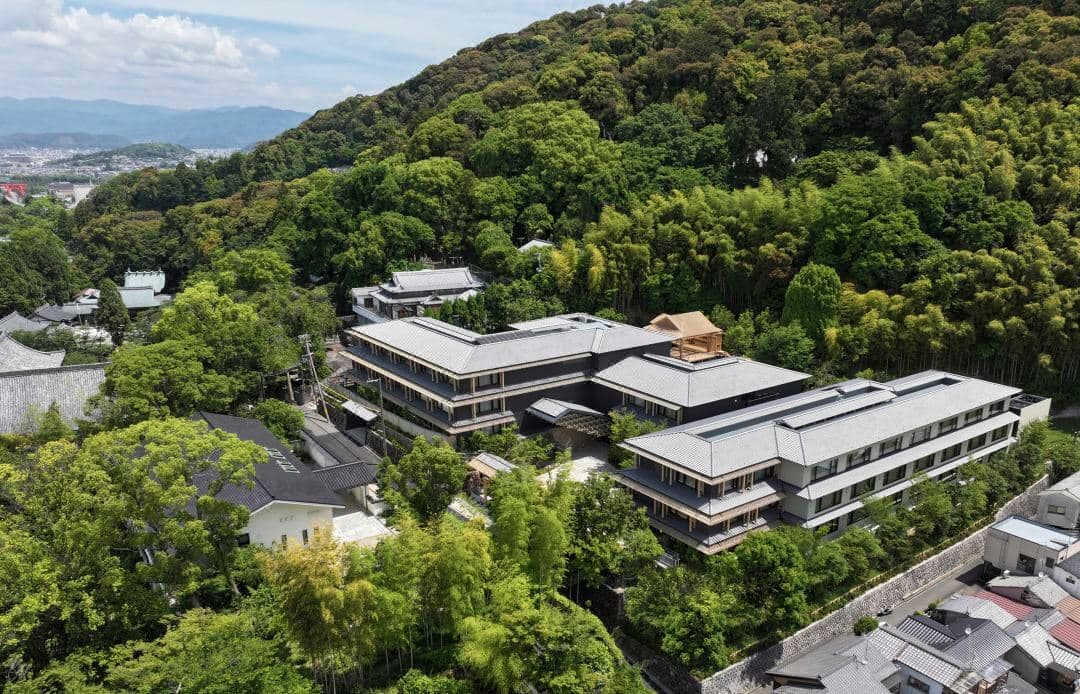
It takes a certain audacity to plant a sanctuary of silence right next to Kiyomizu-dera, Kyoto’s most chaotic tourist magnet. Yet, Banyan Tree Higashiyama Kyoto, designed by Kengo Kuma, pulls off this architectural vanishing act with aplomb. The hotel doesn’t just sit in Higashiyama; it retreats into it. The lobby experience is less about check-in and more about decompression, centered around a darkly dramatic Noh stage backed by bamboo—a visual whisper of the 'Yugen' (mystery) the brand promises. The rooms are the real triumph here. In a city where 'luxury' often just means 'concierge', this property delivers hardware that matters: private, natural onsen baths in select suites. Soaking in thermal water while looking out at a moss-covered garden, you forget the selfie-stick armies just 400 meters away. Dinner at Ryozen is a serious affair, where the seasonal Kaiseki pivots on an aged dashi broth that feels almost medicinal in its depth, though the accompanying service is still calibrating its polish to match the price point. Awarded a Michelin Key in 2025, this is a staggeringly beautiful, if occasionally stumbling, newcomer. It is a place to retreat, bathe, and watch the steam rise—a private theater of tranquility in the heart of the Gion storm.
“Book the 'Onsen Retreat' room specifically. The public baths are lovely, but having a natural hot spring fill your own tub at 2 AM is the true luxury here.”
Insider TipAvg. Nightly Rate
550USD
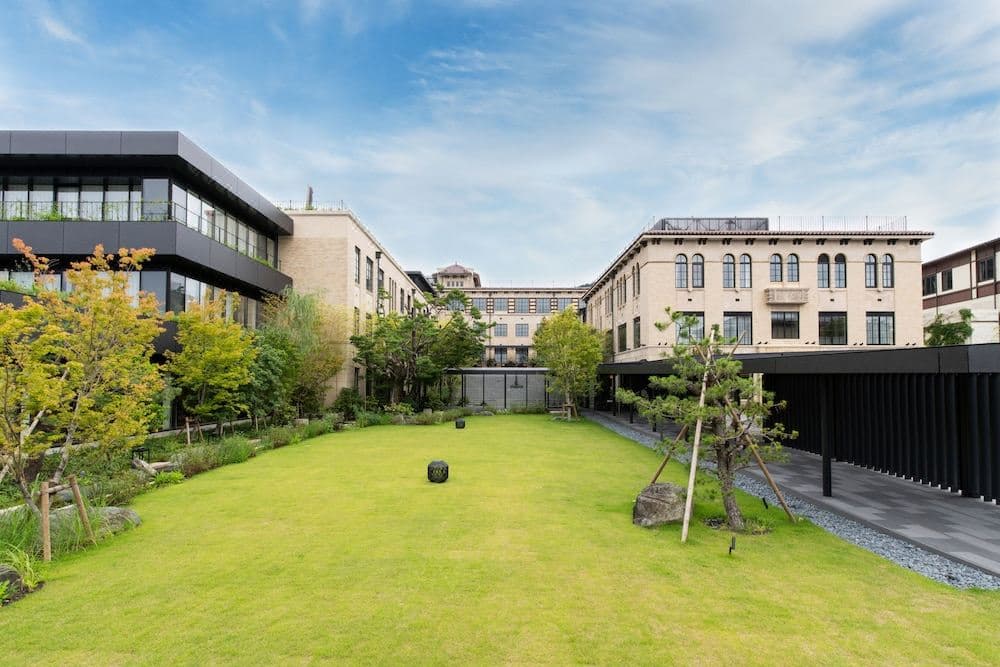
If only detention had been this decadent. Perched on the formidable slope leading to Kiyomizu-dera, The Hotel Seiryu manages an architectural sleight of hand: converting the 1933 Kiyomizu Elementary School into Kyoto’s most compelling design hotel. The Spanish Mission-style facade remains, but the squeaking chalkboards have been swapped for calm, cream-toned interiors and Natura Bissé amenities. Arrival is a tactical maneuver; the surrounding streets are a tourist choke-point, making the hotel’s gate act like a pressure valve releasing you into immediate silence. The guest rooms—formerly classrooms—exploit the school’s original high ceilings, offering a volume of space rarely found in Japan’s ancient capital. Design enthusiasts will obsess over the preserved Art Deco light fixtures and the grand staircase, which now leads to suites rather than the principal's office. But the real curriculum here revolves around the Guest Lounge. Located in the former lecture hall, it offers free-flow champagne, a perk that quickly helps you forget the crowds outside. Dining is equally serious. Benoit Kyoto, an outpost of the Alain Ducasse empire, serves a Pâté en Croûte that rivals anything in Paris, but the K36 rooftop bar steals the show. Sipping a gin and tonic while looking eye-level at the Yasaka Pagoda is the defining image of the stay. It’s expensive, yes, but for the access to the heritage and that view, it passes with flying colors.
“Since there is no pool, book one of the three private baths (Kiyomizu, Yamato, or Sakura) at check-in. They are converted classrooms with massive windows and soaking tubs.”
Insider TipAvg. Nightly Rate
600USD
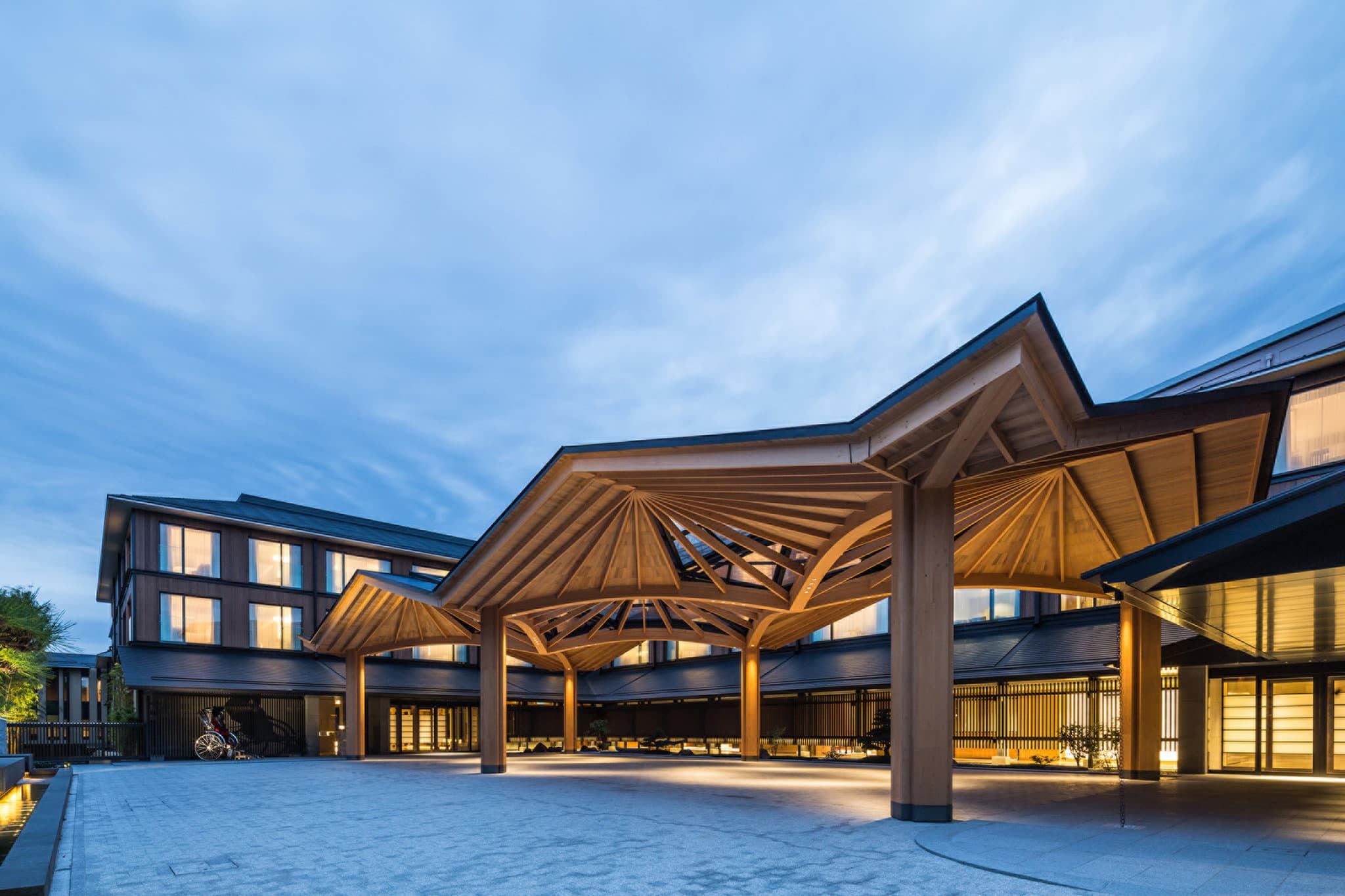
If the Imperial Court commissioned a spaceship, it might resemble this. Four Seasons Kyoto doesn’t just sit near history; it annexed it. The property anchors itself to the Shakusui-en, a 12th-century pond garden once belonging to a samurai lord. While other Higashiyama properties rely on borrowed scenery, here you own the view. Hirsch Bedner Associates stripped away the expected tatami-mat clichés, opting instead for a cathedral-like lobby where nine-meter glass walls frame the heron-filled pond. The 123 rooms are vast by Japanese standards, starting at 49 square meters. You aren't sleeping on floor futons here; think plush setups with iPad interfaces that control everything from the washi-paper drapes to room service. The bathrooms are veritable spas, featuring stone ofuro tubs deep enough to submerge up to your chin. Dining is serious business. Skip the concierge recommendations for Gion and stay in for Sushi Ginza Onodera, where the chef slices premium Yamayuki bluefin tuna with surgical precision. The subterranean spa, smelling faintly of Tatcha indigo and green tea, houses a cinematic 20-meter pool lined with moody lanterns and underwater loungers—perhaps the most photogenic swim in Kansai. It’s undeniably expensive and feels somewhat detached from the gritty charm of the nearby streets, but once you’re sipping champagne at the Fuju tea house overlooking the water, the price tag feels irrelevant.
“Book a Residential Suite on the lower floors. Unlike standard rooms, these come with full kitchens and, crucially, balconies that open directly onto the soundscape of the ancient garden.”
Insider TipAvg. Nightly Rate
1100USD
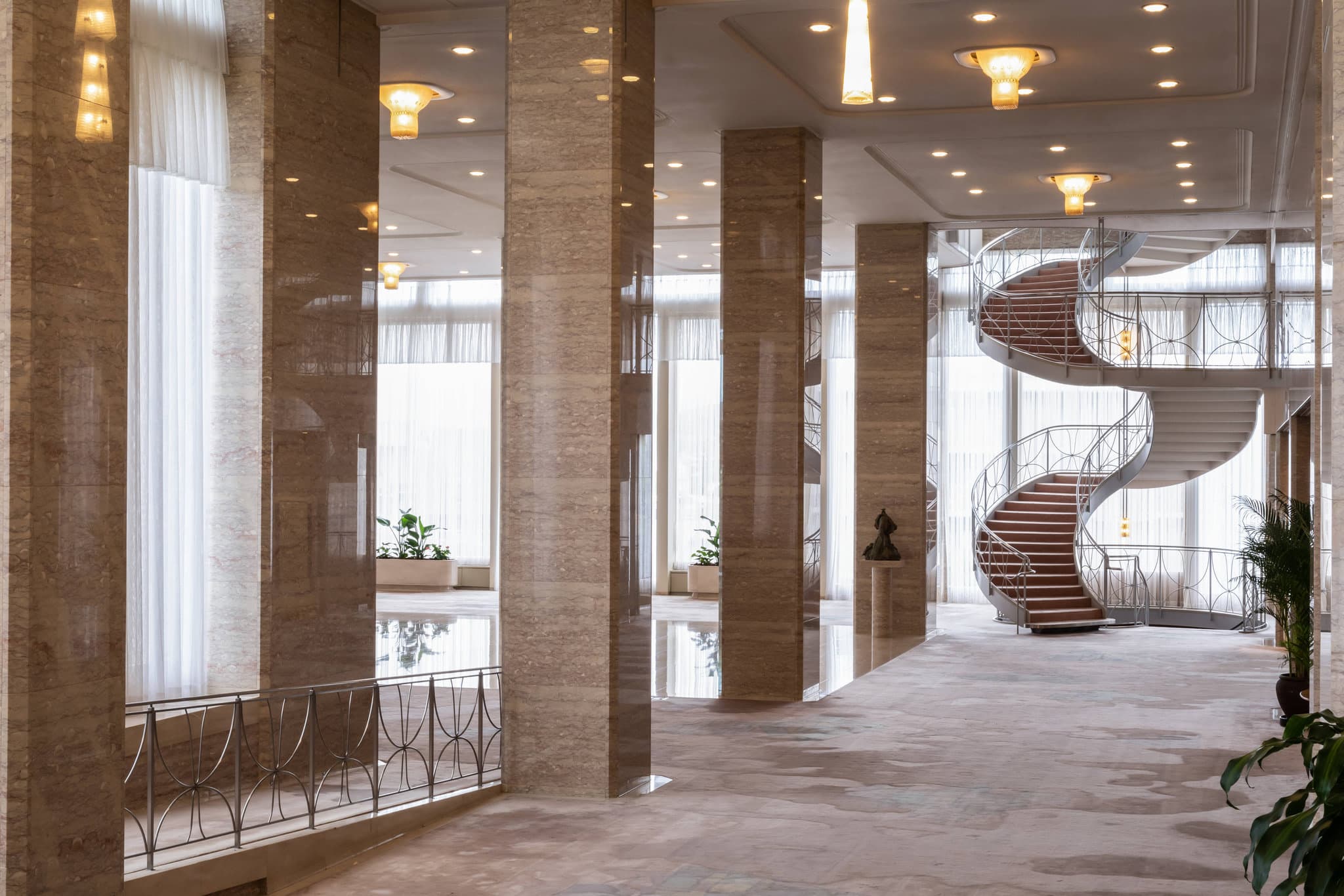
Forget the cramped machiya conversions clogging your Instagram feed. The Westin Miyako Kyoto, a Murano Togo-designed mid-century icon, has emerged from its massive 2021 renovation as the city’s most sophisticated wellness retreat. Perched in Northern Higashiyama, it trades the chaotic foot traffic of Gion for the silence of the Keage Incline. The transformation is total. The once-dated interiors now sing with blonde wood and soft light, but the real showstopper is Spa KACHO. This isn't your standard hotel steam room; it’s a legitimate onsen complex spanning two floors, pumping natural hot spring water from the ground—a nearly impossible find within Kyoto city limits. Guest rooms, starting at a generous 38 square meters, feature deep soaking tubs and that signature Heavenly Bed, now framed by minimalist Japanese aesthetics rather than corporate beige. Dining is equally serious. Dominique Bouchet’s outpost serves a Blue lobster jelly that rivals his Paris flagship, while the Kasui-en annex offers a masterclass in Showa-era architectural gardening. Service is polished to a high sheen, anticipating needs before you vocalize them. **Verdict**: A triumphant return for a heritage player, proving that in a city obsessed with the past, the best way forward is a very modern kind of luxury.
“Skip the main elevators in the morning and take the nature trail behind the hotel to the Wild Bird Sanctuary; it’s a private hike offering uninterrupted city views before breakfast.”
Insider TipAvg. Nightly Rate
194USD
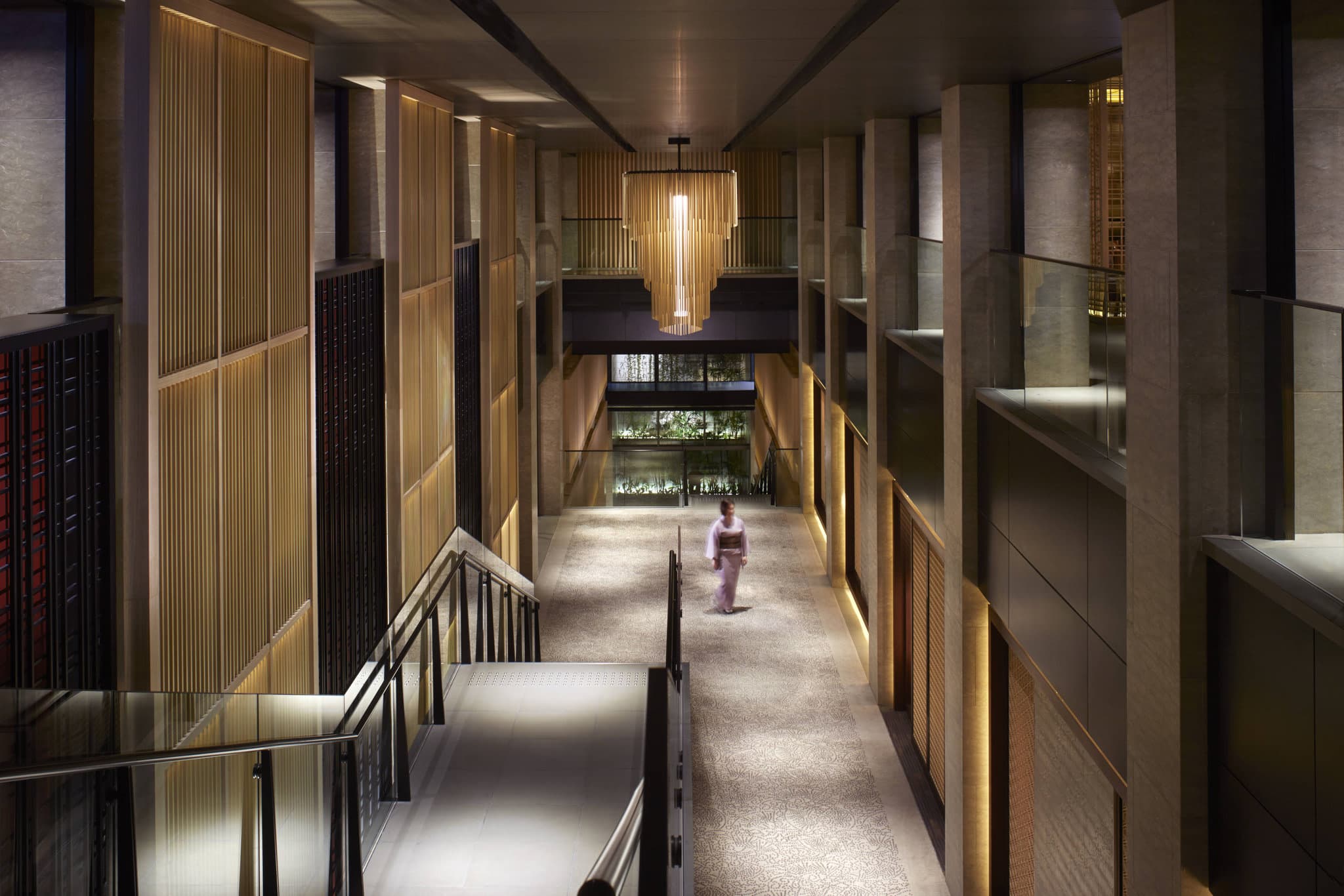
In a city where 'luxury' often devolves into a breathless race to replicate the past, The Ritz-Carlton, Kyoto pulls off a far more difficult trick: it channels the spirit of the Meiji era without becoming a dusty museum piece. Anchoring the banks of the Kamogawa River, the property functions less like a hotel and more like a fortified sanctuary of the 'Modern Ryokan' aesthetic—low-slung, brooding, and utterly composed. The design narrative here is relentless. You don’t simply walk to your room; you traverse mood-lit corridors that evoke the mystery of 'Yugen' (subtle grace). Inside, the commitment to local texture is absolute. Guest quarters honor the machiya tradition with 'engawa' sunrooms—low window-side seating that frames the Higashiyama mountains perfectly. Note the specific absence of standard-issue amenities; instead, you are treated to local Kyoto Shabon-ya soaps and immersive soaking tubs. Culinary pursuits are equally theatrical. The tempura at Mizuki is not merely dinner but performance art, particularly the shrimp heads which arrive with architectural crispness. Mornings bring a decadent, if incongruous, Parisian wink via Pierre Hermé croissants. While the basement pool feels strangely utilitarian—lacking a jacuzzi and scenic views—the service recovers the fumble with the precision of a tea master. Uniquely for the brand, Platinum Elite members receive complimentary breakfast, a rare concession that softens the blow of the nightly rate. It is a place where ancient dignity meets the sharp edges of modern luxury.
“Request a river-facing room on the 4th floor for the best 'engawa' views; ground-floor courtyard rooms sacrifice privacy for garden proximity.”
Insider TipAvg. Nightly Rate
871USD
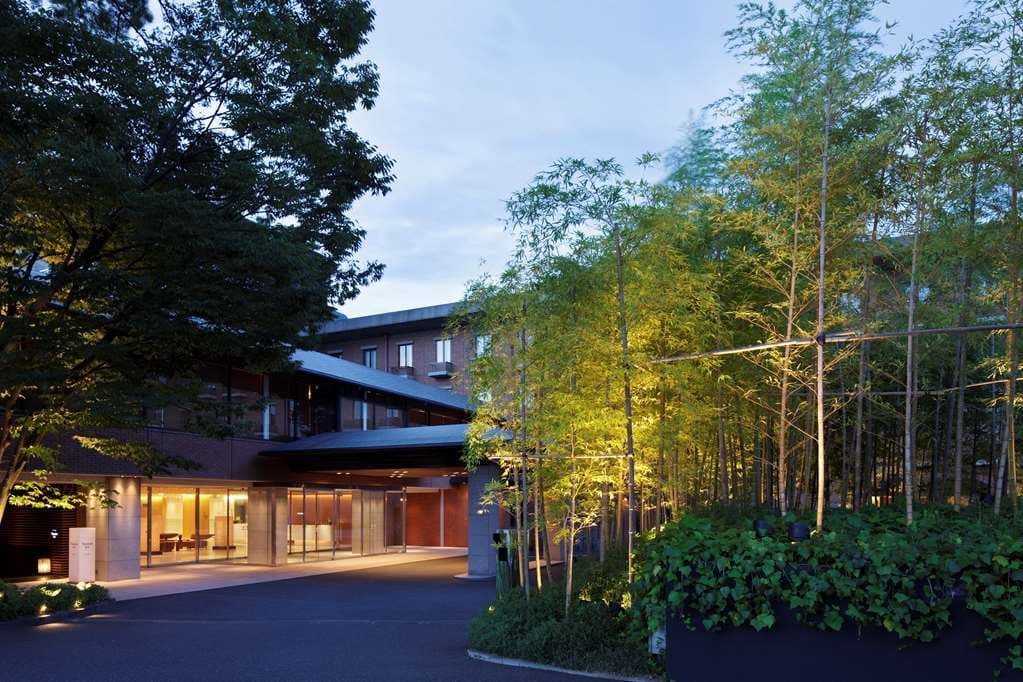
While the Park Hyatt up the hill gets the flashbulbs, the Hyatt Regency Kyoto remains the thinking traveler’s stronghold in Higashiyama. Designed by the legendary firm Super Potato, the property skips the predictable “East-meets-West” clichés for something sharper: a kinetic lobby defined by intricate wooden latticework and a bamboo grove entrance that effectively scrubs the city static from your brain upon arrival. The rooms aren't just sleeping quarters; they're lessons in restraint. Instead of generic prints, you get headboards upholstered in vintage kimono fabric—a tactile nod to the district's textile history. The lighting is low and moody, flattering both the architecture and the jet-lagged. For dining, Touzan doesn’t just serve kaiseki; its charcoal-grilled Wagyu tenderloin is a smoky revelation that justifies the price tag. But the real flex here is the location. You are literally neighbors with Sanjusangendo Temple and its 1,001 Kannon statues. Wake up early, beat the tour buses, and own the morning. It’s sophisticated without being stiff, and deeply Kyoto without the museum-piece fragility.
“Book a 'Deluxe Balcony' room on the 4th floor facing the Japanese garden. It’s the only way to get that private, moss-view contemplation spot without paying ryokan prices.”
Insider TipAvg. Nightly Rate
208USD