No. 01
DR BABASAHEB AMBEDKAR ROAD MUMBAI IN 400012 Mumbai1227 verified reviews
8
.8
Bitvoya Edit
Layering imagery, place, and detail before the page opens.
Mumbai is a city of intoxicating contradictions, where colonial heritage meets futuristic ambition. For the discerning traveler, finding a sanctuary within this chaos is essential. Our curated collection, 'Hidden Bombay,' moves beyond standard accommodation to highlight properties that prioritize architectural integrity and bespoke design. From the Art Deco mastery along Marine Drive, home to the InterContinental and The Oberoi, to the historic grandeur of Colaba near the Taj Mahal Palace, these stays offer an intimate lens into the city's soul. Whether you prefer the bustling business art district of BKC featuring the Sofitel or the vertical luxury of Lower Parel at The St. Regis, experience a side of Mumbai that defines sophistication.
Mumbai, formerly Bombay, is India's design capital, boasting the second-largest collection of Art Deco buildings in the world after Miami. A stay here is not just about a hotel room; it is an immersion into a rich tapestry of history, fashion, and architecture. The properties listed in our 'Hidden Bombay' collection, such as The Leela Mumbai and the ITC Grand Central, are chosen because they offer a boutique sensibility—personalized service, curated art collections, and unique thematic designs—within the framework of world-class luxury. Whether it is the Victorian Gothic architecture of the south or the glass-and-steel modernism of the north, these hotels serve as perfect bases to explore the design heritage of the city.
Expect a fusion of Indian hospitality ('Atithi Devo Bhava') and contemporary aesthetics. Hotels like the Grand Hyatt Mumbai are not merely places to sleep but art destinations in themselves, often featuring extensive installations by Indian artists. Culinary excellence is a staple, with many in-house restaurants ranking among Asia's best. Security, wellness spas, and concierge services that can unlock exclusive city experiences are standard inclusions in this curated list.
The InterContinental Marine Drive and The Oberoi, Mumbai offer the most spectacular unobstructed views of the Queen's Necklace and the Arabian Sea.
Yes, The Taj Mahal Palace in Colaba is Mumbai's most iconic heritage luxury hotel, built in 1903 and situated opposite the Gateway of India.
Sofitel Mumbai BKC is the ideal choice for business travelers, blending French luxury design with Indian hospitality right in the heart of the Bandra Kurla Complex.
Explore our complete curated list of luxury accommodations, from boutique hideaways to grand dames.
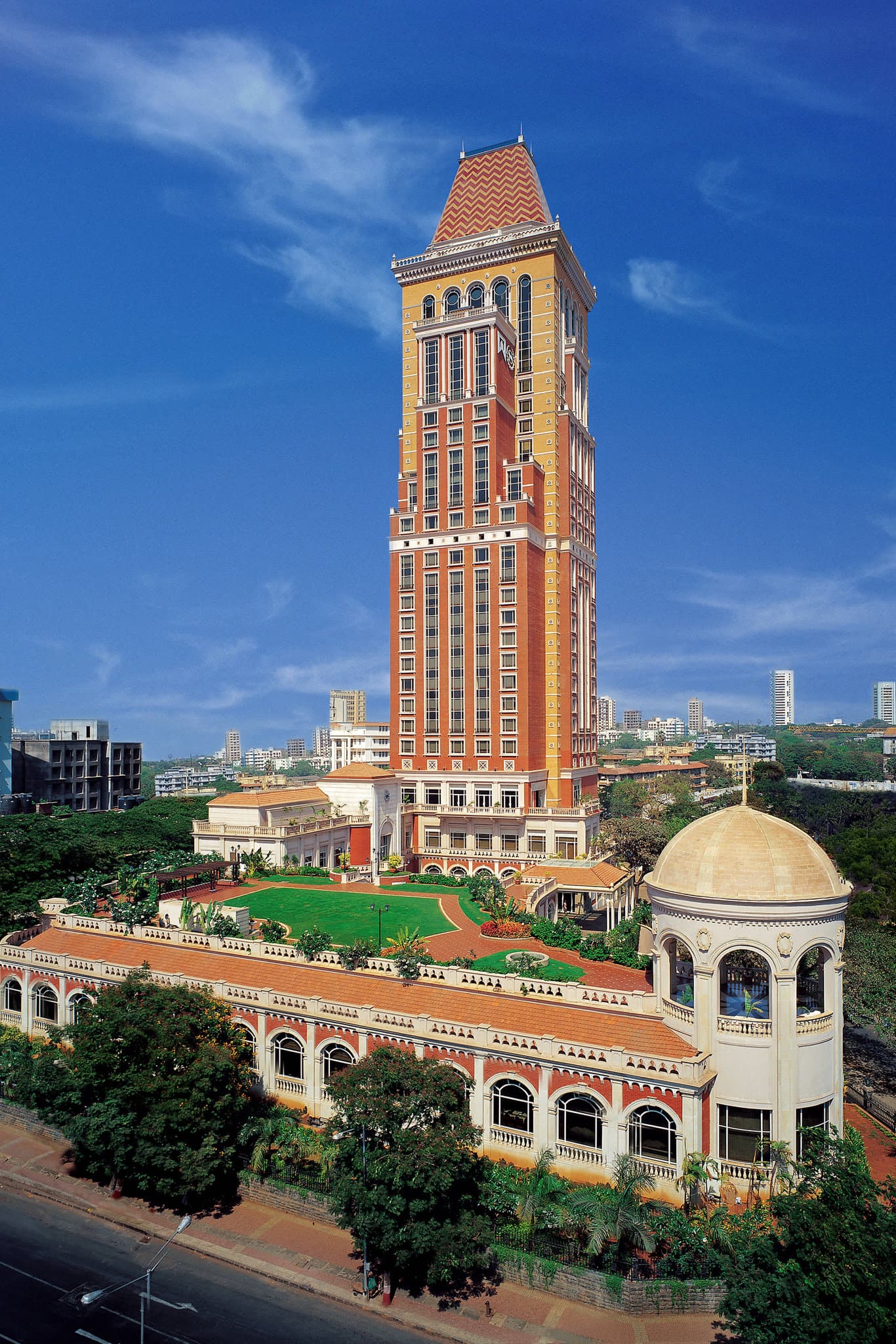
Explore All Mumbai HotelsForget the tourist trodden paths of Colaba; the real pulse of Mumbai beats in Parel, where the ITC Grand Central commands the skyline. Standing tall in the former mill district, this property doesn’t just acknowledge its industrial past—it flaunts it with a 'Mills to Malls' architectural narrative that sees colonial gas lamps and cobblestones conversing with sleek, skyscraper ambitions. Check-in is swift, a blessing for the business travelers who frequent these halls. The rooms are expansive, boasting high-quality linens that promise deep sleep, though the bathrooms, while functional with their Forest Essentials amenities, are showing slight crow's feet—a forgivable offense given the stellar water pressure. The real triumph here is culinary. 'Kebabs & Kurries' delivers a Dal Bukhara that ruins you for any other lentil dish, rich, creamy, and simmered for 18 hours. Downstairs, 'Dakshin' offers a masterclass in coastal cuisine; flag down the Iyer’s Special Trolley for a dosa that defies physics. While the lack of direct mall access is a minor gripe, the dual-pool facility—part indoor, part outdoor—makes up for it. **Verdict**: It’s not the newest kid on the block, but with its 2024 Times Food Awards wins and a LEED Zero Carbon badge, it’s easily the most dignified.
“Skip the lobby bustle for your evening drink; access to the 'Point of View' rooftop lounge offers the city's most commanding skyline panorama—perfect for a quiet deal-closing conversation.”
Insider TipAvg. Nightly Rate
154USD
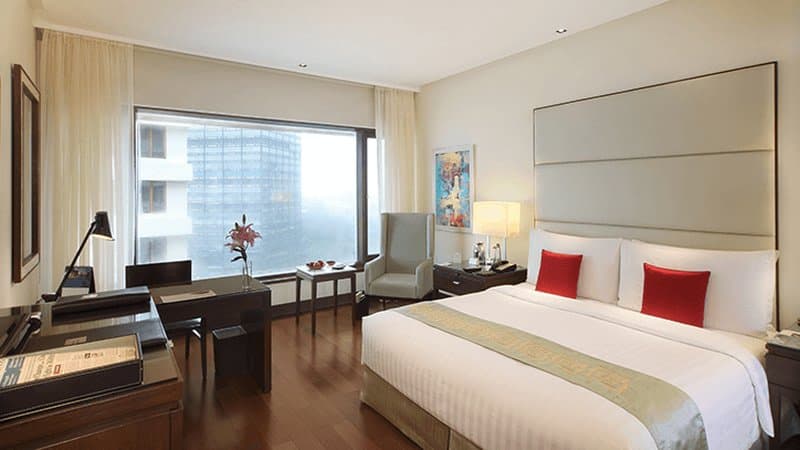
If the Trident next door is the energetic extrovert, The Oberoi is its brooding, intellectual sibling. Entering the lobby—a soaring atrium of white Thassos marble centered by a blood-red Fazioli piano—feels less like checking in and more like entering a modern art installation. In a city defined by sensory overload, the silence here is the ultimate luxury. The design is unapologetically modernist; dark oak floors and deep walnut furniture in the rooms provide a masculine, sombre counterpoint to the blinding glare of the Arabian Sea outside. While the hardware shows subtle signs of age—the occasional temperamental outlet or weary rug—the service remains aggressively perfect, with housekeeping seemingly anticipating needs before they arise. Dining is a serious affair: Ziya, mentored by Michelin-starred Vineet Bhatia, demands attention with its 'Black Gold Chicken', a dish so rich it feels illicit. Later, the Eau Bar’s terrace offers the best vantage point for the Queen's Necklace, ideally with a Marine Drive Cocktail in hand. It’s not just a hotel; it’s a masterclass in blocking out the noise.
“Book a Premier Ocean View room on a higher floor (18+) to completely escape the hum of Marine Drive traffic while keeping the view.”
Insider TipAvg. Nightly Rate
300USD
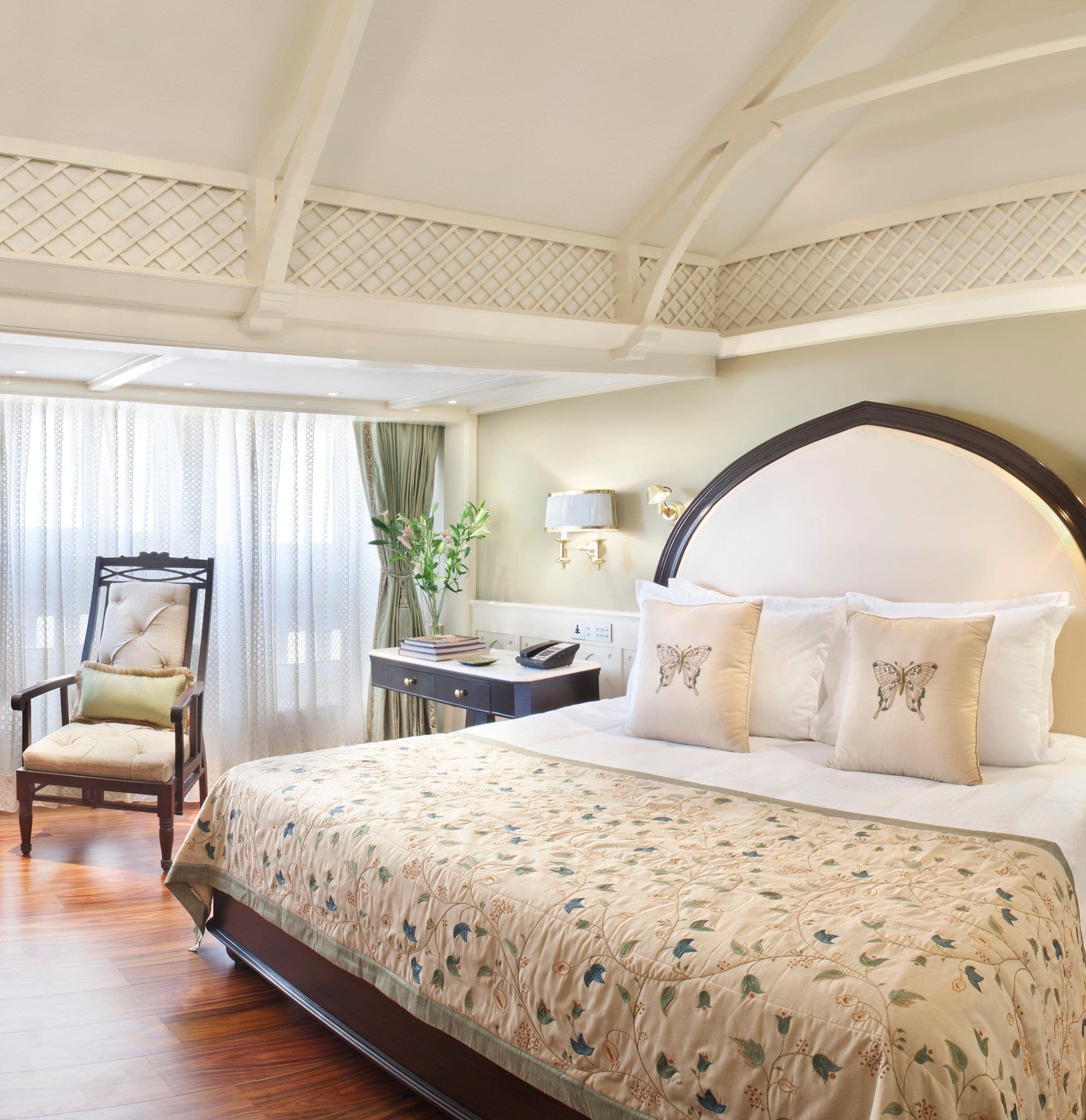
If Mumbai has a heart, it beats within the red-domed silhouette of The Taj. J.N. Tata’s 1903 riposte to the British Empire remains the definitive address in Colaba, serving as both a living museum and a sanctuary from the frenetic energy outside. While the Tower wing handles the corporate footfall, the Palace Wing is where the drama lives—think cantilever staircases that seem to float and corridors lined with art that rivals the Prince of Wales Museum nearby. The service here is terrifyingly good; the "Tajness" philosophy means your butler anticipates needs before they register in your own synapses, whether it's arranging a bath with J Wellness Circle's Indian oils or securing a impossible reservation. Dining is a non-negotiable itinerary item: skip the tourist traps for the melt-in-your-mouth Black Cod Miso at Wasabi by Morimoto, or secure a window seat at Sea Lounge for Sev Puri while watching boats bob near the Gateway of India. It is chaotic, expensive, and occasionally overwhelming, but staying anywhere else in Bombay feels like a misunderstanding of the assignment.
“Request a 'Palace Wing Sea View' room on a higher floor. You get the iconic Gateway of India view without the street-level noise of the millions of tourists below.”
Insider TipAvg. Nightly Rate
172USD
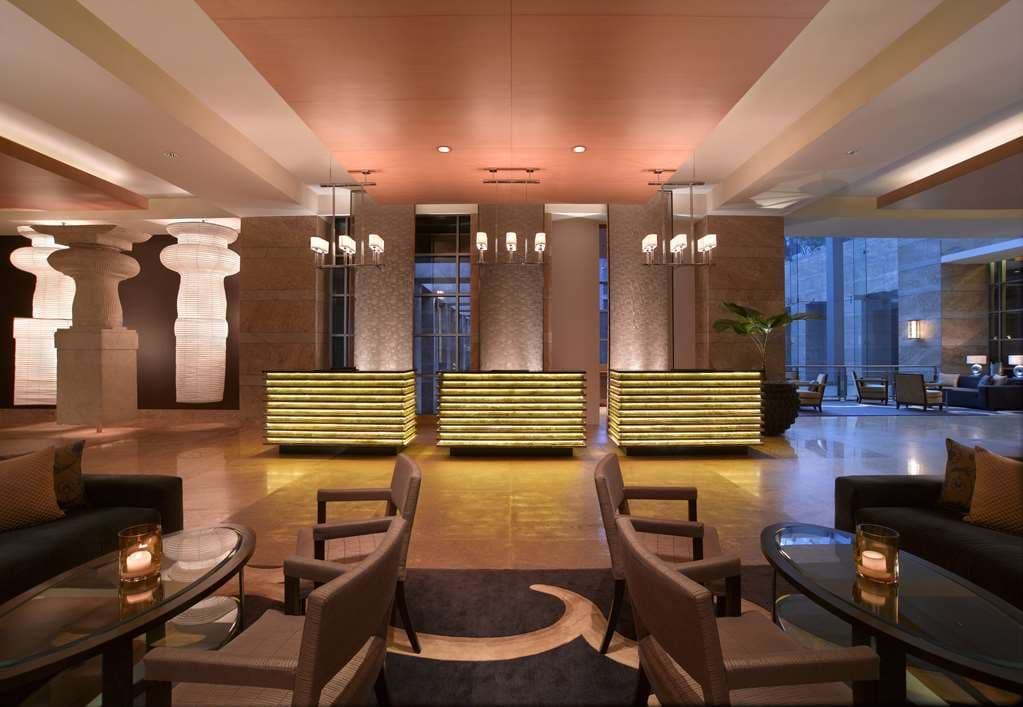
To call the Grand Hyatt Mumbai a hotel is to bury the lede; it is, quite literally, a fifty-acre art commission disguised as a place to sleep. While the Santacruz location might suggest a utilitarian airport layover, the property defies its geography with a sprawling ten-acre campus that feels less like a transit hub and more like a calmer, curated parallel universe. The 'Art in the City' initiative isn't just marketing fluff—over 100 site-specific installations, including a commanding Lord Shiva sculpture in the lobby, demand you stop scrolling and actually look up. Inside the rooms, the vibe shifts from gallery-cool to residential warmth. While some standard corners show the faint patina of age, the suites remain sharp, stocked with Balmain amenities that smell expensive and linens crisp enough to cut glass. The real theatre, however, happens downstairs. China House remains the city’s undisputed heavyweight for Sichuan; the Peking Duck here is a ritual, not a meal, served with a precision that borders on military. For a quieter evening, Celini’s wood-fired pizzas offer a rustic counterpoint to the lobby’s high-gloss glamour. Service is largely telepathic, though the breakfast rush at Fifty Five East can feel like a contact sport—swerve the peak hour chaos for a more dignified espresso. It is a massive machine of a hotel, yes, but one with a surprisingly soulful engine.
“Book a table at the China House Terrace for a late dinner; the brick-and-latticework design is atmospheric perfection, and the Beggar's Chicken (order 24 hours ahead) is non-negotiable.”
Insider TipAvg. Nightly Rate
212USD
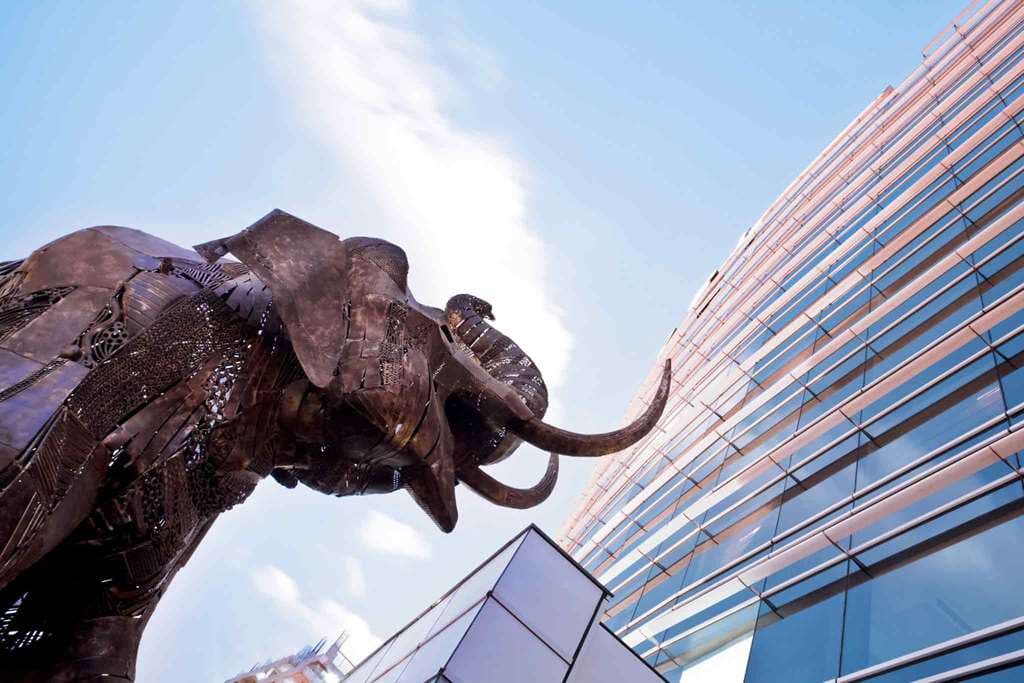
In the Bandra Kurla Complex (BKC), a district normally defined by soulless glass monoliths and visa-anxious consulate crowds, the Sofitel lands with the subtlety of a diamond-encrusted meteorite. Designed by Isabelle Miaja, the interiors are a high-voltage dialogue between French Art Nouveau and Indian maximalism. You aren’t greeted by a beige reception desk, but by a towering wine tower and chandeliers that look like they escaped the Moulin Rouge. The rooms offer a necessary retreat from Mumbai’s sensory overload, featuring hardwood floors (a rarity here) and Sofitel’s proprietary MyBed sleep systems—mattresses so plush they make 6 AM wake-up calls forgivable. Bathrooms are stocked with L'Occitane amenities, reinforcing the Francophile credential. Downstairs, the energy shifts. Jyran, the tandoor dining lounge, is the property's crown jewel, anchored by a massive metal elephant sculpture that feels like a mythological gatekeeper. Order the signature 'Dal Jyran'—black lentils simmered for 24 hours—which remains the best in the city. For 2026, the hotel has just debuted 'La Haute Croissanterie,' bringing twelve avant-garde variations of the French staple to the lobby. It is a corporate hotel, yes, but one that refuses to wear a grey suit.
“Skip the standard coffee order and try the new 'La Haute Croissanterie' menu in the lobby—specifically the version with local spices. Also, request a room facing the Jio World Garden to avoid the consulate construction noise.”
Insider TipAvg. Nightly Rate
144USD
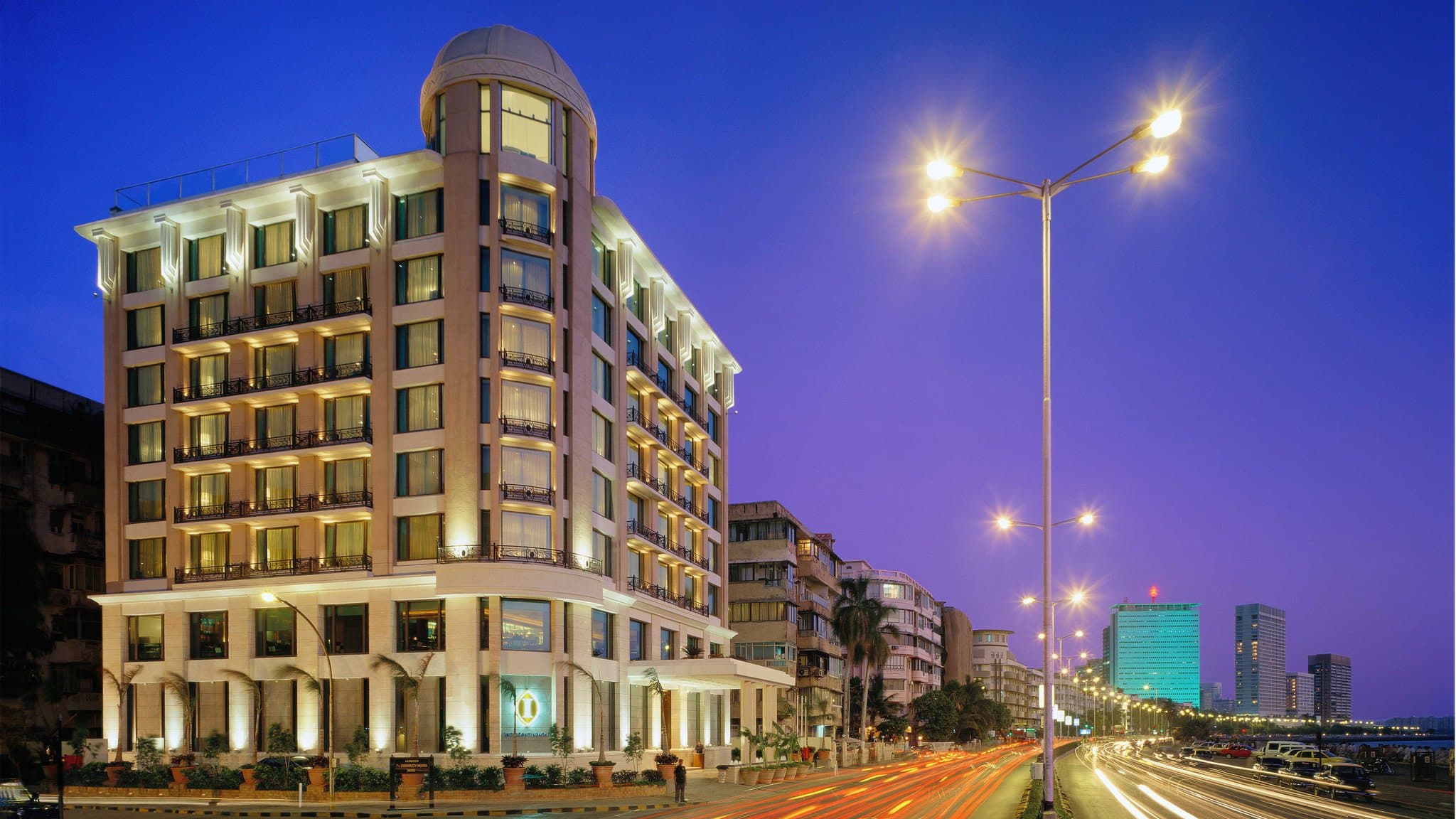
In a metropolis defined by vertical fortresses, the InterContinental Marine Drive offers a rare, intimate exhale. With just 58 rooms, it trades the cavernous anonymity of its Colaba neighbors for a boutique pulse that feels less like a hotel chain and more like the guest quarters of a well-connected eccentric. The draw here isn’t the lobby; it’s the optics. Floor-to-ceiling glass in the sea-facing rooms turns the UNESCO-designated Queen’s Necklace into your personal cinematic backdrop. Admittedly, the hardware wears its history; you might spot a scuff on the wood or hear the faint hum of the city’s energy (and generators) through the glass. Yet, the 'aging' feels more like character than neglect, smoothed over by staff who execute service with telepathic precision. The property’s crowning glory, quite literally, is Dome. This rooftop icon demands you secure a white sofa at sunset, order the Konkani Crab Bao and Truffle Kataifi Fries, and watch the Arabian Sea turn bruised purple. Downstairs, Kebab Korner’s Traditional Lamb Seekh remains a masterclass in Mughlai precision. It’s not flawless—the rooftop pool is a 4.5-foot plunge rather than a lap lane—but for a front-row seat to Bombay’s theater, this is the only ticket you need.
“Request a room ending in '01' for the panoramic corner views of the bay. Also, book your table at Dome for 5:30 PM sharp to beat the post-work crowd.”
Insider TipAvg. Nightly Rate
169USD
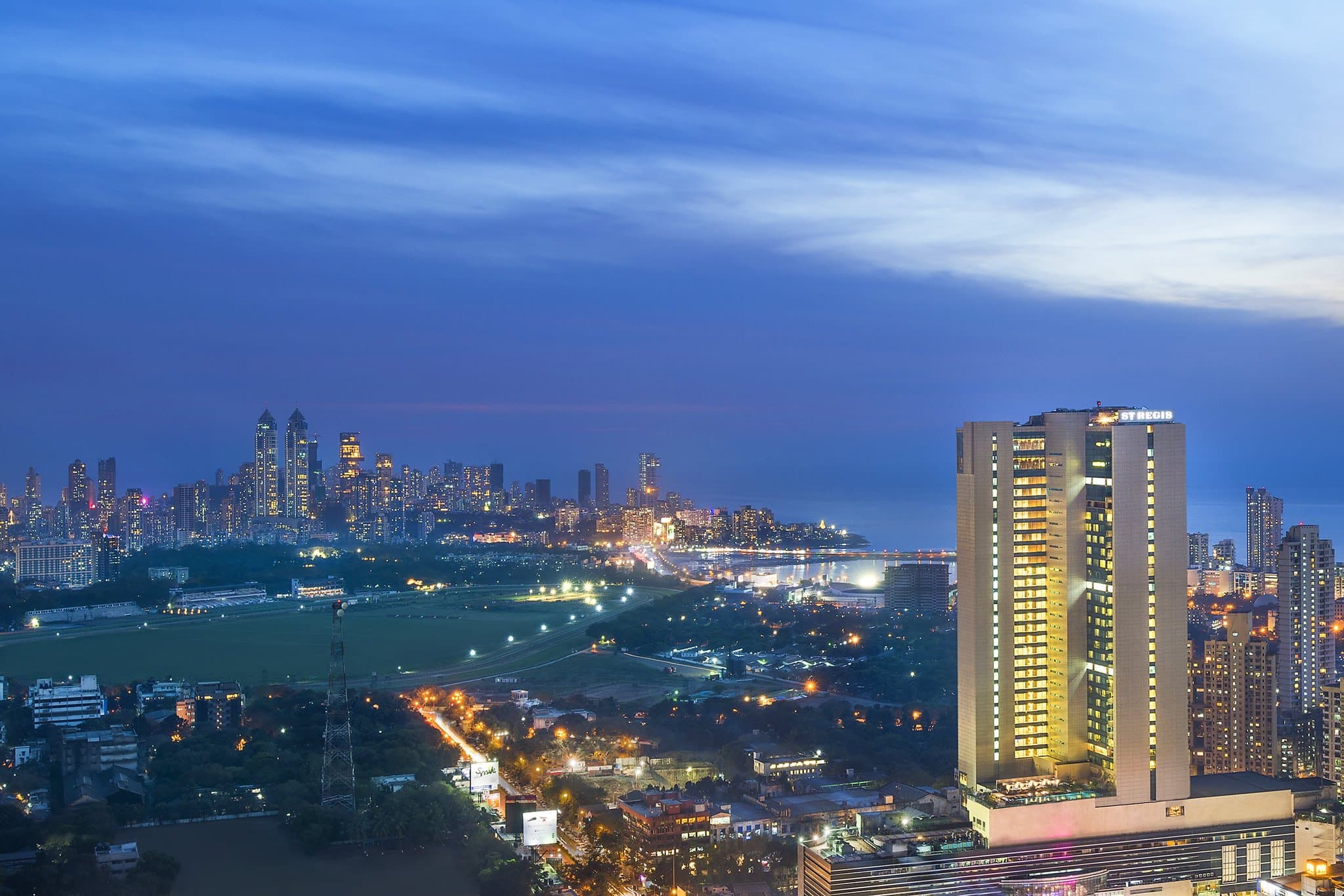
Lower Parel’s evolution from gritty textile mills to a glossy luxury mile finds its apex at The St. Regis. It is a vertical palace where the chaotic energy of Mumbai is traded for the polished hush of a 39th-floor lobby. While the Art Deco-influenced interiors feel slightly paused in time—lacking the sharp edge of newer boutiques—the sheer scale of old-world opulence here is undeniable. Rooms are plush, carpeted sanctuaries with floor-to-ceiling windows; ask for a west-facing view to watch the sunset bleed over the Mahalaxmi Racecourse, though light sleepers might note the faint audibility of hallway footfall. The real draw is the ecosystem. You are literally tethered to the Phoenix Palladium (dangerous for the wallet), but the hotel’s own culinary lineup demands attention. Bypass the breakfast crowds for dinner at 'The Sahib Room & Kipling Bar', where the signature Nalli Nihari is rich enough to pause conversation, or ascend to 'By the Mekong' for Peking Duck that rivals the skyline views. The signature Butler Service remains the brand's ace; having your morning masala chai materialize before you’ve fully opened your eyes is a luxury that never ages. Verdict: A power-player favorite that prioritizes grand gestures and unmatched convenience over understated cool.
“Request a room on the higher floors (30+) facing the Arabian Sea to minimize street noise. For drinks, skip the lobby bar and head straight to 'Koishii' for the Robata Grilled Chilean Sea Bass.”
Insider TipAvg. Nightly Rate
265USD
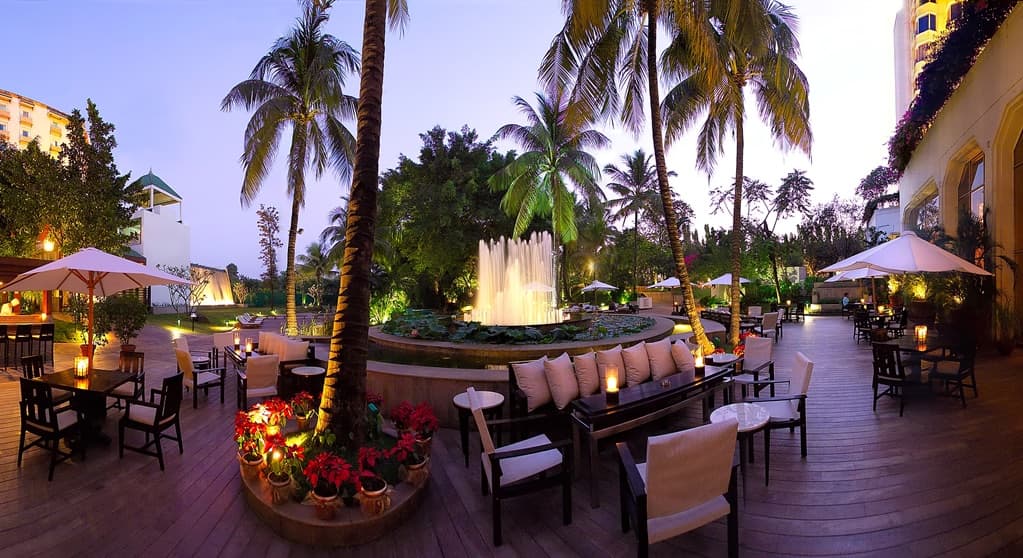
Most airport hotels are utilitarian holding cells wrapped in beige. The Leela Mumbai, however, is a defiant maximalist rejection of that trope. Located just five minutes from Terminal 2, this property ignores its transit-hub coordinates and operates with the swagger of a heritage palace. The lobby is a sensory collision of gold-leaf domes, cascading chandeliers, and serious Indian art—a refreshing slap in the face to the minimalism usually plaguing business travel. While the rooms lean into a 'classic' aesthetic (read: slightly vintage hardware), the fundamentals are bulletproof. The soundproofing is military-grade—silencing the tarmac roar completely—and the mattresses are the kind that make you miss your flight. The real reason to check in, however, is the culinary flexing. 'Le Cirque Signature' isn't just a brand slap; the Sirio’s Spaghetti Primavera is legit. Downstairs, 'Jamavar' serves a Raan (leg of lamb) that falls off the bone if you look at it wrong. Factor in the ESPA spa and a freeform pool fed by waterfalls, and you have a layover that feels like a lost weekend.
“Skip the lobby bustle and head straight to the 'Six Degrees' bar at sunset; order the Suzy Wong cocktail and sit by the waterfall—it’s the only spot in Andheri where the humidity feels intentional.”
Insider TipAvg. Nightly Rate
97USD