No. 01
Kardina Faulhaber Strasse 1 Munich GermanyMunich611 verified reviews
9
.4
Bitvoya Edit
Layering imagery, place, and detail before the page opens.
Munich is a city where Bavarian tradition meets cosmopolitan sophistication, and nowhere is this more evident than along the splendid Maximilianstraße. Commissioned by King Maximilian II, this royal avenue serves as the artery of Munich’s luxury, flanked by neo-Gothic architecture and high-end boutiques. Our curated collection focuses on the historic icons that define this palatial grandeur, extending from the heart of Altstadt-Lehel to the elegant quarters of Maxvorstadt. Whether it is the fabled Hotel Vier Jahreszeiten Kempinski, arguably the city’s living room, or the refined elegance of the Mandarin Oriental, these properties offer more than sleep; they offer a passage into Munich’s aristocratic soul. Immerse yourself in a world of opera, haute couture, and timeless hospitality.
Choosing to stay in Munich's historic luxury district is a decision to inhabit living history. The properties along and around Maximilianstraße are not merely hotels; they are landmarks that have hosted royalty, dignitaries, and celebrities for over a century. This area represents the zenith of Bavarian heritage, offering immediate access to the Bavarian State Opera, the Residenz palace, and the most exclusive shopping mile in Germany. Whether it is the storied corridors of the **Hotel Bayerischer Hof** or the modern interpretation of luxury at **Rosewood Munich**, staying here places you at the epicenter of cultural prestige.
Guests booking a stay in this collection should expect a level of service that harkens back to the era of the monarchy. Doormen in livery, afternoon tea served in grand lobbies, and concierge teams capable of securing private viewings at museums are the standard. Culinary excellence is a given, with many hotels housing Michelin-starred restaurants, such as the renowned dining options at the **Koenigshof, a Luxury Collection Hotel**. Expect interiors that blend heavy velvet, gold leaf, and Nymphenburg porcelain with cutting-edge technology, ensuring that while the ambiance is historic, the comfort is thoroughly modern.
Hotel Vier Jahreszeiten Kempinski Munich is located directly on Maximilianstraße, offering immediate doorstep access to boutiques like Chanel, Louis Vuitton, and Hermes.
Mandarin Oriental, Munich is famous for its rooftop terrace, offering stunning 360-degree views of the Old Town and the Alps during clear weather.
Yes, Sofitel Munich Bayerpost is housed in the historic former Bavarian Royal Post Office building but features avant-garde, modern interiors.
Explore our complete curated list of luxury accommodations, from boutique hideaways to grand dames.
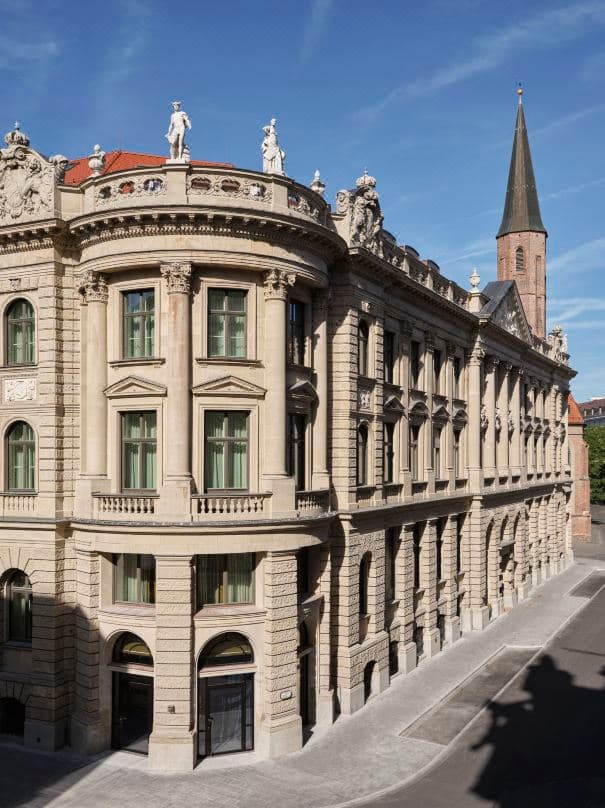
Explore All Munich HotelsIf you ever needed a reason to sleep in a bank, this is it. Rosewood Munich, occupying the former State Bank of Bavaria and the aristocratic Palais Neuhaus-Preysing, is less of a hotel and more of a high-stakes design heist by Tara Bernerd. The lobby pulls you in with a moody, sophisticated gravity—think marble staircases under preserved frescoes and velvet that feels illegal to touch. It’s 'Munich Modern' at its sharpest, effortlessly shedding the stuffy lederhosen clichés for something far more cosmopolitan. Upstairs, the rooms are residential triumphs, outfitted with tactile fabrics and art books you actually want to steal. However, the ambition sometimes outpaces the execution; the room technology—specifically the lighting and shutter controls—can be maddeningly unresponsive, requiring a degree in engineering to dim the sconces. Dining at Brasserie Cuvilliés is a theatrical affair. Skip the standard Wiener Schnitzel and order the signature Steckerlfisch and spinach dumplings, which capture the Alpine soul far better. Downstairs, Bar Montez is a seductively low-lit jazz den where the El Zapata cocktail reigns supreme. While breakfast service has been described as chaotic during peak hours, the sheer grandeur of the property—backed by its recent Two MICHELIN Keys (2025) and 'Grand Hotel of the Year' title—makes it the undisputed new heavyweight of Maximilianstraße.
“Request a room facing the Palaishof courtyard. The street-facing suites offer views, but the courtyard guarantees absolute silence in the city center.”
Insider TipAvg. Nightly Rate
920USD
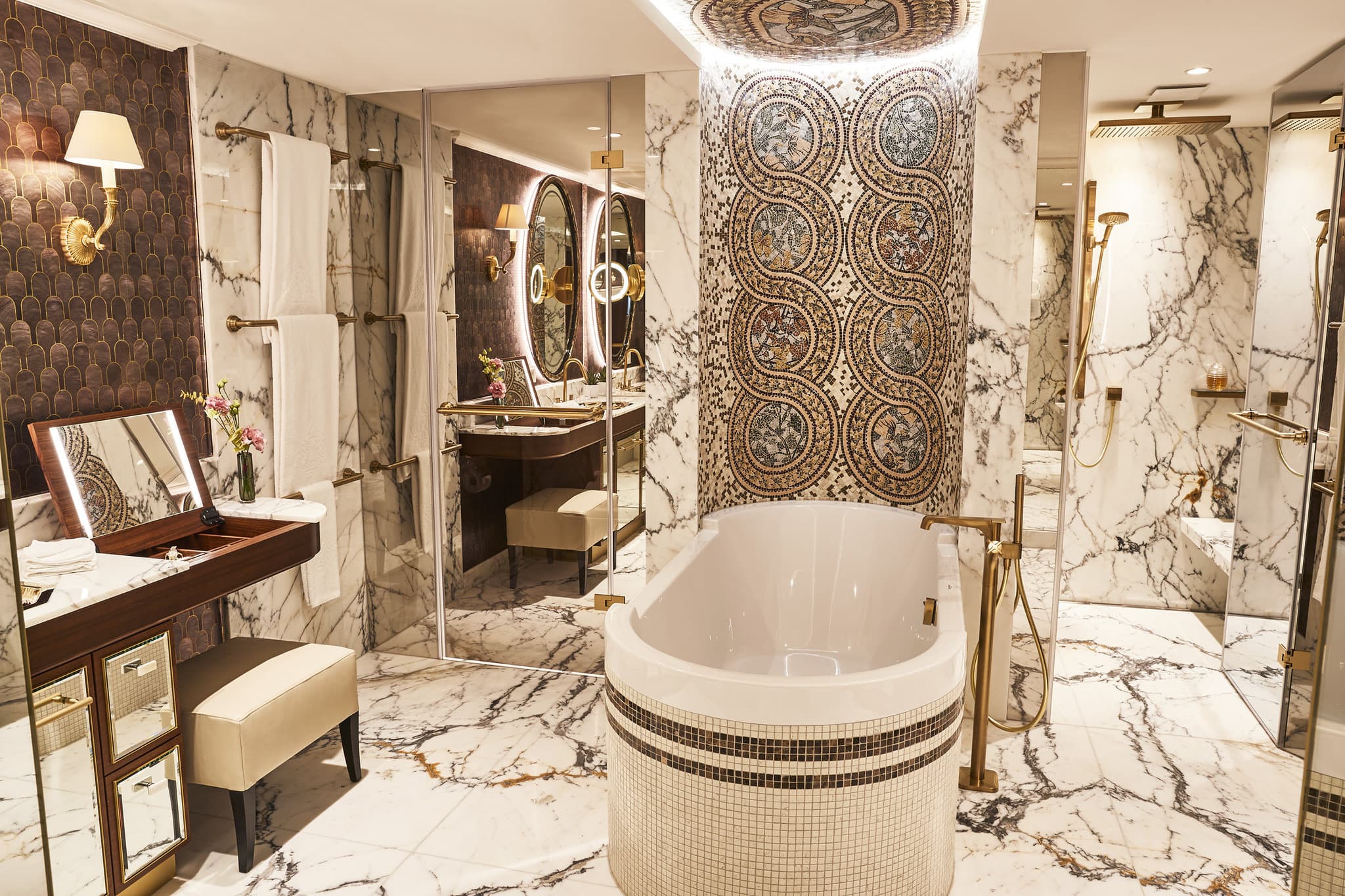
If Maximilianstraße is Munich’s catwalk, the Vier Jahreszeiten is its green room—a place built by King Maximilian II in 1858 not merely to house guests, but to intimidate them with Bavarian grandeur. The lobby remains the city’s social epicenter, anchored by a stained-glass dome that filters light onto a parade of Fendi-clad locals and international power brokers. While the 'palatial' descriptor is often overused, here it is literal; the Nymphenburg Room feels less like a hotel lounge and more like a wing of the Residenz. Upstairs, the inventory varies wildly. The base rooms are tight (25 sqm)—a historical quirk of 19th-century architecture that even a renovation can’t fully mask. However, the design is impeccably confident, swapping beige neutrality for warm walnut woods and reproductions of Pinakothek masterpieces. Dining at Schwarzreiter isn't just a convenience; it’s a destination, where the kitchen strips Bavarian classics of their heaviness—the signature char from Lake Königssee is a masterclass in local sourcing. Service is white-glove but never stiff, managed by concierges who seemingly hold the keys to the city. **Verdict**: It remains the definitive Munich address, though leisure travelers should note the spa is dark until mid-2025.
“Skip the 'Superior' base rooms. Upgrade to a Junior Suite facing the inner courtyard to escape the Maximilianstraße engine noise and gain actual breathing room.”
Insider TipAvg. Nightly Rate
490USD
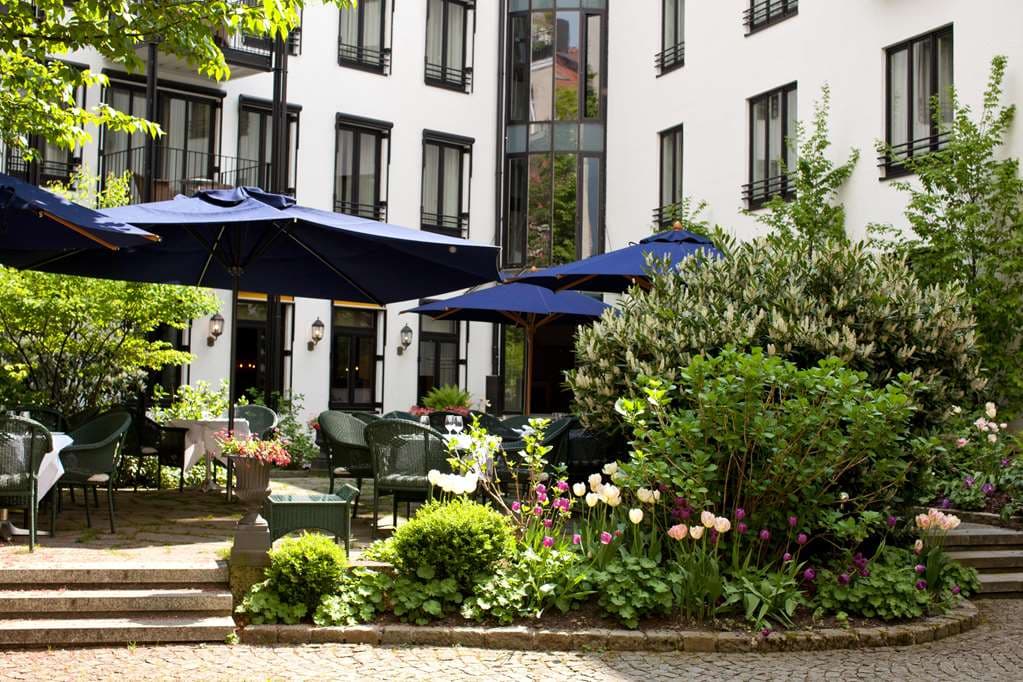
If the Bayerischer Hof is the loud, gregarious debutante of Munich, Hotel München Palace is her elegant, well-read aunt who lives in Bogenhausen. Owned by the gastronomic Kuffler dynasty, this property feels less like a hotel and more like a private residence where the staff have known you for decades. Anchored just steps from the Prinzregententheater and the legendary Feinkost Käfer delicatessen, the Palace trades glitzy lobbies for intimacy. The rooms are exercises in classic restraint—think parquet floors, heavy velvet drapes, and a complimentary minibar that is actually restocked daily (a rarity these days). Dining here is non-negotiable; the Palace Restaurant serves a Kuffler Wiener Schnitzel that rivals any in the city, best enjoyed in the inner courtyard garden—a manicured patch of silence that feels miles away from Marienplatz. While the lack of a pool might deter the splashy crowd, the hotel compensates with slick Technogym equipment, Molton Brown amenities, and a fleet of bicycles perfect for the five-minute ride to the English Garden. It’s sophisticated, devoid of pretension, and reassuringly expensive.
“Skip the main dining room for breakfast and request a table in the winter garden or, weather permitting, the courtyard terrace. Also, the hotel provides free bicycles—use them to ride to the nearby Beer Garden at the Chinese Tower.”
Insider TipAvg. Nightly Rate
190USD
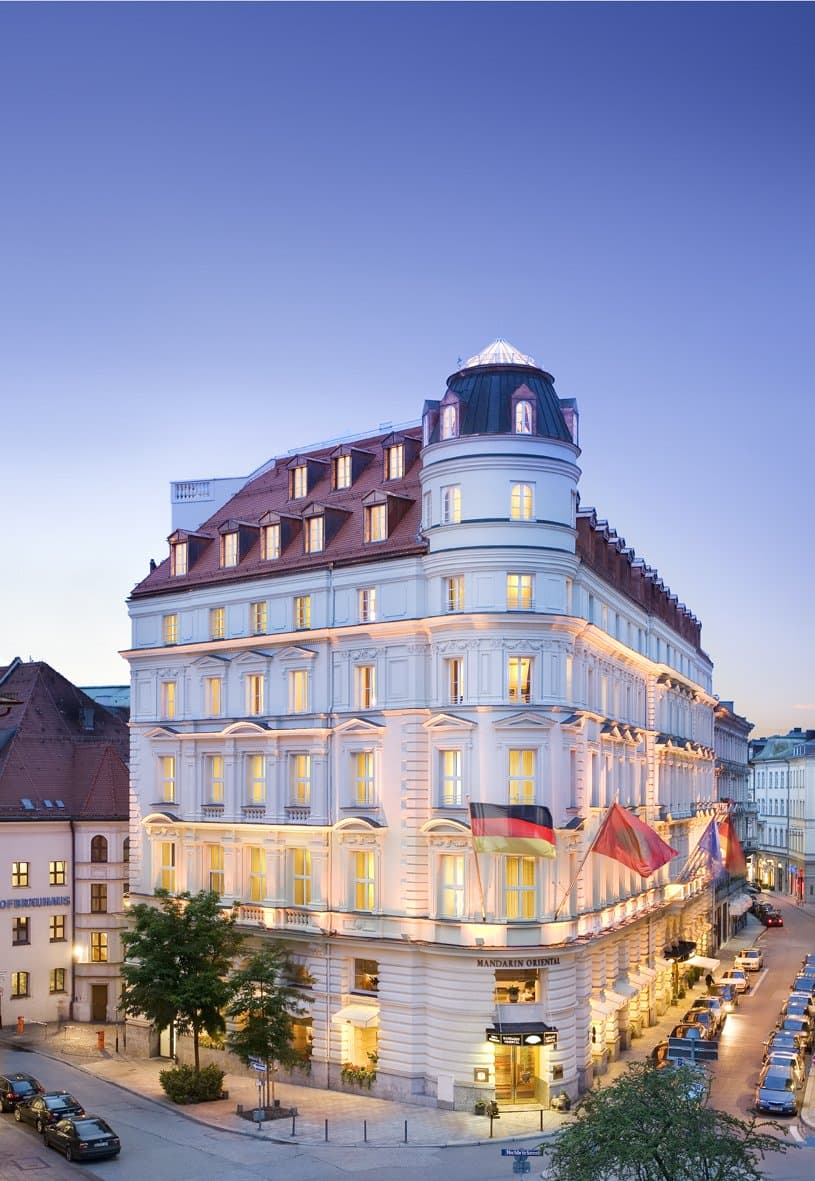
While the Grand Dames of Munich shout for attention, the Mandarin Oriental whispers—a confidence born of its heritage as an 1880 opera house extension. Recently awarded Two Michelin Keys, this 73-room hideaway on a quiet side street off Maximilianstraße feels less like a hotel and more like the private residence of a very well-connected friend. The lobby eschews cavernous emptiness for intimate warmth, but the real drama lies upstairs. Rooms blend Biedermeier elegance with modern rigor—think parquet floors, Bang & Olufsen tech, and bathrooms stocked with Omorovicza potions. Dining is a destination in itself; Matsuhisa Munich (the first of its kind in Germany) turns out Nobu’s legendary Black Cod Miso to a crowd that definitely didn't just stumble in from Marienplatz. The crowning jewel, however, is the Mahjong Roof Garden. Here, floating in the heated infinity pool with a Royal Hawaiian cocktail in hand, you’re treated to a 360-degree panorama that stretches from the twin domes of the Frauenkirche all the way to the Alps. It is Munich’s most sophisticated vantage point—exclusive, serene, and flawlessly executed.
“Request the Tower Suite (Room 608). It features a circular sitting room housed in the building's original turret—arguably the most romantic nook in Bavaria.”
Insider TipAvg. Nightly Rate
667USD
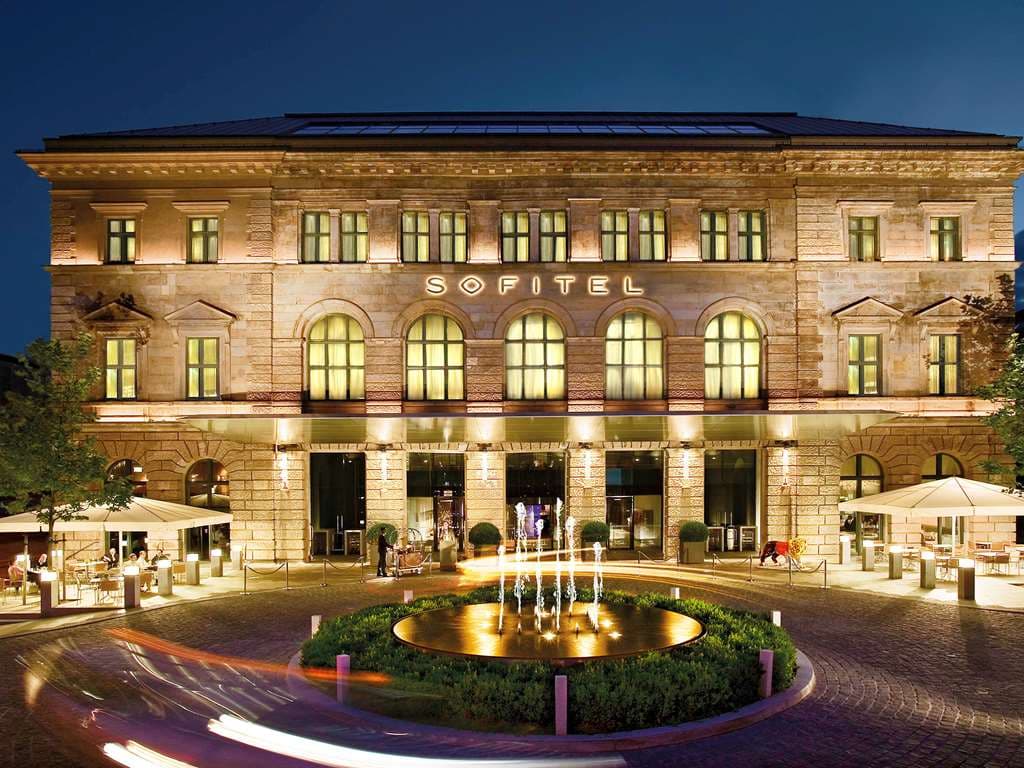
Forget the usual 'station hotel' reputation. The Sofitel Munich Bayerpost is a monumental slap of Wilhelminian history that dominates the grit of the Hauptbahnhof district. Housed in the former Royal Bavarian Post Office, this isn't a place that whispers; it commands. The neo-Renaissance facade acts as a fortress, shielding a theatrical interior where the cavernous atrium is often bathed in the violet hues of the signature 'Alpine Glow' lighting installation. The rooms are surprisingly silent sanctuaries given the trains grinding the tracks 100 meters away. Opt for a Duplex Junior Suite for a maisonette feel, complete with Diptyque amenities and heavy soundproofing that obliterates the city noise. Downstairs, the French 'Art de Vivre' kicks in. DÉLICE La Brasserie serves a Starnberg flame-grilled salmon that justifies the expense, while ISArBAR’s library aesthetic provides a moody backdrop for a stiff Air Mail cocktail. The spa, however, is the architectural zenith. The heated, spiral-shaped lagoon pool is a design marvel, though international guests should note the strict German 'textile-free' (nude) sauna etiquette. It’s a shock to the system, but authentically local. Verdict: A palatial transit hub that refuses to compromise on grandeur.
“Book a Duplex Junior Suite on the upper floors for floor-to-ceiling windows and zero street noise. Visit the spiral pool after 8 PM to avoid the pre-dinner rush.”
Insider TipAvg. Nightly Rate
188USD

If Munich had a living room, this would be it—provided your living room comes with doormen in top hats and a guest list that reads like the G7 summit. Commissioned by King Ludwig I, the Bayerischer Hof isn't just a hotel; it’s a chaotic, glorious institution that dominates Promenadeplatz. The aesthetic is less a singular vision and more a curated collision of eras. One minute you’re sipping a Mai Tai in the subterranean tiki kitsch of Trader Vic’s, the next you’re beneath the heritage-listed stucco ceiling of Falk’s Bar, the only room to survive WWII unscathed. The inventory is vast, so specificity is your best friend at check-in. Skip the standard categories and demand the Axel Vervoordt-designed wings. Here, the Belgian minimalist has stripped away the Bavarian chintz in favor of linen sofas, oiled wood, and a monastic calm. Dinner is a non-negotiable reservation at Atelier, where the saddle of venison confirms the two Michelin stars, though the service can sometimes move with a stateliness that borders on glacial. Up on the roof, Andrée Putman’s Blue Spa features a sliding glass ceiling that frames the Frauenkirche towers perfectly. It’s imperfect, busy, and occasionally haughty, but it is undeniably the pulse of the city.
“Request a room in the South Wing designed by Axel Vervoordt. The wabi-sabi minimalism offers a rare sanctuary from the hotel's frenetic public spaces.”
Insider TipAvg. Nightly Rate
375USD

Forget the dust-gathering grand dames of Maximilianstraße; the new Koenigshof has shifted Munich’s center of gravity to the clamorous Karlsplatz (Stachus). Rising from the rubble of its predecessor, this architectural disruptor by Nieto Sobejano is a serrated, golden-lit monolith that feels less like a hotel and more like a modern art commission. Inside, the chaos of the city vanishes. The lobby is minimal, directing your gaze upward into a vertigo-inducing, gold-slatted atrium—pure architectural theatre. The rooms are a masterclass in urban insulation. Despite overlooking one of Munich’s busiest intersections, the silence is absolute, broken only by the hum of the Nespresso machine or the Bose speakers. Interiors are sleek—think warm woods and Byredo amenities—but the real showstopper is the rooftop. ‘Greta Oto’ ditches Bavarian clichés for Amazonian funk; the deep-fried bacalao and papaya salad are revelations, served against the backdrop of the Justice Palace dome. It’s sophisticated, slightly provocative, and unapologetically modern. A word to the wise: the pool is reserved for the Presidential Suite or private rentals. If you aren't splashing out the €520 private hire fee, you’re staying dry. Verdict? The coolest stay in town, if your wallet can handle the altitude.
“Skip the main dinner rush and hit the 'Greta Oto' terrace for a sunset cocktail; the view of the Justizpalast dome glowing at dusk is superior to any street-level sight.”
Insider TipAvg. Nightly Rate
433USD
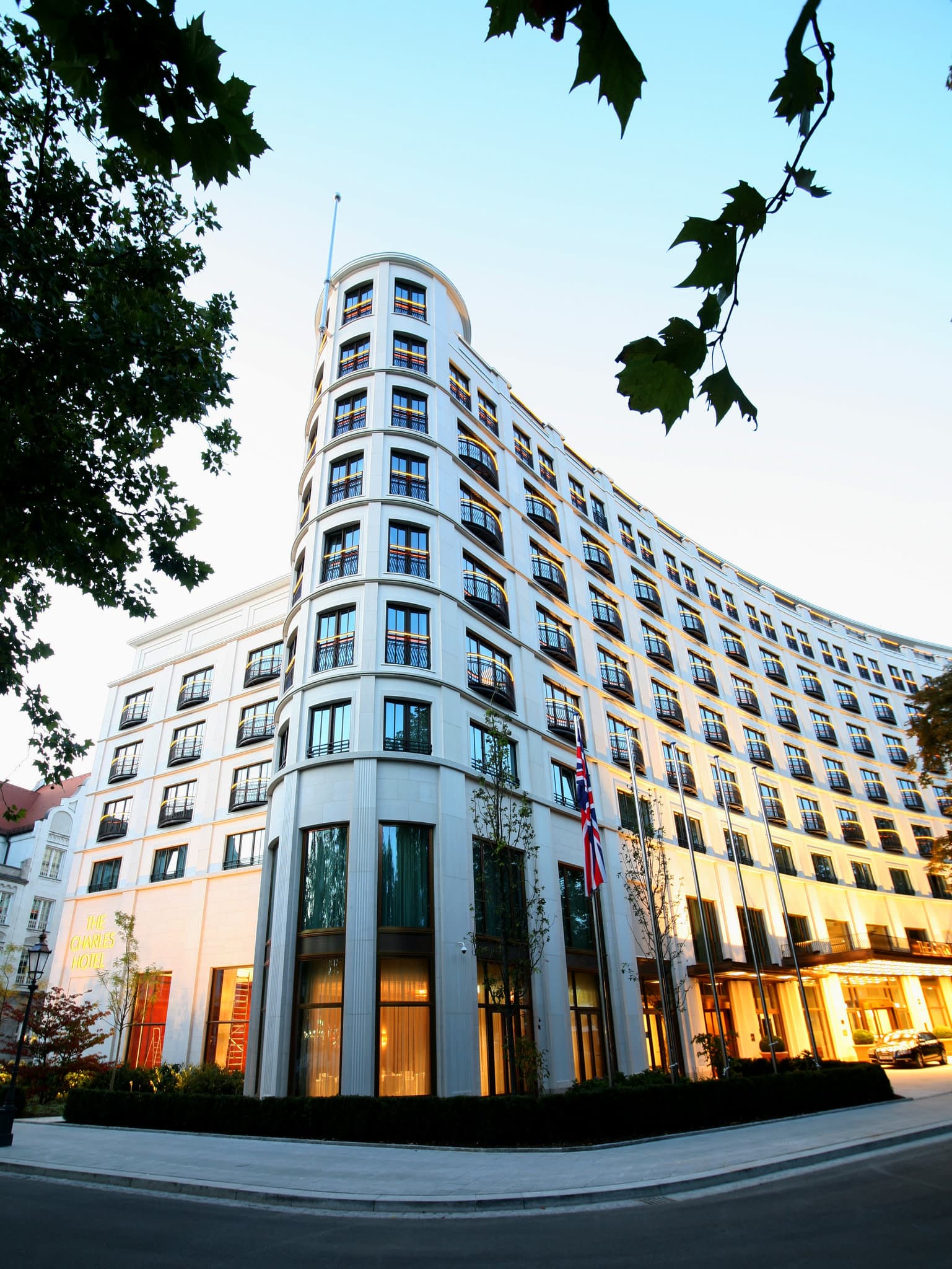
While Munich often leans on heavy velvet and timber, The Charles flips the script with an airy, limestone elegance that feels closer to a modern palazzo than a Bavarian lodge. Situated adjacent to the Old Botanical Garden, the property commands a rare stillness in the city center. The rooms are among Munich’s largest, starting at a generous 40sqm, and shun beige for characterful bursts of color and 400-thread count linens. The recent pivot from Sophia’s to **Florio** has injected a genuine ‘Dolce Vita’ pulse into the lobby level; the *Artichoke alla Romana* is a masterclass in simplicity, best enjoyed on the terrace where olive trees now frame the park views. Downstairs, the 15-meter pool—the city’s longest hotel lap pool—shimmers with a coral reef mosaic that distracts delightfully from laps. Service is polished but human; the concierge team can secure impossible tables, though the lack of in-room kettles remains a quirky sticking point for tea purists. Verdict? A sophisticated sanctuary that outclasses the old guard.
“Book a 'Park View' room on the 4th floor or higher; you’ll wake up to the sound of birds from the Botanical Garden rather than the hum of the city.”
Insider TipAvg. Nightly Rate
400USD