No. 01
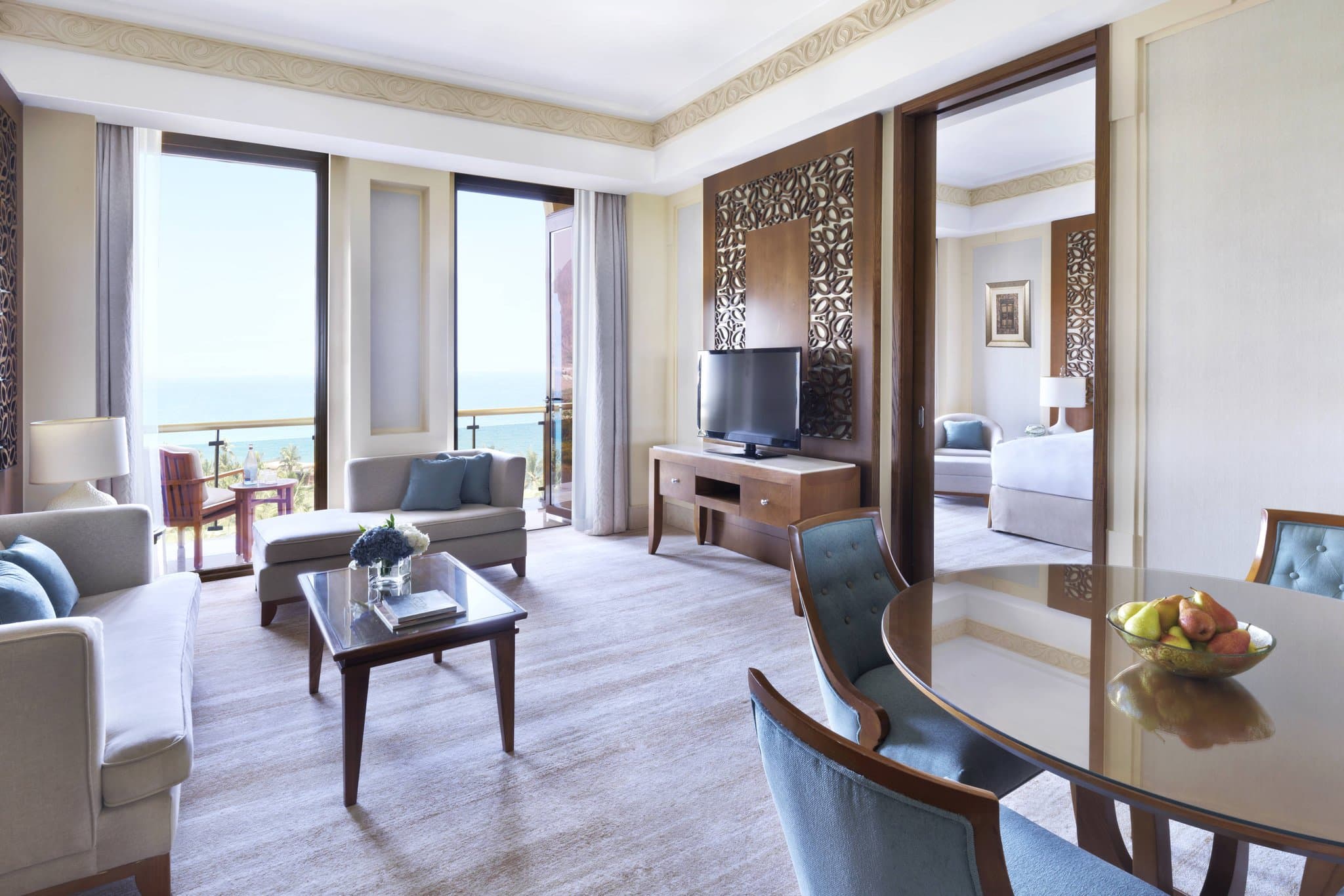
Al Bustan Palace Hotel Al Bust. Muscat Oman 00000Muscat1117 verified reviews
9
.0
Bitvoya Edit
Layering imagery, place, and detail before the page opens.
Muscat is a city where the dramatic Hajar Mountains plunge directly into the azure waters of the Arabian Sea, creating a backdrop of unrivaled beauty for some of the Middle East's most impressive properties. This curated collection explores the capital's definition of luxury, blending Omani heritage with world-class hospitality. From the regal corridors of Al Bustan Palace tucked against the cliffs near Old Muscat, to the chic, modern vibes of Al Mouj where the Kempinski and St. Regis reside, each location offers a distinct flavor of the Sultanate. We also traverse the serene zen-like atmosphere of Al Ghubra's Chedi and the lively, diplomatic enclave of Shatti Al Qurum, home to the Mandarin Oriental, ensuring every traveler finds their perfect palace on the Gulf.
Muscat stands apart from its glittering neighbors like Dubai and Doha by offering a more understated, authentic form of luxury. The "Palaces on the Gulf" are not just hotels; they are architectural marvels that reflect the soul of Oman. Choosing Muscat means opting for properties where frankincense scents the air, dramatic mountains frame your infinity pool, and the service is rooted in centuries of trading history. Whether it's the sheer scale of the Shangri-La complex or the boutique elegance of The Chedi, these stays promise a blend of cultural immersion and absolute opulence.
Guests at these opulent stays can expect spacious layouts that honor Omani architecture—think high domes, pointed arches, and intricate lattice work. Culinary experiences are world-class, often featuring fresh seafood from the Gulf. Wellness is paramount; properties like Al Bustan Palace offer six senses spas, while Al Husn provides a private, adult-only sanctuary. Expect a slower pace of life where the focus is on tranquility, privacy, and impeccable service.
The ideal time to visit Muscat is during the winter months, from October to April, when temperatures are pleasant (25°C-30°C), making it perfect for enjoying outdoor pools and beaches at resorts like Al Bustan Palace or The Chedi.
Yes, almost all international 5-star luxury hotels and resorts in Muscat, such as the St. Regis, Grand Hyatt, and Shangri-La, hold liquor licenses and serve alcohol in their bars, restaurants, and via room service. However, alcohol is not typically served in public city areas.
For a romantic honeymoon, Al Husn Hotel Muscat (part of Shangri-La) is a top choice as it is an adult-only cliffside retreat with a private beach. Alternatively, The Chedi Muscat offers a serene, zen-like atmosphere perfect for couples.
Explore our complete curated list of luxury accommodations, from boutique hideaways to grand dames.
Explore All Muscat HotelsConstructed in 1985 to house the Gulf Cooperation Council Summit, the Al Bustan Palace wasn’t originally built for tourists—it was built for sultans. That lineage is immediately palpable in the 38-meter domed atrium, where a 5.5-tonne crystal chandelier commands a space scented with heavy Omani frankincense. It is less a hotel lobby and more a statement of geopolitical intent. While the rooms can feel slightly vintage—relying on classic luxury rather than modern minimalism—the Lagoon Access categories redeem everything with direct entry into the sprawling lagoon pools. The real theatre, however, is culinary. Bypass the international buffet for China Mood; their wood-fired Peking Duck is widely regarded as the finest in the GCC, skin shattering like glass. Alternatively, The Pavilion serves whole Omani lobster right on the edge of the Sea of Oman. Service is unflappable, a hallmark of the Ritz-Carlton 'Ladies and Gentlemen' ethos, ensuring that even a request for a Dyson dryer or a specific pillow density is met with military precision. It remains Muscat’s definitive address for old-world gravitas.
“Book a Lagoon Access room on the ground floor for immediate pool entry. If you crave afternoon sun, specifically request rooms 120-125, which catch the light after 3 PM.”
Insider TipAvg. Nightly Rate
415USD
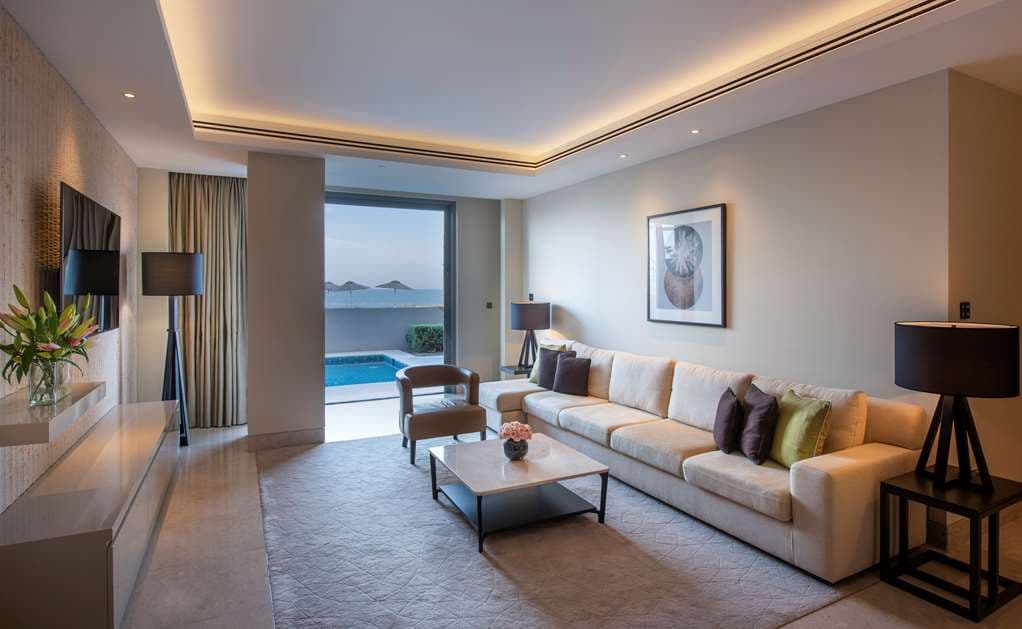
While many Gulf hotels rely on gilded excess, the Kempinski Hotel Muscat opts for a dramatic, architectural serenity that feels refreshingly modern. The arrival experience is nothing short of cinematic: you enter a lobby inspired by the cut of a diamond, where lily-pad columns soar toward a skylight that fractures the Omani sun into a kaleidoscope of light. It’s a bold departure from the traditional frankincense-heavy atmosphere of competitors. The rooms continue this sleek narrative—muted taupes, sliding wood panels, and massive soaking tubs that demand a long evening with a book. But the real pulse is found in the dining. Skip the standard buffet and head straight to Bukhara, where the North Indian cuisine rivals anything in Delhi; the 'Bhatti Ka Lobster' is smoky, tender, and mandatory. Service is razor-sharp—under the watch of award-winning GM Nadine Al Bulushi—balancing European precision with genuine Omani warmth. Verdict: The perfect base for the design-conscious traveler who wants the marina lifestyle without sacrificing high-end pampering.
“Book a table at Zale Beach Club just before sunset. It’s the only spot in Al Mouj where you can sip a Japanese-fusion cocktail while watching the dhows return to the marina against a fiery horizon.”
Insider TipAvg. Nightly Rate
201USD

While the Al Bustan Palace has the history and The Chedi has the zen, the new Mandarin Oriental, Muscat brings a jolt of high-voltage sophistication to Shatti Al-Qurum. Designed by Xavier Cartron, the property is a visual love letter to the Sultanate, eschewing generic beige for dramatic Desert Rose marble, hand-carved wooden doors, and a lobby chandelier that drips with crystal extravagance. It feels less like a hotel and more like the city's most exclusive living room. The 103 rooms are masterclasses in understated luxury, featuring deep soaking tubs and panoramic Gulf views, but the real energy is downstairs. ‘Essenza’ has quickly become the place to be seen, serving a Naples-style pizza and A5 Wagyu filet that justifies the price tag. The pool deck, framed by palm trees, offers a sophisticated social hub by day that transitions into a sultry lounge by night. Service is still finding its rhythm—a common symptom of new openings—but the sheer polish of the hard product makes up for the occasional pause. This isn't a secluded beach resort (you cross a lawn to reach the public sands); it’s a vibrant urban sanctuary for the traveler who wants to be in the center of it all.
“Skip the public beach trek and book a Couples' Suite in the spa for the Biologique Recherche facials; it’s the most private sanctuary on the property.”
Insider TipAvg. Nightly Rate
400USD
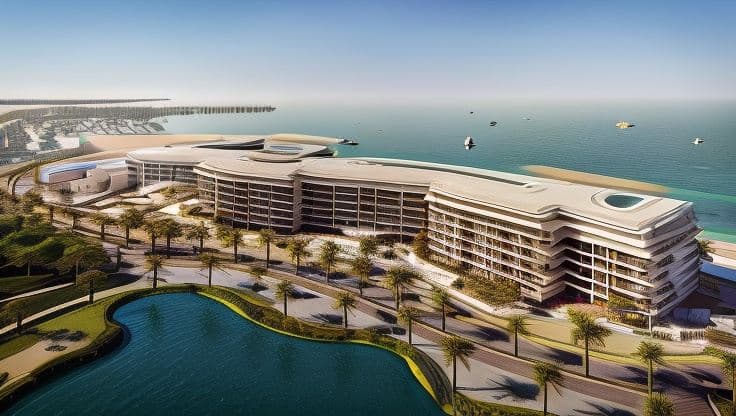
If the Chedi is Muscat’s monastic grand dame, the new St. Regis Al Mouj is her rebellious, yacht-owning granddaughter. Anchoring the Al Mouj waterfront—think of it as the Sultanate’s answer to the Côte d'Azur—this property doesn’t just hug the coastline; it flaunts it. The architecture is a sweeping, curvilinear homage to superyachts, a theme that continues indoors with nautical-inspired joinery and a lobby that feels less like a hotel and more like the atrium of a private ocean liner. The real draw here is the culinary heavy artillery. It’s rare to find Hakkasan, COYA, and Novikov under one roof outside of London or Dubai, and their presence turns the resort into a nocturnal playground. The Chilean Sea Bass at Hakkasan remains a masterclass in glazing, while Karibu offers a surprisingly soulful Omani-Zanzibari lamb shuwa for those seeking local terroir. Rooms are dressed in a soothing palette of sand and sea foam, but the hardware is serious: automated everything and beds that threaten to ruin you for home. The legendary Butler Service is present, though expect the occasional teething delay typical of a property finding its sea legs. It’s glitzy, loud in the evenings, and unapologetically opulent—exactly what Muscat needed to wake up.
“Book a room in the '05' or '08' series on high floors to avoid the bass thrum from the open-air terraces of COYA and Hakkasan late at night.”
Insider TipAvg. Nightly Rate
227USD
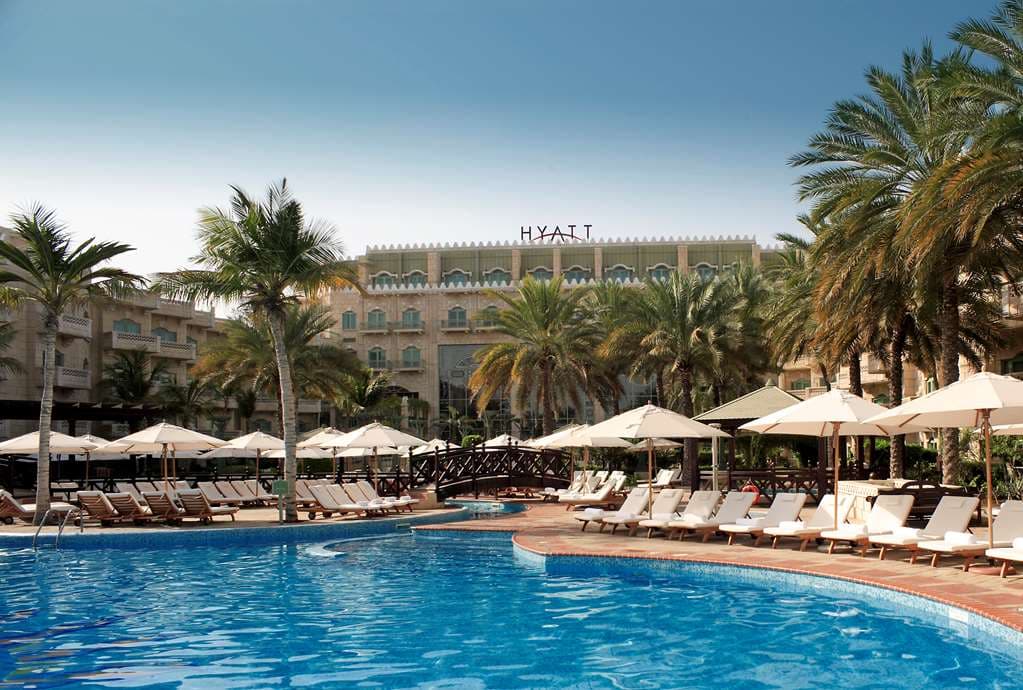
In a sea of interchangeable glass-box hotels, the Grand Hyatt Muscat remains a defiant, architectural fever dream. Built to resemble a Yemeni fortress, this Embassy District icon doesn't just whisper luxury; it shouts it with a 14-meter stained-glass atrium and bronze equestrian sculptures that feel less like hotel decor and more like a set piece from an Arabian epic. The vibe is unrepentantly old-money—where diplomats and locals have mingled over *Tuscany’s* wood-fired seafood risotto for decades. While the guest rooms are currently trading their mid-90s mahogany for a modern refresh (ongoing through 2026), the bones of this place remain spectacular. The Club Olympus spa, stocked with Balmain amenities, offers a reprieve from the heat, though the real draw is the lazy river—a winding, temperature-controlled lagoons that puts standard lap pools to shame. Service here isn't just efficient; it’s personal, with staff who remember your espresso order at Mokha Café before you sit down. It’s a hotel in transition, yes, but one with more soul in its pink sandstone walls than half the new builds in the Sultanate combined.
“Points travelers, take note: As of March 2025, this property drops to a World of Hyatt Category 2. It is arguably the best value redemption in the Middle East right now.”
Insider TipAvg. Nightly Rate
130USD
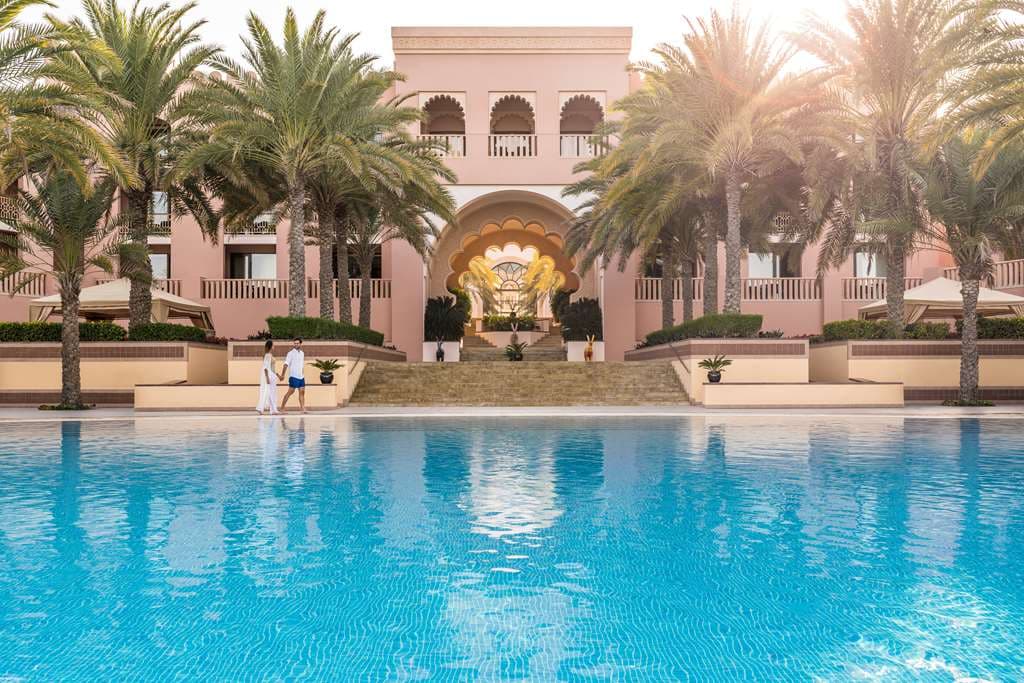
If the neighboring resorts are a cacophony of family fun, Al Husn (literally “The Castle”) is the library where you go to hear yourself think. Perched imperiously on a craggy bluff overlooking the Gulf of Oman, this adults-only enclave doesn't just suggest tranquility; it enforces it with a velvet rope. The architecture is unapologetically dramatic—Omani arches, heavy wooden doors, and a courtyard that frames the sea like a living painting. While the interiors lean into a classic, slightly heavy aesthetic—think dark woods and plush carpets rather than minimalist beige—it feels deliberate, a nod to old-world Arabian hospitality. The rooms are sanctuaries, stocked with L'Occitane amenities and Nespresso machines, but the real draw is outside. The infinity pool is a hushed theater of relaxation where the service is almost telepathic; attendants circulate with cool boxes and offer sunglass cleaning before you even notice a smudge. Dining is the hotel's ace card. Skip the buffet and book a table at Aangan by Rohit Ghai. His Aloo Tikki is less a snack and more a spiritual experience, while the Rogan Josh brings a Michelin-starred complexity to the cliffside. It’s not cheap, and the taxi to the Mutrah Souq will cost you, but for the privilege of silence, the price is justified.
“Book a 'Cliff View' room specifically; the ground-floor terrace rooms sacrifice privacy for pool access, but the upper floors offer unmatched views of the rock archway.”
Insider TipAvg. Nightly Rate
234USD
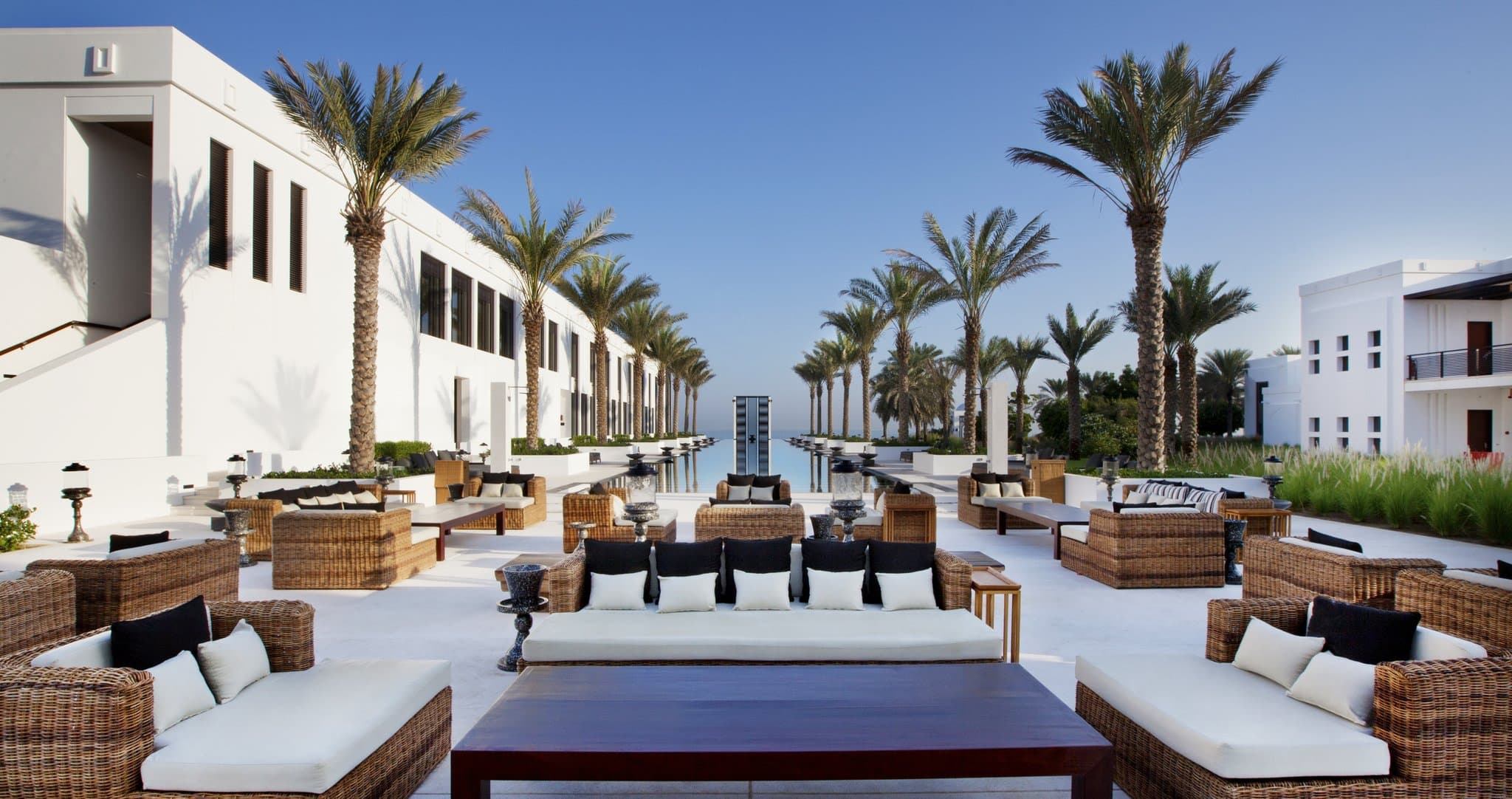
Jean-Michel Gathy’s 2003 masterpiece proves that obsession with symmetry never ages. While newcomers clutter the corniche, The Chedi remains a lesson in restraint—a realm of whitewashed archways and black water gardens that feel less like a hotel and more like a modern temple. The drama peaks at the 103-meter Long Pool, an adults-only runway lined with double daybeds and palms that demands your best swimwear. Rooms are moody retreats, contrasting the blinding Omani sun with dark wood, low-hanging lanterns, and generous Acqua di Parma amenities, though the base Serai rooms miss the mark without balconies. Dining is an event; 'The Restaurant' executes a global playbook with open-kitchen theatrics, while 'The Beach Restaurant' serves tiger prawns so fresh they ruin you for anywhere else—just brace for a bill that rivals a mortgage payment. Service is telepathic, appearing only when needed. It’s expensive, exclusive, and exactly where you belong.
“Skip the Serai rooms. Book a Chedi Club Suite for the sunken terrazzo bathtub and complimentary gin decanters in the lounge.”
Insider TipAvg. Nightly Rate
233USD
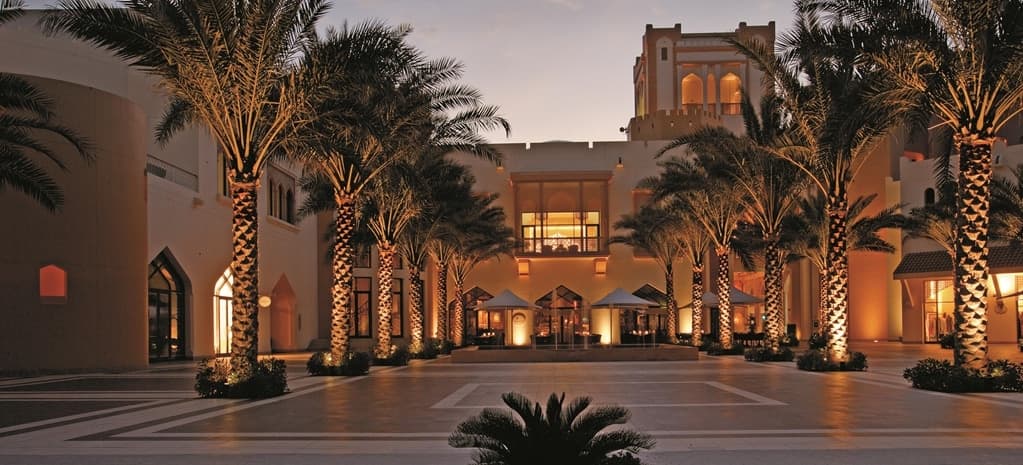
It is officially the end of an era. As of January 2026, the sprawling ochre fortress that defined Muscat’s coastline for two decades has traded its Shangri-La incense for Hilton’s digital keys. But don’t let the corporate reflagging fool you; the bones of this place—the dramatic Barr Al Jissah wind towers and that imposing dhofari architecture wedged between the Al Hajar mountains and the Gulf of Oman—remain spectacularly intact. The complex is now a tale of two cities: the family-centric Al Waha (now a DoubleTree) and the business-luxe Al Bandar (Hilton). While the interiors felt tired in 2025—think dated carpets and heavy drapes that screamed 'early 2000s'—the rebranding promises a much-needed aesthetic caffeine shot. For now, the draw remains the sheer geography. You are here to float down the 500-meter lazy river (still the best in the Sultanate) or to watch the resident Turtle Ranger guide hatchlings to the sea, a ritual no rebrand can commodify. Dining is in flux, but the seafood cathedral ‘Bait Al Bahr’ continues to serve grilled Kingfish with frankincense butter that justifies the flight alone. Service has shifted from Asian deference to American efficiency, a change that may jar loyalists but suits the high-volume breakfast chaos at Al Tanoor. It’s no longer the Shangri-La, but the drama is undiminished.
“Skip the crowded family pools at Al Waha. Book a ground-floor room in Al Bandar for direct access to the quieter 'adult-adjacent' lawns, and demand a table on the terrace at Capri Court before sunset.”
Insider TipAvg. Nightly Rate
237USD