No. 01
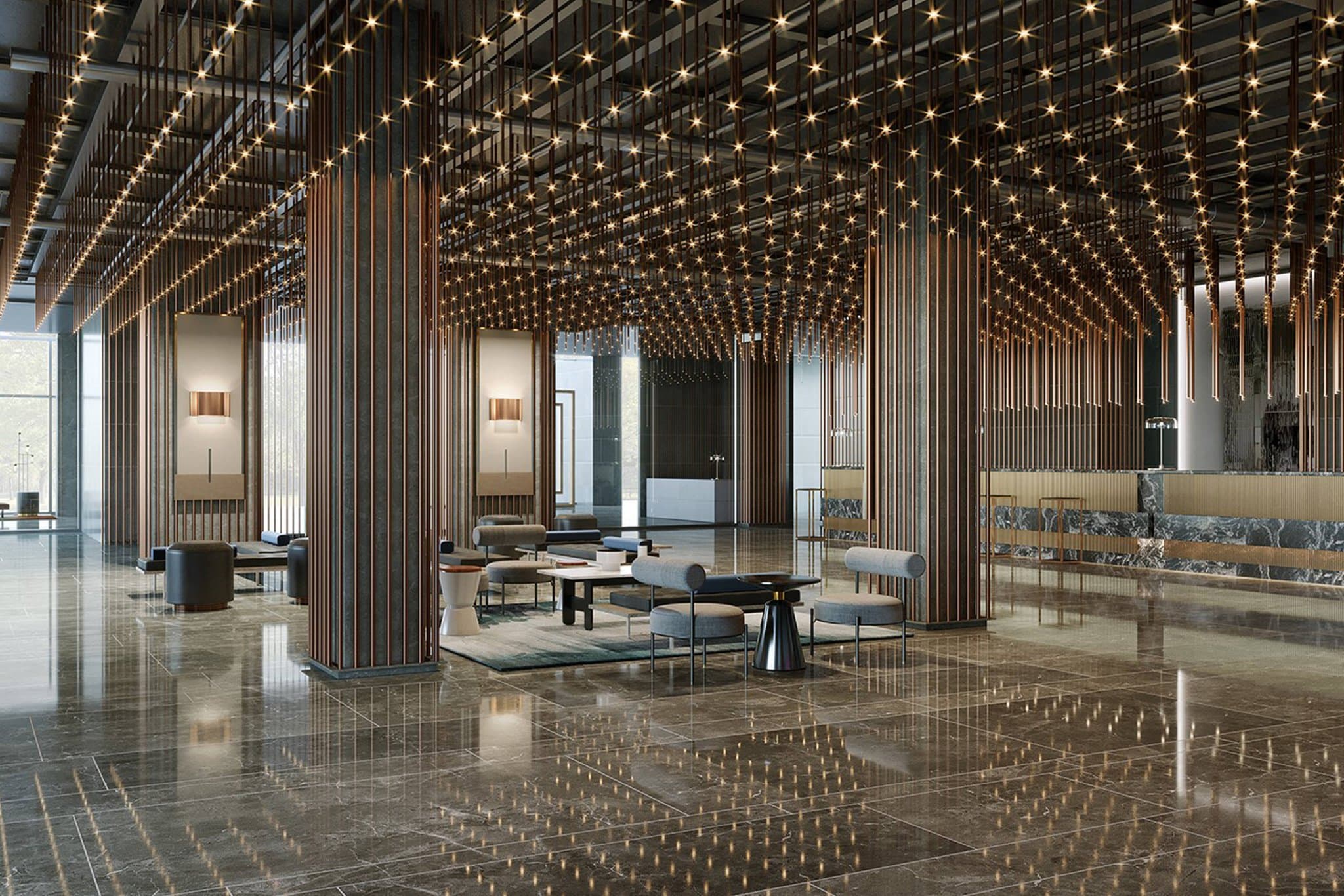
No 9 Zhengqi Road Nanjing ChinaNanjing254 verified reviews
8
.2
Bitvoya Edit
Layering imagery, place, and detail before the page opens.
Nanjing is a city where the ink of ancient poetry has never quite dried, blending seamlessly with bold, contemporary strokes of architectural brilliance. In this curated collection, we explore properties that serve not merely as accommodation, but as cultural canvases. From the mist-covered hills of Pukou, home to the architectural sanctuary of The Sifang Hotel, to the Republic-era heritage preserved within the walls of The Yihe Mansions in the historic Gulou district, every stay tells a story. We invite you to experience the futuristic curves of Jumeirah Nanjing in Hexi and the Zen-inspired serenity of The Lalu on the banks of the Yangtze. This is Nanjing reimagined through design, history, and art.
Nanjing, the ancient capital of six dynasties, offers a travel experience that is deeply intellectual and visually stunning. Unlike the frenetic pace of Shanghai or the political gravity of Beijing, Nanjing balances its rich literary history with avant-garde design. Choosing an art or literary hotel here means inhabiting the very culture of the city. Whether it is the Sifang Art Park, which turns a hotel stay into a museum tour, or the Nanjing Yihe Jiezi Garden Hotel, which immerses guests in classical Chinese gardening aesthetics, these properties offer a profound connection to the destination.
Expect a synthesis of the old and the new. Hotels like The Ritz-Carlton, Nanjing at Xinjiekou offer high-altitude luxury with art collections reflecting local silk traditions, while The Lalu Nanjing focuses on 'less is more,' utilizing light and shadow to create a living painting of the Yangtze River. Service in these properties is impeccably tailored, often including private gallery tours, tea ceremonies, or architectural guides to ensure your stay is as educational as it is relaxing.
The Sifang Hotel Nanjing, Autograph Collection is the top choice for architecture enthusiasts, located within the Sifang Art Park featuring works by Steven Holl, Arata Isozaki, and Wang Shu.
The Yihe Mansions and The Yihe Yangtze Hotel in the Gulou district offer an authentic immersion into the 1920s Republic of China era, housed in restored heritage villas.
The Lalu Nanjing offers unparalleled views of the Yangtze River, designed to maximize the scenery through its Zen-inspired minimalist architecture.
Explore our complete curated list of luxury accommodations, from boutique hideaways to grand dames.
Explore All Nanjing HotelsThis isn’t a hotel; it’s an architectural petting zoo in the woods. Located within the Sifang Parkland, the property requires you to surrender to its high-concept premise: what happens when you let twenty award-winning architects (including Arata Isozaki and Wang Shu) loose in a Chinese forest? The result is a jagged, concrete dreamscape anchored by Liu Jiakun’s monochrome main hotel. The vibe is aggressively intellectual. Rooms are studies in minimalism—expect raw concrete, stark white linens, and floor-to-ceiling windows that frame the Laoshan forest like a living scroll. It feels less like a resort and more like a habitable gallery. Dining at Chuan Gong is a grounding counterpoint to the lofty design. The kitchen delivers a flawless Nanjing Salted Duck and a Braised Lion’s Head that is rich, fatty, and comforting. However, the sprawling, hilly terrain means relying on buggies, and service can suffer from 'island time' lethargy. If you can forgive the logistical quirks and the currently dry pool, you are rewarded with total silence and the visual thrill of waking up inside a Steven Holl sketch.
“The indoor pool is drained for maintenance until March 2026, so leave the swimsuit at home. Instead, book a morning session at the Art Park to feed the resident alpacas before the day-trippers arrive.”
Insider TipAvg. Nightly Rate
43USD

If Wong Kar-wai directed a hotel stay, this would be the set. Anchored near the Yangtze River, The Yihe Yangtze Hotel isn’t just a place to sleep; it’s a masterclass in atmospheric preservation. Housed in a 1914 French-designed castle constructed from repurposed Ming Dynasty city wall bricks, the property rejects the sterile gloss of modern luxury for something far moodier. There is no swimming pool. There is no gleaming 24-hour fitness center. Instead, you get a spiral wooden staircase that creaks with cinematic intention and rooms that feel like private studies for a 1920s diplomat. The absence of resort-style distractions is the point. You come here to read, not to swim laps. The rooms feature dark wood paneling and high ceilings that demand a glass of cognac rather than a protein shake. While the historic structure means soundproofing is "authentic" (read: occasional echoes), the trade-off is extreme privacy and a butler service that operates with phantom-like efficiency. Dining is a serious affair: ‘Le Vermeil’ serves a competent French menu, but the real draw is ‘Wan Guo Chun’, where the Yangtze Boat Banquet offers a hyper-local taste of the river’s bounty. It’s not for the energetic family tourist; it’s for the brooding intellectual who wants to wear a silk robe and pretend the outside world has ceased to exist.
“Skip the generic city tour and walk 400 meters to the Zhongshan Wharf at dusk. It’s a working heritage site where you can catch a ferry across the Yangtze for pennies, offering the best uncurated sunset view in Nanjing.”
Insider TipAvg. Nightly Rate
115USD
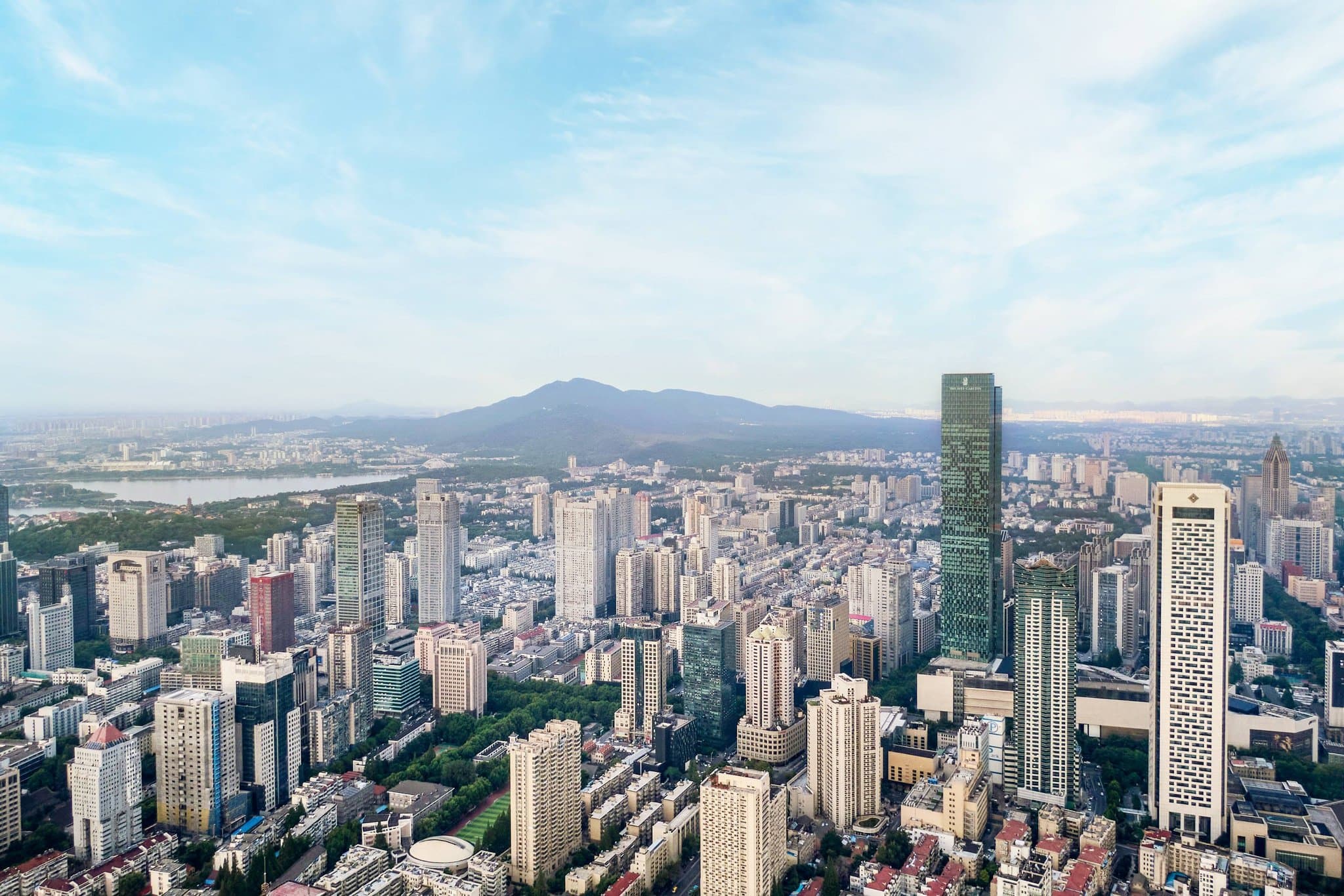
Forget the ground floor. In Nanjing, the real arrival happens on the 38th level, where The Ritz-Carlton transforms the frenetic energy of Xinjiekou’s luxury shopping district into a hushed, gallery-grade sanctum. This isn't just a hotel; it’s a vertical curator’s wet dream, creating a moody dialogue between Nanjing’s imperial past and its cosmopolitan present. The rooms are a study in pragmatic indulgence—think floor-to-ceiling windows that force a staring contest with Purple Mountain, flanked by the requisite Dyson hair dryers and deep soaking tubs that effectively demand champagne. Dining is the property's ace card: Dai Yuet Heen recently clinched a Michelin star for its Cantonese precision (the dried seafood entrées are non-negotiable), while Pin Ning Fu executes Huaiyang classics like Wensi Tofu with surgical skill. Cap the night at FLAIR on the 62nd floor, where Southeast Asian tapas meet a skyline that feels exclusively yours. The verdict? While the service occasionally stumbles on the small stuff—a missed turndown here, a slow coffee there—the sheer gravitational pull of the hardware and the view makes forgiveness easy.
“Skip the standard massage; request the signature treatment using heated local Yuhua stones at the ESPA spa for a ritual grounded in Nanjing geology.”
Insider TipAvg. Nightly Rate
287USD
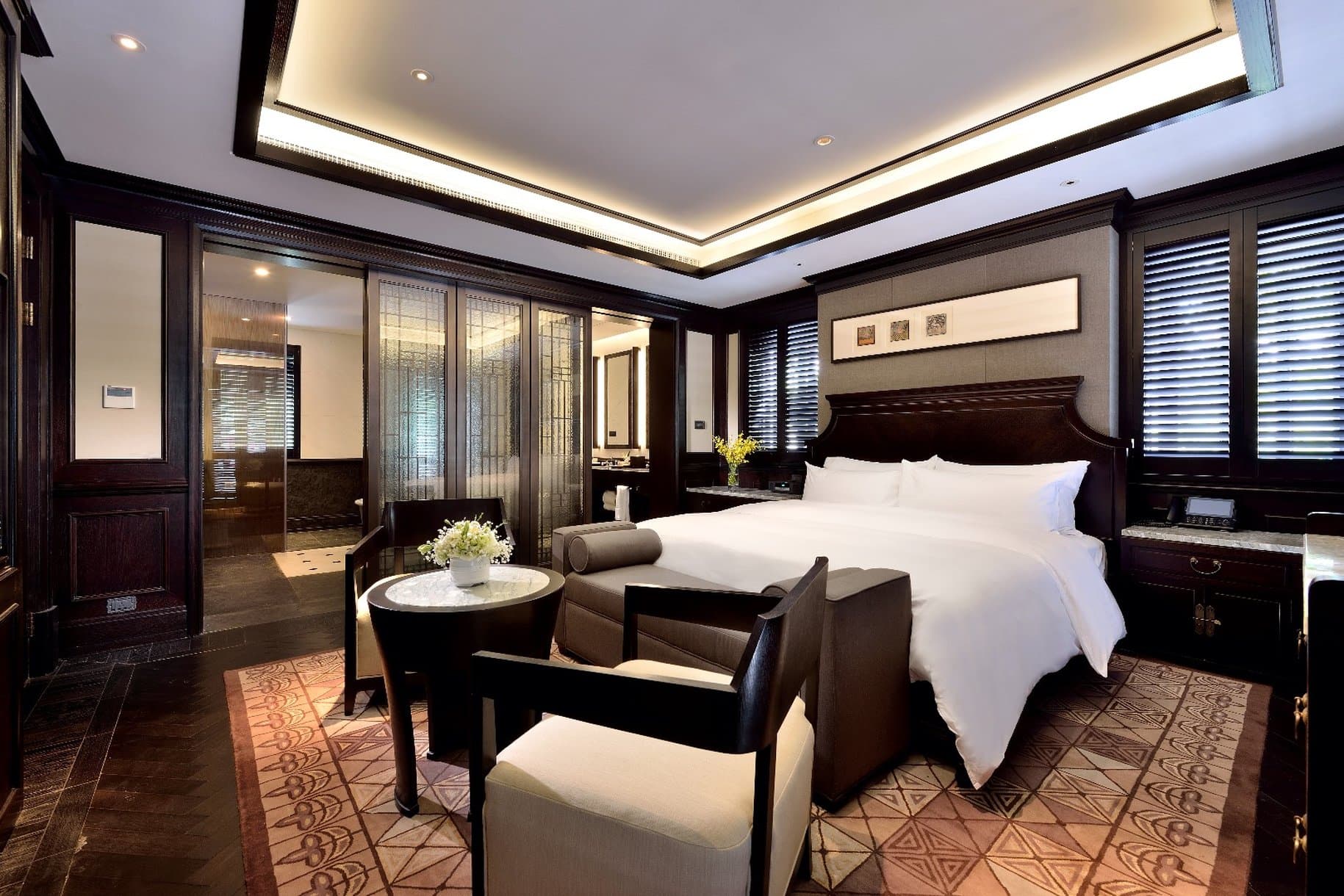
Behind the ochre walls of the Yihe Road preservation district, The Yihe Mansions isn't just a hotel; it’s a living museum of the Minguo era. Occupying 26 restored villas that once housed Nationalist generals and diplomats, the property trades typical lobby bustle for the quietude of a private compound shaded by century-old sycamores. The atmosphere is thick with history—think Wong Kar-wai visuals, not standard five-star beige. Rooms are moody and substantial, featuring Persian rugs, heavy velvet drapes, and solid wood furnishings that prioritize period accuracy over modern minimalism. While the lighting can be famously dim (a frequent gripe for business travelers), it perfectly suits the noir aesthetic. Bathrooms are thoroughly modern, stocked with Aromatherapy Associates amenities and deep soaking tubs. Dining reinforces the east-meets-west theme. Le Siècle (recognized by the Michelin Guide) serves plates like poached Canadian lobster in a setting that feels like a 1930s consulate, while Meng Tong Mansion delivers hyper-local Huaiyang classics—the hand-peeled river shrimp with Gorgon fruit is non-negotiable. Service is led by 24-hour personal butlers who handle everything from unpacking to arranging rickshaw tours. **Verdict:** A moody, cinematic escape for history buffs willing to trade bright lights for atmosphere.
“Ask your butler to unlock the private in-house museum (often closed to the public) for a solo tour of the district's architectural history before dinner.”
Insider TipAvg. Nightly Rate
115USD
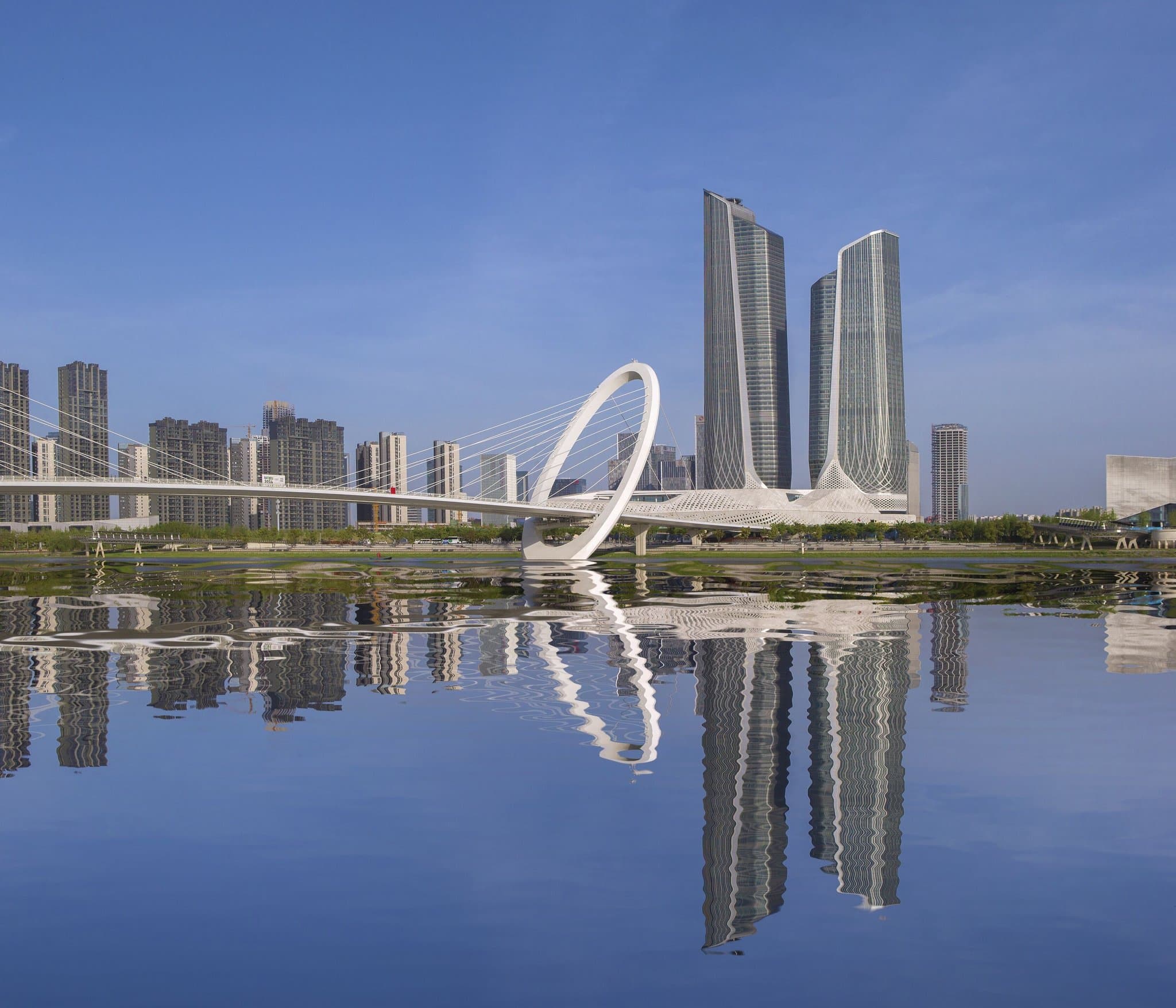
If the Ming Dynasty city wall represents Nanjing’s past, the Jumeirah Nanjing—housed within Zaha Hadid’s curvy 'Solar Winds' towers—is its unapologetic transmission from the future. This is not merely a hotel; it is habitable sculpture. The lobby rejects the tyranny of the right angle, featuring a 'Black Dragon' wall that seems to writhe alongside the ripple-effect flooring, mimicking the nearby Yangtze River. Up in the rooms (starting at a generous 50 square meters), the aesthetic is starkly confident: floor-to-ceiling glass frames the river traffic like a silent movie, while the minimalist interiors let the architecture do the shouting. Housekeeping can occasionally lag behind the high-gloss hardware, but the facilities compensate. The 63rd-floor Talise Spa is a sanctuary of ESPA products, though the true showstopper is the Sky Atrium Pool, a four-story glass cathedral that floods the water with natural light. Dining is equally theatrical at Lu Chao, where the kitchen remixes Cantonese classics—the Yuzu Sweet & Sour Pork delivers a citrusy slap that cuts through the richness perfectly. Located in the Hexi New District, it requires a taxi to reach the Confucian Temple, but for design purists, the commute is a small price for sleeping inside a masterpiece.
“Book a swim at the Sky Atrium Pool strictly between 11:00 AM and 1:00 PM; the sun aligns directly with the glass ceiling, turning the water into a glowing sapphire box.”
Insider TipAvg. Nightly Rate
114USD

Most hotels hang art on their walls; the Nanjing Yihe Jiezi Garden Hotel attempts to live inside it. Resurrecting the footprint of the legendary 17th-century 'Mustard Seed Garden'—the estate of scholar Li Yu and birthplace of China’s most vital painting manual—this property is a quiet act of defiance against the neon bustle of the surrounding Laomendong district. Once past the moon gate, the tourist cacophony dissolves into a silent cinema of rockeries, koi ponds, and bamboo groves that demand you slow your pulse. The architecture is a rigorous exercise in Ming-Qing aesthetics: think sweeping eaves, intricate wood latticework, and courtyards that frame the sky like a scroll. However, historical fidelity has its quirks. While the suites are atmospheric triumphs with high beams and soaking tubs, the entry-level rooms often offer a view of nothing but grey brick walls—authentic to a servant’s quarters, perhaps, but disappointing for a traveler. A word of warning for winter guests: the marble bathrooms lack floor heating and become glacial; pack your thickest wool socks. Dining is the saving grace. The on-site *Wan Guo Chun* serves legitimate Huaiyang cuisine—the Squirrel-shaped Mandarin Fish is a sweet-and-sour sculpture that rivals the garden’s rock formations. **Verdict**: A moody, atmospheric retreat for the culturally literate who can forgive a cold floor for the sake of living in a painting.
“Book a 'Garden View Suite' to avoid the dreaded 'Wall View.' Also, skip the hotel's Western breakfast options and walk 50 meters into Laomendong for authentic duck blood vermicelli soup.”
Insider TipAvg. Nightly Rate
71USD
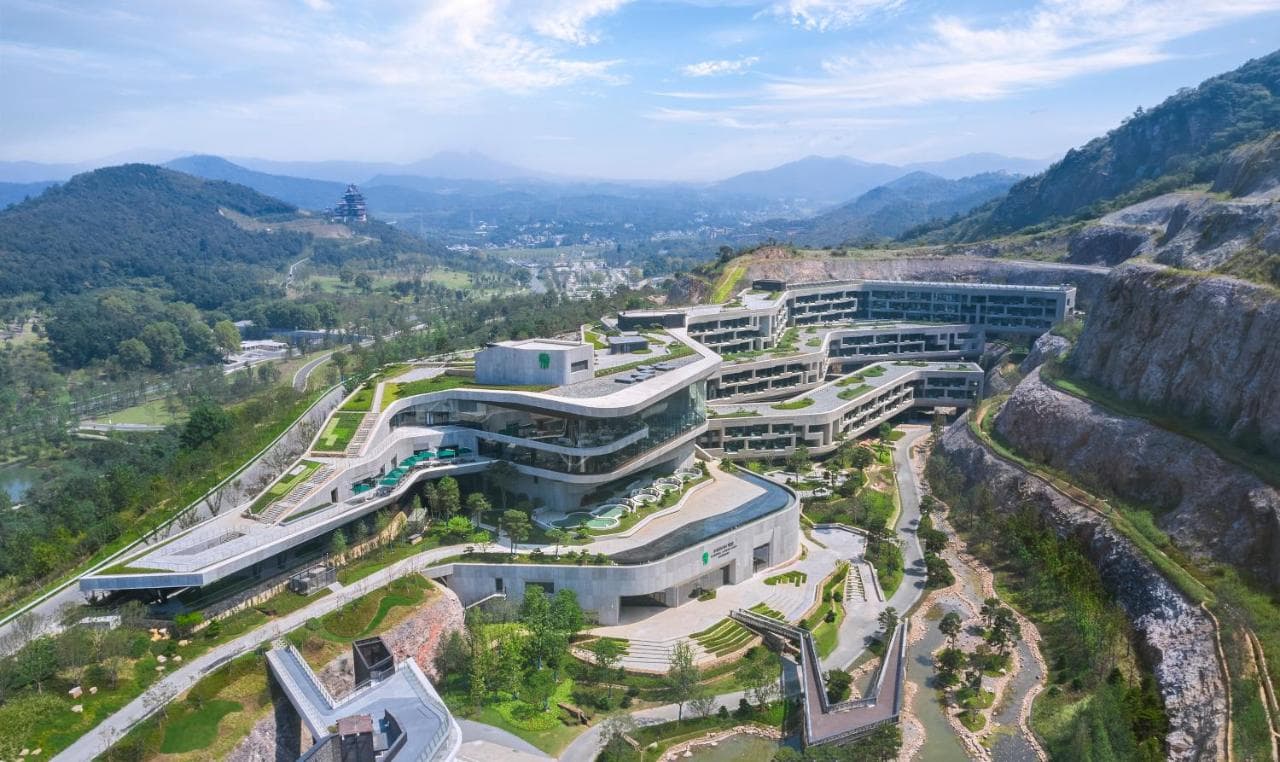
Forget the tired tropes of 'hidden gems'—Banyan Tree Nanjing Garden Expo is a dramatic architectural scar healed by design. Carved into the jagged face of a defunct limestone quarry, this property trades traditional garden serenity for a brutalist-meets-botanical aesthetic that is nothing short of cinematic. The lobby, dubbed the 'Valley of Light,' sets a moody, minimalist tone that carries through to the 115 rooms. Here, the pièce de résistance is the private thermal hot spring tub on every balcony; soaking in mineral-rich waters while staring down a sheer cliff face offers a visceral connection to the earth that few five-star pads can rival. Dining is equally theatrical. Skip the room service and head to Bai Yun, where the glass-skin crispy pigeon is a masterclass in texture, rivaling the cliff-top waterfall views at Ming Yue. Service is sharp and intuitive—expect your preferences to be remembered before you sit down. While the isolation might deter those seeking city lights, and the price point is steep, the payoff is a regenerative cocoon of Technogym workouts and 'Tropical Rainmist' spa sessions that feels world-away from the bustle of Nanjing. It is a triumphant example of industrial history reimagined as modern luxury.
“Request a 'Valley View' room on a high floor (levels 8-9) to catch the daily 'fog waterfall' effect—a man-made mist that cascades down the quarry cliffs at sunset.”
Insider TipAvg. Nightly Rate
182USD
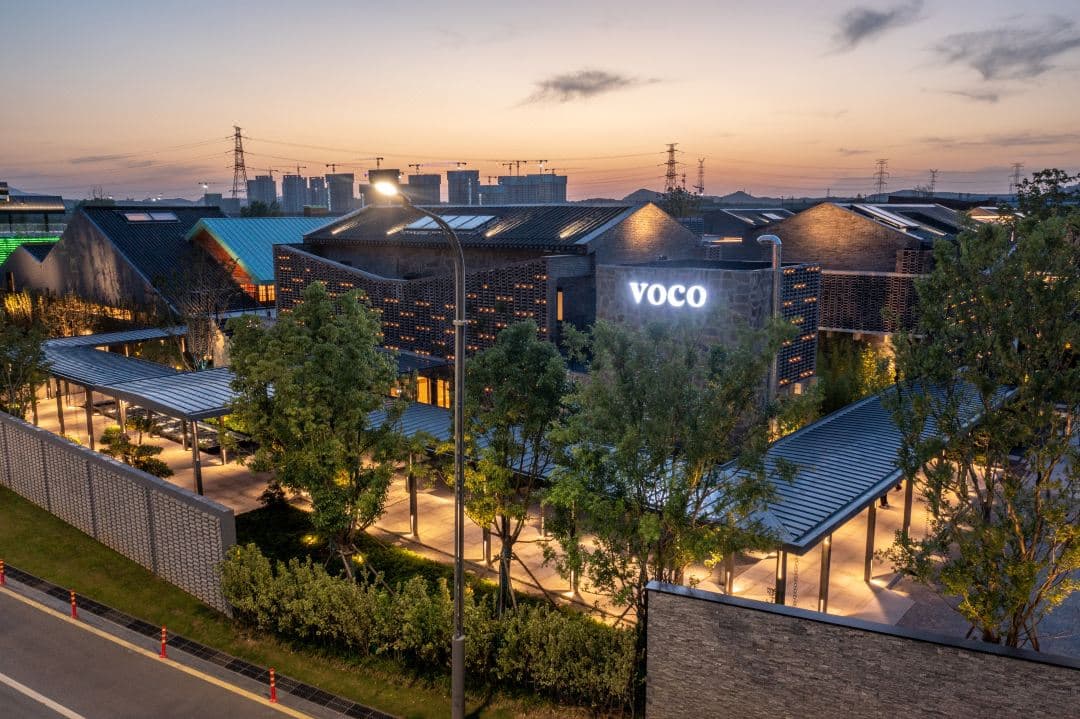
Forget the glass-and-steel vernacular of Nanjing’s business district. The voco Nanjing Garden Expo is a calculated architectural exhale, positioned as the pastoral gatekeeper to the sprawling Garden Expo Park. Your arrival sequence is deliberate: a bamboo-lined corridor acts as a decompression chamber, stripping away the urban static before you even reach the lobby. The 126 rooms and villas channel a modern "Jiangnan village" aesthetic—whitewashed walls and dark tiles—but the real currency here is privacy. While the public water court is modest, the ground-floor villas feature private outdoor hot spring tubs. Soaking in mineral-rich water while shielded by high walls and bamboo offers a level of seclusion rare in Jiangsu’s crowded hospitality circuit. Inside, the hardware is sharp: Elemis bath amenities, Dyson hair dryers, and crisp 400-thread-count linens. Dining is centralized at Fan Xiang (凡飨), the property’s sole restaurant. It avoids the generic "international buffet" curse by leaning into specificity. The kitchen executes Huaiyang fusion with precision, but the surprise hit is the wood-fired pizza topped with vegetables harvested directly from the hotel’s own agricultural plots. For the cultural pilgrim, this property serves as the ideal base camp for the Librairie Avant-Garde Silo Store, located just two kilometers away. It is also unapologetically pet-friendly, featuring a dedicated "pet concierge" and play zones, making it a rare luxury retreat where your dog is treated as a guest rather than luggage. Verdict: A sophisticated, slow-paced retreat best suited for hot-spring introverts and literary travelers.
“Book a 'Garden View Villa' on the ground floor to ensure you get the private outdoor hot spring tub; upper-level rooms often lack this feature.”
Insider TipAvg. Nightly Rate
110USD

Hexi is where Nanjing buttons up its collar, but the Andaz—anchoring the glistening IFC complex—loosens the tie significantly. Designed by the Avalon Collective, the property feels less like a hotel and more like the private loft of an eccentric academic. The arrival experience bypasses the usual reception drudgery; instead, you enter through a concierge 'Library' hinting at the city's scholarly past before shooting up to the 7th floor, greeted by a gravity-defying floating tangerine art installation that sets a playful, unscripted tone. While the 36-square-meter base rooms might feel snug compared to the sprawling suites of older competitors, they are engineered with surgical precision. Floor-to-ceiling glass pulls the Yangtze skyline right into bed with you, and the tactile quality of the finishes—plus the scent of La Bottega amenities—distracts from the square footage. Social spaces are where this property flexes its muscles. The Tavern (Huaiyang 108) refuses to be a generic all-day dining hall. Here, the local staple Duck Blood Vermicelli Soup gets a white-tablecloth upgrade without losing its soul. By sunset, the Meet@ Terrace becomes the district’s de facto watering hole, offering a sharp, stylish pivot from the historic solemnity of the Purple Mountain.
“Head to the Meet@ Terrace exactly at 5:30 PM. The sunset aligning with the Yangtze River skyline offers the best unfiltered view in the district—best enjoyed with their signature spicy clams.”
Insider TipAvg. Nightly Rate
136USD
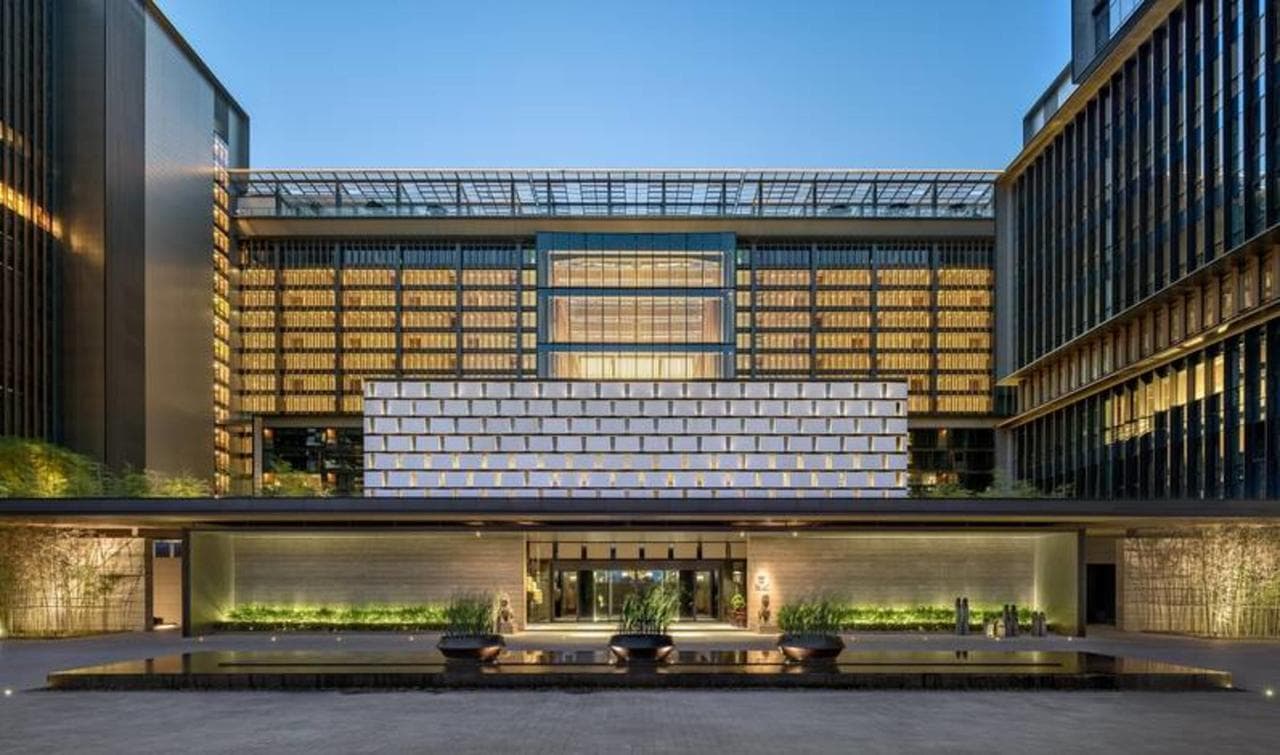
In a city defined by its Ming-era ramparts, The Lalu Nanjing constructs its own fortifications—not of stone, but of silence. Designed by SCDA Architects, this property rejects the gilded excesses of typical luxury for a brutalist, Zen-inspired aesthetic that feels less like a hotel and more like a modern temple. The arrival experience is a decompression chamber; a bamboo-lined driveway transitions you from the cacophony of Jianye District into a 'Moonlight Box' of slate, granite, and shadow. Inside, the 'less is more' philosophy is militant. Entry-level rooms are a staggering 60 square meters, anchored by private balconies that offer uninterrupted, cinematic views of the Yangtze River’s grey heave. The interiors are a study in restraint—celadon greens and textured stones—accented by tactile comforts like 400-thread count linens and deep soaking tubs. Dining at Soalian (水沙漣) is a mandatory pilgrimage; order the 'Presidential Fish,' a steamed delicacy honoring the brand's Taiwanese roots, alongside the Taro Duck. While the location is famously isolated, the 60-meter outdoor infinity pool, appearing to spill directly into the river, provides enough visual drama to render a trip to the city center unnecessary. **Verdict**: A sophisticated, slow-burn sanctuary for the creative class who prefer their luxury whispered, not shouted.
“Request a room on a high floor (15+) facing the river for the best sunset views over the Yangtze; the 'isolated' location pays off when the city lights reflect on the water.”
Insider TipAvg. Nightly Rate
143USD