No. 01
Number One New Delhi India 110011New Delhi1396 verified reviews
9
.4
Bitvoya Edit
Layering imagery, place, and detail before the page opens.
New Delhi is not merely a political capital; it is a palimpsest of empires, nowhere more visible than in its "Grand Dames." These hotels embody the architectural splendor of the British Raj and the opulence of Independent India. From the Art Deco corridors of The Imperial in Janpath to the sprawling lawns of The Claridges in the heart of Lutyens’ Delhi, these properties offer a portal to a bygone era. Visitors staying near Connaught Place or within the leafy avenues of the Diplomatic Enclave experience a sophisticated blend of colonial charm and contemporary ultra-luxury. Whether it is the Mughal-inspired domes of ITC Maurya or the iconic skyline view from The Taj Mahal Hotel, these heritage icons define the soul of the city.
Choosing a heritage hotel in New Delhi is about stepping into a living museum. Unlike standard luxury chains, properties like The Imperial and The Oberoi offer a narrative that intertwines with the history of India itself. Guests are not merely booking a room; they are gaining access to the architectural vision of Sir Edwin Lutyens, the nostalgia of the British Raj, and the royal hospitality that defines Indian culture. From high tea in manicured gardens to dining in restaurants that have served heads of state, the experience is unmatched.
Expect a fusion of eras. Architecture often features high ceilings, long verandas, and colonial pillars mixed with modern amenities like world-class spas and infinity pools. Service is formal and steeped in tradition—anticipate turbaned doormen and personalized butler service. Culinary experiences are a highlight, with many of these hotels hosting India's most celebrated restaurants, offering everything from authentic North Indian cuisine to colonial-era Anglo-Indian dishes.
The Imperial New Delhi is widely considered the best representation of colonial history. Opened in the 1930s, it features Victorian, Colonial, and Art Deco styles and houses a priceless collection of British art and artifacts.
Yes, most are centrally located. The Claridges and The Taj Mahal Hotel are in Lutyens' Delhi near India Gate, while Radisson Blu Marina is right in Connaught Place.
Absolutely. While they maintain their historic facades and charm, properties like The Oberoi and ITC Maurya offer state-of-the-art technology, air purification systems, luxury spas, and fine dining.
Explore our complete curated list of luxury accommodations, from boutique hideaways to grand dames.
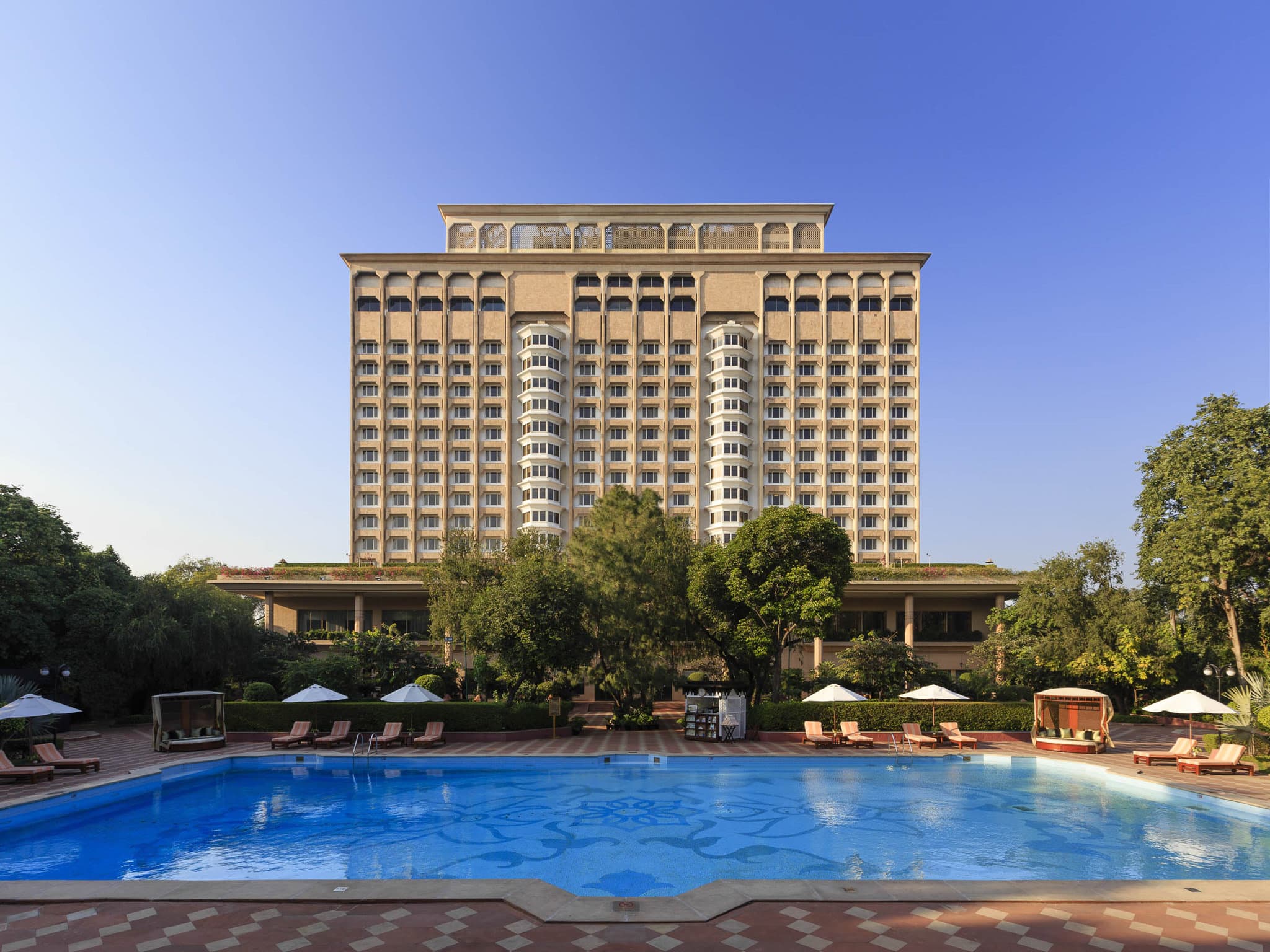
Explore All New Delhi HotelsIn a city perpetually chasing the new, the ‘Taj Mansingh’ remains the definitive power address of Lutyens’ Delhi. Fresh off its win as ‘India’s Leading Hotel 2025’ (World Travel Awards), this Grand Dame hasn’t just rested on her Mughal-inspired laurels—she’s been aggressively updated. The air here—quite literally—is different, thanks to a state-of-the-art purification system that makes the lobby a true sanctuary from Delhi’s AQI. While entry-level rooms (33 sqm) feel cozy compared to Aerocity’s hangars, they are masterclasses in efficient luxury, now refreshed with brighter palettes and crisp 400-thread count linens. But you don’t stay here for the room; you stay for the lobby theatrics and the legendary dining. Deals are still sealed over Peking Duck at The House of Ming, and Varq continues to redefine the genre—order the Varqi Crab to understand why modern Indian cuisine started here. Service is the hotel's ace; staff like Duty Manager Nayantara Batra don’t just memorize preferences, they anticipate moods. It’s not just a hotel; it’s the capital’s living room.
“Book a Taj Club Room for access to the lounge’s excellent evening cocktails and—crucially—a view of the Presidential Palace (Rashtrapati Bhavan) rather than the city sprawl.”
Insider TipAvg. Nightly Rate
213USD
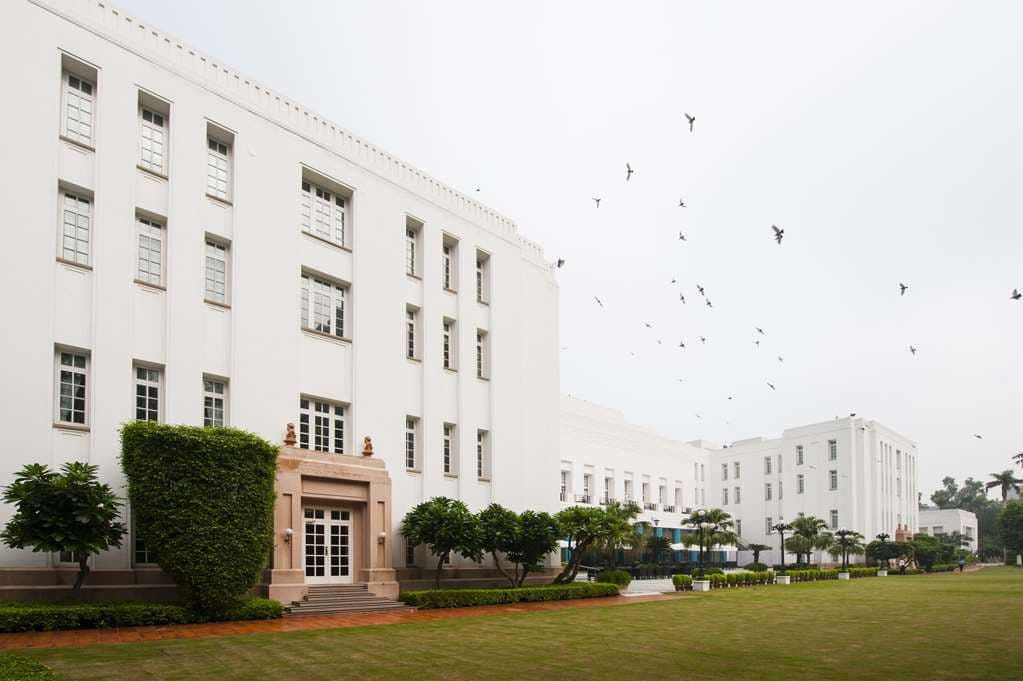
Drive past the guards on Janpath and the cacophony of New Delhi vanishes, replaced by the hushed gravel of Palm Avenue. Built in 1931 as the crown jewel of Lutyens’ master plan, The Imperial isn't merely a hotel; it is a living archive housing 5,000 pieces of colonial art. The aesthetic is strictly Raj-era poise meets Great Gatsby excess—think polished marble floors and white-gloved porters. Rooms are high-ceilinged echoes of the past, thoughtfully modernized with Porthault linens and Natura Bissé bath amenities. While the windowless atrium rooms can feel somber, the Heritage Suites facing the gardens are luminous. Dining here is non-negotiable: The Spice Route’s *Chemeen Thoren* (Kerala prawns) is legendary, but the true insider ritual is a 120ml pour at the Patiala Peg bar, where the leather armchairs practically whisper political secrets. Service is intuitive, if occasionally paced to a 1930s rhythm. It remains the capital's undisputed Grand Dame.
“Skip the standard rooms; request a Heritage Room with a garden view to avoid the dimmer internal atrium. Book the Mughal Suite at the spa for a private steam and Jacuzzi session.”
Insider TipAvg. Nightly Rate
190USD
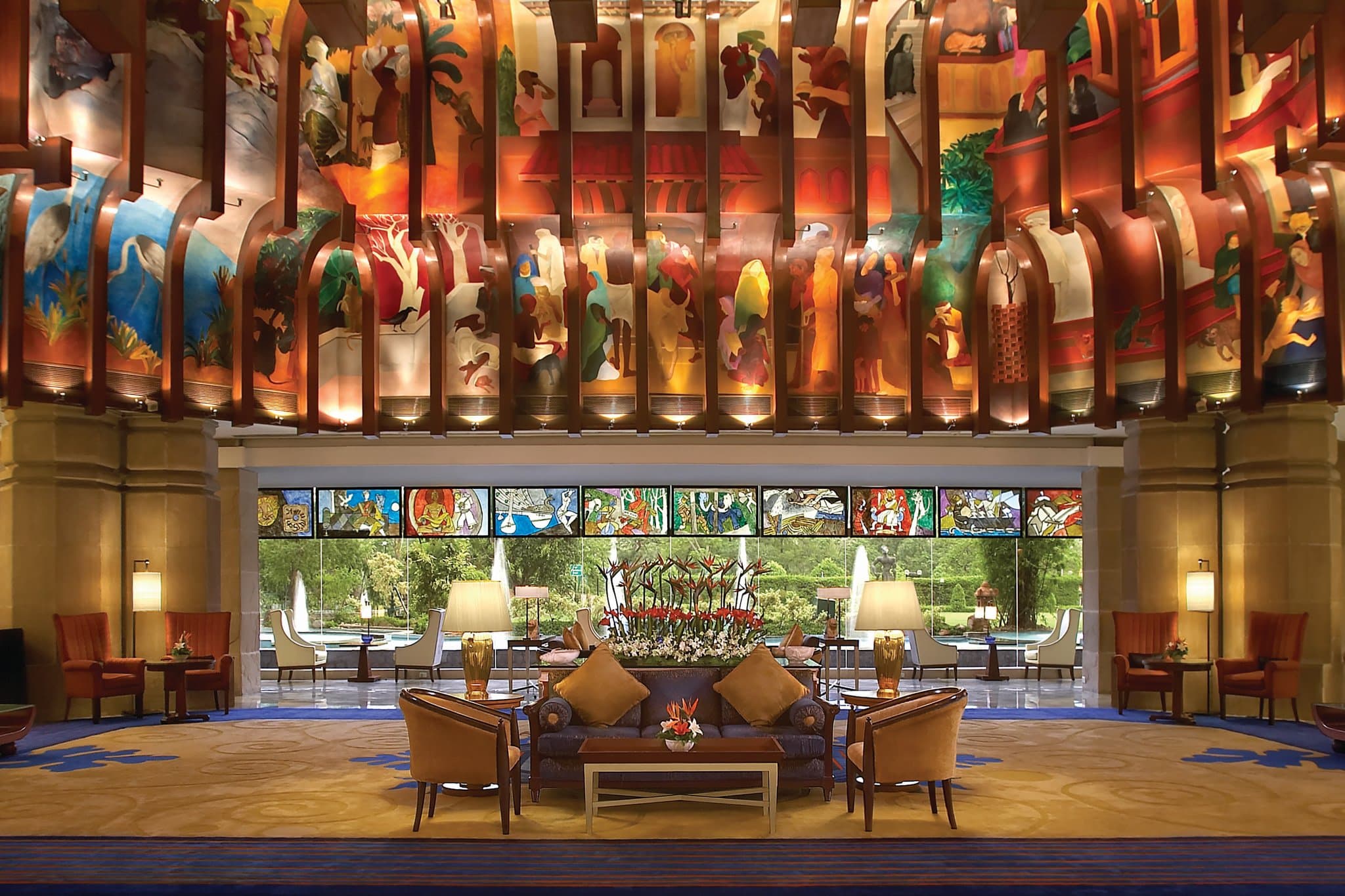
To understand New Delhi’s hierarchy, one doesn't visit Parliament; one checks into the ITC Maurya. This isn't merely a hotel; it is the fortress of Indian soft power, a LEED Platinum-certified stupa in the Diplomatic Enclave where the lobby mural, Krishen Khanna’s 'The Great Procession,' watches over a constant stream of heads of state. The vibe is intoxicatingly heavy—thick with the scent of tuberoses and serious decisions. Let’s address the elephant in the room: the base rooms are tired. At 26 sqm, they feel compact, and the furniture carries a weariness that some might call 'classic' and others 'dated.' However, the service—led by the formidable 'Namaste'—is bulletproof. The real pilgrimage here is culinary. While the new 'Avartana' offers brilliant, modernist South Indian courses, the soul remains at 'Bukhara.' Yes, it’s a cliché to mention the Clintons, but tearing into the Sikandari Raan (marinated whole leg of lamb) without cutlery, apron on, is a rite of passage. The Dal Bukhara, simmered for 18 hours, remains the dark, velvety gold standard of the city. **Verdict**: If you seek iPad controls and minimalist glass, go elsewhere. But for the definitive taste of Imperial Delhi—and the world’s best lentils—the Grand Dame still reigns.
“Skip the chaotic main lobby check-in. Book an 'ITC One' room to access the exclusive tower entrance and private lounge, bypassing the crowds entirely.”
Insider TipAvg. Nightly Rate
148USD
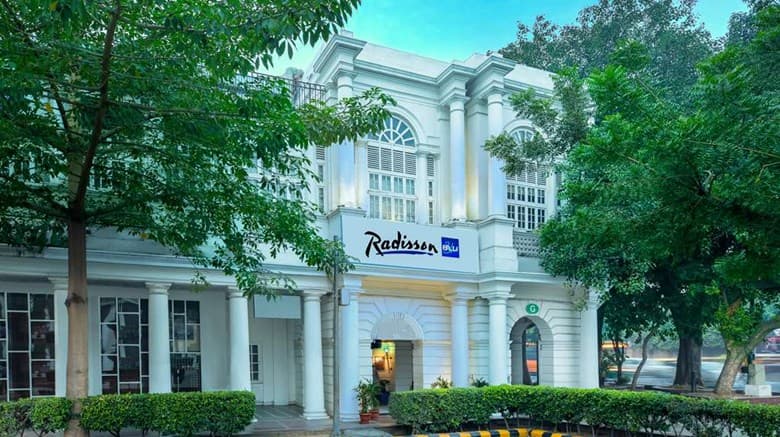
Connaught Place is not merely a location; it is the concentric, chaotic nucleus of Lutyens' Delhi. To stay at the Radisson Blu Marina is to bypass the traffic snarls entirely, residing directly within the heritage white colonnades of the Inner Circle. This is the city’s first boutique heritage property, a restoration triumph that trades sprawling resort lawns for high-octane urban immersion. The accommodation demands a calibration of expectations: with standard rooms clocking in at a snug 20 square meters, the footprint is akin to a luxury ship cabin—compact, highly functional, and impeccably finished with modern amenities, though the occasional creak in the plumbing betrays the building's colonial age. But one does not book G-Block for the square footage. The true currency here is culinary. 'The Great Kabab Factory' is a non-negotiable pilgrimage; their Galouti Kabab is a textural marvel that practically dissolves on the tongue. For a nightcap, The Connaught Bar offers a leather-bound sanctuary for single malt purists, providing a necessary acoustic buffer against the relentless honking of the Outer Circle. While the absence of a pool is a miss for the leisure set, the R3 Spa’s organic oil treatments offer a competent alternative for decompression. This is not a retreat; it is a strategic basecamp for the traveler who wants Delhi’s commercial pulse beating right against their window.
“Request a room facing the inner courtyard or the back lane. The soundproofing is decent, but the Outer Circle's horn-blaring soundtrack is relentless.”
Insider TipAvg. Nightly Rate
113USD
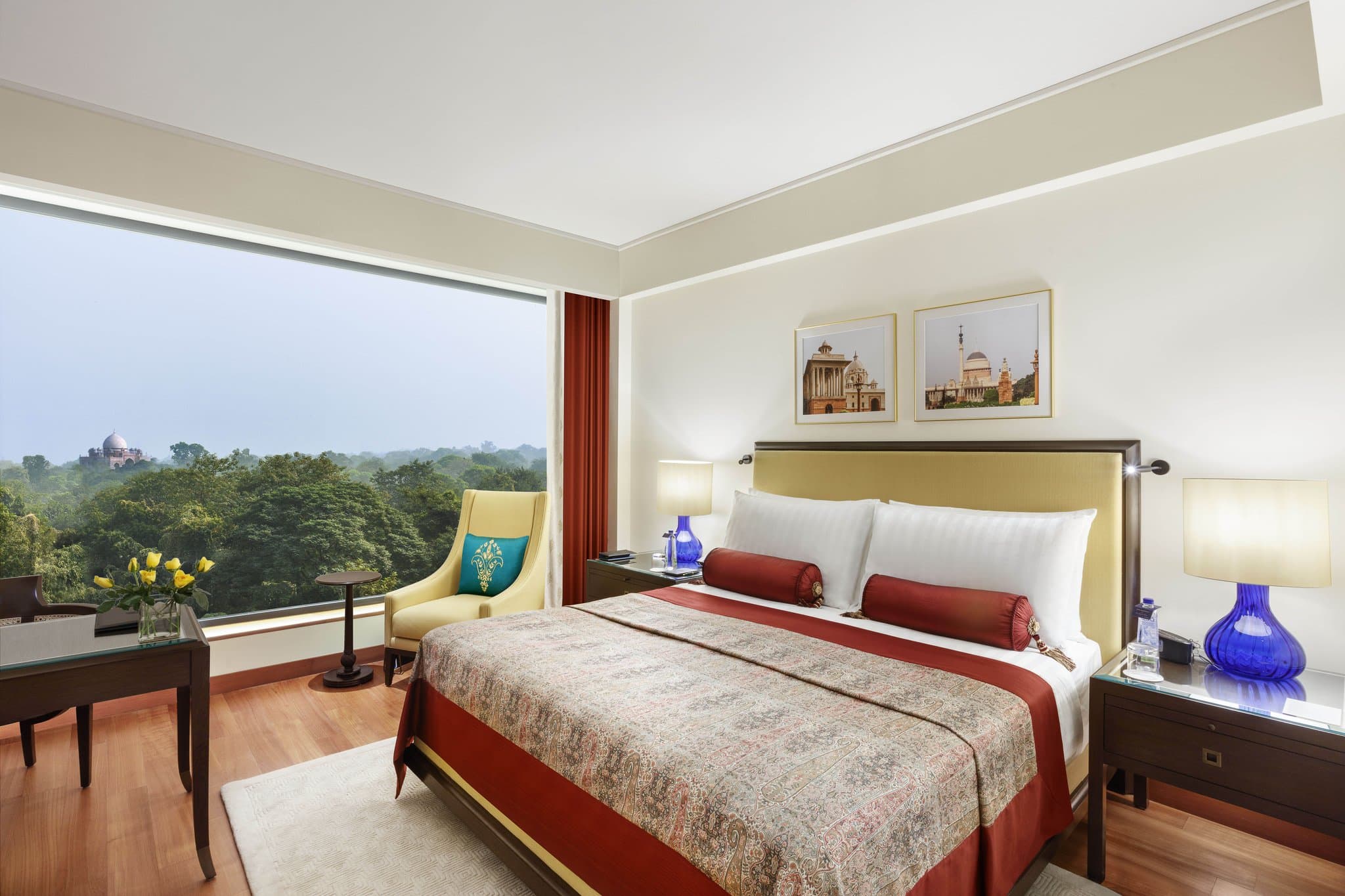
Don’t let the Brutalist 1965 concrete shell fool you; The Oberoi, New Delhi isn’t just resting on its colonial laurels. Following a complete gut-renovation in 2018, this Grand Dame has shed her dusty carpets for Italian marble and Lutyens-inspired minimalism. The real luxury here, however, isn’t just the 400-thread count linens or the iPad-controlled blackout blinds—it’s the air. A hospital-grade MERV 13 purification system hums silently, making the lobby’s 'Tree of Life' installation feel like a literal lung in one of the world's most polluted cities. The base rooms are admittedly compact at 33 sqm, a holdover from the building's mid-century bones, but they are masterclasses in spatial efficiency, stocked with Forest Essentials amenities and deep soaking tubs. The dining scene is where the hotel truly flexes. Skip the standard buffet for 'Baoshuan', where the 18-hour slow-cooked pork belly rivals anything in Hong Kong, or 'Omya' for a Malabar Pepper Chicken that packs a sophisticated heat. But the crowning jewel sits on the roof: 'Cirrus 9'. Sipping a Skyline Cocktail here at sunset, with the Mughal dome of Humayun’s Tomb silhouetted against a purple sky, you understand exactly why this hotel remains the city’s undisputed power broker.
“Book a table at Cirrus 9 for 5:30 PM to catch the sunset over Humayun’s Tomb; for rooms, request a 'Golf Course View' to avoid the traffic noise of Dr. Zakir Hussain Marg.”
Insider TipAvg. Nightly Rate
350USD
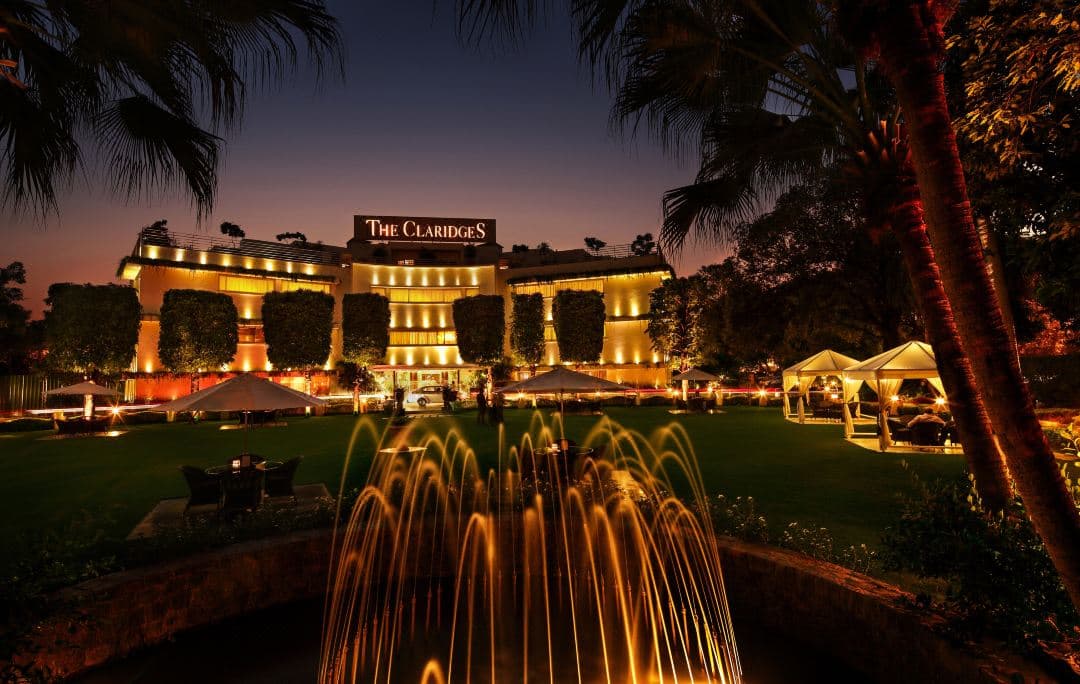
It is 1955 forever at 12 Dr. APJ Abdul Kalam Road. While the shiny glass towers of Aerocity fight for the nouveau riche, The Claridges rests comfortably on its Lutyens’ laurels, a low-rise, whitewashed colonial bungalow that whispers 'old money' rather than shouting it. The recent management takeover by IHCL (Taj Group) under the new 'Claridges Collection' brand suggests this fading aristocrat is about to get a very polite, very expensive facelift. For now, the charm lies in its resistance to sterilized modernity. The Heritage Rooms are high-ceilinged time capsules—yes, the floorboards might creak, and the aesthetics lean heavily on nostalgia, but the 400-thread count linens and heady Forest Essentials amenities smooth over the rough edges. Dining is the hotel’s true pulse. ‘Sevilla’ remains Delhi’s most romantic patch of gravel, where the city’s elite hide in private cabanas over Patatas Bravas and Sangria. Conversely, ‘Dhaba’ delivers high-end kitsch with its truck-stop décor and a Balti Meat so tender it mocks the very concept of a knife. **The Verdict:** It’s less a hotel and more a social club that lets you sleep over. Come for the mid-century lawn parties; stay because the butler, Prakash, already knows how you take your tea.
“Skip the standard rooms. Book a 'Cabana Room' on the ground floor for direct access to the pool and patio—it’s the closest you’ll feel to owning a villa in Central Delhi.”
Insider TipAvg. Nightly Rate
72USD
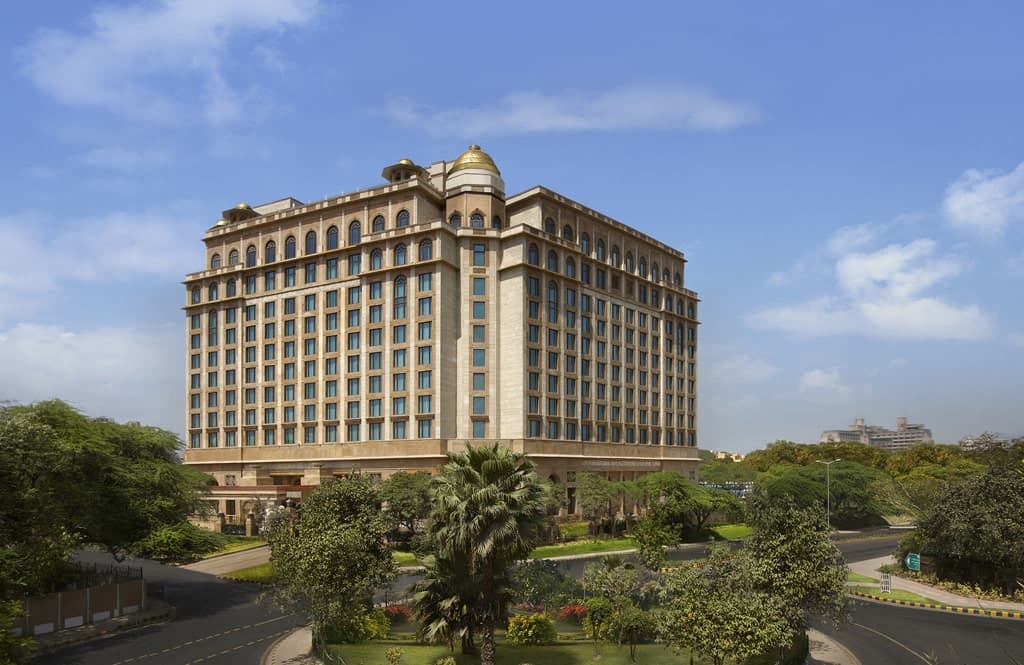
It’s a trick of the mind. You stand beneath the gold-leaf domes and three-tonne Murano crystal chandeliers, convinced this palace has watched over the Diplomatic Enclave for a century. In reality, The Leela Palace is a modern marvel (circa 2011) that simply outperforms the old guard at their own imperial game. It is Lutyens’ Delhi reimagined with 21st-century excess. The arrival is theatrical—stone elephants and a ritualistic welcome that makes you feel like a visiting Viceroy. But the real flex here is space. In a city where square footage is currency, the 51-square-meter base rooms are obscene, draped in heavy brocades and equipped with soaking tubs that demand a glass of champagne. Dining is not an afterthought; it is the main event. 'Megu' draws the city’s power brokers for yellowtail carpaccio that dissolves on the tongue, while 'Jamavar' elevates the humble raan (leg of lamb) to royal decree. Yes, the rooftop pool can be brisk in January, and the Delhi smog is an uninvited guest on the terrace, but when the butler pours your tea in the lobby lounge, the chaos of the capital feels a world away. Verdict: The ultimate power move in New Delhi hospitality.
“Book a Royal Club room to bypass the front desk entirely; the included airport limousine transfer and dedicated butler service are non-negotiable for navigating Delhi's frenzy.”
Insider TipAvg. Nightly Rate
173USD
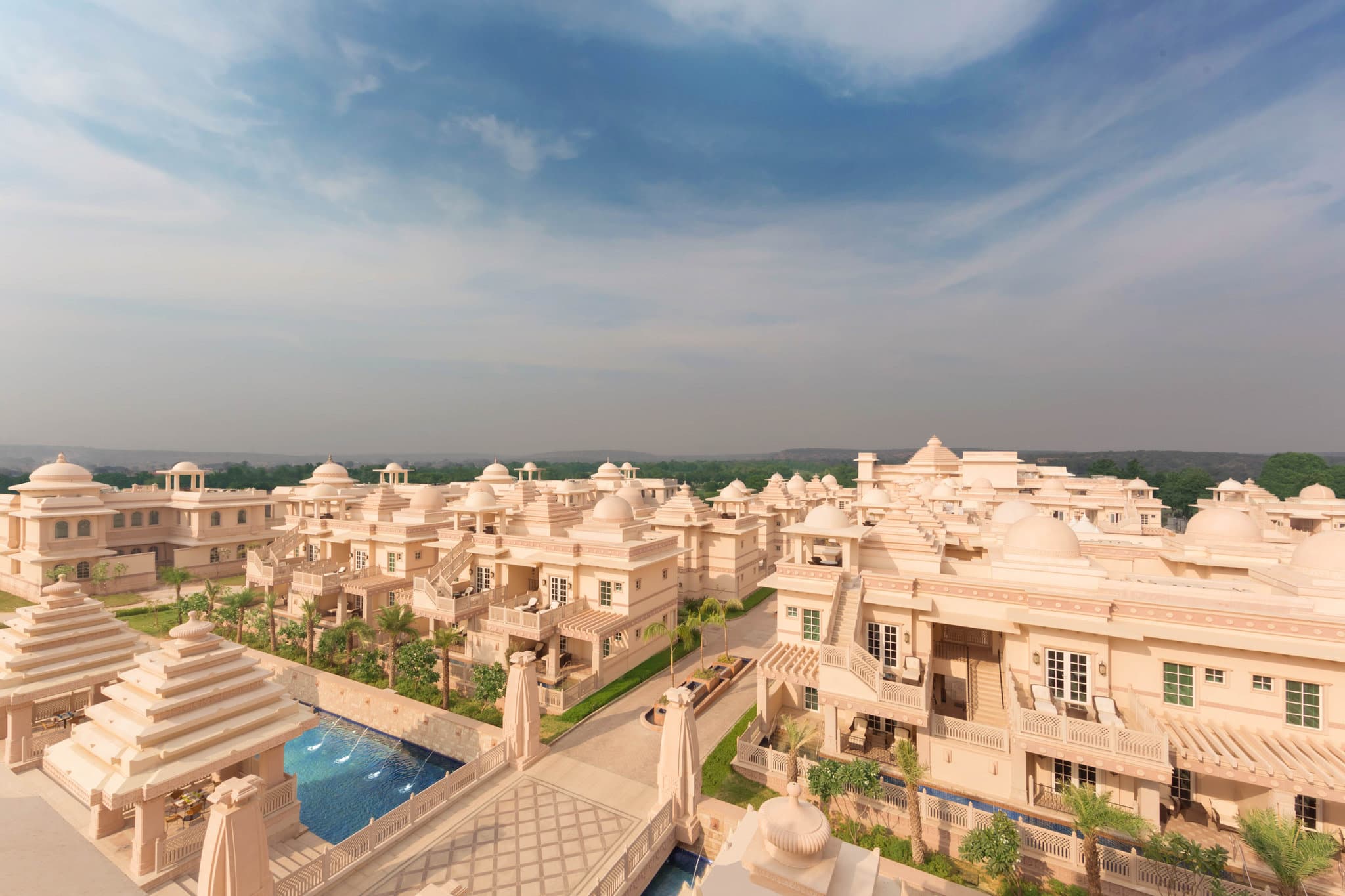
If New Delhi is the chaotic heart of India’s present, ITC Grand Bharat is a stone-carved fantasy of its past—albeit one located an hour’s drive away in the scrublands of Gurugram. This isn't just a hotel; it is an architectural greatest hits album, blending the steps of Adalaj, the domes of Odisha, and the arches of Agra into a singular, sandstone 'sangam' (confluence). The all-suite layout is resolutely imperial. You don’t just get a room; you get a private domain with 400-thread count linens and 'Tree of Life' motifs that border on obsessive. The real draw, however, lies in the kitchens. While 'The India Room' attempts European grandeur with a competent Gouda Soufflé, the true connoisseur heads to 'Apas Promenade' for Mewati cuisine—a rustic, spicy regional profile rarely given five-star real estate. Order the Junglee Maas; it’s a fiery reminder of the royal hunting camps. Service is swift, guided by the silent efficiency of the 'Kaya Kalp' spa ethos, though the isolation is palpable. There are no corner shops here, only a 27-hole Jack Nicklaus golf course and bicycle rentals that cost a king’s ransom. But for a weekend of playing Maharaja without the dust of actual history, this dame reigns supreme.
“Skip the main pool during family hour. Instead, book a treatment at the 21,000 sq ft Kaya Kalp Spa to access their secluded thermal waters, usually empty.”
Insider TipAvg. Nightly Rate
230USD