No. 01
546 Carondelet Street New Orleans United States (the)New Orleans137 verified reviews
9
.0
Bitvoya Edit
Layering imagery, place, and detail before the page opens.
New Orleans is a city where the ghosts of the past dance with the vibrancy of the present, and nowhere is this more evident than in its historic hotels. These "Grand Dames" are not merely places to sleep; they are architectural masterpieces that have stood witness to centuries of jazz, masquerades, and cultural evolution. From the bustling streets of the French Quarter to the sophisticated avenues of the Central Business District (CBD) and the Warehouse District, these properties offer a sanctuary of timeless elegance. Whether it is the spinning Carousel Bar at Hotel Monteleone or the gilded lobby of The Roosevelt, these hotels invite travelers to step back in time while enjoying modern luxury.
Choosing a historic hotel in New Orleans is about immersing yourself in the living narrative of the Crescent City. Unlike modern chains, properties like The Eliza Jane or Maison Métier offer a story in every brick. These "Grand Dames" provide a level of character and atmosphere that cannot be replicated, blending high ceilings, intricate moldings, and antique furnishings with world-class hospitality. Staying here connects you directly to the lineage of writers, artists, and dignitaries who have walked these halls.
The collection focuses on three primary, interconnected neighborhoods that define luxury in New Orleans:
Expect a sensory journey. Architecturally, you will encounter Beaux-Arts lobbies, private courtyards with fountains, and rooftop pools overlooking the Mississippi River. Culinary excellence is a standard; many of these hotels house award-winning restaurants serving Creole and Cajun cuisine. Service is steeped in Southern hospitality—warm, attentive, and personal. From the legendary Sazerac cocktails at The Roosevelt to afternoon tea at The Windsor Court, these sanctuaries promise an experience that is as culturally rich as it is comfortable.
The famous Carousel Bar & Lounge is located inside Hotel Monteleone in the French Quarter. It is a rotating bar that has been a city landmark for decades.
Yes, properties like Hotel de la Poste and Hotel Monteleone are located within the French Quarter, just steps away from the excitement of Bourbon Street while offering a quiet retreat.
The Windsor Court and The Ritz-Carlton, New Orleans are consistently rated as top choices for luxury travelers, offering premium amenities, spas, and high-end dining.
Explore our complete curated list of luxury accommodations, from boutique hideaways to grand dames.
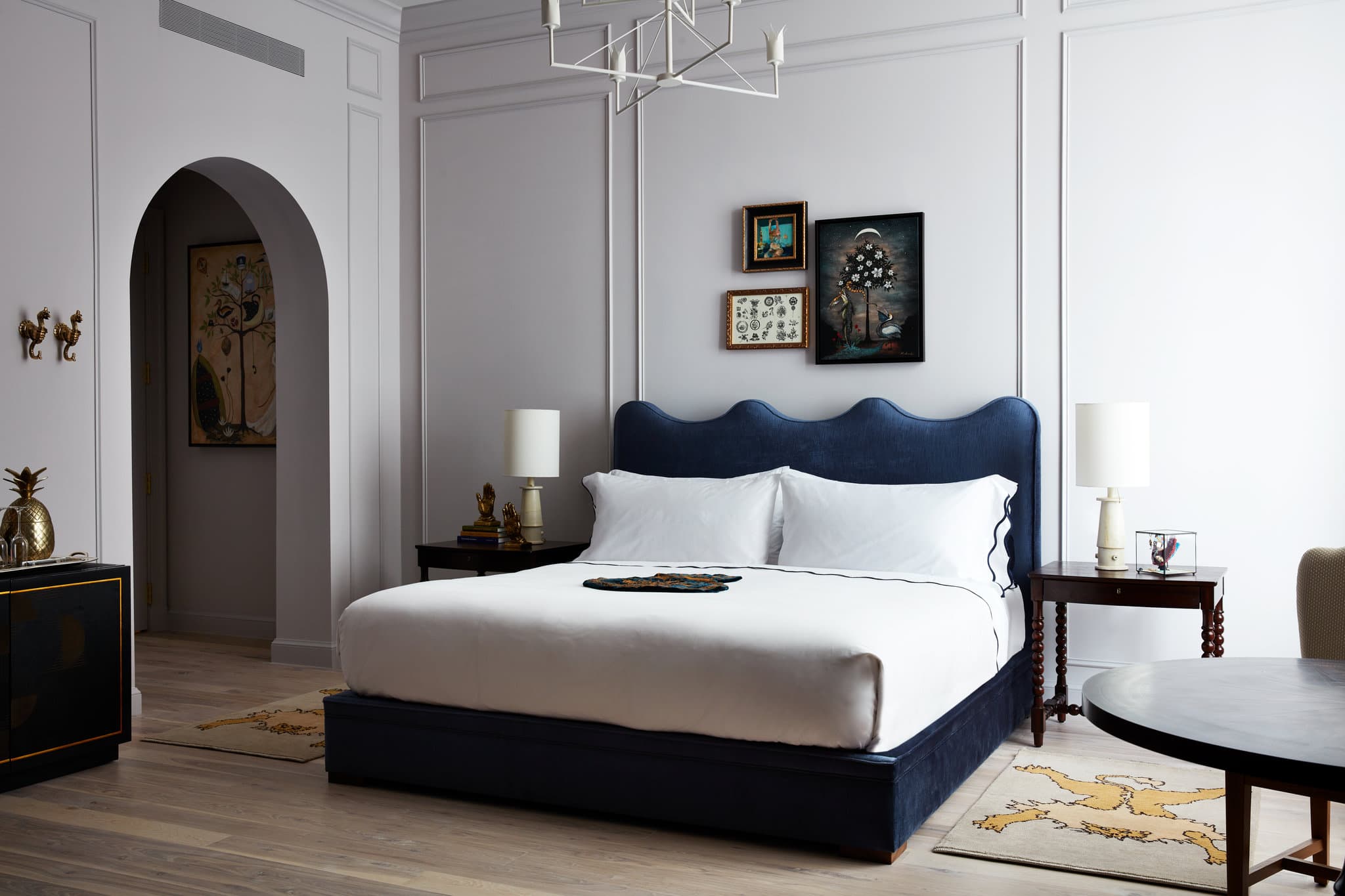
Explore All New Orleans HotelsIt is a rare feat for a municipal annex to find a second life as a sultry, design-driven residence, yet Maison Métier—occupying the 1908 City Hall Annex—does exactly that. Recently awarded a Michelin Key, this property eschews the typical NOLA beads-and-bourbon chaos for a curated, residential hush. Studio Shamshiri’s interiors remain a masterclass in narrative design: think bronze snake-shaped shower handles, bespoke Atelier Bloem toiletries, and a grand staircase that demands an audience. The guest experience here is defined by privacy. The Living Room serves not just as a lobby but as a parlor for complimentary evening wine and cheese, strictly for residents. While the hotel lacks a pool (you must trot across to sister property The Barnett for a dip), it compensates with culinary distinctiveness. At Salon Salon, the Pommes Pavé with caviar is non-negotiable, while The Breakfast Room elevates the morning ritual with a Blue Crab and Gruyère Omelet set against Delft-style wallpaper. Service is intuitive, bypassing the cloying for the capable. It feels less like a hotel and more like the guest quarters of an eccentric, well-traveled aunt. For those seeking silence amidst the jazz, Maison Métier is the city’s most persuasive sanctuary.
“Skip the street entrance for evening drinks; use the private bookcase door in the Living Room to slip directly into Salon Salon like a local.”
Insider TipAvg. Nightly Rate
320USD
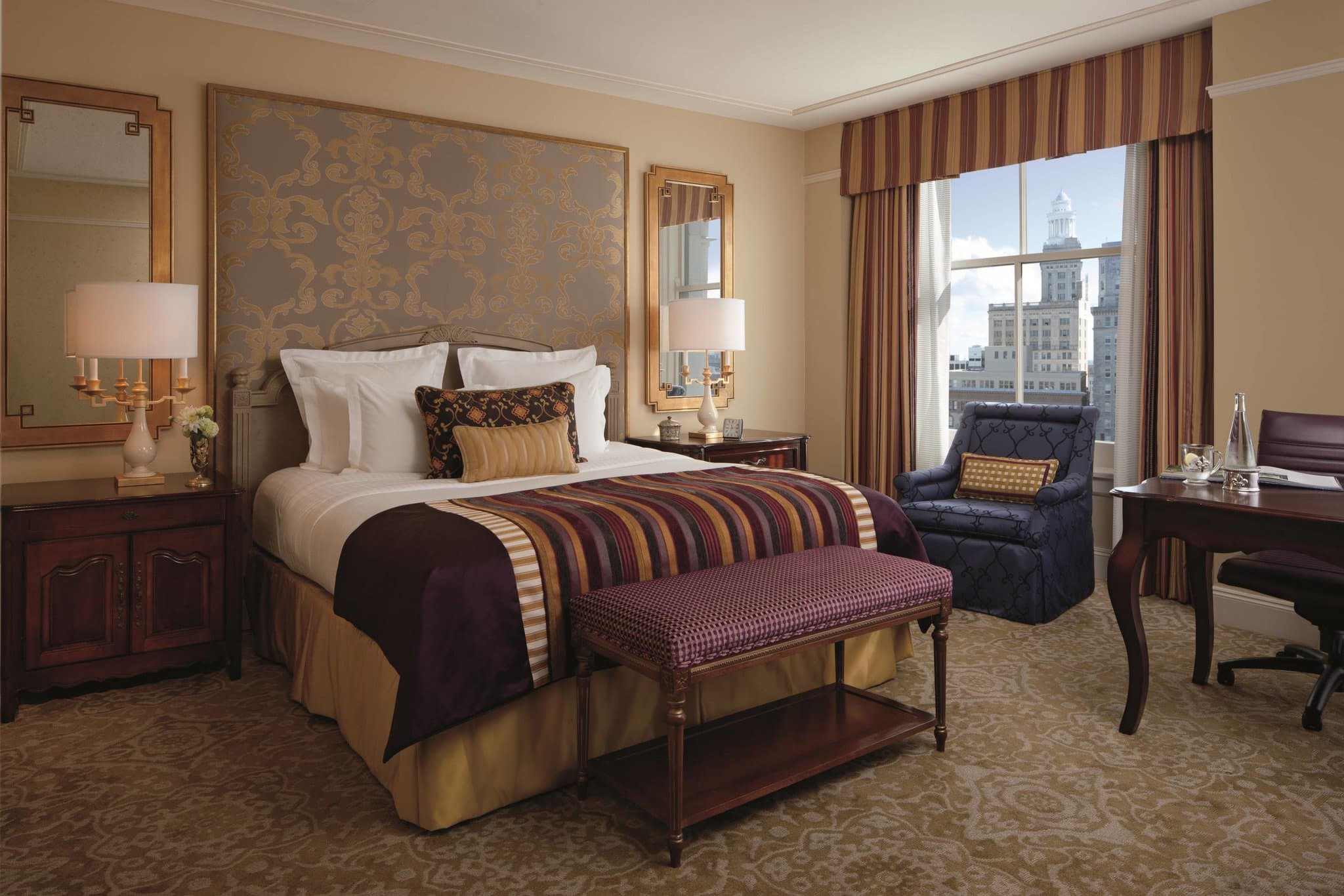
Navigating the arrival at The Ritz-Carlton, New Orleans requires a specific sort of patience; the elevators force a transfer at the third-floor lobby, a structural quirk of the 1908 Maison Blanche building that physically separates you from the Canal Street cacophony. Yet, this circuitous route is a rite of passage. Once inside, the neon noise dissolves into the city's most convincing Beaux Arts illusion. The heart of the property isn't the lobby, but the stunning glazed courtyard—a manicured, glass-domed garden where the humidity is controlled, the fountains babble politely, and the silence feels expensive. While some standard quarters can feel suspended in the early 2000s—heavy drapes and tech that lags behind your iPhone—the smart money upgrades to the Maison Orleans Club Level. Here, the 'hotel within a hotel' concept delivers tangible value, offering a dedicated concierge and food presentations that negate the need for restaurant hopping. For those needing a reset, the spa’s eucalyptus steam rooms offer a respiratory reprieve from the city's thick air. Dining at M Bistro is anchored by a solid Blackened Redfish, but the property’s true pulse beats in the Davenport Lounge. There is no better nightcap in the Quarter than sinking into a leather chair with the signature Blue Crab Beignets while Jeremy Davenport’s trumpet cuts through the room. Before retreating upstairs, grab a split from the Moët & Chandon vending machine—a cheeky reminder that in New Orleans, excess is the only amenity that truly matters.
“Skip the street-facing rooms; request a courtyard view on the Maison Orleans Club Level to swap the clang of streetcars for the murmur of the fountain.”
Insider TipAvg. Nightly Rate
450USD
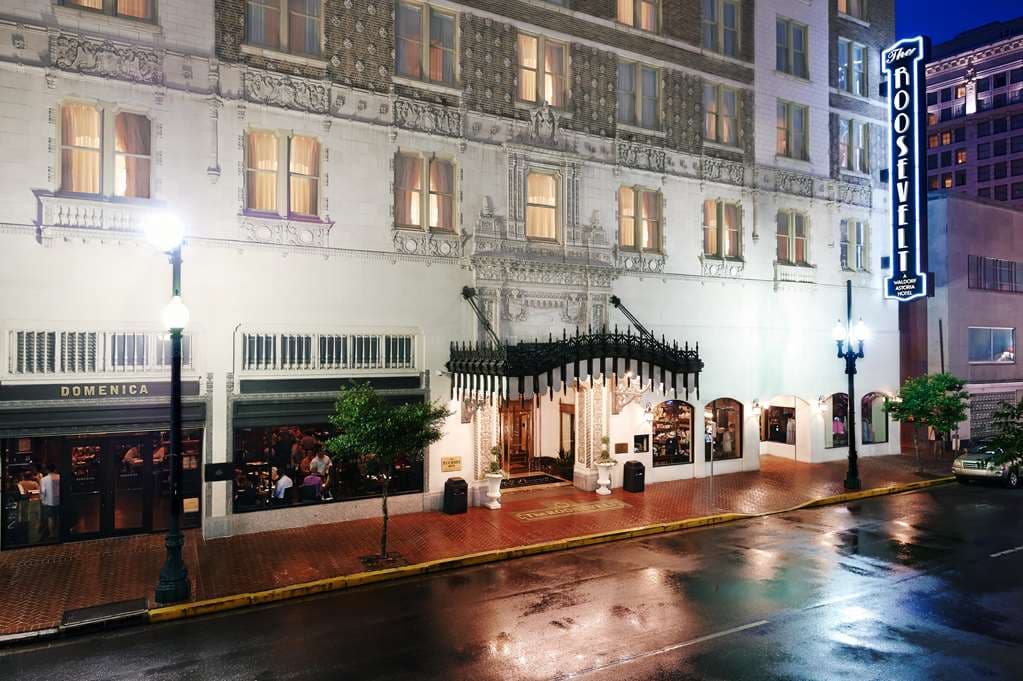
Forget the bead-tossing chaos of Bourbon Street; The Roosevelt is where the real power brokers of New Orleans have always plotted. Stepping into the block-long lobby, you are immediately assaulted by 1930s Art Deco glory—mosaic floors and crystal chandeliers that have witnessed more backroom deals than the Capitol. It is grand, unapologetically so, a true sanctuary for history buffs. However, a word of warning: the standard 'Deluxe' rooms are historically accurate in the wrong way—compact, clocking in at a tight 250 square feet. You are paying for the pedigree, not the square footage. The real draw is the social theater. The Sazerac Bar is non-negotiable; watching the white-jacketed bartenders shake a Ramos Gin Fizz is a rite of passage. For dinner, bypass the tourist traps for the hotel’s own Domenica, where the wood-fired roasted cauliflower has a cult following that rivals the pizza. Service is polished, though the lobby can feel like Grand Central Station during the holidays. Verdict: The Kingfish (Huey Long) would still approve, provided you book a suite.
“Skip the main dinner rush at Domenica and grab a seat at the bar during Happy Hour (daily 3-5 PM) for half-price wood-fired pizzas and discounted cocktails.”
Insider TipAvg. Nightly Rate
144USD
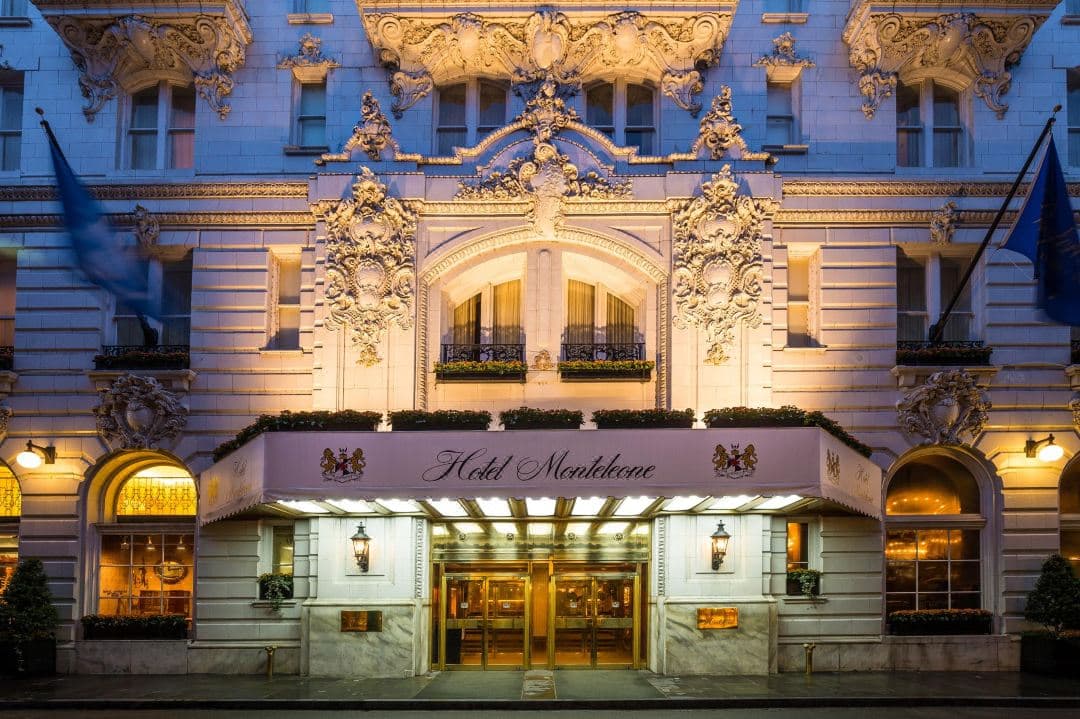
In a French Quarter often threatened by neon excess, the Hotel Monteleone remains the definitive Beaux-Arts anchor. Since 1886, this family-owned 'Grand Dame' has played hostess to Hemingway, Faulkner, and Capote, and it retains a stubborn, sophisticated dignity amidst the chaos. The draw, inevitably, is the Carousel Bar—a rotating circus of burled wood and lights where the Vieux Carré cocktail was invented. Yes, it is a tourist magnet, but the bartenders’ precision justifies the hype. Upstairs, the experience shifts from carnival to sanctuary. While standard rooms can be historically 'intimate' (read: compact), the recent renovations in the Iberville Tower have sharpened the edges with Frette Italian linens and a refreshed, airy palette. The heated rooftop pool offers a rare, quiet vantage point over the Mississippi, and Spa Aria’s use of Pevonia and Cinq Mondes products provides a necessary detox from the Quarter’s humidity. Service is polished, old-world, and mercifully unhurried. It is not just a hotel; it is the neighborhood's grown-up chaperone.
“Skip the standard rooms if you value silence. Request a high floor in the renovated Iberville Tower, specifically facing the river, to escape the Royal Street saxophone buskers.”
Insider TipAvg. Nightly Rate
139USD
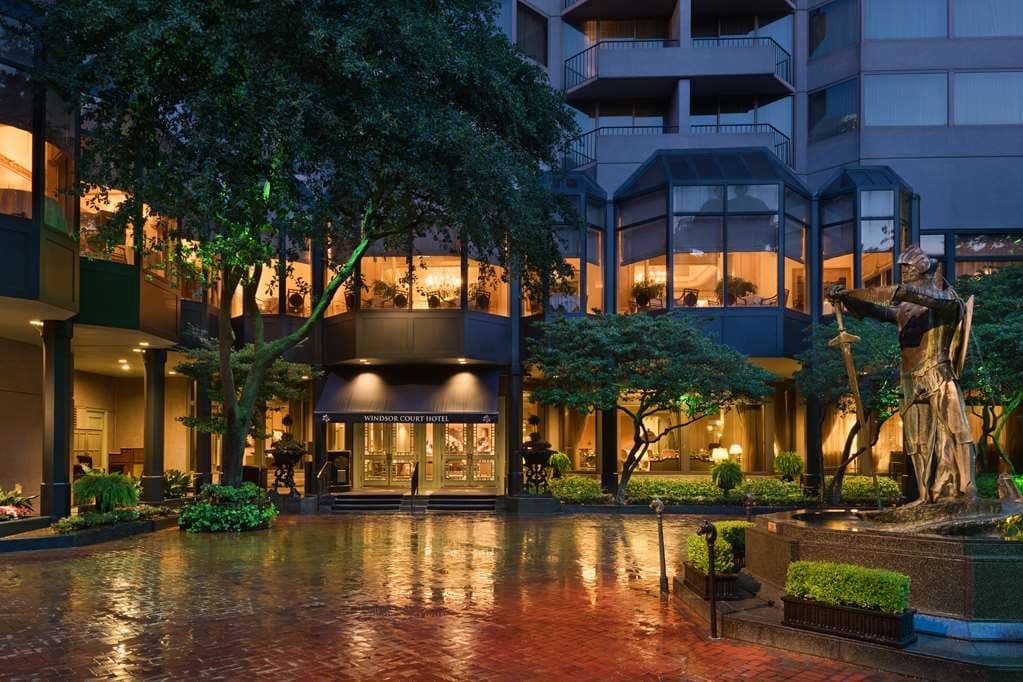
In a city obsessed with the 19th century, the Windsor Court is a cheeky anomaly: a 1984 build that feels more genuinely aristocratic than the Creole townhouses crumbling nearby. It helps when you have a $10 million art collection anchored by Gainsboroughs and Reynolds originals staring down at you in the lobby. This isn’t the bawdy New Orleans of Bourbon Street; it’s a high-walled sanctuary where the soundtrack is a harpist in Le Salon, not a brass band. The vibe is unapologetically Anglophile—think Savile Row meets Southern Gothic. The rooms are massive (starting at 400 square feet) and practically demand you ignore the city to lounge in Italian marble baths stocked with Diptyque amenities. But the real flex is the privacy. The walled courtyard entrance feels like a fortress, shielding you from the Quarter’s chaos. Dining at The Grill Room remains a power move, especially if you order the Painted Hills Strip Loin, but the Polo Club Lounge is where the locals actually hide out for dark corners and live jazz. It’s a manufactured history that has, ironically, become the city’s most authentic standard for luxury. **Verdict**: The only place in NOLA where you can drink Pimm’s Cups by a heated saltwater pool and feel like royalty.
“Skip the standard Uber and use the hotel’s complimentary house car for your dinner reservations (first-come, first-served).”
Insider TipAvg. Nightly Rate
350USD
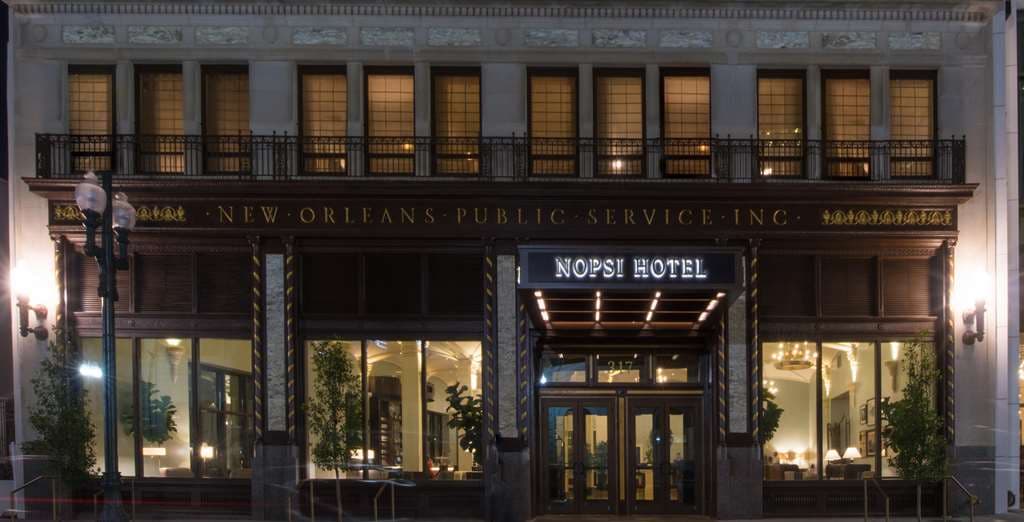
New Orleans loves a resurrection story, and the NOPSI Hotel is among its most compelling. Occupying the 1920s headquarters of the city’s power and transit provider (New Orleans Public Service Inc.), this nine-story brick titan anchors the Central Business District with a gravitational pull that flimsier new-builds lack. The 'Grand Hall' lobby is the architectural showstopper—a cavernous, vaulted space where locals once queued to pay electric bills, now repurposed for sipping Sazeracs under restored brass chandeliers. Upstairs, the transition from utility to luxury is mostly successful, though the historic footprint dictates a trade-off: rooms are substantial and quiet, but can be moody and dim due to smaller window apertures—a distinct 'con' for sun-seekers, but a blessing for recovery sleeps. The rooftop pool bar, 'Above the Grid,' delivers the city's best sightline of the Superdome, serving as a social condenser for the city's beau monde. Dining at 'Public Service' remains grounded in Gulf traditions; the crabmeat-stuffed flounder is not just a menu item, it’s a mandate. While a mandatory resort fee (ironically dubbed a 'destination charge') stings, the sheer solidity of the structure and the concierge’s prowess make this a sanctuary worth the tariff.
“The historic brick facade limits natural light in lower rooms. For brighter mornings, specifically request a 'Deluxe King' on the 8th or 9th floor facing Baronne Street.”
Insider TipAvg. Nightly Rate
150USD
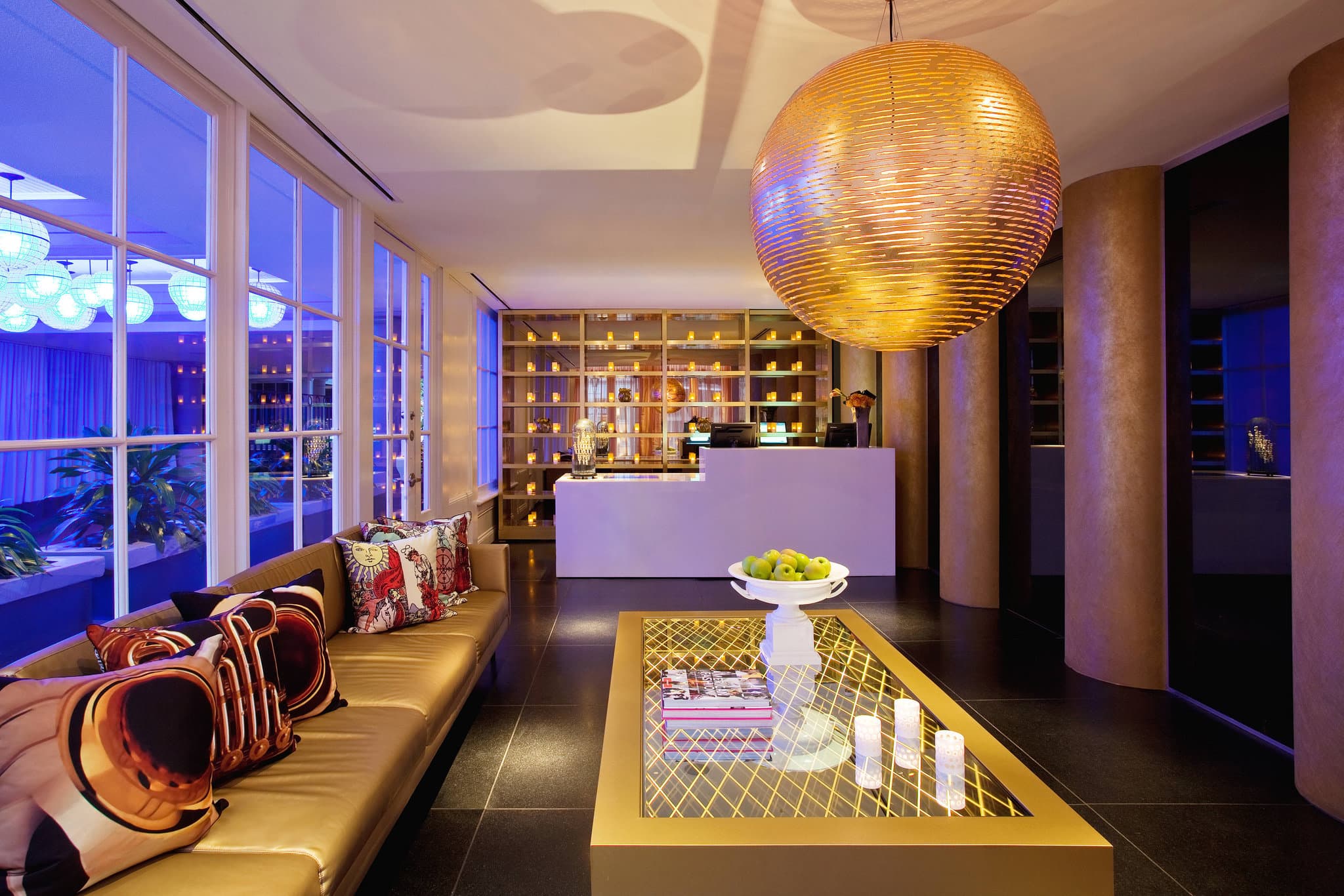
The neon W is unplugged. In its place, the Hotel de la Poste returns to Chartres Street, reclaiming a 1970s moniker with a 2024 soul. This isn't just a rebrand; it's a moody exorcism of the corporate generic. The lobby now hums with what the designers call 'Bayou Mystique'—think deep jewel tones, tarot card motifs, and a palpable absence of Bourbon Street's frat-party scream, despite being just steps away. The renovation leans into the historic architecture, meaning base rooms can feel intimate (read: small) and dimly lit, but the trade-off is atmosphere you can cut with a knife. The courtyard remains the property's ace—a silent, brick-walled sanctuary centered around a heated plunge pool that feels less like a hotel amenity and more like a private garden secret. Dining at '3rd Block Depot Kitchen + Bar' is non-negotiable. Skip the standard hotel burger for the Shrimp & Tasso Corndogs, and if you're waking up Sunday, the 'Legs & Eggs' Burlesque Brunch is a riotous, only-in-NOLA affair. Service has the occasional hiccup common to fresh rebrands, and the $50+ valet fee is a ransom, but for a true sanctuary in the Quarter's chaos, the Poste delivers.
“Book the Studio Suite. It comes with its own private courtyard and hot tub—the ultimate shield against the French Quarter frenzy.”
Insider TipAvg. Nightly Rate
110USD
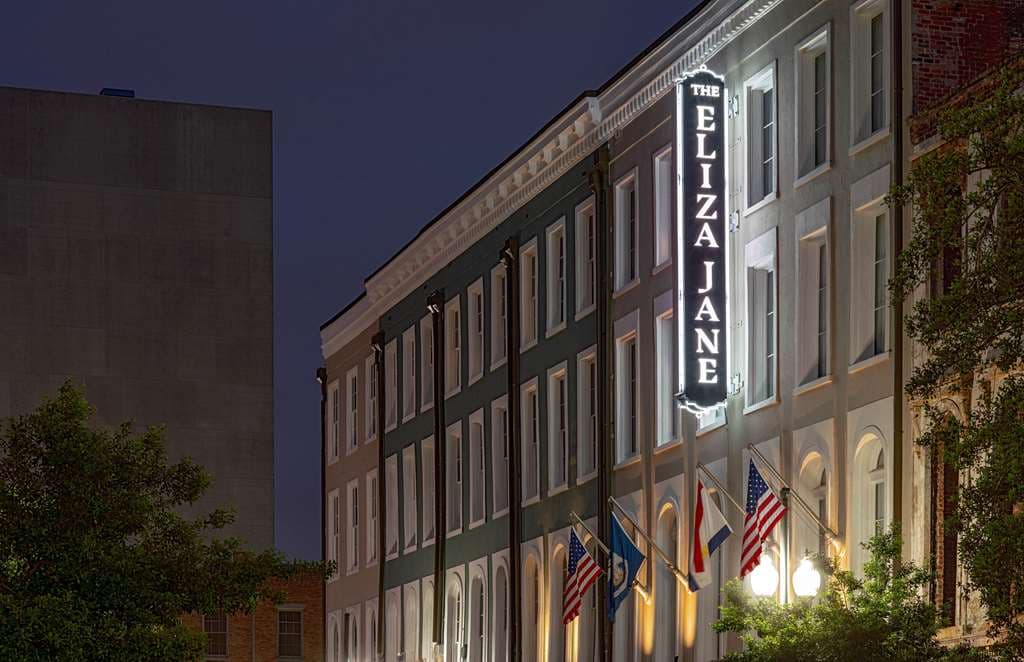
Forget the wrought-iron clichés of the French Quarter. The Eliza Jane plays a different, moodier game. Anchoring Magazine Street, this architectural amalgamation of seven historic warehouses—formerly the Daily Picayune’s printing house and the Peychaud’s Bitters factory—trades lace balconies for exposed brick and soaring industrial beams. The design is a masterclass in adaptive reuse, centering on a Venus-inspired courtyard that offers a rare, profound silence in a city known for its noise. Inside, the vibe is strictly literary salon. The Press Room bar, with its antique typewriters and velvet seating, demands a Sazerac rather than a sugary Hurricane. Dining at Couvant is equally serious; Chef Ryan Pearson’s French brasserie approach shines in the Brioche Crusted Veal, a dish that justifies the visit alone. However, a word of warning on the accommodations: while the design is impeccable—think C.O. Bigelow amenities and 400-thread count linens—the "internal" rooms rely on skylights and lack exterior windows. It’s moody, yes, but borders on the claustrophobic for sun-seekers. Verdict: A sophisticated, history-obsessed sanctuary for the traveler who prefers a Martini to a Hand Grenade, provided you book the right room type.
“Avoid the 'Internal' rooms if you crave sunlight. Specifically request a 'Magazine Street View' or a Publisher’s Suite to ensure real windows.”
Insider TipAvg. Nightly Rate
115USD