No. 01
546 Carondelet Street New Orleans United States (the)New Orleans1295 verified reviews
9
.6
Bitvoya Edit
Layering imagery, place, and detail before the page opens.
New Orleans is a city of layers, where history breathes through the architecture. Nowhere is this more evident than in the Warehouse Arts District, a neighborhood that has transformed its industrial past into a canvas for modern luxury. Once a hub of commerce and manufacturing, this area now boasts some of the most stunning examples of 'Industrial Chic' hospitality in the United States. Visitors can expect to find exposed brick walls, soaring ceilings, and repurposed structural elements at properties like The Eliza Jane and The Barnett. These hotels are not just places to sleep; they are immersive design experiences located steps away from world-class galleries like the Ogden Museum of Southern Art and the contemporary pulse of the Central Business District.
New Orleans is famed for its French Quarter balconies, but the discerning traveler knows that the true design revolution is happening in the Warehouse Arts District. The "Industrial Chic" movement here isn't just an aesthetic choice; it is a preservation of history. Hotels like the New Orleans Marriott Warehouse Arts District and the Renaissance New Orleans Arts Warehouse District Hotel occupy buildings that fueled the city's 19th-century economy. Staying here means surrounding yourself with authentic architectural details—heavy timber beams, polished concrete floors, and expansive industrial windows—blended seamlessly with contemporary luxury amenities.
When seeking industrial design, focus your attention on these micro-neighborhoods:
Guests booking a stay at properties like The Barnett should expect a departure from standard hotel layouts. Rooms often feature unique footprints dictated by the historic shells of the buildings. Expect high ceilings that create an airy atmosphere, lobby bars that double as social hubs for locals and tourists alike, and curated art collections that rival the nearby galleries. Whether it's the art-deco influence at NOPSI or the eclectic modernism of Virgin Hotels, these stays promise a visual feast.
Industrial Chic in New Orleans typically involves repurposed 19th-century warehouses featuring exposed brick, original timber beams, high ceilings, and large windows, combined with modern luxury furnishings.
Yes, most Arts District and Warehouse District hotels are within a 15-20 minute walk or a short streetcar ride to the French Quarter, offering a quieter stay with easy access to the action.
The Renaissance New Orleans Arts Warehouse District Hotel and The Eliza Jane are excellent choices, often featuring on-site art galleries or being located steps away from the Ogden Museum and Julia Street galleries.
Explore our complete curated list of luxury accommodations, from boutique hideaways to grand dames.
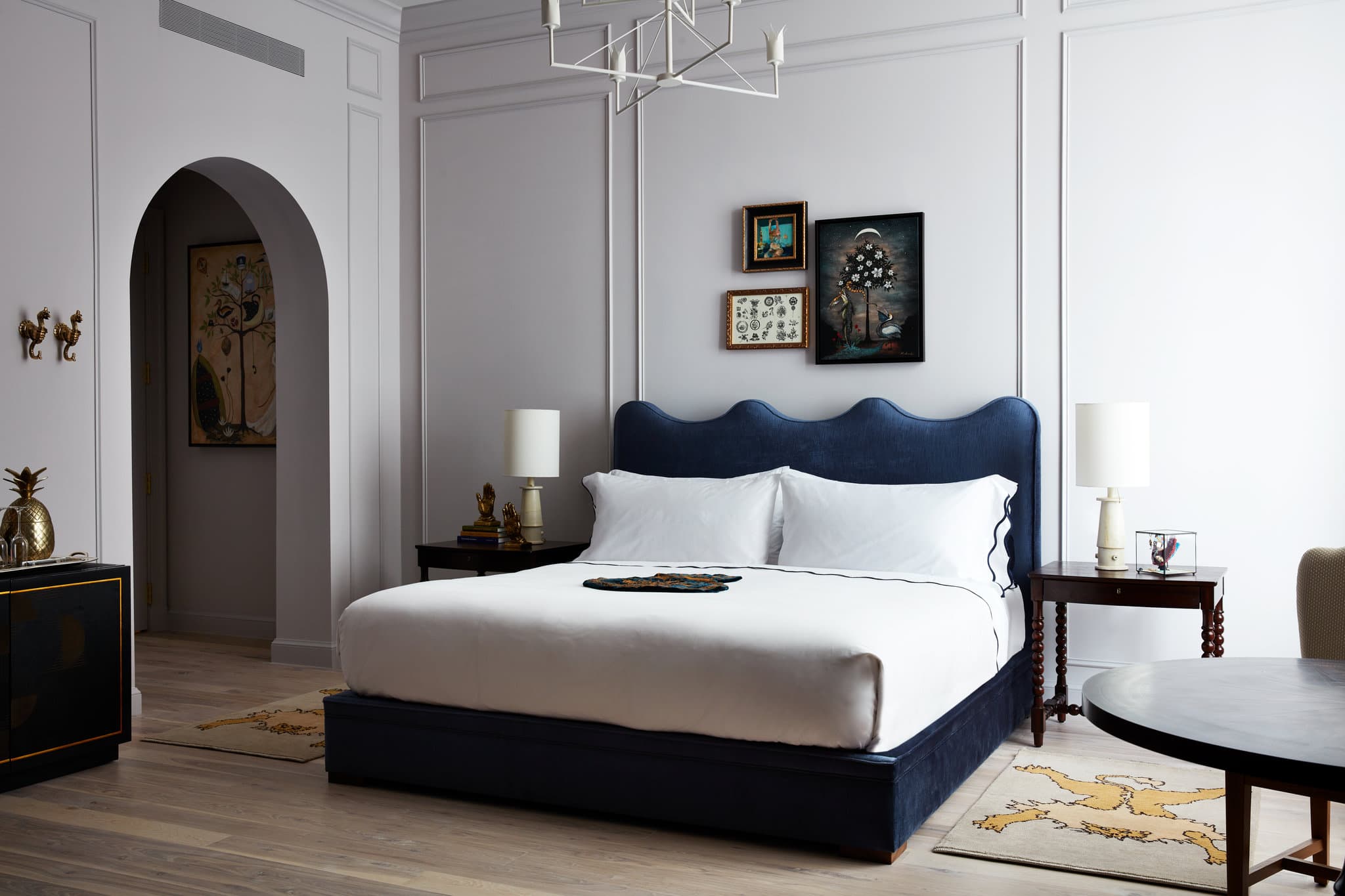
Explore All New Orleans HotelsIf Wes Anderson and a Parisian aristocrat opened a guesthouse in the Big Easy, it would look exactly like Maison Métier. Formerly Maison de la Luz, this 2024 Michelin Key recipient has shed its Ace Hotel lineage for the Unbound Collection, yet the Studio Shamshiri interiors remain as intoxicating as ever. This isn’t a hotel; it’s a curatorial masterpiece. You enter not a lobby, but a Living Room where 6 p.m. brings complimentary wine and cheese, setting a tone of exclusive domesticity. Upstairs, the rooms are exercises in high-design restraint and excess—think snake-shaped bronze shower handles, bespoke Atelier Bloem toiletries, and menacingly plush beds. While the lack of an on-site pool (you must trek to The Barnett across the street) is a slight buzzkill, the dining makes amends. The Breakfast Room serves a Blue Crab and Gruyère Omelet that demands a slow morning, but the real showstopper is Salon Salon (formerly Bar Marilou). Accessible via a hidden bookcase door, this red-lacquered jewel box serves Pommes Pavé with caviar that feels almost illicitly decadent. For the traveler who prefers a velvet chaise to Bourbon Street beads, this is the only address that matters.
“Skip the public queue for Salon Salon by using the guests-only bookcase entrance in the Living Room for priority access.”
Insider TipAvg. Nightly Rate
320USD
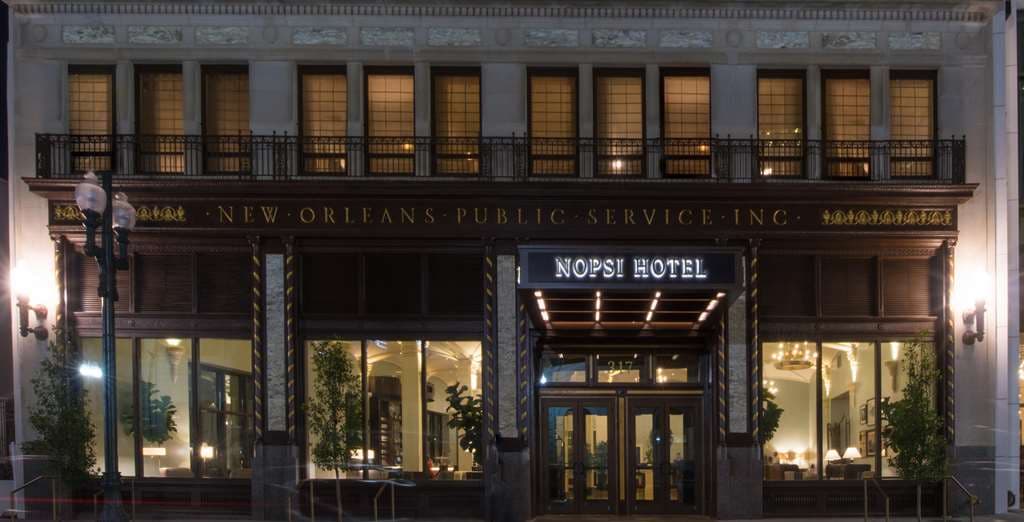
If walls could talk, these would hum. Occupying the 1920s headquarters of New Orleans Public Service Inc., NOPSI doesn’t just nod to its utilitarian past; it weaponizes it with industrial-chic precision. The lobby is a vaulted cathedral of commerce where locals once paid electric bills at stone counters—now, you check in under those same soaring ceilings, swapping bureaucracy for brass-trimmed grandeur. Upstairs, the rooms lean into the historic structure’s heavy bones. While some standard quarters can feel moody (read: dark) due to the architectural footprint, the trade-off is palpable character—think high ceilings and Bliss amenities, though the lack of in-room coffee in standard digs is a caffeine crime. The real current flows at 'Above the Grid,' the rooftop pool bar offering skyline views that rival the cocktails (order the Spicy Señorita). Dining at 'Public Service' delivers Gulf Coast confidence; the Crabmeat-Stuffed Flounder is mandatory. Service is sharply tailored, much like the building itself. **Verdict**: A masterclass in adaptive reuse that buzzes with energy, even if the daily resort fee shocks the system.
“Skip the standard rooms and book a suite to guarantee better natural light; request a high floor facing the Superdome for the best sunset views.”
Insider TipAvg. Nightly Rate
150USD
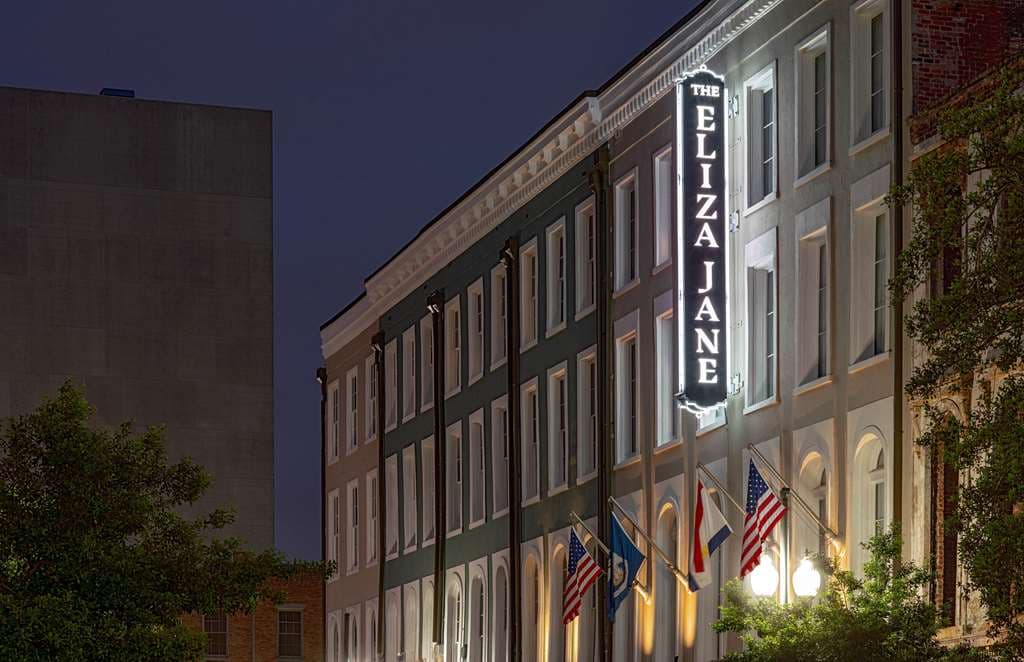
In a city often paralyzed by its own preservation instincts, The Eliza Jane feels electrifyingly alive. Occupying a cluster of 19th-century warehouses that once printed The Daily Picayune and bottled Peychaud’s Bitters, this Unbound Collection gem trades antebellum lace for exposed brick and steel beams. It is not merely a hotel; it is a sophisticated collision of NOLA’s industrial brawn and velvet-draped luxury. The lobby, The Press Room, demands you sit with a Sazerac among antique typewriters and soaring atriums. Rooms are moody sanctuaries—think tufted leather headboards and C.O. Bigelow amenities—though a word to the wise: some interior 'atrium' rooms lack exterior windows, creating a vampire-chic darkness that suits deep sleepers but baffles the sun-worshipper. Dining is the headliner here. Couvant, the on-site French brasserie, executes a Brioche Crusted Veal that justifies the trip alone, while the Blue Crab Gnocchi offers a decadent nod to the locale. Service is polished yet unpretentious, evidenced by the brilliant workaround for the lack of a pool: access to the elite New Orleans Athletic Club nearby. **Verdict:** The perfect hideout for the traveler who wants the French Quarter’s soul without its neon-soaked noise.
“Skip the standard King if you crave sunlight. Request a 'Magazine Street View' room specifically, or use the often-modest price difference to upgrade to a Publisher’s Suite for actual windows.”
Insider TipAvg. Nightly Rate
115USD
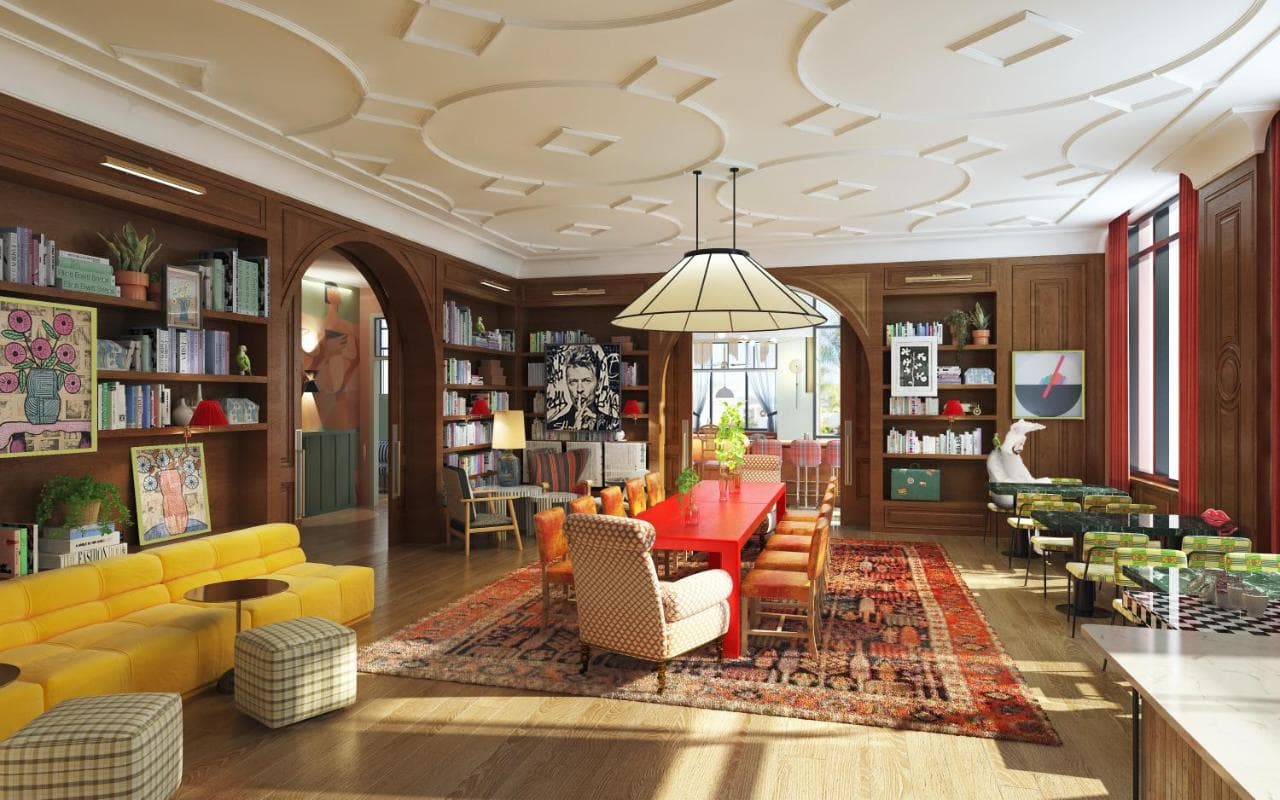
If the French Quarter is New Orleans’ id, the Warehouse District is its superego—cool, collected, and increasingly chic. Enter Virgin Hotels New Orleans, a 13-story Art Deco jolt that refuses to take itself too seriously. The lobby feels less like a check-in queue and more like a maximalist salon, awash in tropical wallpapers and eclectic furniture that screams 'photo op.' Upstairs, the brand’s signature 'Chambers' replace standard rooms, cleverly bisected by sliding privacy doors into two zones: a Dressing Room with a well-lit vanity (perfect for Mardi Gras prep) and a Sleeping Lounge anchored by the patented ergonomic bed. It’s functional whimsy at its best, aided by Palo Santo-scented *Red Flower* amenities that smell like a expensive spa. Downstairs, the *Commons Club* delivers legitimate culinary chops—don’t skip the Wagyu Smash Burger—but the real electricity is on the 13th floor. *The Pool Club* offers skyline views and a 1970s tropical vibe that feels exclusive yet unpretentious. While the rooftop pool is more for dipping than laps, the adjacent *Dreamboat* indoor lounge provides a sultry escape when the humidity hits. **Verdict:** A high-octane social hub for the traveler who prefers a DJ set over a quiet night in.
“Book a 'Grand Chamber' for the standalone soaking tub, and don't miss 'Spirit Hour'—complimentary cocktails for hotel guests often poured in the Commons Club.”
Insider TipAvg. Nightly Rate
189USD
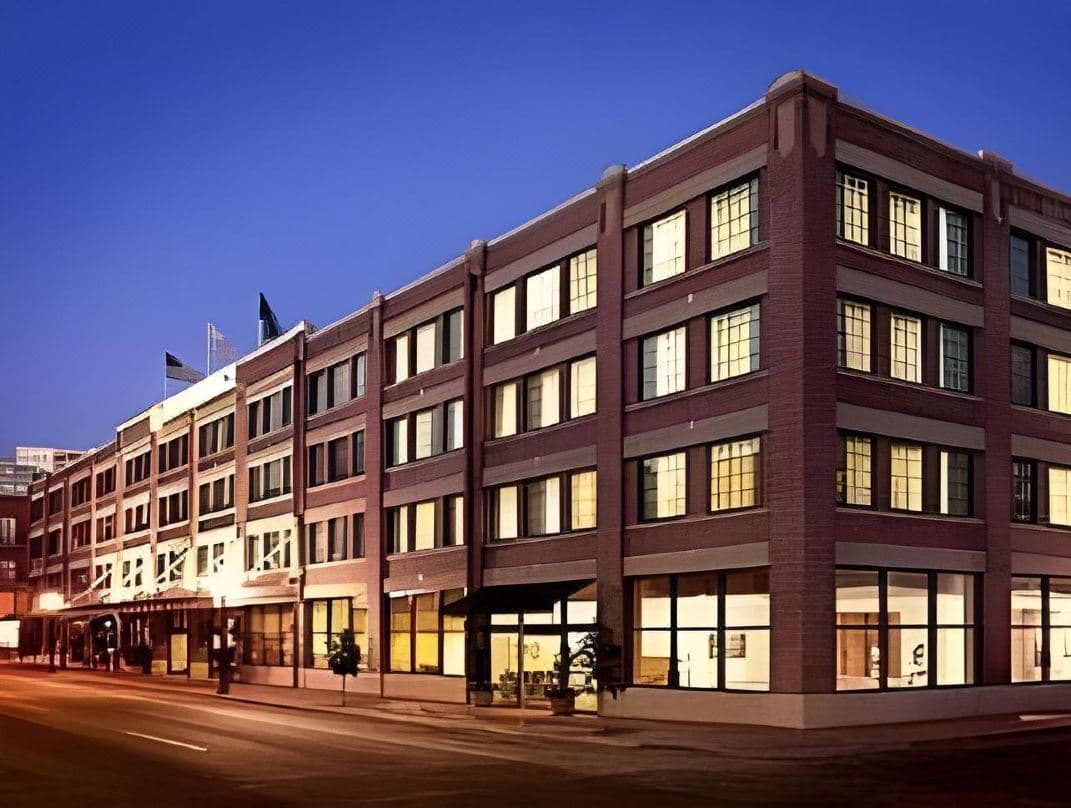
In a city often paralyzed by its own preservationist nostalgia, the Renaissance New Orleans Arts Warehouse District Hotel offers a sharp, modern counterpoint. Housed in a turn-of-the-century warehouse, this property doesn't just hang art; it lives it. You’re greeted not by a stuffy concierge, but by Dale Chihuly’s asymmetrical glass chandeliers—a kaleidoscopic jolt of color against exposed brick. The rooms strike a balance between loft-living cool and Marriott consistency. While the 'atrium' rooms suffer from a lack of natural light (avoid them if you have circadian rhythms to maintain), the street-facing suites feature high ceilings and Aveda-stocked bathrooms that feel decidedly upscale. The real showstopper is the indoor Sculpture Garden on the second floor—a surreal, climate-controlled pockets of greenery perfect for a quiet espresso. Dining is a high-low affair. Skip the room service and head downstairs to Legacy Kitchen’s Craft Tavern for their signature Fried Chicken & Waffles, a dish that unapologetically straddles the line between breakfast and cardiac event. For a quick caffeine fix, the on-site New Orleans Coffee & Beignet Company serves frozen café au lait that rivals the queues at Café du Monde. **Verdict**: A sophisticated basecamp for art lovers who want the Big Easy without the Bourbon Street grime, provided you dodge the Wi-Fi fees.
“Request a room on the top floor facing Tchoupitoulas Street to avoid the 'cave effect' of the internal atrium rooms. Also, the 2nd-floor sculpture garden is the best remote-work spot in the city.”
Insider TipAvg. Nightly Rate
121USD
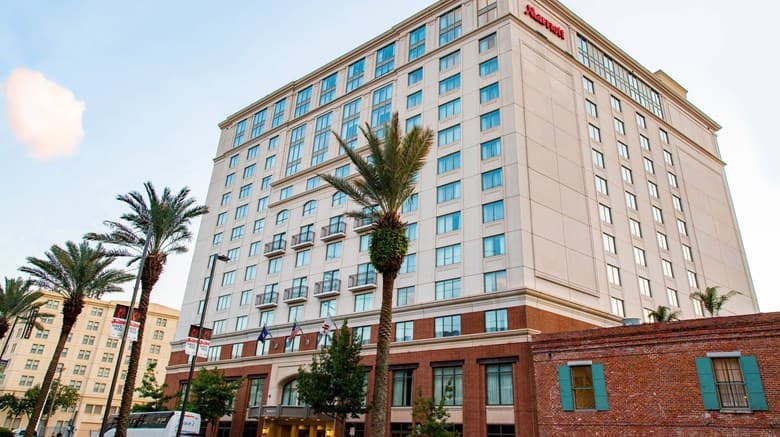
Forget the beige banality often associated with big-box hospitality; the New Orleans Marriott Warehouse Arts District has bones. Occupying a renovated 19th-century cotton mill, this property successfully pulls off a difficult high-wire act: balancing its gritty, industrial heritage with the polished demands of the modern traveler. The lobby sets a moody, sophisticated tone—think exposed brick, cascading orb lighting, and teal leather accents that feel more 'boutique design hotel' than 'convention center crash pad.' Upstairs, the rooms have shed the carpet for sleek hardwood floors and exposed structural beams, offering a tactile connection to the building's history without sacrificing the 400-thread-count comfort you expect. The walk-in showers are a welcome upgrade from the ubiquitous tub-shower combos of yesteryear. Dining is where the hotel shows its playful side; 'Easy Virtue' delivers a masterclass in high-low cuisine—do not leave without ordering the Pig Pop Tart or the Bananas Foster French Toast. For elite members, the M Club eschews the sterile lounge aesthetic for a speakeasy vibe that actually tempts you to stay for a nightcap. It’s not all flawless—the rooftop pool is more 'plunge' than 'olympic,' and the mandatory $56.50 valet fee stings. However, for those seeking a stay that pairs architectural gravitas with a prime location opposite the Ernest N. Morial Convention Center, this is the Arts District’s most compelling anchor.
“Skip the crowded lobby bar and head to the newly unveiled 'Gallery' space on the first floor to view curated works by local artist Becky Fos before dinner.”
Insider TipAvg. Nightly Rate
157USD
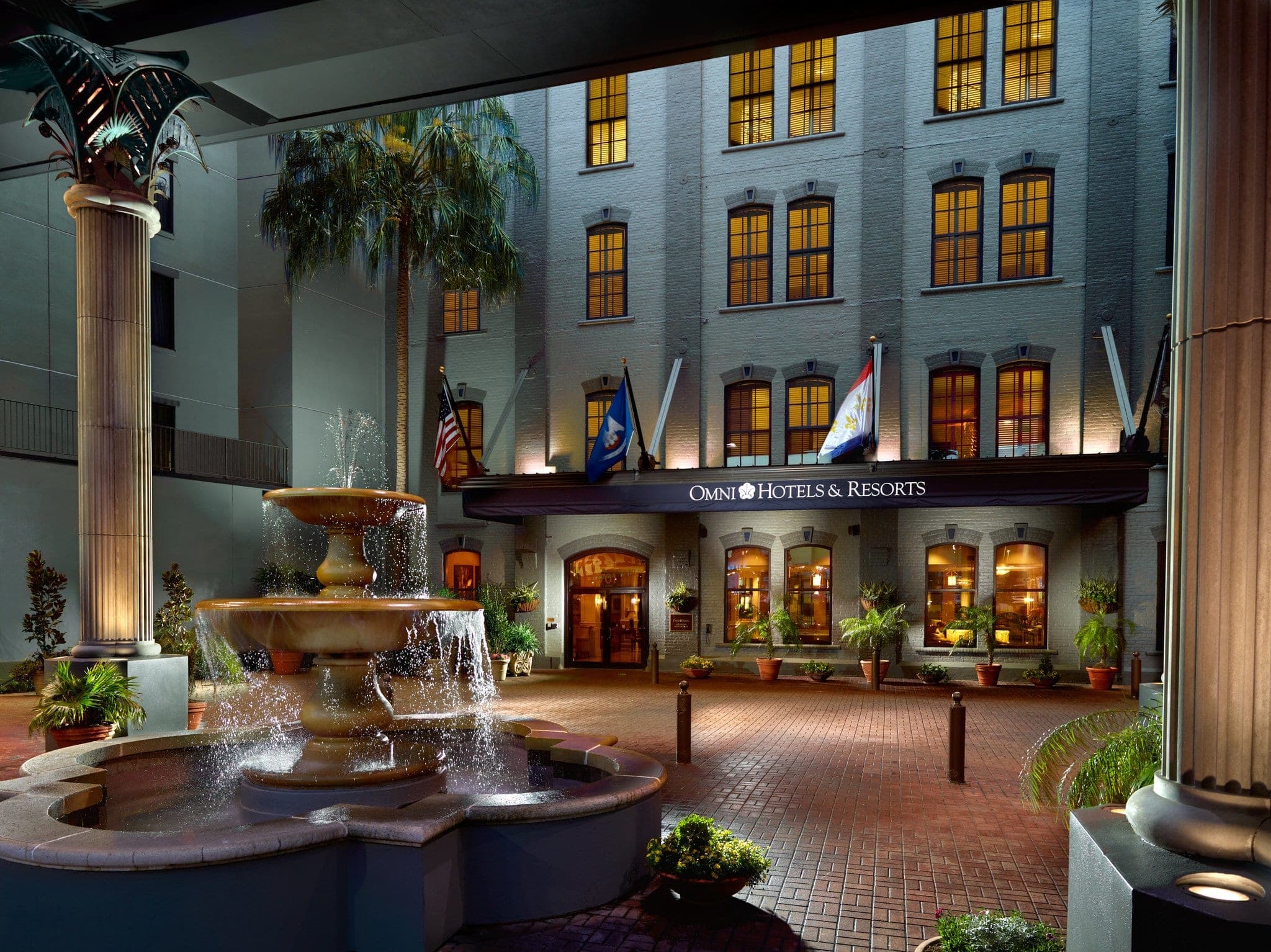
New Orleans often demands you choose between the chaotic charm of the Quarter and the sterile safety of big-box luxury. The Omni Riverfront, however, offers a third way: the historic weight of the Arts District. Housed in a structure that doesn't just mimic industrial chic but was born into it, the lobby greets you with authentic heavy timber beams and exposed brick that feels tactile and grounded. It’s a space that whispers rather than shouts. Upstairs, the Premier King rooms continue the conversation. The plantation shutters and vintage-inspired furnishings feel curated, not catalog-bought. It’s a tactile experience—rough brick meets 400-thread count smoothness. A warning for the leisure-seekers: there is no pool here. You are in the Warehouse District to consume culture (and cocktails), not to swim laps. On that note, the ground-floor Fulton St. Bistro is a legitimate destination. The Corn & Crab Bisque is a velvet hammer of flavor, and the Shrimp & Andouille Pie warrants its own postcard. Service is unmistakably Southern—warm and unhurried—though the surcharge for Wi-Fi for non-members is a jarring relic. Ultimately, this is the stay for the traveler who prefers a gallery opening to a bead toss.
“Request a 'Premier' room on a high floor facing away from the elevators to maximize the exposed brick aesthetic while minimizing the hallway foot traffic.”
Insider TipAvg. Nightly Rate
107USD
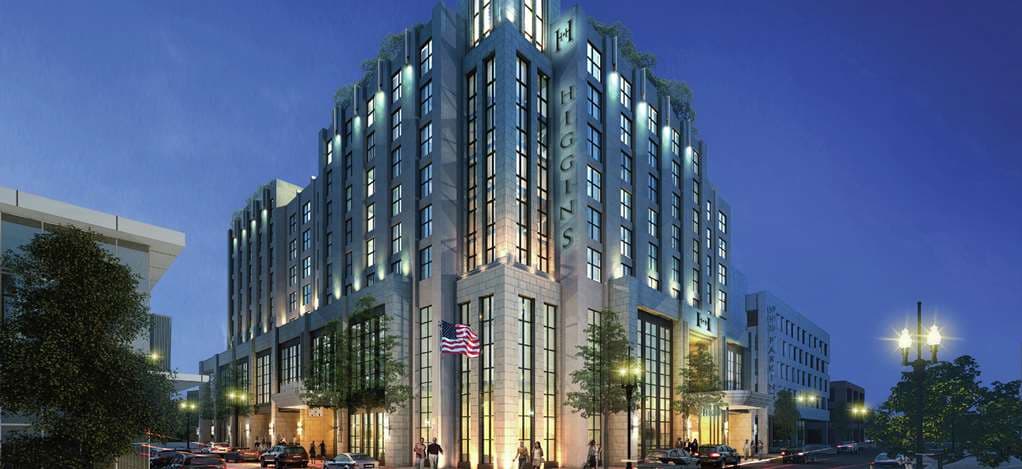
While many museum-adjacent hotels feel like afterthoughts, The Higgins demands attention as a standalone design triumph. Located in the Arts District, this Curio Collection property doesn’t just nod to the 1940s; it stages a full-scale Art Deco revival. The lobby is a spectacle of polished terrazzo and a grand mural depicting the era’s industrial might, presided over by General Patton’s actual piano—a stark, sophisticated alternative to the French Quarter’s frilly excess. Upstairs, the rooms trade kitsch for military-grade precision: crisp navy and gold palettes, propaganda-style artwork, and glorious, high-pressure showers that wash away the humidity of the Crescent City. Design nerds will appreciate the infantry helmet lampshades in Kilroy’s Bar, but the real social gravity is at Rosie’s on the Roof. Here, under the span of an airplane propeller, you can order the Crab Beignets while gazing at the Bollinger Canopy of Peace. The only tactical error? The lobby air conditioning is set to ‘arctic,’ and the lack of a pool is a missed opportunity in the New Orleans heat. Still, for a stay that feels like a glamorous film set rather than a history lesson, The Higgins is a victory.
“Request a Deluxe King Corner Room on a high floor for the best views of the Bollinger Canopy of Peace structure.”
Insider TipAvg. Nightly Rate
113USD
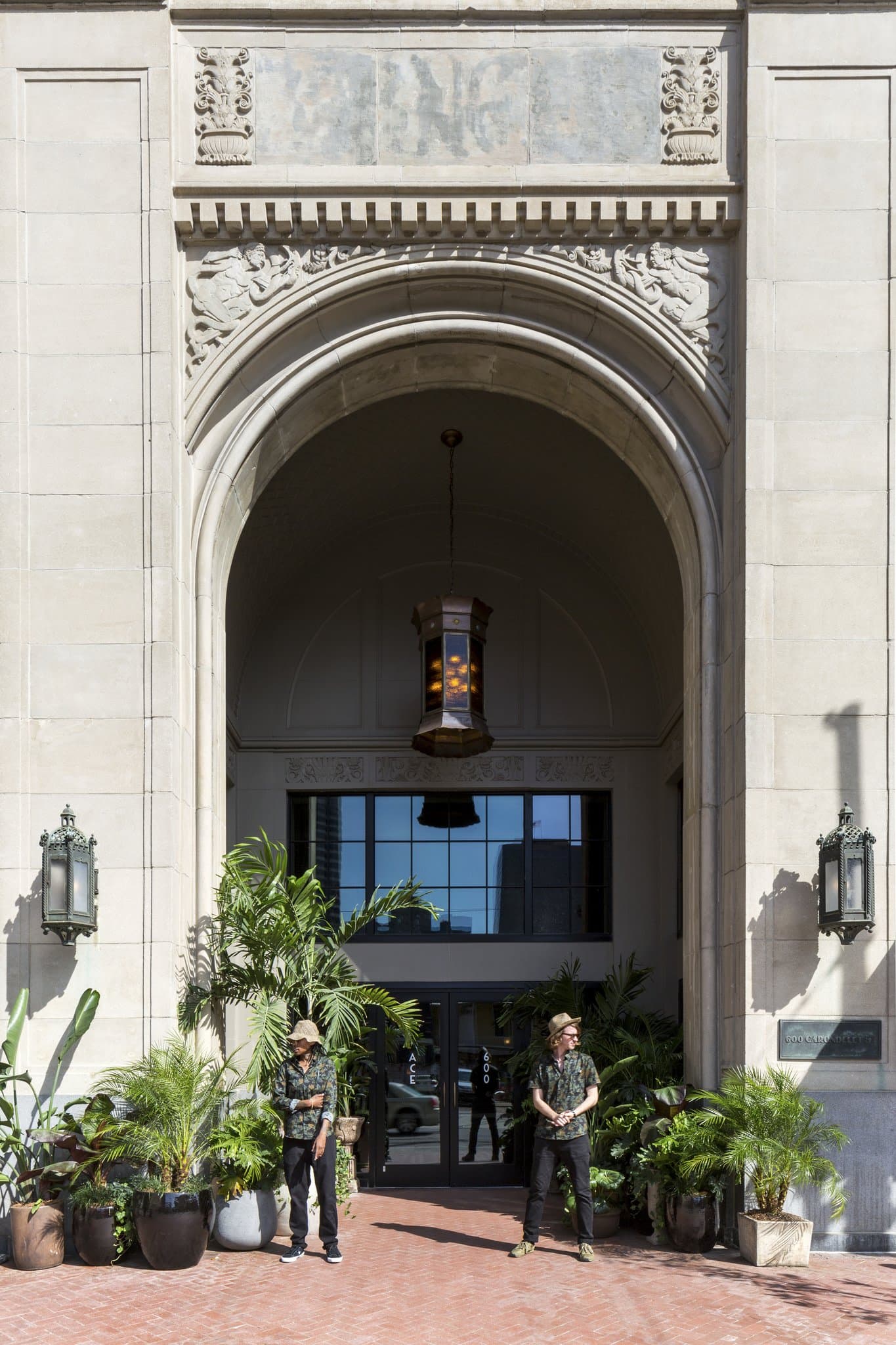
If the ghost of a 1920s jazz trumpeter decided to crash a modern warehouse rave, he’d check into The Barnett. Formerly the Ace Hotel, this Warehouse District anchor has shed its previous skin while keeping the effortlessly cool DNA intact. The transition to JdV by Hyatt hasn’t diluted the vibe; if anything, it’s solidified the property as the neighborhood's social heartbeat. Inside, the aesthetic is unapologetically moody—think charcoal walls, heavy velvet drapery, and Art Deco flourishes that feel more 'Southern Gothic' than standard hotel beige. The rooms are cavernous industrial chambers where sunlight battles with the brooding color palette—perfect for recovering from a night on Bourbon Street, less so for applying intricate makeup without auxiliary lighting. But you aren't here to sleep. You're here for *Seaworthy*, the on-site oyster bar housed in a converted 1832 cottage, serving wild-caught gulf bivalves that demand a second round of Holy Water cocktails. Up on the roof, *High Five* (formerly Alto) remains a scene-y plunge pool deck where the city’s creative set mingles over frozen drinks. Service is brisk and knowing—they know you’re here for the party, and they facilitate it with style. The verdict? A sultry, high-volume stay for the design-conscious nocturne.
“Request a 'Patio King' room on a higher floor to mitigate the street noise and gain a private outdoor perch for your morning espresso.”
Insider TipAvg. Nightly Rate
185USD