No. 01
620 WILLIAM PENN PLACE PITTSBURGH PA 15219 Pittsburgh502 verified reviews
9
.0
Bitvoya Edit
Layering imagery, place, and detail before the page opens.
Pittsburgh has masterfully shed its smoky industrial past to emerge as a hub of culture and innovation, yet its architectural bones remain its most striking feature. In the heart of the Golden Triangle and the vibrant East Liberty neighborhood, Gilded Age skyscrapers and industrial warehouses are finding new life as luxury accommodations. Properties like The Industrialist preserve the city's gritty spirit, while the Kimpton Hotel Monaco transforms Beaux-Arts elegance into whimsical luxury. Whether you are staying near the historic Cultural District or the academic hubs of Oakland, these adaptive reuse hotels offer travelers a chance to sleep inside history, blending raw steel aesthetics with contemporary comfort.
The concept of "adaptive reuse" fits Pittsburgh like a tailored suit. As the former steel capital of the world, the city is dense with high-quality architecture from the late 19th and early 20th centuries. Instead of demolishing these structures, hoteliers have embraced them, creating spaces that tell a story. Staying at properties like the Renaissance Pittsburgh Hotel (housed in the historic Fulton Building) or the Joinery Hotel means experiencing high ceilings, ornate detailing, and a connection to the Gilded Age that new construction simply cannot replicate. These hotels offer a boutique experience where luxury meets legacy.
Expect the unexpected. Adaptive reuse projects often result in unique room layouts, original exposed brick, and massive windows. At The Industrialist, Autograph Collection, the lobby buzzes with the energy of the former Arrott Building, once known as the 'skyscraper of the fourth avenue.' Amenities often include speakeasy-style bars, rooftop terraces overlooking the bridges, and lobbies that serve as social hubs. These aren't just places to sleep; they are immersive dives into the Steel City's rich narrative.
The Industrialist Hotel, Autograph Collection, and the Kimpton Hotel Monaco Pittsburgh are top choices, both located in beautifully restored historic buildings in the heart of Downtown.
Yes, most properties like the Renaissance Pittsburgh and Omni William Penn are located in the Golden Triangle, walking distance to the Cultural District, PNC Park, and Heinz Hall.
Absolutely. While they preserve historic architecture, hotels like Hotel Indigo and EVEN Hotel provide modern luxury, including fitness centers, high-speed Wi-Fi, and contemporary dining.
Explore our complete curated list of luxury accommodations, from boutique hideaways to grand dames.
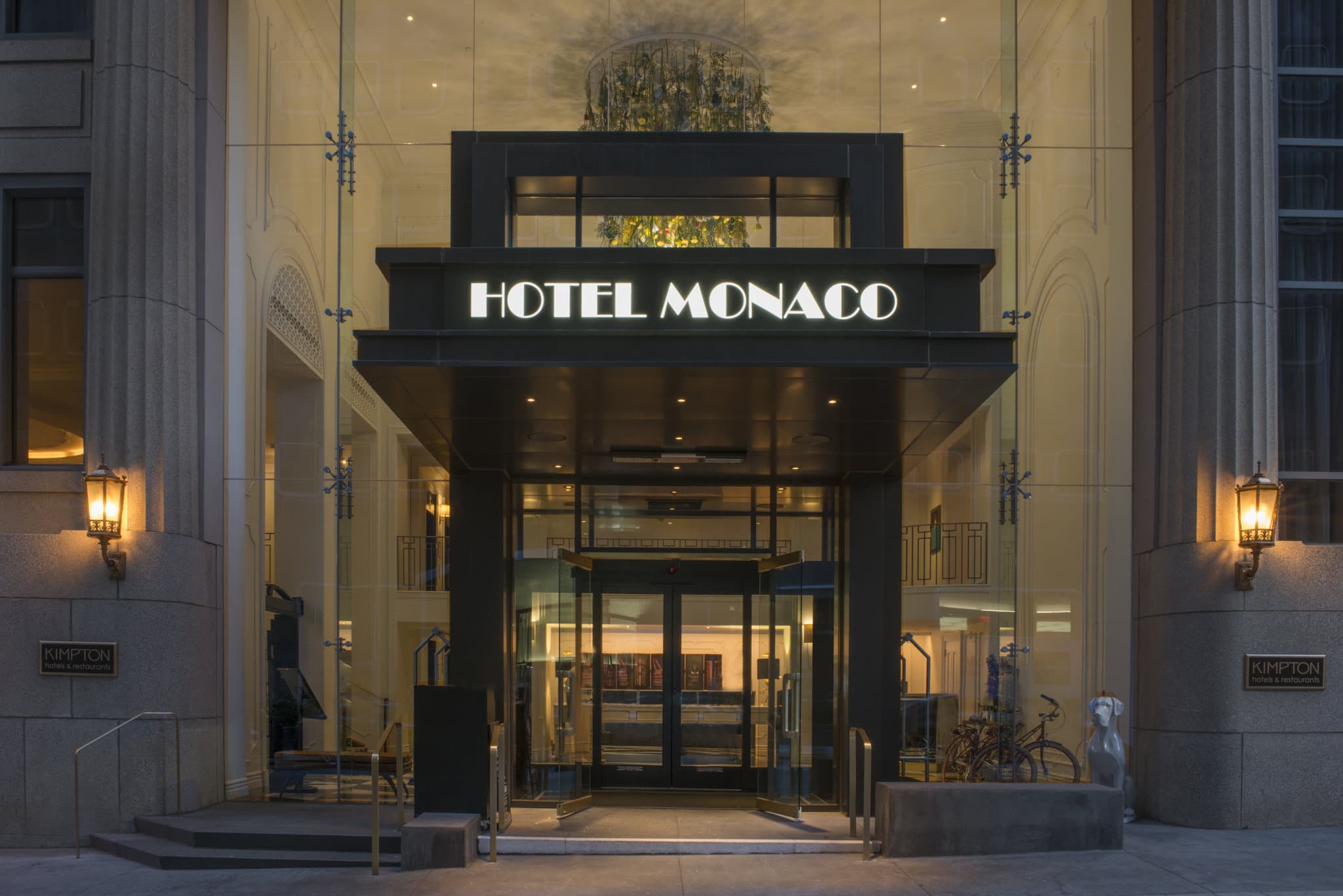
Explore All Pittsburgh HotelsIf Pittsburgh’s renaissance had a living room, it would be the lobby of the Kimpton Hotel Monaco. Housed in the 1903 James H. Reed Building—formerly an electric company—this property rejects the stiffness of its Beaux-Arts shell for interiors that are pure, unadulterated theater. Designer Todd-Avery Lenahan has replaced corporate drab with oversized birdcages and chandeliers that, upon closer inspection, feature ceramic chicken feet. It is sophisticated, yes, but with a distinct sense of humor. The rooms are equally bold, featuring Kelly green headboards and houndstooth curtains that shouldn't work together but do. The real showstopper is the 'Wet Room' in the suites: a black-and-white tiled enclosure where a soaking tub sits inside the shower, creating a bathing experience that feels delightfully illicit. Downstairs, 'The Commoner' channels a moody industrial tavern vibe, serving a Dry-Aged Beef Tartare that rivals any steakhouse in town, while the rooftop 'Biergarten' offers currywurst with views of the U.S. Steel Tower. It’s not flawless—the $45 valet stings, and base rooms can feel snug compared to the city’s grand dames. But between the legendary 5 PM wine hour and the genuinely warm service, the Monaco manages to be the most charismatic address in the Rust Belt.
“Book a 'Spa King' room specifically for the wet room experience. Also, request a room away from the alley side to avoid the early morning garbage truck symphony.”
Insider TipAvg. Nightly Rate
119USD
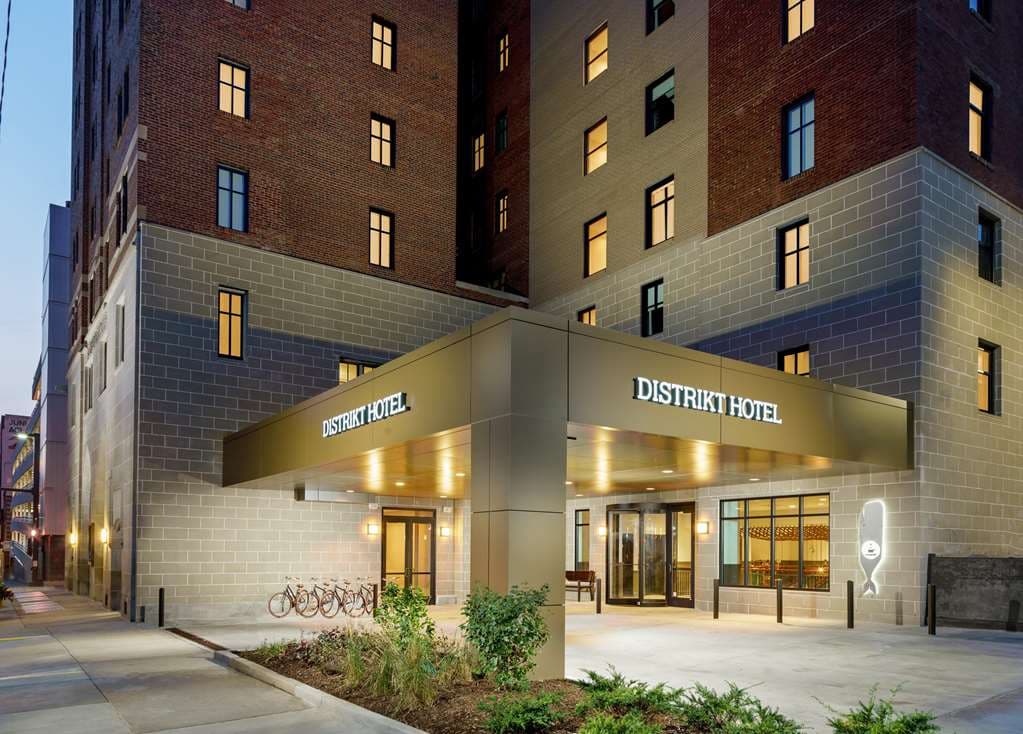
Adaptive reuse is a high-wire act, and the Joinery Hotel—occupying the historic Salvation Army building—mostly sticks the landing. The design team has stripped back the 1920s structure to its civic bones, exposing raw concrete and steel that feels less like a hotel and more like a high-end workspace. The lobby is the anchor, dominated by a living green wall and 'The Millhouse,' where the wood-fired grill turns out a Rosemary half chicken that properly perfumes the space. However, the 'monastic' roots show upstairs. Standard rooms are tight—hovering around 210 square feet—bordering on dormitory efficiency. You won’t find Le Labo indulgences or a sprawling spa here; instead, you get a solid Star Trac gym and a utilitarian aesthetic that prioritizes function over fluff. It’s a polarized experience: the 10th-floor rooftop terrace delivers stellar views of the Golden Triangle, but the HVAC can be temperamental. This isn’t a place for a sprawling staycation; it’s a stylish, no-nonsense basecamp for the urban explorer who travels light.
“Standard rooms are notoriously snug. If you are traveling with more than a carry-on, skip the King Deluxe and pay the premium for a suite or a terrace-level room for breathing space.”
Insider TipAvg. Nightly Rate
105USD
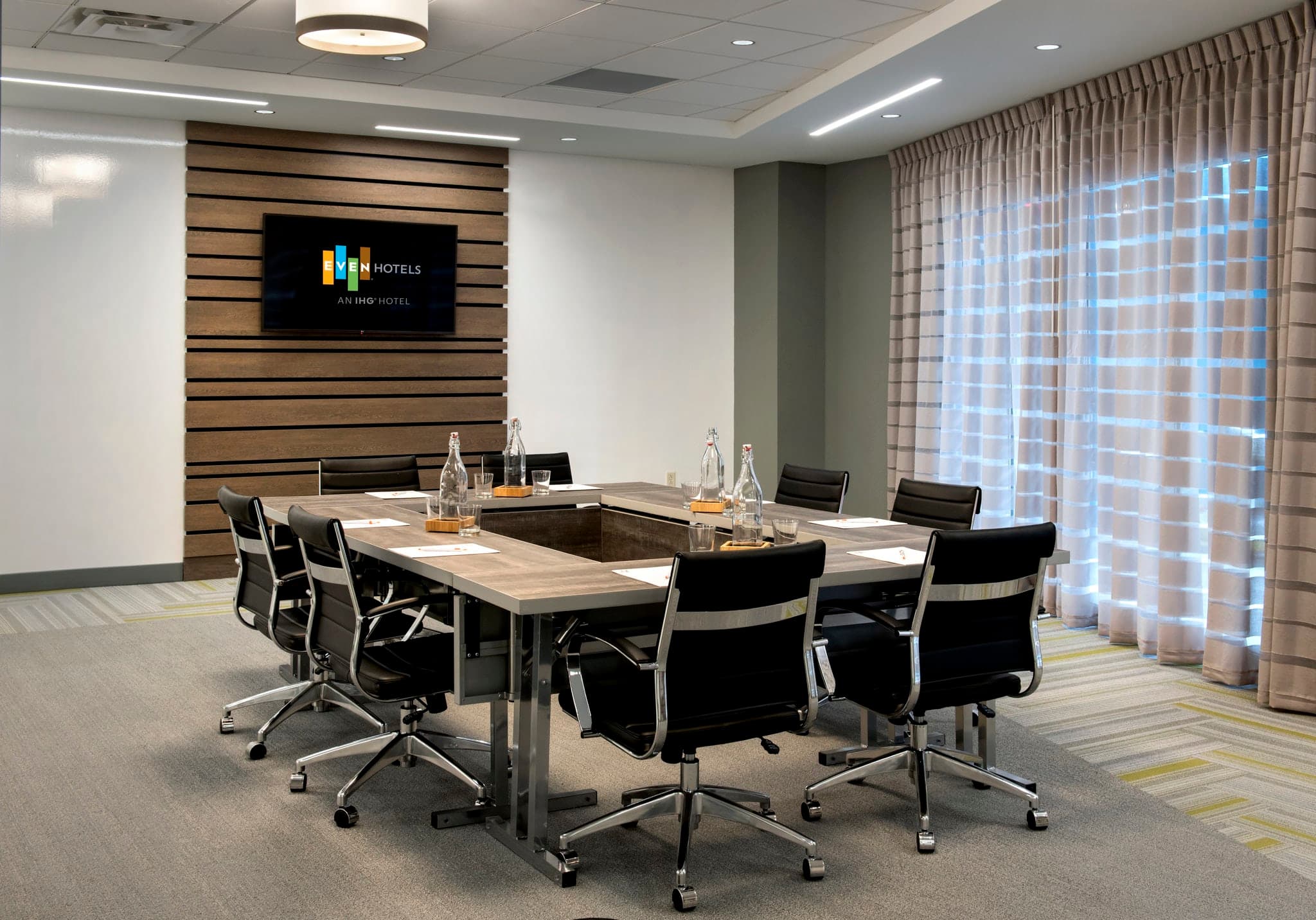
It is a delightful irony that the building where Pittsburgh once indulged in retail excess is now a temple of physical restraint. Occupying the fifth and sixth floors of the legendary Kaufmann’s Department Store—yes, the one with the bronze clock that has dictated downtown meetings for a century—EVEN Hotel trades perfume counters for Woodway treadmills and mid-century consumerism for 21st-century wellness. The arrival experience is a distinct departure from the Grand Dame hotels of yore; you enter off Forbes Avenue and shoot straight up to the fifth-floor lobby, a bright, athletic space that feels more like a high-end recovery lounge than a check-in desk. The rooms are the real story here. Instead of the usual armchair, you get a dedicated 'In-Room Training Zone' complete with cork flooring, foam rollers, and a mounted fitness wall. It’s aggressive, yes, but undeniably practical for the traveler who refuses to let a layover derail their regimen. Dining at EVEN Kitchen & Bar avoids the usual club sandwich mediocrity in favor of performance fuel—the Steak & Egg Bowl is a standout protein hit. While the lack of a pool is a missed opportunity for a 'wellness' property, and the $29 daily parking fee stings, the sheer utility of the space wins out. It’s clean, precise, and entirely unpretentious.
“Request a room facing Fifth Avenue for a view of the iconic Kaufmann’s Clock, and use the side entrance on Smithfield Street for quicker access to Market Square.”
Insider TipAvg. Nightly Rate
83USD
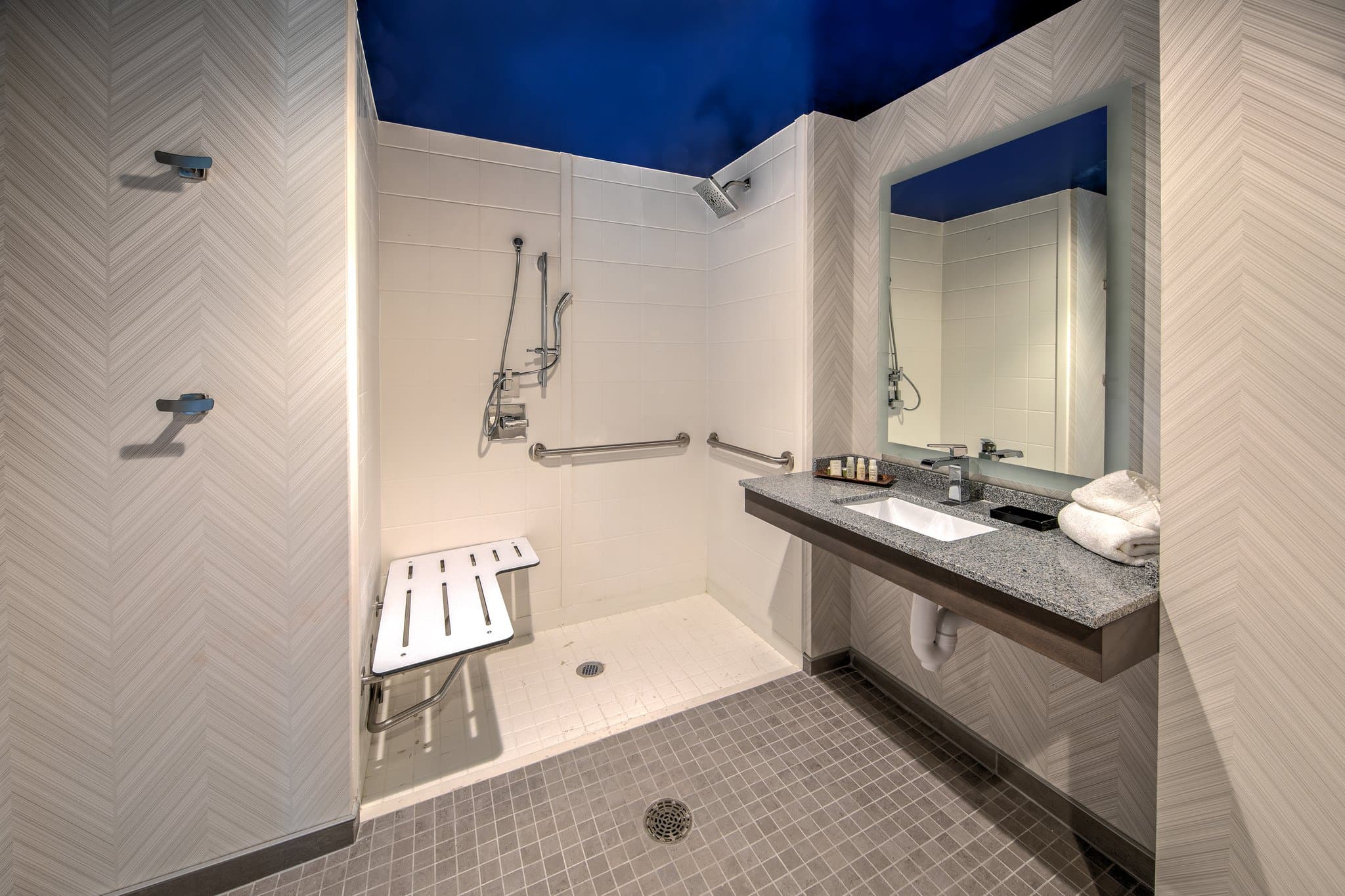
Pittsburgh doesn’t bury its past; it retrofits it. Standing on the scorched earth of the former J&L Steel Technology Center, the Hotel Indigo Pittsburgh University-Oakland is a masterclass in adaptive reuse. This isn't a museum—it’s a living, breathing hospitality machine that swaps blast furnaces for high-thread-count linens. The design is unapologetically muscular, utilizing exposed structural elements to frame views of the Monongahela River that would have once been obscured by smog. The rooms strike a deliberate balance between grit and gloss. You’ll find spa-inspired rainfall showers stocked with Biology Smart Skincare products, offering a botanical counterpoint to the steel-town aesthetic. The real draw, however, is the Eliza Hot Metal Bistro. Forget delicate plates; order the Fried Fish Sandwich or the Teriyaki Glazed Salmon—dishes that acknowledge the city’s blue-collar appetite while elevating the execution. Service here is efficient, devoid of the stuffiness found in downtown grand dames. While the $22 self-parking fee is a sting, the complimentary shuttle makes up for it. This is the ideal base for the visiting tech consultant or the cool parent visiting a Pitt student who refuses to stay in a dormitory-style box.
“Skip the Uber for campus visits. The complimentary shuttle covers a 3-mile radius, including UPitt and the hospitals. Request a river-facing room on a high floor to minimize highway hum.”
Insider TipAvg. Nightly Rate
107USD
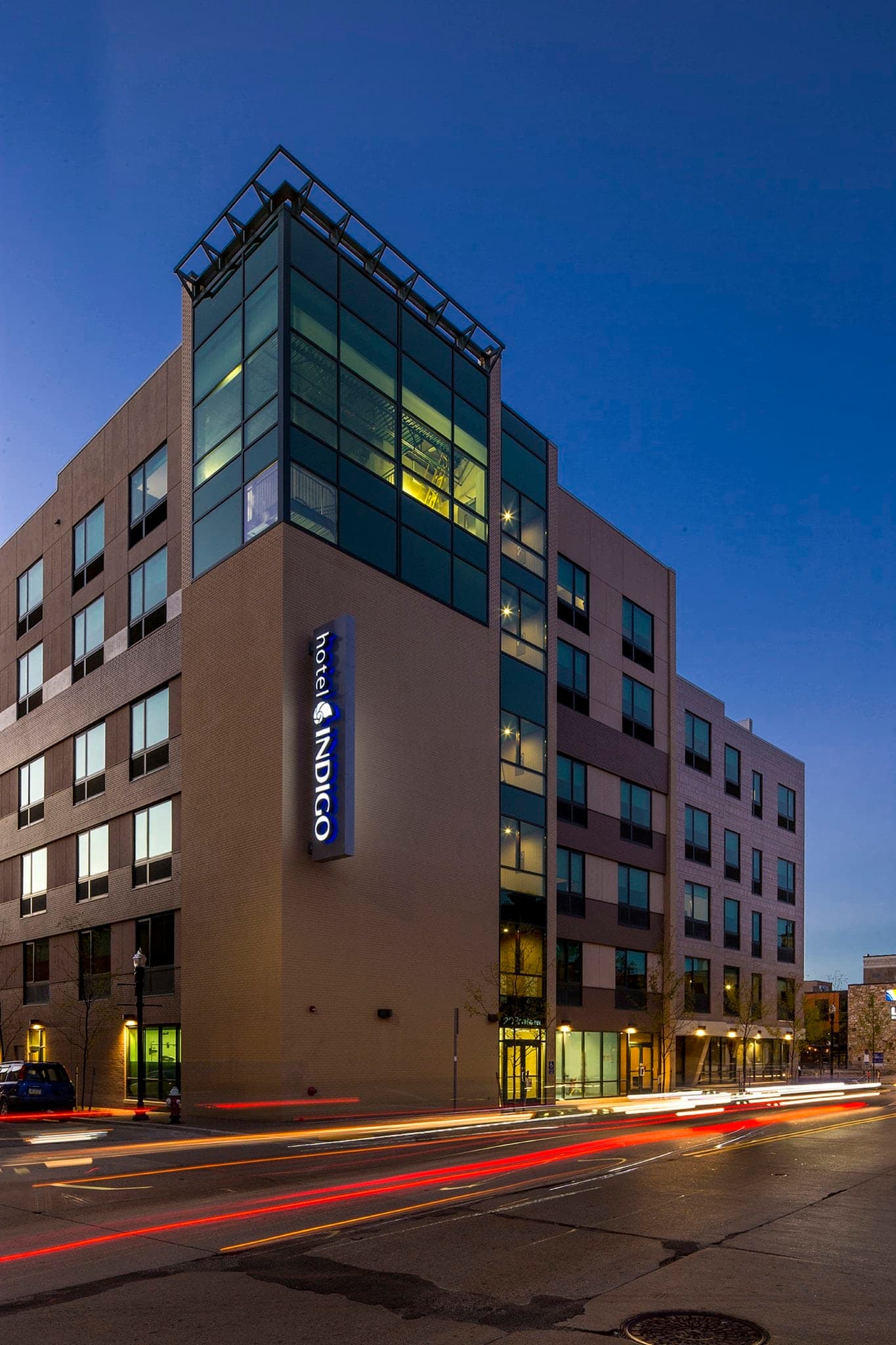
Pittsburgh’s East Liberty neighborhood has shed its rust, and Hotel Indigo is the polished anchor of this revival. Creatively stitching together four historic structures—including the 19th-century Governor Hotel and the Wallace Building—this property offers a masterclass in adaptive reuse without the cloying nostalgia. The design is a witty nod to the city’s heritage: corridors feature custom speedometer floor patterns and vintage license plate signage, while the lobby centers around a dramatic backlit bar that feels equal parts speakeasy and modern lounge. Guestrooms are surprisingly generous for a historic footprint, clocking in around 35 square meters. Expect firm bedding and Aveda bath amenities, though the real draw is the view of the East Liberty Presbyterian Church spire from the higher floors. Dining is handled by Wallace’s Whiskey Room & Kitchen; skip the salads and commit to the signature Pittsburgher Burger or the house-made pierogies—they are unapologetically rich. Service is earnest and friendly—staffers like Reggie are local legends—but the operational realities can bite. The $32 valet-only parking is steep for the area, and the lack of complimentary breakfast is a miss in this category. However, for a traveler seeking genuine architectural soul over cookie-cutter luxury, this is the Steel City’s most compelling address.
“Ask for a room facing the East Liberty Presbyterian Church for a dramatic architectural view, and definitely book a table at Wallace's for the Friday happy hour.”
Insider TipAvg. Nightly Rate
110USD
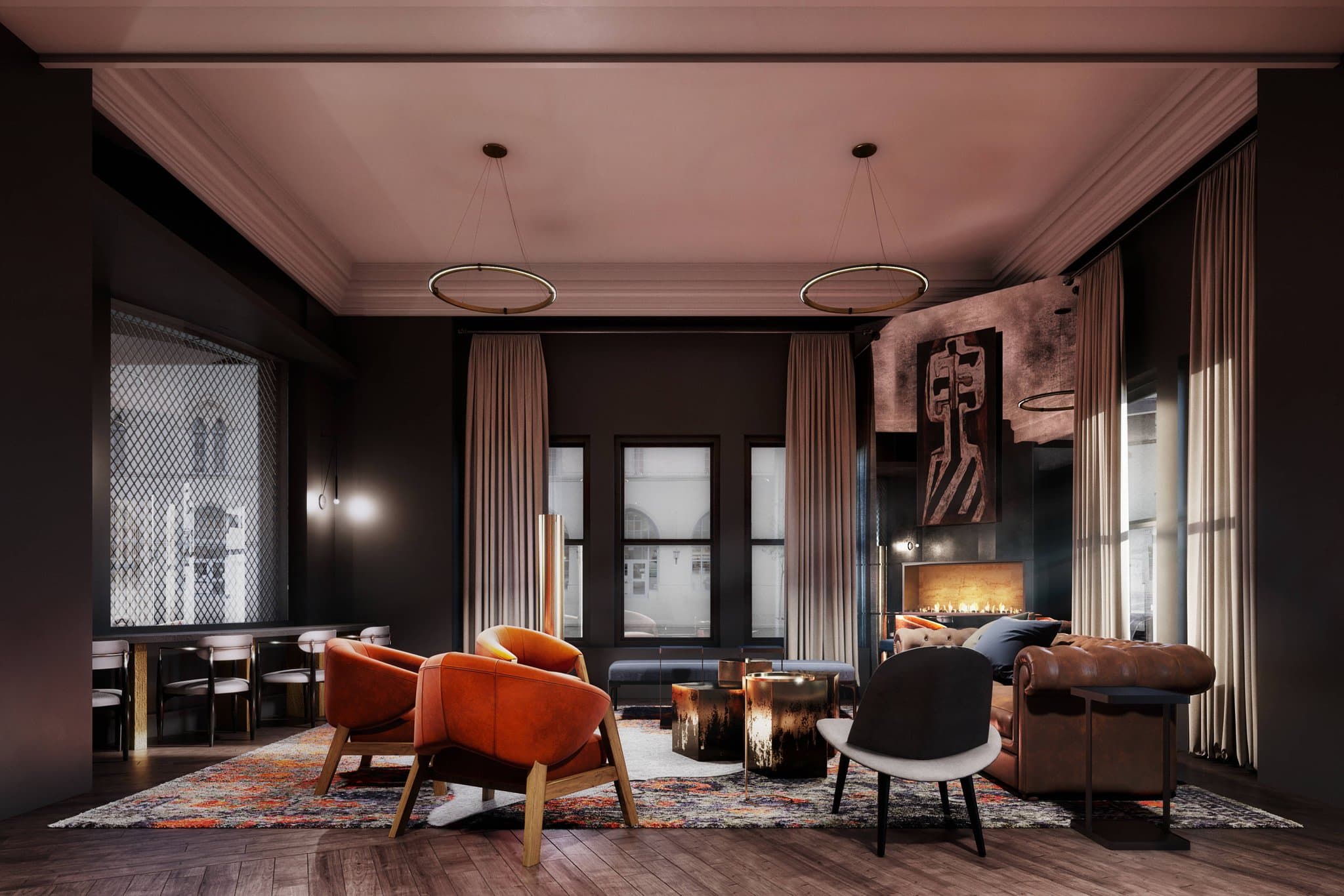
If Gotham City’s Wayne Enterprises opened a boutique outpost in the Rust Belt, it would look like The Industrialist. Anchoring 401 Wood Street, this Autograph Collection property doesn’t just occupy the 1902 Arrott Building; it weaponizes the structure’s history. Architect Frederick Osterling’s original Beaux-Arts shell now encases a lobby that smells expensively of sandalwood, sawdust, and tobacco—a sensory nod to the city’s manufacturing past that hits you before you even reach the brass-accented check-in. The interiors are a deliberate friction between Gilded Age grandeur and raw industrialism. Machinery-inspired chandeliers dangle like deconstructed turbines above leather banquettes in the lobby lounge, which carries a hush reminiscent of Soho House. Upstairs, the rooms are an exercise in efficiency over excess. Yes, at 200 square feet, the standard quarters are tight—think "Manhattan pied-à-terre" rather than "Midwestern sprawl." However, the design distracts you from the square footage with Egyptian cotton sheets, heavy blackout curtains, and bathrooms that feel surprisingly spacious. Downstairs, The Rebel Room serves a competent Modern American menu (the American Standard Burger is the move here), but the real energy is in the lounge’s “Maker’s Menu,” where you can order leather-working kits alongside your craft cocktail. It’s a hotel that demands you appreciate the grit. The vintage elevators are slow, and the street noise on lower floors is real, but for the design-obsessed traveler, these are minor taxes for staying in one of Pittsburgh’s most convincing architectural revivals.
“Request a room on the 14th floor or higher to clear the street noise of Wood Street. Also, skip the standard rideshare wait; the valet team here is legendary for their speed and city knowledge.”
Insider TipAvg. Nightly Rate
145USD
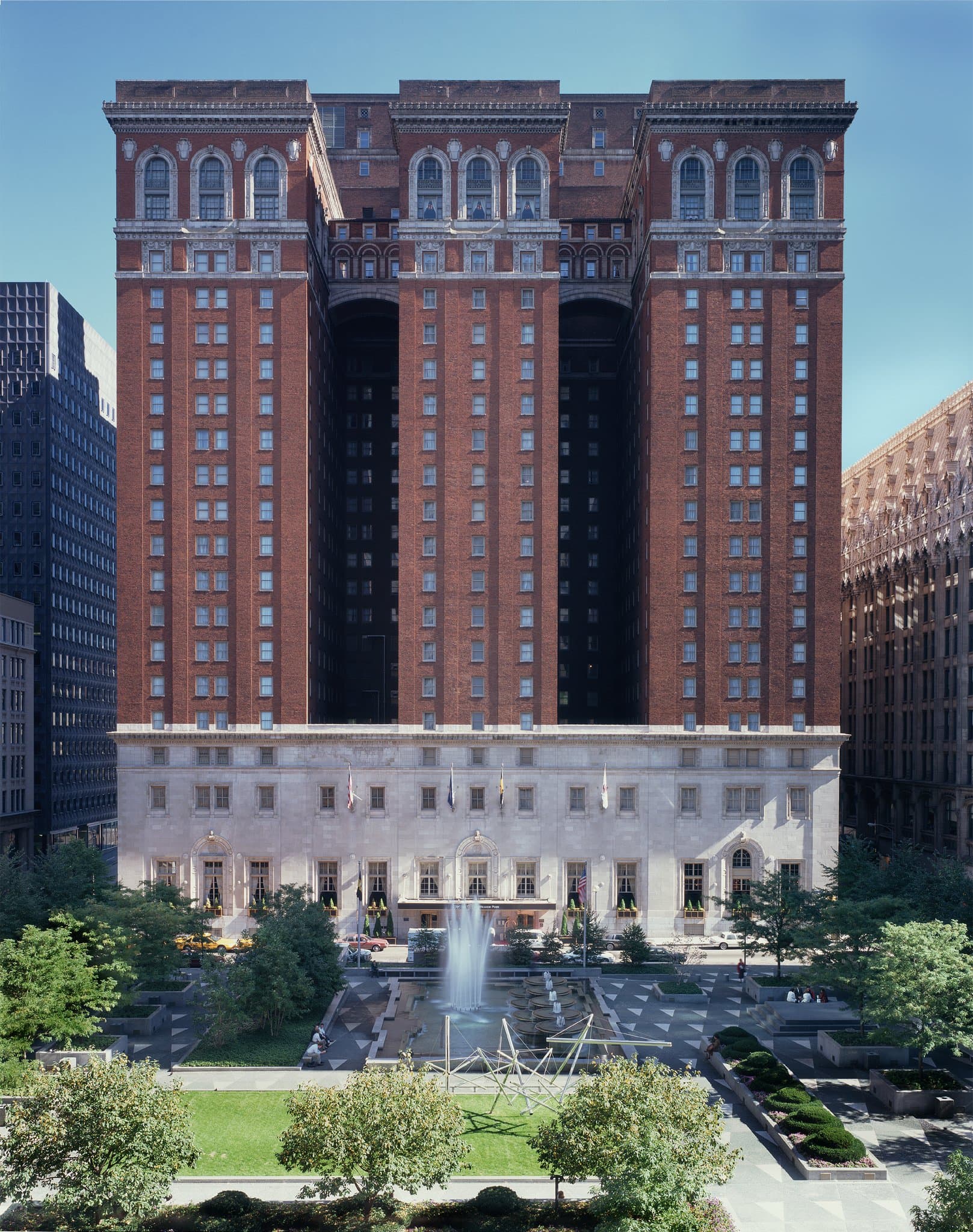
While Pittsburgh’s developers are currently obsessed with turning every abandoned condiment factory into a loft hotel, the Omni William Penn has been doing the heavy lifting of hospitality since Henry Clay Frick was a household name. Entering the Grand Hall Lobby feels less like checking in and more like crashing a gala from 1916; the crystal chandeliers alone possess more gravity than the micro-apartments rising in the Strip District. It serves as the architectural control group for the city's current adaptive reuse experiment. However, historical fidelity comes with compromises. The standard rooms, hovering around a tight 15 square meters, are a spatial reminder that Edwardian travelers packed lighter than modern influencers. The décor leans heavily into dark woods and heavy drapes—a stark contrast to the city’s newer industrial-chic aesthetic. But redemption awaits downstairs. Skip the standard lobby bar for The Speakeasy, a legitimate Prohibition survivor where the Smoked Old Fashioned is potent enough to make you forget the valet pricing. Dinner at The Terrace Room remains non-negotiable, if only for the William Penn Seafood Gumbo, a culinary antique that has outlasted a dozen food trends. It isn't sleek, and with a $40 million renovation proposed to refresh the aging icon, you are witnessing the end of an era. Book it for the Gilded Age flex, but perhaps check your desire for floor-to-ceiling windows at the door.
“Request a room facing Grant Street on a higher floor to minimize street noise, or better yet, book the 'Urban Room' (if available) for its Art Deco black glass walls—a rare design deviation from the hotel's traditional norm.”
Insider TipAvg. Nightly Rate
145USD
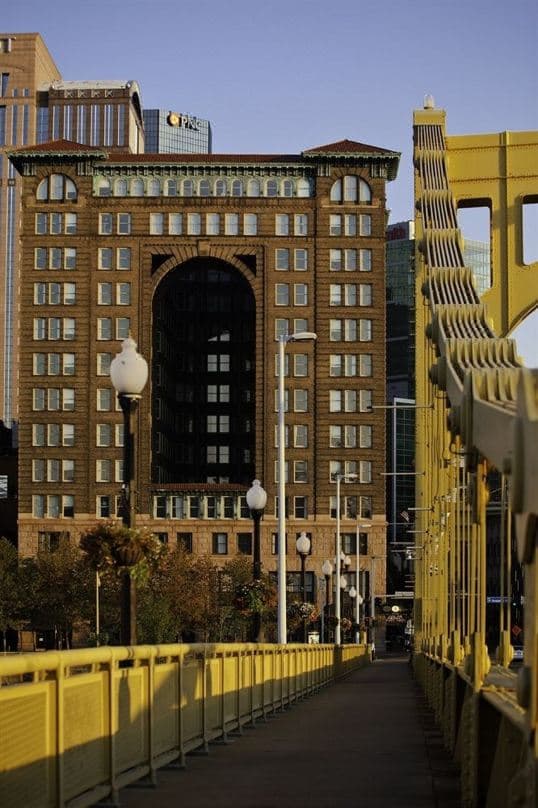
If the walls of the Fulton Building could talk, they’d probably order a whiskey neat. Anchoring the Cultural District, this 1906 Beaux-Arts marvel isn't just a place to sleep; it’s a living time capsule of Pittsburgh’s high-rolling steel era. The arrival experience is arguably the city's best: you enter a lobby that feels less like a check-in desk and more like a cathedral of commerce, dominated by a copper-clad rotunda and a grand marble staircase that practically demands a dramatic entrance. It’s moody, lit by a glass dome that filters the gray Pittsburgh light into something almost spiritual. Upstairs, the narrative shifts from Gilded Age swagger to pragmatic comfort. The rooms, while generous in square footage, are showing their age—think carpets that have weathered a few too many Steelers seasons and bathrooms that, while functional, feel corporate rather than indulgent. Yet, secure a river-facing room, and the design flaws fade; the view of the yellow Roberto Clemente Bridge and the roar of PNC Park creates a connection to the city that no freshly built glass box can replicate. On the culinary front, Braddock’s Rebellion saves you the trouble of hunting for local flavor. The House Braised Short Rib Pierogies are mandatory—dense, savory pockets that define comfort food. While the absence of a pool or spa is a notable omission for a property of this stature, and the valet pricing borders on extortionate, the Renaissance remains the heavyweight champion of Pittsburgh hotels for those who prefer history over high-tech polish.
“Skip the hotel valet. The public garage directly across 6th Street is significantly cheaper and offers a covered walkway connection.”
Insider TipAvg. Nightly Rate
157USD