No. 01
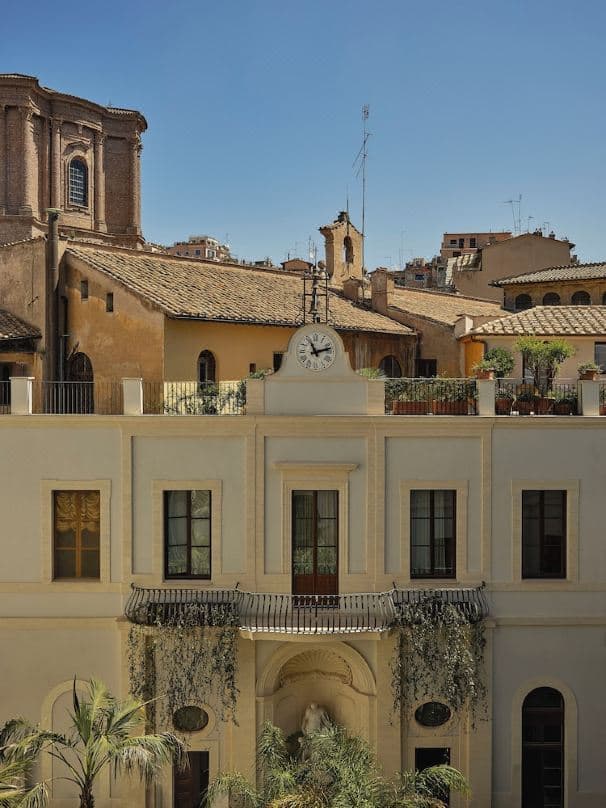
Largo Del Nazareno 25 Rome ItalyRome172 verified reviews
9
.4
Bitvoya Edit
Layering imagery, place, and detail before the page opens.
Rome is a city where millennia of history collide with cutting-edge Italian craftsmanship. Our curated collection, 'Modern Maestros,' highlights the properties that are redefining Roman hospitality through sleek architecture and interior innovation. Situated in prestigious neighborhoods like Campo Marzio and near the bustling Via del Corso, these hotels offer a sanctuary of contemporary style amidst Baroque grandeur. Whether it is the fashion-forward Fendi Private Suites or the minimalist elegance of The First Roma Arte, each destination serves as a portal to modern luxury. Experience the Eternal City not just as an open-air museum, but as a living canvas of design excellence.
Rome is traditionally known for its classic grandeur, but a new wave of luxury design hotels is transforming the hospitality landscape. Choosing a 'Modern Maestro' property means immersing yourself in the pinnacle of Made in Italy aesthetics. Properties like the Bulgari Hotel Roma and Fendi Private Suites are not just places to sleep; they are immersive brand experiences that blend high fashion with high living. These hotels offer a sharp, sophisticated contrast to the ancient ruins outside, providing state-of-the-art technology, curated art collections, and bespoke furniture that you won't find in traditional grand dames.
When booking a sleek design hotel in Rome, expect an emphasis on privacy, exclusivity, and sensory details. Unlike massive resorts, these are often boutique in scale, allowing for personalized service. Culinary excellence is standard, with rooftop terraces offering panoramic views of the Vatican and city domes. Expect interiors featuring marble, brass, and velvet, curated by world-renowned architects. From the moody, atmospheric lighting of D.O.M Hotel Roma to the sustainable luxury of Six Senses, these hotels promise a stay that is as visually inspiring as the city itself.
Fendi Private Suites and J.K. Place Roma are located in the heart of the Tridente fashion district, steps away from Via Condotti's luxury boutiques.
Yes, properties like The First Roma Arte and Bulgari Hotel Roma feature stunning rooftop terraces with panoramic views of the city.
Absolutely. The First Roma Arte is essentially an art gallery you can sleep in, while Elizabeth Unique Hotel features curated contemporary artworks throughout.
Explore our complete curated list of luxury accommodations, from boutique hideaways to grand dames.
Explore All Rome HotelsIf Rome is a theater, Palazzo Talìa is its most avant-garde stage. Designed in part by Luca Guadagnino (of *Call Me by Your Name* fame), this 26-room property in the former Collegio Nazareno doesn't just respect history; it remixes it with chromatic insolence. The lobby sets the tone—a high-voltage clash of 18th-century frescoes and Nigel Peake’s geometric staircase runner that feels less like a hotel entrance and more like a Wes Anderson tracking shot. Upstairs, the drama softens but the specificity remains. Rooms forego the usual beige safety for maximalist textures, though standard categories can feel intimate to a fault—beware the etched glass toilet doors if you value absolute privacy. The real scene-stealer is the spa, an unexpected cavern featuring Augustinus Bader treatments and a heated pool that defies the city’s usual lack of aquatic amenities. Dining at Tramae offers its own plot twists, specifically the Spaghettone alla Nerano with smoked zucchini cream, a dish that demands a repeat viewing. Finish at Bar della Musa, where the Melpomene (Mezcal and pistachio milk) creates a flavor profile as complex as the design. It’s imperfect, loud in its aesthetic, and undeniably the coolest place to sleep in Rome right now.
“Skip the standard rooms and book the Terrace Suite—it’s the only one fully designed by Guadagnino and features peach wood paneling that glows during golden hour.”
Insider TipAvg. Nightly Rate
553USD
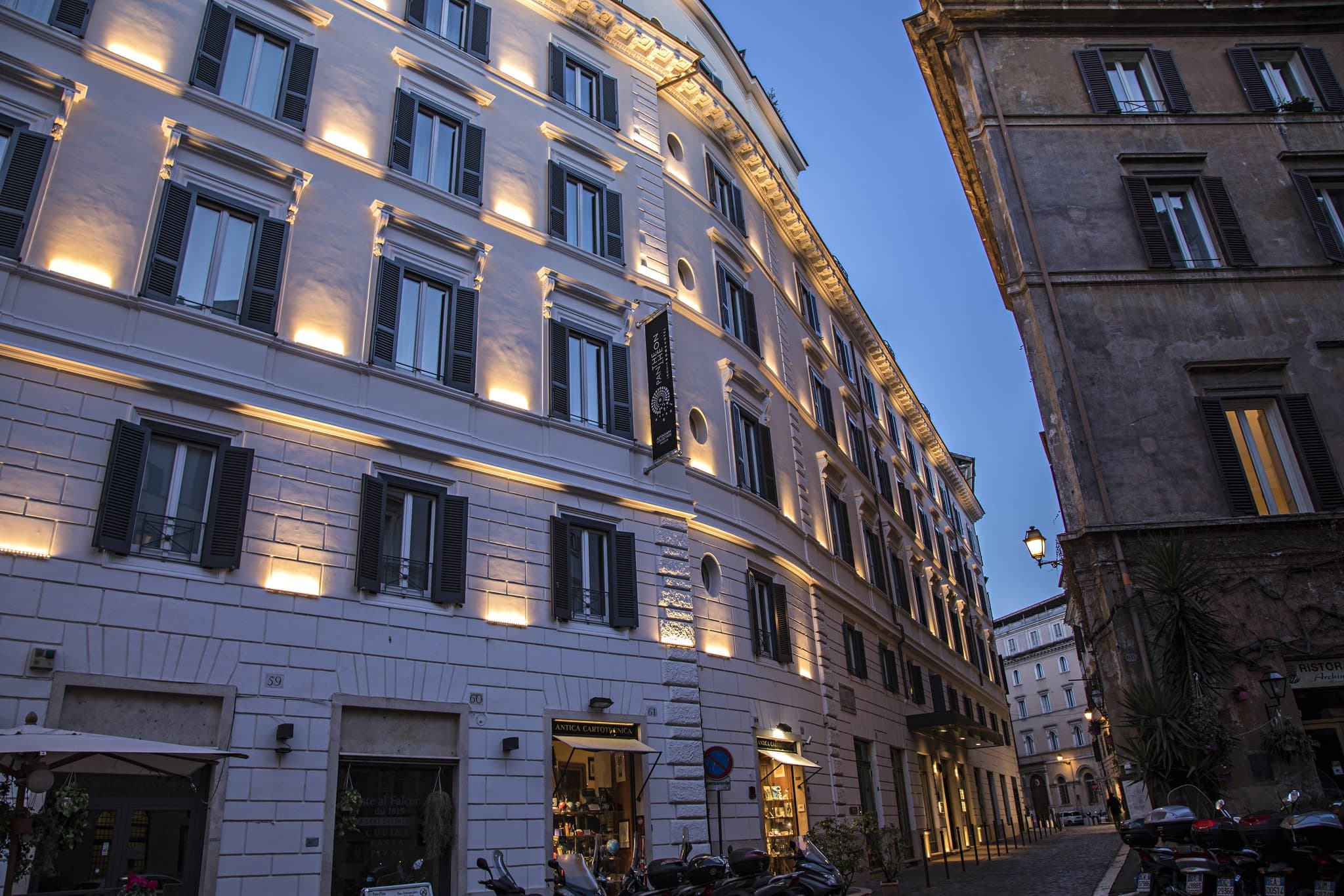
If Rome is a city of fading ochre and warm embrace, The Pantheon Iconic is its cold, seductive shoulder. Designed by Studio Marco Piva, this hotel rejects the ‘Roman Holiday’ aesthetic entirely. Located a literal stone’s throw from the Pantheon’s portico, the lobby is a sensory assault of midnight-black Sahara Noir marble and theatrical brass lighting that feels less like a hotel and more like a bond villain’s safehouse. It is unapologetically moody, sleek, and sharp—a violent, beautiful counterpoint to the peeling ancient stucco outside. The base rooms are admittedly compact (23 square meters means you aren't doing cartwheels), but they are engineered with the precision of a luxury yacht car. Expect Calacatta Gold marble bathrooms, Acqua di Parma toiletries, and soundproofing so heavy it deletes the tourist chaotic din below. The real alchemy, however, happens at Idylio by Apreda. Chef Francesco Apreda’s retained Michelin star is well-deserved; his ‘Pasta in Bianco with 5 Roots’ is a masterclass in complexity that makes the carbonara next door look like child's play. Finish at the Divinity Terrace. Sipping a gold-leaf ‘Amatriciana’ cocktail while staring at the Borromini swirl of Sant'Ivo alla Sapienza isn't just a perk; it's the reason you book here.
“Skip the standard view. Request a room on the 4th floor facing the rear for a direct, eye-level line of sight to the spiraling corkscrew spire of Sant'Ivo alla Sapienza.”
Insider TipAvg. Nightly Rate
426USD
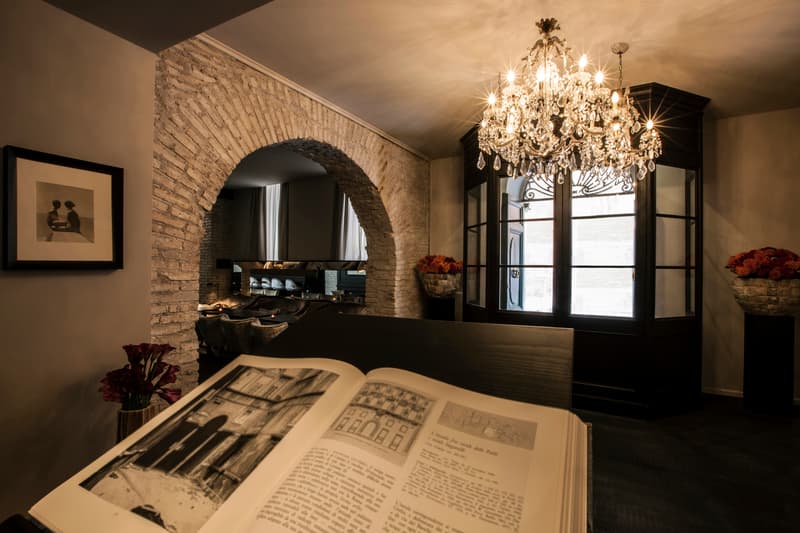
Forget the sun-drenched terracotta clichés. D.O.M Hotel is where the Vatican meets the Velvet Underground. Situated on Via Giulia—Rome’s most pious Renaissance straightaway—this 17th-century palazzo conceals a deliciously secular heart. Architect Antonio Girardi has banished the holy vibes in favor of a brooding 'gentlemen’s club' aesthetic: think chocolate-lacquered walls, heavy velvet drapery, and original Andy Warhol silkscreens that stare back from the gloom. The rooms are unapologetically sexy and deliberately dim; you are here to sleep (or not), not to work. Expect tactile luxuries like cashmere-silk rugs and oversized mirrors, though the absence of in-room coffee makers is a slight oversight for the caffeine-dependent. The real theatre happens upstairs at Verve, where the signature Spaghettone Ajo, Ojo & Peperoncino is served against a cinematic backdrop of Regola’s rooftops. Downstairs, The Deer Club mixes cocktails stiff enough to make a cardinal blush. There is no gym or spa to speak of, but in a hotel this hedonistic, sweating is best done privately.
“Ask for Room 24—it features a rare private terrace perfect for a sunset Aperol Spritz away from the crowds.”
Insider TipAvg. Nightly Rate
302USD
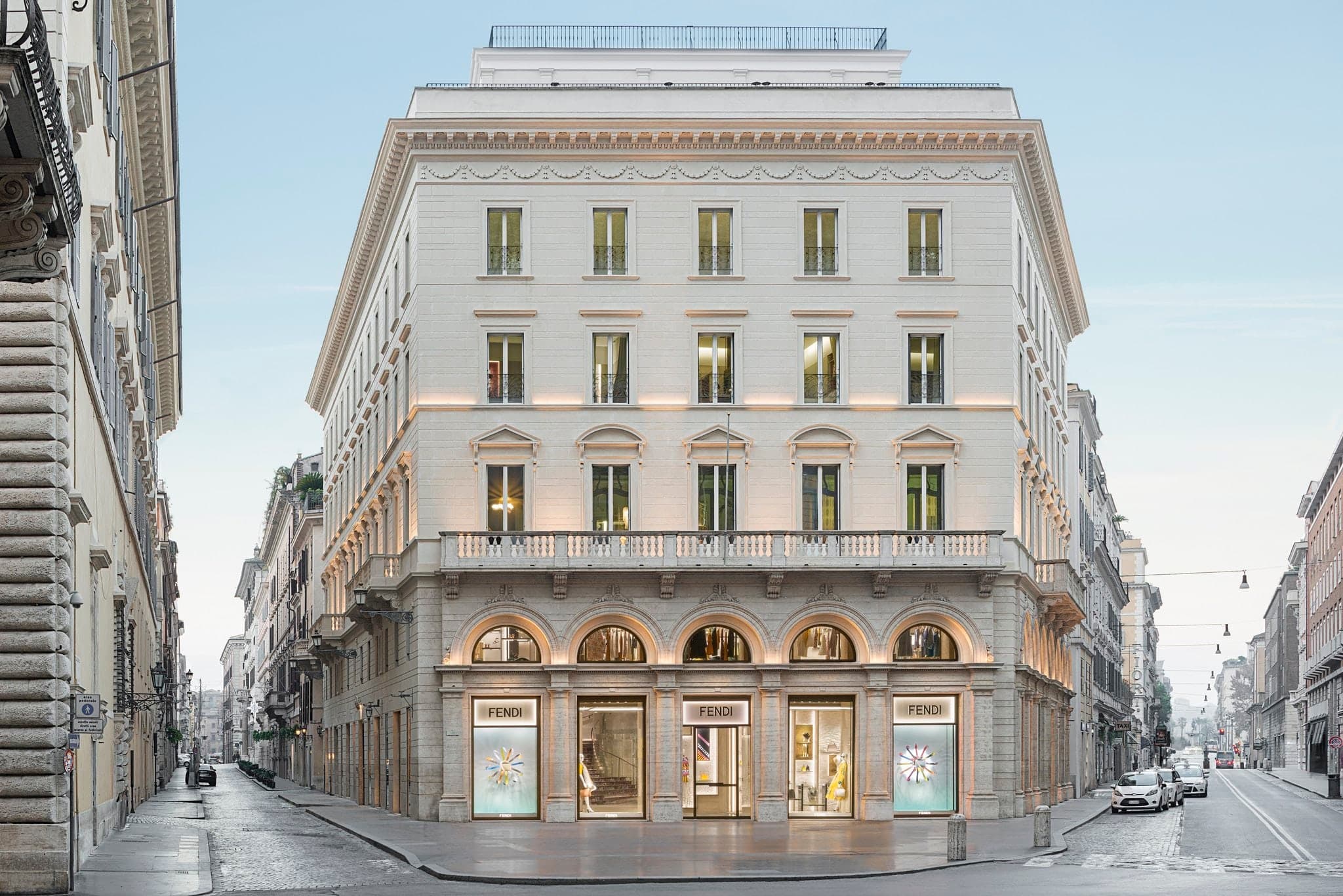
Forget the sprawling lobby scene. Checking into Fendi Private Suites feels less like a hotel arrival and more like securing the keys to a fashion editor’s secret pied-à-terre. Perched atop the flagship boutique on Via dei Condotti, this seven-suite retreat is a masterclass in tactile luxury. The design doesn't just whisper; it purrs with Fendi’s DNA—think headboards adorned with geometric "fur tablets," walls hung with Karl Lagerfeld’s architectural photography, and varying shades of slate and travertine that cool the Roman heat. The real magic is the silence. While the Spanish Steps bustle below, the suites remain hermetically sealed sanctuaries, insulated by heavy drapes and the comforting scent of Diptyque amenities. Sleeping here involves sinking into Makò cotton satin linens that ruin you for standard thread counts. While the property lacks a spa or pool, it compensates with effortless access to the city's fashion pulse and priority seating at Zuma on the rooftop. The miso-marinated black cod there is non-negotiable, best enjoyed after a day of private shopping. **Verdict**: The definitive Roman holiday for those who prefer their souvenirs in the form of Italian craftsmanship and absolute privacy.
“Book Palazzo Suite 1 for the direct view of the Trinità dei Monti church, or ask the concierge for the private after-hours tour of the flagship store below.”
Insider TipAvg. Nightly Rate
679USD
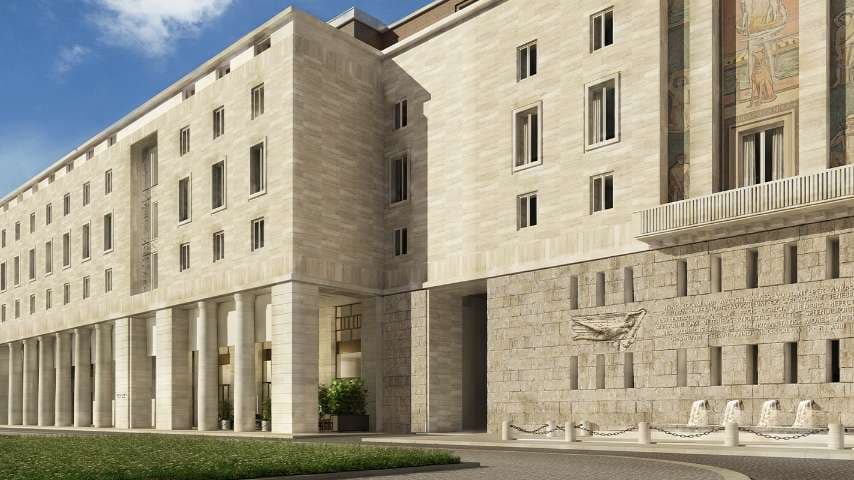
If Emperor Augustus commissioned a pied-à-terre today, he’d tap Antonio Citterio and Patricia Viel to renovate this 1930s rationalist monolith facing his own mausoleum. The Bulgari Roma isn’t just a hotel; it’s a tactile essay in Italian power. Forget the baroque frills common to the city; here, the aesthetic is severe, sleek, and dripping in money. The lobby, dominated by a seated statue of Augustus, feels less like a check-in desk and more like a temple entrance. Upstairs, the rooms are exercises in color theory—clad in Rubelli fabrics, sliding mahogany panels, and bathrooms that are veritable quarries of colored marble. They come stocked with full-size Augustinus Bader amenities and Dyson tools, ensuring the morning ritual is as polished as the surroundings. Dining at Il Ristorante - Niko Romito is mandatory. Romito’s 'Absolute of Onion' is a study in culinary reductionism that rivals the architecture, though his 'Crispy Suckling Pig' is the crowd-pleaser. The real showstopper, however, is the indoor pool: a hushed, mosaic-lined echo of the Baths of Caracalla that makes doing laps feel like a sacred rite. Service is as sharp as the staff’s tailoring, though the prices might make even a patrician blush. **Verdict**: The new apex of Roman luxury. Expensive, exclusive, and entirely unapologetic.
“Skip the room service breakfast; descend to Il Caffè specifically for the fresh 'maritozzi'—Roman buns filled with whipped cream—which are a local obsession and often sell out by mid-morning.”
Insider TipAvg. Nightly Rate
1738USD
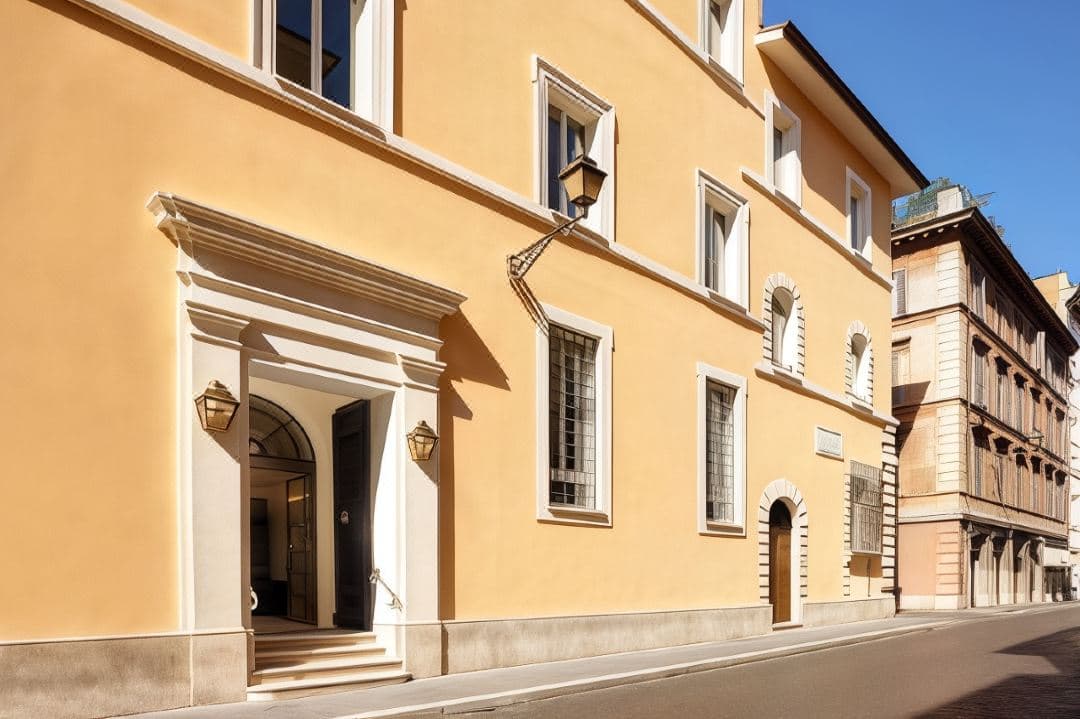
Step off the bustling Via di Ripetta and the chaotic hum of the Tridente district instantly vanishes, replaced by a cool, curated silence. Palazzo Ripetta is not merely a hotel; it is a masterclass in Italian juxtaposition. The 17th-century conservatory architecture has been aggressively, joyfully reimagined to frame a serious collection of modern art. The showstopper? Arnaldo Pomodoro’s massive 'Sfera' in the lobby—a bronze promise that this stay will be anything but predictable. The rooms continue this dialogue between the sacred and the profane. Forget dusty antiques; here, you’ll find sleek 1960s heritage furniture sitting comfortably alongside high-tech necessities. The bed is a sanctuary draped in crisp Frette linens, while the bathroom features professional GHD hair dryers and the heady scent of Ortigia amenities—details that prove the designers understand the practicalities of luxury. Dining here is an exercise in Roman theatre. The courtyard, Piazzetta Ripetta, revolves around an ancient sarcophagus fountain, offering a surreal backdrop for your morning espresso. For dinner, San Baylon eschews the tourist traps for genuine innovation; the Monkfish 'Saltimbocca-style' is a must-order, wrapping delicate fish in the savory punch of prosciutto and sage. But the real insider flex is the Etere Rooftop. It’s intimate and unpretentious, the perfect perch to nurse a Sapere Aude cocktail while watching the sunset hit the terracotta skyline. It’s edgy, it’s elegant, and it’s exactly where Rome is heading.
“Request a courtyard-facing Prestige Room to swap the Via di Ripetta street hum for the soothing sound of the sarcophagus fountain.”
Insider TipAvg. Nightly Rate
474USD
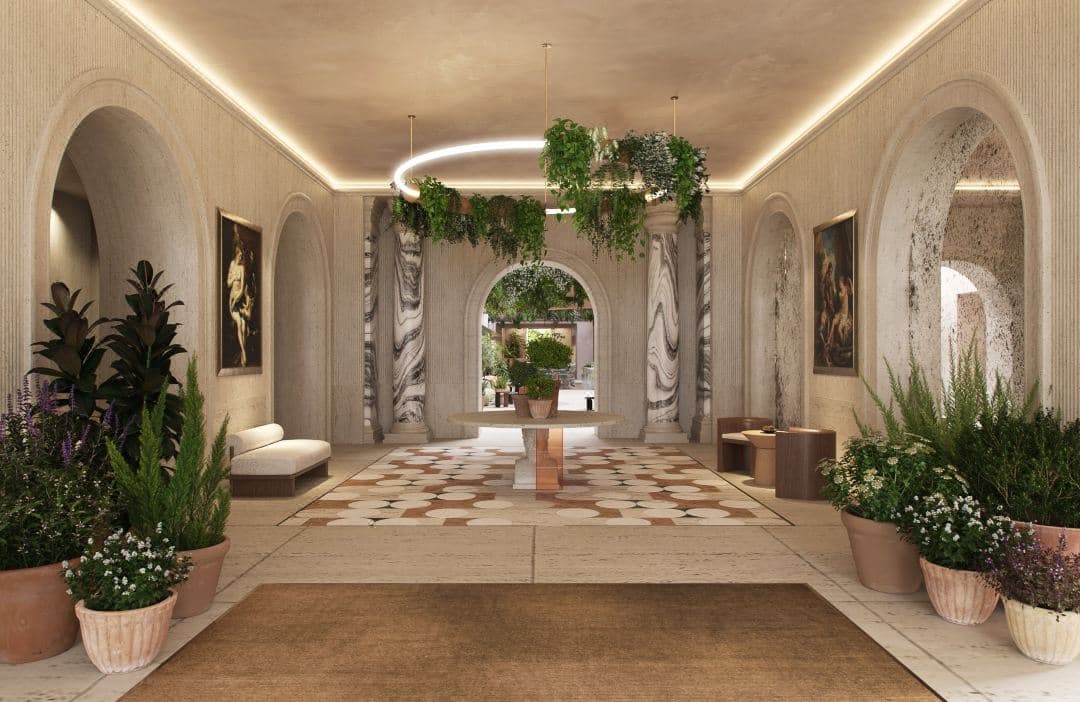
If Rome is a cacophony of Vespa exhaust and baroque excess, Six Senses Rome is its monastic, vanilla-scented antidote. Housed in the Palazzo Salviati Cesi Mellini, this isn't just a renovation; it’s a masterclass in soft power by Patricia Urquiola. She has stripped away the dusty brocades usually associated with Roman five-stars, replacing them with a soothing vernacular of rounded travertine, light oak, and 'cocciopesto' plaster that feels like touching warm biscuit. The entry-level rooms are admittedly compact—barely enough swing space for a Rimowa trunk—but the finishing is surgical. Think 400-thread count organic linens, Dyson Supersonic dryers, and a silence so profound it’s disorienting. The real draw, however, is the basement. The spa isn't an afterthought; it’s a faithful, if hyper-luxurious, recreation of a Roman bathing circuit. After an hour rotating through the caldarium, tepidarium, and frigidarium, the chaos of the Trevi Fountain (just blocks away) feels like a distant memory. Dining at BIVIUM is grounded in Roman classics without the tourist trap grease—order the 'Omaggio a Roma' artichoke. It’s expensive, yes. But for the biohacking jet-lag recovery alone, it’s arguably essential.
“Skip the main dinner rush at BIVIUM and head to the NOTOS rooftop at golden hour (7 PM) for a botanical cocktail; the view of the San Marcello bell tower is better than any postcard.”
Insider TipAvg. Nightly Rate
1092USD
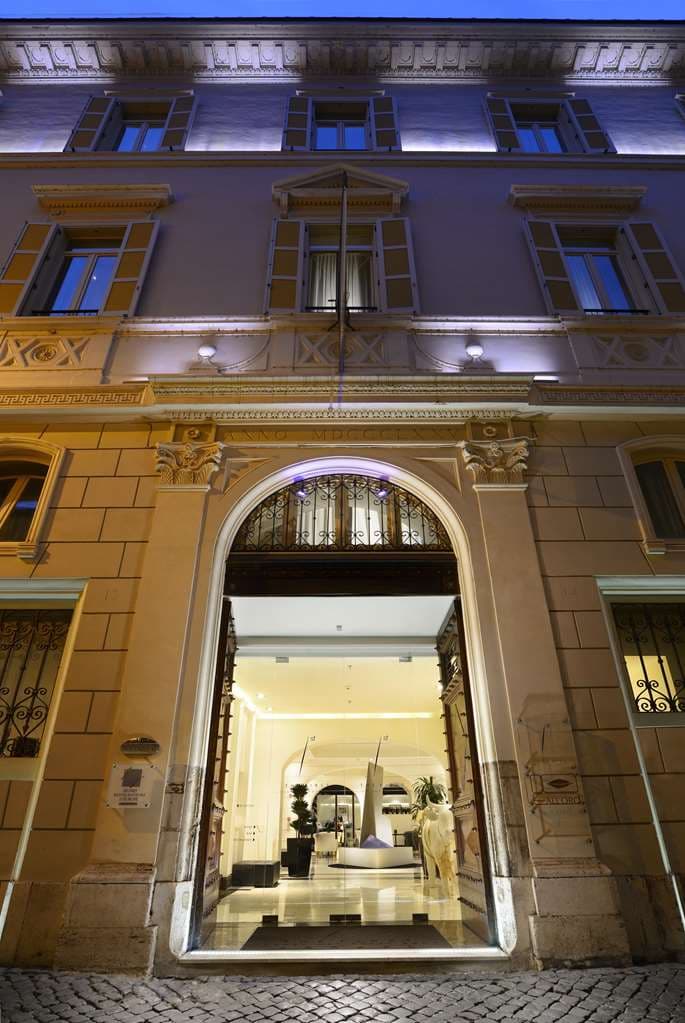
If the definition of ‘luxury’ has shifted from gilt-edged excess to intellectual exclusivity, The First Roma Arte is its new standard-bearer. Located a mere whisper from the Piazza del Popolo, this property defies the typical ‘hotel with art’ trope by functioning primarily as a gallery that happens to offer 5-star lodging. The entrance is a discreet, blink-and-you’ll-miss-it affair on Via del Vantaggio, signaling immediately that you are entering a private domain, not a tourist hub. Inside, the vibe is aggressively sophisticated. Over 200 original contemporary works line the limestone corridors, transforming the walk to your room into a private viewing. The accommodation itself favors the bold—opt for an Art Suite, where royal blue velvet sofas provide a moody counterpoint to the neutral palette and rotating sculptures. Be warned: entry-level rooms facing the courtyard can feel intimate to the point of dimness; this is a place to splurge on a suite or risk a lack of natural light. Culinary prowess here is not an afterthought; it is the main event. The ground-floor restaurant, Acquolina, retains its dazzling 2-Michelin Star status under Chef Daniele Lippi. His signature Risone with chamomile, smoked eel, and honey is a masterclass in tension and release—strange, cerebral, and utterly delicious. For a looser tie, the Acquaroof Terrazza Molinari offers raw fish platters ('Gocce di Mare') against a backdrop of St. Peter’s dome. While the lack of an on-site pool might deter the leisure-obsessed, the hotel counters with Technogym equipment and serious art-world credibility. It is not for the family seeking a splash-pad; it is for the traveler who prefers their Roman holiday with a side of edge.
“Skip the standard rooms; the Art Suites are the sweet spot. Also, while there is no on-site spa, the concierge can shuttle you to the sister property for a dip in the pool—book this transfer at breakfast to ensure availability.”
Insider TipAvg. Nightly Rate
459USD
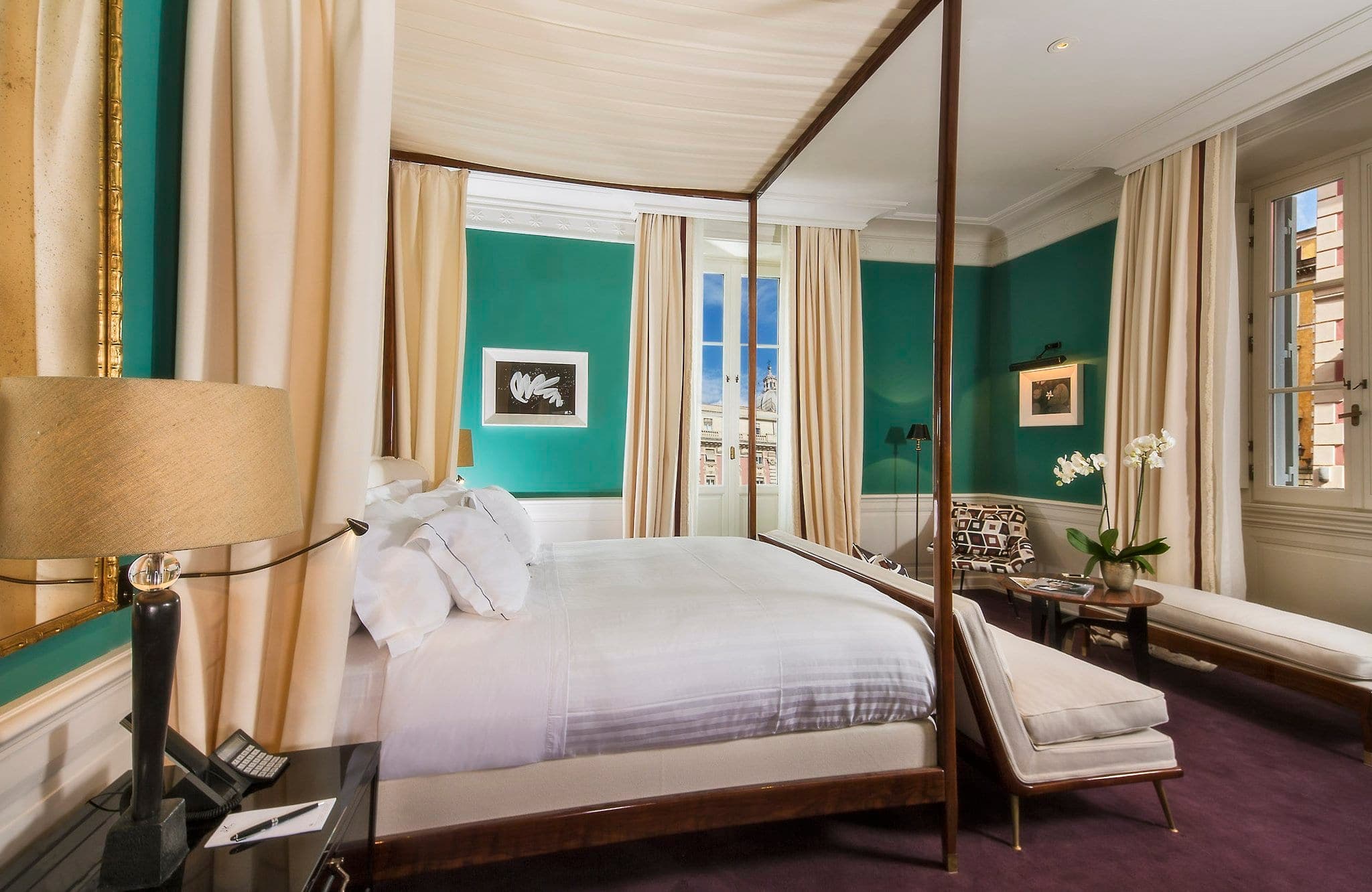
Forget the gilded stuffiness of Rome’s traditional grand dames. J.K. Place Roma, occupying a former school of architecture near the Spanish Steps, is the cool, intellectual heiress of the city’s hotel scene. Michele Bönan’s interiors reject Roman cliché for a cinematic mashup: mid-century modern furniture sits confidently beside classical statues in the glass-roofed atrium, while chartreuse velvet banquettes in the J.K. Café demand you linger over an Aperol. The 27 rooms feel less like hotel quarters and more like the guest wing of a well-traveled friend’s palazzo. Expect rosewood canopy beds, striped marble bathrooms spacious enough to host a small party, and Bose SoundLink systems. While the property famously lacks a gym or spa—a bold move in this category—it counters with obsessive service (a 2:1 staff ratio) and arguably the best burger in Italy, crafted with Piedmontese Fassone beef. It is intimate, impossibly stylish, and unapologetically focused on the art of living well rather than checking amenity boxes. Verdict: The ultimate hideaway for the design-literate traveler.
“Request Room 12. It’s a Master Suite that features a working marble fireplace and shelves lined with art books—perfect for a rainy Roman afternoon.”
Insider TipAvg. Nightly Rate
800USD
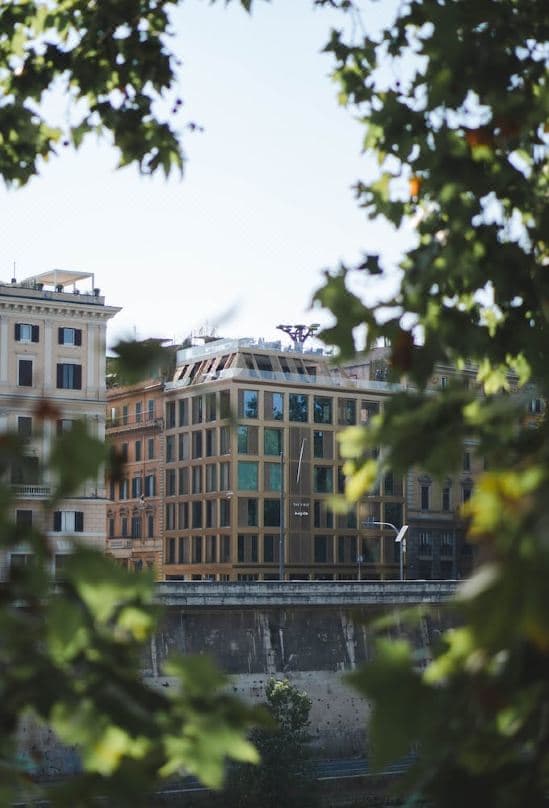
Forget the terracotta nostalgia and crumbling ruins; The First Musica offers a stark, confident counterpoint to the 'Dolce Vita' cliché. Located in Prati—the Eternal City’s chic, residential quarter—this property stands as the rebellious architectural sibling to The First Arte. The structure is an exercise in rationalism: a grid of concrete and glass that feels almost severe until you step inside, where the edges are softened by acres of Loro Piana fabrics and warm gold accents. The rooms are designed as optical instruments; floor-to-ceiling windows turn the Baroque skyline across the Tiber into a live cinematic feed. It’s high-tech but tactile, featuring Bang & Olufsen sound systems and Dyson hair dryers that signal a refusal to compromise on modern mechanics. The social gravity of the hotel, however, pulls upwards. At the rooftop 'Alto', a 300-year-old olive tree anchors a space that shifts from sun-drenched breakfast spot to nocturnal playground. Here, the menu skips the tourist traps for Jacopo Mercuro’s roman-style pizza and raw Mazara red prawns. Downstairs, 'Oliva Ristorante' serves a Spaghetto all’Oliva that is deceptively simple and technically flawless. This is the hotel for those who love Rome but don't need to sleep inside a museum.
“Book a 'Prestige View Room' on the 4th floor or higher; the lower levels contend with the hum of the Lungotevere, but the elevation buys you silence and a direct line of sight to the Ara Pacis.”
Insider TipAvg. Nightly Rate
332USD
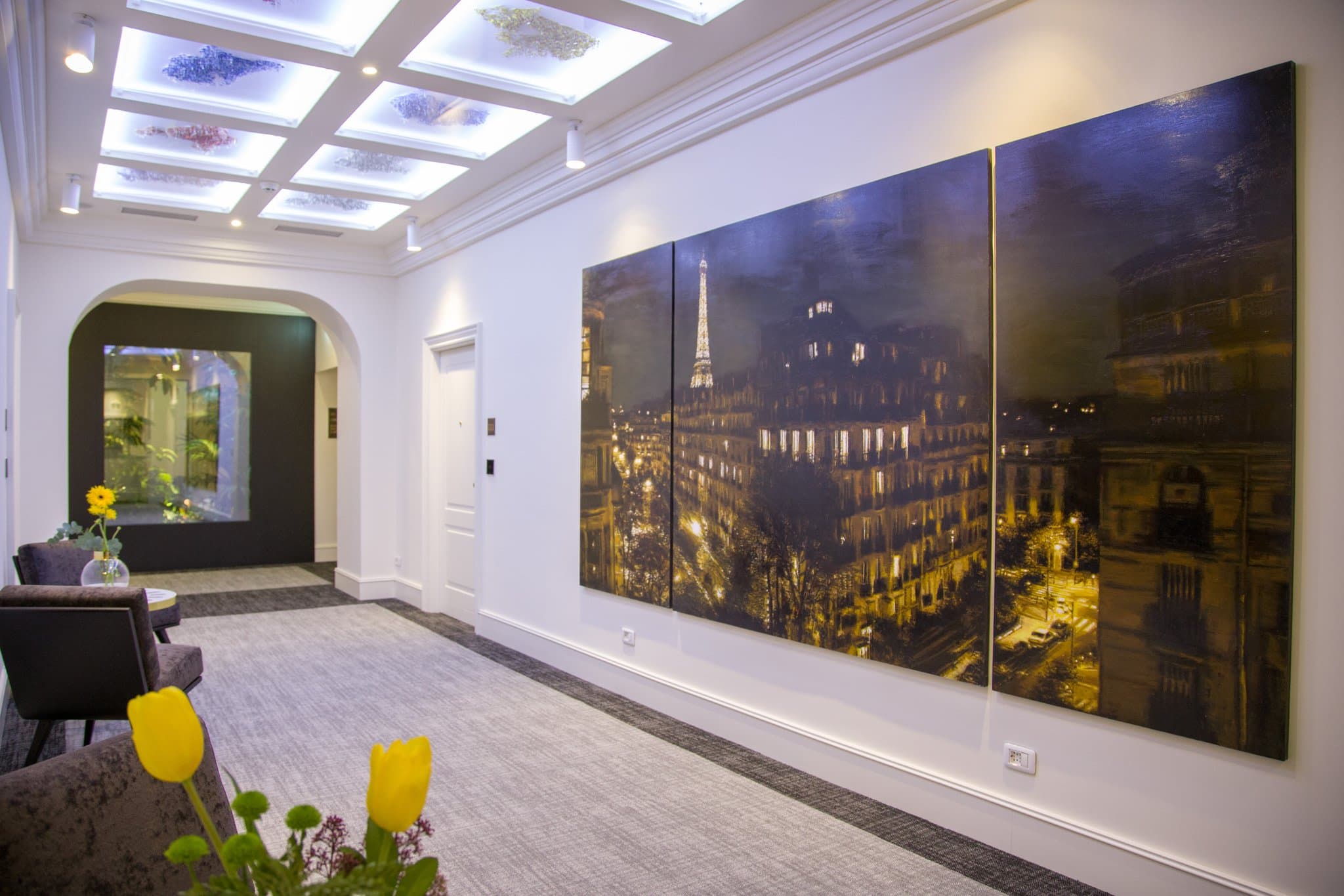
If the chaotic thrum of Via del Corso is Rome’s heartbeat, the Elizabeth Unique Hotel is its composed, cultured breath. Tucked inside the 17th-century Palazzo Pulieri Ginetti, this property doesn’t just hang art; it inhabits it. Thanks to a partnership with the historic Galleria Russo, the hallways serve as a private viewing corridor of contemporary Italian works, making the walk to your room feel like an after-hours museum tour. The design language here is distinctly cosmopolitan—think arched entryways, moody lacquered walls, and 400-thread count linens that feel reassuringly expensive. The rooms shun Roman baroque clichés for modern precision, featuring Bose SoundLink speakers and generous bottles of Laura Tonatto amenities that smell of Italian citrus and spice. But the real flex here is the refusal to rush. Breakfast at DonnaE Bistrot is an à la carte affair served until 12:30 PM, a civilized indulgence that allows for a guilt-free lie-in before you descend for Cacio e pepe seasoned with crusco pepper. It feels less like a hotel and more like the guest quarters of a sophisticated Roman art collector who insists you stay for 'just one more' Negroni at Bar Bacharach.
“Avoid the 'Mansion' annex if you dislike stepping outside to reach the lobby. Request a Main Building suite to stay connected to the art-filled core.”
Insider TipAvg. Nightly Rate
345USD
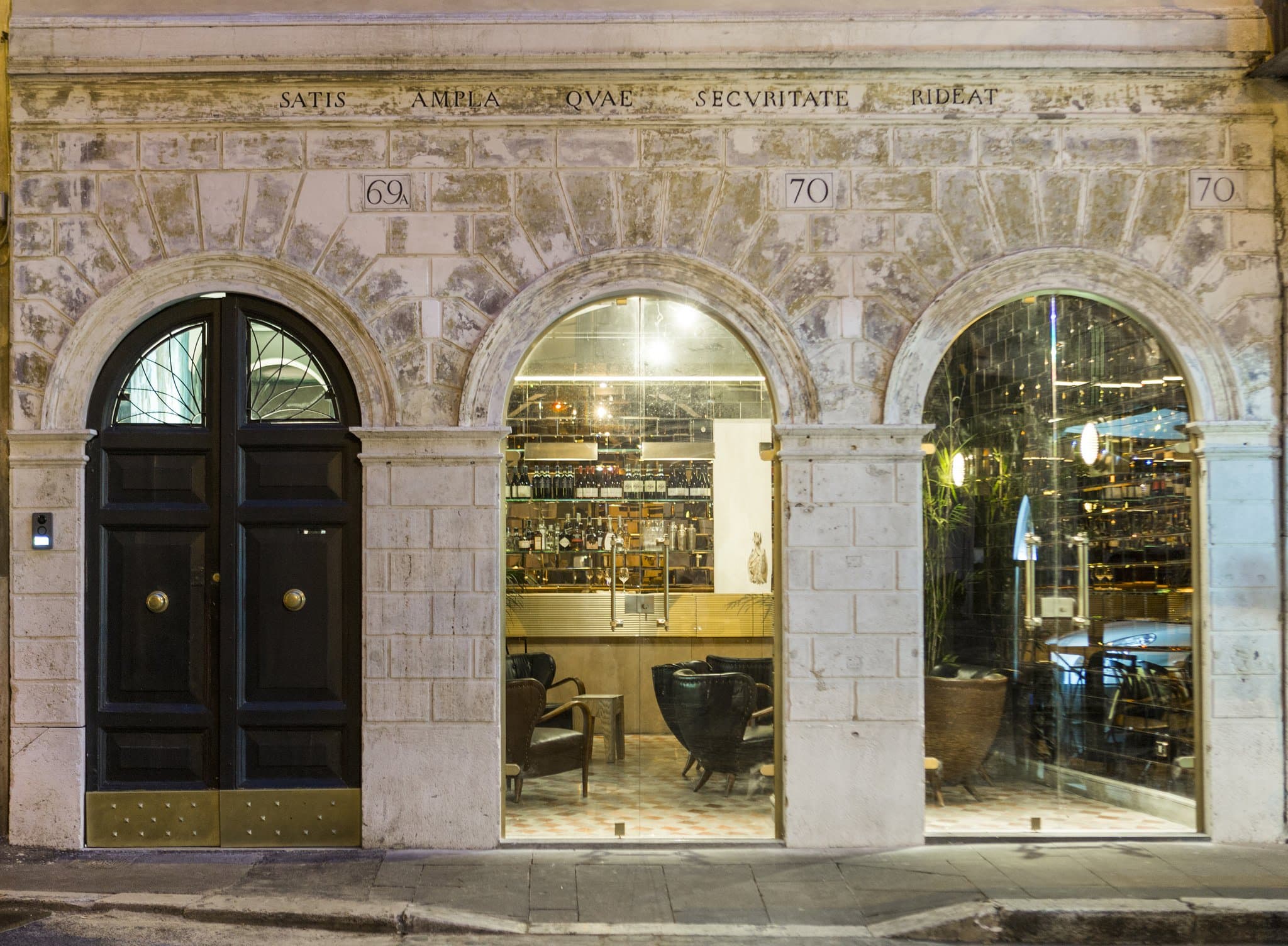
In a city often suffocated by Baroque excess and polished marble, G-Rough offers a brilliant, rebellious corrective. It is the architectural equivalent of a deconstructed couture gown—raw seams exposed, yet infinitely more expensive than the finished product. Housed in a 17th-century palazzo steps from Piazza Navona, the hotel’s 'rough-luxe' aesthetic isn't just a style choice; it’s a philosophy. The check-in experience sets the tone: there is no lobby. Instead, you are handed a Prosecco at the Gallery Bar, a moody, bronze-mirrored space that feels more like an eccentric collector's living room than a hotel reception. The ten suites are habitable museums where the walls steal the show. Stripped back to reveal centuries of paint, plaster, and history, they serve as a gritty canvas for an impeccable collection of mid-century Italian furniture. We’re talking original Gio Ponti chairs and Ico Parisi tables that would spark bidding wars at Sotheby’s. Modern comforts are surgical in their precision: crisp linens, Smeg fridges, and Malin + Goetz amenities that cut through the dust of history. While the lack of a spa or pool might deter the traditionalist, the 'Lifestyle Manager' compensates by unlocking private Roman palazzos usually sealed off to the public. G-Rough is not for those seeking standard five-star sterilization; it is for the design voyeur who understands that true luxury lies in the patina.
“Book the Pasquino Suite for its private terrace overlooking the terracotta rooftops—perfect for a morning espresso before the city wakes up.”
Insider TipAvg. Nightly Rate
470USD
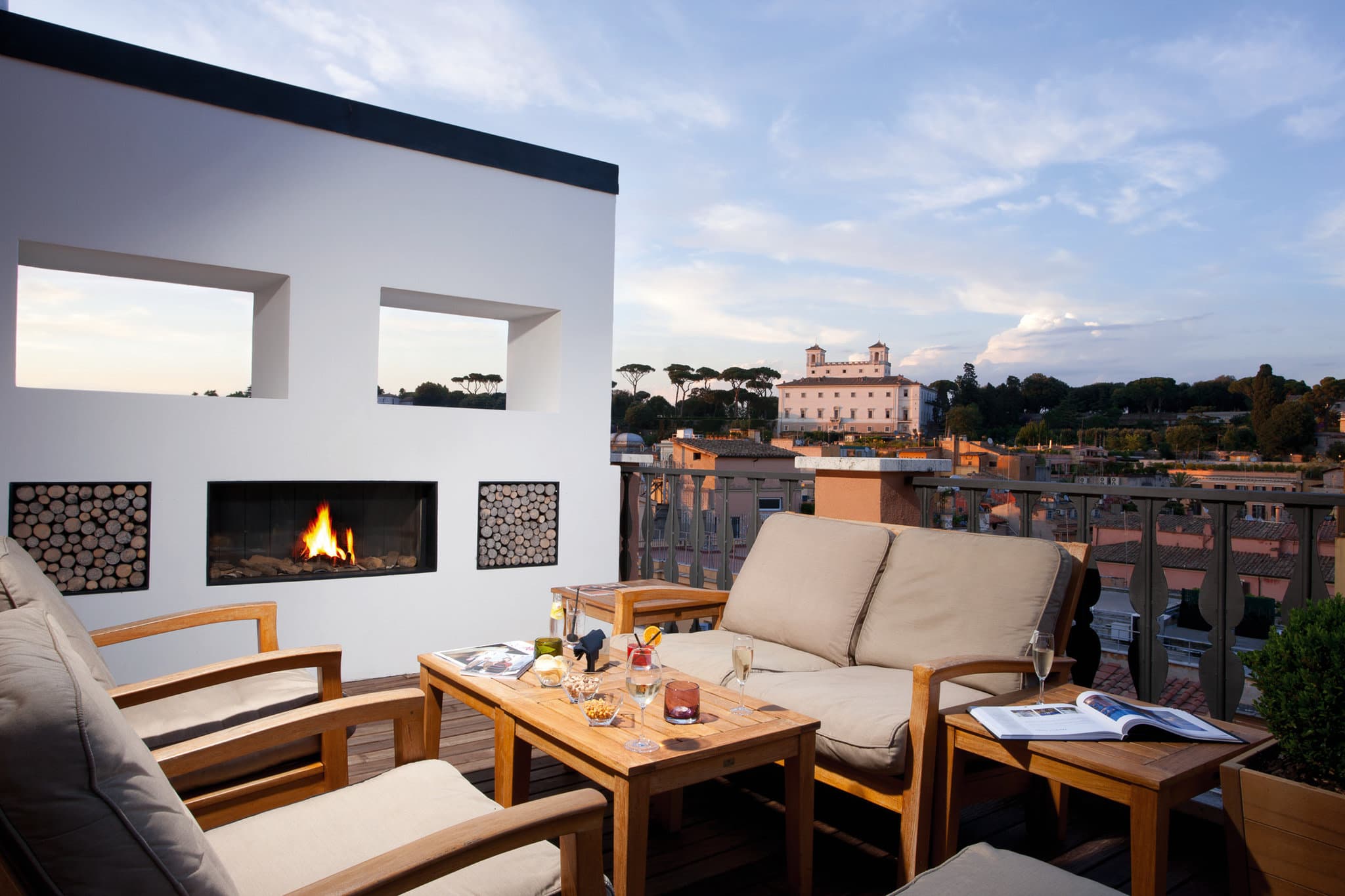
Forget the grand lobby entrance; arriving at Portrait Roma feels like slipping into a hushed, aristocratic secret. Owned by the Ferragamo family and located directly above their men’s flagship, this 14-suite property isn’t a hotel—it’s a residence. Michele Bönan’s design masterfully channels 1950s cinematic glamour: think gray pinstriped carpets, heavy silk drapes with flashes of acid green, and an elevator lined in boar leather that smells faintly of money and old Tuscany. The rooms are designed for living, not just sleeping. Even the studios feature discreet kitchenettes with microwaves and dishwashers, a nod to the long-stay guest who prefers privacy over pageantry. Bathrooms are stocked with Salvatore Ferragamo ‘Tuscan Soul’ amenities, naturally. There is no full-service restaurant, but the rooftop terrace is the property’s crown jewel. Here, breakfast involves cornetti and cappuccino against a backdrop of the Trinità dei Monti, while the evening honour bar serves an aperitivo of aged Parmigiano Reggiano that ruins you for anywhere else. Service is led by a ‘Lifestyle Team’ rather than a concierge, ensuring that your Roman holiday is curated, not just booked. It is intimate, exclusive, and flawlessly tailored.
“Book the 'Penthouse Trinità dei Monti' for a private terrace that rivals the hotel's main rooftop. Also, ask the Lifestyle Team for a private viewing of the Ferragamo archives downstairs.”
Insider TipAvg. Nightly Rate
1000USD
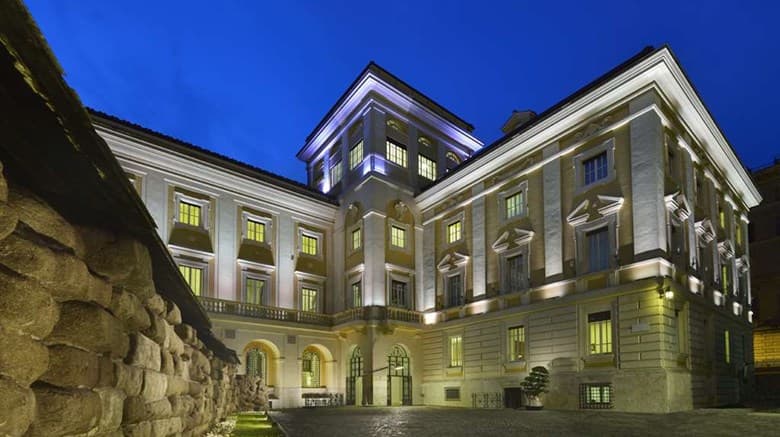
Forget the sepia-toned Roman holiday of velvet drapes and Renaissance clutter. Palazzo Montemartini offers a violent, beautiful collision between the 21st century and antiquity. Occupying the former offices of the Roman tram system right next to the frenetic Termini Station, this property is the city's most unapologetic design statement. The aesthetic is blindingly white and industrial—a Kubrickian dream housed directly within earshot of the Baths of Diocletian. The 600-square-meter Caschera SPA is the property's beating heart, channeling the ancient aquatic spirit of its neighbor with hydrotherapy pools, a salt room, and bubble beds that effectively erase the sensory overload of the station outside. Upstairs, the rooms are exercises in restraint, featuring high ceilings and stark modern furnishings that let the ancient Servian Wall outside the window do the talking. Dining at Senses Restaurant continues the subversion; the signature Tuna Carbonara is a clever, lighter riff on the heavy Roman staple. While the immediate vicinity is gritty, the interior is a hermetically sealed universe of cool. This isn't a hotel for the nostalgic; it is for the design purist who demands history be served with high-voltage industrial chic.
“The standard rooms can feel a bit clinical; upgrade to a 'Noble Room' for significantly higher ceilings. Also, the €20 fee for the Caschera SPA is waived if you book a treatment—do it, the hydrotherapy pool is non-negotiable after 20,000 steps.”
Insider TipAvg. Nightly Rate
206USD
If you trip on the cobblestones outside, you might actually hit the Pantheon. That’s how aggressive the location is. But inside The Pantheon Iconic, the vibe isn’t ancient crumbling stone—it’s a razor-sharp rebuttal to the ruins next door. Studio Marco Piva has stripped away the kitsch, replacing it with a geometry that feels like a modern echo of the Roman temple’s oculus: think circular lighting motifs, heavy brass grids, and acres of Calacatta Gold marble. The base rooms are admittedly snug (hovering around 23 square meters), a reminder that in the historic center, space is the ultimate luxury. Yet, they compensate with high-gloss efficiency: mini wine cellars in-room, Frette linens that feel like clouds, and Acqua di Parma amenities that smell like an Italian summer. The real power move here is the dining. Idylio by Apreda doesn't just rest on the hotel's laurels; Chef Francesco Apreda’s Michelin star is well-earned. His 'Pasta in Bianco with 5 Roots' is a deceptive masterpiece of minimalism. Upstairs at the Divinity Terrace, the view of the Pantheon’s dome is so close it feels like a matte painting. It’s sophisticated, undeniably cool, and perfect for the traveler who wants to see the history, not sleep in it.
“Skip the street-level chaos for aperitivo. Head to the Divinity Terrace at 7 PM and order the 'Amatriciana Gold'—it’s a cheeky, gold-leafed nod to Roman tradition that pairs perfectly with the sunset.”
Insider TipAvg. Nightly Rate
426USD
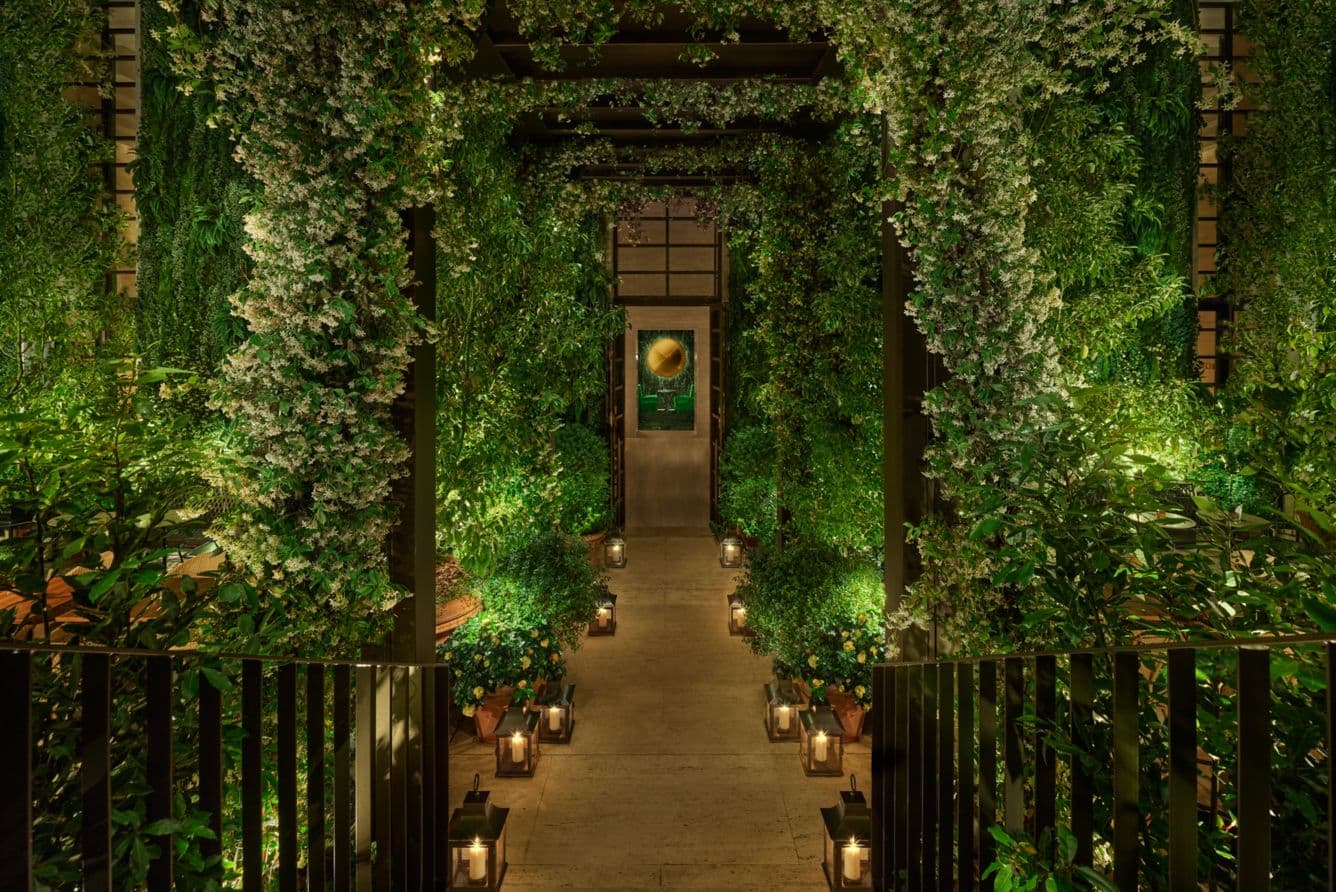
Forget the damask-draped palazzos and crumbling terracotta that define the Eternal City’s hospitality scene. The Rome EDITION has hijacked a 1940s Rationalist bank building near Via Veneto and turned it into the capital’s moodiest minimalist hideout. This is Ian Schrager’s 'New Rome'—sleek, shadowy, and unapologetically cool. The drama begins in the lobby, where original Cipollino marble staircases slice through a space dominated by floor-to-ceiling emerald velvet curtains and low-slung furniture. It feels less like a hotel and more like a members-only club where the lighting is always set to 'seduction.' Upstairs, the guest rooms are studies in restraint: paneled in warm walnut wood and devoid of Roman clutter, they feature floating beds, Le Labo 'Thé Noir 29' amenities, and 400-thread count linens that feel like a cloud. Dining here is a destination in itself. At Anima, Chef Antonio Gentile’s Spaghettoni Benedetto Cavalieri with three tomatoes is a masterclass in simplicity, while the Jade Bar—an intimate jewel box of green antique marble—serves up serious mixology. The only caveat? The rooftop plunge pool is strictly for posing with a Spritz, not swimming laps. But in a hotel this stylish, who actually wants to get their hair wet?
“The street-facing rooms can pick up buzz from the city; for absolute silence, request a Courtyard View room overlooking the ivy-clad garden.”
Insider TipAvg. Nightly Rate
1400USD
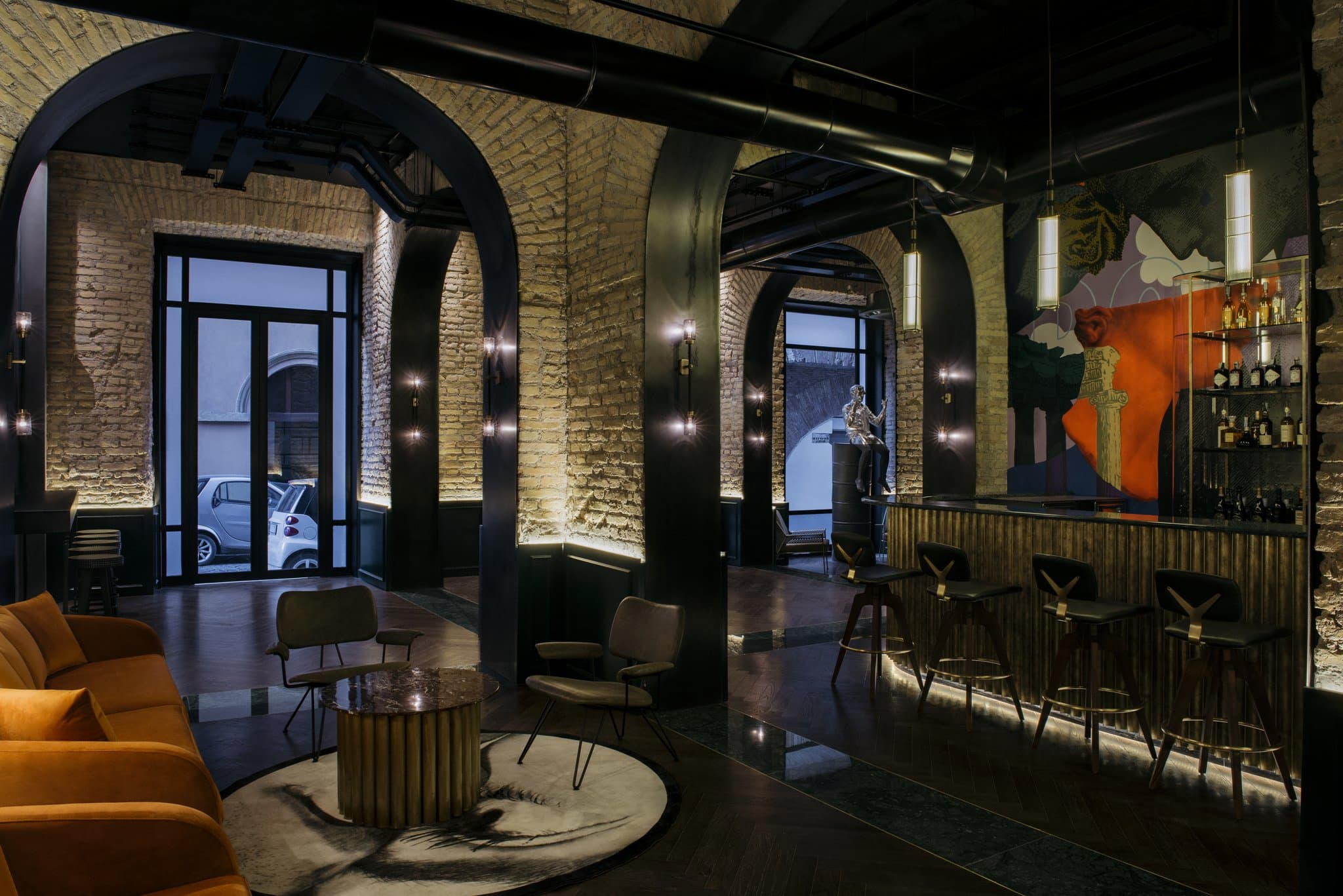
Forget the faux-Renaissance gilding that plagues Roman hospitality. Chapter Roma, slotted into the glorious grit of the Regola district (specifically the 'Street of the Blacksmiths'), feels less like a hotel and more like the bachelor pad of a wealthy industrialist with a taste for street art. Designer Tristan Auer has stripped the building to its skeleton, exposing raw brick and pairing it with burnished steel, copper, and plush velvet that demands to be touched. The rooms are unapologetically moody. You won’t find white tablecloths; instead, you get Marshall speakers, custom furniture by local metalworkers, and organic L:a Bruket amenities in black-tiled bathrooms. A fair warning: the high-tech lighting controls are so sleek they’re bordering on cryptic—expect to fumble before finding the 'master off' switch. The social scene anchors the property. The rooftop bar, Hey Güey, serves frozen margaritas from a vintage Apecar truck against a terracotta skyline, while Campocori downstairs offers a brooding, 1930s New York vibe where the 'Ancient Roman' spaghetti (heavy on the onion garum) is a non-negotiable order. It’s loud, it’s dark, and if you face the street, you’ll hear the city wake up. But that’s the point. This isn’t a sanctuary; it’s a scene.
“Request a Corner Room. These specific units feature the signature curved orange velvet sofas and dual-aspect windows looking out over the cobblestones.”
Insider TipAvg. Nightly Rate
180USD