No. 01
58 Mao Ming Road South. Shanghai ChinaShanghai887 verified reviews
8
.8
Bitvoya Edit
Layering imagery, place, and detail before the page opens.
Shanghai in the 1920s and 30s was famously known as the 'Paris of the East,' a metropolis where Western Art Deco architecture met Eastern tradition in a spectacular display of wealth and style. This curated collection invites you to step back into that golden era. From the iconic Bund, where the Fairmont Peace Hotel and Waldorf Astoria stand as sentinels of history, to the tree-lined avenues of the Former French Concession housing gems like Capella Shanghai Jian Ye Li, every property tells a story. Immerse yourself in the Jazz Age nostalgia, where live bands still play swing tunes, and the geometric elegance of Art Deco interiors transports you to a time of unparalleled glamour and sophistication.
Shanghai possesses one of the richest collections of Art Deco architecture in the world, rivaling Miami and New York. Unlike Western cities, Shanghai's 1920s architecture blends colonial neoclassicism with traditional Chinese motifs, creating the unique 'Haipai' style. Staying in these heritage properties isn't just about luxury; it's about inhabiting history. Hotels like the Fairmont Peace Hotel and the Waldorf Astoria Shanghai on the Bund were the actual social hubs of the Jazz Age, hosting celebrities, diplomats, and tycoons. Today, they meticulously preserve that legacy, offering authentic experiences from tea dances to vintage jazz bars.
To fully immerse yourself in the Jazz Age atmosphere, location is key. The Bund is the epicenter of colonial grandeur. Here, riverfront properties offer sweeping views of the Huangpu River while surrounding you with granite-clad historic skyscrapers. Alternatively, the Former French Concession offers a more intimate, romantic vibe. This area is famous for its tree-lined streets, colonial mansions, and 'Shikumen' (stone gate) housing. Hotels like the InterContinental Shanghai Ruijin and Capella Shanghai provide a secluded sanctuary within this historic district.
The Fairmont Peace Hotel (formerly the Cathay Hotel) on the Bund is arguably the most famous Art Deco hotel, known for its green copper pyramid roof and Jazz Age history.
The Jazz Bar at the Fairmont Peace Hotel hosts the legendary Old Jazz Band daily. The Waldorf Astoria and The Peninsula also offer high-quality live jazz performances in their lounges.
The Bund offers grand, riverfront colonial architecture and bustling city views, while the French Concession offers a quieter, leafier atmosphere with low-rise villas and Shikumen-style luxury hotels like Capella.
Explore our complete curated list of luxury accommodations, from boutique hideaways to grand dames.
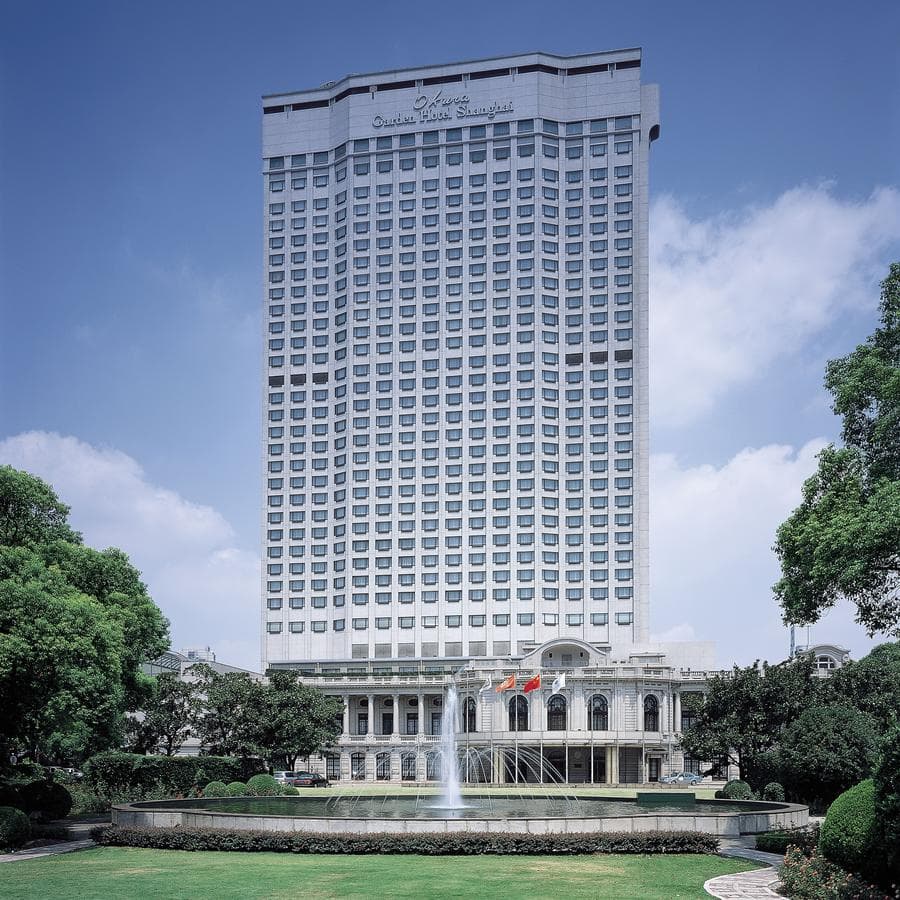
Explore All Shanghai HotelsStep into the lobby of the Okura Garden Hotel and you haven't just entered a hotel; you’ve stepped back into the 1926 *Cercle Sportif Français*. While the Bund gets all the glory, this former French Club in the heart of the Concession offers a quieter, headier dose of Jazz Age nostalgia. The pièce de résistance is undeniably the Grand Ballroom—its illuminated elliptical stained-glass ceiling and ornate relief carvings are so authentic they practically demand you wear a tuxedo to breakfast. The guest rooms, admittedly, lean more towards 'late-90s diplomat' than '2020s influencer,' with decor that feels slightly frozen in time. Yet, the Japanese management ensures an obsession with maintenance that makes 'dated' feel 'vintage.' Expect spotless surfaces, crisp 400-thread count linens, and high-tech Toto washlets that bridge the era gap. Dining here is serious business. Skip the room service club sandwich and book a counter seat at *Sazanka* for the teppanyaki; the garlic rice is legendary, and the Premium Wagyu beef is handled with surgical precision. Service is where the Okura truly flexes its muscle—the 'Omotenashi' hospitality means your needs are anticipated before you even articulate them. **Verdict**: It lacks the chrome-and-glass flash of the Pudong skyline, but for those who prefer their luxury with a side of history and a 30,000 sqm private garden, this is the only address that matters.
“Request a room on the upper floors of the Executive Wing facing the garden to minimize noise from the ongoing renovations (started Nov 2025) and catch the best sunset views over the red clay roofs.”
Insider TipAvg. Nightly Rate
92USD
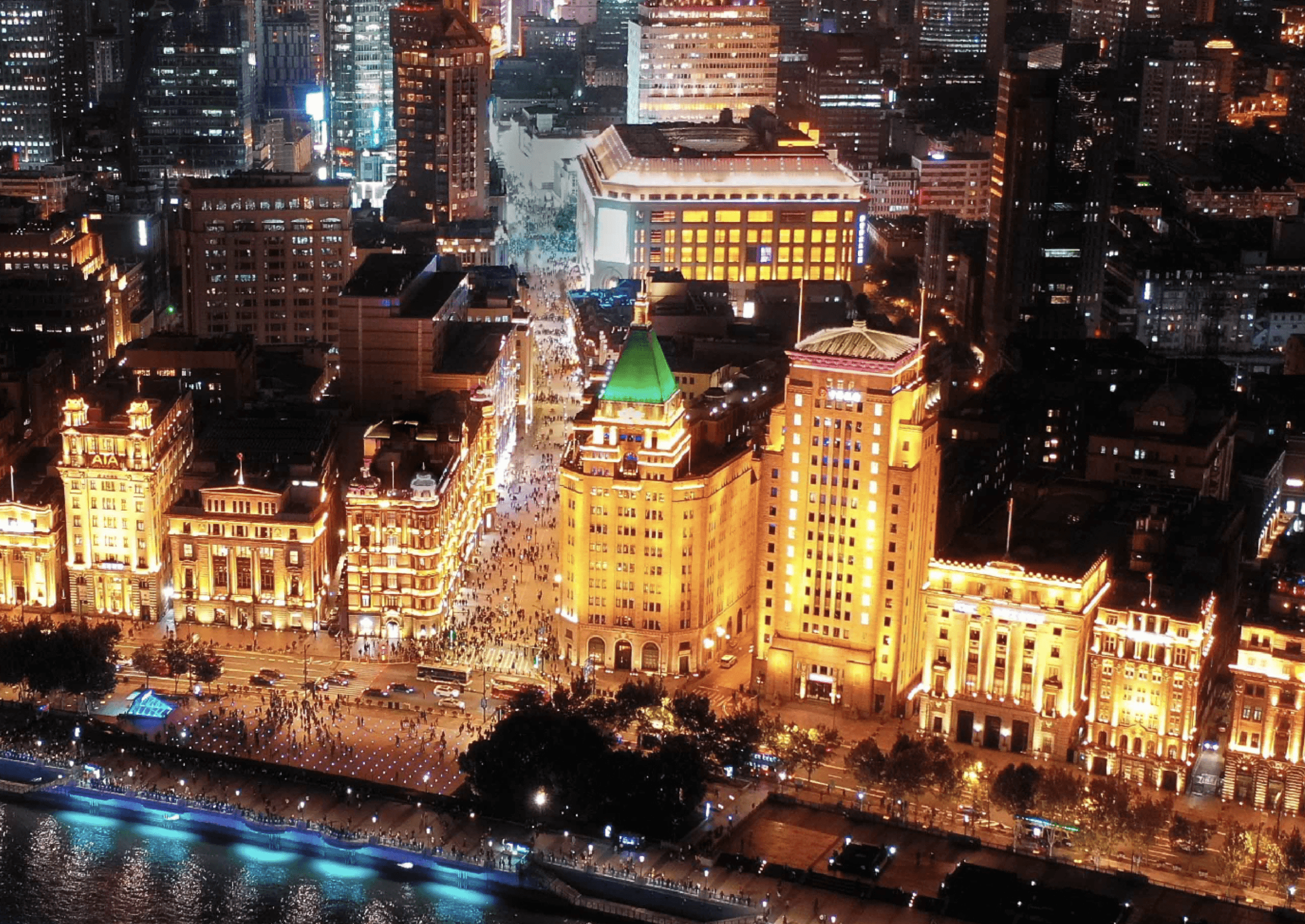
If you want minimal glass-and-steel anonymity, go to Pudong. The Fairmont Peace Hotel is for those who prefer their luxury heavy with history and scented with Le Labo Rose 31. Originally the Cathay Hotel, built by tycoon Victor Sassoon in 1929, this property doesn't just sit on the Bund; it anchors it with that iconic green copper pyramid. The lobby is a riot of Lalique glass and grey marble, a deliberate preservation of the Jazz Age rather than a modernization of it. Upstairs, the rooms refuse to apologize for their age. You get high ceilings and Art Deco geometric carpets, paired with Illy espresso machines and deep claw-foot tubs that demand a long soak. The dining scene is equally theatrical: Dragon Phoenix serves a Peking Duck that rivals Beijing’s best, but the real pilgrimage is to The Jazz Bar. Here, the Old Jazz Band (average age: 80+) plays nightly, proving that true style—like their music—never really retires. The verdict? It’s not the newest hotel in Shanghai, but it is undoubtedly the only one that matters.
“Skip the crowded public viewpoints. If you book a Fairmont Gold room, ask the concierge for a private night tour of the 9th-floor terrace—the view of the Pudong skyline from Sassoon’s old balcony is unmatched.”
Insider TipAvg. Nightly Rate
255USD
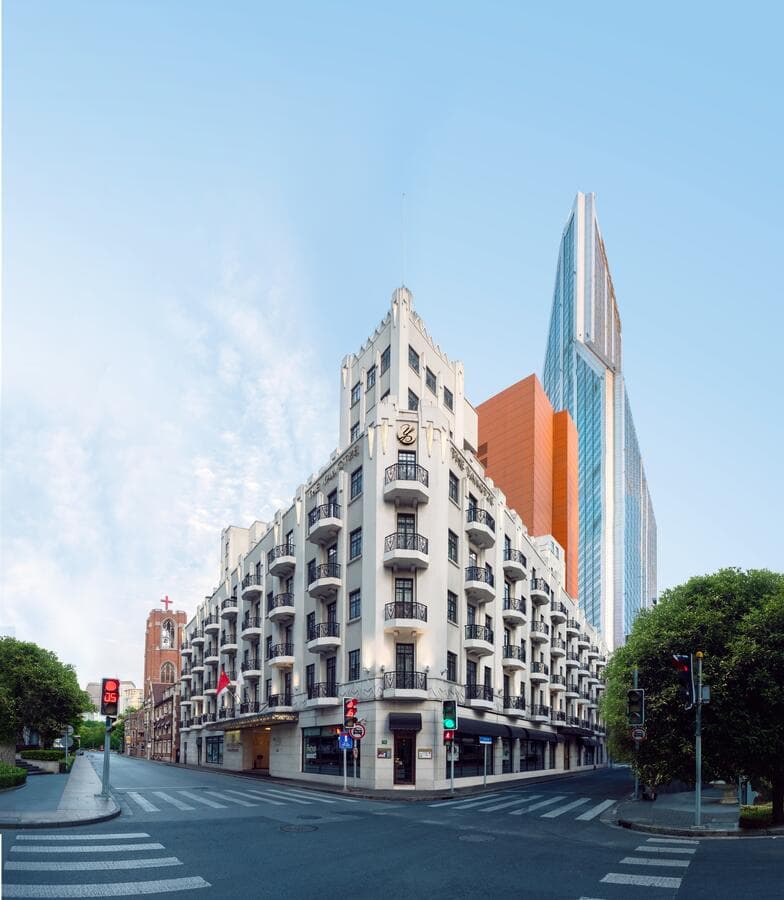
Forget the sterile glass towers of Lujiazui; The Yangtze Boutique Shanghai is a portal straight to 1934. Designed by architect Li Pan, this Art Deco grande dame is the spiritual home of the legendary anthem 'Rose, Rose, I Love You,' and the nostalgia here hits harder than a stiff gin rickey. The lobby alone—a cinematic sweep of stained glass and that dizzying spiral staircase—demands you pause and pose. Upstairs, the rooms shun generic beige for bold geometrics and velvet headboards. Details matter: the soundproofing is studio-grade (silencing the roar of People’s Square), the deep soaking tubs are massive, and the turndown service leaves Hershey’s kisses—a charmingly retro, if unpretentious, touch. Dining at '1933 Rose' delivers competent Cantonese, but the real draw is the atmosphere. While the lack of a pool is a strike against it, and the central heating can be overzealous in winter, these are minor quibbles for a property recently nominated for 'Shanghai's Leading Boutique Hotel 2024.' It’s not just a hotel; it’s a mood.
“Book an 'Art Deco Executive Room' to snag a private balcony with skyline views—perfect for a pre-dinner drink.”
Insider TipAvg. Nightly Rate
100USD
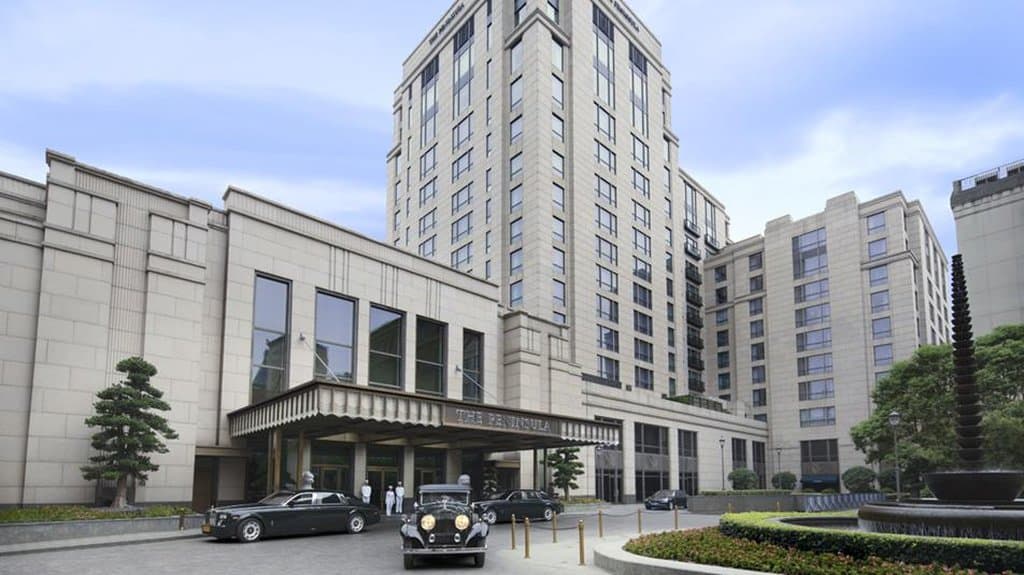
If the Great Gatsby had a Shanghai pied-à-terre, this would be it. While the building only dates back to 2009, The Peninsula Shanghai performs a convincing act of time travel. You aren't just checking in; you're stepping into a high-gloss Art Deco fantasy of polished chrome, noir stone, and torch-lit sconces that rivals the historic Bund facades next door. The service is obsessively attentive—white-gloved pages and a bespoke Rolls-Royce fleet set the tone immediately. Upstairs, the rooms are arguably the city's most spacious standard entry. The famous Peninsula dressing rooms (a dedicated space, not a closet) feature the brand's signature quirky nail dryers—a charming, if slightly retro, touch. Admittedly, the bedside control panels feel a decade old, and the rooms can run distinctively toasty in winter, but the plush 400-thread count linens and unrivaled river views forgive all sins. For dining, skip the diet: Yi Long Court delivers Michelin-starred Cantonese perfection (order the Spotted Grouper), while Sir Elly’s Terrace offers the definitive 270-degree skyline selfie. It’s wallet-weeping expensive, but for this level of Jazz Age immersion, you pay the piper.
“Skip the crowded lobby afternoon tea queue. As a guest, head to the pool for a swim, then enjoy a quieter tea service on the terrace or by the Art Deco fireplace.”
Insider TipAvg. Nightly Rate
445USD
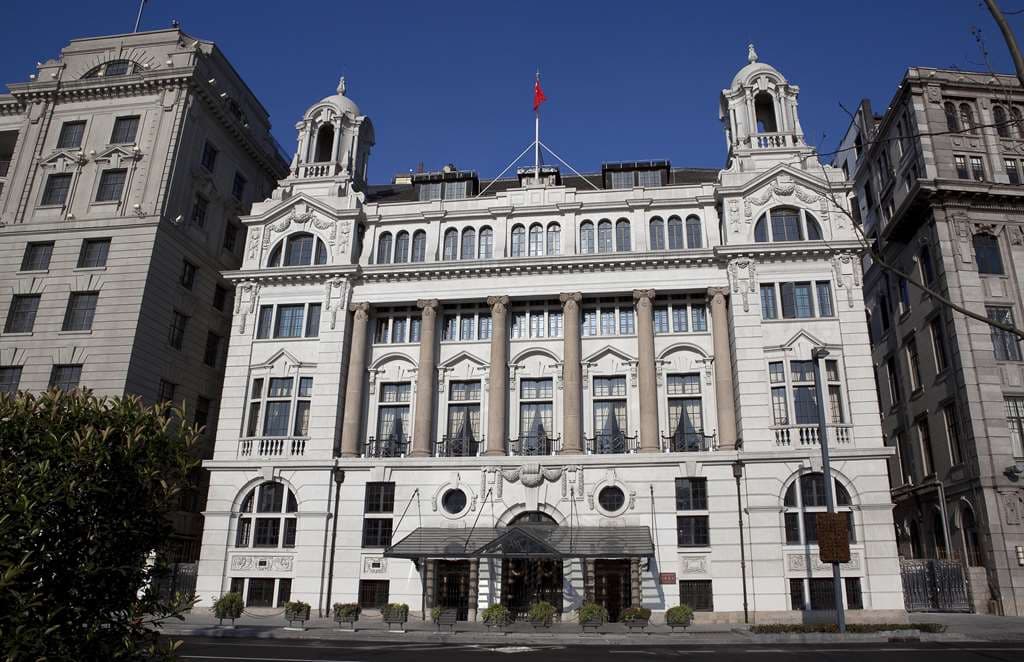
If the mahogany walls of the 1911 Shanghai Club could talk, they would demand a single malt. Occupying the waterfront’s most exclusive heritage address, the Waldorf Astoria is not merely a hotel; it is a time capsule wrapped in velvet. The property operates as a dichotomy: the Heritage Building—once the stomping ground of British taipans—offers a moody, cinematic entrance, while the newer tower behind provides the requisite Pudong skyline views. Purists should bypass the tower for a Heritage Suite, where clawfoot tubs, high ceilings, and complimentary Aesop amenities justify the price tag. Service is led with military precision; ask for Jude at the concierge desk, who manages reservations with the efficiency of a 1920s club secretary. Dinner at Ling Long offers a sharp, modern counterpoint with its signature beef in oyster sauce, but the night belongs to the Long Bar. At this celebrated 34-meter counter, the ‘Shanghai Buck’ tastes like the Jazz Age in a glass—unapologetically opulent and delightfully heavy on the heritage. Verdict: The only place on the Bund where the history feels louder than the traffic.
“Book a Heritage Suite in the original 1911 building for the true 'Shanghai Club' experience; the newer tower is luxurious but generic. Ask for the 'Red Velvet Tea' in the Salon de Ville.”
Insider TipAvg. Nightly Rate
305USD
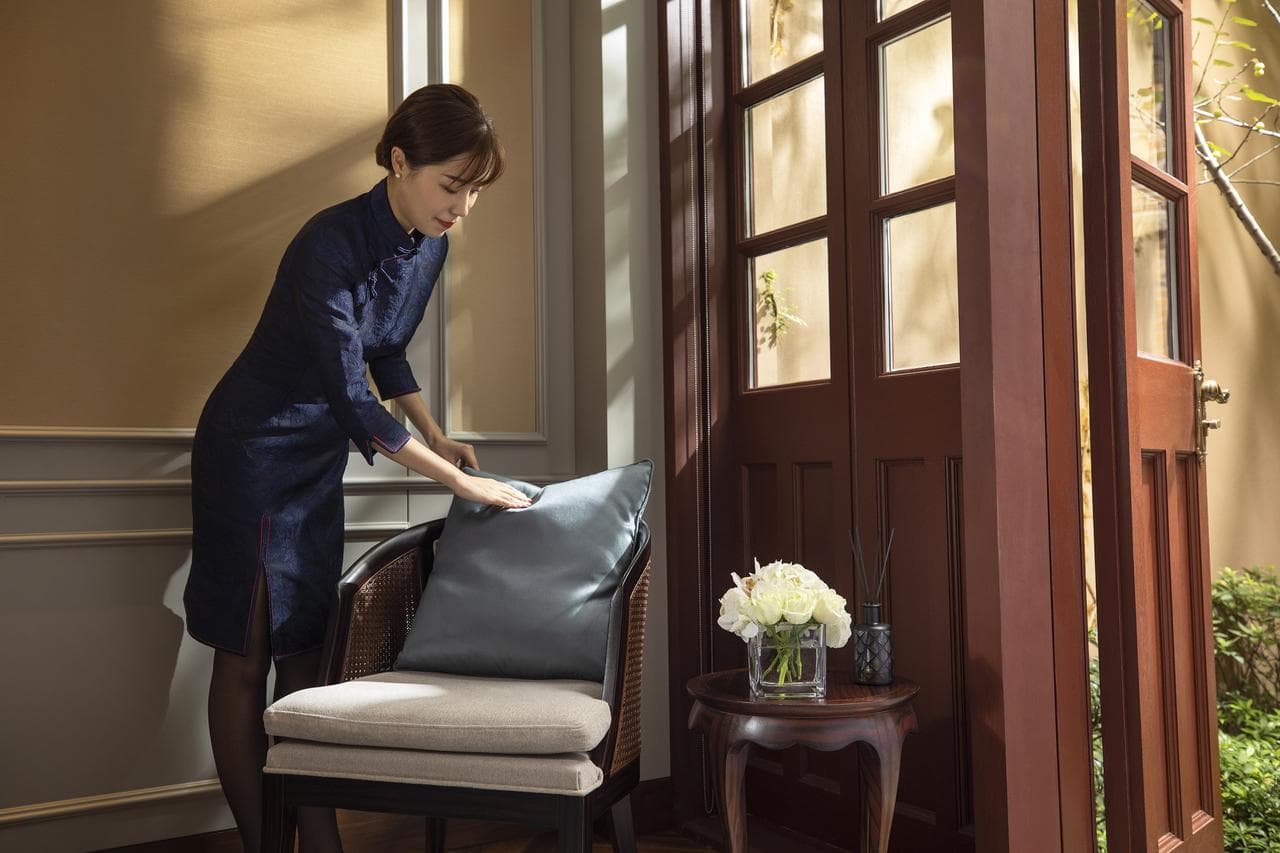
If the Bund is the brass section of Shanghai’s Jazz Age, Capella Jian Ye Li is the intoxicating, moody cello solo. Located deep within the leafy arteries of the French Concession, this property—recently awarded **Two Michelin Keys** (2025)—is not a hotel in the traditional sense. It is a resurrection of the 1930s *shikumen* lifestyle. You do not check into a room here; you inhabit a private, three-story brick estate restored by the late Jaya Ibrahim. The experience is undeniably cinematic: pushing open heavy wooden gates reveals a private courtyard that feels hermetically sealed from the metropolis. Inside, the layout demands agility. The staircases are historically accurate and steep, winding past a media room stocked with Bose sound systems to a bedroom draped in silk and muted celadon. The payoff is the top-floor sanctuary, where a deep soaking tub and Diptyque amenities await beneath a pitched roof. Dining is a serious affair at *le Comptoir de Pierre Gagnaire*, where the French maestro’s signature blue lobster fricassée justifies the venue’s Michelin star. Afterward, retreat to *le Bar* for a Rabbit Gin Fizz. Service is orchestrated by 'Capella Culturists'—staff who operate less like concierges and more like well-connected fixers. It is hushed, specific, and delightfully noir.
“The staircases inside the villas are steep and lack elevators. If mobility is a concern, alert the property in advance, though the rooftop terrace privacy is worth the climb.”
Insider TipAvg. Nightly Rate
618USD
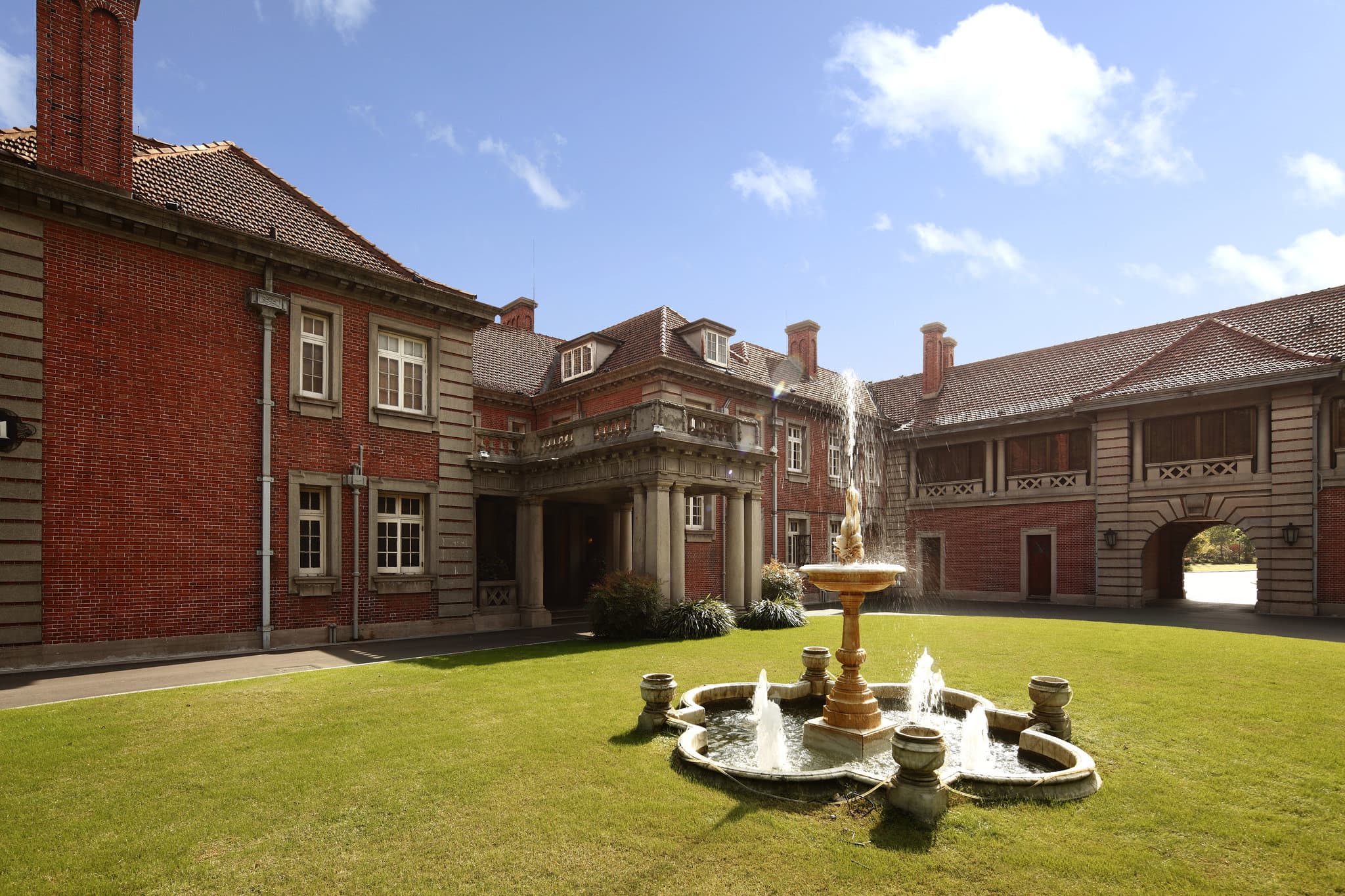
Forget the frantic energy of the Bund; the real soul of Old Shanghai resides behind the wrought-iron gates of the former Morris Estate. Established in 1917, this property is less a hotel and more a sprawling, 100-acre colonial time capsule. The red-brick facade of Building 1 delivers pure Jazz Age nostalgia, offering a quieter, aristocratic counterpoint to the city’s neon flash. While the interiors display a modern restraint that risks feeling generic against such a historic shell, the amenities—including a stellar Technogym and heated indoor pool—bridge the gap effectively. The service, led by star staff, rescues any maintenance hiccups found on the garden paths. For dinner, bypass the international fare and secure a table at Xin Yuan Lou; their signature Aniang Yellow Croaker Noodles offer a savory, authentic taste of the region that feels entirely appropriate for the setting. It is a rare urban retreat where the 20th century feels just a cocktail away.
“Request a room in the Heritage Building (Building 1) to fully embrace the 1917 aesthetic; the modern tower rooms lack the same vintage gravitas.”
Insider TipAvg. Nightly Rate
152USD
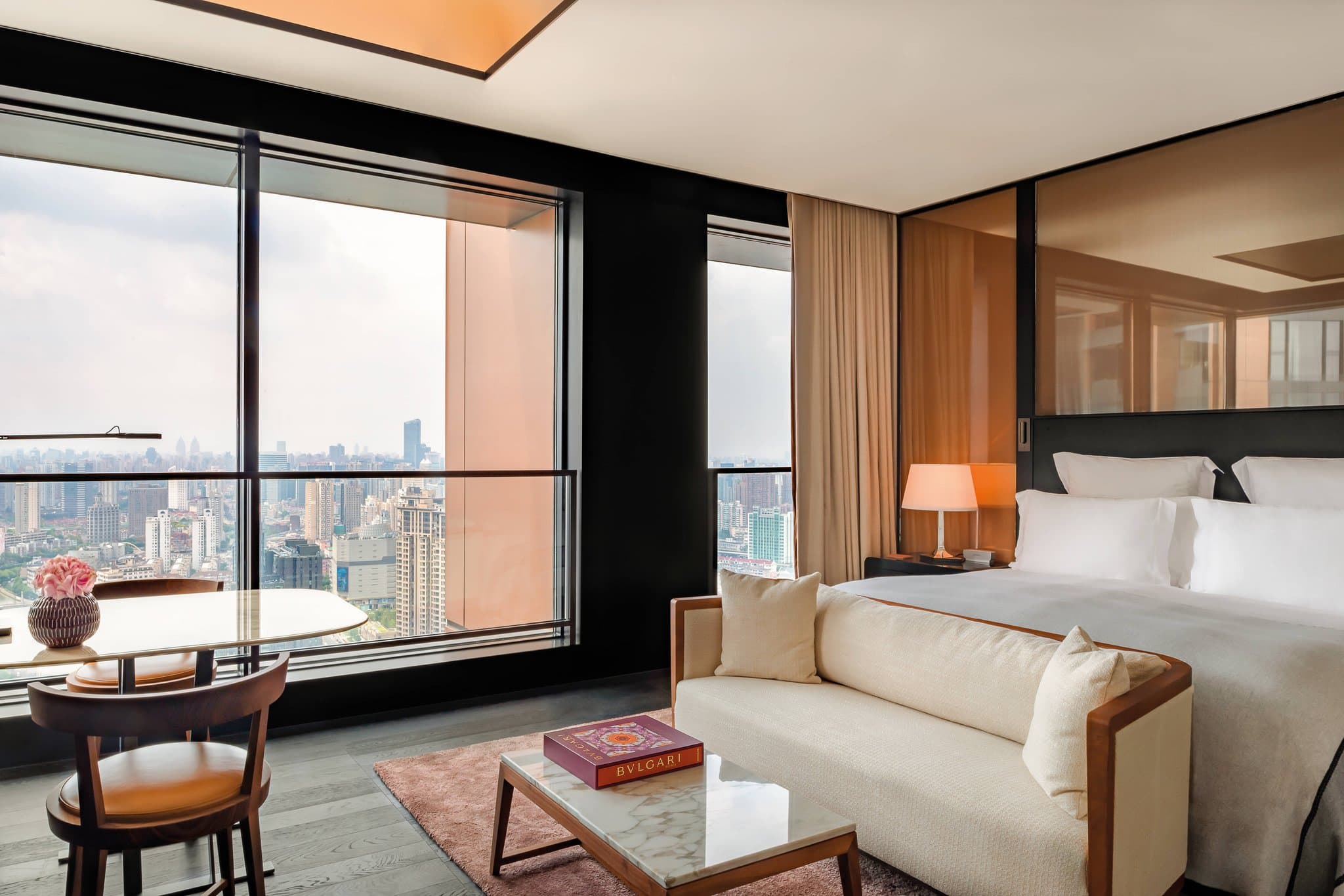
If the Great Gatsby had a passport and a penchant for xiaolongbao, he wouldn't be at the Peace Hotel; he’d be brooding in the restored 1916 Chamber of Commerce building that anchors the Bulgari Shanghai. This property is a study in duality: the main tower is pure Antonio Citterio—sleek bronze screens, low-slung Maxalto furniture, and acres of black granite—while the heritage wing is where the Roaring Twenties truly roar. It is a seamless, almost arrogant fusion of Italian 'La Dolce Vita' and Shanghainese history. The rooms act as private observatories. Framed by floor-to-ceiling glass, the view of the Bund and Pudong skyline is a visual collision of colonial past and Cyberpunk future. Inside, the restraint is expensive: Bvlgari cashmere rugs, Vicenza stone bathrooms, and amenities that feel heavy in the hand. The 2,000-square-meter spa, with its jade-green mosaic pool, feels like a Roman bathhouse dropped into the Orient. Dining here is theater. Skip the casual bite and secure a table at Bao Li Xuan in the historic wing, where the two-Michelin-starred Rose Soy Sauce Chicken arrives with a gloss that rivals the lobby marble. The only hiccup? The closets are undeniably dark—moody, yes, but challenging for locating a black tuxedo jacket. But for a night of high-gloss nostalgia, the Bulgari is peerless.
“Book a table at La Terrazza rooftop bar specifically for sunset; the 48th-floor angle offers a rare view down the creek that most Bund hotels miss.”
Insider TipAvg. Nightly Rate
716USD