No. 01
No7 Lin Hong Road. Shanghai China 200335Shanghai1267 verified reviews
9
.8
Bitvoya Edit
Layering imagery, place, and detail before the page opens.
In the electric heart of Shanghai, where the skyline is a testament to perpetual motion, a new breed of hospitality offers profound silence. Beyond the neon glow of The Bund and the bustle of Nanjing Road, ultra-private urban resorts are redefining luxury. Within the historic lanes of the French Concession, properties like Capella Shanghai, Jian Ye Li transform traditional Shikumen architecture into secluded sanctuaries. Meanwhile, in Jing’an, The PuLi Hotel and Spa uses bamboo curtains to separate the chaotic city from inner peace. Whether it's the relocated ancient camphor trees of Amanyangyun in Minhang or the wellness-centric Anandi Hotel, these retreats offer a Zen counter-narrative to the megalopolis.
Shanghai is often associated with speed and futuristic skyscrapers, but its luxury hospitality sector has mastered the art of the "urban retreat." Choosing an ultra-private resort here means engaging with a unique duality: the ability to access world-class dining and business hubs while retreating to spaces of absolute stillness. Properties like The Middle House and The PuLi Hotel and Spa utilize minimalist design and dense greenery to act as noise-canceling headphones for the soul. Furthermore, resorts like Amanyangyun and Ahn Luh Zhujiajiao offer cultural preservation, housing guests in relocated Ming and Qing dynasty villas that provide a tangible connection to China's history, far removed from the tourist crowds.
When booking these ultra-private resorts, expect a heavy emphasis on holistic wellness and heritage architecture. Hotels like The Anandi Hotel and Spa focus entirely on energy flows and sleep quality, offering butler services that cater to your circadian rhythm. Expect tea ceremonies, private courtyards, and spas that utilize Traditional Chinese Medicine (TCM). The service is unobtrusive and intuitive, designed to maintain the bubble of tranquility.
Amanyangyun is the top choice for history enthusiasts, featuring antique villas relocated from Fuzhou and a forest of ancient camphor trees.
The PuLi Hotel and Spa in Jing'an and Capella Shanghai in Xuhui offer exceptional quietness and privacy despite their central locations.
Yes, properties like The Anandi Hotel and Spa are dedicated to wellness, offering healing programs, sleep technology, and TCM-inspired spa treatments.
Explore our complete curated list of luxury accommodations, from boutique hideaways to grand dames.
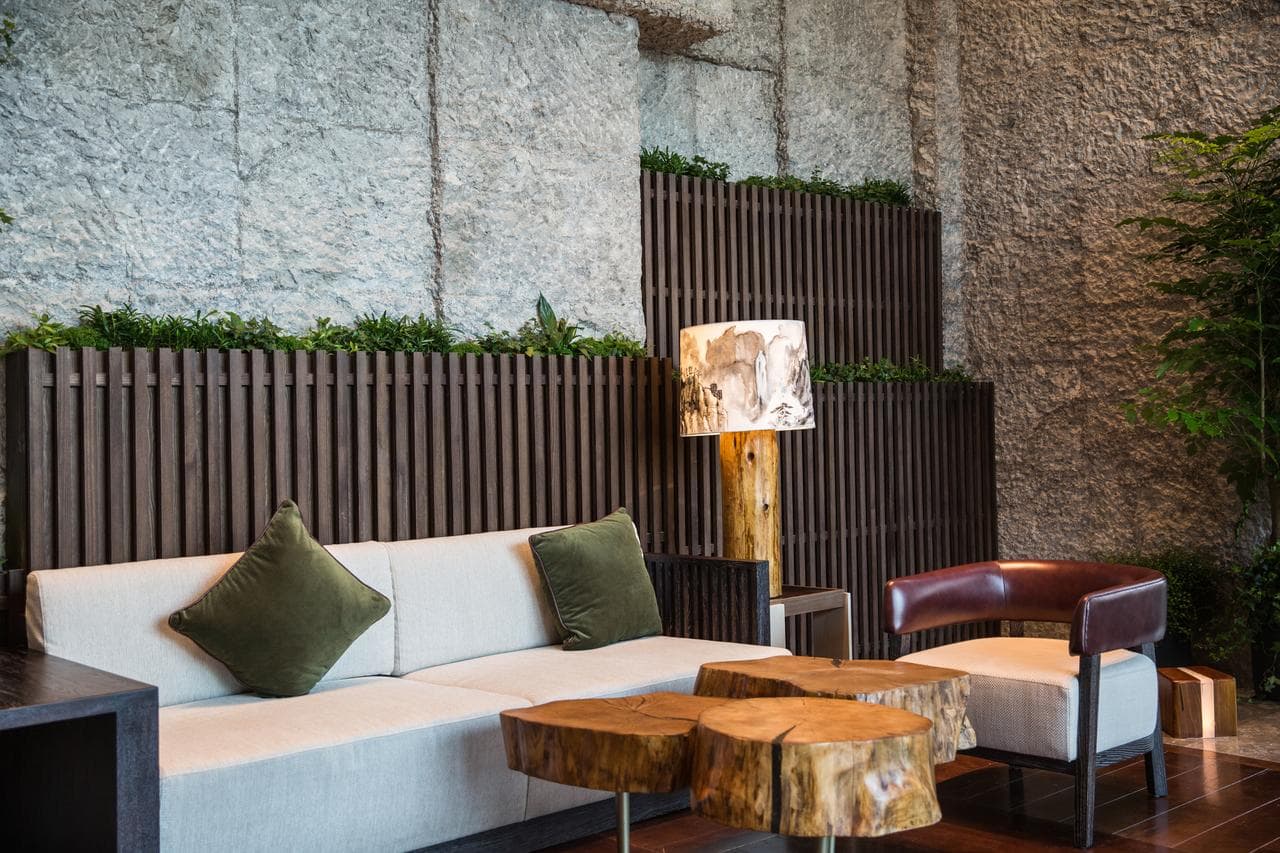
Explore All Shanghai HotelsIn a city that vibrates at the frequency of a jackhammer, The Anandi Hotel and Spa isn’t just a hotel; it’s a circuit breaker. Located in the Hongqiao hub—admittedly a gritty industrial stretch—the arrival experience is a hard reset. You enter through a 'Jade' portal of green textured stone, immediately shedding the Shanghai smog for a lobby that smells of white tea and vetiver. The 'healing' concept here is aggressive but effective. Rooms are fortified bunkers of calm, equipped with negative ion earth beds and crystal energy flooring—even if you're a skeptic, the massive stone tubs and 400-thread count linens are undeniable luxuries. Dining is a high-wire act between virtue and vice. At Yuan, the Boiled Young Lobster is impeccable, though the Truffle Scallops truly steal the show. Service is butler-led and intuitively hushed, although the zen can occasionally fracture during peak breakfast hours. Ultimately, this is a deliberate, architectural pause button for the overstimulated executive.
“Book a 'Healing Touch' suite for the sleep technology, and visit the rooftop 'Starry Sky' infinity pool at dusk—it’s the only vantage point where the industrial skyline looks genuinely romantic.”
Insider TipAvg. Nightly Rate
156USD
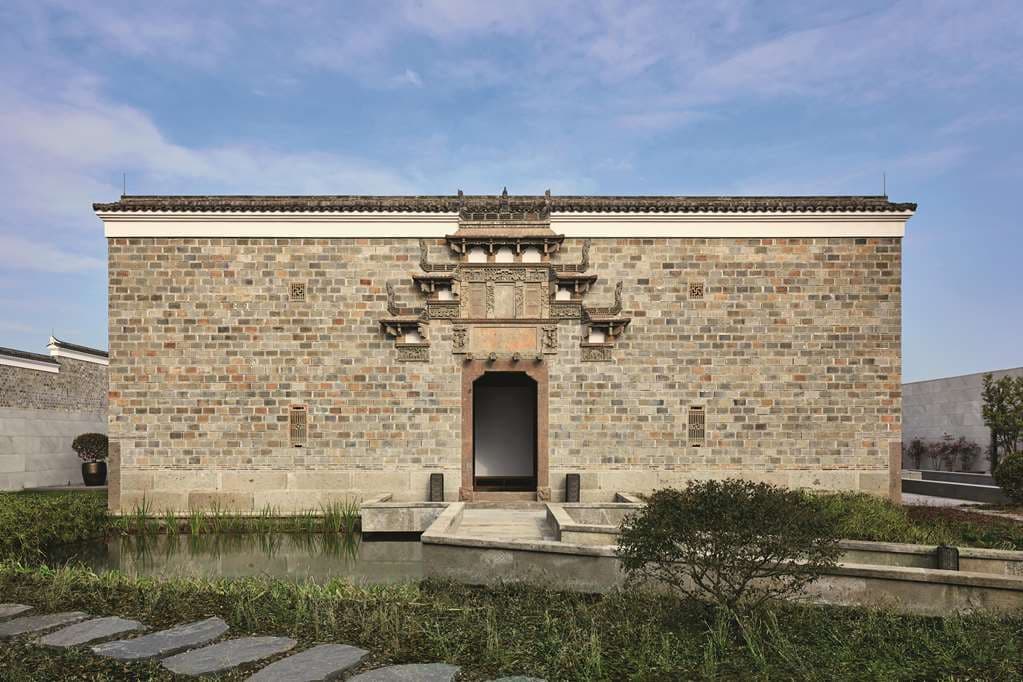
It sounds like a fable: a philanthropist transports a forest of 10,000 camphor trees and 50 Ming and Qing dynasty villas 700 kilometers to save them from a rising reservoir. At Amanyangyun, this preservationist fever dream is reality. Located in Minhang—decidedly not the Bund—this is a retreat demanding a pilgrimage, not a quick stopover. The architecture, a final masterwork by Kerry Hill, commands reverence; these aren't just rooms, they are reconstructed artifacts smelling of nanmu wood and centuries of smoke. The 2,840sqm Aman Spa is the property's beating heart. Skip the standard massage and surrender to the Russian Banya—a brutal, brilliant cycle of oak-leaf thwacking and 10-degree plunges that reboots the nervous system. Dining at Lazhu offers a rare taste of Jiangxi cuisine; the double-boiled clay pot soup is sharp, soulful, and uncompromised. While the occasional roar of a plane from Hongqiao reminds you that civilization is nearby, the silence in the courtyards quickly swallows it back up. Awarded a Michelin Key in 2024, Amanyangyun isn't just a hotel; it’s a conservation project with high-thread-count linens.
“Request a 'Ming Courtyard Suite' furthest from the entrance to minimize aircraft noise, and book the private Banya House for a four-hour ritual—it’s the best detox in Shanghai.”
Insider TipAvg. Nightly Rate
987USD
In a city defined by its vertical velocity, Capella Shanghai pulls a radical move: it stays low and goes quiet. Occupying a 1930s *shikumen* lane-house complex in the Xuhui District, this all-villa property isn't just a hotel; it’s a architectural time capsule sealed against the roar of the megalopolis. Beyond the heavy vermilion gates, the sensory shift is immediate. The 'longtang' laneways—lined with brick and stone—dampen the city’s hum to a cinematic hush, broken only by the rustle of plane trees. Inside the villas, life is strictly vertical. You navigate steep staircases (no elevators here, a challenge for the knees but authentic to the bone) to reach intimate living quarters where sash windows frame introspective courtyard views rather than skyline drama. The interiors by Jaya Ibrahim are moody and tactile, featuring dark hardwoods and bespoke silk wallpapers. Dining is a serious affair at *le Comptoir de Pierre Gagnaire*, where the 'Cocotte of frogs Poulette' delivers uncompromised French technique. But the real anchor is the Auriga Spa. Recently snagging a 2025 SpaChina award, their moon-phase treatments and floatation tanks offer a biological reset that feels almost medical in its precision. This is not a hotel for the lobby-lounger; it is a residence for the recluse who demands hyper-luxury.
“Request a villa near the Water Tower for the best vantage point of the complex's geometry, and don't miss the 'Rabbit Gin Fizz' at le Bar—a stiff, botanical nod to the 1930s.”
Insider TipAvg. Nightly Rate
618USD
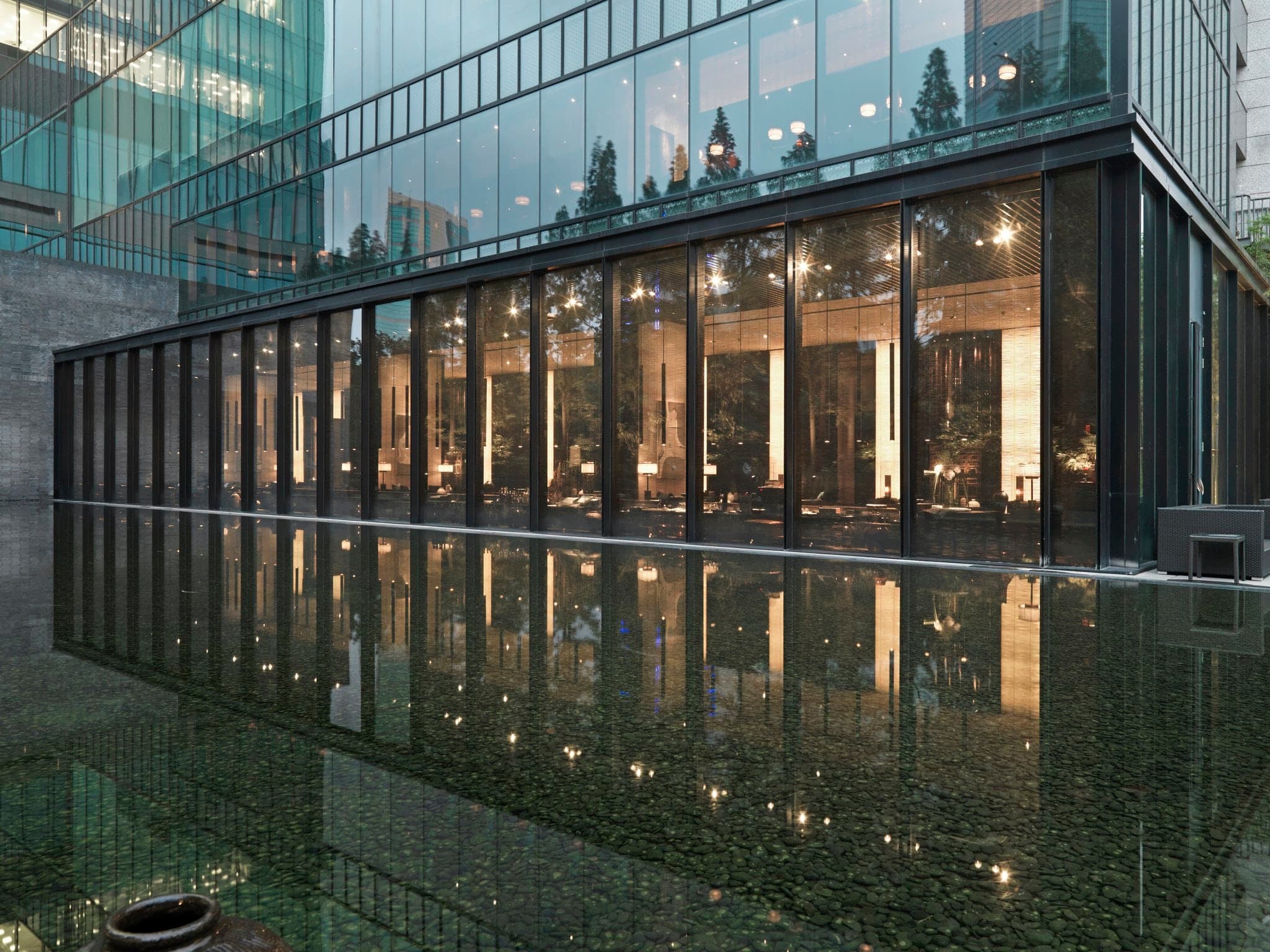
In a city defined by kinetic energy and neon excess, The PuLi Hotel and Spa remains the ultimate counter-narrative. Entering the lobby—a dimly lit, incense-scented decompression chamber lined with charcoal-grey brick and polished Indonesian teak—feels less like checking in and more like vanishing. This was Shanghai’s first true “urban resort” (a term now abused to meaninglessness, but here, gospel), borrowing the leafy canopy of the adjacent Jing’an Park to create a visual illusion of seclusion despite sitting atop a metro hub. The rooms are studies in moody minimalism. Sliding silk screens replace pedestrian walls, allowing you to reconfigure the space from open-plan voyeurism to cocooned privacy. While the tech has aged—you’ll find Bose Wave systems rather than voice-activated assistants—the hardware remains tactile and luxe, from the Nespresso machines to the deep stone tubs positioned for park-gazing. Dining is a serious affair at PHÉNIX, where the Michelin-starred French cuisine (order the roast pigeon with foie gras; it’s non-negotiable) proves hotel restaurants can have a soul. Service is telepathic, not breathless. The PuLi doesn’t shout; it whispers, and in Shanghai, that’s the loudest statement of all.
“Book a Grand Studio overlooking Jing’an Park. The window-side bathtub offers the best seat in the house for watching the city's early risers practice Tai Chi below.”
Insider TipAvg. Nightly Rate
240USD
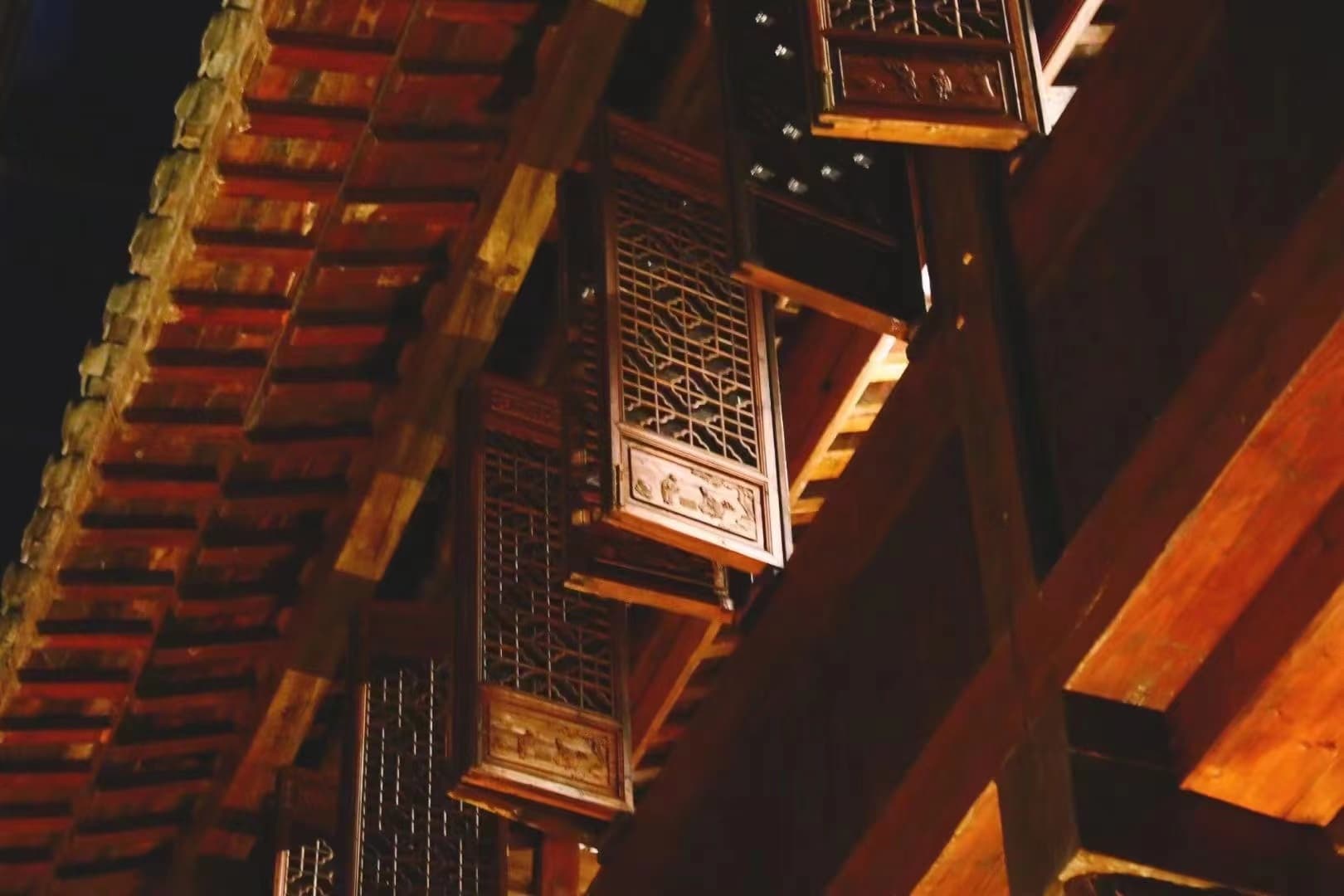
If the Bund is Shanghai’s manic pulse, Ahn Luh Zhujiajiao is its held breath. Located an hour’s drive from the metropolis in the water town of Zhujiajiao, this isn’t just a hotel; it’s an architectural conservation project anchored by the 'Wu Feng Lou'—a 600-year-old Ming Dynasty courthouse painstakingly relocated here, piece by piece. The arrival experience is cinematic: walking through the dimly lit, towering timber pillars of the lobby feels like stepping onto the set of 'Raise the Red Lantern'. The 35 all-villa accommodations lean into a monastic luxury. Expect high-walled private courtyards, heated stone floors, and bathrooms stocked with Aromatherapy Associates amenities. There is no fitness center—a deliberate omission that forces you to swap the treadmill for morning Tai Chi near the Old Qing Dynasty Opera Stage. Dining at the Ahn Luh Dining Room focuses on hyper-local Jiangnan flavors; the Steamed White Water Fish is a delicate, ginger-laced standout that demands attention. Service is deferential and hushed, matching the property’s pervasive quietude. It is a polarizing stillness: exhilarating for the burnt-out executive, perhaps too cloistered for the action-seeker. For a few days, however, the silence is golden.
“Book the 'Pool Pavilion' villa. It is the only room category featuring a private outdoor swimming pool—crucial for Shanghai’s humid summers.”
Insider TipAvg. Nightly Rate
300USD
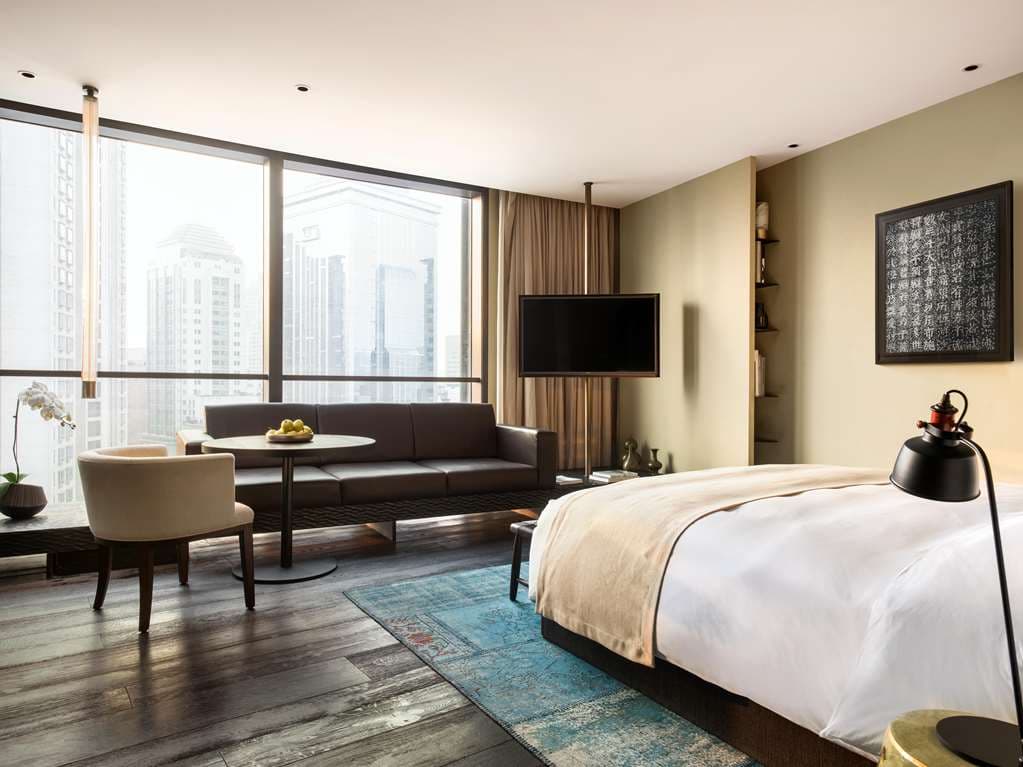
If the frenetic energy of Nanjing West Road is a sledgehammer, The Middle House is the velvet glove that catches it. Designed by Piero Lissoni, this property doesn't just sit in the Dazhongli district; it anchors it with a brooding, emerald-green bamboo ceramic façade that feels less like a hotel entrance and more like a portal to a secret society. Inside, the signature 6-meter Venetian chandelier isn't just decor; it's a declaration of silence. The rooms are studies in moody minimalism. Forget beige—think charcoal tones, transparent glass bathrooms (exhibitionists, rejoice; others, be warned), and a cheeky gecko sculpture scaling the TV. The pièce de résistance? A thick, braided rope by the bed that kills every light in the room with a single tug—a tactile joy in an era of frustrating touchscreens. The complimentary 'Maxi-bar' stocked with craft beers is a welcome reprieve from the nickel-and-diming of lesser five-stars. Wellness here is serious business. The Mi Xun Spa, utilizing LVMH’s Cha Ling and Biologique Recherche products, offers a subterranean escape, while the 33-meter indoor pool is a dimly lit aquatic cathedral. Dining is equally sharp; getting a table at Sui Tang Li is a competitive sport, but the Black Pearl Quail Egg Siomai is worth the political maneuvering. This is the ultimate urban sanctuary: cool, collected, and impeccably styled.
“Book the 'Gray 75' cocktail at Café Gray Deluxe’s terrace at sunset for the skyline view, but for true privacy, request a Studio 90 room for the best layout and that massive soaking tub.”
Insider TipAvg. Nightly Rate
288USD
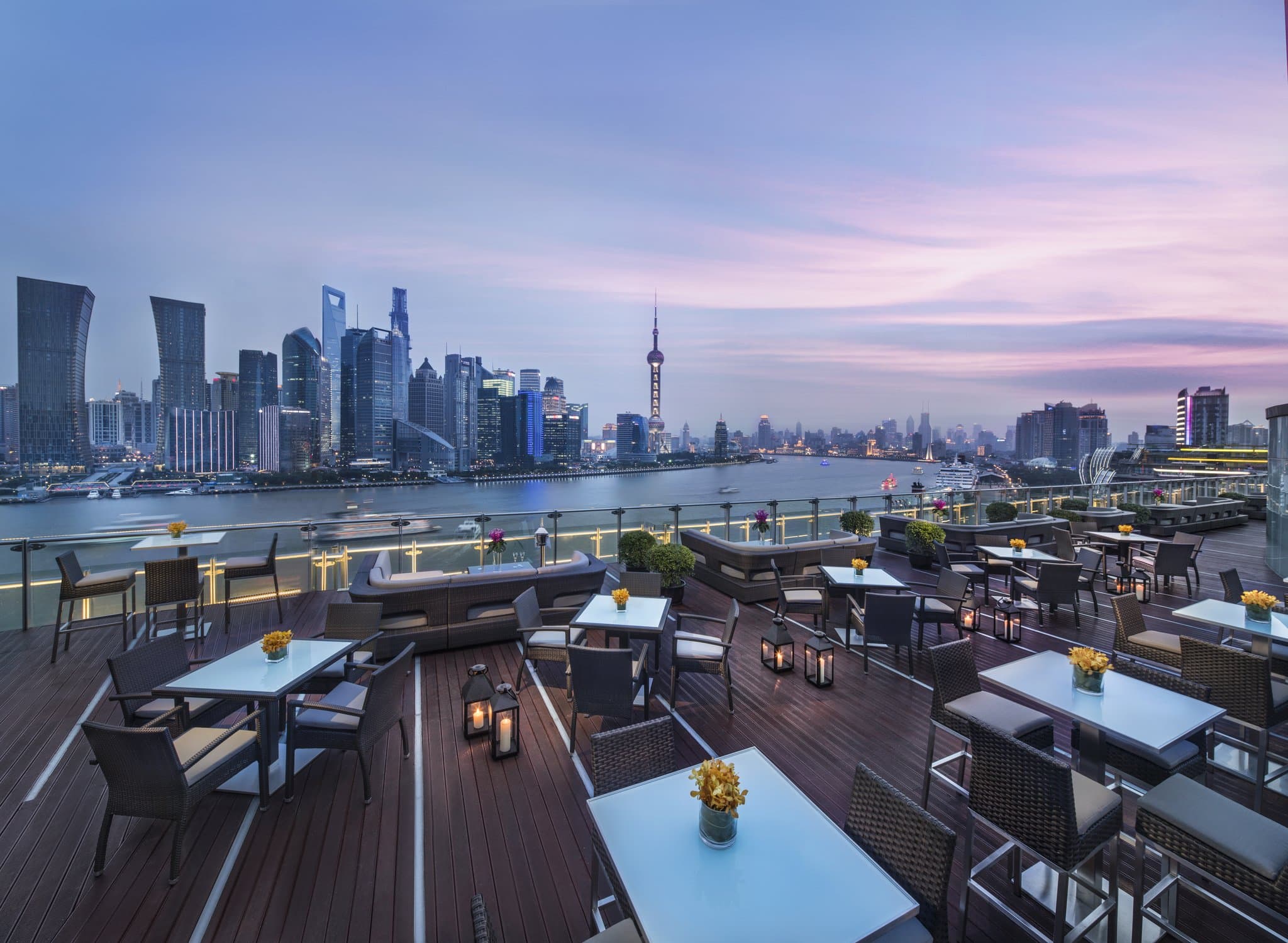
This isn’t the postcard Bund; it’s the North Bund, a moodier, quieter sibling that demands a ten-minute taxi ride to the historic promenade. The trade-off is substantial: pure, unadulterated space. While other luxury properties squeeze you into 40 square meters, Banyan Tree hands you 60 at the entry level, anchoring the experience with its signature in-room dipping pools. Positioned squarely against floor-to-ceiling glass, these tubs allow you to marinate in ginger-infused waters while staring down the Oriental Pearl Tower—a level of voyeuristic luxury few competitors can match. The 2012 opening date means the hardware occasionally whispers its age—a scuff here, a slow elevator there—but the soft product remains ironclad. Dining at 'Ming Yuan' is non-negotiable; the Double Boiled Fish Head Soup is a masterclass in Cantonese restraint. Cap the night at 'TALES', the rooftop bar where river-themed cocktails are served with a 180-degree sweep of Lujiazui that makes the chaos of downtown feel a world away. It’s not just a hotel; it’s a masterclass in turning urban isolation into an asset.
“Skip the standard taxi queue; use the hotel's complimentary shuttle to the historic Bund, but time your return for sunset to catch the lights turning on from the 'TALES' terrace.”
Insider TipAvg. Nightly Rate
245USD
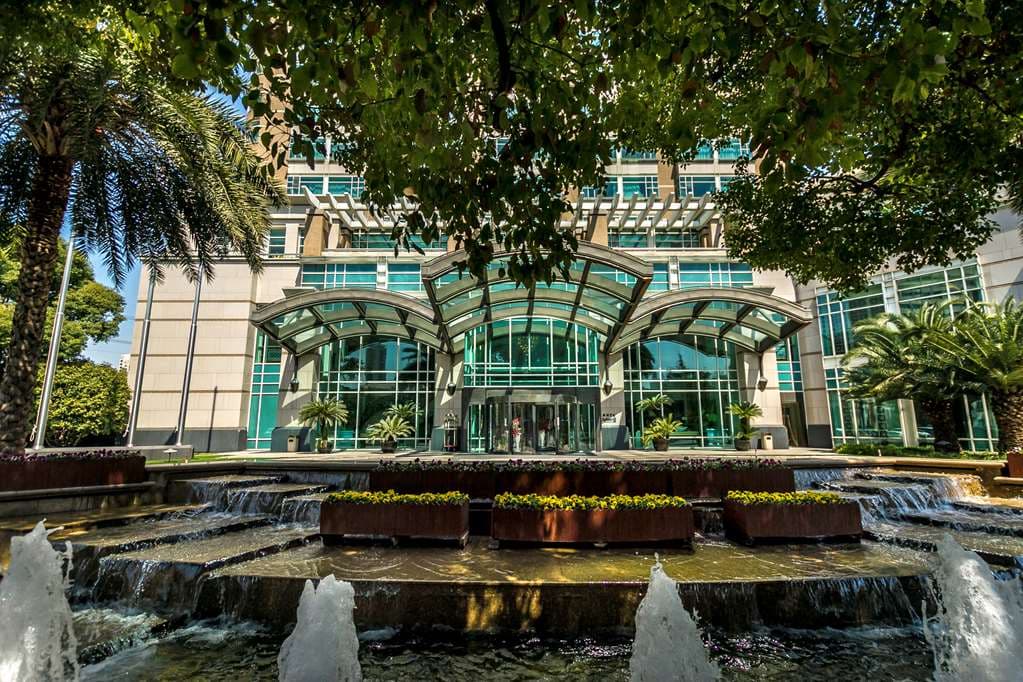
In a metropolis that typically measures luxury in vertical feet, the Radisson Collection Hotel, Xing Guo Shanghai flaunts a rarer currency: horizontal space. Occupying seven hectares (17 acres) of the former French Concession, this property feels less like a hotel and more like a diplomatic compound—which makes sense, given its history as a state guest house. The silence here is heavy, broken only by the rustle of century-old camphor trees rather than the honk of elevated highways. The interiors lean into a dignified, 'Old Cadre' aesthetic—think marble floors and heavy drapes—but the tech has been quietly modernized. Rooms now feature independent Honeywell fresh air systems (a non-negotiable for the Shanghai respiratory tract) and Molton Brown amenities. Book the 'Madam Li' floor if you want the Dyson Supersonic hair dryer and a distinct lack of humidity. Dining remains a strong suit. Li Palace serves Cantonese dim sum that rivals the city’s stalwarts, while Café Li Brasserie handles the Western cravings with a pan-seared black cod that justifies the price tag. Service is sharp, rated an impressive 9.5 by recent guests, with staff navigating the sprawling grounds with the efficiency of a protocol team. It’s not the trendiest spot in town, but it’s undoubtedly the most breathable.
“Skip the standard wake-up call. Every guest receives a complimentary bottle of freshly squeezed orange juice daily—delivered to your door by the hotel's roaming robot butler.”
Insider TipAvg. Nightly Rate
90USD
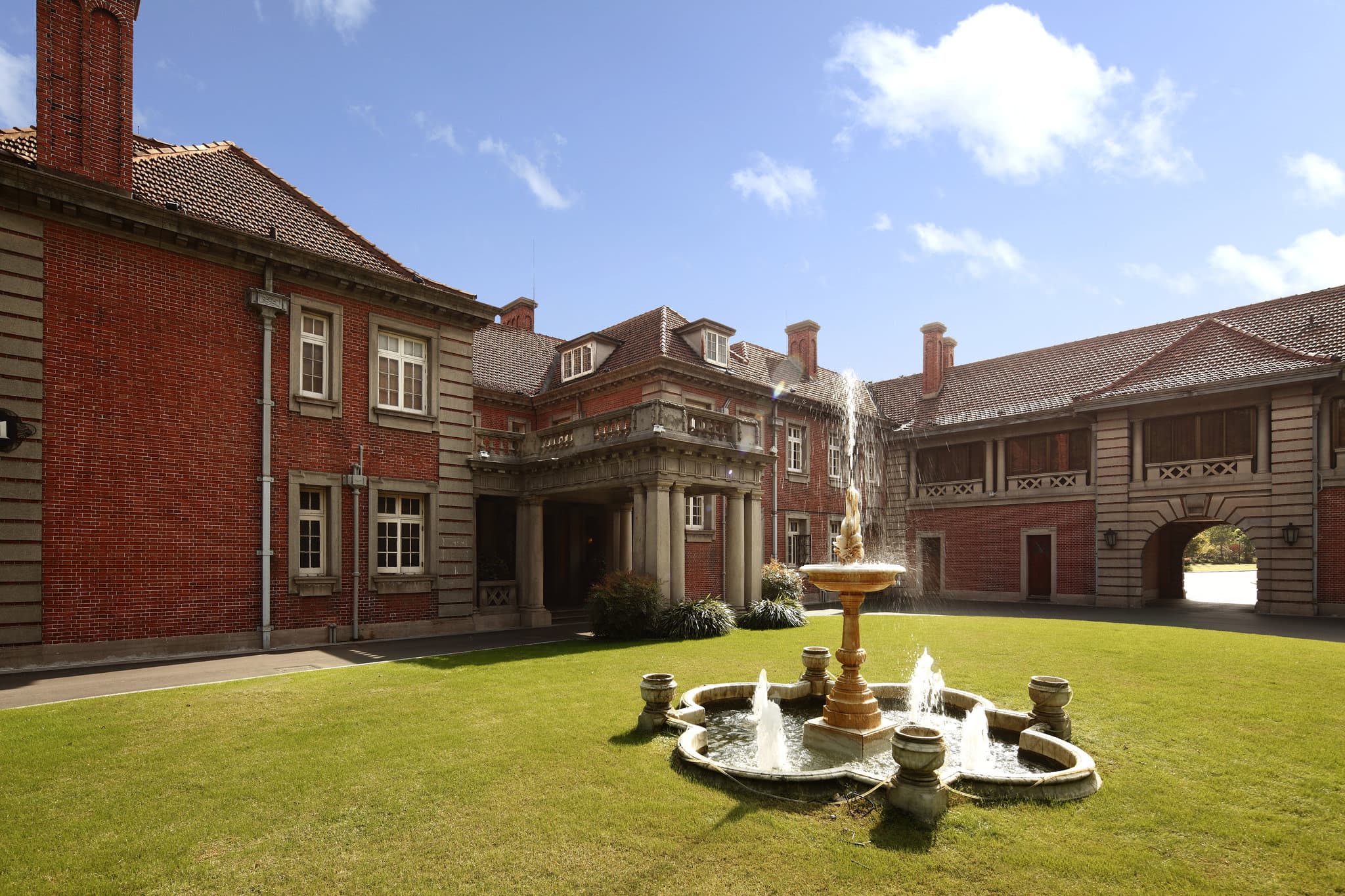
In a city that famously never sleeps, the InterContinental Shanghai Ruijin is a coma of tranquility. Occupying the former State Guest House—where Chairman Mao and Nixon once walked—this 100-acre walled estate is less a hotel and more a fortified verdant lung in the French Concession. You check in not for the rooms, which frankly skew a bit 'corporate beige' compared to the red-brick colonial grandeur of the 1917 Morris Residence exterior, but for the sheer, impossible silence. The magic lies in the grounds. Mornings here are strictly for wandering past ancient camphor trees and Victorian pavilions before breakfast at La Rue, where the seafood buffet is surprisingly competent. For dinner, skip the room service club sandwich and head straight to Xin Yuan Lou. Order the signature Aniang Yellow Croaker Noodles—a broth so rich it feels like a handshake from history. While the interiors need a refresh (the uneven paths and AC quirks are part of the 'historic charm' tax), the service, led by standouts like concierge Jackson Chen, remains razor-sharp. It’s a place to read a book, not answer emails.
“Request a room in the InterContinental Club building for a balcony overlooking the main lawn. If you want pure history, ask for a tour of Building 1 (Morris Residence).”
Insider TipAvg. Nightly Rate
152USD