No. 01
58 Mao Ming Road South. Shanghai ChinaShanghai889 verified reviews
8
.8
Bitvoya Edit
Layering imagery, place, and detail before the page opens.
Shanghai is often defined by its futuristic skyline, but a quiet revolution of heritage preservation lies within its most exclusive retreats. This collection focuses on the extraordinary phenomenon of 'ancient transplants'—where entire villages, Ming and Qing dynasty villas, and thousands of ancient camphor trees were physically relocated to save them from destruction. From the miraculous conservation efforts at Amanyangyun in the Minhang District to the restored Shikumen architecture of Capella Shanghai in the Xuhui preservation zone, these properties offer a profound connection to the past. Visitors will discover a sanctuary where the meticulously reconstructed history of Jiangxi meets the modern elegance of Songjiang and the colonial charm of the Former French Concession.
The concept of "Ancient Transplants" in Shanghai represents one of the most ambitious cultural preservation efforts in modern hospitality. Travelers are not merely booking a room; they are witnessing the salvation of Chinese heritage. Properties like Amanyangyun stand as a testament to this, where 50 antique villas and 10,000 camphor trees were transported 700 kilometers from Fuzhou to Shanghai to prevent them from being submerged by a reservoir. This collection offers a rare blend of environmental stewardship and ultra-luxury, allowing guests to touch bricks laid centuries ago and walk beneath trees that have stood for a millennium.
Expect a profound sense of tranquility and a focus on craftsmanship. Hotels like Ahn Luh Zhujiajiao and the Bulgari Hotel Shanghai (which integrates the historic Chamber of Commerce building) blend ancient aesthetics with contemporary comfort. You will find interiors featuring golden nanmu wood, stone courtyards, and tea ceremonies rooted in tradition, all paired with world-class amenities like Aman Spas and Michelin-starred dining.
Amanyangyun involves a massive conservation project where 10,000 ancient camphor trees and 50 Ming and Qing dynasty villas were relocated 700km from Jiangxi to Shanghai to save them from a dam reservoir project.
Capella Shanghai, Jian Ye Li is the only all-villa urban resort located within a preserved Shikumen lane, offering an authentic experience of 1930s Shanghai stone-gate architecture.
It varies. Capella and Bulgari are in central districts (Xuhui and Jing'an), while Amanyangyun and Hilton Songjiang are in the outskirts (Minhang and Songjiang), offering a more secluded, resort-like atmosphere.
Explore our complete curated list of luxury accommodations, from boutique hideaways to grand dames.
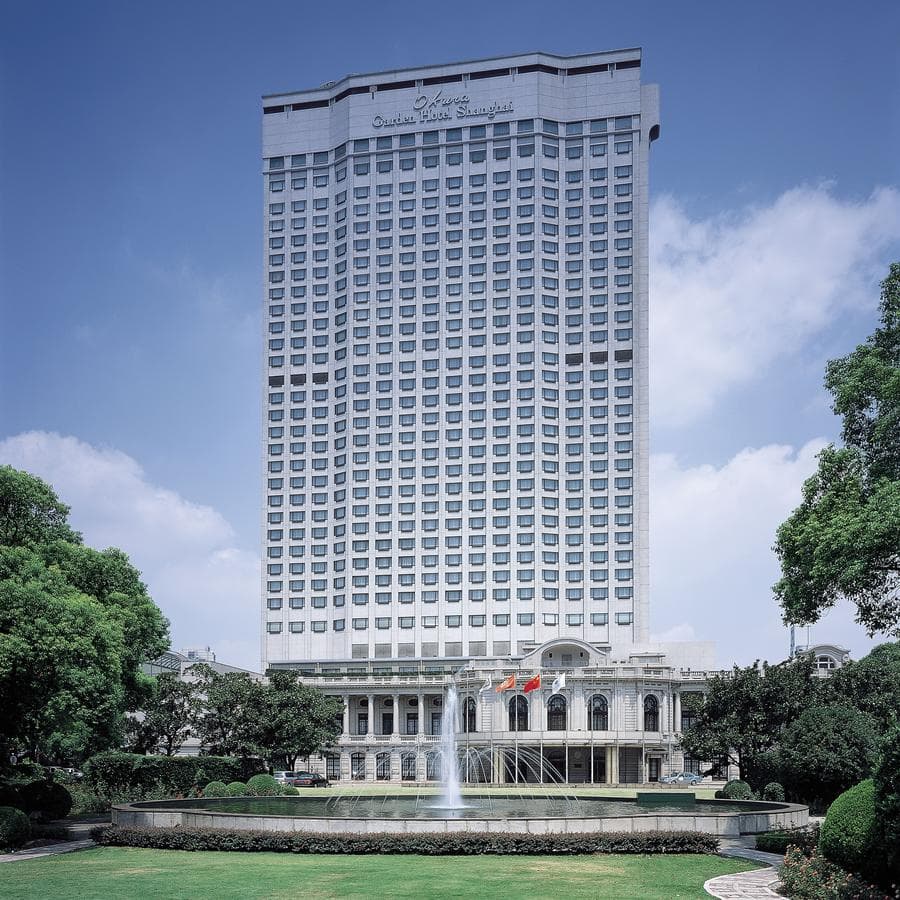
Explore All Shanghai HotelsIn a city obsessed with the vertical and the new, the Okura Garden Hotel is a defiant horizontal breath of fresh air. Built into the shell of the 1926 French Club (Cercle Sportif Français), this isn't just a hotel; it is a conservation project of both Art Deco heritage and botanical history. The pièce de résistance is the 30,000-square-meter private garden—a sprawling green lung featuring relocated ancient camphor trees that whisper of Old Shanghai. Inside, the lobby’s baroque columns and the Grand Marble Staircase offer a cinematic 'In the Mood for Love' grandeur that modern glass towers cannot replicate. While the rooms lean towards 'vintage' rather than 'vogue'—think beige tones and classic carpets—they are obsessively maintained with Japanese precision, featuring pristine Toto washlets and deep soaking tubs. Service is the invisible luxury here; the 'Omotenashi' hospitality is flawless. Dinner at Sazanka is non-negotiable; the Teppanyaki chefs handle premium Wagyu with the reverence of a tea ceremony. It’s not the trendiest stay in Shanghai, but it is undoubtedly the most soulful.
“Request a 'Garden View' room on a high floor to watch the morning mist rise off the camphor trees. Also, look out for the resident garden cats—they are the unofficial guardians of the grounds.”
Insider TipAvg. Nightly Rate
92USD
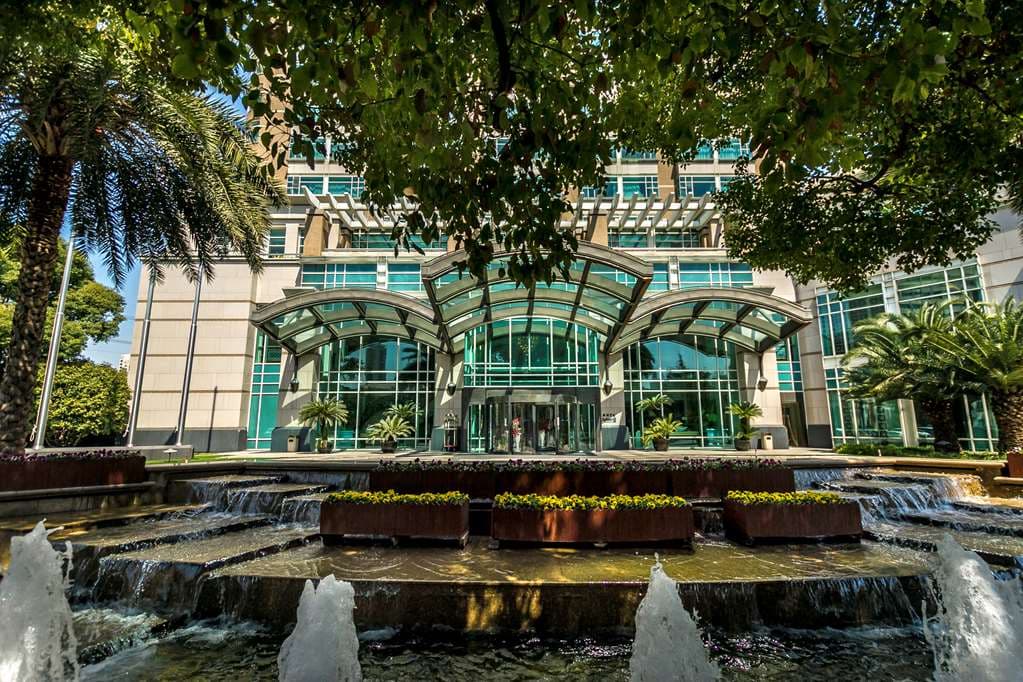
It is rare to find a hotel where the landscaping outshines the lobby, but the Radisson Collection Hotel, Xing Guo Shanghai is an arboretum first and a hotel second. Occupying 17 acres in the French Concession, this property is a 'botanical ark' for ancient camphor trees transplanted here decades ago, creating a green lung that filters the city's frantic energy. The vibe is dignified 'State Guest House' meets urban retreat. While the interiors of the main building lean towards a 1990s corporate aesthetic rather than cutting-edge design, the dated style is forgiven the moment you open the curtains to that verdant, oxygen-rich view. Rooms feature Honeywell fresh air systems and Molton Brown amenities, ensuring the sensory experience remains premium even if the furniture feels traditional. Dining is a highlight: the award-winning Li Palace serves impeccable Cantonese dim sum and seasonal Shanghainese seafood, a favorite among local power brokers. For wellness, the Clark Hatch Health Club offers a retro-cool workout, but the real draw is the indoor pool with its saline properties. It’s not the trendiest stay in Shanghai, but for silence and chlorophyll, it has no rival.
“Book a room on the 12th floor 'Madam Li' level if you are a female traveler for Dyson hair dryers and elevated amenities, or ask for a table near the window at Li Palace to overlook the 'Little White Palace' villa.”
Insider TipAvg. Nightly Rate
90USD
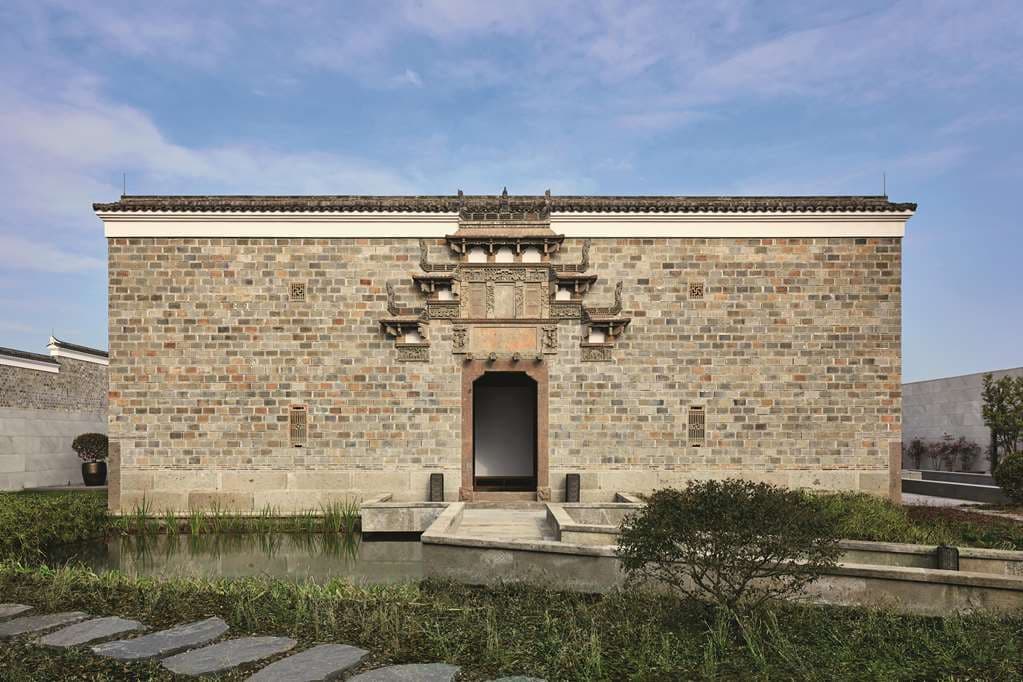
It takes a special kind of audacity to move a forest. Specifically, 10,000 ancient camphor trees and 50 Ming and Qing dynasty villas, transported 700 kilometers brick-by-brick to save them from a reservoir flood. Amanyangyun is the result of this fifteen-year crusade, and the scale of the ambition is palpable the moment you step onto the camphor-scented grounds. Designed by the late Kerry Hill, the property eschews the typical red-and-gold tropes for a stark, spectral elegance. The Antique Villas are the headliners—brooding, stone-walled time capsules—but the Ming Courtyard Suites are arguably more livable, with their sun-drenched pale wood interiors and private courtyards that feel miles away from the chaos of the Bund. Dining here demands a departure from the usual hotel fare. Skip the safe options and head straight to Lazhu for the double-boiled clay pot soup; the Jiangxi spice levels are unapologetic and thrilling. Wellness is equally serious—the 2,840sqm spa is a brutalist temple of calm, housing a Russian Banya that will beat the jet lag out of you with birch branches and intense heat. Service is less 'white-glove stiff' and more intuitive, a rare warmth in a city often defined by speed. This isn’t a base for sightseeing; it is the sight.
“Before you even unpack, ask the concierge to book you a slot in the private IMAX theatre to watch the documentary on the hotel's relocation—it turns the architecture from 'pretty' to profound.”
Insider TipAvg. Nightly Rate
987USD
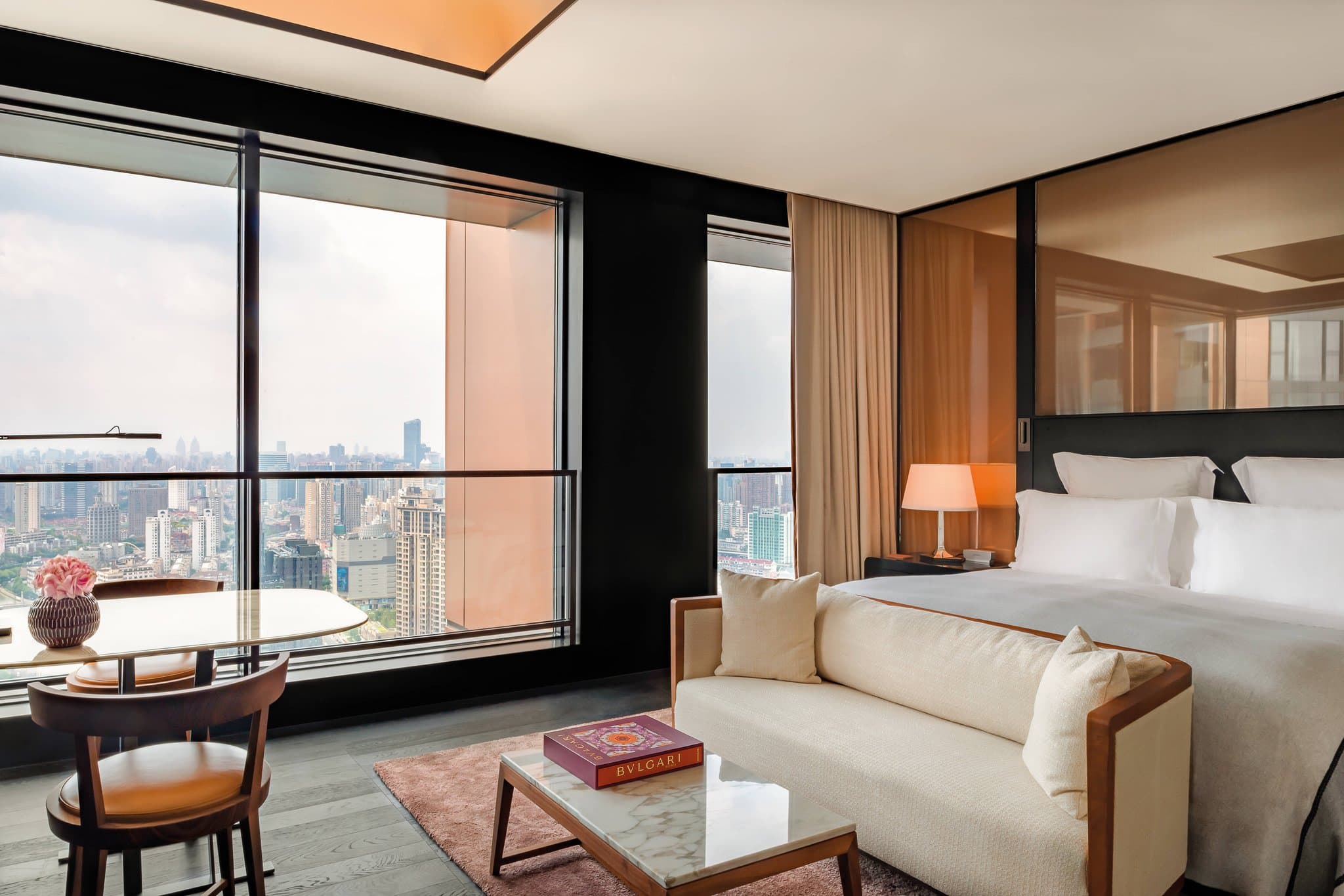
If historic preservation usually implies dust, Bulgari makes it drip with high-gloss Italian nonchalance. This isn’t just a hotel; it’s a confident dialogue between the painstakingly restored 1916 Shanghai Chamber of Commerce and the sleek, 48-story tower rising behind it. The theme here is 'Ancient Transplants'—literally. The property relocated ancient camphor trees to frame the historic red-brick courtyard, creating a fabricated yet convincing forest that whispers of old Shanghai before you even hit the lobby. Inside, Antonio Citterio’s design rejects the usual Chinoiserie clichés for a 'private residence of a Milanese billionaire' vibe. The guest rooms are lessons in restraint: black lacquer, bronze, and breathtaking views of the Bund that look cinematic from the low-slung Italian furniture. A witty warning: the matte-black closets are so chic they absorb all light—you might need your phone torch to find your silk shirt. Dining is non-negotiable. Skip the club sandwich; you are here for the minimalist perfection of Niko Romito’s spaghetti with lobster at Il Ristorante, or the Michelin-starred haute Cantonese at Bao Li Xuan in the heritage building. Downstairs, the 2,000-square-meter spa is a subterranean temple of Vicenza stone and Augustinus Bader facials. It’s expensive, yes, but for those who prefer their history served with impeccable Italian tailoring, there is no substitute.
“Skip the main lobby bar for sunset; instead, request a walk through the private gardens to the Chamber of Commerce building. The contrast between the ancient camphors and the skyline is the real 'money shot' here.”
Insider TipAvg. Nightly Rate
716USD
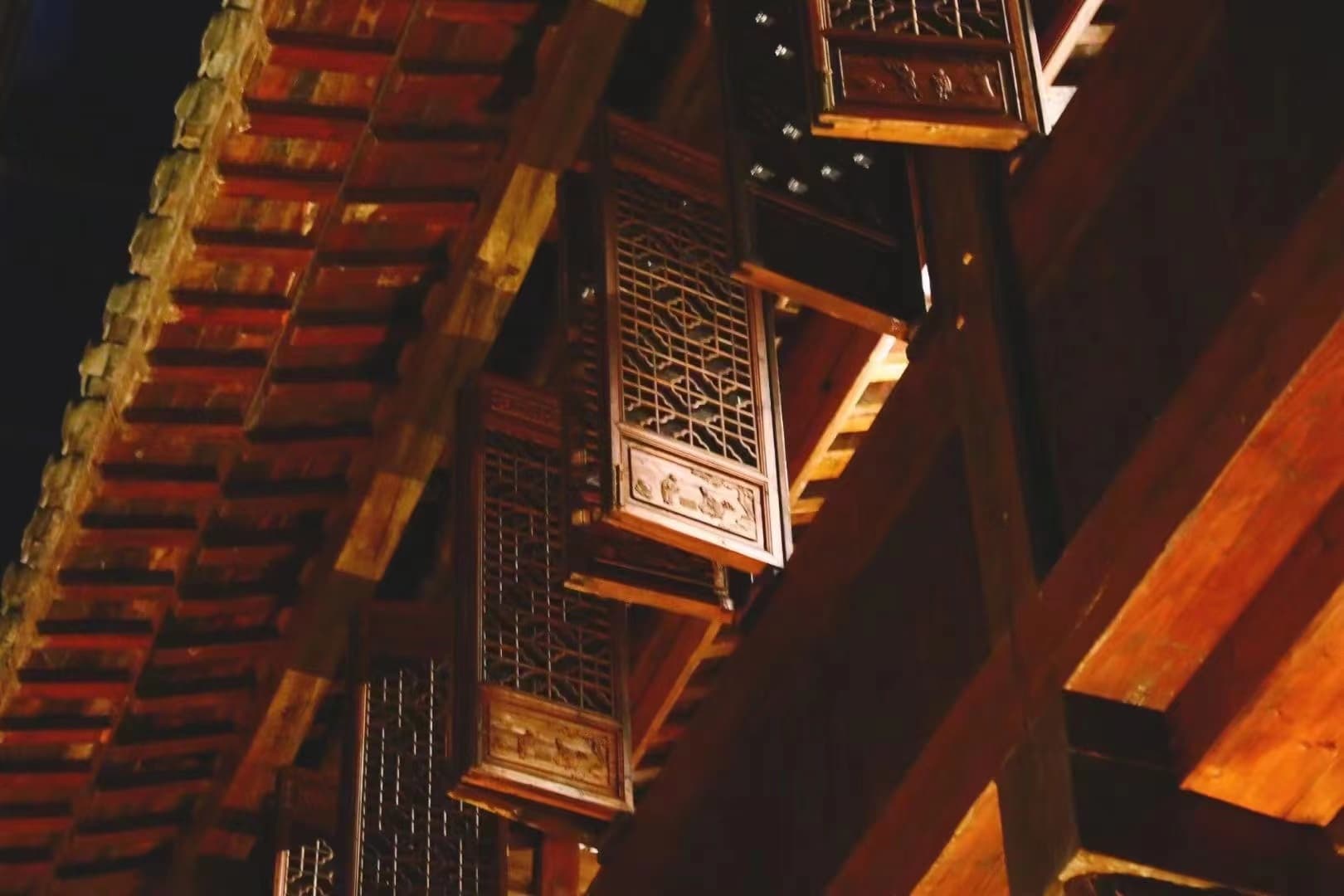
It takes a certain kind of audacity to dismantle a 600-year-old Ming Dynasty courthouse in Anhui, truck it to Shanghai, and reassemble it as a hotel lobby. Yet, standing beneath the soaring, complex wooden joinery of the 'Wu Feng Lou' (Five Phoenix Court) at Ahn Luh Zhujiajiao, the effort feels less like a stunt and more like a conservation miracle. This isn't just a place to sleep; it is a museum where you are allowed to touch the exhibits. The thirty-five villas are an exercise in monastic chic—high walls ensure absolute privacy, shielding you from the weekend crowds of the nearby Zhujiajiao Ancient Town. Inside, the austerity of the dark wood beams is softened by the necessary 21st-century indulgences: heated floors, Bose sound systems, and Dyson hair dryers that purr rather than roar. The bathroom amenities are Diptyque, a sharp, modern botanical choice that cuts through the heavy history. Dining here is hyper-local. The Ahn Luh Dining Room avoids the trap of generic hotel food by leaning into its geography. Order the steamed white water fish—caught from the local waterways—which is served with a delicacy that rivals any Michelin table in the Bund. Service is led by butlers (often named Jerry or Tina in recent logs) who master the art of being present but invisible. The lack of a proper gym is a calculated omission; you are here to walk the courtyards, not run on a treadmill. It is expensive, yes. But you are paying for the silence, the frighteningly high thread count, and the chance to wake up in a scene that looks like it was directed by Zhang Yimou.
“Book the 'Courtyard Villa with Pool' if you visit in summer; only four villas actually have private outdoor pools. Also, skip the hotel breakfast one morning to eat 'zongzi' (sticky rice dumplings) from the street vendors at Fangsheng Bridge, a 10-minute walk away.”
Insider TipAvg. Nightly Rate
300USD
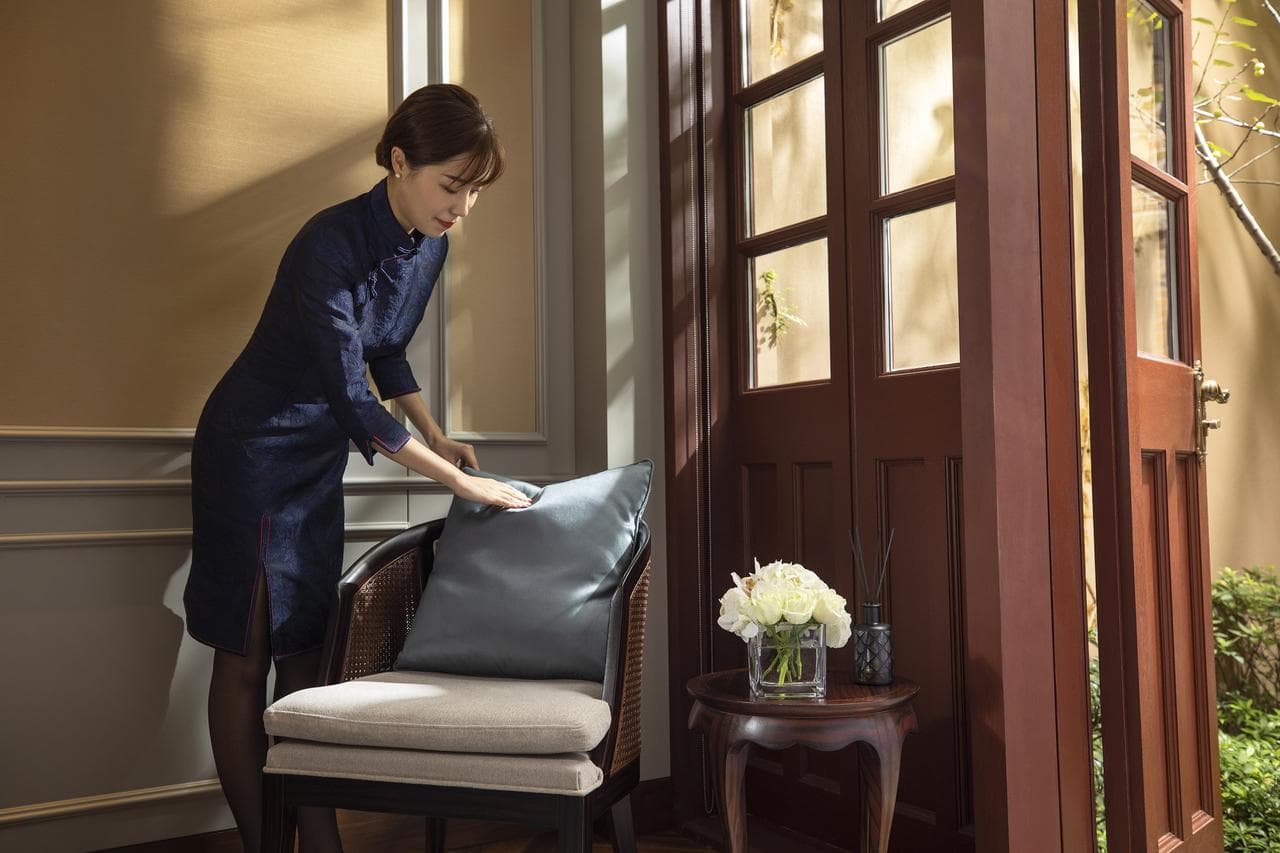
In a city obsessed with scraping the sky, Capella Shanghai stubbornly hugs the earth. Occupying the last remaining cluster of Shikumen townhouses in the Xuhui District, this isn't a hotel so much as a cinematic set piece from a 1930s noir romance. The restoration by Jaya Ibrahim is rigorous, preserving the narrow, vertical living of Old Shanghai—meaning steep staircases that demand healthy knees (and perhaps a pre-arrival gym session). Inside, the clamor of the metropolis vanishes. You’re left with a hushed, private courtyard and interiors that shun beige neutrality for moody dark woods and silk. The villas are a study in sensory layering: Bose sound systems fill the vertical space with jazz, while the bathrooms are stocked with Frédéric Malle amenities—a sophisticated departure from the usual hotel suspects. Dining is an event at Le Comptoir de Pierre Gagnaire; the Cocotte of frogs Poulette is a daring, buttery masterclass that justifies the Michelin star. For recovery, the Auriga Spa’s moon-phase treatments offer a strange but effective alignment with the lunar cycle. It’s not for those seeking a grand lobby scene; it’s for the traveler who prefers their luxury whispered behind heavy stone gates.
“Request a 'Shikumen Garden Villa' away from the street for absolute silence. Don't miss the Morning Reading Ritual in the library for local pastries and history lessons.”
Insider TipAvg. Nightly Rate
618USD
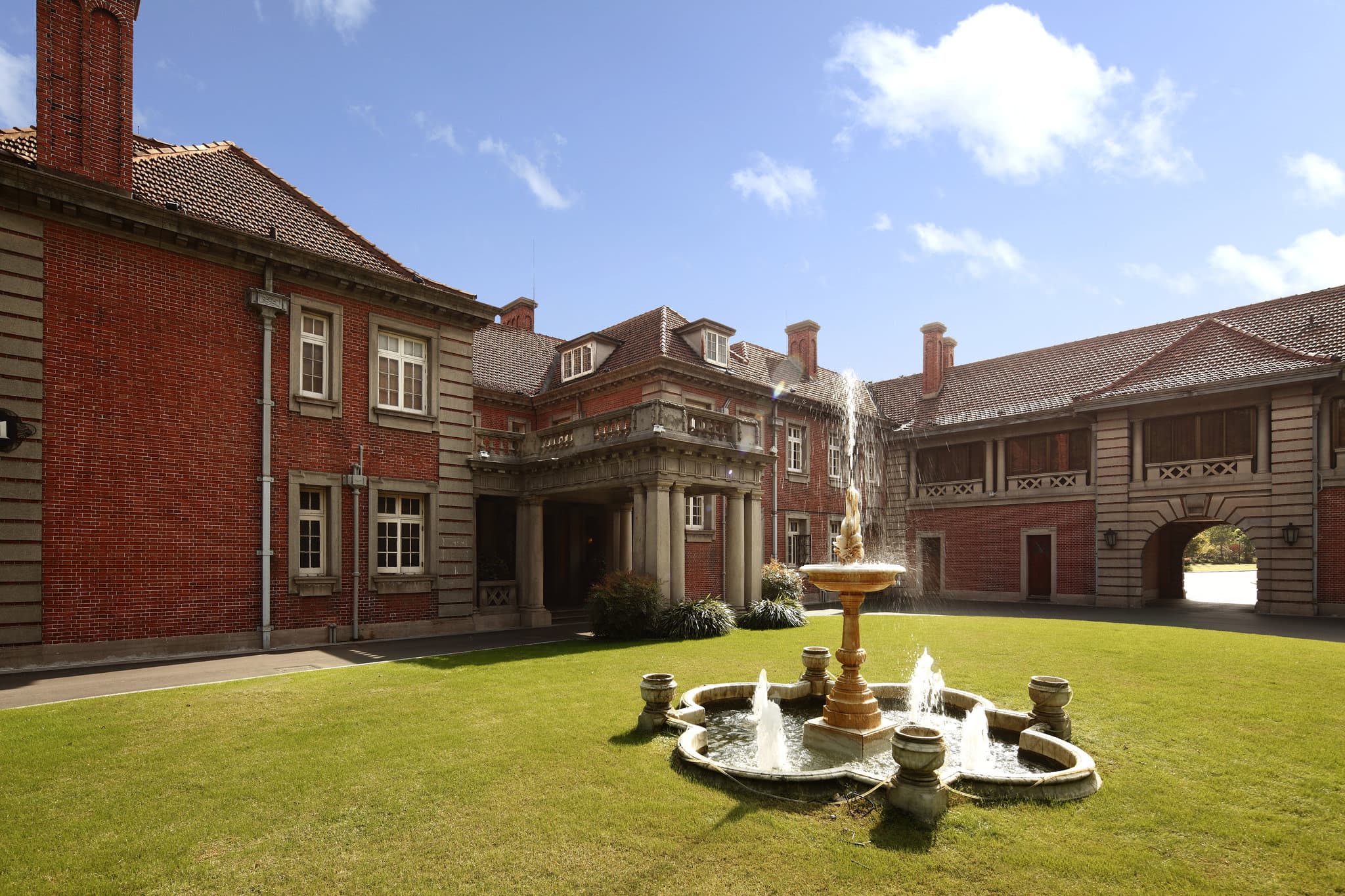
While the rest of Shanghai aggressively chases the future, the InterContinental Shanghai Ruijin remains a defiant, red-brick transplant from 1917. Occupying the former Morriss Estate, this walled compound feels less like a hotel and more like a stolen slice of English countryside dropped into the French Concession. The real lungs of the property are the century-old camphor trees—towering, ancient transplants themselves—that shade the 100-acre garden, a rarity that makes the concrete jungle outside vanish. Inside, the experience is a duel between heritage and hospitality. Book the historic Building 1 for the grand Victorian arches, though be warned: the interiors often lean towards corporate genericism rather than period drama, a stark contrast to the stunning façade. However, the amenities correct the course with crisp Byredo Blanche toiletries and efficient Technogym equipment. Dining is the unheralded star; skip the western fare and descend into ‘Xin Yuan Lou’ for the Aniang Yellow Croaker Noodles, a broth so rich it tastes like history. Service is star-studded but inconsistent—anticipate eager smiles but the occasional maintenance hiccup, like creaky floorboards that whisper of the past.
“Request a room in the 'Club InterContinental' wing (Building 2) for the best garden views without the noise of the main street, and ensure your package includes the afternoon tea—served in the lobby where the 1920s vibe is most potent.”
Insider TipAvg. Nightly Rate
152USD
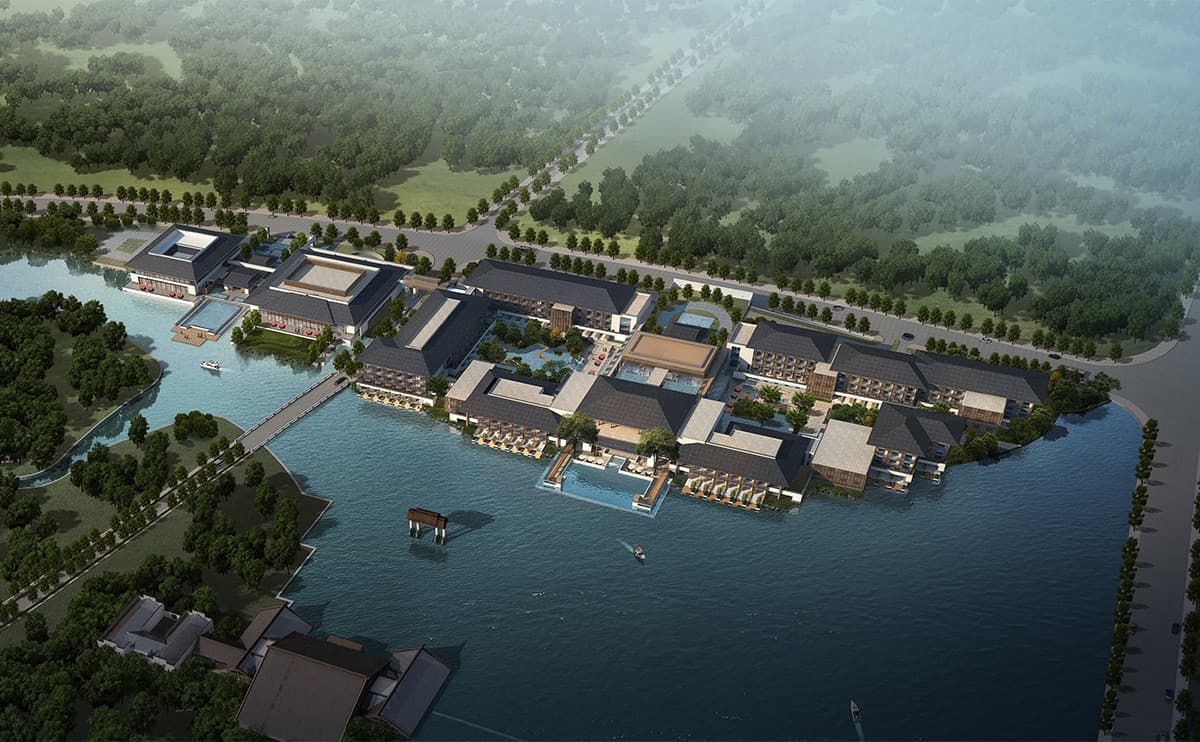
Forget the frantic pulse of the Bund. The real flex in Shanghai right now is silence, specifically the kind found 40km west at the 'Root of Shanghai.' Situated directly inside the Guangfulin Cultural Relics Park, the Hilton Shanghai Songjiang Guangfulin feels less like a hotel and more like a curator’s private estate. The architecture is a moody masterclass in 'New Chinese' aesthetics—think symmetrical courtyards, dark wood latticework, and reflection pools that mirror the surrounding wetlands. Inside, the vibe shifts from archaeological solemnity to plush modernism. Request a Lake View room; the balconies here don't just overlook scenery, they hang suspended above Fulin Lake, offering front-row seats to the park’s floating museum pyramids. The hardware is solid—rainfall showers, 55-inch screens, and pillow menus that actually deliver—but it’s the quiet that justifies the drive. Dining is a highlight, not an afterthought. 'Qing Ya' serves a razor-sharp interpretation of Songjiang cuisine (try the seasonal specialties), while 'Kitchen Craft' offers a breakfast buffet so extensive it feels like a culinary map of the Silk Road. Service is polished, though the breakfast rush can test patience. Verdict? A sophisticated time capsule for those who prefer their luxury with a side of Neolithic history.
“Skip the lobby bustle for sunset. Head to the 'Luozhao' viewing platform with a drink from the Star Tea Lounge to catch the park's pagodas lighting up against the water.”
Insider TipAvg. Nightly Rate
108USD