No. 01
6161 Yuanjiang Road. Shanghai 31 China 201111Shanghai433 verified reviews
9
.6
Bitvoya Edit
Layering imagery, place, and detail before the page opens.
While the Bund dazzles with Art Deco grandeur, the true soul of Shanghai's luxury lies in its periphery—a realm of ancient camphor trees, relocated Ming Dynasty villas, and architectural marvels sunken into the earth. This curated collection explores the serene districts of Songjiang, Minhang, and Qingpu, where the frantic pace of the metropolis dissolves into mist-covered waterways and forest sanctuaries.
Here, properties like Amanyangyun and Ahn Luh Zhujiajiao are not just hotels; they are custodians of culture, housing centuries of history within their walls. Whether it is the subterranean wonder of the InterContinental Wonderland or the Zen-focused Anandi in Hongqiao, these escapes offer a profound disconnection from the urban grid, inviting travelers to reconnect with nature, history, and themselves.
Shanghai is often defined by its futuristic skyline, but its peripheral districts offer a stark, luxurious contrast rooted in heritage and preservation. The "Ancient Camphor & Aman Souls" collection highlights a unique trend in Chinese luxury hospitality: the painstaking restoration of history combined with modern wellness. Choosing these escapes means prioritizing privacy, architectural significance, and a deep connection to the land. Properties like Amanyangyun represent the pinnacle of this ethos, featuring a forest of camphor trees and antique villas transported 700 kilometers to escape reservoir flooding. It is an experience of living history.
Expect a shift from the verticality of Lujiazui to the horizontal tranquility of traditional courtyards and nature-integrated designs. These hotels focus heavily on holistic wellness. For instance, The Anandi Hotel and Spa is dedicated entirely to balancing energy flows. Dining in these peripheral escapes often features farm-to-table concepts, utilizing local produce from the fertile Yangtze Delta. Whether you are exploring the sunken levels of the quarry hotel or sipping tea in a Ming Dynasty pavilion, these escapes promise a soulful journey into the quieter side of Shanghai.
Amanyangyun is famous for its massive relocation project, where thousands of ancient camphor trees and 50 Ming and Qing dynasty villas were transported 700km from Fuzhou to Shanghai to save them from flooding.
The InterContinental Shanghai Wonderland (also known as the Deep Pit Hotel) is an architectural marvel built into the side of an abandoned quarry in Songjiang District, featuring underwater suites.
Yes, Ahn Luh Zhujiajiao is located near the historic Zhujiajiao Water Town and features a restored 600-year-old courthouse (Wufeng Court) and an ancient theater, offering a deeply cultural experience.
Explore our complete curated list of luxury accommodations, from boutique hideaways to grand dames.
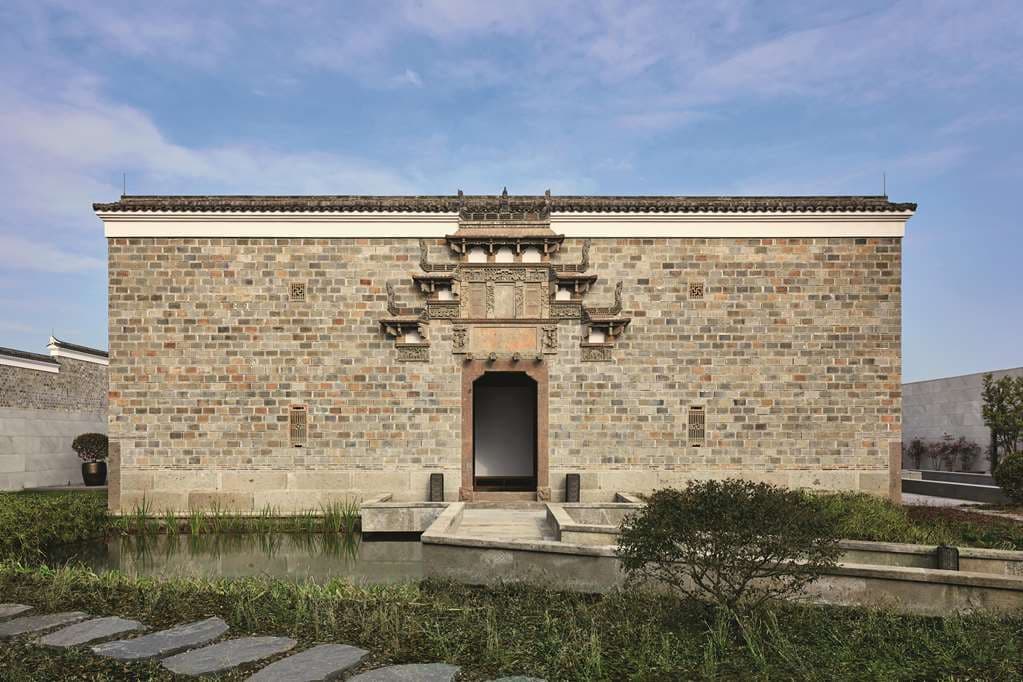
Explore All Shanghai HotelsTo call Amanyangyun a 'relocation project' is an insult to the sheer logistical madness involved. Kerry Hill’s final masterpiece didn’t just move furniture; it transplanted a forest. Fifty Ming and Qing dynasty villas and 10,000 ancient camphor trees were hauled 700 kilometers from Fuzhou to this quiet corner of Maqiao to escape a reservoir’s rising waters. The result is distinctively moody and tactile. Inside the Antique Villas, the scent of Nanmu wood—historically more valuable than gold—hits you before the air conditioning does. It’s dark, serious, and utterly devoid of the usual beige hotel neutrality. You aren't here for a view of the Bund; you are 27 kilometers away, effectively in a different province, trading skyline selfies for calligraphy sessions in the Nan Shufang cultural pavilion. Dining eschews the predictable. At Lazhu, the Jiangxi cuisine brings a tear-inducing heat, specifically the double-boiled clay pot soup which feels medicinal in the best way. Arva offers Italian reprieve with raw red prawn carpaccio, but the real heavyweight champion is the Spa. At 2,840 square meters, it’s a cathedral of wellness. Forget the gentle aromatherapy; book the Russian Banya. Being beaten with venik leaves by a stoic therapist before plunging into ice water is the reset your nervous system actually needs. Yes, you might hear a faint plane from Hongqiao, but amidst 1,000-year-old trees, who cares?
“Request a villa closer to the 'Emperor Tree' for maximum privacy, and absolutely pre-book the Banya treatment—it's the only one of its caliber in Shanghai.”
Insider TipAvg. Nightly Rate
987USD
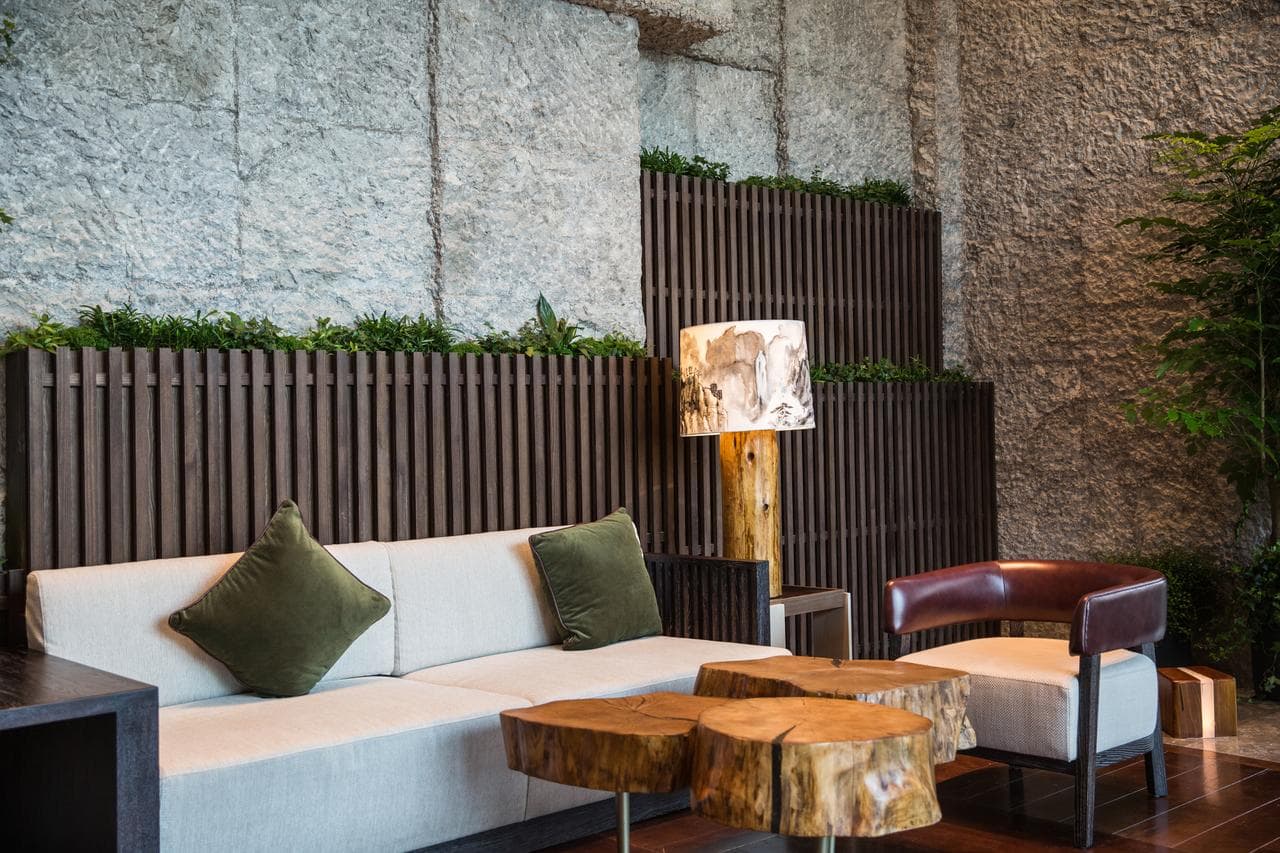
If Shanghai is a high-voltage current, The Anandi is its grounding wire. Located in the Hongqiao periphery—admittedly an industrial stretch that feels miles from the Bund’s colonial pomp—this property isn't a base for sightseeing; it is the sight. As a member of the 'Healing Hotels of the World,' the vibe here is less 'hotel' and more 'futurist ashram.' The arrival experience sets the tone: a lobby clad in green textured stone ('Jade') that feels like entering a moss-covered brutalist cathedral. But the real sorcery happens in the rooms. We’re talking 'negative ion' earth beds, crystal energy flooring (yes, really), and a sleep cycle soundtrack curated by Dr. Lee Bartel that effectively sedates you before you can even reach for the pillow menu. The hardware is impeccable—massive stone tubs and Dyson dryers are standard—but the 'Healing Touch' service is the differentiator, offering everything from Ayurvedic assessments to chakra balancing. Dining is equally disciplined yet indulgent. At Yuan, the Boiled Young Lobster is a masterclass in Taizhou restraint, while the Japanese kaiseki at Takeyoshi delivers sea urchin so fresh it practically still tastes of the Pacific. **Verdict**: It’s inconvenient for tourists, but for the burnt-out executive or the wellness pilgrim, it’s a non-negotiable reset button.
“Skip the main gym and book a session in the Himalayan Salt Room post-flight. Also, the 'Starry Sky' rooftop pool is best at dusk when the industrial skyline lights up.”
Insider TipAvg. Nightly Rate
156USD
Forget the chrome-and-glass vertigo of Lujiazui; this property is a sprawling Mediterranean fever dream planted forty minutes west of Jing’an. Recently transitioning from a Sofitel to Accor’s boutique-minded Handwritten Collection, the hotel retains its distinctively un-Shanghai footprint—think terracotta roof tiles, symmetric grandeur, and a lobby that prioritizes volume over subtlety. While the 2009 vintage interiors occasionally betray their age (a scuff on the skirting here, a moody dimmer switch there), the sheer scale of the 45-square-meter rooms—mostly with private balconies—is the true luxury. The owner’s obsession with maritime culture anchors the design, culminating in the property’s pièce de résistance: a 4,400-square-meter lagoon pool rimmed with real sand that successfully mimics a southern European coastline. Dining leans on volume to match the resort vibes, but *Wei Jing Xuan* delivers a surprisingly focused Braised Abalone that rivals downtown kitchens. It is an imperfect, massive, and deeply relaxing escape that trades high-tech slickness for old-world resort sprawl. Best enjoyed with a vintage red at *M Mediterranean* while the children are exiled to the 1,600-square-meter Eiffel Dream Kids Land.
“Request a 'Pool View' room on the 5th floor or higher. The ground-level 'Lagoon Access' rooms sound dreamy but can suffer from noise during peak family hours at the artificial beach.”
Insider TipAvg. Nightly Rate
145USD
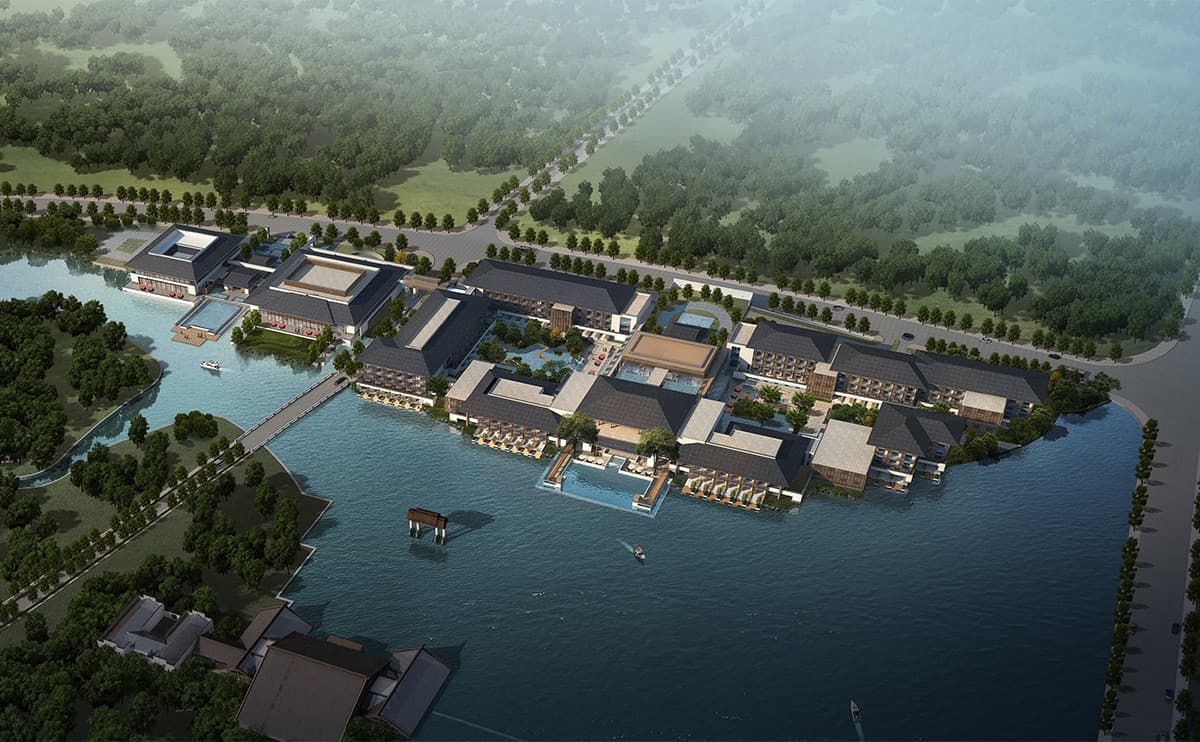
If the Bund is Shanghai’s extroverted, champagne-soaked face, Guangfulin is its brooding, scholarly soul. Situated an hour’s drive from the frantic verticality of Lujiazui, the Hilton Shanghai Songjiang Guangfulin offers a horizontal retort to the city’s skyscrapers. Here, the drama is quiet: stark ‘New Chinese’ eaves reflecting symmetrically into mirror-still courtyards, a visual echo of the adjacent Cultural Relics Park’s submerged museum. Check-in feels less like a hotel arrival and more like entering a private clan manor. The rooms continue the dialogue with silence, featuring deep soaking tubs, rainfall showers, and pillow menus that actually matter. While the Life Fitness-equipped gym is functional, the 22-meter heated indoor pool is the real sanctuary—a cavernous, echoey space perfect for meditative laps away from the humidity. Dining at Qing Ya is non-negotiable; skip the western staples and order the seasonal Songjiang specialties, which often feature river delicacies rooted in the local geography. Breakfast at Kitchen Craft can suffer from the usual buffet chaos during peak hours, so time your descent carefully. This isn’t a base for first-time tourists wanting the neon lights; it’s a moody, atmospheric retreat for those who know that the real luxury in Shanghai is space and silence.
“Request a lake-facing room on the 3rd floor. You’ll get a direct sightline of the sunset hitting the submerged rooftops of the Guangfulin Cultural Relics Park, a view most tourists pay to see.”
Insider TipAvg. Nightly Rate
108USD
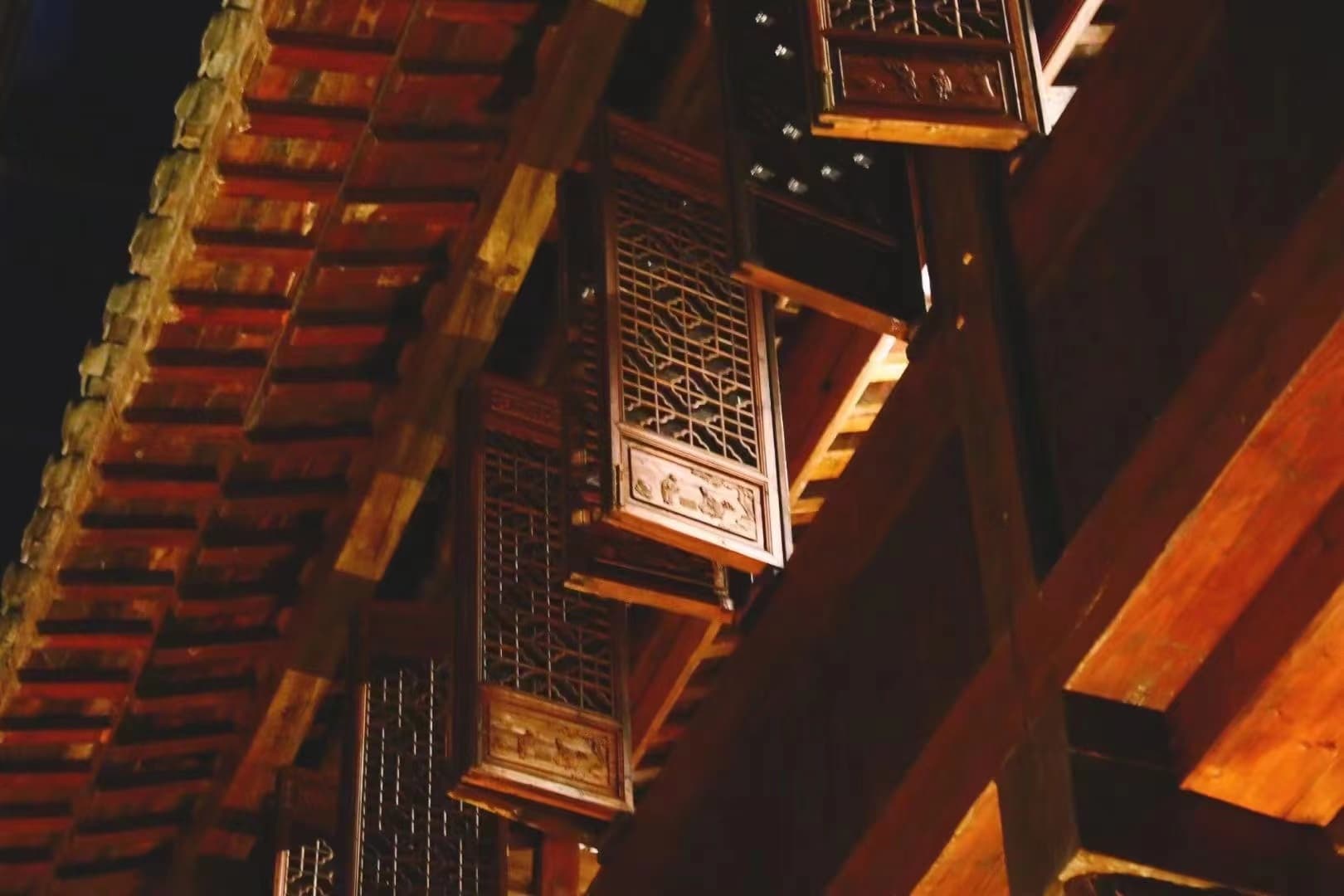
Checking into Ahn Luh Zhujiajiao feels less like a hotel arrival and more like a scene cut from a Zhang Yimou film. The lobby—a reconstructed 600-year-old Ming Dynasty courthouse known as 'Wu Feng Lou'—is a fortress of silence, heavy with the scent of ancient camphor and the weight of history. It is a stark, confident rejection of the bustling water town outside its walls. The 35 villas are cloistered and monastic, featuring private courtyards and heated stone floors that save you from the Shanghai damp. While the omission of a fitness center is puzzling for a wellness retreat (you are expected to treat a contemplative walk across the ancient opera stage as your cardio), the 2024 award of One Michelin Key confirms its status as a hospitality heavyweight. Dining at the Ahn Luh Dining Room is a study in Jiangnan subtlety; the signature Steamed White Water Fish is a textural marvel, though the breakfast spread can feel surprisingly pedestrian for this price point. Come here to swim in the ink-dark indoor pool and sleep under beams that predate the Qing dynasty, not for the buffet.
“Book a 'Courtyard Villa' in the 20s block for maximum distance from the lobby and direct garden access; these units offer the deepest silence.”
Insider TipAvg. Nightly Rate
300USD
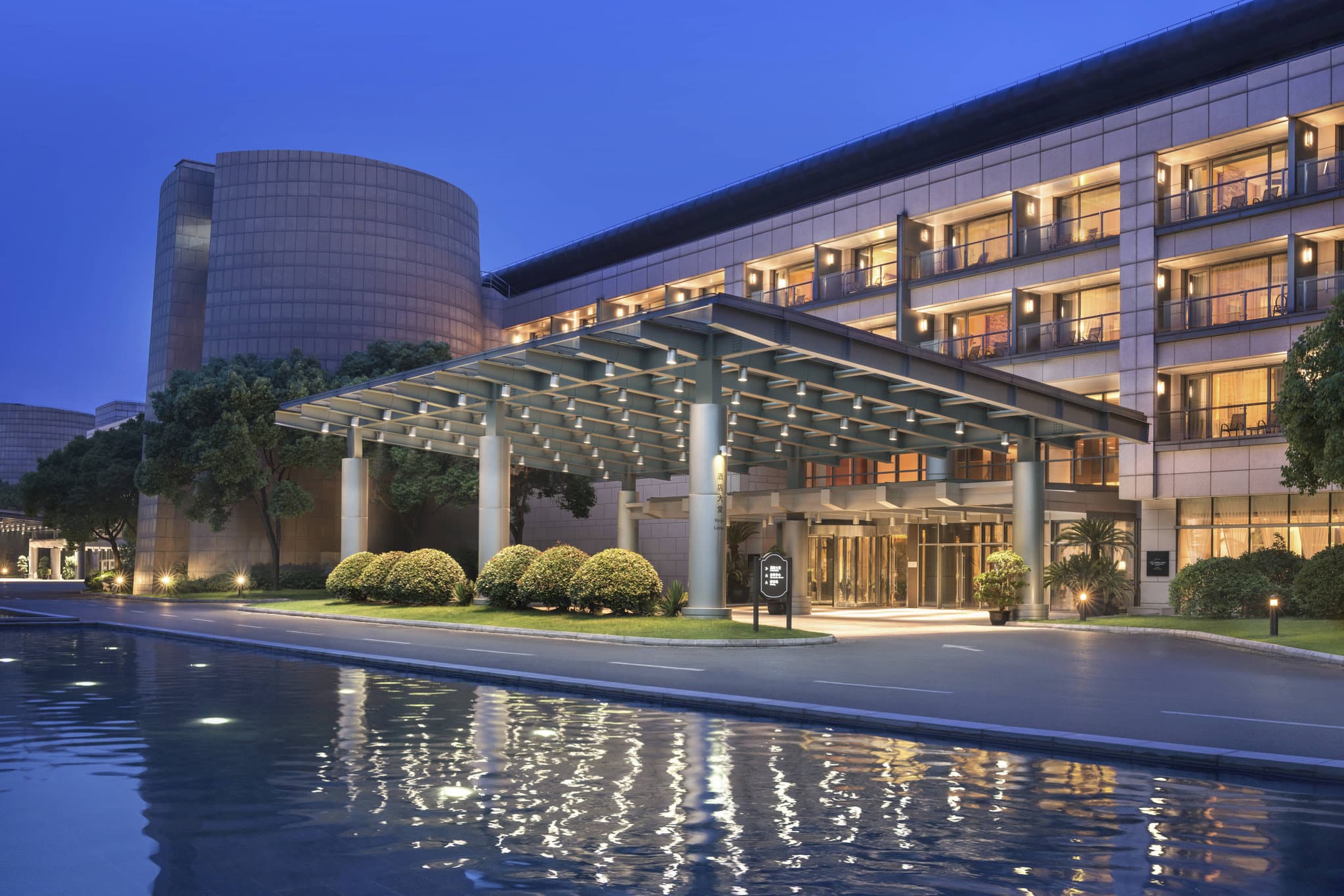
Shanghai’s relentless verticality demands an antidote. Enter The Yuluxe Sheshan, perched possessively beside the city’s only true topography. Let’s be candid: the property carries the architectural bones of its predecessor (a Le Méridien), resulting in a hardware aesthetic that feels grand yet slightly time-capsuled. But in a metropolis where square footage is rationed like gold, the 55-square-meter base rooms are a revelation. The balconies facing Moon Lake aren't mere ornaments; they are genuine observation decks for the camphor-scented mist rolling off Sheshan National Forest Park. Dining requires strategy. Bypass the cavernous Le Café—unless you enjoy the chaotic energy of a weekend family crush—and secure a table at Yu Palace. The kitchen executes a Slow-cooked Wagyu Beef infused with 10-Year Huadiao Wine that justifies the drive from the Bund, and the Lion’s Head meatball is suitably decadent. While the 'beach' pool tries a bit too hard to mimic Sanya, it works for the under-10 set. Service has its wobbles—English fluency is hit-or-miss—but the staff’s earnestness compensates for the polish gap. It’s not the Aman, but for a peripheral escape, it delivers necessary respiration.
“Request a 'Lake View' room on the 5th floor or higher; lower floors suffer from foliage obstruction and the occasional mosquito raid.”
Insider TipAvg. Nightly Rate
130USD
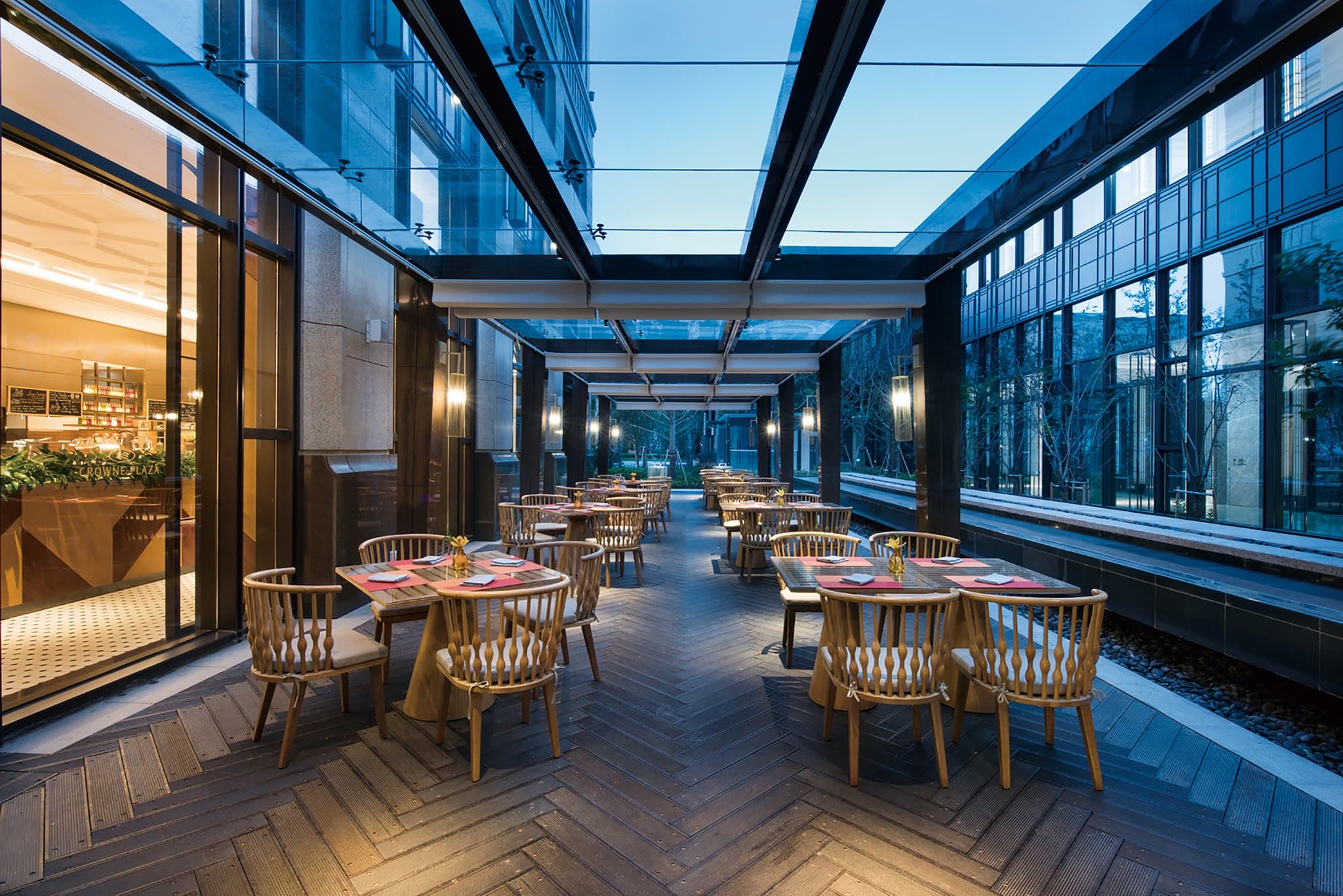
If the Bund is Shanghai’s adrenaline, Pujiang is its deep exhale. Situated a merciful distance from the city’s frenetic core, this property trades skyline views for the distinct quiet of the suburbs, serving as a sophisticated base camp for exploring the nearby Zhaojialou canals. The vibe here is less corporate outpost, more manicured estate; the Central Garden lawns offer a visual palate cleanser immediately upon arrival. Inside, the hardware is solid, if showing faint laugh lines of age. Rooms are aggressively soundproofed—a rarity in this metropolis—and stocked with Borghese amenities that elevate the daily ritual. While the spa treatments are currently on pause, the wet facilities remain a major draw; the sauna and steam room are fully operational, and the large indoor pool offers floor-to-ceiling views of the gardens that make laps feel meditative. Dining is the property’s unexpected flex. Bypass the standard international buffet at Yi Ting Café for CHAR Bar & Bistro, where the ribeye is grilled with a precision that rivals downtown steakhouses. Alternatively, Cai Feng Lou delivers Cantonese soul; their double-boiled soups are practically medicinal. Service here punches above its weight class (guests consistently rate staff at 9.4), smoothing over any rough edges with genuine, unscripted hospitality. It’s a peripheral escape that justifies the drive.
“Skip the city-facing rooms. Request a high-floor room overlooking the Central Garden lawns to watch the morning mist rise before heading to Zhaojialou.”
Insider TipAvg. Nightly Rate
71USD
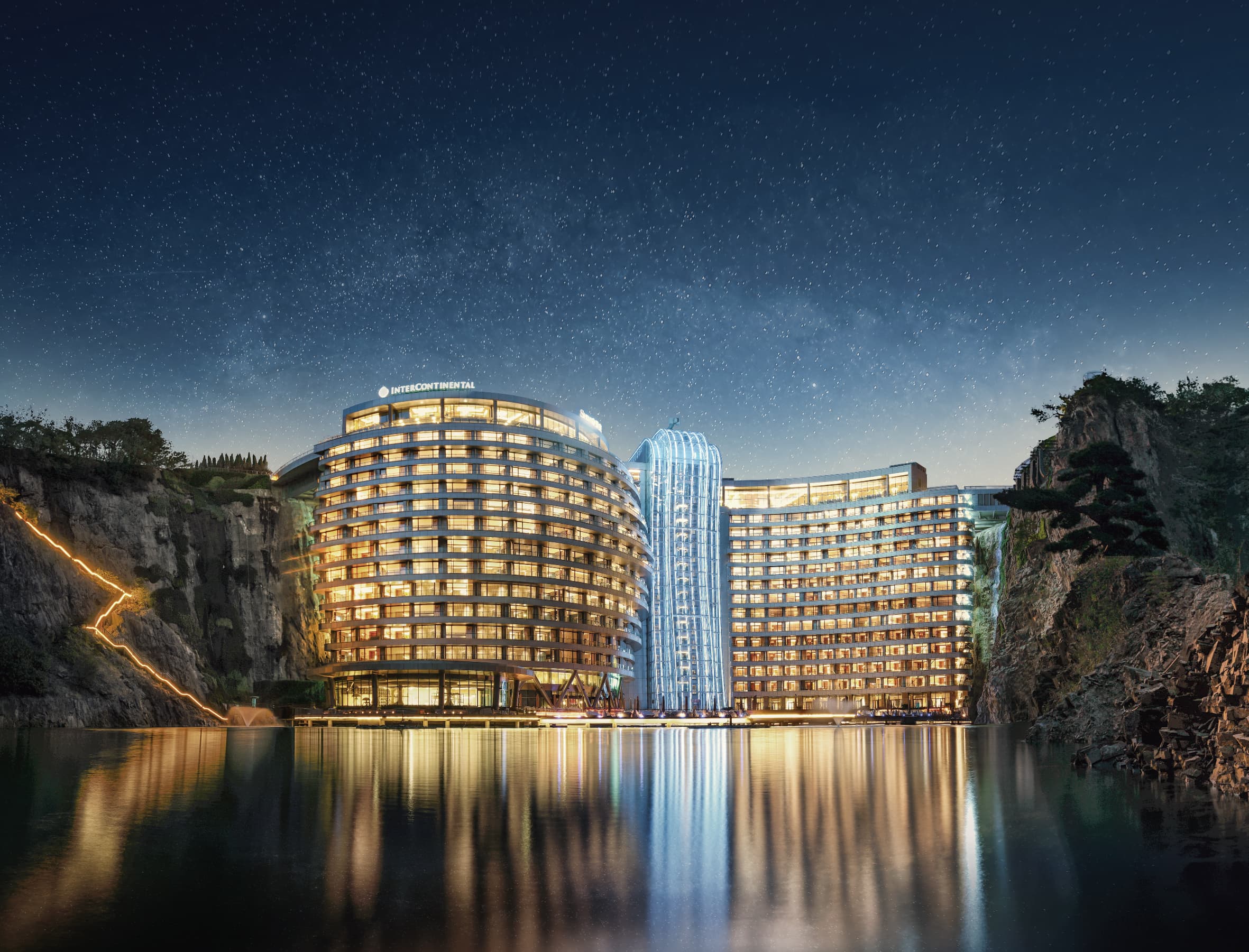
Forget the penthouse; the ultimate flex in Shanghai is descending 88 meters underground. The InterContinental Shanghai Wonderland is an architectural mic drop—a literal industrial scar polished into a subterranean palace. You check in at ground level and sink into the Earth, bypassing the spectacular Glass Waterfall that dominates the atrium. It feels less like a resort and more like a Bond villain’s stylish retirement plan. Inside, the steampunk aesthetic softens into contemporary luxury. The bathrooms feature Byredo amenities that help cut through the slight subterranean humidity—a distinct reality on the lower floors. Dinner at Mr. Fisher is the headline act; slicing into a Charcoal grilled M9 sirloin while sharks patrol the aquarium wall is delightfully surreal. Post-dinner, skip the lobby crowds and retreat to The Quarry Bar for mining-themed cocktails chilled by stone-shaped ice balls—a witty nod to the site's dynamite-heavy past. It’s a trek from the Bund and taxis are elusive, but for design purists, this eco-restoration is worth the descent.
“Request a room on the 'Sapphire' or 'Turquoise' floors (above the water line) to avoid the musty humidity often found in the underwater suites. Also, the hotel just won 'China's Leading Design Hotel 2025'.”
Insider TipAvg. Nightly Rate
191USD