No. 01
Road To Angkor. Siem Reap Cambodia 00000Siem Reap373 verified reviews
9
.6
Bitvoya Edit
Layering imagery, place, and detail before the page opens.
Siem Reap has transcended its reputation as merely the gateway to Angkor Wat to become a standalone destination for design lovers. In the leafy Old French Quarter, colonial heritage meets modern luxury at properties like FCC Angkor by Avani and the Park Hyatt. Meanwhile, the trendy Wat Bo neighborhood hosts contemporary marvels like Treeline Urban Resort, where local art takes center stage. Venturing slightly further afield to the quiet outskirts, travelers find architectural serenity in the rice paddies of Phum Baitang. This curated collection explores the hotels that act not just as places to sleep, but as immersive art galleries and architectural landmarks reflecting the Kingdom's creative resurgence.
For the discerning traveler, Siem Reap offers a unique dialogue between the ancient and the avant-garde. Choosing a design-forward boutique stay here means immersing yourself in the narrative of 'New Khmer Architecture' and colonial restoration. Properties like Amansara, formerly the guest villa of King Sihanouk, offer a masterclass in 1960s minimalistic chic, while the whimsical interiors of Shinta Mani Angkor showcase the genius of designer Bill Bensley. These hotels are not merely bases for temple exploration; they are destinations in their own right, offering private courtyards, curated art collections, and a deep connection to Cambodian craftsmanship.
To truly experience the artful side of the city, location is key:
Expect a shift away from generic luxury towards personalized, story-driven hospitality. Visually, these properties prioritize sustainable materials and local sourcing. At FCC Angkor, history is palpable in the preserved architecture, while Phum Baitang recreates a traditional Cambodian village experience with high-end amenities. You can anticipate private plunge pools, spa treatments utilizing ancient Khmer techniques, and culinary programs that elevate local street food to fine dining. These enclaves provide a serene, aesthetically pleasing counterpoint to the rugged grandeur of the temples.
Amansara is renowned for its exclusivity and privacy, offering a walled sanctuary with private suites, originally built for King Sihanouk.
Shinta Mani Angkor and the Bensley Collection Pool Villas are the prime examples of Bill Bensley's whimsical and maximalist design in Siem Reap.
Phum Baitang Resort (Zannier Hotels) features private villas on stilts set amidst working rice paddies, mimicking a traditional Cambodian village with luxury amenities.
Explore our complete curated list of luxury accommodations, from boutique hideaways to grand dames.
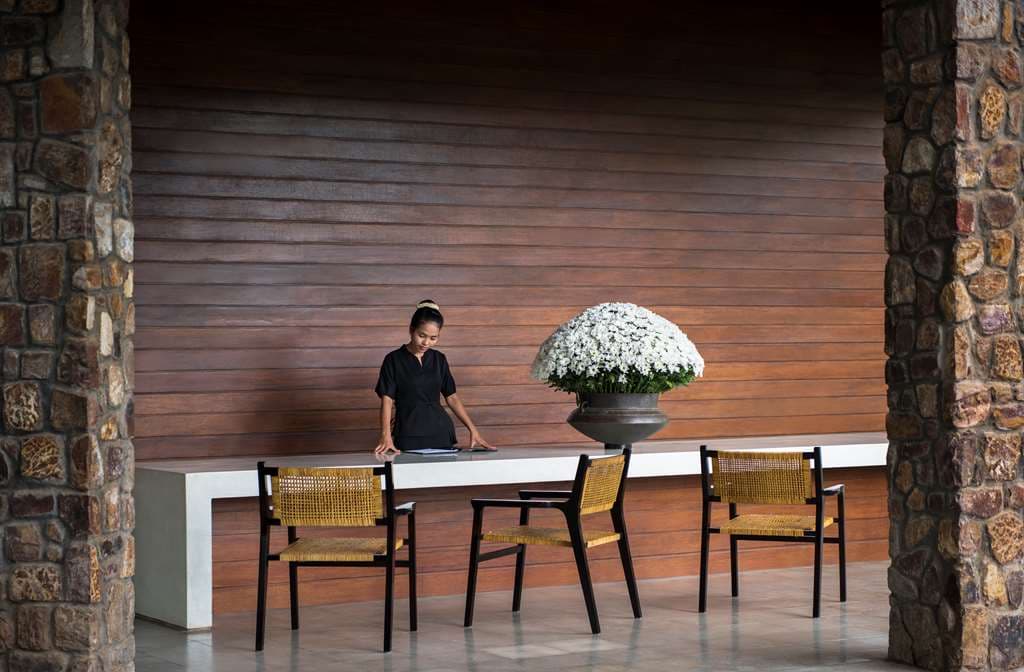
Explore All Siem Reap HotelsIf James Bond had retired to a monastery in 1965, it would look like Amansara. Formerly the guest villa of King Sihanouk, this walled compound in Siem Reap is the holy grail of New Khmer Architecture—a stark, low-slung masterpiece of terrazzo and dark timber that feels less like a hotel and more like a time capsule. Arrival sets the tone: a vintage 1960s Mercedes limousine collects you from the tarmac, depositing you into a world where the chaotic hum of Cambodia vanishes. With only 24 open-plan suites, the 6:1 staff-to-guest ratio borders on clairvoyance; cold towels appear before you sweat, and your shoes are cleaned by invisible hands. The central curved pool is a cinematic triumph, framed by a pergola that demands a linen suit. Dining in the circular former screening room features soaring 7-meter ceilings and *Beef Cheek Saraman Curry*, though culinary thrill-seekers might find the flavors politely restrained for Western palates. It is outrageously expensive and intentionally introverted, but for design purists, the privilege of sleeping in Sihanouk’s retro-chic bunker is worth the admission price.
“Request Suite 19 or 20 for direct access to the secluded 25m lap pool—far quieter than the main curved pool.”
Insider TipAvg. Nightly Rate
1650USD
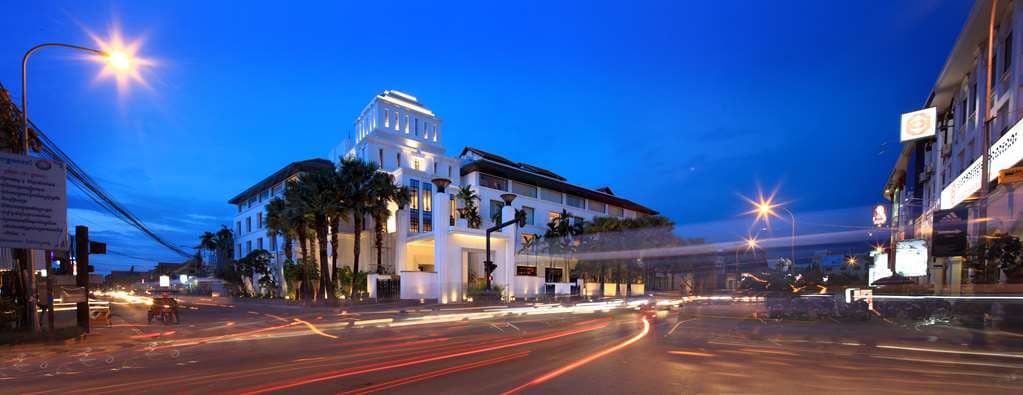
If Bill Bensley is the Willy Wonka of hotel design, the Park Hyatt Siem Reap is his dark chocolate truffle: sophisticated, restrained, and unmistakably distinct. Resurrected from the bones of the former Hotel de la Paix, this property defies the local tendency toward temple-kitsch. Instead, you are met with a stark, white Art Deco fortress that feels more like a 1930s ocean liner docked in the jungle than a typical tropical resort. The showstopper isn't the lobby, but the central courtyard, where a banyan tree—older than the French protectorate—commands the space like a living sculpture. Inside, the vibe is strictly 'urban sanctuary.' Guest rooms are studies in monochromatic elegance, featuring Italian marble baths and Pevonia Botanica amenities that cut through the humidity. A word to the wise: the 'Park View' rooms overlook the bustling Sivutha Boulevard, which means you might trade a view for the thrum of tuk-tuks. Dining here is a serious affair; the property recently snagged a One Michelin Key (2025). While the $19 club sandwich in The Living Room might test your per diem, the Amok Trey (steamed fish curry) in The Dining Room delivers a coconut-cream complexity that justifies the tariff. It’s polished, precise, and arguably the most stylish address in town.
“Skip the 'Park View' rooms to avoid street noise. Request a Courtyard Suite on the 2nd floor for direct views of the ancient banyan tree and total silence.”
Insider TipAvg. Nightly Rate
184USD
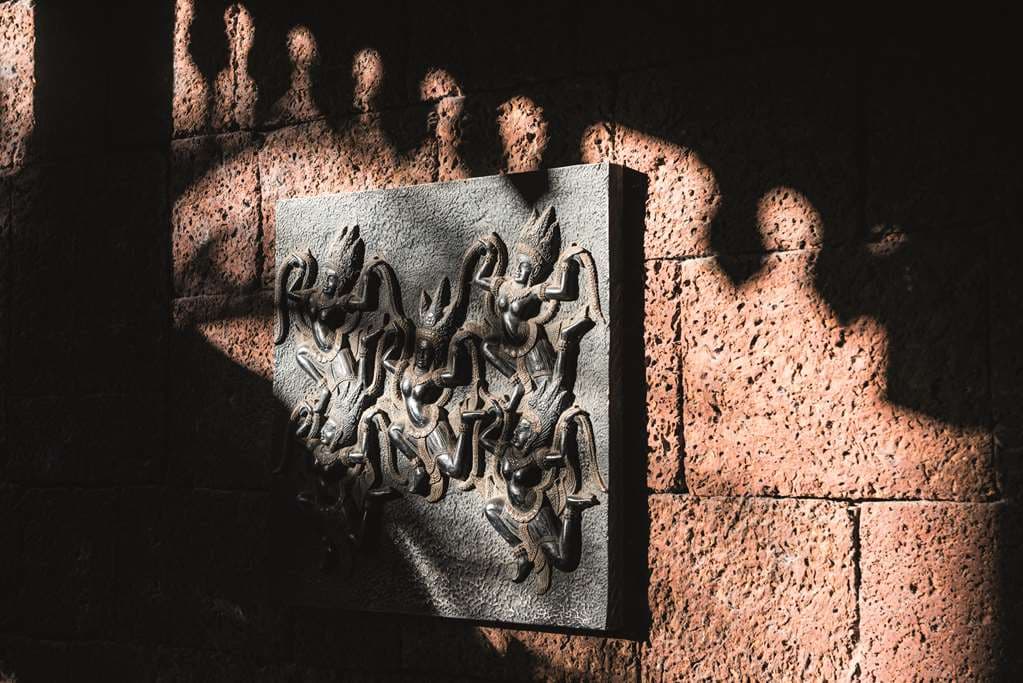
The grand dame of River Road has returned, and she’s looking sharper than ever. After a thoughtful refresh under HMD Asia, La Résidence d’Angkor proves that true style doesn’t need to shout. Unlike the faux-temple kitsch that plagues lesser properties, this enclave relies on the quiet confidence of dark hardwoods and cool local stone. The arrival experience—crossing the Lotus Walkway flanked by mirror-still ponds—remains one of the most effective blood-pressure reducers in Southeast Asia. Inside, the rooms are a study in restraint, though not without quirks. The mattresses lean towards the 'orthopedic' side of firm—great for your back after a day scrambling over Ta Prohm’s roots, less so if you prefer a marshmallow. And while the aesthetics are flawless, the lighting controls require a PhD to decipher at midnight. But all is forgiven by the pool: a saltwater rectangle of emerald tiles that feels less like a hotel amenity and more like a jungle cenote. Dining is the real surprise. Skip the Pub Street noise and settle into 'Spice Circle', where the Mekong Giant Prawns are grilled to smoky perfection. For lunch, 'Ember' serves organic salads with edible flowers that are almost too pretty to eat. It’s a sophisticated, leafy hideaway that respects its heritage without becoming a museum piece.
“Book a poolside terrace room for direct access to the emerald waters, but bring your own travel nightlight to combat the complex switch situation.”
Insider TipAvg. Nightly Rate
400USD
Forget the beige neutrality that plagues so many tropical sanctuaries. At Shinta Mani Angkor, maximalist architect Bill Bensley has orchestrated a monochromatic dreamscape that feels less like a hotel and more like a noir film set where you are the protagonist. The lobby is a high-contrast collision of Angkorian heritage and Art Deco swagger—think stark black-and-white chevron tiles, theatrically long corridors flanked by lotus ponds, and a brooding, sophisticated atmosphere that acts as an instant coolant against the Siem Reap humidity. The 39 rooms continue the narrative with retro-mirrored walls, custom iron artwork, and deliberate pops of saffron orange that mimic the robes of local monks. Yet, the style here serves a higher master: substance. As part of the property's definitive "Open Doors, Open Hearts" philosophy, your stay directly funds the Shinta Mani Foundation, supporting local education and small business loans. It is guilt-free indulgence in its truest form. Culinary experiences are equally stage-managed. At Kroya by Chef Chanrith, request the iconic outdoor swinging tables (resembling suspended beds) and brave the signature Red Ant Soup—a sharp, citrusy revelation that defines modern Khmer fine dining. For a nightcap, Bensley’s Bar offers a gin-forward menu where the "Open Heart" cocktail is the order of the evening. If the visual stimulation becomes too much, the Khmer Tonics Spa uses 100% chemical-free products derived from local medicinal plants to ground you. This is a rare design masterpiece that prioritizes its soul over its silhouette. **Verdict**: A visual knockout that delivers world-class service without the pretense.
“Secure a dinner reservation at Kroya specifically for the 'swinging tables' on the terrace at least two weeks in advance—they are the most coveted seats in Siem Reap.”
Insider TipAvg. Nightly Rate
167USD
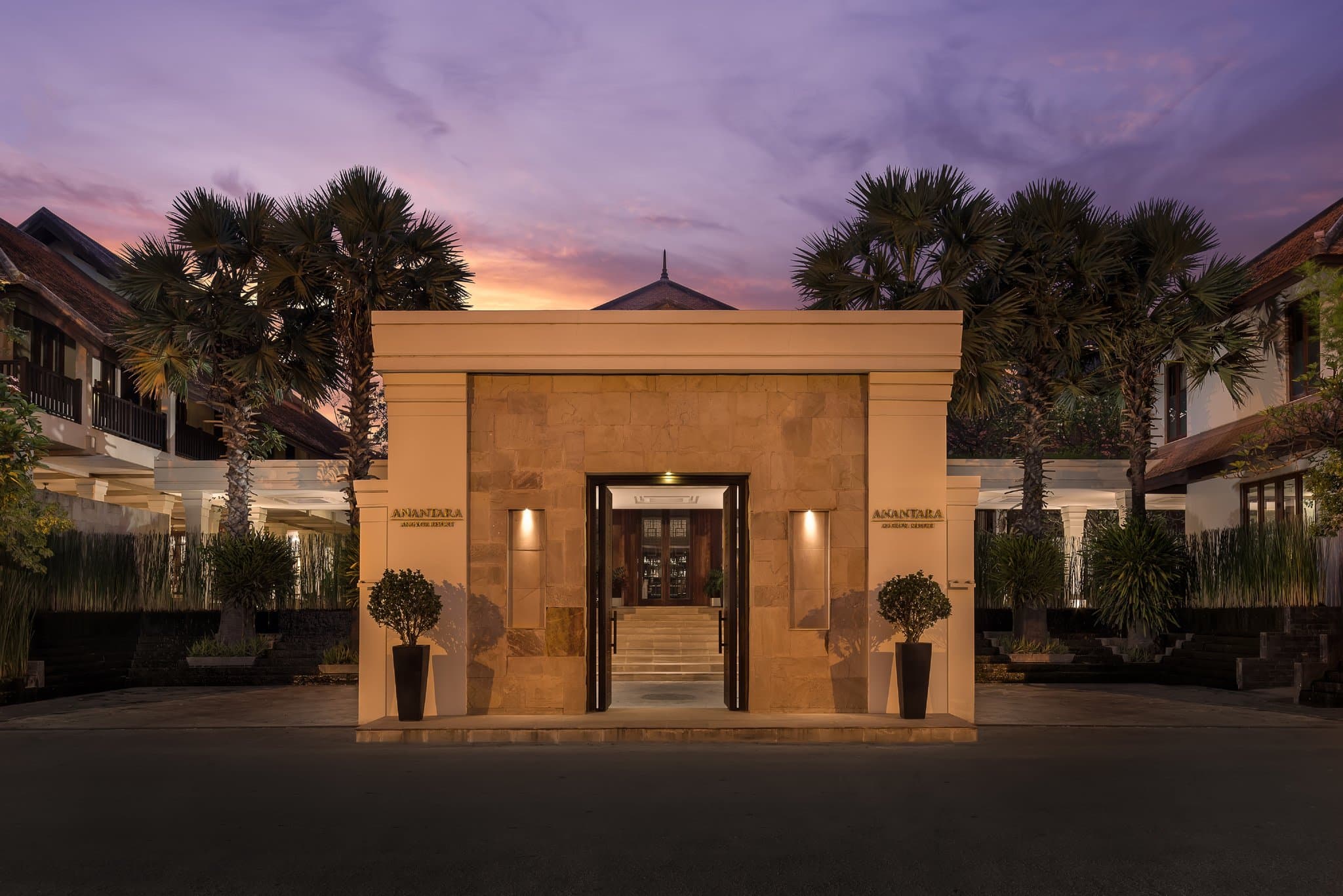
The arrival experience at Anantara Angkor Resort is a masterclass in juxtaposition. You turn off the dusty, chaotic expanse of National Road 6, and suddenly, the volume drops to zero. Sequestered behind high walls, this all-suite sanctuary operates with the hushed reverence of the temples it neighbors. The design doesn't scream; it whispers with heavy teak floors, hand-woven Khmer silks, and the kind of symmetrical, Frangipani-framed courtyard that makes you instinctively straighten your posture. Check-in is less a transaction and more a purification, anchored by a signature foot ritual that scrubs away the red dust of the commute. The suites are vast—starting at 46 square meters—and while some décor elements lean towards the traditional, details like the sandstone bas-relief headboards and *I Plus Q* natural amenities keep it grounded in local texture rather than generic luxury. The pièce de résistance is the 18-meter saltwater pool, a geometric mirror inspired by the royal Srah Srang baths. Dinner at Chi Restaurant is mandatory; the Mekong Lobster Tom Yum eschews tourist-palate dilution for a progressive, punchy broth that demands attention. It’s not the party hotel for the Pub Street crowd; it’s the decompression chamber for the temple pilgrim.
“Book a ground-floor Terrace Suite for direct pool access, but request one away from the lobby for maximum privacy. Don't skip the 'Dining by Design' option if you want a private courtyard dinner without the audience.”
Insider TipAvg. Nightly Rate
195USD
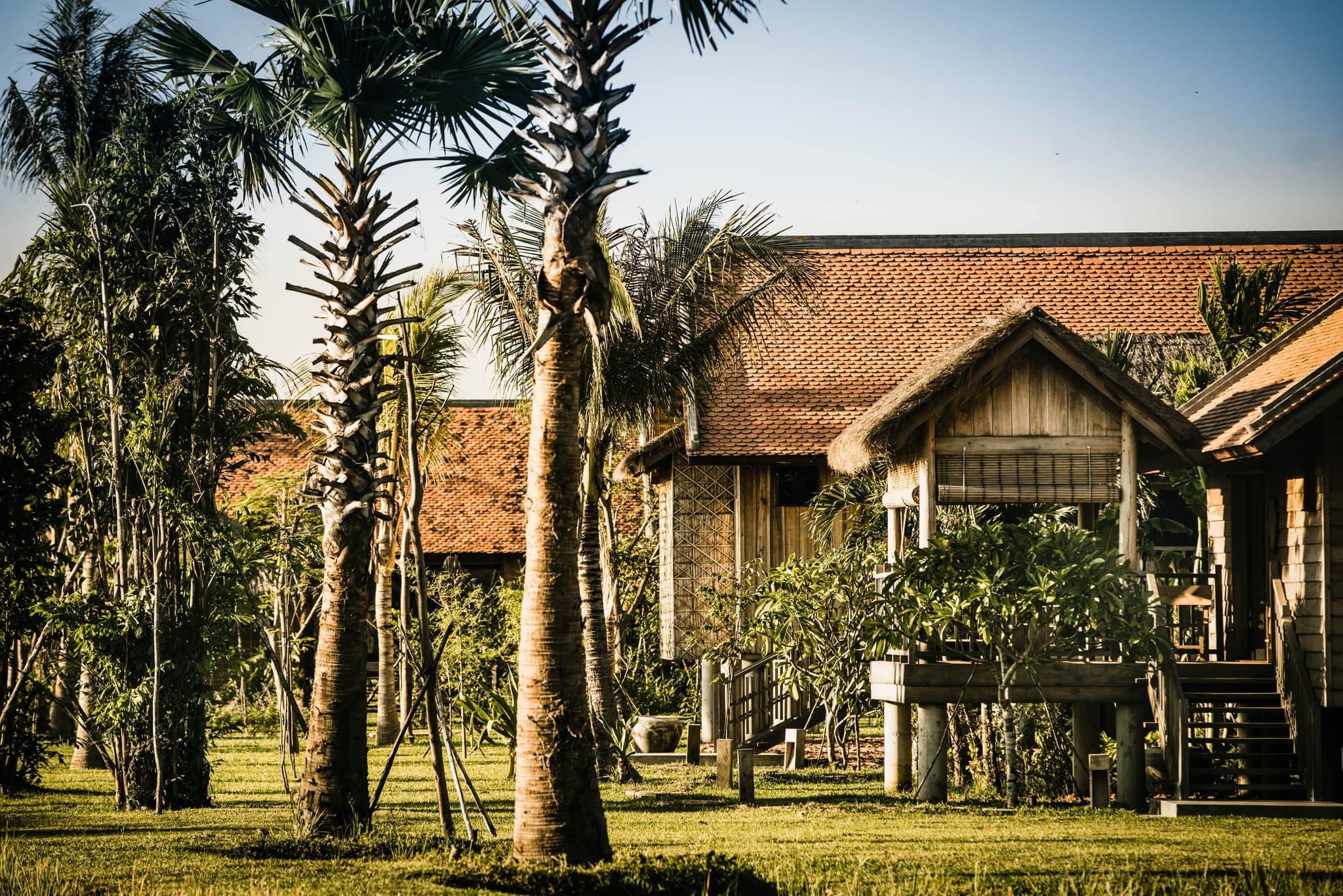
If you’re expecting a marble lobby or a chandelier-clad entrance near Angkor Wat, you’ve come to the wrong coordinates. Phum Baitang (literally 'Green Village') rejects the standard tropes of five-star hospitality in favor of something far more compelling: absolute, constructed authenticity. Zannier Hotels has erected 45 stilted wooden villas amidst eight acres of working rice paddies, creating a setting that feels less like a resort and more like a wealthy friend’s private estate in the Cambodian countryside. The design is masterfully restrained. Terrace Villas feature aged wood and thatch that whisper rather than shout, while the interiors are cooled by silent air-conditioning and outfitted with Zannier’s own botanical amenities. The real showstopper isn’t the room, though—it’s the Sunset Lounge, housed in a reclaimed century-old farmhouse where rattan wing chairs and oriental rugs evoke a cinematic 1920s nostalgia. Dining at Bay Phsar involves a 'street market' concept where you might order the crispy *Bangkia Bampong* (shrimp), while Hang Bay offers a more buttoned-up fusion menu—try the sea bass in Kampot pepper crust. Yes, the frog chorus at night is loud, and the price point is steep for the region, but floating in the 50-meter saltwater infinity pool as the sky turns violent violet makes every cent relevant.
“Skip the standard cocktails and order a 'Tomb Raider' at the Sunset Lounge strictly between 5:30 PM and 6:15 PM to catch the sun sinking behind the sugar palms.”
Insider TipAvg. Nightly Rate
500USD
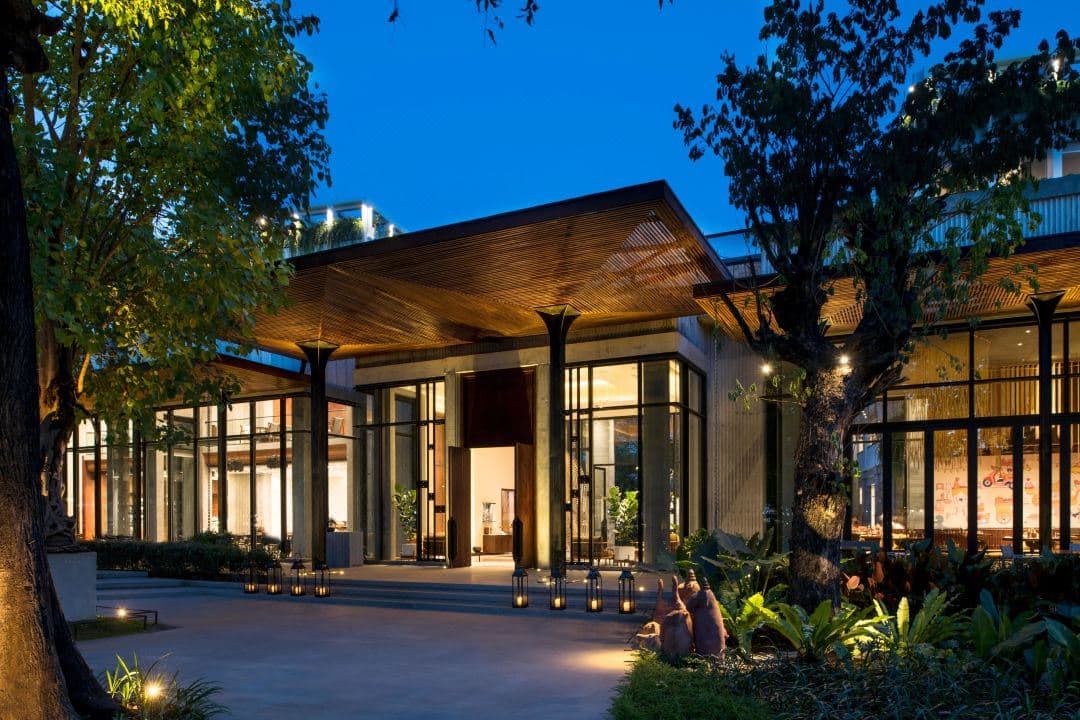
Forget the colonial-tropical clichés that dominate Siem Reap’s hospitality circuit. Treeline Urban Resort is a brutalist-botanic recalibration, a vision executed by Cambodian architect Hok Kang that treats the hotel as a living gallery. The arrival experience is less 'hotel lobby' and more 'private collection,' anchored by the 'Cosmic Wheel' sculpture in the central courtyard—a meditative void that dictates the property’s hushed, reverent atmosphere. Rooms are a study in sustainable restraint, rejecting single-use plastics for glass and local ceramics. The aesthetic is warm industrialism: native timber softening cool stone, with Sâmata & Kambio amenities adding a localized olfactory signature. It’s not just about looking good; the absence of on-site gym equipment (guests are shuttled to Angkor Fitness) is a calculated trade-off for the dedicated art spaces. Dining at Romiet isn't a mere afterthought. The Nom Krok (Cambodian rice cake dumplings) are street food elevated to porcelain-plate status, best followed by a Lychee Sparkler at the Canopy Bar. While the pool bar’s selection is tight, the saltwater infinity pool itself—hovering above the treeline with views of the Siem Reap River—offers the city’s finest sunset vantage point. Verdict? A sophisticated base camp for the design-literate traveler who prefers minimalism over mahogany.
“Book an outer-facing room to avoid the dimmer natural light of the inner courtyard units; the river-view rooms on the 2nd floor offer the best vantage.”
Insider TipAvg. Nightly Rate
109USD
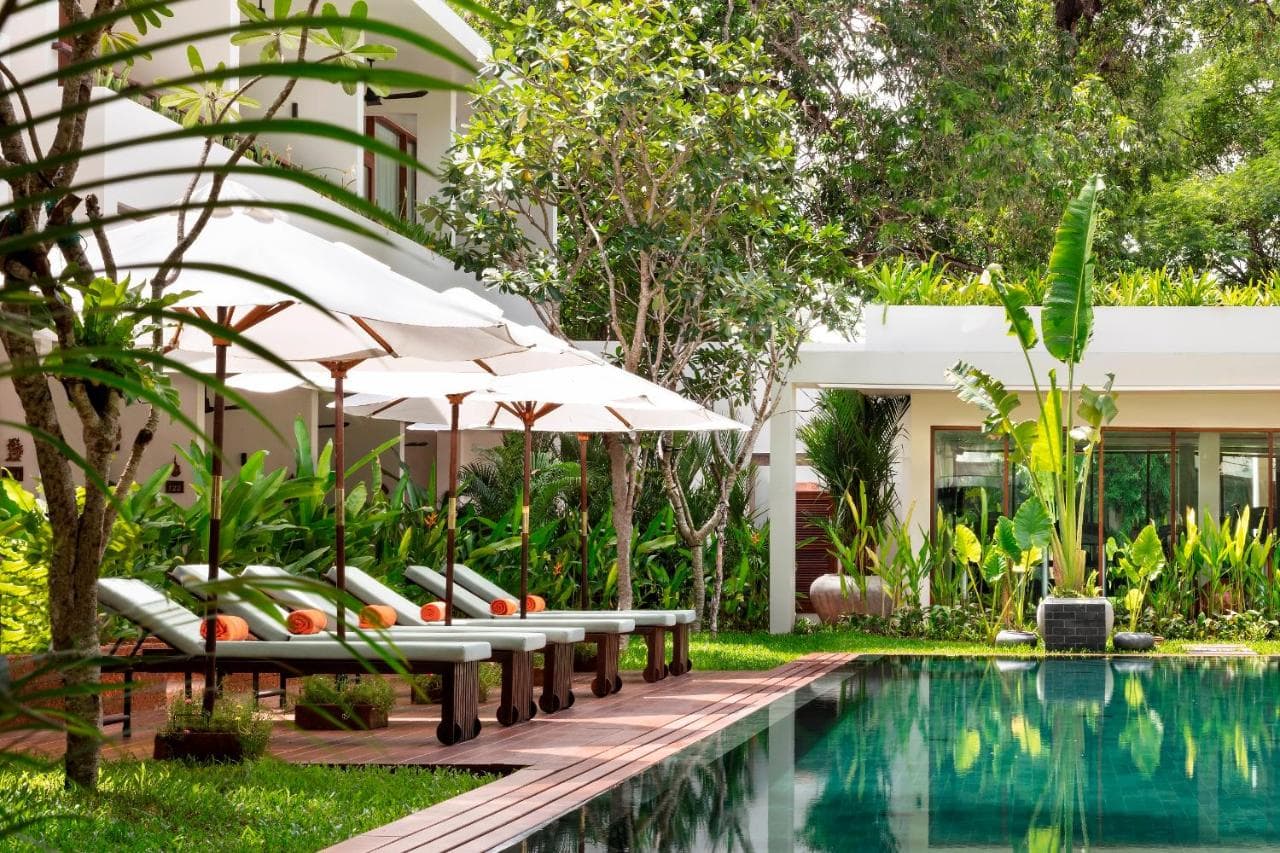
History hangs heavy in Siem Reap, but at FCC Angkor by Avani, it’s served with a twist of lime and a dash of contemporary cool. Once the residence of the French colonial governor and later the legendary watering hole for war correspondents filing dispatches on Cambodia’s turbulent 90s, the property has shed its dusty nostalgia for a razor-sharp renovation. The architecture is now a dialogue between the past and the jungle; the lobby is permeable, allowing the humid air and the lush greenery to drift through, blurring the lines between indoors and out. The rooms are a study in restraint—gone are the heavy brocades, replaced by hardwood floors, massive stone bathtubs, and retro typewriters that serve as cheeky nods to the hotel's literary lineage. While the Wi-Fi might occasionally stutter (a humble reminder you are in the tropics), the copper-lined amenities and high-pressure rain showers compensate. Dining at 'The Mansion' is non-negotiable. The Fish Amok is elevated here, stripped of tourist-trap cloyingness, though the Grilled Crickets remain a crunchy dare for the uninitiated. But the hotel’s pulse beats strongest at Scribe Bar. Sitting beneath the roots of a centuries-old banyan tree with a 'Pretty Writer' cocktail in hand, you aren't just a tourist; you're part of the furniture. It’s imperfect, organic, and infinitely more stylish than the sterile luxury bunkers down the road. Verdict: A triumphant revival that respects its ghosts while embracing the future.
“Request a room on the second floor of the new wing for a direct view of the banyan tree, but far enough to escape the Scribe Bar's evening chatter. Try the 'Kampot Pepper' treatment at Visaya Spa for a genuine sensory jolt.”
Insider TipAvg. Nightly Rate
150USD