No. 01
1 Vithel Charles De Gaulle. Siem Reap Cambodia nullSiem Reap293 verified reviews
9
.6
Bitvoya Edit
Layering imagery, place, and detail before the page opens.
Siem Reap is more than the gateway to Angkor Wat; it is a canvas of history painted with the brushstrokes of French colonial elegance and Khmer royalty. Our collection, "The Grand Dames," invites you to step back into a golden era of travel. These properties are not merely places to sleep; they are living museums located in the heart of the French Quarter and along the serene Siem Reap River.
From the iconic cage elevator of Raffles Grand Hotel d'Angkor to the stark mid-century modern lines of Amansara—formerly King Sihanouk’s guest villa—these hotels define character. Whether nestled near the Old Market or hidden within the lush gardens of the Wat Bo area, these historic sanctuaries offer a sophisticated retreat after exploring the temples.
Choosing a historic hotel in Siem Reap is about immersing yourself in the narrative of the city. Beyond the ancient stone of Angkor, there is a layer of 20th-century history that is best experienced through these "Grand Dames." Properties like the Raffles Grand Hotel d'Angkor and Sofitel Angkor Phokeethra Golf & Spa Resort offer a seamless blend of French Art Deco architecture and traditional Khmer hospitality. Staying here connects you to the explorers, royals, and dignitaries of the past. These hotels provide a sense of place that modern resorts simply cannot replicate, featuring high ceilings, tiled floors, and sprawling manicured lawns that whisper tales of a bygone era.
To fully experience the colonial charm, location is key. The French Quarter is the epicenter of this architectural heritage, housing properties like the Raffles and the Park Hyatt Siem Reap (formerly the Hotel de la Paix). This area offers walkable access to the Royal Gardens and the river. Another prime location is along the Siem Reap River leading towards the Old Market; here, hotels like La Résidence d'Angkor offer a wooden, vernacular take on luxury. For those seeking absolute privacy within a historical footprint, the enclosed compound of Amansara near the entrance to the Angkor Archaeological Park offers an exclusive sanctuary in the Old French Quarter.
The dry season from November to February is ideal, offering cooler temperatures perfect for exploring temples and enjoying outdoor hotel amenities like pools and gardens.
Yes, while they retain colonial charm, properties like Raffles and Park Hyatt are fully renovated with modern luxury amenities, high-speed Wi-Fi, and world-class spas.
Generally, resort casual is acceptable. However, for fine dining restaurants within hotels like Raffles or Amansara, smart casual attire (trousers and collared shirts) is recommended.
Explore our complete curated list of luxury accommodations, from boutique hideaways to grand dames.
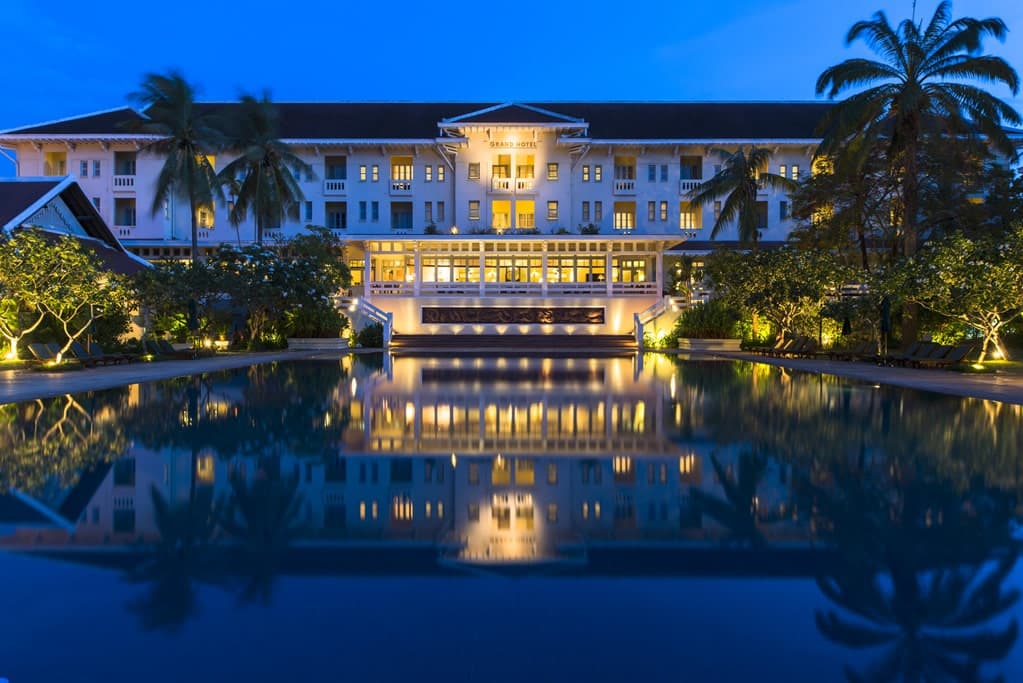
Explore All Siem Reap HotelsWhile Siem Reap’s hospitality scene teems with sleek, modernist upstarts, Raffles Grand Hotel d’Angkor refuses to drop the hem of her 1932 skirt. This is the undisputed matriarch of Cambodian luxury, a place where the air conditioning hums with history and the lobby’s original timber cage elevator still clatters upward, carrying guests—and perhaps a ghost or two—to rooms that feel resolutely analog. Fresh off a win in Travel + Leisure’s 2025 World’s Best Awards, the property remains a masterclass in colonial atmosphere, anchored by a 35-meter lap pool inspired by ancient Royal Baths—a staggering rectangle of water that makes modern infinity pools look trivial. However, 'historic' is occasionally code for 'compact.' The base State Rooms, clocking in at a tight 32 square meters, can feel more like a monk’s quarters than a royal suite, and the water pressure in the heritage bathrooms sometimes lacks the fervor of a monsoon. Yet, you forgive these quirks the moment a white-jacketed butler hands you an Airavata cocktail at the Elephant Bar. Dinner at Restaurant 1932 is non-negotiable; the signature 1932 Fish Amok is a culinary rite of passage. It’s not flawless, but in an era of generic glass boxes, this Dame’s imperfections are just part of her patina.
“Skip the standard State Rooms. Book a Landmark Room in the main building for high ceilings and direct access to that creaky, charming cage elevator.”
Insider TipAvg. Nightly Rate
300USD
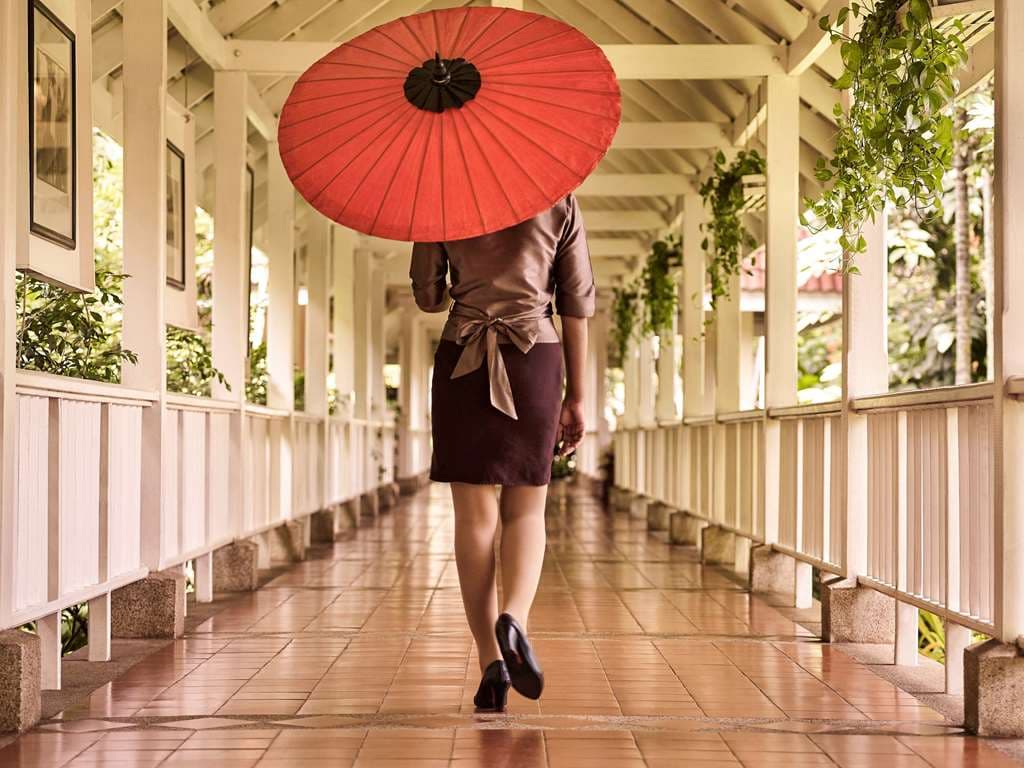
While Siem Reap’s energy often centers on the neon pulse of Pub Street, the city’s true aristocratic heart beats quietly behind the gates of the Sofitel Angkor Phokeethra. This isn't just a hotel; it’s a sprawling 1960s-style estate that feels less like a resort and more like a French colonial diplomat’s private compound. The sheer scale of the botanical gardens—lush, manicured, and teeming with life—immediately lowers your heart rate after a dusty day at the temples. The rooms lean into a classic aesthetic—think dark woods and heritage tiles rather than stark minimalism. While tech-obsessed travelers might bemoan the scarcity of bedside USB ports, the trade-off is a palpable sense of history. A note to the sensitive sleeper: the mattresses are firm in the traditional European style, so do as the regulars do and request a plush topper upon check-in. Dining here is an event. Skip the city bustle for at least one evening to dine at Mouhot’s Dream, where the French Duck Leg Confit rivals anything in Paris. But the property’s crown jewel is the lagoon pool—the largest in Cambodia—where the swim-up Serpent Bar offers the ultimate post-Angkor cool down. It’s a Grand Dame that refuses to chase trends, preferring instead to perfect the art of timeless luxury.
“Book a table for the Champagne High Tea at Explorer's Tales to wait out the midday heat, and ask the concierge specifically for a room in the Lagoon Wing for the best sunrise views over the water.”
Insider TipAvg. Nightly Rate
181USD
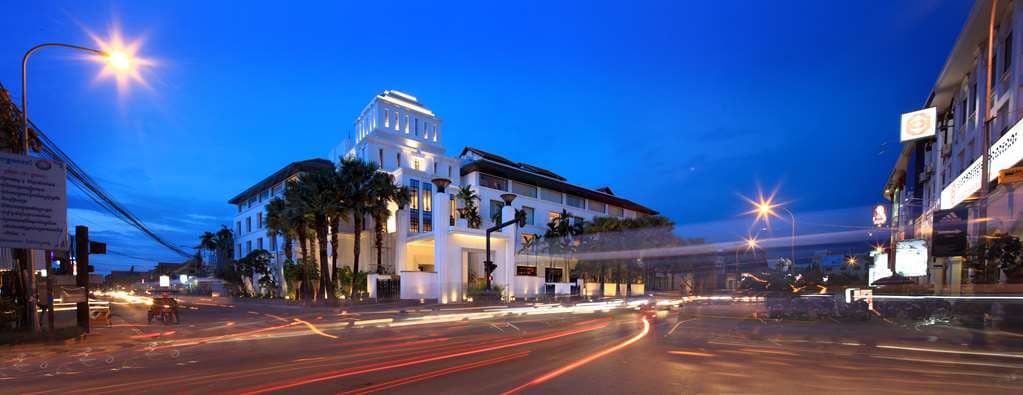
If walls could talk, these would whisper of Bill Bensley’s monochromatic fever dreams. Rising from the bones of the beloved Hotel de la Paix, the Park Hyatt Siem Reap doesn't just occupy a corner near the Old Market; it commands it. The stark white, Art Deco-inspired façade acts as a portal, transporting you from the humid chaos of Pub Street into a monastic void centered around a centuries-old Banyan tree. Inside, the vibe is less 'hotel' and more 'wealthy colonial eccentric’s estate.' Rooms are exercises in restraint—think dark woods and Khmer accents—but the bathrooms are pure indulgence with Italian marble and Pevonia Botanica amenities. For dinner, skip the overpriced club sandwich and commit to The Dining Room, where the Amok Trey (fish amok) arrives with the gravity of a religious ritual—fitting, given the property just snagged a One Michelin Key for 2025. The two saltwater pools offer a reprieve from the temple heat; the free-form infinity pool, with its suspended swings, is the property's visual anchor. It’s a sophisticated urban sanctuary that feels decades older—and wiser—than its current iteration.
“Request a room facing the central courtyard to hear the evening Apsara dance music from your balcony, or snag the swings by the free-form pool for the ultimate golden hour photo.”
Insider TipAvg. Nightly Rate
184USD
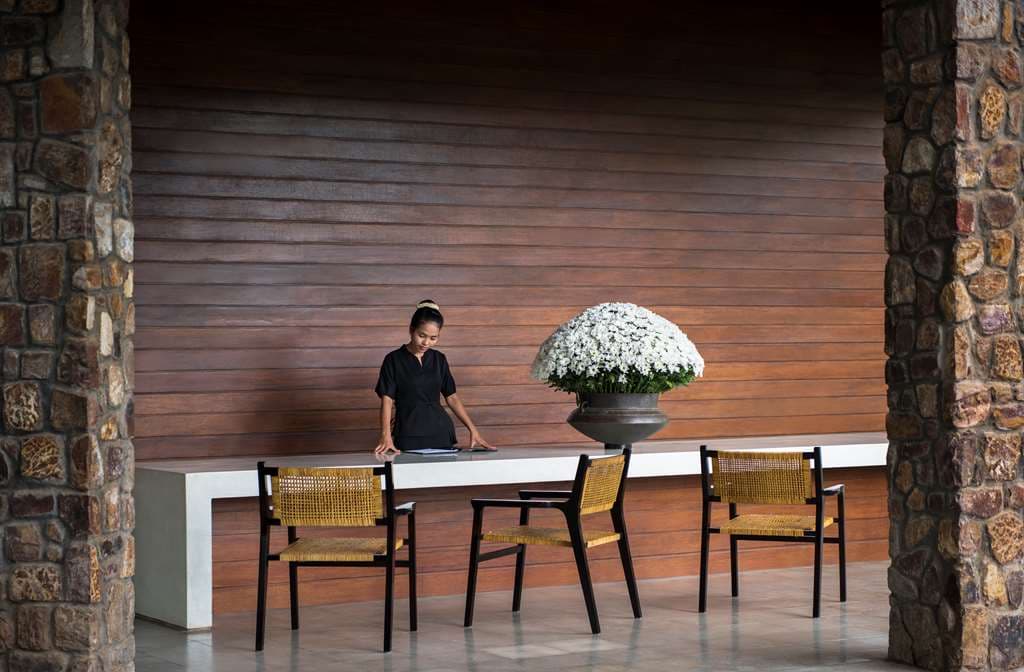
If James Bond were to meditate, he’d do it here. Arriving at Amansara in the property’s 1965 black Mercedes limousine sets a cinematic tone that never wavers. This isn't just a hotel; it is a masterclass in 'New Khmer' modernism, originally commissioned in 1962 by King Sihanouk as a guest villa for visiting dignitaries like Jackie Kennedy. The design, by French architect Laurent Mondet (and restored by Kerry Hill), is a stark, monochromatic triumphs of low-slung lines and silence. The 24 suites are studies in restraint—terrazzo floors, island bathtubs, and private courtyards that feel miles away from the dusty chaos of Siem Reap. There are no televisions, a deliberate omission that forces you to engage with the Zen-like stillness. Days begin with a private remork (tuk-tuk) tour to Angkor Wat before the crowds arrive—a hallmark Aman privilege. Dining is equally atmospheric; the circular Dining Room, with its soaring 7-meter ceiling, serves a refined *Beef Cheek Saraman Curry*, though the real insider move is the rustic charcoal-cooked breakfast at the Khmer Village House. At $2,000 a night, the price is eye-watering, but for those seeking the ghost of 1960s royal glamour, it is unrivaled.
“Book the 'Khmer Village House' breakfast early in your stay for authentic *Nom Ben Chok* noodles overlooking the royal bathing pool of Sra Srang.”
Insider TipAvg. Nightly Rate
1650USD
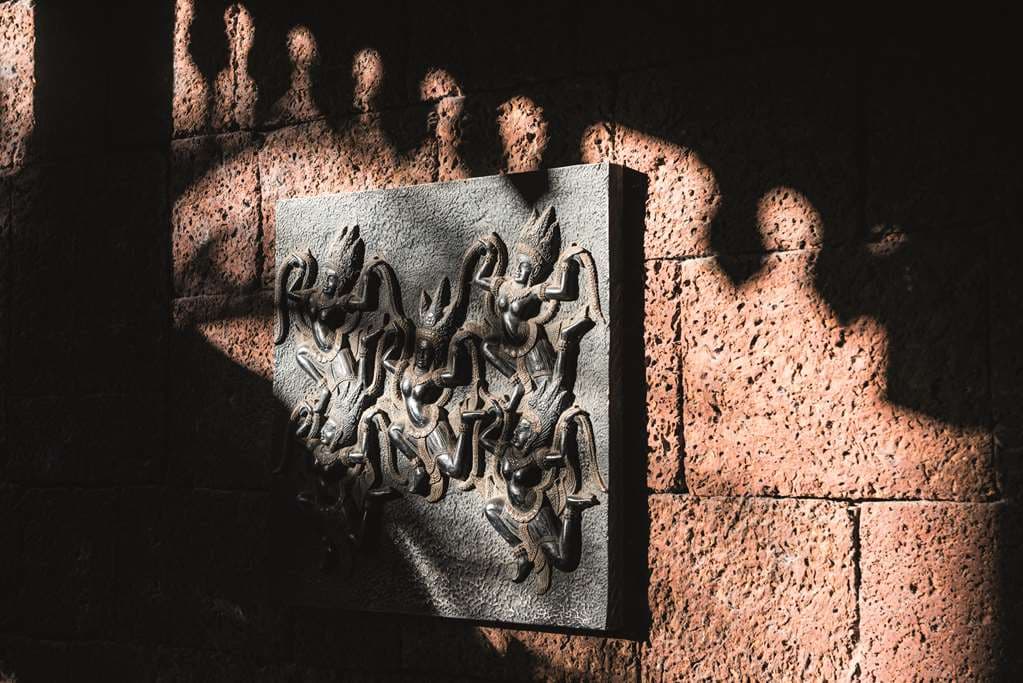
Freed from big-chain management, La Résidence d'Angkor feels less like a hotel and more like the private estate of a 1950s diplomat. Located in the French Quarter, this independent grande dame is a masterclass in Khmer-chic woodcraft—teak, basalt, and bamboo envelop you the moment you cross the lotus-flanked entrance bridge. It is quiet, moody, and deeply atmospheric. The rooms are studies in hardwood elegance, though they come with quirks: the lighting controls require a degree in engineering to master, and the mattresses are unapologetically firm (perfect for posture, less so for cloud-sleepers). The real draw is the exterior. The emerald-tiled saltwater pool, hidden behind high walls, is a leafy, Zen-like sanctuary where staff materialize with iced treats before you even ask. Dining has sharpened its edge. ‘Spice Circle’ delivers a knockout Giant Mekong Prawn curry, while ‘Ember’ serves organic salads with edible flowers that feel almost too pretty to eat. It’s not flawless—check your mosquito netting for gaps—but it remains the most romantic address on River Road.
“Request a 'Poolside Terrace' room on the ground floor. You lose the balcony view, but you gain direct access to the emerald pool for a pre-breakfast dip.”
Insider TipAvg. Nightly Rate
400USD
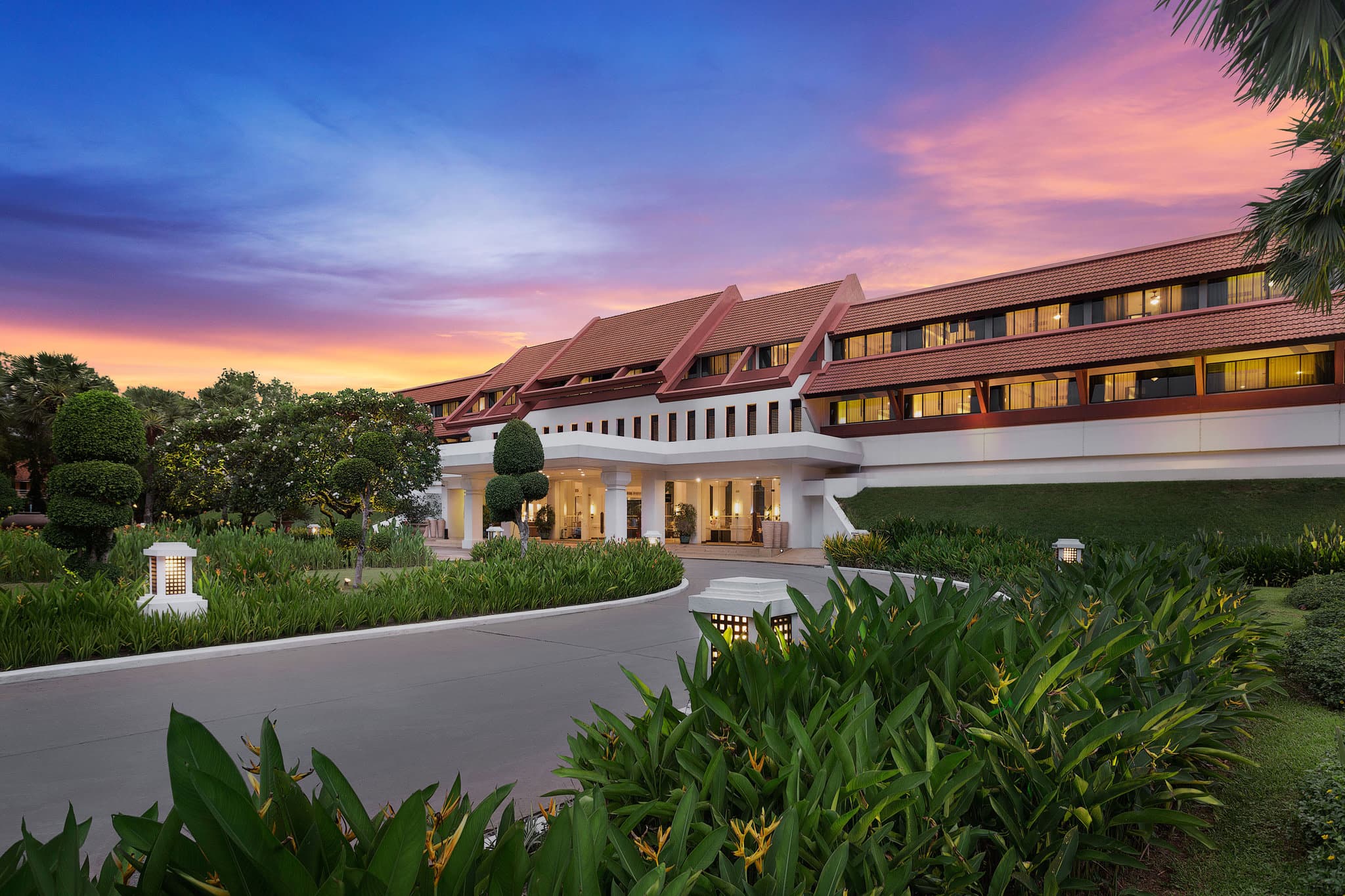
Currently shuttered for a metamorphosis, Le Méridien Angkor remains a phantom limb of Siem Reap’s hospitality scene—a structure so composed it feels impossible to ignore, even in hibernation. While the nearby temples of Angkor Wat crumble with dignity, this hotel’s 2004 colonial-pastiche facade has always maintained a rigid, almost governmental crispness. Before the doors locked for this extensive renovation, the property was the definition of reliable grandeur. The lobby colonnade, with its soaring ceilings and dramatic backlighting, felt less like a hotel entrance and more like a diplomatic receiving line. The rooms, notorious for their unopenable windows (a hermetically sealed escape from the humidity), offered a solace of polished timber and 400-thread count linens that felt distinctly European. But the real loss during this closure is the pool—a geometric marvel inspired by the Srah Srang royal baths, flanked by stone Nagas and cascading waterfalls that drowned out the tuk-tuk chaos outside. Regulars miss the Zuppa Di Pesce at L’Angelo, the city’s stalwart for Northern Italian dining when one tired of Fish Amok. We wait with bated breath to see if the eventual reopening retains the Jurlique spa amenities and the quiet, stone-cold elegance, or if modernization will soften its stiff, historic upper lip.
“Since bookings are currently suspended, walk the adjacent Royal Gardens at dusk to capture the same colonial-era atmospheric calm that defined the hotel's location.”
Insider TipAvg. Nightly Rate
Check
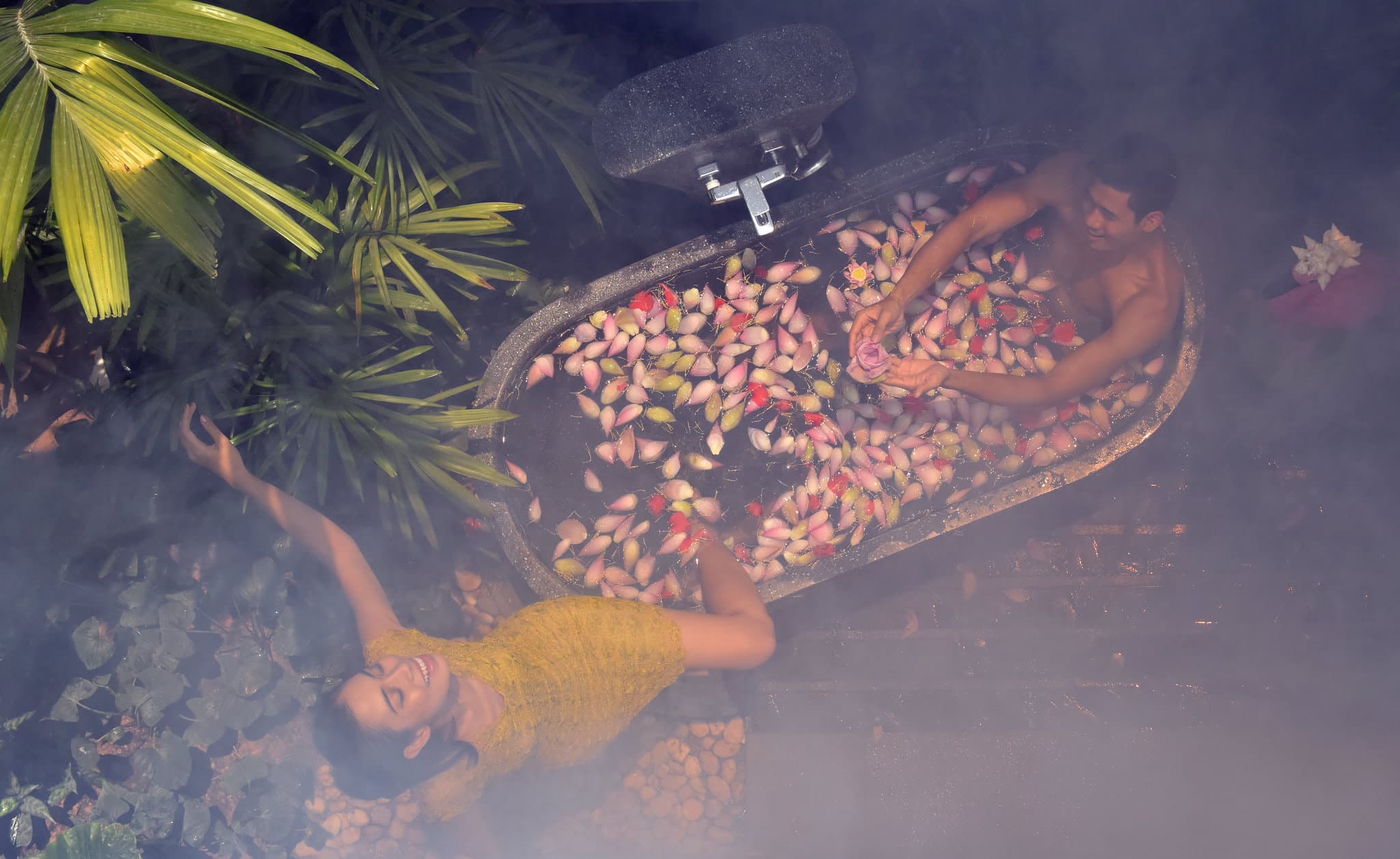
While Siem Reap’s French Quarter teems with colonial ghosts, Shinta Mani Angkor refuses to simply whisper the past—it remixes it with a theatrical, monochromatic roar. Designed by the maximalist maestro Bill Bensley, this property eschews the beige tropes of tropical luxury for a striking Art Deco noir aesthetic. The lobby alone is a moody masterpiece of black-and-white tiling and towering columns, setting a stage where guests feel less like tourists and more like characters in a stylish 1930s thriller. The rooms continue this high-contrast drama, featuring Angkorian-inspired artwork and retro touches that feel curated rather than cataloged. But the true heart of the hotel lies in its refusal to be just a pretty face; the hospitality is deeply rooted in the Shinta Mani Foundation. Staff, many of whom are graduates of the on-site hospitality school, deliver service that is technically flawless yet disarmingly genuine—a philosophy they call 'Open Doors, Open Hearts'. Dining here is an event. At Kroya by Chef Chanrith, the famous swinging tables suspended over a lotus pond offer the city's most coveted al fresco experience. You must order the signature 26-day aged Beef Lok Lak—a sophisticated elevation of the Khmer staple that rivals any steakhouse cut. Between the Technogym-equipped fitness center and the chemical-free Khmer Tonics spa, the hotel balances indulgence with modern wellness. It’s a sophisticated sanctuary that proves history doesn’t have to be dusty to be grand.
“Secure a swinging bed-table at Kroya for dinner at least 48 hours in advance—they are the most requested seats in Siem Reap. Also, request a room on the upper floors for better views of the signature black-tiled pool.”
Insider TipAvg. Nightly Rate
167USD