No. 01

National Road 6, No 0369 Banteay Chas, Slokram Siem Reap, Cambodia 17259
Siem Reap651 verified reviews
9
.0
Bitvoya Edit
Layering imagery, place, and detail before the page opens.
Siem Reap is more than the gateway to Angkor Wat; it is a spiritual epicenter where ancient Khmer healing traditions meet modern luxury. In this curated collection, we explore sanctuaries designed for profound rejuvenation. From the bustling, colonial-chic streets of the Old French Quarter where properties like Park Hyatt Siem Reap reside, to the secluded, verdant outskirts near the ancient temples where Amansara and Phum Baitang offer total isolation, the city is a haven for wellness seekers. These properties do not just offer massages; they provide holistic journeys involving indigenous herbs, meditation, and the serene backdrop of the Cambodian jungle, inviting you to reconnect with your inner self in one of Asia's most spiritual destinations.
Siem Reap operates at a different frequency than other Southeast Asian capitals. The omnipresence of the Angkor temples instills a sense of reverence and calm that permeates the city's luxury hospitality sector. Wellness here draws deeply from Khmer traditional medicine, utilizing indigenous ingredients like lemongrass, ginger, and turmeric. Resorts like Phum Baitang (Zannier Hotels) and Amansara leverage their expansive grounds to create 'jungle spas'—sanctuaries where treatments are performed in open-air pavilions surrounded by tropical flora, allowing the sounds of nature to enhance the therapeutic process.
Expect a fusion of ritual and result. High-end spas in Siem Reap, such as those at Anantara Angkor Resort, often begin treatments with a floral foot bath and a blessing ceremony. The 'jungle spa' concept means architecture that blurs the line between indoors and outdoors. You can anticipate treatments that address travel fatigue and spiritual exhaustion, often incorporating meditation or yoga sessions facing the sunrise over the paddy fields or temple ruins.
Khmer healing focuses on restoring internal balance using 'Kru Khmer' wisdom, incorporating herbal steams with ingredients like turmeric, plai, and lemongrass, distinct from Thai or Balinese massage styles.
Amansara and Le Méridien Angkor are among the closest luxury properties to the Angkor Archaeological Park entrance, allowing for easy access to sunrise tours.
For absolute silence and a 'jungle' feel, choose the outskirts (Phum Baitang). For accessibility to dining and markets paired with urban spas, the French Quarter (Park Hyatt) is ideal.
Explore our complete curated list of luxury accommodations, from boutique hideaways to grand dames.
Explore All Siem Reap HotelsWhile newer properties in Siem Reap chase minimalist beige, Borei Angkor remains unapologetically, gloriously maximalist. It feels less like a hotel and more like the summer residence of a Cambodian diplomat. The aesthetic is heavy on golden silk and dark wood, a deliberate nod to the 'Royal Khmer' hospitality that earned its Royal Suite the 'Cambodia's Leading Hotel Suite 2025' title at the World Travel Awards. The real draw, however, is the Mudita Spa. Skip the standard oil massage and demand the traditional 'J’pong' treatment—a herbal steam ritual using indigenous roots that hits you with a level of intensity Western saunas can't match. Afterward, the transition to dinner at The Pavilion for the Royal Khmer set menu feels almost ceremonial. For a curveball, the Ox Club on-site serves surprisingly precise Japanese-European fusion; the beef tataki is a revelation in a city known for amok. Yes, the mattresses lean towards the traditional firm side (read: very firm), but the service—which anticipates needs before you articulate them—softens the edges.
“Book the twilight J'pong session (around 5 PM) at Mudita Spa; the herbal steam clears the sinuses perfectly before a heavy dinner at The Pavilion.”
Insider TipAvg. Nightly Rate
74USD
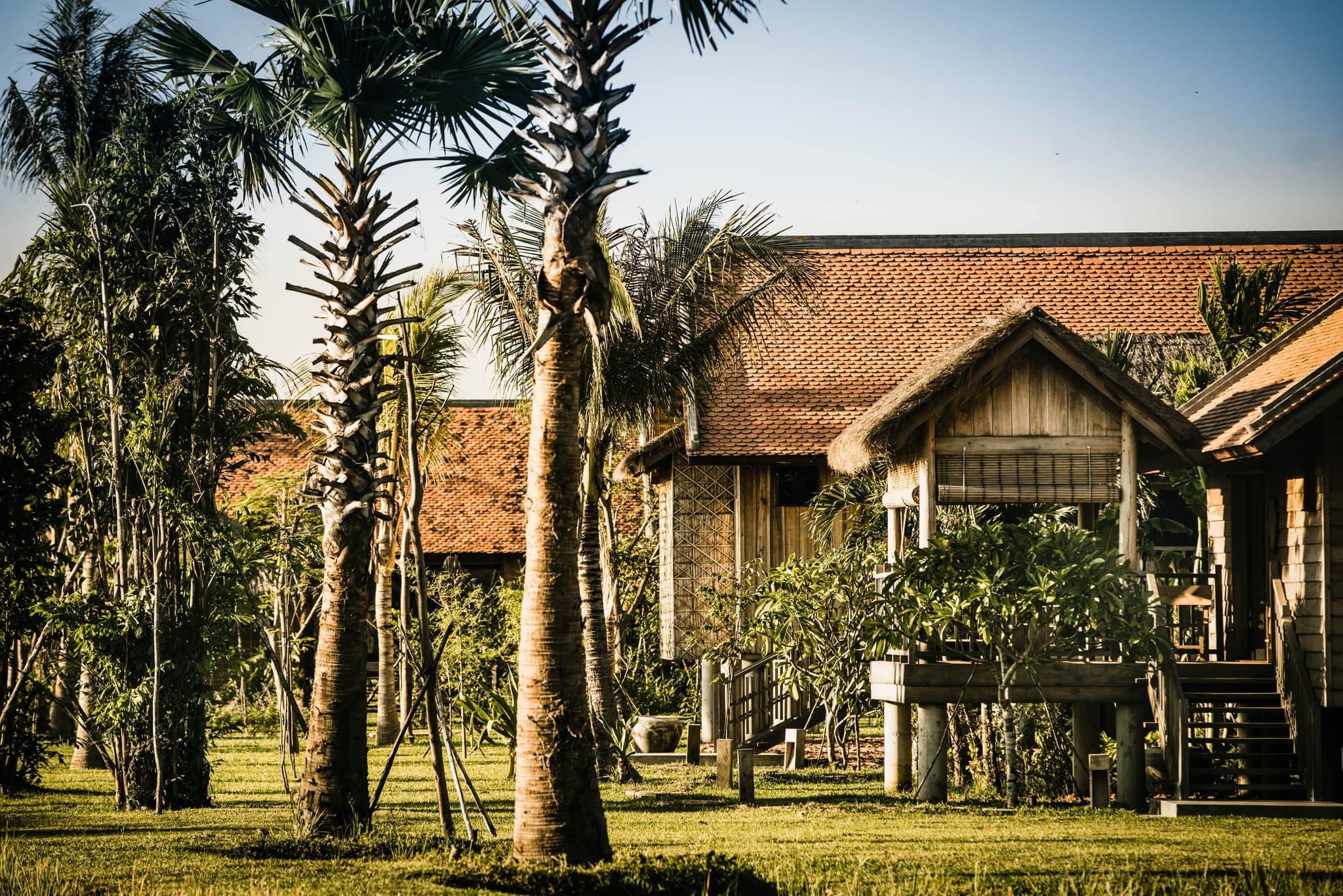
It feels entirely organic, this sprawling hamlet of 45 stilted villas rising from an active sea of green rice paddies. But make no mistake: Phum Baitang is a masterclass in set design, a 'green village' so meticulously curated it outshines the real thing. Zannier Hotels has conjured a rustic-chic fantasy where the weathered 'farmhouses' conceal 400-thread count linens, state-of-the-art sound systems, and cavernous, eggshell-smooth stone bathtubs. The villas are the stars, offering a silence so profound it’s only broken by the nightly chorus of frogs and the gentle chew of the resort's two resident water buffaloes. Dining splits into two narratives: *Hang Bay* for polished fusion—where the salt-crusted sea bass is non-negotiable—and *Bay Phsar* for 'street food' that requires a silver fork. The *Bangkia Bampong* (crispy shrimp) is the definitive order here. While the 50-meter saltwater infinity pool offers a cinematic reflection of the palms, the service is the true luxury: telepathic, appearing only when your Nespresso pod runs dry or your glass empties. It is a bubble, yes. But it’s a bubble you’ll never want to burst.
“Skip the main pool at dusk. Instead, claim a rattan wing chair in the Sunset Lounge—a repurposed 100-year-old farmhouse—and order a cocktail spiced with local Kampot pepper.”
Insider TipAvg. Nightly Rate
500USD
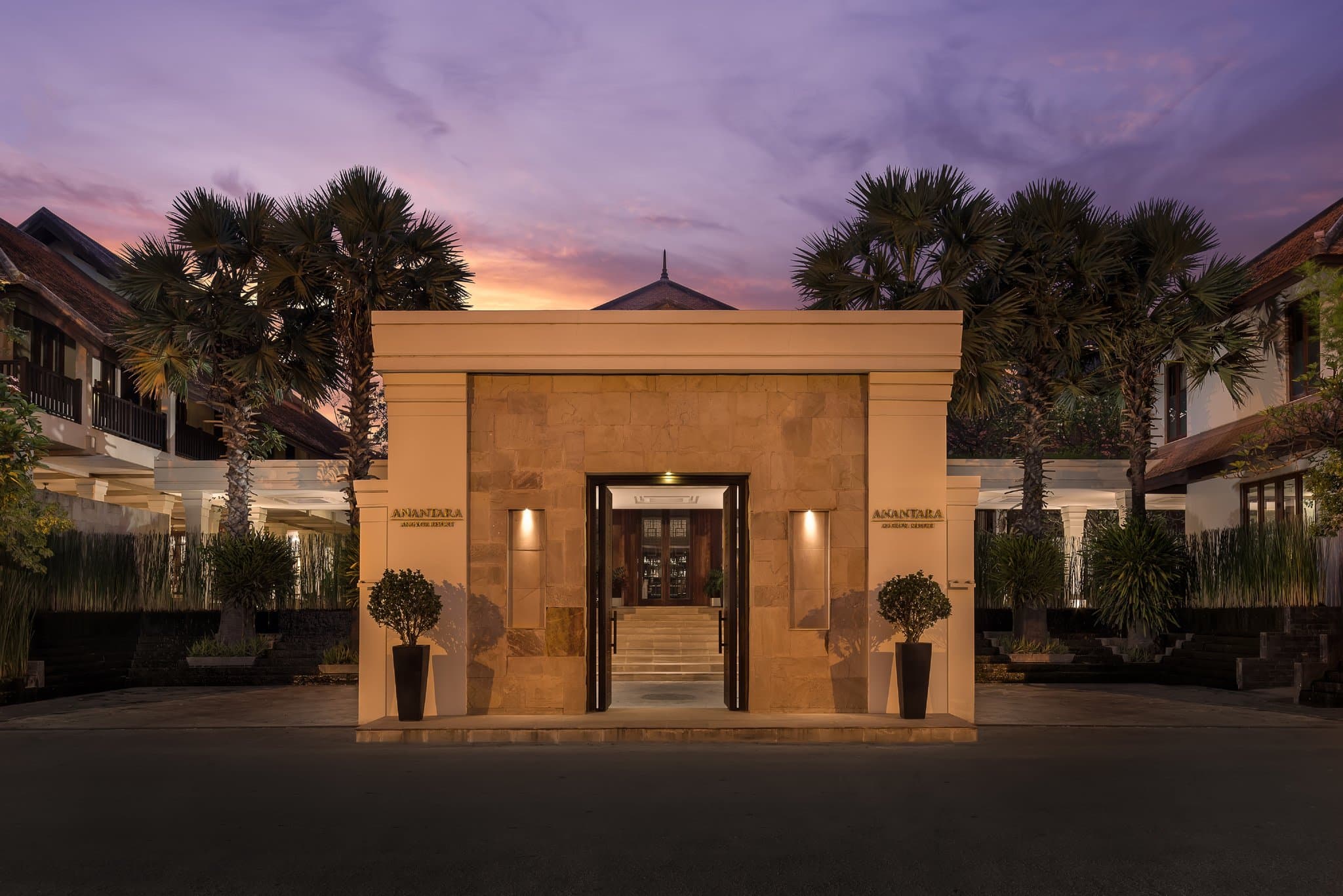
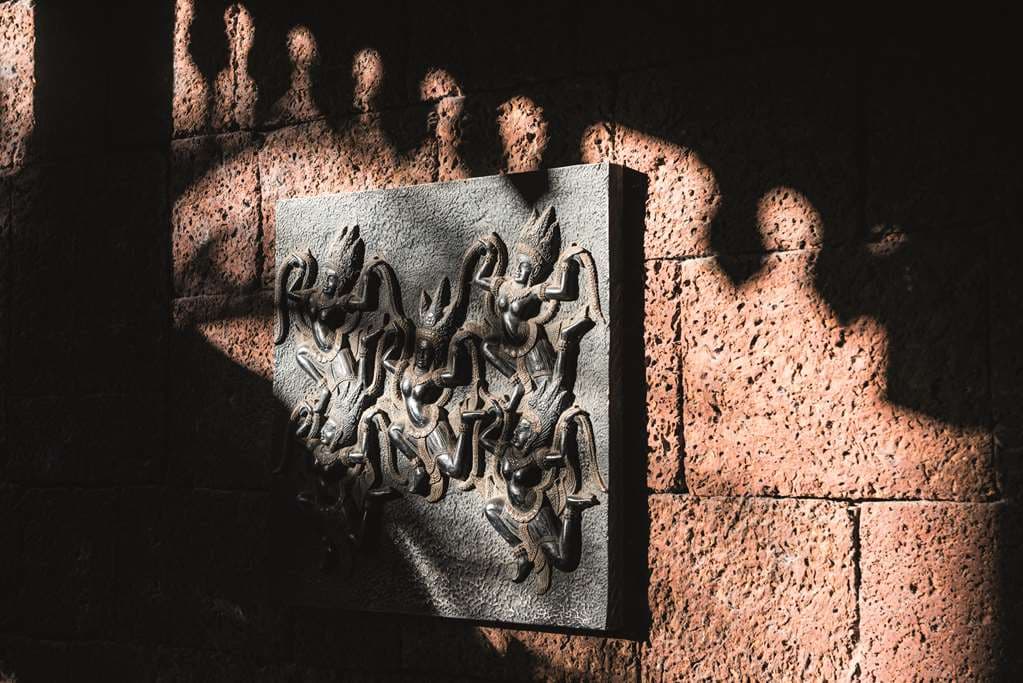
Forget the backpacker freneticism of Pub Street. Behind the high, whitewashed walls of Anantara Angkor, the frequency shifts immediately. You don’t simply check in; you undergo a purification—specifically, a signature foot ritual that scrubs away the red dust of the airport with a grace that sets the tone for the entire stay. This is an all-suite enclave, intimate enough to feel like the private estate of a colonial diplomat, yet devoid of the dusty nostalgia that plagues its peers. The architecture demands your attention not with height, but with symmetry. The saltwater pool, a geometric echo of the Srah Srang royal baths, anchors the courtyard, flanked by frangipani trees that drop blossoms onto the water like clockwork. Inside, the suites (a generous 46 sqm minimum) are a study in teak and silk. Ask for the Henri Mouhot Suite if you want a sandstone bas-relief headboard that rivals the temples themselves. Dining here isn't a mere convenience. At Chi Restaurant & Bar, the Mekong Lobster Tom Yum delivers a spice profile that is sharp, progressive, and unapologetic. Follow it with a 'Twelve Temples' cocktail at Road 6 Bar—a drink that’s practically a history lesson in a glass. But the real draw is the wellness integration. The spa doesn't rely on generic imports; using organic I Plus Q products, the Khmer-style massage here is less of a rubdown and more of a structural realignment. **Verdict**: A monastic retreat for those who prefer their temple run with a side of absolute, 400-thread-count silence.
“Request a second-floor Sothea Suite overlooking the central pool; the elevation grants you a private balcony view of the pool's perfect symmetry at sunrise.”
Insider TipAvg. Nightly Rate
195USD
If the nearby Raffles is the grande dame of Siem Reap, La Résidence d’Angkor is her brooding, artistic younger sister. No longer under the Belmond flag, this independent riverside fortress feels less like a hotel and more like a private Khmer estate that just happens to have Technogym equipment. You cross the moat-like Lotus Walkway and the chaos of Siem Reap simply evaporates. The architecture is a love letter to dark teak and basalt, framing a courtyard that feels ancient despite the Dyson-level modern amenities. The centerpiece is the emerald-tiled saltwater pool, shrouded in such dense foliage that you might forget you’re in a city center until you step out onto River Road. Rooms are serious about wood—floors, walls, shutters—creating a moody, low-light cocoon that’s brilliant for sleeping off jet lag, though the lighting controls are so complex they require a PhD to operate. A warning for the sweet-blooded: the mosquito nets are romantic but occasionally permeable, so layer the provided repellent. Dining at Spice Circle is non-negotiable; the Mekong Giant Prawns and Scallops are grilled to a smoky char that rivals any street food, while Ember offers a lighter, organic reprieve with edible flower salads. Service remains telepathic—poolside treats appear before you ask—proving that while the brand name has changed, the soul of this sanctuary hasn't aged a day. It is a masterclass in quiet luxury.
“Book a ground-floor Garden Terrace suite for direct pool access, but ask for one away from the Ember restaurant for absolute silence during breakfast service.”
Insider TipAvg. Nightly Rate
400USD
If James Bond were a Buddhist monk, he’d stay at Amansara. Hidden behind an unassuming white wall in Siem Reap, this isn’t just a hotel; it’s the ghost of 1960s Cambodian optimism, resurrected by Kerry Hill. Formerly the guest villa of King Sihanouk, the property eschews the colonial cliches of swaying fans and wicker for stark, sun-bleached terrazzo and low-slung New Khmer modernism. Your arrival sets the tone: a 1962 vintage Mercedes limousine collects you, whisking you away from the dusty tuk-tuk chaos into a zen-like compound of just 24 suites. The rooms are exercises in monochromatic restraint—expect open-plan layouts, private courtyards, and an almost militant dedication to silence. There are no TVs to distract you; instead, you have the hum of the cicadas and a deep soaking tub. Dining is a bifurcated affair. The circular Dining Room, with its soaring 7-meter ceiling, serves a competent Beef Cheek Saraman Curry, but the real magic happens at the rustic Khmer Village House, where you’ll eat charcoal-grilled breakfast noodles (Nom Ben Chok) overlooking the royal bathing pool. Wellness here goes beyond the usual lavender-scented platitudes; the spa employs blind therapists whose intuitive touch makes the walking meditation sessions feel redundant. It’s undeniably expensive, but for the privacy and the surreal, time-capsule atmosphere, it is peerless.
“Request the 'Water Blessing' at a local pagoda—arranged by the concierge—for a genuinely spiritual (and soaking wet) start to your temple run.”
Insider TipAvg. Nightly Rate
1650USD
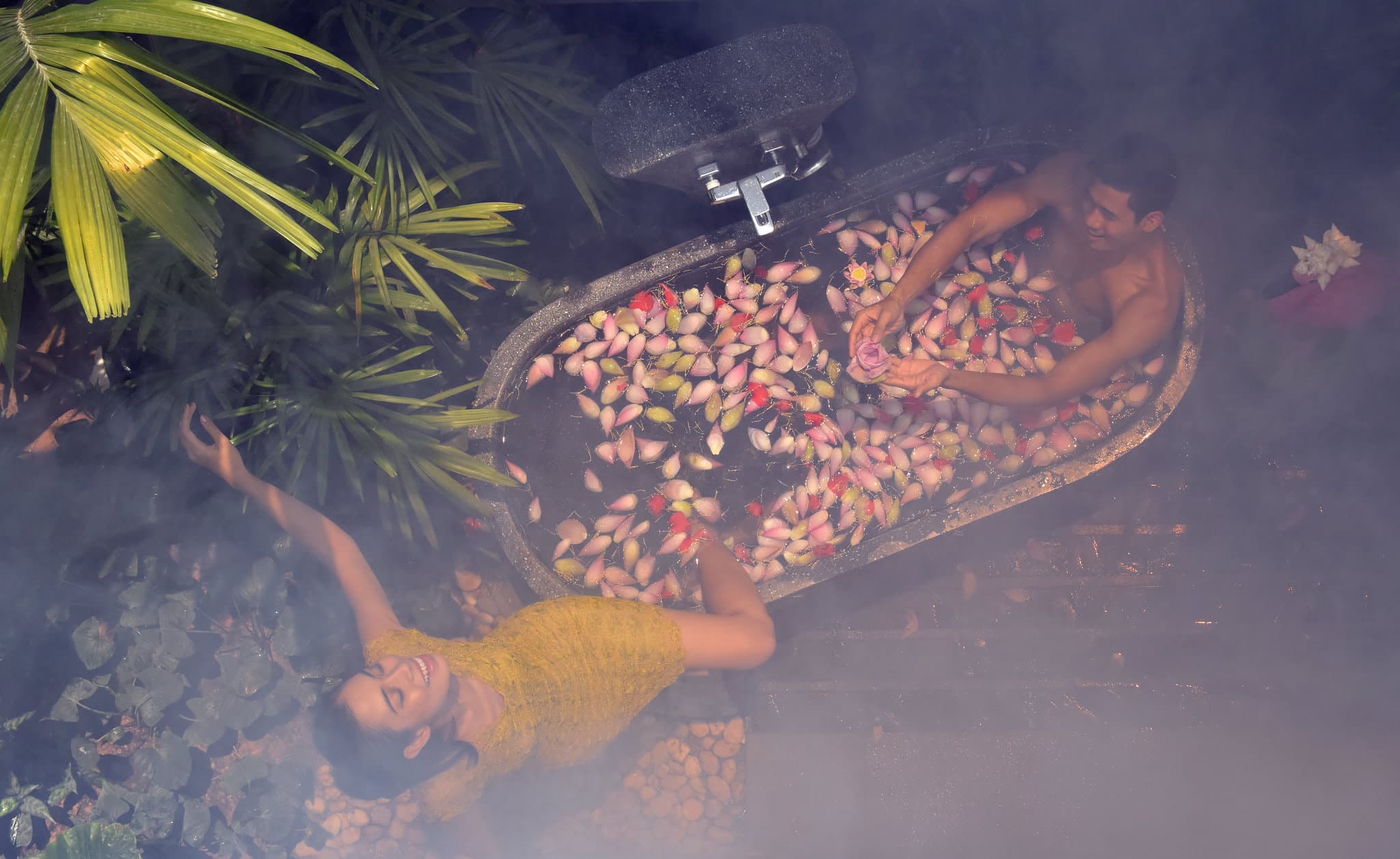
Siem Reap often feels like a contest of who can be the most reverent to the ruins, but Shinta Mani Angkor prefers to be a high-fashion counterpoint. Designed by the maximalist maestro Bill Bensley, this property doesn't just sit in the French Quarter; it strikes a pose. The aesthetic is a monochromatic fever dream—a disciplined palette of black, white, and geometric lines that feels like Art Deco went on a tropical sabbatical. The central courtyard is the visual anchor, dominated by a 20-meter lap pool lined in striking black tiles that reflect the lush, overhanging palms like a dark mirror. It’s moody, theatrical, and exceptionally cooling after a dusty morning at Bayon. Inside, the rooms are a lesson in tactile luxury, featuring mirrored walls, bespoke ironwork, and artwork inspired by King Jayavarman VII. Culinary efforts here are serious. 'Kroya by Chef Chanrith' serves a 26-day aged Beef Lok Lak that redefines the national dish, best enjoyed from the restaurant’s famous swinging outdoor beds. For wellness, the Khmer Tonics Spa is militant about its ingredients—rejecting Western chemical shortcuts for 100% organic, locally foraged medicinal plants. The service is equally distinct; the staff are often graduates of the Shinta Mani Foundation, lending a genuine warmth to the hospitality that feels less like training and more like gratitude. This is stylish charity without the preachiness, and easily the most photogenic stay in town.
“Request a ground-floor room in the Angkor Wing for direct pool access, but ensure you book the 'swinging beds' at Kroya for dinner at least 24 hours in advance—they are the most coveted seats in Siem Reap.”
Insider TipAvg. Nightly Rate
167USD
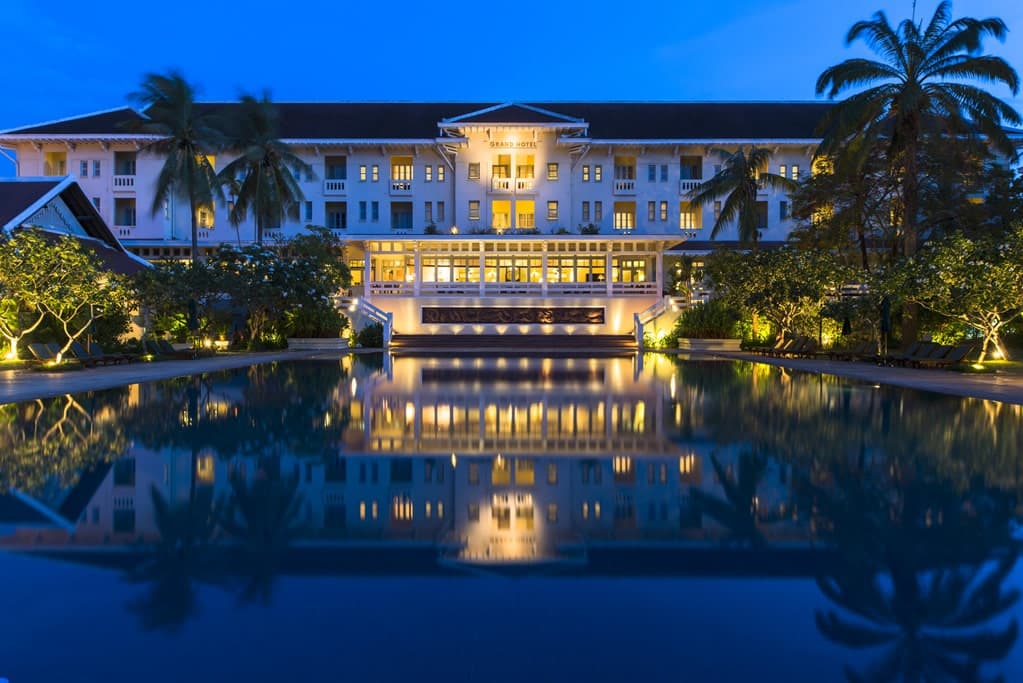
Drop your bags; the Grand Dame has been expecting you since 1932. Arrival here is a cinematic affair, heralded by doormen in uniforms inspired by the Royal Palace—check their trousers; the color changes daily (orange means it’s Monday). While new contenders chase minimalism, Raffles Grand Hotel d'Angkor doubles down on history. This isn't just a hotel; it’s a time capsule with a working 1930s timber cage elevator and 15 acres of manicured French gardens that silence the city's buzz. The wellness game here is surprisingly robust for a heritage property. Forget the cramped plunge pools of the boutique set; the 35-meter lap pool is a masterpiece inspired by the ancient Royal Baths, perfect for decompressing after a dusty Angkor dawn. Inside the spa, treatments ditch the woo-woo for clinical efficacy using Dermalogica products, though the real therapy is sipping an Airavata cocktail at the Elephant Bar. Base rooms can feel intimate by modern standards, but the trade-off is creaky hardwood floors and authentic Art Deco soul you can’t manufacture. It’s imperfect, expensive, and absolutely essential.
“Pay attention to the doormen’s trousers—they change color every day of the week in accordance with ancient Khmer royal tradition (e.g., Orange for Monday, Purple for Tuesday).”
Insider TipAvg. Nightly Rate
300USD
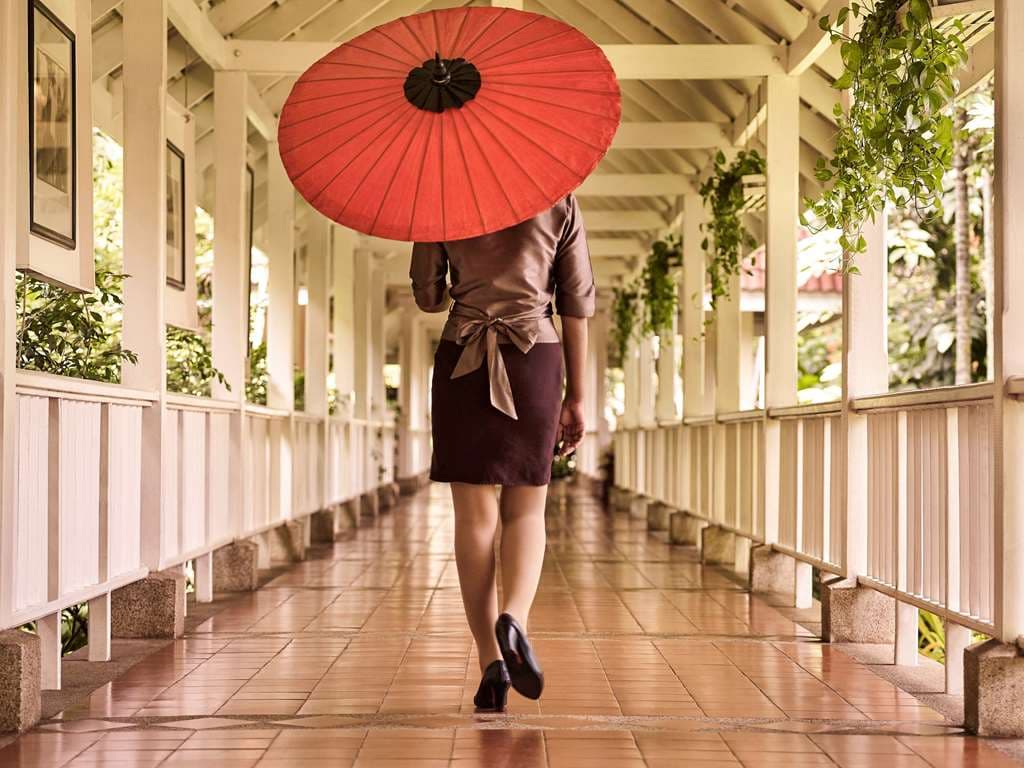
Charles de Gaulle Avenue is a dusty gauntlet of tuk-tuks, making the silence behind the Sofitel’s gates feel almost conspiratorial. This isn’t a boutique hotel; it is a botanical fortress. While newer Siem Reap properties chase concrete minimalism, the Sofitel remains unapologetically grand, smelling of lemongrass and old money. The 238 rooms lean heavily into their colonial history—dark timber floors and ceiling fans—which some might find dated, but the sheer scale feels luxurious. A word to the wise: the mattresses are historically firm. Call housekeeping for a topper immediately; they handle the request with military precision. The resort’s center of gravity is the lagoon pool, a free-form aquatic landscape that demands a slow afternoon. Dinner at Mouhot’s Dream offers a reprieve from the heat, where the pan-fried scallops are served with a French ceremony that rivals the temples’ grandeur. The SoSPA, stocking L’Occitane products, is non-negotiable. It’s a reminder that even on the edge of the ancient Khmer empire, the brand’s commitment to French standards never wavers. This is the choice for travelers who want their jungle adventure sanitized, polished, and served on a silver platter.
“The beds are notoriously firm; request a mattress topper ('sur-matelas') upon check-in for a plush sleep experience.”
Insider TipAvg. Nightly Rate
181USD
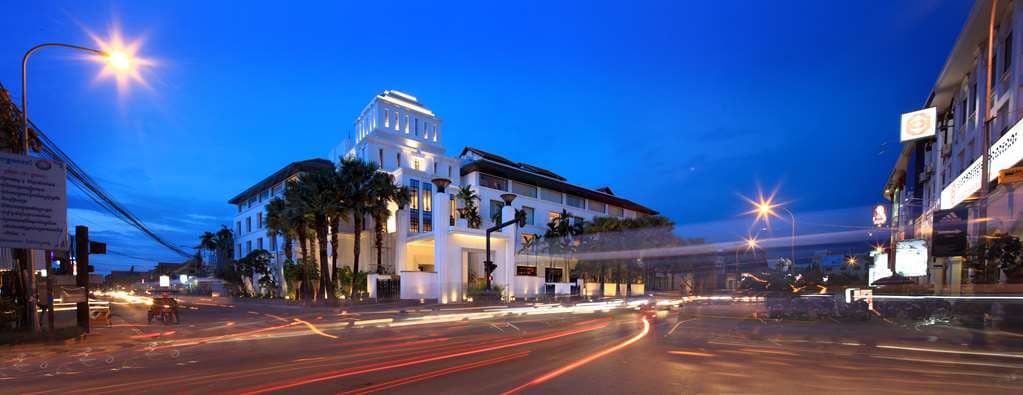
The Park Hyatt Siem Reap stands as a masterclass in contrasts. While the neon pulse of Pub Street beats just a block away, this Bill Bensley-designed property operates as an impenetrable Art Deco fortress. The transition is abrupt and deliberate: you step off the dusty street, past the stark white façade, and into a circular atrium that feels more like a contemporary gallery than a hotel lobby. The centerpiece isn’t the check-in desk, but the ancient banyan tree anchoring the central courtyard, around which the entire property orbits. It is a study in monochromatic chic—black and white marble floors, Khmer sculptural accents, and high ceilings that circulate the humid Cambodian air. The rooms are equally substantial, featuring Italian marble bathrooms and bespoke Khmer artwork, though the real draw is the ground-floor suites with private plunge pools that feel illicitly secluded. Dining here is an exercise in refined tradition. ‘The Dining Room’ elevates the humble Amok Trey (fish curry) into a delicate mousse-like texture wrapped in banana leaf, arguably the finest iteration in the city. The service is hyper-personalized; staff don't just remember your name, they remember your preference for iced coffee over hot. It is not merely a place to sleep after Angkor Wat; it is a sophisticated urban sanctuary that demands you pause.
“Don't skip breakfast: keep an eye out for the roaming therapists offering complimentary shoulder massages while you sip your fresh coconut water.”
Insider TipAvg. Nightly Rate
184USD