No. 01
Building 13 No 79 East Jinshan Suzhou ChinaSuzhou49 verified reviews
9
.0
Bitvoya Edit
Layering imagery, place, and detail before the page opens.
Suzhou is not merely a city of canals and gardens; it is the historic heart of high culture in the Yangtze Delta, where the 'Scholar's Table' represents a lifestyle of refinement. This collection invites you to explore the intersection of classical gardens and modern luxury. From the bustling avenues of the Suzhou Industrial Park (SIP) surrounding Jinji Lake to the tranquil, mist-covered shores of Taihu Lake, our curated selection of properties offers more than just a stay. Immerse yourself in the delicate flavors of Su cuisine, characterized by its subtle sweetness and seasonality, and participate in authentic Biluochun tea ceremonies. Whether nestled in the historic Gusu District or the avant-garde W Suzhou, prepare for a sensory journey through the Venice of the East.
Suzhou offers a unique juxtaposition where ancient scholarly traditions meet ultra-modern luxury. For the epicurean traveler, this city is the birthplace of 'Su Bang Cai' (Suzhou Cuisine), one of China's eight great culinary traditions, known for its emphasis on fresh, seasonal aquatic ingredients and delicate knife work. Choosing Suzhou for this journey means walking in the footsteps of poets and scholars who sought inspiration in the clarity of Biluochun tea and the complexity of sweet-and-sour Mandarin fish. Properties like the **Tsingpu Suzhou Retreat** and **The Hanyu Garden Reserve** are not just hotels; they are cultural institutions that curate immersive experiences, from tea foraging to guqin performances, ensuring your stay is deeply rooted in local heritage.
Expect a culinary landscape defined by the mantra 'eating according to the season.' In spring, the focus is on Biluochun tea harvested from the Dongting mountains; in autumn, the hairy crab from Yangcheng Lake becomes the centerpiece of every banquet. Hotels in our collection elevate these staples with white-glove service. Anticipate private dining rooms overlooking meticulously manicured gardens at **Tonino Lamborghini Hotel Suzhou**, and wellness menus at retreats that align food with Traditional Chinese Medicine principles.
Spring, specifically March and April, is ideal as it is the harvest season for Suzhou's famous Biluochun green tea, allowing guests to participate in picking and tasting fresh tea.
The Four Seasons Hotel Suzhou, W Suzhou, and The Ritz-Carlton, Suzhou are renowned for their panoramic views of Jinji Lake and the modern city skyline.
Su Cuisine (Su Bang Cai) is known for its sweet tone, meticulous preparation, emphasis on fresh river fish and shellfish, and seasonal vegetables.
Explore our complete curated list of luxury accommodations, from boutique hideaways to grand dames.
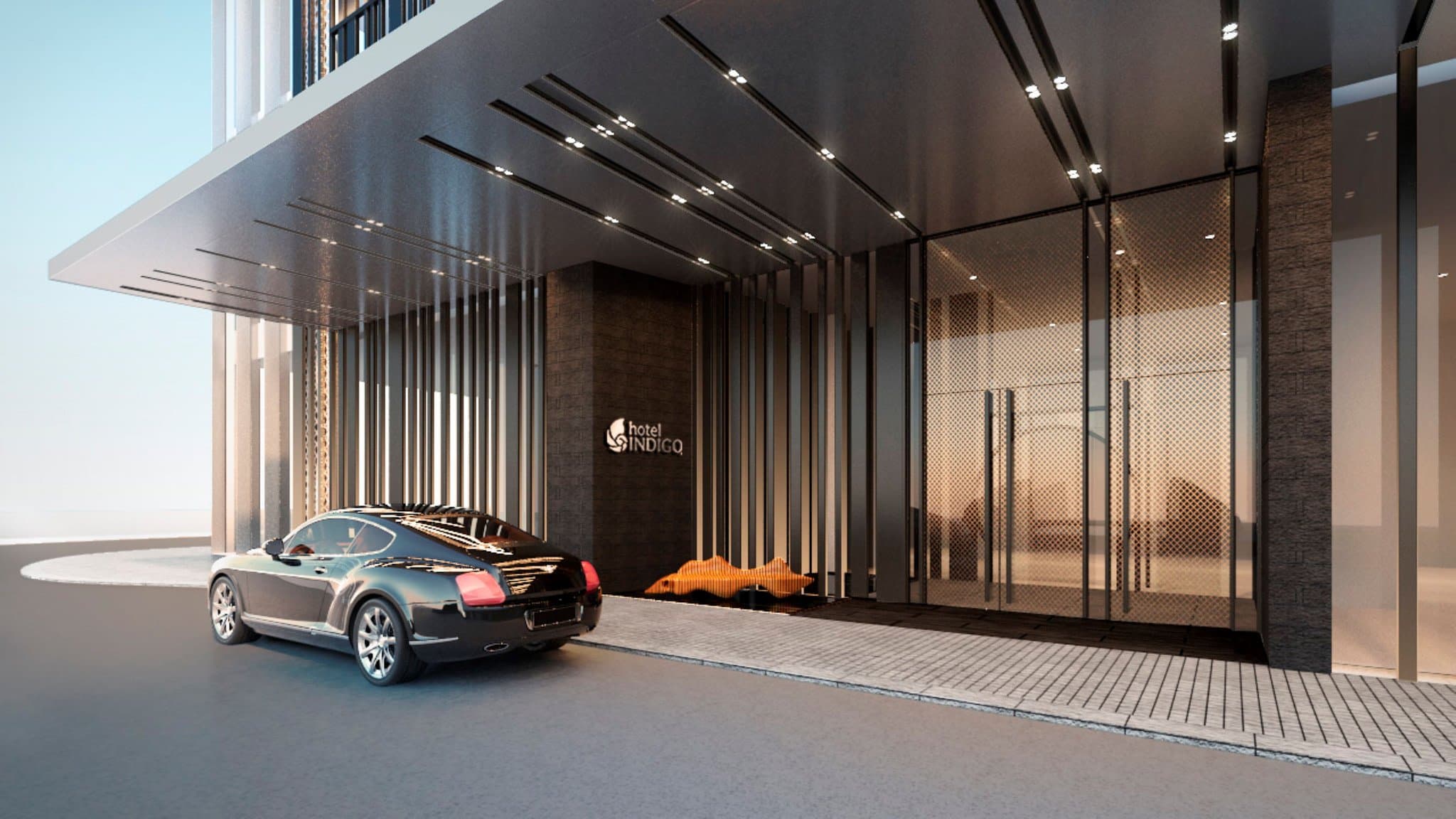
Explore All Suzhou HotelsSuzhou’s narrative has always flowed along the Grand Canal, but the Hotel Indigo Suzhou Grand Canal rewrites the perspective from the top 14 floors of the Longfor Center. Forget the clichéd garden retreat; this is a vertiginous dive into the city’s silk-trading pedigree, designed by HBA to mimic the Emperor Qianlong’s southern tours. The arrival experience is less about a lobby and more about a cinematic dissolve—arched wooden entryways recall ancient stone bridges, guiding you to elevators that shoot you 46 stories up. Inside the rooms, the aesthetic is strictly curated: botanical wall art and geometric rugs play against the dark wood furniture, avoiding the heavy-handed 'orientalism' often found in the region. The real showstopper is the bathroom, where mosaic walls and colored glass screens create a kaleidoscope effect while you soak. It’s not all aesthetics; the 44th-floor indoor infinity pool features boat-shaped daybeds that actually feel private. Dining at PIER 46 is a serious affair—skip the buffet and order the Australian M3 Wagyu Sirloin or the Lobster Bisque while watching the barges drift silently, miles below. It’s a sharp, modern loom weaving the city’s merchant past with its vertical future.
“The elevators require a transfer at the 46th floor to reach guest rooms—use this pause to grab a cocktail at PIER 46 before heading to your suite.”
Insider TipAvg. Nightly Rate
78USD
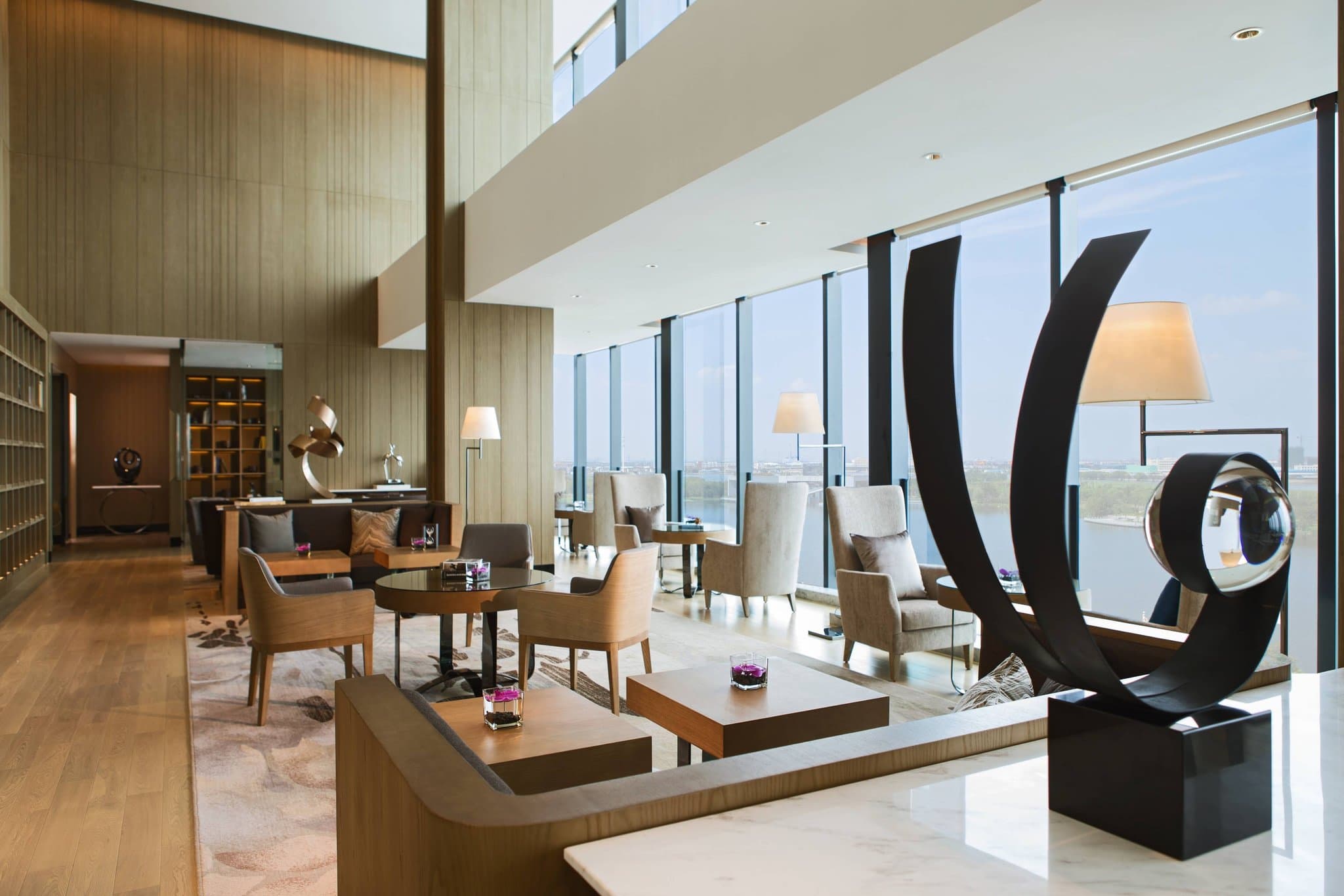
Forget the manicured classical gardens of downtown Suzhou; the real pulse of the region beats south in Shengze, the industrial engine historically known as China’s 'Silk Capital.' The Renaissance Suzhou Wujiang leans hard into this pedigree, rejecting generic grandeur for a narrative grounded in sericulture. You aren't walking into a lobby; you're entering a stylized loom. Massive, sculptural installations mimicking unraveling silkworm cocoons dominate the arrival space—a sharp, tactile pivot from the usual marble-and-chandelier fatigue. Upstairs, the narrative shifts from production to pause. Request a room facing Qianlong Lake. The floor-to-ceiling glass frames the water not as a backdrop, but as a primary subject, best viewed while wrapped in 400-thread count linens that feel suspiciously like the local export. The hardware is sharp—expect Dyson dryers in the suites and an indoor pool that encourages serious laps rather than just lounging. Dining is the property's ace. At Wan Li, the kitchen skips generic hotel staples in favor of hyper-local river delicacies. The sautéed river shrimp are snapped up from the nearby canal markets daily, and the roast duck rivals reputable Beijing kitchens for skin crispness. It’s a sophisticated, confident operation that treats the business traveler like a curator and the leisure guest like an insider.
“Book a table at Wan Li specifically for the 'River Fresh' seasonal menu; ask the Navigator concierge to arrange a private visit to the nearby Taihu Snow Silk Park.”
Insider TipAvg. Nightly Rate
83USD

Forget the elbow-to-elbow crowds at the Humble Administrator’s Garden; the real architectural drama in Suzhou is now unfolding at the foot of Lion Mountain. Designed by GOA, the Banyan Tree Suzhou Shishan isn’t just a hotel—it’s a mood piece of gray brick and intricate lattice screens that channels a futuristic Wu estate. The central "Shishan Yingyue" water courtyard mirrors the mountain’s peak with such precision it feels like a set piece from a Zhang Yimou film. The interiors are a study in restraint, but the indulgence is wet and warm: every room features a private hot spring pool, available 24 hours. A word to the wise, however—the courtyard walls maximize aesthetics over seclusion. While the lattice offers beautiful light play, it offers little cover from wandering eyes, so exhibitionists will thrive while others should keep their robes within reach. Dining at Bai Yun delivers a textbook-perfect Squirrel-shaped mandarin fish, though the property’s eco-conscious climate control (heating caps at 21.5°C) might leave you reaching for an extra cashmere throw in winter. It’s a stunning, if occasionally impractical, homage to Suzhou’s heritage.
“Book a 'Yunting' category room for unobstructed mountain views, and avoid ground-floor courtyards if you prefer your hot spring dips without an audience.”
Insider TipAvg. Nightly Rate
176USD
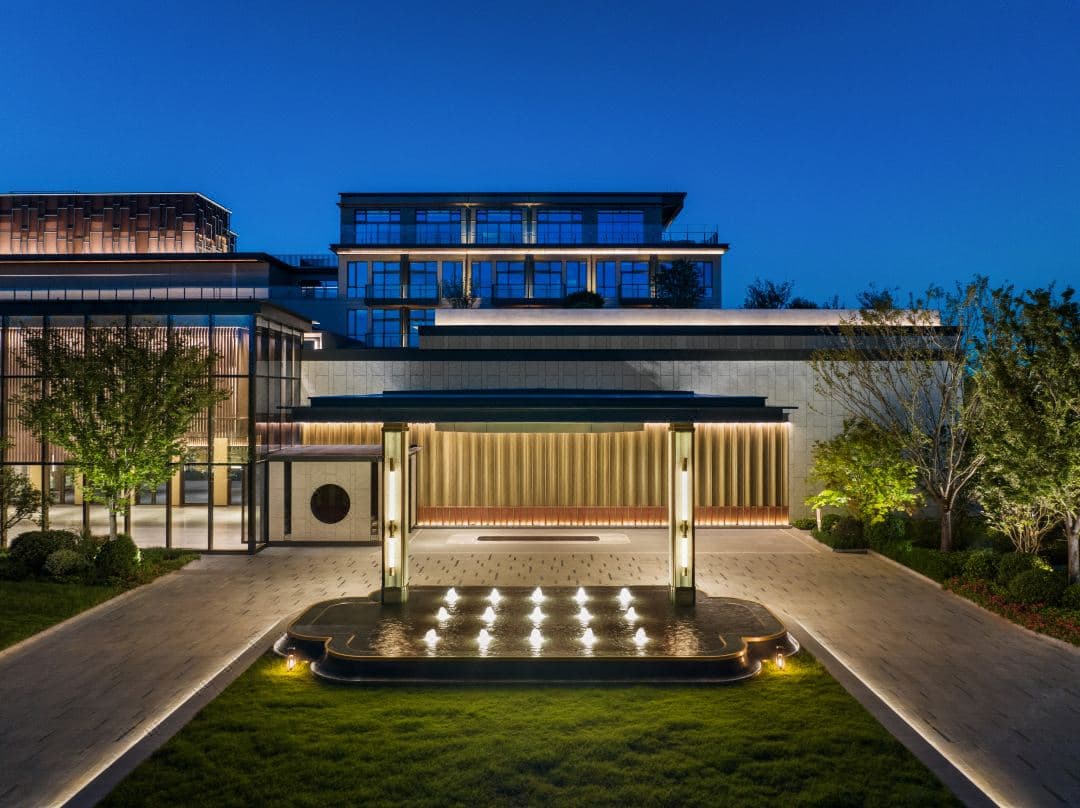
Cross the bridge from Suzhou’s frenetic Industrial Park, and the tempo shifts instantly. This isn’t just a hotel; it’s a cinematic set piece on a private island, where the lobby’s massive scroll-shaped lantern announces a serious commitment to local culture without slipping into pastiche. The property executes the 'modern scholar' concept with razor-sharp precision—think jagged rock gardens juxtaposed against the sleek curve of the infinity pool, which perfectly frames the 'Big Pants' (Gate of the Orient) skyline. Rooms are exercises in restraint, featuring floor-to-ceiling glass that pulls the lake visuals right to your bedside, backed by Dyson hardware and plush robes that encourage lounging. Dining is the headliner here. Jin Jing Ge (recently Michelin-selected) demands a reservation for its Braised Pork Belly with fermented red rice—a dish so unctuous it haunts you. Afterwards, a session of Biluochun tea in the lounge feels less like a tourist checkbox and more like a necessary ritual. Service, occasionally breathless during the opening rush, has settled into a rhythm of intuitive confidence. It’s a rare urban resort that actually lowers your heart rate.
“Book a Deluxe Lake View room on the East Wing for the best sunrise views over Jinji Lake, and don't skip the 'Little Prince' amenities if traveling with kids—they are surprisingly high-quality.”
Insider TipAvg. Nightly Rate
280USD

Forget the roaring engines; at the Tonino Lamborghini Suzhou, the legacy purrs. It is a surreal architectural paradox: a fierce, metallic 'Running Bull' sculpture guarding the entrance of a sedate, classical Suzhou scholar’s garden. While the interiors occasionally lean into a 2012-era moody Italian glamour—heavy velvets and low-lit corridors that feel like a brooding cologne ad—the 'Book Garden' wing is a masterclass in tranquility. The rooms are expansive, balancing deep soaking tubs against views of the manicured courtyards or the rippling Jinji Lake. But let’s be honest: you didn’t fly here for the thread count. You are here for *Su Mian Fang*. This in-house noodle bar is a Michelin Guide-selected shrine to Su-style gastronomy. The signature Hairy Crab Roe Noodles are not merely a meal; they are an event. The roe is hand-picked, golden, and creamy, clinging to the firm, thin noodles with an umami intensity that silences the table. It is the scholar’s diet elevated to art. Pair it with a cup of Biluochun tea, sourced locally from Dongting Mountain. Service is a high-wire act of Italian flair and Chinese efficacy—butlers who remember your tea preference and navigate the sprawling grounds with ease. Despite some aging hardware, the sensory payoff of the food and the 'seashell-paved' indoor pool makes this a mandatory stop for the epicurean traveler.
“Skip the main buffet. Breakfast at Su Mian Fang offers a curated set menu that beats the western options hands down.”
Insider TipAvg. Nightly Rate
102USD
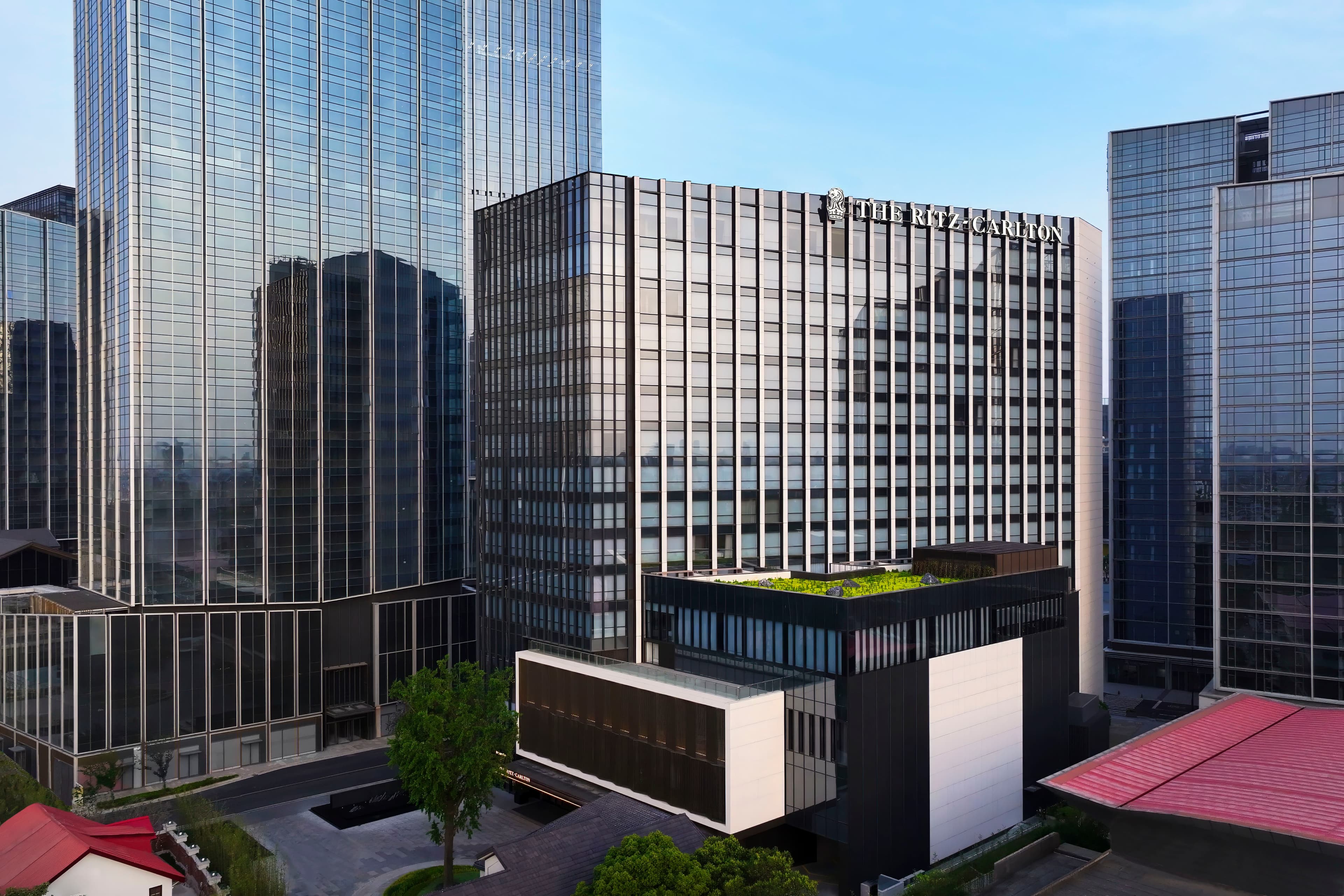
If the traditional Suzhou garden is a study in restraint, The Ritz-Carlton, Suzhou is its bold, high-definition successor. Designed by KPF Architects, the structure doesn't just sit in the Gusu District; it curates it, framing the skyline through 'negative space' architecture that mimics the city's famous folding fans. The arrival is pure drama: a century-old Ginkgo tree stands sentinel in the courtyard, grounding the slick glass facade with ancient roots. Inside, Peter Remedios has stripped away the expected chinoiserie for something sharper. The 190 rooms feel less like hotel suites and more like the private quarters of a contemporary literati, dressed in a palette of ink-black and parchment-white. You won’t find generic luxury here; instead, expect cloud-like bedding that threatens to derail your morning itinerary and Diptyque amenities that scent the air with fig and wood. The culinary game is equally precise. 'Biao Xia' isn't just another hotel Cantonese venue; it’s a Huaiyang temple where the Crispy Roasted Duck arrives with skin like shattered glass. For a change of pace, 'Alkanna' serves oven-grilled steaks that rival any New York bistro. It’s a sophisticated, self-assured debut that proves Suzhou isn’t just about the past—it’s writing a very stylish future.
“Book a treatment at the spa and ask for the suite with the private steam room—it’s the only place to get true solitude before a tea ceremony at Feng Pan Ting.”
Insider TipAvg. Nightly Rate
191USD
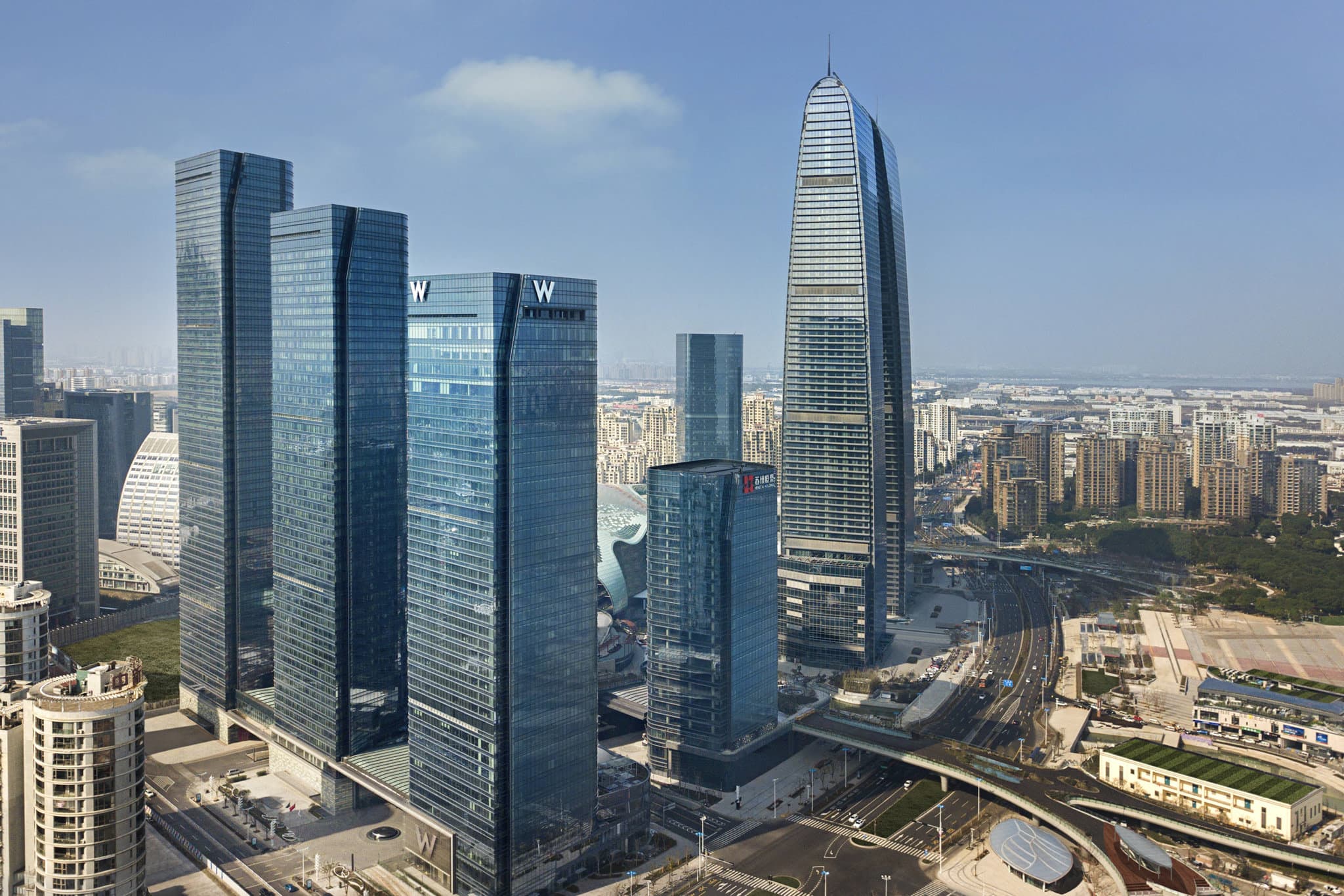
Forget the hushed tones of the Classical Gardens; W Suzhou is where the scholar throws a rave. Anchoring the Jinji Lake skyline, this property is a high-voltage interpretation of local lore, trading ink wash paintings for electric hues. The design is a masterclass in "levitating" aesthetics—think beds backed by glowing "Moon" gates and **Pipa** instrument pillows that wink at traditional Su opera. The real theater, however, unfolds at **Su Yan**. Perched on the 34th floor, this isn't your grandmother’s tea house. Here, the signature **Steamed Taihu White Fish** arrives with a sensory flair that rivals the lobby’s kaleidoscopic **Crystal Cloud** chandelier, while the **Pyramid Braised Soy Pork** offers a sticky, savory counterpoint to the glitz. While the **WOOBAR**’s DJ sets might bleed into the lobby’s tranquility, the service is sharp, with "Insiders" who can secure that impossible reservation. It’s brash, it’s loud, and it’s arguably the most exciting table in town.
“Skip the standard nightcap and head to Su Yan specifically for the 'Tribute'—a white pepper-infused vodka cocktail that pairs shockingly well with the lake views.”
Insider TipAvg. Nightly Rate
143USD

At 55 Shantang Street, the heavy wooden doors do not scream 'hotel.' That is the point. Inside this restored Qing Dynasty complex—once the domain of embroidery master Shen Shou—Tsingpu operates less like a resort and more like a private cultural trust. With only eight rooms, the silence is absolute, broken only by the plinking of rain on gray roof tiles or the faint strains of Kunqu Opera from the pavilion. Design purists will appreciate the raw concrete juxtaposed against ancient timber, but the real draw here is the intellectual rigor of the stay. You aren’t just observing heritage; you are living it, from cutting woodblocks to tracing intricate embroidery patterns under the tutelage of local masters. The rooms are exercises in Zen minimalism, stocked with Appelles amenities and devoid of aggressive technology, forcing a digital detox. Dinner at 'The Dining Room' avoids the bland traps of hotel catering, serving a Squirrel-Shaped Mandarin Fish that rivals the nearby Shi Jia Restaurant in both technique and flavor. While the lack of direct car access requires a brief walk through Mudu’s labyrinthine alleys, the payoff is a total disconnect from the modern buzz. It is scholarly, severe, and utterly sophisticated.
“Book the 'Embroidery Hall' suite for the best view of the central water courtyard's reflection, and ask the butler to arrange a private tea ceremony at sunset.”
Insider TipAvg. Nightly Rate
300USD
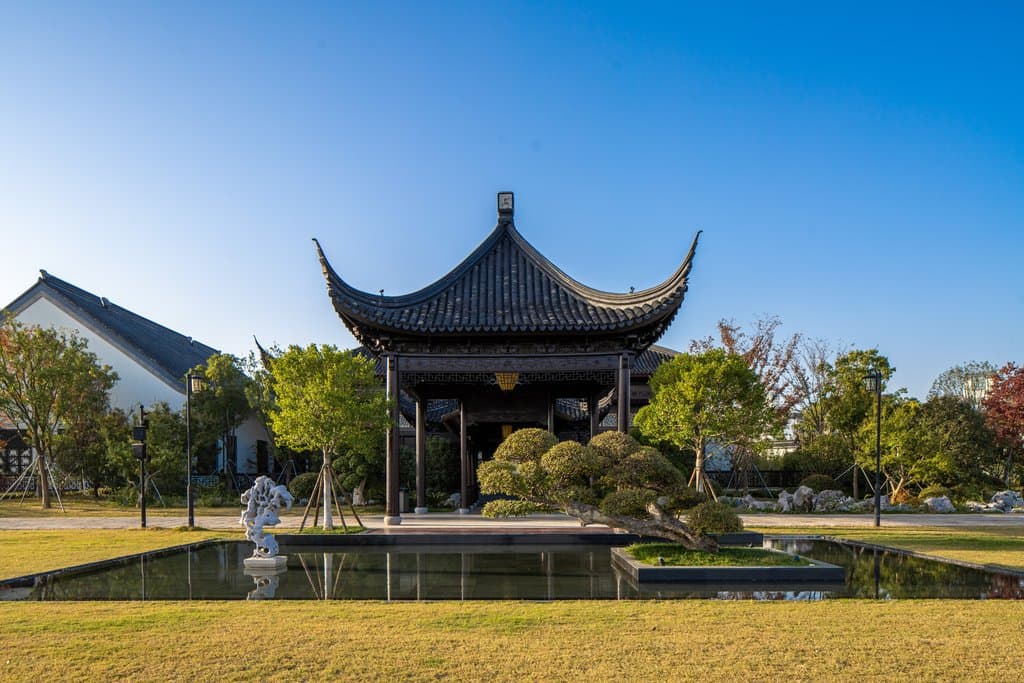
If the Forbidden City is a shout of imperial power, The Hanyu Garden Reserve is a whisper of scholarly elegance. Positioned on the misty fringe of Lake Taihu, this isn't merely a hotel—it’s a habitable Song Dynasty scroll painting. The arrival experience is less 'check-in' and more 'curation,' leading you through a central water courtyard where pagodas reflect with narcissus-like vanity. Inside, the entry-level suites are a staggering 88 square meters of polished rosewood and solitude, each anchored by a private courtyard that demands you grind your own ink and write poetry (or at least pretend to). The design eschews gilded excess for 'suiboku-ga' monochrome, accented by Technogym equipment that feels almost jarringly modern amidst the Ming-style furniture. Dining is a serious intellectual pursuit here; at ZhenZe, the 'Taihu Three Whites'—whitefish, white shrimp, and silverfish—are served with a purity that borders on the religious. Skip the crowded downtown gardens; the Hanmingxuan Tea House offers a ceremony so precise it feels like a meditation. Verdict: A museum you can sleep in, perfect for the traveler who finds silence the ultimate luxury.
“Book the ground-floor suites for direct access to the rockery gardens; ask the tea master at Hanmingxuan for the locally grown Biluochun, harvested pre-rain.”
Insider TipAvg. Nightly Rate
275USD
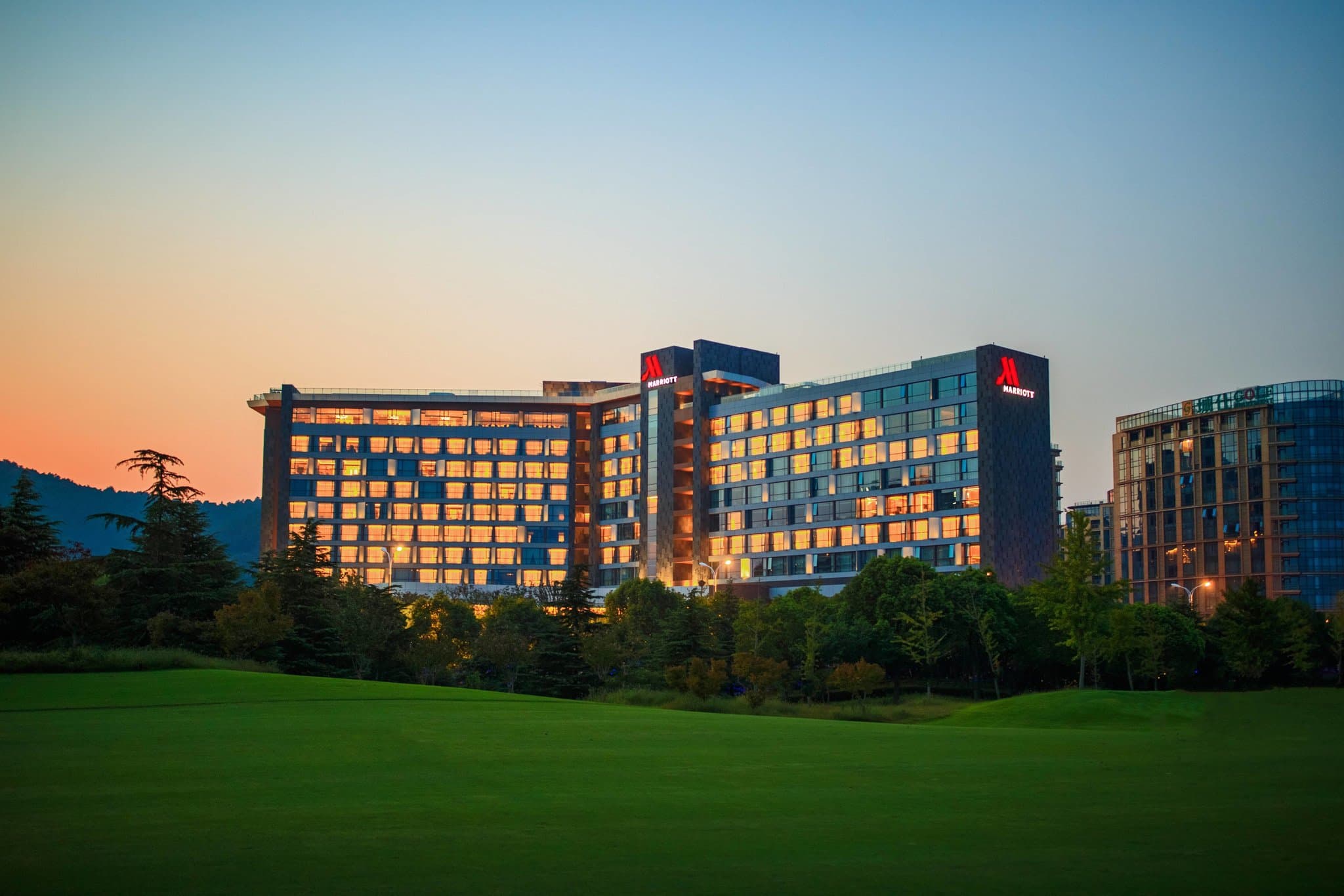
Anchored on the misty edge of Taihu Lake—China’s third-largest freshwater body—this property functions less as a standalone hotel and more as a sprawling aquatic compound. Sharing its footprint with a neighboring Renaissance, the Marriott offers a masterclass in scale, boasting six swimming pools and a startlingly well-equipped bowling alley that defies the usual resort template. While the geographic isolation demands a vehicle, it places you in the vascular center of Biluochun tea country. The aesthetic is coolly corporate yet softened by the lake’s omnipresence. Inside, the rooms are practical sanctuaries; while entry-level categories inexplicably lack balconies, the upgraded Lake View suites offer floor-to-ceiling glass that frames the water like a living scroll. Service can occasionally waver in polish, but the concierge’s ability to connect guests with nearby tea plantations is sharp. Dining is the true anchor here: Man Ho delivers the region’s holy trinity—the 'Taihu Three Whites' (whitebait, white prawn, and whitefish)—steamed to a delicate, impossible sweetness.
“Skip the standard rooms; book a Lake View Suite to guarantee the floor-to-ceiling water panorama. Afterward, hit the basement bowling alley—an unexpectedly retro delight.”
Insider TipAvg. Nightly Rate
84USD
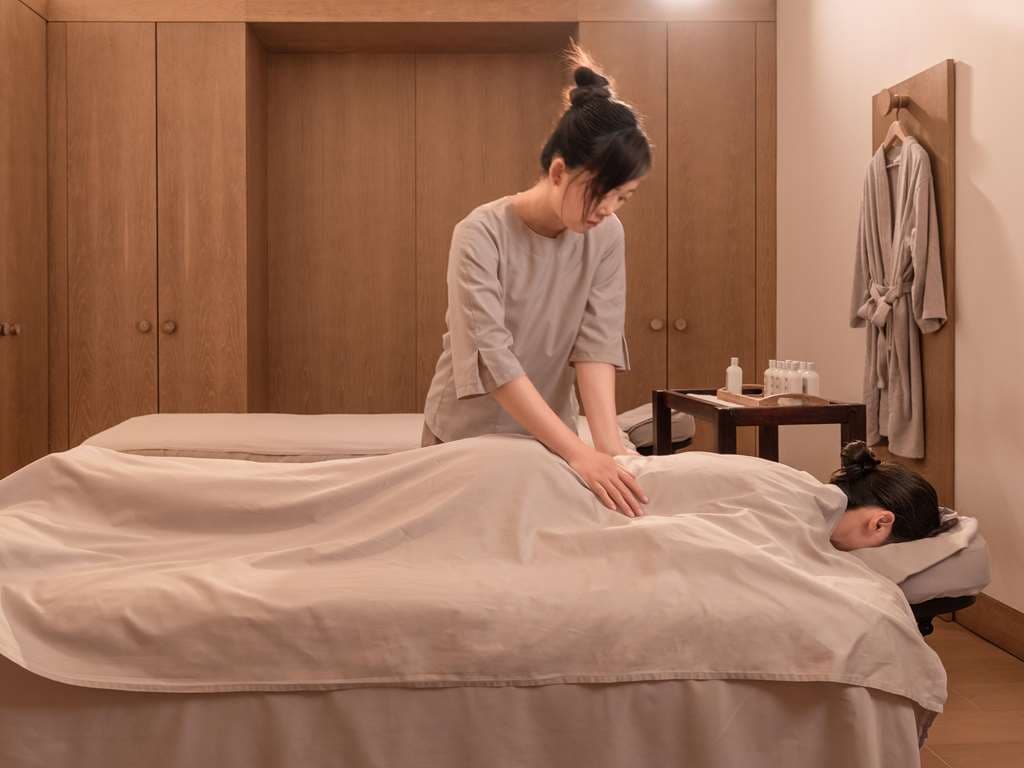
While the masses flock to Yangcheng Lake for the autumn hairy crab frenzy, a different kind of pilgrimage occurs on the peninsula's edge. SANGHA Retreat by OCTAVE Institute is not merely a hotel; it is a 47-acre optimization facility disguised as a design sanctuary. The vibe is 'Modern Monastic'—think Tsao & McKown’s brutalist-meets-Zen architecture, where Neri&Hu’s colored glass corridors play with light to induce immediate calm. The approach here is radically scientific. Upon arrival, a MaxPulse test maps your stress levels, dictating a personalized solar-term diet that follows you to the ‘THOUGHT FOR FOOD’ restaurant. Skeptics fearing starvation will be silenced by the signature Slow-cooked Beef Ribs with Kombu Broth Dumplings—a dish that proves mindful eating can still be hedonistic. The real heavy lifting happens underground in the 6,000 sqm AT ONE Healing Spa. The 12-step hydrothermal circuit is less a spa day and more a physiological reboot, cycling you through salt caves and infrared saunas until the outside world feels like a distant memory. It is exacting, expensive, and entirely necessary.
“Book the Watsu hydrotherapy pool session at twilight; the subterranean lighting design creates a sensory-deprivation effect that is profoundly disorienting in the best way.”
Insider TipAvg. Nightly Rate
1000USD
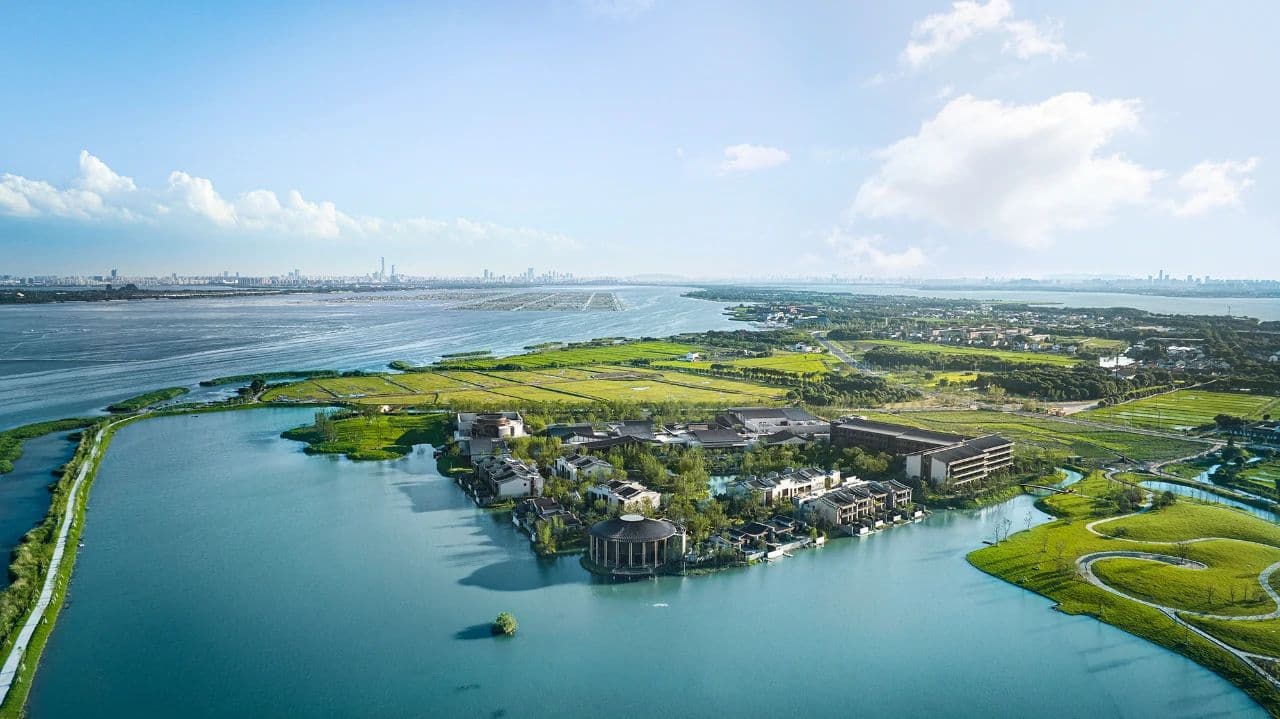
Forget the frantic day-trips for hairy crab; the smart money is now sleeping over at Banyan Tree’s latest Jiangnan outpost. Anchored on the misty shores of Yangcheng Lake, this property channels the spirit of Ming dynasty painter Shen Zhou—literally. The design team has obsessed over the details: door handles shaped like violin bows, pearl-inspired lighting, and a moody, slate-grey palette that feels miles away from the neon glare of Suzhou Center. The 70 rooms are massive, starting at 66 square meters, but the real draw is the hardware. We’re talking Dyson dryers, smart toilets, and—crucially—private balcony hot springs in every room. Given that the indoor pool can get boisterous with families, having your own thermal soak with a 270-degree lake view is the ultimate power move. Dining at Bai Yun is non-negotiable during crab season (Oct-Dec); the steamed Yangcheng Lake hairy crab is presented with ritualistic precision. For a palate cleanser, Ming Yue’s Scampi fusion offers a surprisingly competent Italian detour. While service still has the occasional 'new opening' wobble, the sheer tranquility of the tea rituals here makes it easy to forgive.
“Skip the main lobby drop-off. Request the 'boat arrival' experience in advance to float through the lotus ponds directly to the reception—pure cinematic drama.”
Insider TipAvg. Nightly Rate
207USD
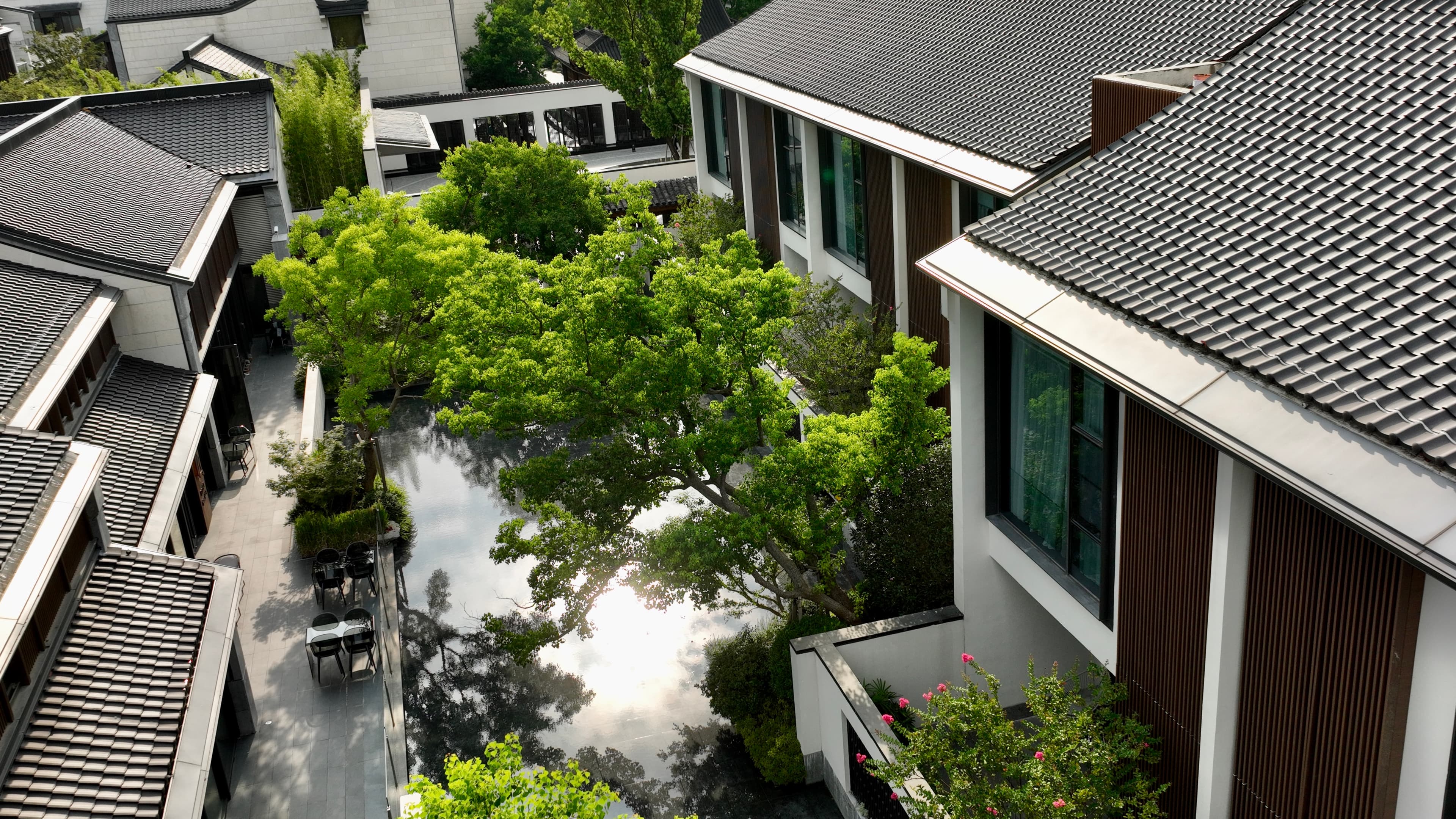
Suzhou’s historic quarter often feels trapped in amber, a delicate museum piece of canals and pagodas. The Kimpton Bamboo Grove, however, slashes through the nostalgia with sharp, monochromatic lines courtesy of SCDA Architects. Located just steps from the Master of the Nets Garden, this property doesn't mimic the past; it reinterprets the scholar’s retreat for the creative class. The design is a study in grayscale—whitewashed walls and black tiles reflected in serene waterways, stripping away the expected ornate silks for a calm, almost monastic minimalism. Inside, the rooms are sanctuaries of quiet luxury, featuring private courtyards and blonde wood accents that frame the garden views like living art. Amenities are exacting: Dyson hair dryers and deep soaking tubs invite lingering, while the bedding is crisp enough to satisfy the most fastidious traveler. The culinary centerpiece, 'The Grove', demands attention not for global fusion, but for its hyper-local fidelity. The signature braised baby hairy crab with soybean offers a saline, umami-rich kick that pairs impeccably with the region’s Biluochun tea. Service is leisurely but genuine, fitting the slow-living ethos. This is not just a hotel; it is a lesson in editing—removing the noise to amplify the peace.
“Skip the lobby lounge for sunset; instead, head to the glass-encased Bar 168. It sits 'floating' on the water—ask for a window seat facing the internal lake for the most dramatic reflections.”
Insider TipAvg. Nightly Rate
138USD