No. 01
69 HUAN TAIHU LAKE AVENUE, WUZHONG DISTRICT, WUX, SUZHOU, CHINA, 215100Suzhou1254 verified reviews
9
.6
Bitvoya Edit
Layering imagery, place, and detail before the page opens.
Suzhou, often immortalized as the 'Venice of the East', is a city where 2,500 years of history flow as gently as the canals through its ancient Gusu District. Our curated collection, 'Silk & Song', invites you to step beyond the typical tourist path and inhabit the living heritage of this Jiangnan jewel. Here, luxury is defined not just by thread count, but by the intricate stitches of Su embroidery and the hauntingly beautiful melodies of Kunqu Opera echoing through private courtyards.
From the serene bamboo groves of the Old Town to the glittering modernity of the Suzhou Industrial Park (SIP) surrounding Jinji Lake, these residences offer more than a bed—they offer a cultural immersion. Whether you are seeking the meditative quiet of a UNESCO-inspired garden at Tsingpu Suzhou Retreat or the island exclusivity of the Four Seasons, these properties serve as gateways to the soul of Suzhou.
Suzhou is not merely a destination; it is an aesthetic experience. For the discerning traveler, the city offers a rare blend of ancient refinement and contemporary ultra-luxury. Choosing a cultural residence here means waking up to views that inspired the Ming Dynasty literati. Whether it is the wellness-focused serenity of SANGHA Retreat or the architectural marvel of Banyan Tree Suzhou Shishan, these properties do not just exist within the city—they embody its narrative of silk production and operatic tradition.
Guests at these curated residences can expect experiences tailored to the 'Silk & Song' theme. Many of these hotels, such as the Tonino Lamborghini Hotel Suzhou, offer private access to tea ceremonies or arrange exclusive viewings of Kunqu Opera, one of the oldest extant forms of Chinese opera. Expect interiors adorned with local Su embroidery, spa treatments utilizing local botanicals, and a concierge service that can unlock the hidden doors of Suzhou's artisanal workshops. This is a journey into the delicate, refined lifestyle of the scholar-officials of old, reimagined for the modern luxury traveler.
For a deep cultural dive, the Gusu District (Old Town) is ideal, placing you near the UNESCO Classical Gardens and historic canals. Hotels like Tsingpu Suzhou Retreat are located here.
Many luxury cultural hotels, such as the Tonino Lamborghini Hotel Suzhou and properties in the historic district, organize private performances. The Fuzimiao area and dedicated opera tea houses also host regular shows.
For stunning lake views, look towards the Suzhou Industrial Park (SIP) area around Jinji Lake. The Ritz-Carlton, Suzhou and Four Seasons Hotel Suzhou offer exceptional panoramic vistas of the water and skyline.
Explore our complete curated list of luxury accommodations, from boutique hideaways to grand dames.
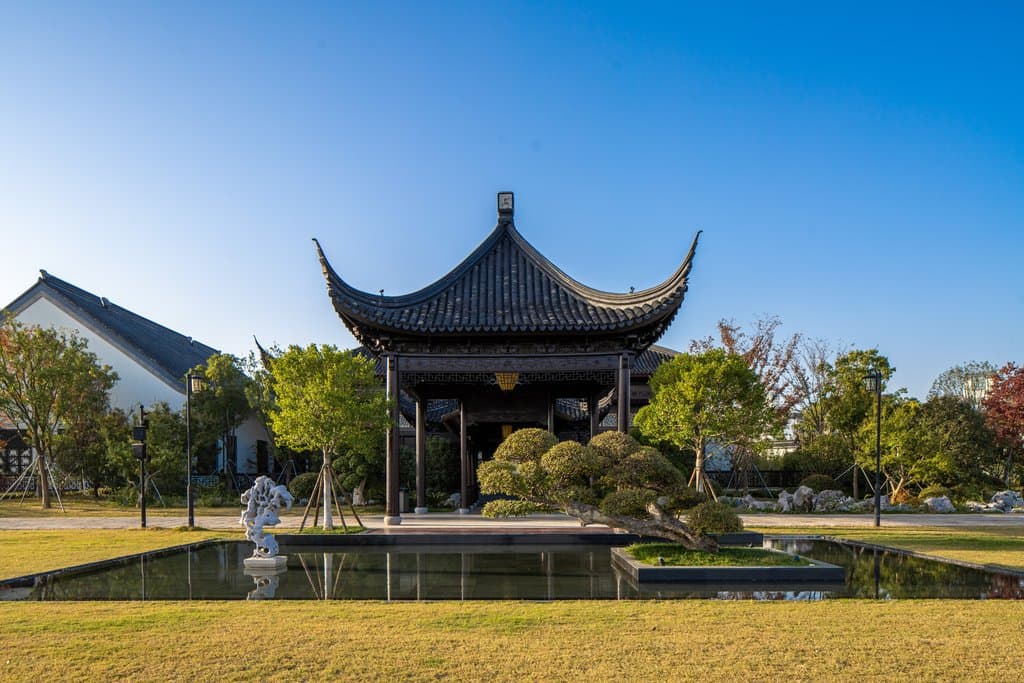
Explore All Suzhou HotelsIf the Humble Administrator’s Garden is Suzhou’s crowded public face, The Hanyu Garden Reserve is its reclusive, scholar-poet soul. Located on the misty edge of Lake Taihu, this 30-suite sanctuary rejects the frenetic energy of the city center for a meditative silence that feels almost museum-like. The architecture is a rigorous exercise in Su-style aesthetics—whitewashed walls and grey flying eaves—but the interiors pivot to modern indulgence with 88-square-meter entry-level suites, Ferragamo amenities, and private courtyards that demand you slow down. Dining here is an act of local reverence. At ZhenZe, the kitchen treats the 'Taihu Three Whites' (whitefish, white shrimp, and silverfish) with the precision of a jeweller, serving flavors that are hyper-seasonal and startlingly clean. While the property’s remote location might deter those seeking nightlife, and the public corridors occasionally whisper of the humidity inherent to the region, these are minor taxes for such exclusivity. It is not merely a hotel; it is a habitable landscape painting for the serious escapist.
“Ask for a suite near the Central Water Courtyard in the evening; the pagoda reflection at dusk is the property's most cinematic 'literati' moment.”
Insider TipAvg. Nightly Rate
275USD
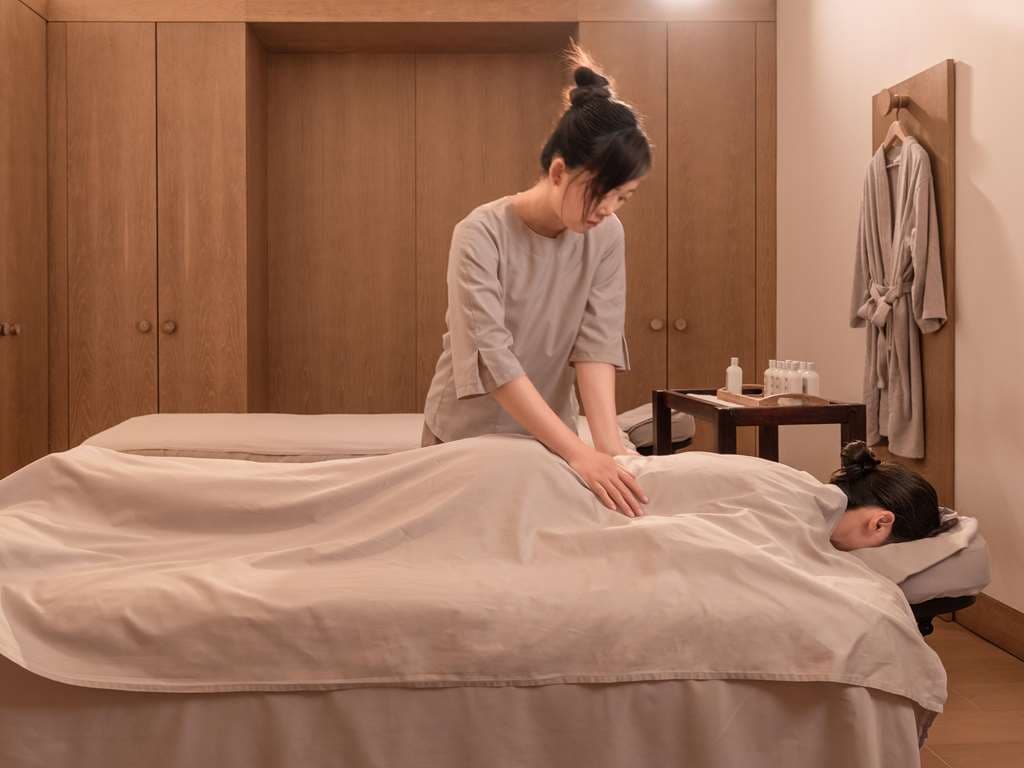
In the crowded theater of modern wellness, SANGHA Retreat by OCTAVE Institute is less a spa and more a monolithic reset button for the scorched-earth executive. Anchored on the misty banks of Yangcheng Lake, this isn't about cucumber water and gentle exfoliation; it's a rigorous, architectural intervention into your biology. Designed by Tsao & McKown, the property feels like a futuristic monastery—think filtered air, crystals discreetly tucked under 400-thread count linens, and a pervading silence that feels expensive. The centerpiece is the AT ONE Healing Spa, a staggering 6,000-square-meter subterranean labyrinth that operates with the precision of a Swiss clinic. Here, the 'wellness' isn't vague; it's quantified. After a MaxPulse test maps your nervous system's stress levels, you’re funneled into a 12-step thermal circuit that feels less like relaxation and more like necessary maintenance. Dining at 'THOUGHT FOR FOOD' continues the calibration. While the menu leans heavily on solar-term plant-based precision, the slow-cooked beef ribs with kombu broth dumplings offer a rare, umami-rich concession to hedonism. Service is deferential but firm—they know what you need better than you do.
“Book the 'Watsu' hydrotherapy session in the subterranean pool early in the morning; the acoustics in the cavernous stone chamber create a sensory deprivation tank effect that is genuinely disorienting in the best way.”
Insider TipAvg. Nightly Rate
1000USD

The name ‘Lamborghini’ usually summons visions of V12 engines and asphalt-tearing velocity. Yet, at the Tonino Lamborghini Hotel Suzhou, the roar is replaced by the ripple of koi in a moon-gated pond. It is a masterclass in cognitive dissonance: a Zen sanctuary draped in the trappings of Italian excess. Opened in 2012, the property eschews the cookie-cutter glass towers of the Suzhou Industrial Park for a low-slung, ‘Book Garden’ aesthetic that feels like a scholar’s retreat hijacked by a Milanese fashion house. While the hardware shows a faint, distinguished patina—think of it as ‘vintage leather’ character rather than wear—the atmosphere remains unbeatable. You aren’t here for the latest USB-C ports; you’re here for the seashell-paved indoor pool that mimics a starlit galaxy and the Ming Dynasty-inspired furniture softened by Italian silks. Dining is the true engine room here: bypass the French fine dining for ‘Su Mian Fang’. Their Hairy Crab Roe Noodles are a rich, unctuous reminder of why you’re in Jiangnan, not Bologna. The butler service is sharp, intuitive, and the only thing that moves fast in this languid, moody escape. It’s not a hotel; it’s a mood board coming to life.
“Ask for a room in the 'Garden Wing' facing the central courtyard's ancient trees—it avoids the street noise and maximizes the 'scholar's rock' aesthetic.”
Insider TipAvg. Nightly Rate
102USD

If the classic Suzhou garden is a study in confinement, Banyan Tree Suzhou Shishan is an exercise in expansive serenity. Anchored at the foot of Lion Mountain—once the raucous site of the city's amusement park—this 60-key retreat trades rollercoasters for the silent drama of GOA’s architectural lattice work. The design isn’t just mimicking the past; it’s a dialogue with it. Walking the ‘Shishan Yingyue’ water courtyard feels less like a hotel corridor and more like stepping into a ink-wash painting. The real draw here is the privatization of wellness. While the public spa is competent, the in-room experience in the 'Wellbeing Sanctuary' category is the clincher: your own 24-hour hot spring pool. It’s a rare luxury that forgives the occasional lapse in privacy caused by the aesthetically pleasing but perilously low courtyard walls. Dinner at Bai Yun is non-negotiable—order the squirrel-shaped mandarin fish, a dish that balances sweet, sour, and sculptural precision. Service is eager, led by omnipresent ambassadors like Lumi, though the maintenance of outdoor fixtures hints at the complex's youth. It’s not quite flawless yet, but it’s undeniably soulful.
“Book a 'Yunting' (Idyllic) room on a higher floor to bypass the ground-level privacy issues; you get the mountain views without the sightlines from the pathway.”
Insider TipAvg. Nightly Rate
176USD
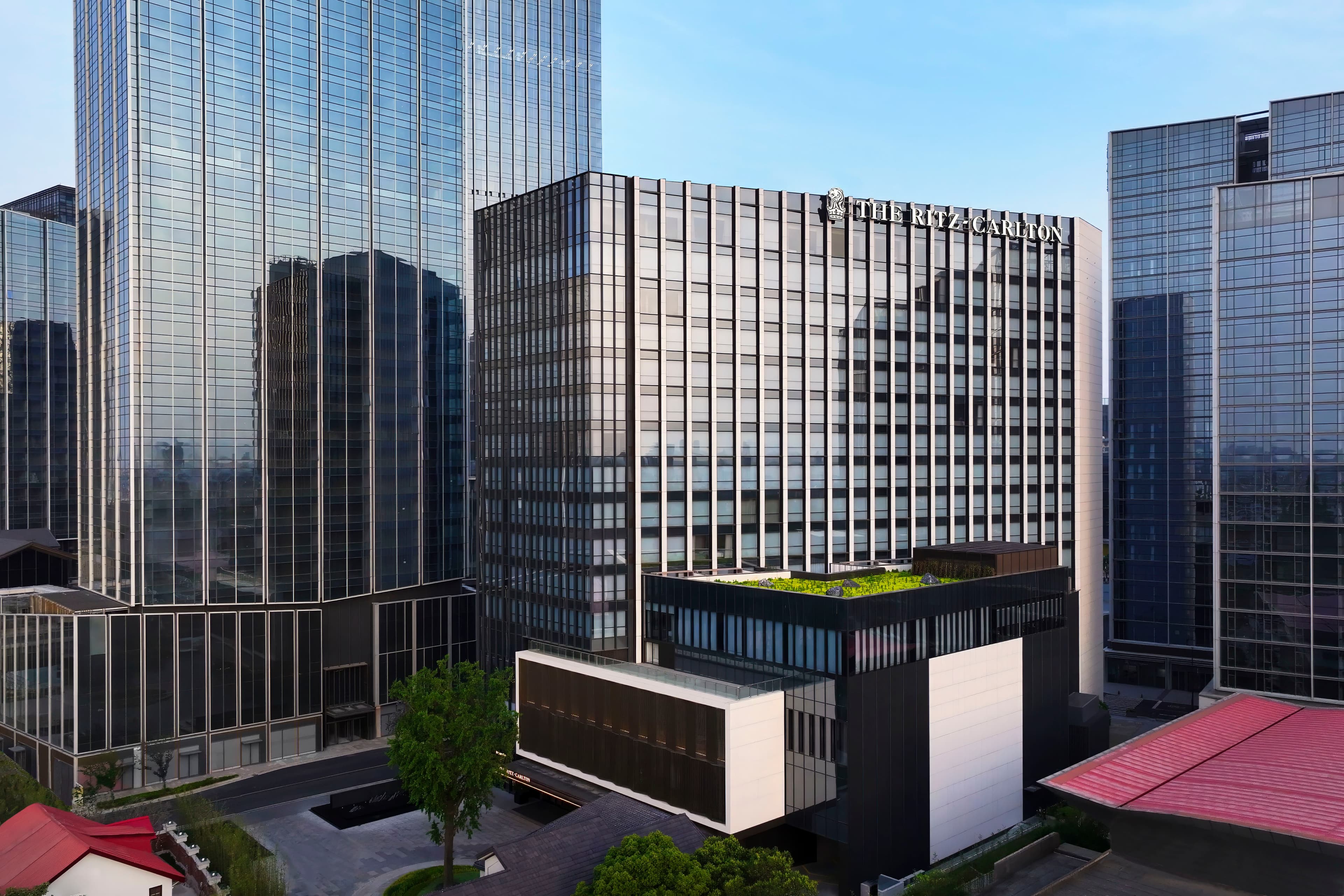
Forget the dusty antiques; this is Suzhou 2.0. Entering past the century-old ginkgo tree, the lobby doesn’t just welcome you—it frames the historic Gusu district like a living canvas. The design team has wisely ditched the predictable chinoiserie for sharp, modern lines that whisper—rather than shout—Suzhou’s heritage. Think minimalist interiors spiked with intricate Su embroidery motifs that catch the light just so. In the rooms, it’s all about the tactile experience. Run your hands over the calligraphy-inspired wall panels before collapsing into the cloud-like bedding. The Diptyque amenities are a welcome touch, adding a necessary edge of Parisian cool to the humid Jiangnan air. But you’re here for 'Biao Xia'. The signature Crispy Roasted Duck isn’t just dinner; it’s an event—shattering skin, rich fat, absolute perfection. Follow it with the artistic dim sum that looks almost too architectural to eat. Verdict? This is a scholar’s retreat for the jet set. Unapologetically modern, distinctly Suzhou, and refreshingly void of kitsch.
“Book a Club Level room to access the private guided Chinese calligraphy lessons—a rare, hands-on cultural dive.”
Insider TipAvg. Nightly Rate
191USD

Forget the grand lobby arrival. At Tsingpu Suzhou Retreat, you are dropped at the edge of Mudu Ancient Town and must walk the final leg—a deliberate, decompressive pilgrimage that separates the tourists from the scholars. Occupying the bones of the Qing-dynasty Sheyuan Garden, this isn't a hotel; it’s a living museum with only eight rooms, offering a silence so profound you can hear the koi disturbing the water in the central courtyard. The design is 'New Chinese' Zen at its most rigorous: dark timber beams, whitewashed walls, and an absence of distracting technology. You aren't here to lounge by a pool (there isn't one); you are here to cultivate the mind. Mornings are dedicated to bamboo carving or woodblock printing workshops that feel less like 'activities' and more like apprenticeships. Evenings belong to private Kunqu opera recitals in the pavilion, the haunting vocals bouncing off the historic architecture. The rooms feature Dyson dryers and Appelles amenities, though the historic wooden structure means sound travels—consider it part of the communal intimacy. Dinner at The Dining Room is non-negotiable: the Squirrel-Shaped Mandarin Fish is a sticky, sweet-sour masterpiece of Su Bang Cai cuisine that demands your full attention. This is a residence for those who find luxury in learning, not just leaning back.
“Request a room facing the Central Water Courtyard for the best morning light, but bring earplugs if you are a light sleeper due to the historic wood framing.”
Insider TipAvg. Nightly Rate
300USD
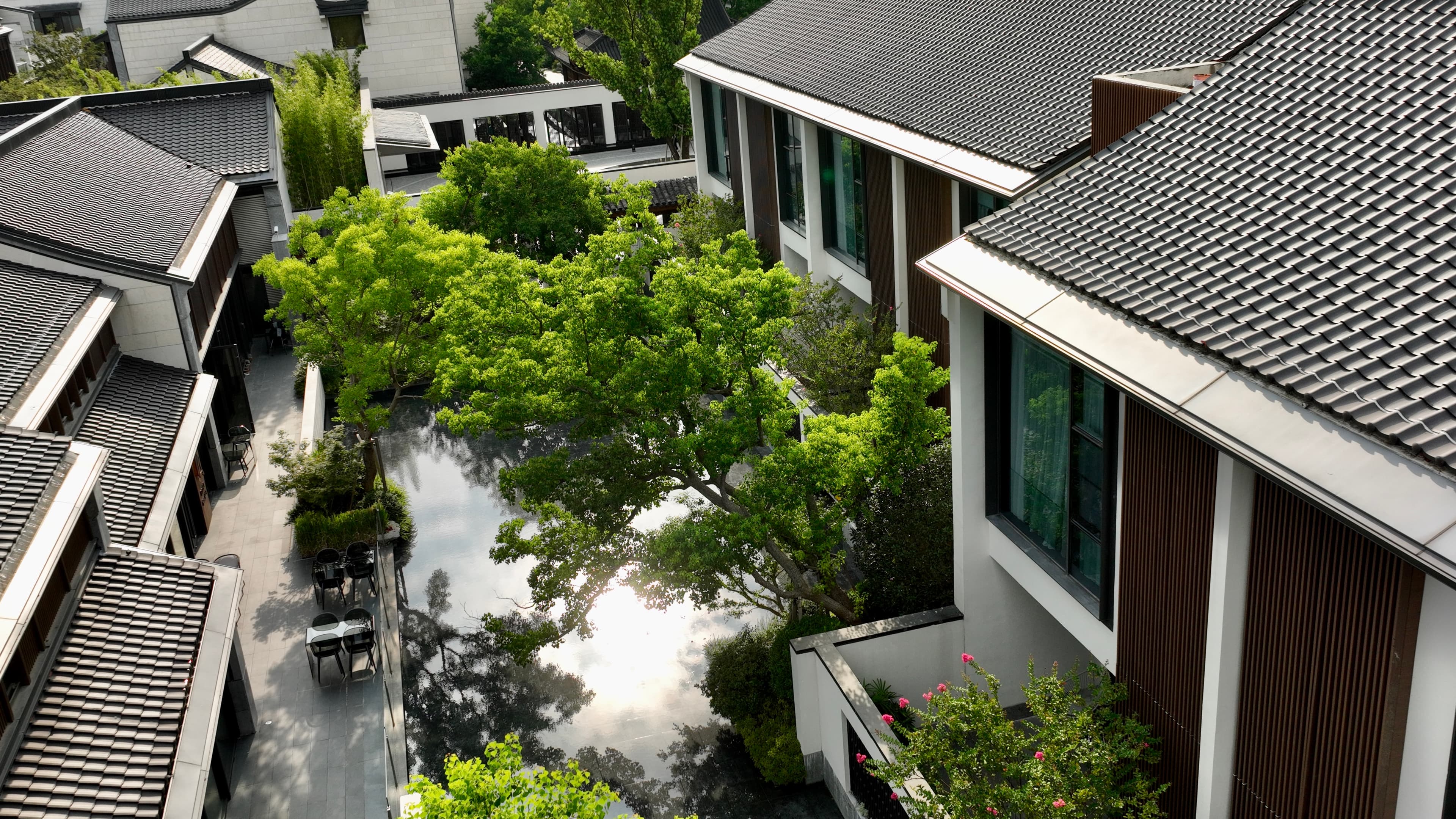
Suzhou isn't lacking in classical gardens—they are, after all, its claim to fame. But at the Kimpton Bamboo Grove, the garden concept gets a radical, high-voltage update courtesy of SCDA Architects. Forget the dusty nostalgia of yesteryear; this is heritage reimagined with razor-sharp lines and a monochromatic palette that feels less like a hotel and more like a habitable art installation. You enter through the 'Water Entrance Pavilion,' a stark, reflective prelude that immediately drops your heart rate. Inside, the 178 rooms are exercises in restraint, where the luxury lies in the textures—warm wood grains against cool stone—and the toys, specifically the Dyson hairdryers that signal a serious commitment to guest grooming. The layout favors private patios, allowing you to sip your morning espresso while pretending you’re a reclusive scholar. Dining here demands attention. 'The Grove' doesn't just serve food; it curates Jiangsu history. The braised baby hairy crab with soybean is a sticky, savory revelation that justifies the flight alone. Post-dinner, 'Bar 168'—a glass box floating on water—offers whiskey flights that could knock out a horse, though the vibe is strictly sophisticated sipping. Service has that Kimpton informality—friendly, occasionally frantic, but always well-meaning. It’s a bold, architectural stake in the ground that proves Gusu District can do cool just as well as it does ancient.
“Book a 'Premium River View' room on the ground floor for direct access to a private terrace that feels completely secluded from the main walkways.”
Insider TipAvg. Nightly Rate
138USD
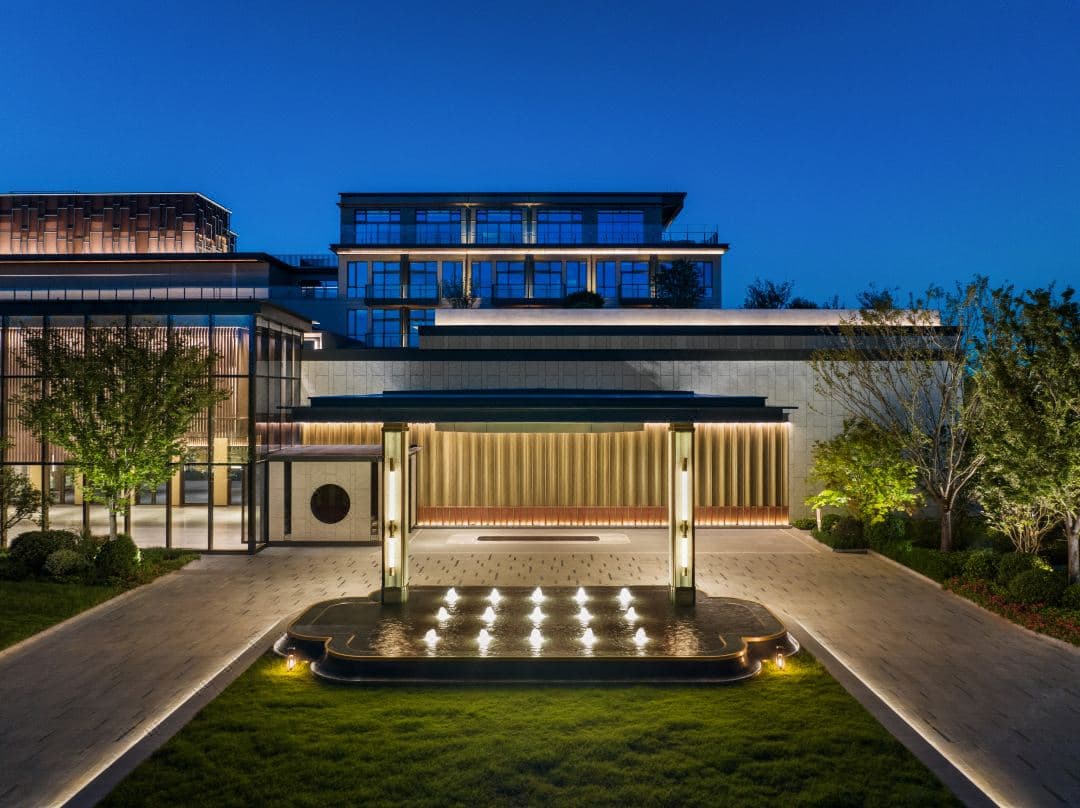
Crossing the bridge to the private island on Jinji Lake feels less like a hotel arrival and more like a scene from a period drama—if that drama were directed by an architect with a fetish for glass and sightlines. The Four Seasons has pulled off a neat trick here: creating a garden sanctuary that doesn’t feel like a museum piece. The lobby’s massive scroll-shaped lantern sets a dramatic, moody tone that continues into the glass-enclosed walkways, which force you to slow down and actually look at the landscaping. Inside, the rooms are a lesson in restraint, stocked with Augustinus Bader amenities and linens that ruin you for home. But the real show is at Jin Jing Ge. Skip the western fare and order the Braised Pork Belly with Fermented Red Rice; it’s sticky, unctuous, and worth the calories. Service is still finding its rhythm—earnest but occasionally hovering—yet when the team gets it right, like arranging a last-minute tea ceremony, it’s magic. A sophisticated, if slightly secluded, addition to the portfolio.
“Book a table on the terrace of Jin Jing Ge for sunset; the lake reflection turns the dining room into a floating lantern.”
Insider TipAvg. Nightly Rate
280USD