No. 01
No 1 Sec 4 Chung Shan N Rd. Taipei Taiwan (Province of China)Taipei4327 verified reviews
9
.0
Bitvoya Edit
Layering imagery, place, and detail before the page opens.
Taipei is a city of captivating contrasts, where centuries of tradition whisper through the framework of modern innovation. In our collection, 'Echoes of the Past,' we explore accommodations that serve as custodians of history while embracing contemporary luxury. Wander through the storied streets of Zhongshan District, once the center of colonial administration, where properties like the Grand Hotel Taipei stand as majestic red-pillared sentinels of time. Conversely, the bustling Wanhua District offers a window into old Taipei, juxtaposed against modern sanctuaries like the Caesar Metro Taipei. Whether it is a lovingly restored heritage site or a brand-new build honoring local aesthetics, these hotels invite you to sleep within the rich tapestry of Taipei's cultural narrative.
Taipei offers a unique hospitality landscape where the 'old' is not demolished but celebrated. Choosing a heritage or renovation-themed hotel in Taipei means immersing yourself in the island's complex narrative—from Qing Dynasty roots to Japanese colonial architecture and modern democratic vibrance. Hotels like the Palais de Chine Hotel exemplify this by blending Eastern philosophy with French elegance, creating an atmosphere that feels timeless yet distinctly sophisticated. Unlike standard glass skyscrapers, these properties offer a soul and a story, allowing luxury travelers to connect deeply with the destination's identity.
Expect a visual feast. The Grand Hotel Taipei offers iconic palace-style architecture that is a landmark in itself, featuring 14-story tall red columns and golden roof tiles. In contrast, renovation-focused properties like the Regent Taipei offer subtle luxury, integrating modern wellness facilities and Michelin-starred dining within established architectural icons. Guests can anticipate high ceilings, curated art collections reflecting Taiwanese history, and world-class service that honors traditional Asian hospitality (Omotenashi) while providing state-of-the-art technology.
The Grand Hotel Taipei is arguably the most iconic, famous for its 14-story palace-style architecture, red pillars, and historical significance hosting foreign dignitaries.
Hotel Resonance Taipei, Tapestry Collection by Hilton, offers a sleek, modern design within the historically rich Zhongshan District, perfect for design-conscious travelers.
Yes, hotels like the Sheraton Grand Taipei and Regent Taipei offer extensive family amenities, pools, and spacious rooms, combining heritage charm with family comfort.
Explore our complete curated list of luxury accommodations, from boutique hideaways to grand dames.
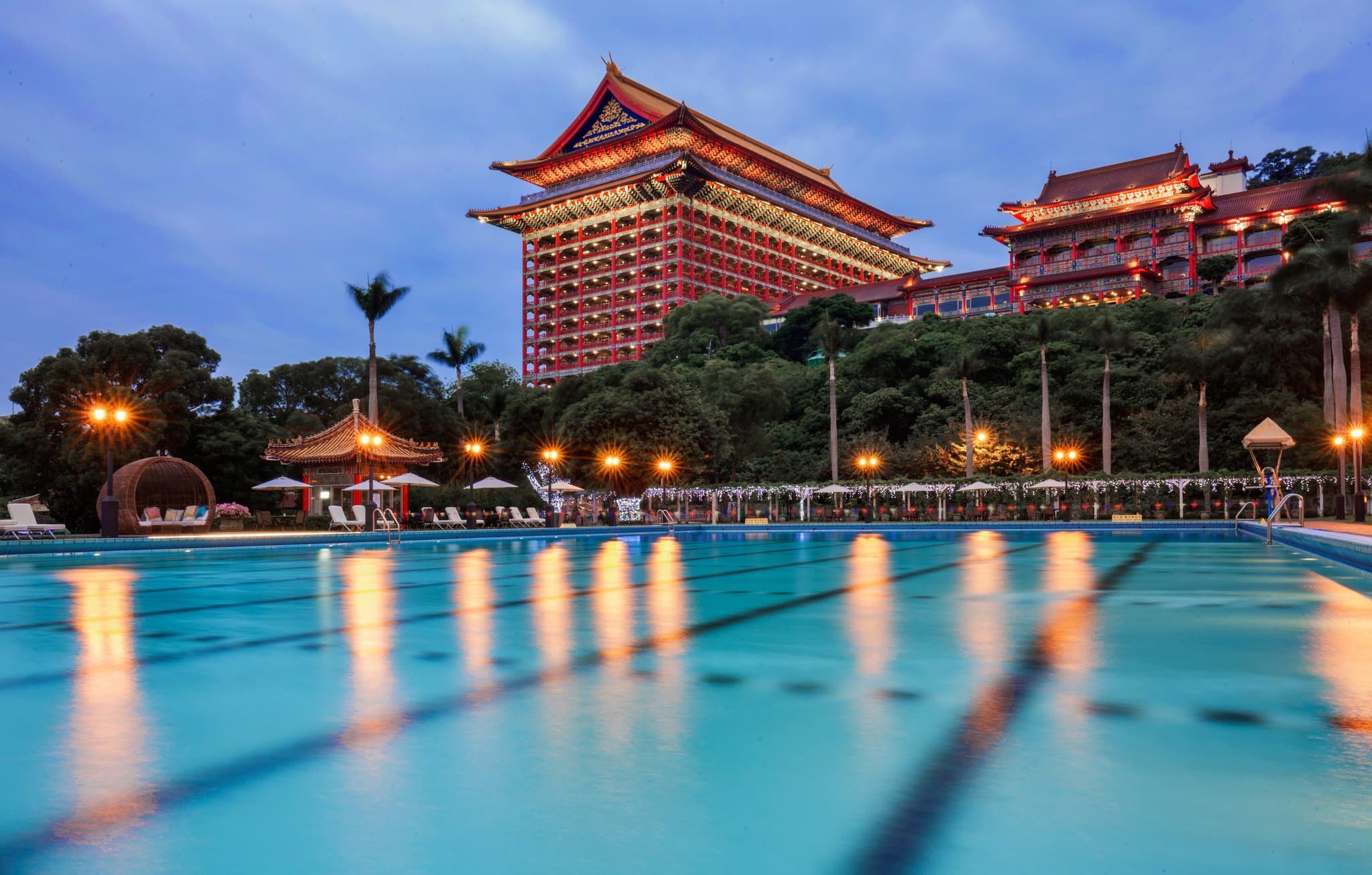
Explore All Taipei HotelsLooming over the Keelung River like a crimson fortress, the Grand Hotel Taipei isn't just a place to sleep—it is a statement of imperial power carved into the Yuanshan hillside. While the city’s Xinyi district chases the future with glass monoliths, the Grand remains unapologetically anchored in a golden age. The lobby alone is a sensory overload of vermilion columns and a dizzying plum blossom caisson ceiling that makes you feel shrinking-violet small. Check-in feels less like a hotel arrival and more like a state visit. The rooms defy modern minimalism; they are vast, parquet-floored chambers where the balconies are actual architectural features, not afterthoughts—perfect for sipping oolong while tracing the skyline from Taipei 101 to the misty mountains. Dining here is non-negotiable history. At Yuan Yuan, you must order Madame Chiang’s Red Bean Cake—a dessert so culturally significant it practically requires a curtsy. But the real renovation story lies beneath the floorboards. The newly opened West Secret Passage, with its spiraling escape slide originally designed for fleeing dignitaries, offers a thrill you won't find at the W. Service is old-school: stiff, efficient, and fiercely proud. It’s not a boutique hotel; it’s a living monument.
“Skip the generic souvenirs. Head to the Grand Bakery and grab the 'Berry Pineapple Pastry,' which just snagged a Silver Award at the 2025 Zhongshan Star Baker competition.”
Insider TipAvg. Nightly Rate
90USD
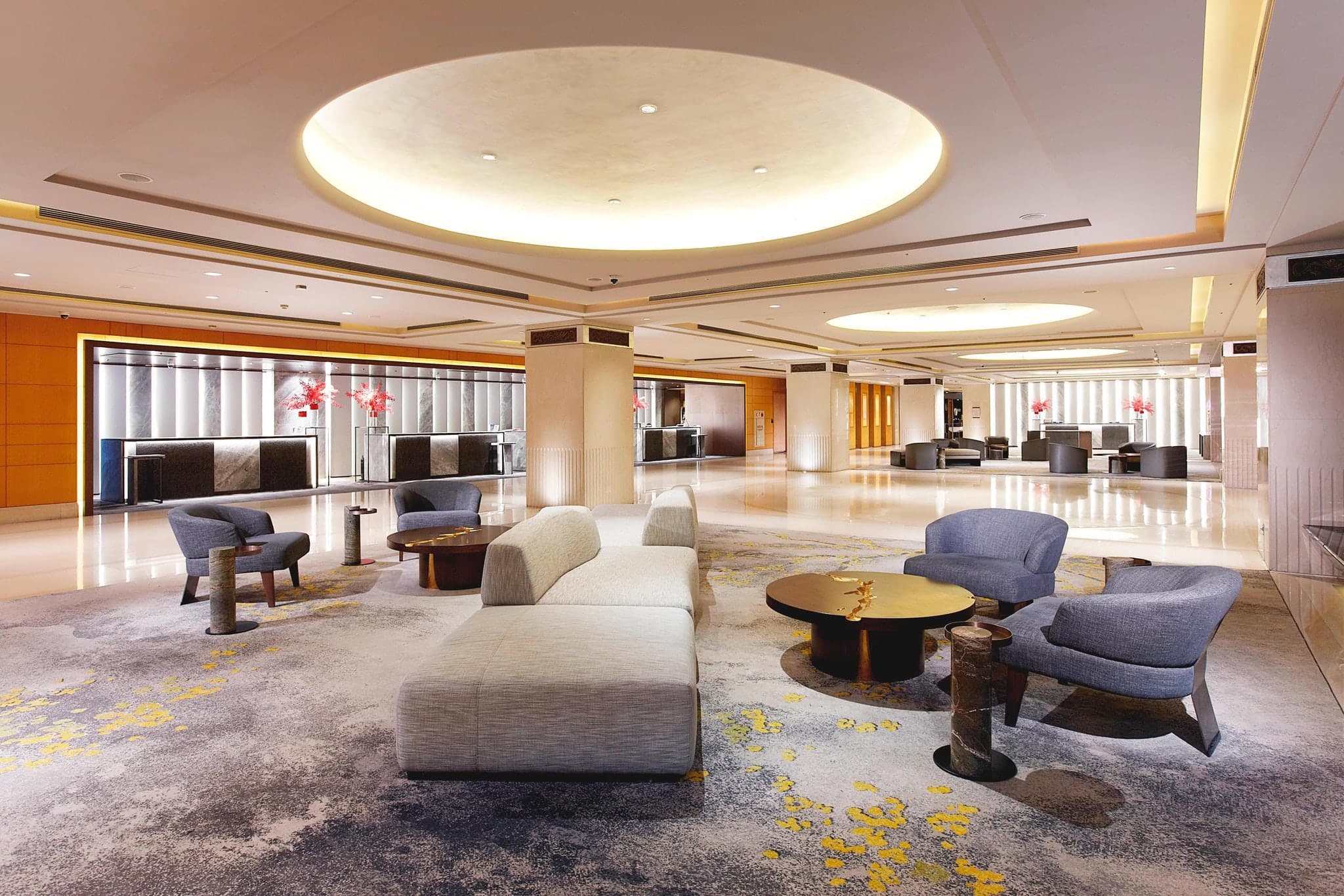
While the nearby Huashan 1914 Creative Park dominates the headlines for adaptive reuse, the Sheraton Grand Taipei remains the district's steadfast, polished anchor. Originally the Lai Lai Shangri-La, this property doesn't just nod to history; it is history. The lobby is a cinematic cavern of seventeen-story atriums and retro-futuristic glass bubble elevators that, while undeniably 1980s, offer a sense of scale the city's newer boutiques can't mimic. The rooms strike a balance between preservation and necessity. Yes, the soundproofing betrays the building's age—you might hear a muffled conversation from the corridor—but the 2018 refresh brought muted celadon tones and Japanese bidets that feel appropriately modern. The real draw, however, is the culinary prestige. The Guest House (17F) isn't just a hotel restaurant; it’s a two-Michelin-starred pilgrimage site where the ‘Shredded Hundred-Layered Beancurd’ displays knife work so precise it feels like art. Breakfast at Kitchen 12 is a chaotic but glorious affair, boasting a spread that rivals the city's night markets. It’s not the edgiest stay in Taipei, but for those who value the reliability of a deep soaking tub and a concierge who actually knows the city, the Grand Dame still reigns.
“Skip the long taxi line at Taipei Main Station; the hotel sits directly atop Shandao Temple MRT (Exit 2). Also, reserve The Guest House at least two weeks out—Michelin stars mean full tables.”
Insider TipAvg. Nightly Rate
200USD
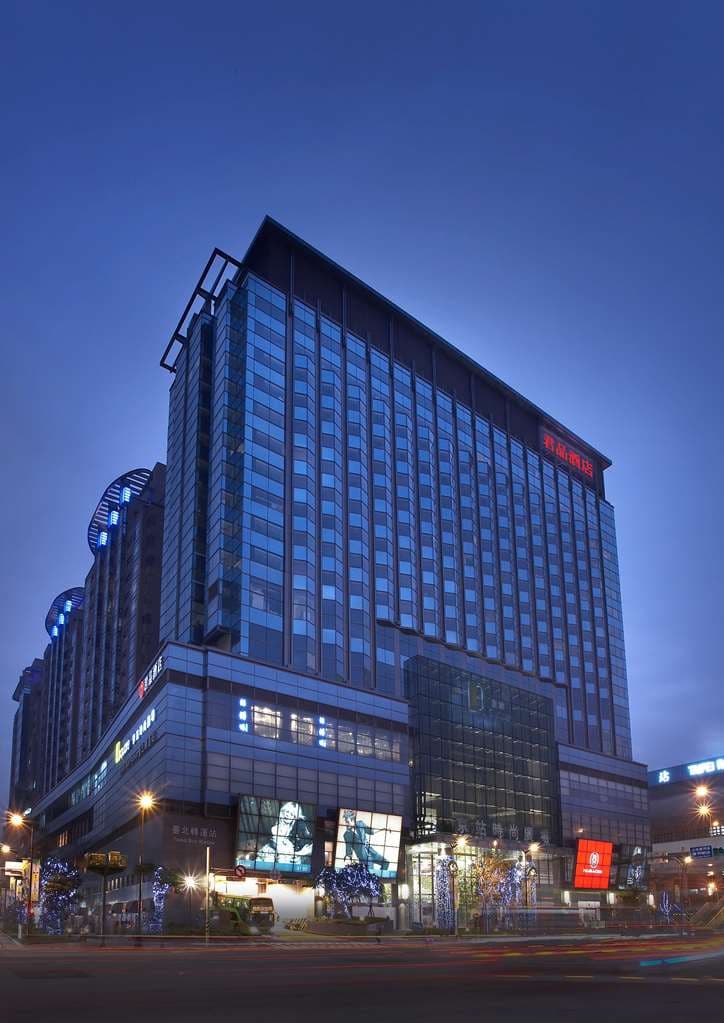
If Dracula had a penchant for Cantonese fine dining and high-speed rail connectivity, he would reside at Palais de Chine. Located atop the bustling Q Square Mall—a jarring transition from commercial chaos to velvet-lined sanctuary—this property rejects the sterile brightness of modern luxury for a shadow-drenched aesthetic that is unapologetically theatrical. The lobby is dominated by 'Lady,' a life-size antique horse, setting a tone that is equal parts Parisian salon and Song Dynasty fever dream. Corridors are dimly lit to the point of mystery, leading to rooms where charcoal stone bathtubs and heavy drapery create a cocoon-like separation from the city outside. It is moody, cinematic, and distinct. However, practicality sometimes takes a backseat to atmosphere; the lighting can challenge even the sharpest eyes when applying makeup, and the strict eco-policy means you must pack your own toothbrush—a rare omission for a five-star establishment. The undisputed monarch here is Le Palais. As Taiwan’s only restaurant to hold three Michelin stars for eight consecutive years (retained in 2025), the Cantonese fare is technically flawless. The crispy roast 'Flame Duck' is not merely dinner; it is a rite of passage. While the lack of a pool and the vanished partnership with an external gym might deter fitness purists, the Palais de Chine trades generic amenities for a strong, specific personality. It is not for everyone, but for the traveler who prefers character over cookie-cutter beige, it is a triumph.
“The 'Flame Duck' at Le Palais requires a pre-order at least 2 days in advance—it cannot be ordered à la carte on the spot. Also, due to the strict green policy, bring your own toothbrush and razor.”
Insider TipAvg. Nightly Rate
115USD
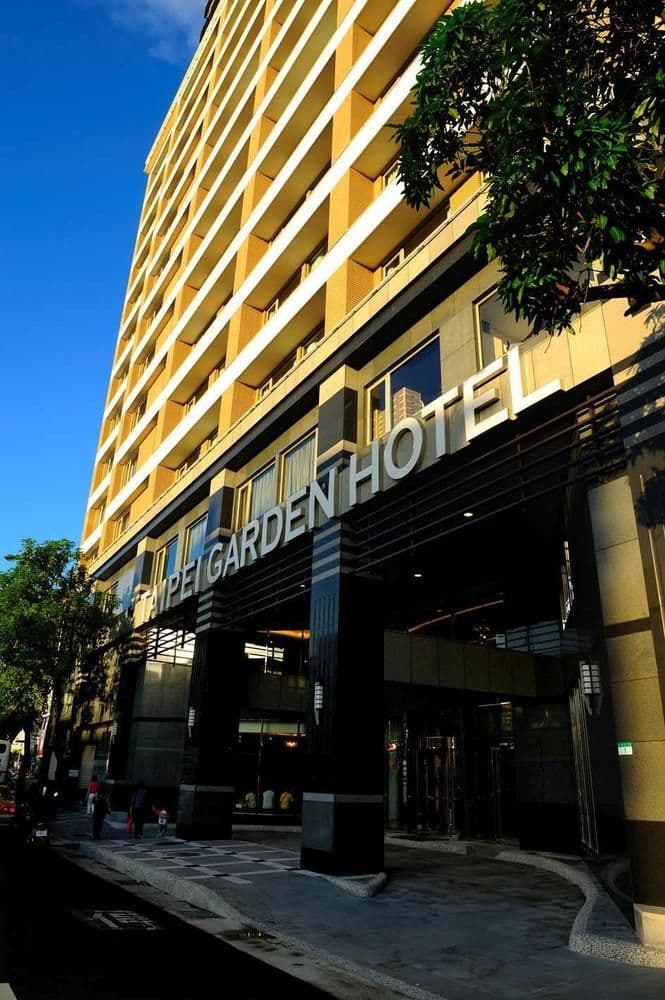
If the red-brick archways of Bopiliao are Taipei’s memory, the Taipei Garden Hotel is its polished, thoroughly modern consciousness. Positioned as the strategic gateway to the gritty, heritage-rich Bangka district, this independent property serves as a sophisticated buffer between the frenetic energy of Ximending and the silence of colonial temples. The lobby’s atrium glass chandelier sets a lofty tone, but the real soul is found in the juxtaposition of eras. Your room isn't just a place to sleep; it’s a command center. While the streets outside whisper of the 19th century, your AI voice assistant adjusts the curtains and lights with startling efficiency—a delightful, if jarring, anachronism. The culinary program is serious business here. Skip the crowded breakfast buffet for a dinner reservation at PRIME ONE Steakhouse, where the 21-day dry-aged U.S. Prime Ribeye is served under dramatic wooden 'birdcage' beams that mimic the area's architectural skeletons. The soundproofing can be porous—let's call it 'urban immersion'—but the free access to the lobby’s 'Gancidian' (a nostalgic 1980s-style candy store) offers a sugar-coated apology that charms even the most jaded traveler. It’s not just a hotel; it’s the perfect, air-conditioned launchpad for a deep dive into Taipei’s past.
“Book a Premier Room on a high floor (10+) for a view of Taipei 101, and visit the 16th-floor Garden SPA for an aroma steam bath after walking the Bopiliao block.”
Insider TipAvg. Nightly Rate
105USD
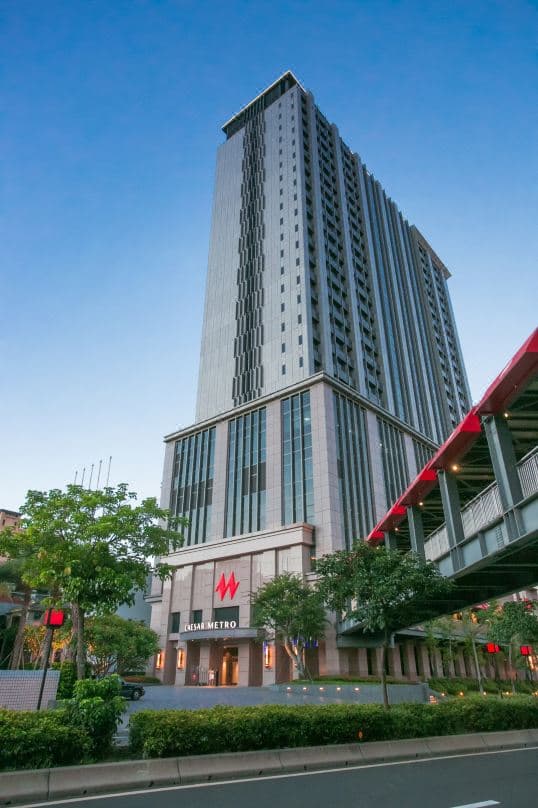
Forget the sanitized, glossy avenues of Xinyi. This is Wanhua (Monga)—where incense smoke from Longshan Temple mixes with the diesel hum of scooters, and history feels raw rather than curated. Rising above this chaotic tapestry is the Caesar Metro Taipei, a 30-story vertical city that acts as a polished counterpoint to the neighborhood’s grit. It doesn't pretend to be a boutique hideaway; it is a transit-oriented beast, sitting directly atop Wanhua Station. The rooms are studies in efficiency—compact but surgically designed with floor-to-ceiling windows that turn the Tamsui River and Taipei 101 into living wallpaper. The bathrooms, featuring separate soaking tubs, are a mercy after navigating the humid night markets. Dining here is a volume game, but the ‘Metro Buffet (Bai Yan)’ surprises with a beef soup that rivals the street stalls outside. While the Matrix-equipped gym is functional, the real draw is the outdoor pool deck on the 8th floor—a rare open-air vantage point in a district defined by density. Service is brisk and transactional, fitting for a hotel that functions as a high-end basecamp rather than a destination resort.
“Request a room on the 20th floor or higher facing the Tamsui River. The street noise fades away, and you get a front-row seat to the sunset over the New Taipei City skyline.”
Insider TipAvg. Nightly Rate
105USD
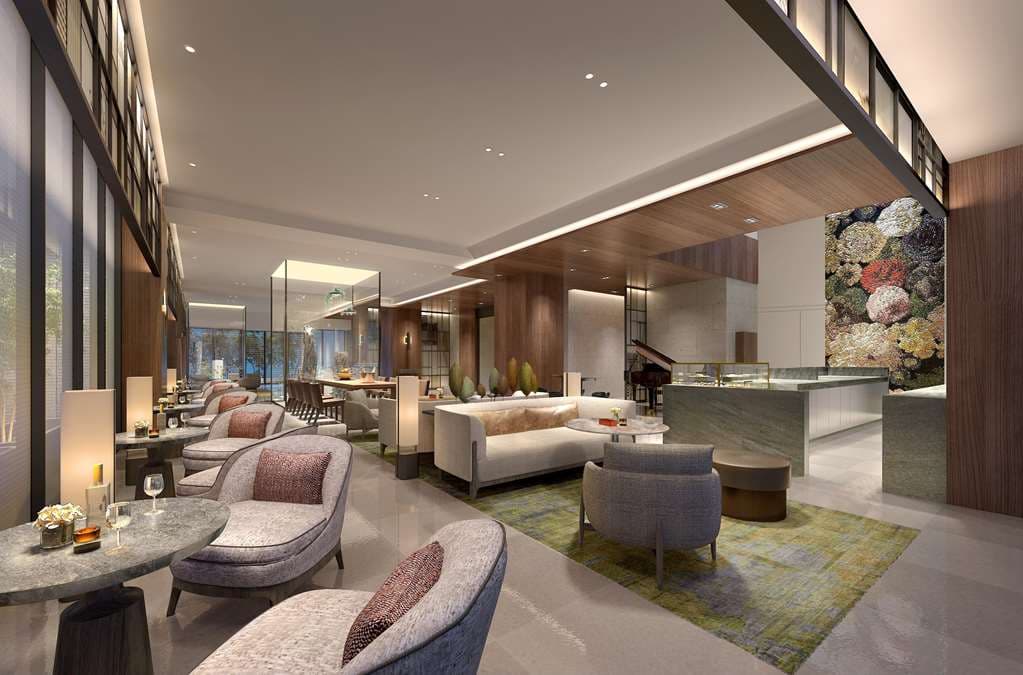
Taipei’s Zhongshan district is a study in friction: trendy cafes colonized old iron workshops on Chifeng Street, creating a hipster enclave that feels gritty yet polished. The DoubleTree sits right at this intersection, a vertical glasshouse watching over the low-slung 'Blacksmith Street'. It doesn’t try to mimic the heritage; it frames it. Inside, the lobby’s paper butterfly installation is a delicate counterpoint to the city’s concrete. The rooms are surprisingly generous for Taipei—starting at 36 square meters—and come armed with Crabtree & Evelyn amenities and deep soaking tubs, essential after a day of pavement pounding. But the real surprise is downstairs at La Salle. Ignore the international staples and order the Beef Noodle Soup with Stinky Tofu. It’s a pungent, brave love letter to local street food, elevated just enough to feel permissible in a lobby lounge. There is no pool, which might deter the resort crowd, but for the urban anthropologist, it’s irrelevant. You are here to eat, walk, and collapse into 400-thread-count sheets. The signature warm cookie at check-in isn't just a brand standard here; it’s a necessary sugar hit before you dive back into the neon sprawl.
“Book a King Corner Room for dual-aspect views of the Nanshi commercial district. For breakfast, skip the western station and head straight for the made-to-order noodle bar at 'Alley' restaurant.”
Insider TipAvg. Nightly Rate
154USD
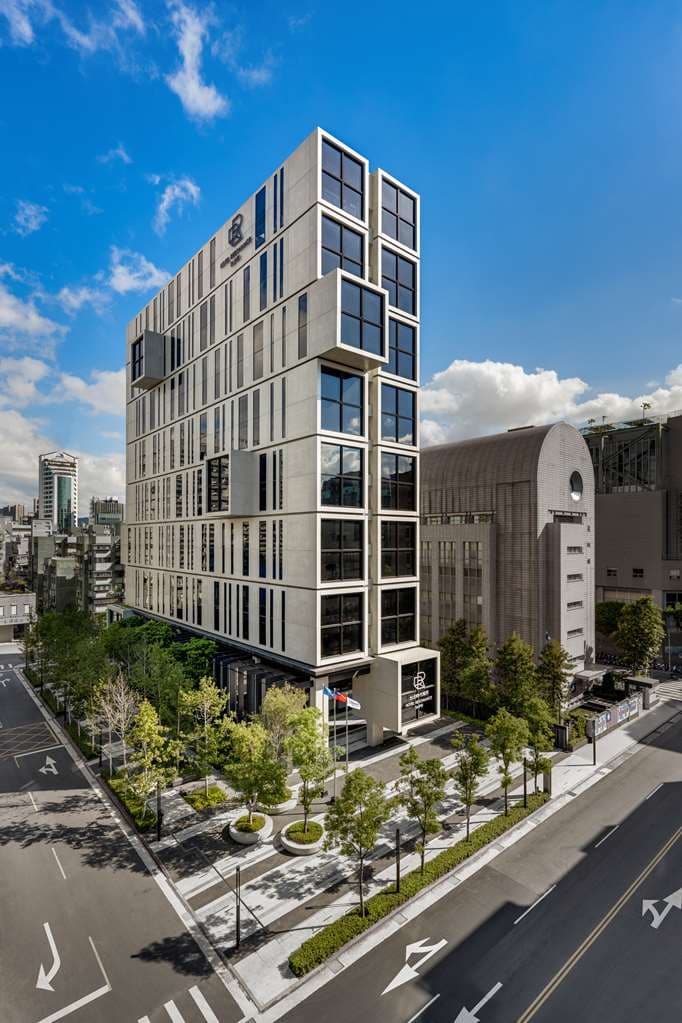
In a city often defined by frenetic energy, Hotel Resonance Taipei offers a masterclass in architectural storytelling. Designed by the acclaimed Kris Yao, the structure itself is a 'Film Box'—a nod to the neighborhood’s history as a camphor tree farm (the raw material for celluloid film). The result is a façade that frames the city like a movie reel, creating a dynamic interplay of light and shadow that feels less like a hotel and more like an inhabitable art installation. Inside, the narrative shifts from history to high-efficiency luxury. Gone is the tired hotel buffet; in its place, a credit for the ground-floor Starbucks, where Nitro Cold Brews fuel the morning rush. The rooms are a study in precision: Nespresso machines for the caffeine-deprived, Precor-equipped fitness zones for the active, and expansive windows that turn the chaotic streetscape of Shandao Temple into a silent film. The highlight? The complimentary self-service laundry that syncs with your phone—a small, brilliant detail that outshines the usual hotel frills. It’s industrial-chic without the grit, offering a sophisticated, edited experience for the traveler who prefers substance over sprawling, unused amenities.
“Skip the Starbucks line for breakfast and use your location to your advantage: the legendary Fuhang Soy Milk is just 200 meters away. Go at 5:30 AM to beat the queue.”
Insider TipAvg. Nightly Rate
91USD