No. 01
Ul. Krakowskie Warsaw Poland 00-071Warsaw1060 verified reviews
9
.6
Bitvoya Edit
Layering imagery, place, and detail before the page opens.
Warsaw is currently experiencing a dynamic architectural renaissance, shaking off its grey post-war reputation to emerge as one of Europe's most exciting design capitals. The city's hospitality scene is leading this charge, blending restored aristocracy with brutalist cool. In the heart of Śródmieście, properties like the monumental Hotel Warszawa showcase the raw beauty of concrete, while the Royal Route hosts the meticulously restored Raffles Europejski and Hotel Bristol, where history meets contemporary art. Venture slightly further to the artistic pulse of the city, where modern icons like Nobu Hotel inject global chic into the landscape. This collection explores how Warsaw's hoteliers are crafting a unique 'Polish Polish' aesthetic—sophisticated, resilient, and undeniably modern.
Warsaw is no longer just a transit point; it is a destination defined by reinvention. The 'Polish Polish' design movement is characterized by a respectful nod to the past mixed with an aggressive pursuit of modernity. Staying in Warsaw means experiencing this duality firsthand. You might sleep in the Raffles Europejski, a palace that once hosted intellectuals, now adorned with curated Polish contemporary art, or experience the serene, monastery-like calm of Hotel Verte, Autograph Collection, nestled in the Old Town. This collection highlights hotels that are not just places to sleep, but architectural statements that tell the story of a city rebuilding itself with panache.
Expect a collision of textures: velvet against concrete, brass against centuries-old brick. The service in these properties rivals Paris or London but often comes with a warmer, more genuine Polish hospitality. Wellness is also a major focus; many of these design hotels, such as the Renaissance Warsaw Airport Hotel and the inner-city sanctuaries, feature state-of-the-art spas and pools that serve as urban escapes. Furthermore, culinary excellence is standard, with hotel restaurants frequently helmed by award-winning chefs redefining Polish cuisine.
The Royal Route (Trakt Królewski) and Northern Downtown (Śródmieście Północne) are the top areas, hosting prestigious properties like Raffles Europejski and Hotel Warszawa.
Yes, most luxury design hotels in Warsaw, including Hotel Bristol and Renaissance Warsaw, feature world-class wellness centers, indoor pools, and saunas.
Absolutely. Warsaw excels at repurposed heritage. Hotel Verte is a former palace, and Mamaison Le Regina is housed in an 18th-century palace, blending history with modern luxury.
Explore our complete curated list of luxury accommodations, from boutique hideaways to grand dames.
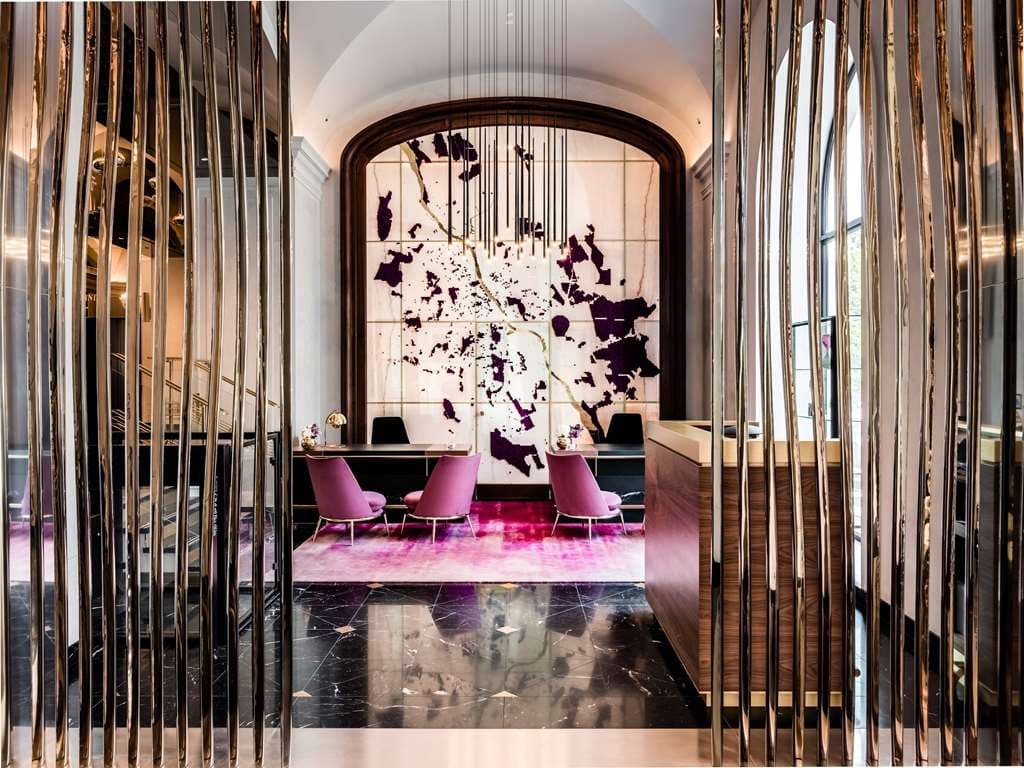
Explore All Warsaw HotelsIf the neo-renaissance façade of the Raffles Europejski suggests Old World stiffness, the interior is a rebellion. Anchoring the Royal Route, this isn't merely a hotel; it is a curator’s retort to the city's complex history. The lobby functions less like a check-in point and more like a gallery for the Art Collection Europejski, featuring over 500 works by Polish modernists like Tadeusz Kantor. Upstairs, the rebellion continues in the city’s largest entry-level rooms (45 sqm), where blackened oak floors and velvet headboards contrast with stark, contemporary Polish art. The butler service—standard for all rooms—delivers coffee in silver cups with charming, if occasionally uneven, enthusiasm. Downstairs, the Europejski Grill avoids hotel-restaurant clichés by serving a smoked sturgeon and veal tongue żurek that demands attention, while the Lourse Warszawa pâtisserie resurrects pre-war café culture with white marble and gluten-free chocolate tortes. It is a sophisticated, unapologetic celebration of Polish creativity.
“Book an Art Concierge tour to decode the abstract pieces in the lobby, then hit the counter-current pool—it’s small (9m), but the jet stream allows for an infinite swim.”
Insider TipAvg. Nightly Rate
338USD
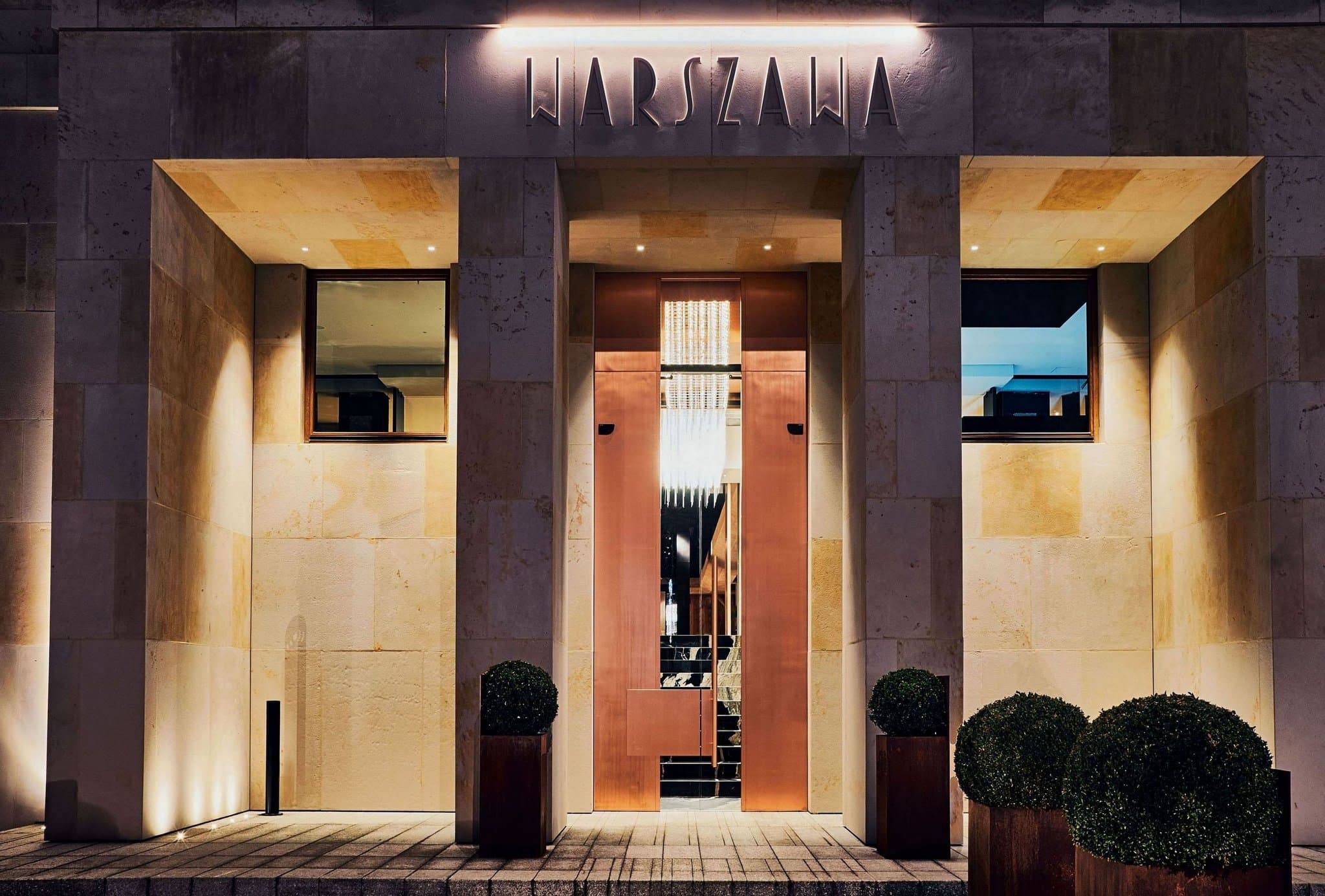
This is not a restoration; it is a resurrection. Rising from the shell of the pre-war Prudential tower, Hotel Warszawa has stripped away the superfluous to reveal a raw, architectural skeleton of concrete, copper, and walnut. The Lichota family has eschewed standard five-star beige for a moody, cavernous aesthetic where light is treated as a scarce commodity. Rooms are studies in restraint—expect heavy stone bathrooms, heated floors, and 400-thread count linens that feel crisp against the industrial gloom. Dining is split between the subterranean and the skyline. Downstairs, Restauracja Warszawska delivers unpretentious Polish heft (the Mangalica charcuterie is non-negotiable), while the sixth-floor Szóstka offers open-kitchen theater and beef tartare tacos against a backdrop of the Palace of Culture and Science. Service is sharp, devoid of fawning, and efficient. The verdict? A defiant, monolithic triumph that earned its debut Michelin Key in 2024. It is essential lodging for the design-obsessed who prefer their luxury served cold, hard, and undeniably chic.
“Skip the morning rush. The subterranean pool and salt cave are open until midnight—a late-night solo swim in the stone-clad darkness is the hotel's most cinematic experience.”
Insider TipAvg. Nightly Rate
171USD
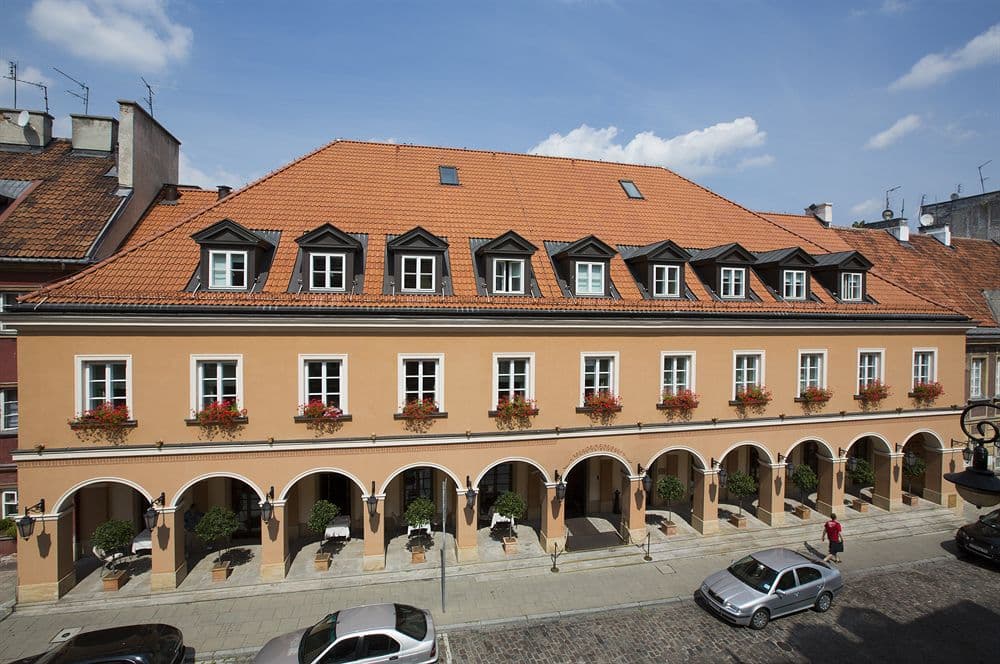
If the Royal Castle is Warsaw’s public face, Mamaison Le Regina is its private confession. Occupying the 18th-century Mokrowsky Palace in the New Town, this property manages a difficult trick: it feels miles from the tourist fray while being only steps from the Vistula. Entry is via a wrought-iron gate into a courtyard that functions as the hotel’s lungs—a sun-drenched patio that feels more Marais than Masovia. The interiors are a deliberate pivot from the city's stark post-war reconstruction. Expect heavy chocolate leathers, velvet upholstery, and floral murals that nod to the building's aristocratic past rather than modern minimalism. The rooms are generous in square footage, though the historic masonry breathes a little too freely in January; pack cashmere, as the heating can be temperamental. Downstairs, the wellness area hosts a 'Roman-style' pool. Read: it is architectural and moody, but strictly for dipping, not laps. The real draw is La Rotisserie, where the warm scallop salad and roasted Irish beef justify the white-tablecloth formality. Service is old-school attentive—concierges here actually know the city, rather than just Googling it for you. It is imperfect, certainly, but in an age of standardized glass boxes, its character is its currency.
“Request a room facing the internal courtyard (Patio) for absolute silence; the street-facing rooms, while scenic, catch the morning delivery echoes.”
Insider TipAvg. Nightly Rate
155USD
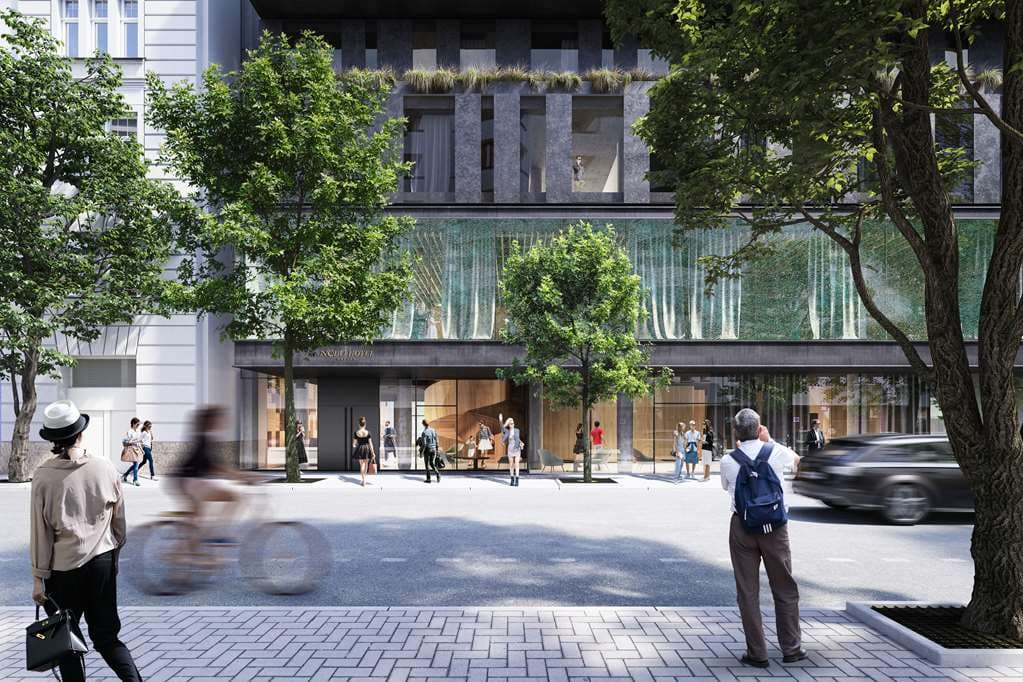
Forget the Old Town clichés; the real design revolution is happening on Wilcza Street. Nobu Hotel Warsaw is an architectural collision that shouldn’t work, but absolutely does. On one side, a restored 1920s Art Deco tenement; on the other, a jagged, V-shaped glass-and-concrete monolith by the Medusa Group. The result is a masterclass in duality. I checked into the modern wing, where the vibe is brutalist-luxe: exposed concrete walls are softened by oak louvers, soundproof floor-to-ceiling windows, and glorious Natura Bissé amenities. The room feels like a Tokyo sanctuary, complete with Japanese Zori slippers and high-end hair straighteners—a rare, practical luxury. Downstairs, the scene is moody and electric. While the absence of a swimming pool is a notable omission for a five-star property, the culinary programming compensates. Breakfast is a departure from the continental standard; order the Japanese set for grilled fish and umami-rich pickles. Dinner at the signature restaurant is mandatory—the Black Cod Miso is as buttery as ever—but the service can occasionally feel more 'laid-back Californian' than 'sharp European.' Still, for the design-conscious traveler, this is the sharpest address in Poland.
“Bypass the lobby bar for a nightcap and descend into 'Jassmine,' the hotel’s secret basement jazz club. It sells out weeks in advance, so email the concierge immediately upon booking.”
Insider TipAvg. Nightly Rate
150USD
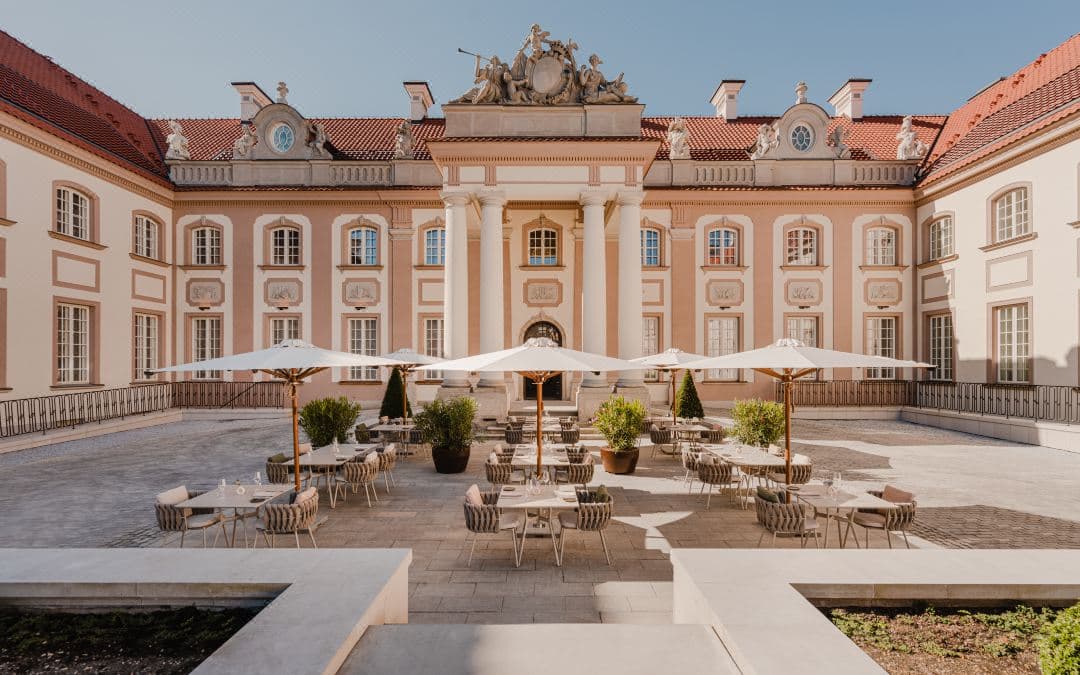
Warsaw’s Old Town can feel like a preserved stage set, but Hotel Verte cracks the mold, proving that historical gravity doesn't require a dusty atmosphere. Occupying the restored Branicki and Szaniawski Palaces, this Autograph Collection property isn't just a museum you can sleep in—it’s a sharp, modern rebuttal to the city’s Soviet-era grayness. The design team has stripped away the expected heavy velvets, opting instead for a cool, gallery-like minimalism that lets the 18th-century bones—soaring five-meter ceilings and intricate brickwork—do the heavy lifting. The rooms are quiet sanctuaries, soundproofed against the cobblestone clamor, featuring Technogym kits and sleek, monochromatic baths that feel distinctly 2024. But the real theater happens downstairs. Breakfast in the glass-walled Pawilon (The Pavilion) is a non-negotiable morning ritual; skip the buffet line and order the Crab Benedict, which has already garnered a cult following. For dinner, KUK Restaurant serves a 'neo-bistro' menu where Chef Maciej Majewski deconstructs Polish classics—his 'W-Z' dessert is a architectural marvel on a plate. While the absence of a pool is a notable omission for a property of this caliber, the spa compensates with delightfully esoteric treatments involving bison grass oil and, yes, miracle snail mucus. Service can occasionally suffer from 'new hotel' jitters, but for a property that puts you within stumbling distance of the Royal Castle while feeling miles away from the tourist crush, Verte is the fresh sovereign of Warsaw hospitality.
“Request a 'Garden View' room on the second floor to avoid the street noise of Miodowa Street and catch a glimpse of the private palace courtyard.”
Insider TipAvg. Nightly Rate
168USD
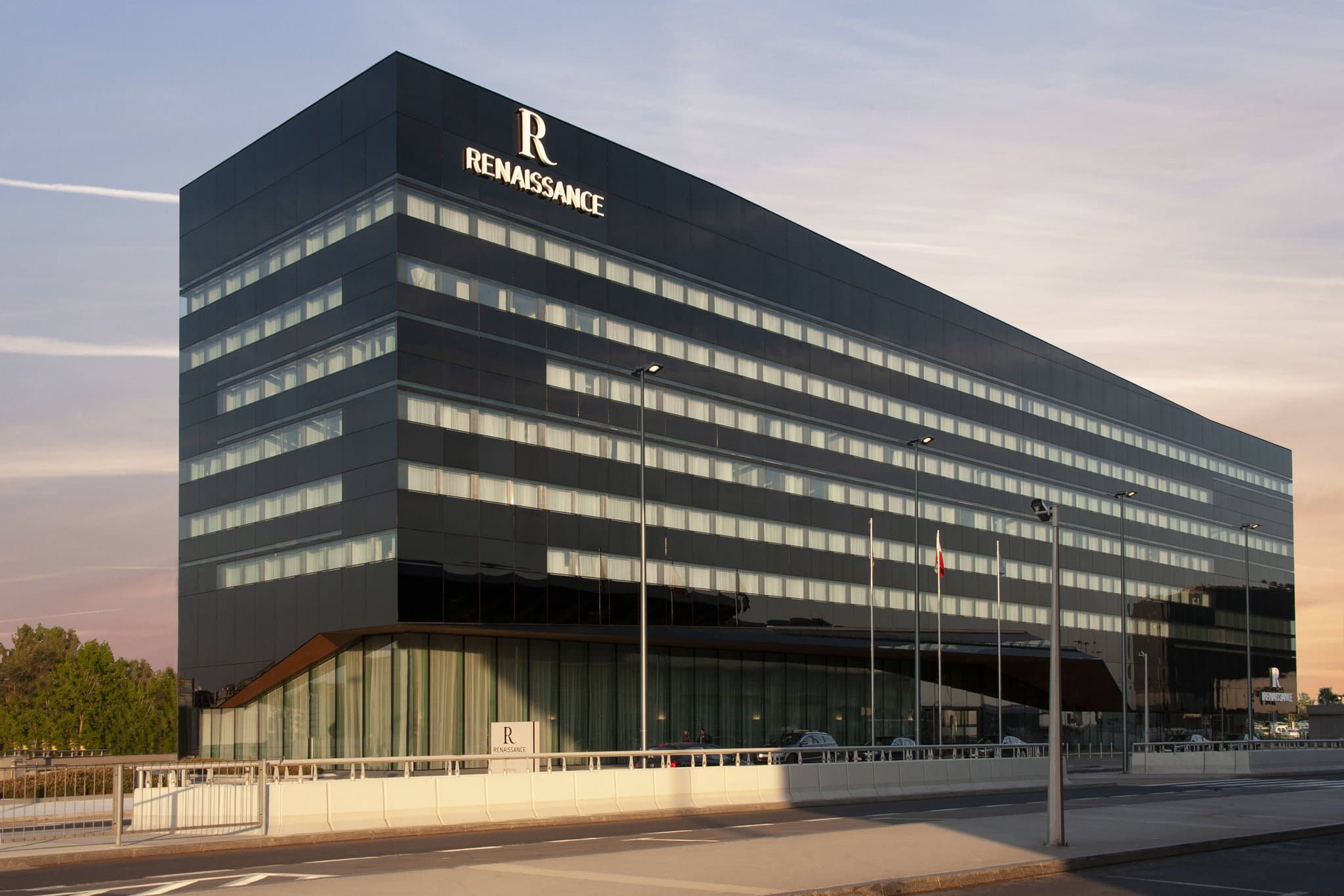
Banish the thought of the sad, beige transit box. The Renaissance Warsaw Airport Hotel is a jolt of retro-futuristic adrenaline located a mere two-minute walk from the departures terminal. Stepping into the lobby feels less like a layover and more like entering a set from a high-budget 1960s sci-fi film. The design is a love letter to Polish Modernism, where terrazzo floors, avant-garde light sculptures, and the 'Discovery Table' evoke the golden age of travel. Upstairs, the rooms are a masterclass in functional luxury. Despite the unbeatable proximity to the runway, the soundproofing is absolute—an eerie, blissful silence that ensures deep sleep on 400-thread count linens. The industrial concrete aesthetic is softened by warm poster art, preventing the space from feeling cold. For dinner, skip the airport food court and head to Challenge '32. The crayfish cream soup is rich and restorative, while the Confit Duck Breast proves this kitchen isn't just feeding captive audiences. Before your flight, a dip in the indoor pool—illuminated by cinematic, moody lighting—is non-negotiable. It’s not just a place to sleep; it’s a destination.
“Request a high-floor room facing the runway. You get thrilling views of planes taking off without a decibel of noise. Also, the breakfast buffet opens at a bleary-eyed 5:00 AM—perfect for the first wave of flights.”
Insider TipAvg. Nightly Rate
106USD
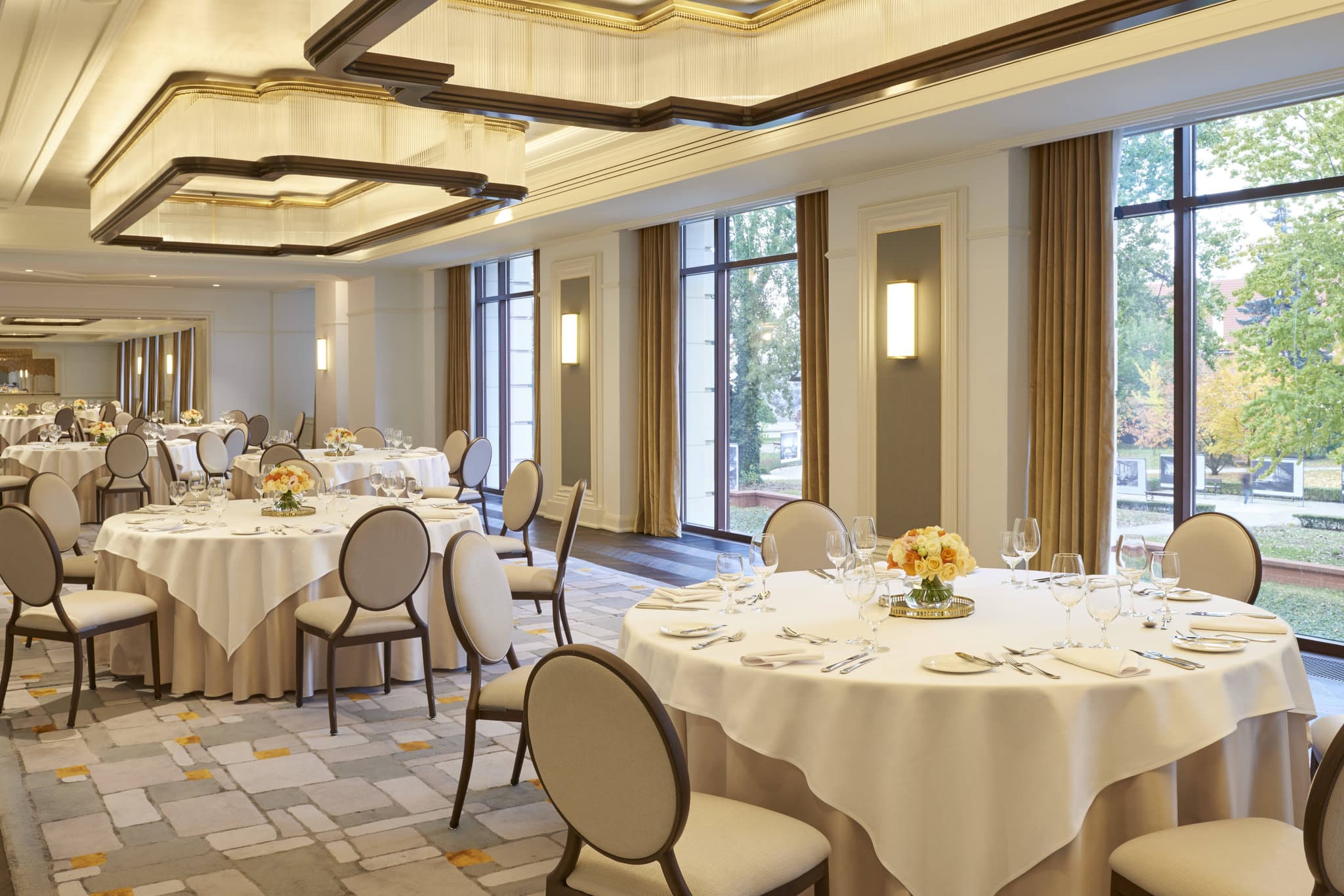
In a city rapidly rewriting its skyline with glass needles and industrial-chic concrete, the Hotel Bristol remains the defiant, Secessionist matriarch of the Royal Route. It does not attempt to keep up with the 'new wave' of Polish design; it simply waits for them to realize they are underdressed. The lobby is a masterclass in atmosphere—midnight blue walls and a brass-caged elevator that feels less like a lift and more like a time machine to 1901. However, historic charm demands a specific sacrifice: square footage. The entry-level Classic rooms are a tight 24 square meters—barely enough to swing a Tumi carry-on, let alone a cat. The lack of power outlets is a gentle, frustrating reminder of the building's vintage. But one forgives the spatial economy the moment they descend to Lane’s Gin Bar. Here, the vibe shifts from Vienna to Tokyo, serving a Wagyu A5 Tataki that rivals anything in Mayfair. For breakfast, skip the eggs and commit to the raspberry-crowned Bristol Cake at Café Bristol, a rite of passage for every visiting diplomat. Beneath the streets, the cobalt-blue indoor pool offers a moody, silent counterpoint to the city’s frenetic energy. The Bristol proves that while Warsaw’s new hotels have the hype, the Old Guard still has the style.
“Book a 'Grand Hotel View' room to face the Presidential Palace, and visit the pool before 9 AM to have the cobalt waters entirely to yourself.”
Insider TipAvg. Nightly Rate
170USD
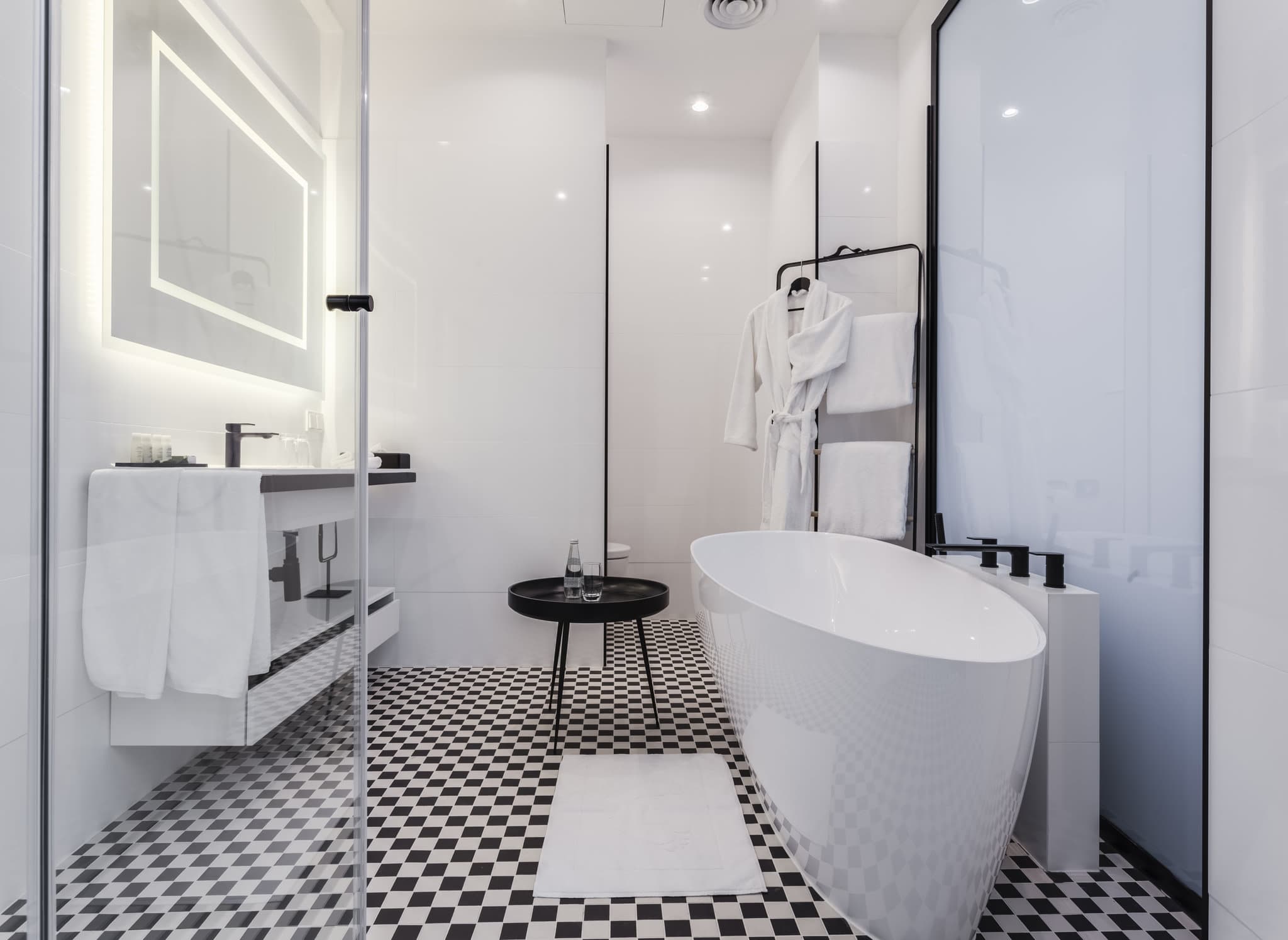
Warsaw is often unfairly typecast as gray, but this property on the fashionable Nowy Świat shatters that monochrome myth. Anchoring the Royal Route, Hotel Indigo Warsaw performs a clever architectural sleight of hand: the façade is pure 19th-century aristocratic poise, but the interiors are a riot of contemporary wit. You enter not into a stiff lobby, but a theatrical atrium dominated by a chandelier of 900 hand-blown glass bulbs—a deliberate nod to the building’s history as a glass factory, not just decorative filler. The residential wings are a masterclass in spatial efficiency. Yes, the entry-level rooms are tight (hovering around 18sqm), but they distract you with soaring high ceilings, herringbone parquet floors, and a pillow menu that actually delivers. It’s less 'hotel room' and more 'wealthy aunt’s guest pied-à-terre.' Dining here isn't an afterthought. Restauracja FLO avoids the trap of tourist-trap dumplings; their duck pierogi with marjoram is a serious culinary statement. Cap the night at the Bourbon Lounge. Order the Old Fashioned—the bartender carves the ice sphere by hand, a piece of theater worth the price of admission alone. It’s polished, confident, and refreshingly un-corporate.
“Request a room facing the internal patio. While the street view is lively, the patio rooms are dead silent—crucial on weekends.”
Insider TipAvg. Nightly Rate
91USD