No. 01
No. 205 Feifeng Road Hongshan. Wuxi China 214115Wuxi142 verified reviews
9
.0
Bitvoya Edit
Layering imagery, place, and detail before the page opens.
Welcome to Wuxi, a city where the misty waters of Taihu Lake blend seamlessly with ancient spiritual traditions. This curated collection invites you to explore the Binhu District, home to the meticulously designed Nianhua Bay. Here, architecture inspired by the Tang and Song dynasties evokes the tranquility of traditional Zen ryokans. Whether you are staying near the majestic Lingshan Grand Buddha or the modern skyline of Taihu New City, these properties offer a sanctuary from the bustle. From the authentic aesthetics of the Nianhua Bay Polomydo Hotel to the lakeside luxury of the InterContinental, prepare to immerse yourself in a world of tea ceremonies, incense, and profound silence.
Wuxi is not just an industrial powerhouse; it is the cradle of Jiangnan culture. Nianhua Bay, specifically, was constructed to manifest the essence of Zen living. Unlike standard luxury hotels, the properties here—such as the Wuxi Nianhua Bay Polomydo Hotel—are designed with wood, stone, and bamboo to reflect a harmony between humanity and nature. This destination offers a rare blend of Tang Dynasty grandeur and the intimate, minimalist service found in top-tier ryokans, making it a unique spiritual retreat in Eastern China.
When visiting for a Zen retreat, there are two distinct zones to consider:
Visitors seeking serenity in Wuxi should expect a slower pace of life. Mornings often begin with meditation or copying sutras, activities frequently offered by hotels in the Nianhua collection. Culinary experiences focus on vegetarian-friendly kaiseki-style meals or Jiangnan freshwater delicacies. Visually, expect manicured moss gardens, paper lanterns, and architecture that transports you back a thousand years. Whether soaking in a spa overlooking the wetlands at the Radisson Blu or enjoying the design-forward aesthetics of Hotel Indigo, the focus remains on mindfulness and relaxation.
The best times to visit are spring (March to May) for the cherry blossoms and flowers, and autumn (September to November) for the comfortable cool weather, ideal for meditation and outdoor walks.
While they strongly resemble Japanese Ryokans, the architecture is actually based on Tang and Song Dynasty styles, which historically influenced Japanese architecture. They offer a similar 'Zen' atmosphere, tatami rooms, and meticulous service.
Yes, besides the quiet Zen areas, there are cultural workshops, light shows, and costume rentals that are very engaging for families, though the atmosphere is generally more subdued than a theme park.
Explore our complete curated list of luxury accommodations, from boutique hideaways to grand dames.
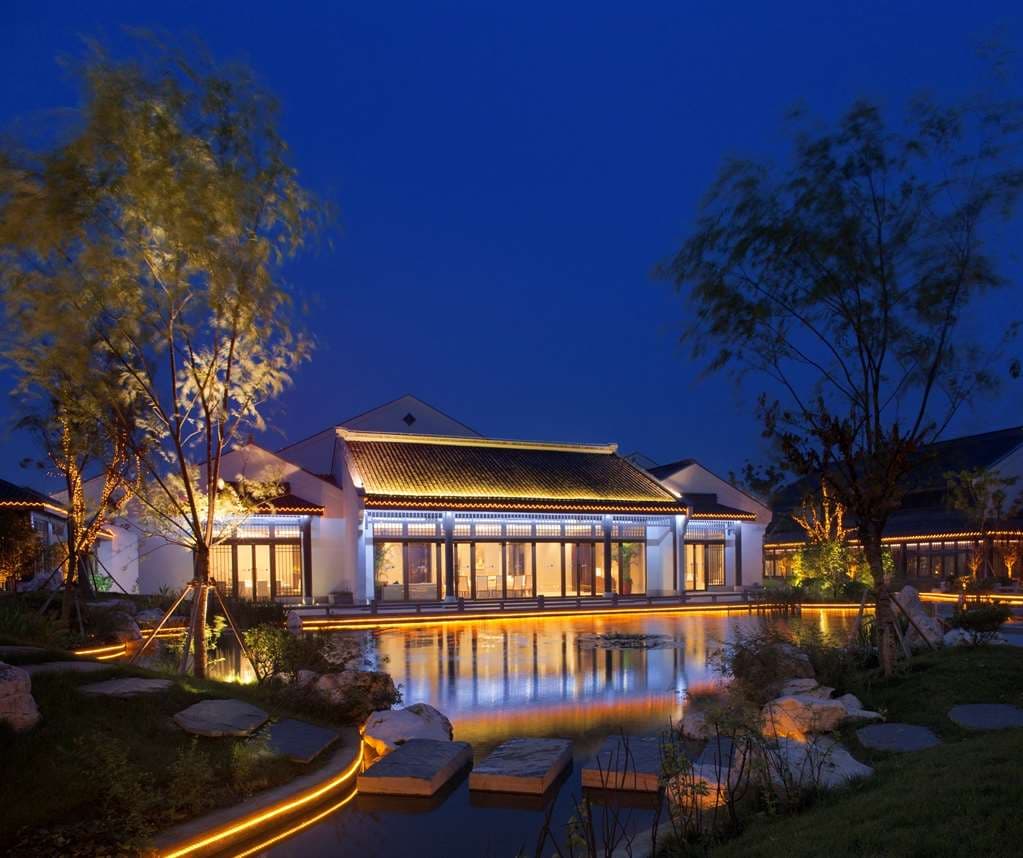
Explore All Wuxi HotelsForget everything you know about standard corporate hotels. The Radisson Blu Resort Wetland Park Wuxi plays a different game entirely, trading cookie-cutter lobbies for the sweeping eaves and gray-tiled roofs of traditional 'Wu Palace' architecture. Situated deep within the Lianghong National Wetland Park, this property feels less like a hotel and more like a film set for a high-budget period drama, particularly after its comprehensive 2023 room renovation. The updated interiors are a sharp, necessary contrast to the historicist exterior. Inside, the heavy timber gives way to clean lines, 400-thread-count linens, and modern soundproofing that keeps the wetland’s insect chorus at bay. The standout experience, however, is culinary. Skip the international buffet at 'Flowing Water' and book a table at 'Wu Palace' restaurant. Their authentic Wuxi braised pork is sticky, sweet, and structurally perfect—a dish that demands attention. While the location is undeniably remote (you are effectively captive to the wetland), the payoff is a silence so profound it feels expensive. Service is polished but relaxed, lacking the stiff formality of Shanghai's Bund hotels. For architecture buffs and silence-seekers, this is a triumphant, if slightly eccentric, escape.
“Request a 'Renovated Garden View' room on the 3rd floor. The older unrenovated wings can feel tired, but the 3rd floor offers the best vantage point over the courtyard bridges.”
Insider TipAvg. Nightly Rate
62USD

Nianhua Bay might be a manufactured scenic town, but the Polomydo Hotel brings a necessary gravity to the spectacle. Located directly within the resort, this property executes Tang Dynasty aesthetics with surprising restraint—think timber framing, low-slung eaves, and wide corridors that actually invite silence. The rooms are a sharp counterpoint to the busy streets outside, featuring rain forest showers and minimalist decor, though the dedicated B.Duck family suites prove this place doesn't take itself too seriously. Dining is the real draw here. Skip the overpriced street snacks and book a table at Ruyi Xuan for the sticky, gelatinous perfection of their signature Wuxi Braised Pork Ribs. For the ascetic-curious, the Zen Food Hall offers the 'Jingkong' vegetarian set, which is far more flavorful than its pious name suggests. Service is swift and unobtrusive, a rarity in high-traffic tourist zones. Verdict: The only civilized way to experience the neon-lit 'Cyber-Zen' of Nianhua Bay.
“Request a 'Panoramic Room' on the 5th floor facing the lake; you can watch the nightly drone and light show from your balcony without battling the crowds below.”
Insider TipAvg. Nightly Rate
110USD
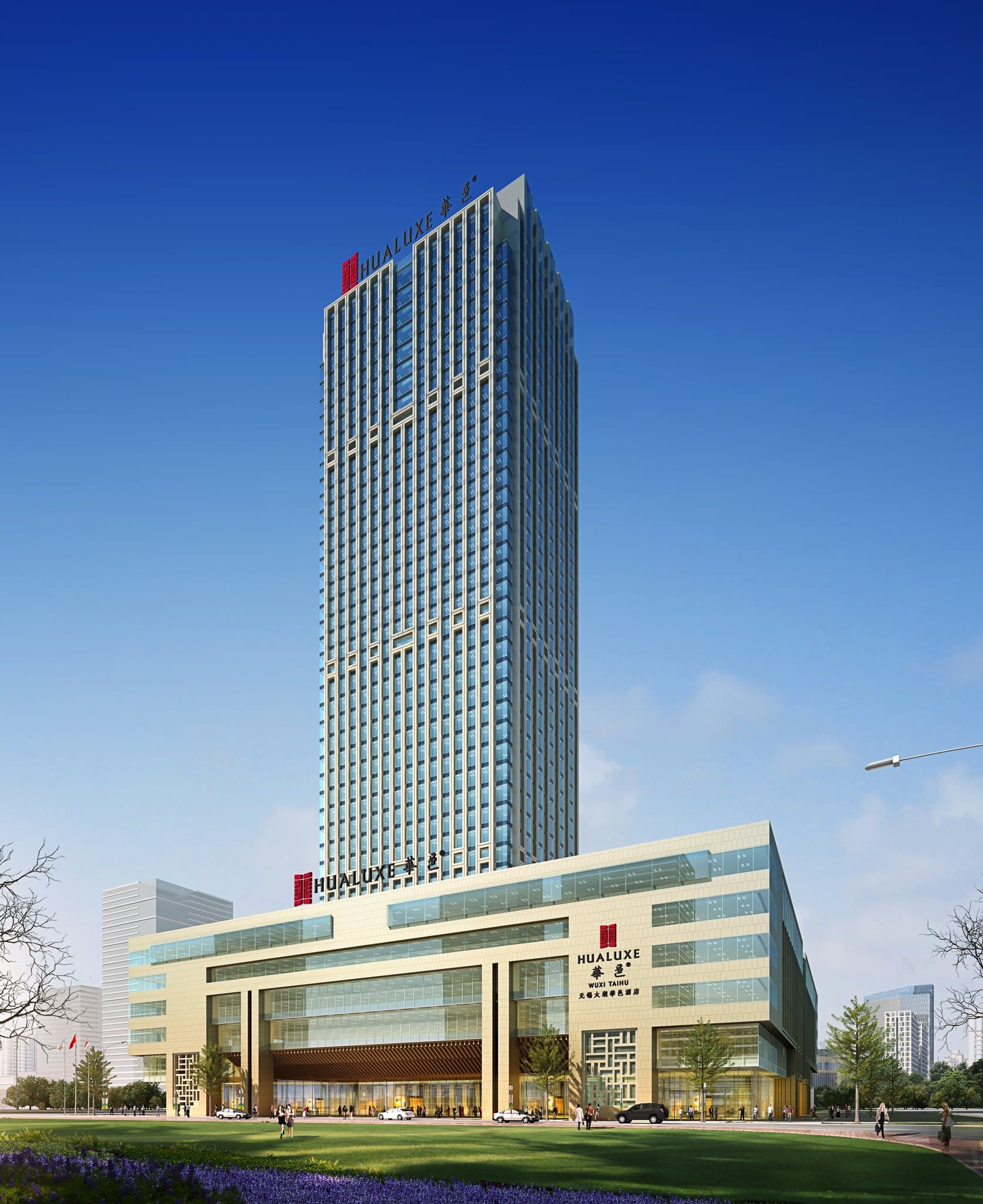
Forget the factory smokestacks associated with Wuxi; HUALUXE Wuxi Taihu operates on a different frequency. Located in the Taihu New City district, this property swaps industrial grit for ink-wash screens and stone art, effectively silencing the city noise the moment you step into the lobby. It is a calculated exercise in modern Chinese hospitality, where the chaos of business travel is countered by the ritual of tea. The rooms on the 28th to 39th floors offer more than just sleep; they provide a vantage point over the ShangXian River Wetland. Inside, the focus is tactile: Essentiel Elements bath products and a dedicated tea set that encourages you to slow down before you rush out. For dinner, skip the room service club sandwich. The 'Cai Feng Lou' restaurant executes a Poached Peony Shaped Prawn that is as visually exacting as it is flavorful. If you arrive late, the 'Mian+' noodle bar serves handmade wontons that put airport food to shame. **Verdict:** A rare business hotel that functions as a legitimate retreat, proving that efficiency and mindfulness aren't mutually exclusive.
“Book a swim at the 41st-floor indoor pool during the golden hour. The heated water and floor-to-ceiling windows offer a skyline reflection that beats any rooftop bar in the city.”
Insider TipAvg. Nightly Rate
74USD
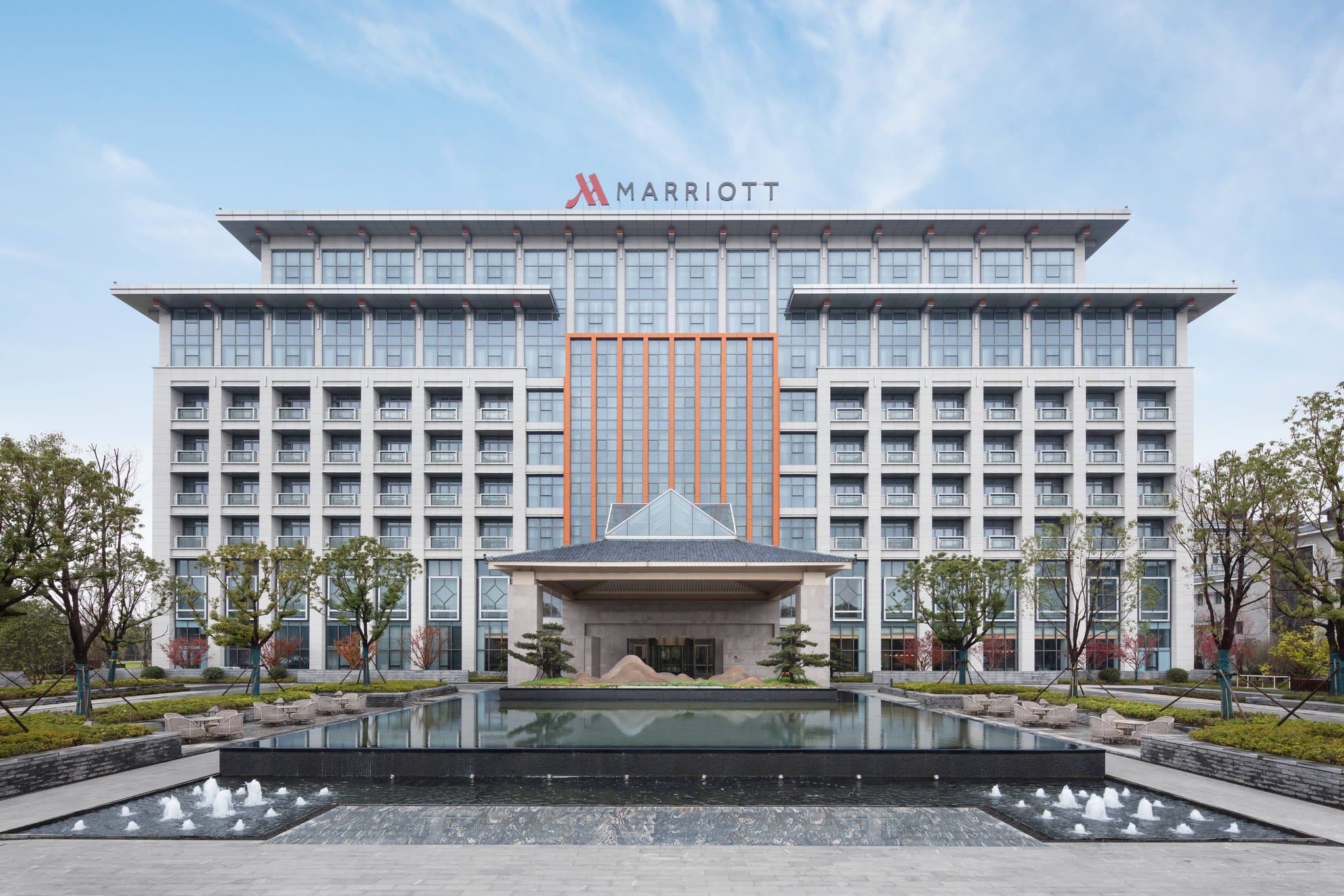
While the feature ostensibly seeks ryokans, the Wuxi Marriott Hotel Lihu Lake offers a compelling counter-narrative: serenity through slick, reliable modernism. Positioned in the quiet Binhu District, this isn’t a wood-and-paper retreat but a glass-and-steel sanctuary that frames the very tranquility you came for. The architecture plays second fiddle to the floor-to-ceiling views of Lihu Lake and the adjacent Liyuan Garden, creating a 'living painting' effect in the Premier Lake View rooms. Inside, the vibe is strictly international polish. The 'This Works' amenities and 400-thread count linens provide the tactile luxury one expects, though the WiFi can be temperamental—perhaps a forced digital detox? Skip the breakfast buffet at Wuxi Kitchen, which lacks the abundance of its peers, and reserve a table at Man Ho. Here, the signature Man Ho Crispy Chicken offers a textural masterclass that rivals any local haunt. Service is the unheralded hero; staff members like Lulu and Randy navigate the lobby’s water-inspired art installations with an intuitive grace that feels less like a chain hotel and more like a private club. It’s a sophisticated, if slightly disconnected, base for the serenity-seeker.
“Book a table on the lakeside lawn at sunset; the view of the Taihu Star Ferris Wheel lighting up against the darkening sky is the hotel's best-kept secret.”
Insider TipAvg. Nightly Rate
105USD

Forget the industrial hum often associated with Wuxi; the InterContinental Taihu New City operates on a frequency of its own—one of aquatic zen and polished grandeur. Positioned purposefully near the Shangxian River Wetland Park, the property reads like a modern love letter to the Jiangnan region, balancing high-voltage corporate efficiency with the soul of a ryokan. Inside, the design titans at Hirsch Bedner Associates (HBA) have juxtaposed sharp architectural lines with softening touches, most notably the ethereal Xuan paper art installation that dominates the lobby, grounding the soaring space in local heritage. The accommodations are vast, starting at a generous 53 square meters, and feel less like hotel quarters and more like private residences. Expect Byredo amenities to elevate your rain shower and a workspace that actually respects the needs of a global nomad. Dining here is a destination sport: while the international spread at Commune is robust, the real insider move is a dinner at Cai Feng Lou. Order the signature poached peony-shaped prawn with salted egg yolk—it is not merely dinner, but edible art. For a nightcap, CHAR Bar & Grill on level 25 offers premium steaks and cocktails against the glittering backdrop of the Taihu skyline. While the location is removed from the downtown fray, that is precisely the point. This is a sanctuary where the air is cleaner, the silence is deeper, and the luxury is unapologetic.
“Request a room on the higher floors facing the wetland park for a sunrise view that looks like a traditional ink wash painting. Also, the pool is quietest around 1 PM.”
Insider TipAvg. Nightly Rate
113USD
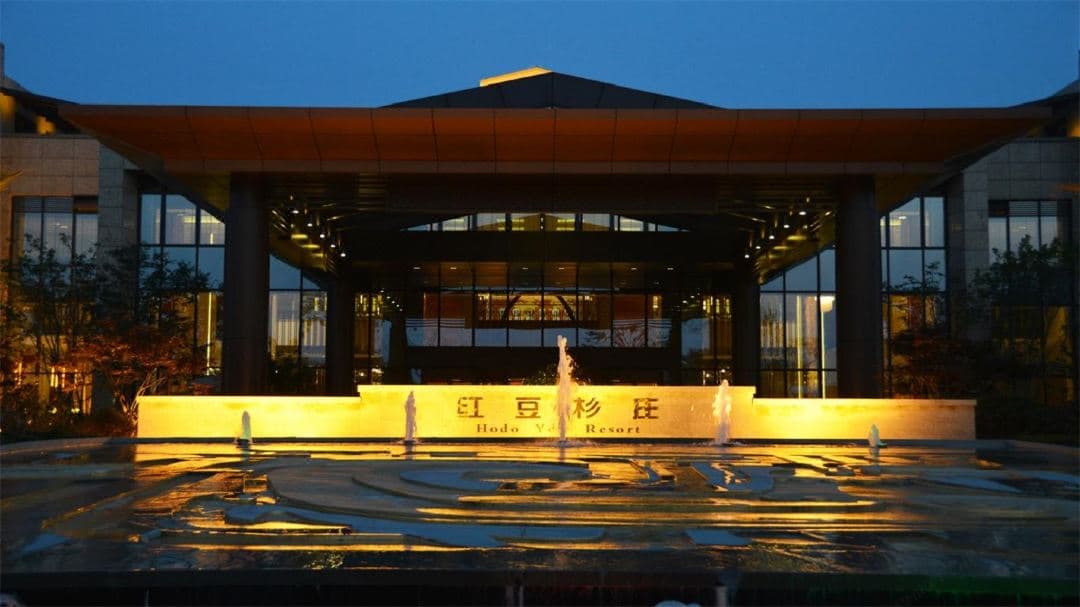
To find Wuxi’s most paradoxical sanctuary, one must venture past the factories of Donggang into the Hongdou Industrial City. Here, the Yew Resort Wuxi stands not as a commercial glitzy hotel, but as a stoic 'state guesthouse' style retreat enveloped by a 35,000-tree Yew forest. It is an architectural oxymoron: a botanical lung breathing deeply in an industrial chest. The interiors eschew modern minimalism for a weightier, slightly dated sense of permanence—think heavy mahogany doors and 51-square-meter suites that feel less like hotel rooms and more like ministerial quarters. The aesthetic is unapologetically 'Jiangnan official,' but the silence is absolute. Open the windows, and you aren't greeted by traffic, but by the scientifically touted 'phytoncide' rich air of the taxus trees. Dining requires strategy. The breakfast buffet at Zishan Hall is frankly skippable—often ending too early and lacking inspiration. Instead, channel your appetite to Jiangnan Hall for dinner; their signature Wuxi Spare Ribs are sticky, sweet, and fall-off-the-bone authentic. The Jinling-managed gym and constant-temperature pool offer a quiet, no-nonsense wellness fix. This isn't a place for nightlife; it's a place to sleep for twelve hours and wake up oxygenated.
“Skip the lackluster breakfast buffet entirely. Instead, sleep in and order the 'Freshwater Delicacies' à la carte at Jiangnan Hall for lunch.”
Insider TipAvg. Nightly Rate
67USD
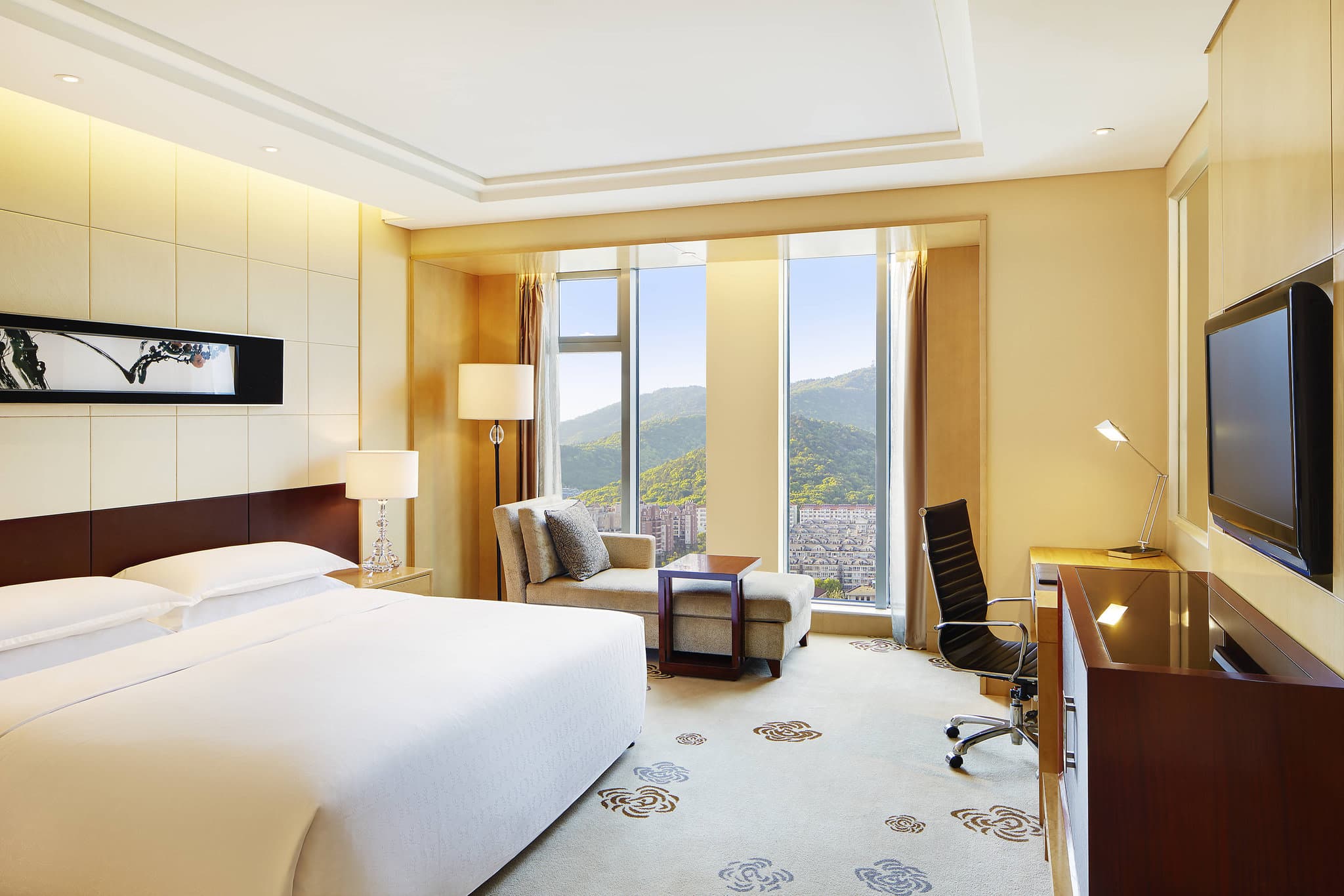
For those tracing the spiritual arc of the Lingshan Grand Buddha, the Sheraton Wuxi Binhu Hotel serves as a grounded, reliable counterpoint to the area’s ethereal temples. While the lobby’s polished marble screams 'business efficiency,' the property softens considerably once you ascend. The standout feature is the indoor heated pool, where an LED 'starry sky' ceiling creates a surreal, bioluminescent swimming experience. Rooms are designed with practical luxury; floor-to-ceiling windows in the Mountain View Rooms frame the misty peaks of Mount Xihui, turning the window nook into a prime meditation spot. Bathrooms feature Le Grand Bain citron-and-vetiver amenities, a sharp scent that cuts through the Jiangnan humidity. Dining is where the hotel leans into its locale. Yue Chinese Restaurant serves authentic Wuxi sweetness—the Braised Pork Intestine is rich and impeccably cleaned, while the Crab Meat & Gorgon Fruit Soup offers a textural dive into Huaiyang cuisine. Verdict: It lacks ryokan intimacy, but for reliable luxury with killer mountain views, it’s Binhu's best anchor.
“Request a room on the 20th floor or higher facing Mount Xihui for the best morning mist views. Visit the 'starry sky' pool after 9 PM to have the galaxy ceiling to yourself.”
Insider TipAvg. Nightly Rate
63USD
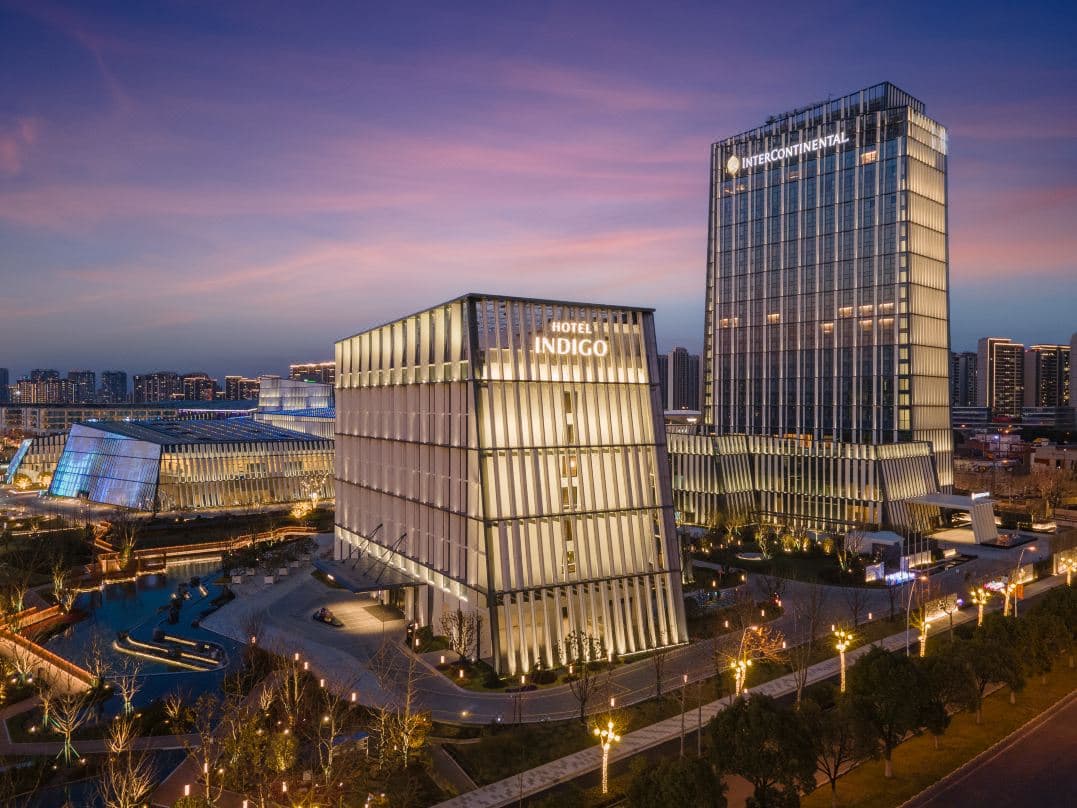
While Wuxi is synonymous with ancient canals, the Hotel Indigo Wuxi Taihu New City offers a sharp, sophisticated counterpoint in the gleaming Xuntang Ancient Town district. Designed by HBA, the interiors eschew tired red-lantern tropes for a 'New Jiangnan' aesthetic—think industrial chic tempered by water-inspired art installations like the mesmerizing 'Shimmering Water' in the lobby. The rooms are a masterclass in modern restraint. Bay windows frame the Shangxian River wetlands, turning the view into a living painting, while the hardware is uncompromisingly premium: Dyson hairdryers, smart toilets, and Le Labo amenities that signal a serious commitment to guest comfort. Dining at the Xi Shine Neighborhood Cafe offers a clever localized twist; the Wuxi fusion dishes here, particularly the sweet-savory braised pork, rival the old town’s stalwarts. It’s not without quirks—breakfast requires a short walk to the adjacent InterContinental, a minor inconvenience that actually expands your culinary options. However, the rooftop pool, open seasonally, provides a private sanctuary the larger hotels can't match. For those seeking a design-forward hideaway removed from the tourist crush, this is Wuxi’s sharpest secret.
“Book a King Room with a Wetland View on a high floor to watch the mist rise over Shangxian River at dawn—it’s the best coffee spot in the city.”
Insider TipAvg. Nightly Rate
106USD