No. 01
12 Lu Jiang Dao Xiamen ChinaXiamen642 verified reviews
9
.0
Bitvoya Edit
Layering imagery, place, and detail before the page opens.
Xiamen, historically known as Amoy, is a city where time flows differently. The salt-tinged breeze from the Taiwan Strait whispers tales of the past as it weaves through the colonial architecture of the Siming District. Our curated collection, 'Old Amoy Elegance by the Harbour,' invites you to stay in properties that bridge the gap between the 19th-century treaty port era and modern luxury. Situated primarily along the vibrant Lujiang Road and the serene coastlines facing Gulangyu Island, these hotels offer more than just a place to sleep—they provide a front-row seat to the dialogue between heritage and horizon. From the art-infused corridors of the Hotel Indigo Xiamen Harbour to the soaring heights of the Conrad Xiamen, prepare to immerse yourself in the sophisticated soul of the Egret Island.
Xiamen stands as a testament to China's maritime history, a unique blend of Minnan culture and Western colonial influence. Choosing a stay 'by the harbour' places you at the epicenter of this narrative. It is not merely about ocean views; it is about witnessing the contrast between the red-roofed heritage buildings of Gulangyu Island and the gleaming skyscrapers of the modern business district. The hotels selected for this collection, such as the Swiss Grand Xiamen and the Marco Polo Xiamen, embody this duality, offering refined service that echoes the polite society of the old treaty port while providing state-of-the-art amenities.
When seeking the 'Old Amoy' vibe, location is paramount.
Guests booking these curated properties can expect a sensory journey. Anticipate high tea served with local Oolong varieties, design aesthetics that utilize local brick and stone work, and concierge services knowledgeable about hidden gem alleyways. Whether it is the grand ballroom elegance of the Kempinski Hotel Xiamen or the boutique charm of Joyze Hotel Xiamen, Curio Collection by Hilton, the experience is defined by a slower pace of life, typical of the Minnan region, ensuring your stay is as relaxing as it is culturally enriching.
The Hotel Indigo Xiamen Harbour and Swiss Grand Xiamen are widely considered to offer the best direct views of Gulangyu Island, as they are situated right along Lujiang Road facing the island.
The Siming District, particularly along Lujiang Road and near Zhongshan Road, is the best area. It provides easy access to historical colonial architecture while hosting several top-tier luxury hotels.
Yes, the Conrad Xiamen is an ultra-luxury option located in the iconic Twin Towers, offering modern amenities, high-altitude views, and a contemporary vibe near the Shapowei art zone.
Explore our complete curated list of luxury accommodations, from boutique hideaways to grand dames.
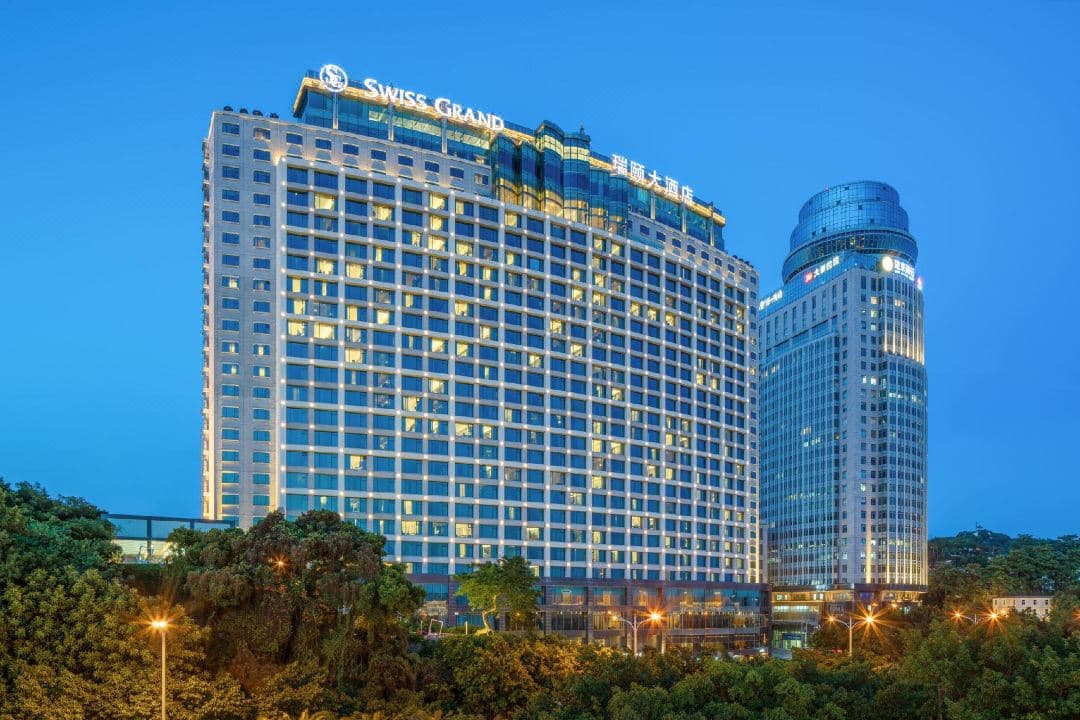
Explore All Xiamen HotelsIn a city rapidly gentrifying with glass monoliths, the Swiss Grand Xiamen remains the unshakeable matriarch of Lujiang Road. While the lobby’s marble might whisper of the early 2010s rather than 2026, the location is unbeatable—anchoring the chaotic end of pedestrian-only Zhongshan Road like a granite bookend. The draw here isn't cutting-edge minimalism; it's the commanding, cinematic views of Gulangyu Island. Request a sea-facing room to watch the ferries cut through the Egret River from your window ledge. The interiors lean into a heavy, corporate comfort—think dark woods and plush carpets—but the tech has been quietly modernized with 65-inch Philips screens. Dining is the hotel’s ace. Skip the room service club sandwich and descend to Xin Nan Xuan on the third floor. This isn't just hotel food; it's a revival of 1911 heritage where the 'Monk Jumps Over the Wall' soup is rich enough to convert skeptics. Afterwards, the Virgo Whisky Club offers a library of Ardbeg and Talisker drams that feels pulled straight from a London member’s club. It’s not trendy, but it’s undeniably correct.
“Book an Executive Gulangyu Sea View room for access to the 26th-floor lounge—the sunset view of the colonial island architecture beat any rooftop bar in the city.”
Insider TipAvg. Nightly Rate
71USD
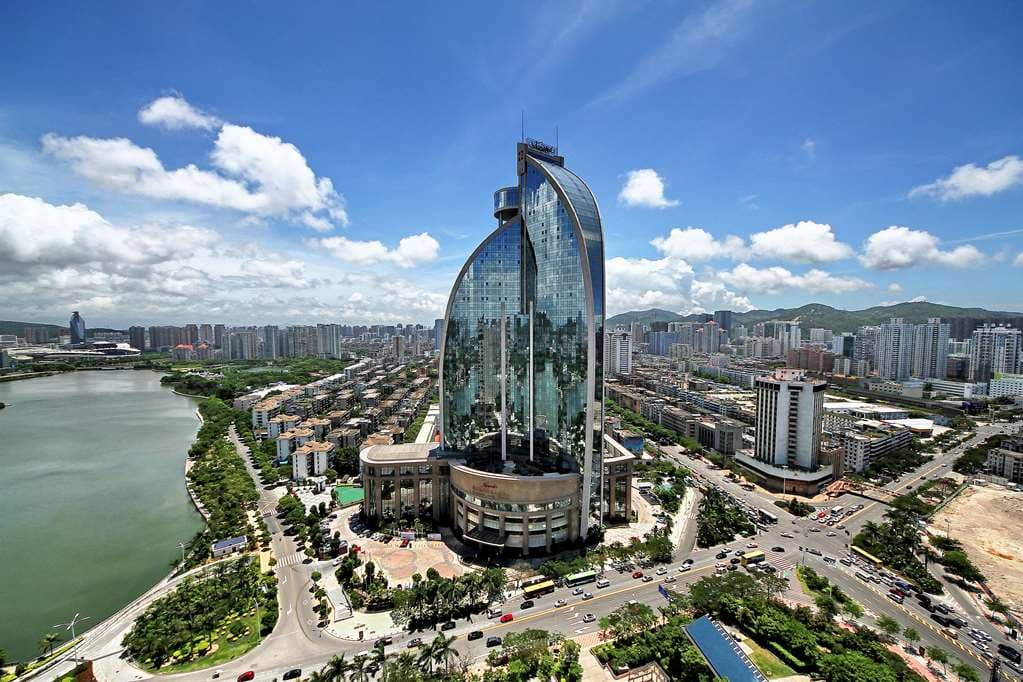
While newer, glass-clad contenders now pepper Xiamen’s skyline, the Kempinski remains the city’s grand dame—a monolithic beacon of early-2010s opulence dominating the city center. Walking into the 17-meter-high lobby, with its sweeping spiral staircase and crystal chandeliers, feels like entering a diplomatic fortress; it is imposing, serious, and unapologetically classic. The rooms are vast, defying the shrinking footprint of modern hotels, though the aesthetic leans heavily into 'old-money' beige and dark woods. The hardware shows its age—AC controls can be temperamental—but the sweeping panoramic views of Yundang Lake from the upper floors make up for the retro interfaces. Where the hotel truly flexes its muscles is dining. It houses Xiamen’s only Paulaner Bräuhaus, where gleaming copper kettles pump out fresh German lager to pair with crispy pork knuckles—a surreal, raucous delight in the heart of Fujian. For purists, 'Yue Fu' delivers impeccable Cantonese dim sum that rivals local street haunts. Verdict: It lacks the minimalist cool of the new generation, but for scale, service, and a decent pint, this veteran still commands respect.
“Request a room on the 20th floor or higher facing Yundang Lake to escape the city hum. Skip the standard coffee; the Paulaner’s home-brewed wheat beer is the real breakfast of champions here.”
Insider TipAvg. Nightly Rate
109USD
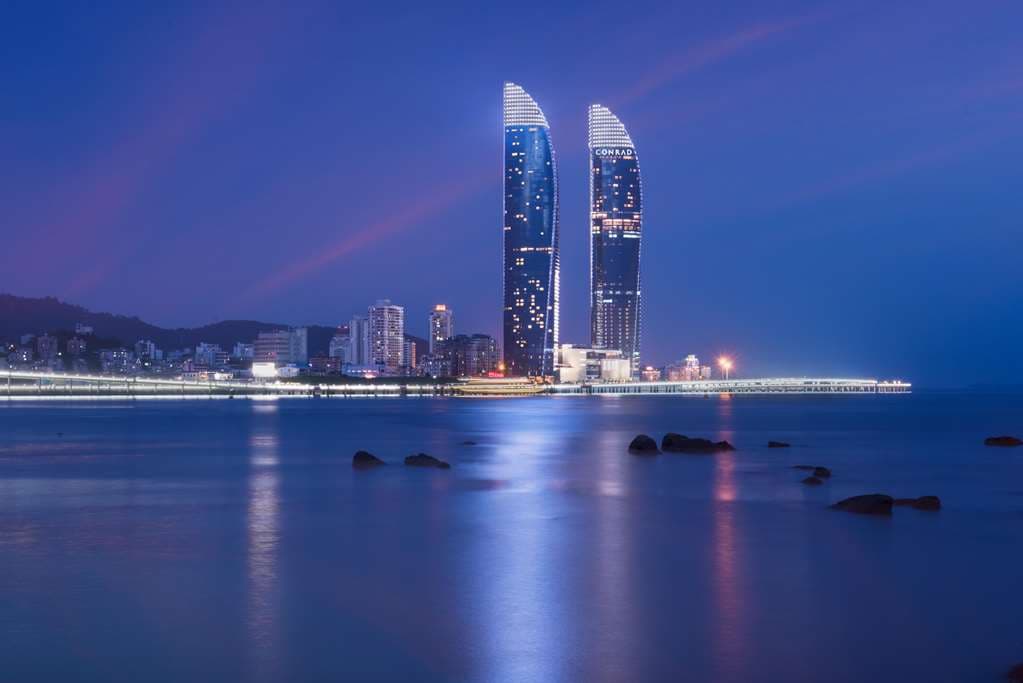
Xiamen’s skyline is defined by the Shimao Straits Towers, twin glass sails that slice through the humid Fujian air. Occupying the upper decks (floors 37–54) of Tower B, the Conrad isn't just a hotel; it’s the city’s definitive viewing platform. While the hardware—opened in 2016—lacks the razor-sharp newness of the Waldorf Astoria, the property compensates with a location that is impossible to replicate. You are suspended directly above the chaotic charm of the Shapowei Art Zone, with the UNESCO-listed Gulangyu Island floating in the window frame like a painting. The interiors channel a 'smart luxury' aesthetic—think pale woods and muted earth tones that defer to the ocean panorama outside. In the rooms, floor-to-ceiling windows are the main event, best enjoyed from the freestanding bathtub. Service has tightened significantly, earning a fresh Forbes 4-Star nod in 2025. Dining is a highlight: skip the buffet and head straight to Coast Bar & Grill on the 54th floor. The signature Seafood Tower is a masterclass in local sourcing, and the Wagyu steak justifies the price tag. It’s a sophisticated, cloud-level sanctuary that forces you to look down and appreciate the history below.
“Request a room ending in '06' or '08' for the most direct, unobstructed views of Gulangyu Island. Also, walk to Shapowei at sunset; traffic around the towers is notorious.”
Insider TipAvg. Nightly Rate
175USD
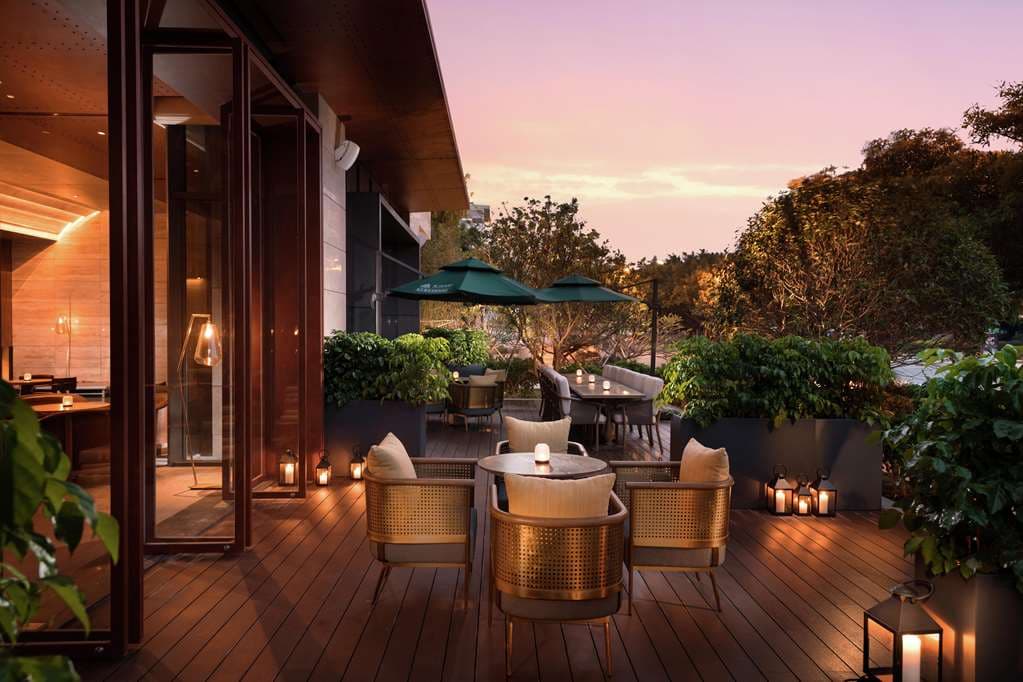
Forget the cookie-cutter glass towers dominating Xiamen’s skyline. The Joyze Hotel, a Curio Collection standout, demands an arrival worth pausing for: a geometric Minnan red-brick entrance that gives way to a gravity-defying 'floating' reception chandelier. It’s a deliberate collision of Zengcuo’an’s fishing village nostalgia and stark, gallery-grade modernity. Upstairs, the rooms shun generic beige for bold aesthetics. Expect smart toilets, curated pillow menus, and balconies that offer either mountain serenity or glimpses of the harbour—though the open-plan bathrooms might test the modesty of platonic travel companions. The real showstopper isn’t just the Technogym-equipped fitness center, but the rooftop infinity pool, which frames the chaos of the village below against a calm sea horizon. Dining here is an exercise in locality. Skip the standard club sandwich and head to TASTE for à la minute shucked oysters and local shellfish. Come sunset, the 'Sundown Ritual' tea show at ZEST offers a theatrical transition from day to night. Verdict? A sophisticated, photogenic retreat for design hunters, though the strict 'no extra bed' policy makes it a tricky sell for larger broods.
“Book a table at ZEST exactly at 5:30 PM for the 'Sundown Ritual'—it’s the golden hour sweet spot for photos against the floating architecture.”
Insider TipAvg. Nightly Rate
92USD

Forget the usual tourist scramble at the ferry terminal; your arrival here is smoothed by a butler who whisks your luggage away before you even step off the boat. Lohkah Isle, occupying the 1920s Ye Family Residence (formerly Four Banyan Villa), rejects the standard five-star template for something far more intimate. There is no cavernous lobby or echoing gym here. Instead, you get Nanyang-style terrazzo floors, intricate brickwork, and a silence so profound it feels expensive. The suites are a lesson in restraint, pairing heritage bones with modern necessities—think Dyson hair dryers and 400-thread count linens against original stone walls. Dining at Rongshe Private Kitchen is non-negotiable; the First-water seaweed fried rice and stewed beef brisket are standout dishes that justify the trip alone. While the lack of a main pool might deter some, the trade-off is worth it: select villas come with private plunge pools, and the Sangyu Tea House offers a slow-drip caffeine fix with Aged Pu’er and mung bean cakes that feels infinitely more restorative than laps in a chlorinated tank. This is not a hotel for the masses; it is a sanctuary for the few.
“Book a tea ceremony at the Mountain Stone Tea House just before sunset for the best light hitting the colonial facade.”
Insider TipAvg. Nightly Rate
414USD
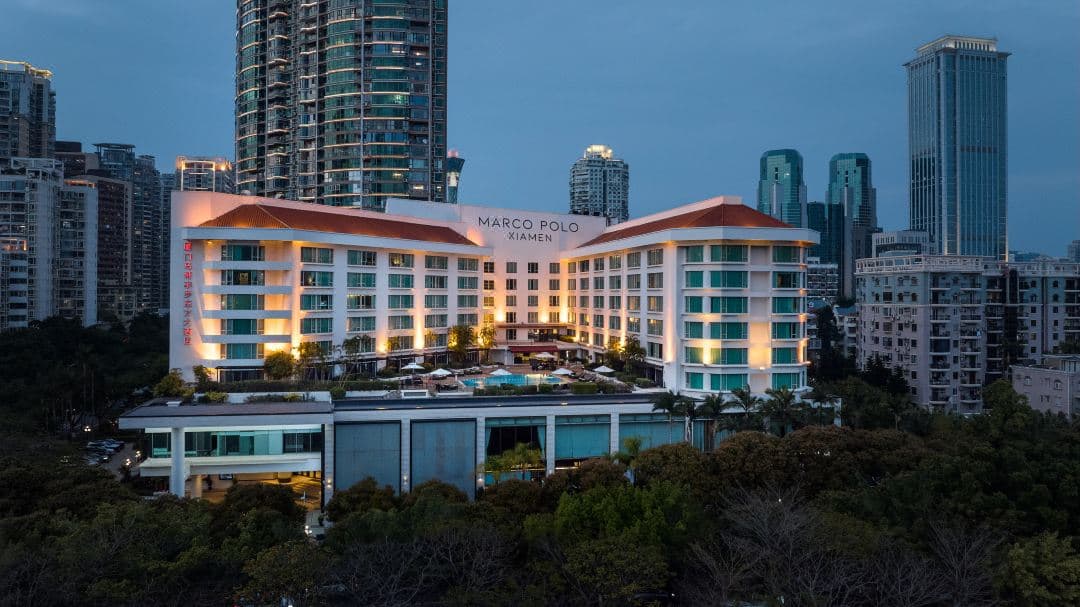
While Xiamen’s skyline bristles with glass-and-steel newcomers, the Marco Polo remains the city’s confident patrician, anchored squarely on the edge of Yundang Lake. It doesn’t shout; it whispers in the dialect of Old Amoy. The lobby is a defiant eight-story atrium that feels less like a hotel and more like a diplomat’s reception hall. Yes, the hardware in the rooms shows a patina of age—you won't find voice-activated curtains here—but the maintenance is forensic, and the linens are crisp. The real draw is the culinary prowess that puts newer establishments to shame. Lotus Court executes Cantonese classics with surgical precision; the braised abalone is non-negotiable. For a different tempo, Shogun’s teppanyaki chefs perform with a theatricality that hasn't dulled over the decades. Service here isn’t the rehearsed script of a chain; it’s intuitive, earning them the 2024 Golden Olive Award for service. It’s the choice for the traveler who prefers the narrative of history over the sterility of the new.
“Skip the generic sweets; the Earl Grey Napoleon Cake at the Lobby Lounge is the city's worst-kept secret. Pair it with a seat facing the 'White Egret Protection Zone' on the lake.”
Insider TipAvg. Nightly Rate
46USD
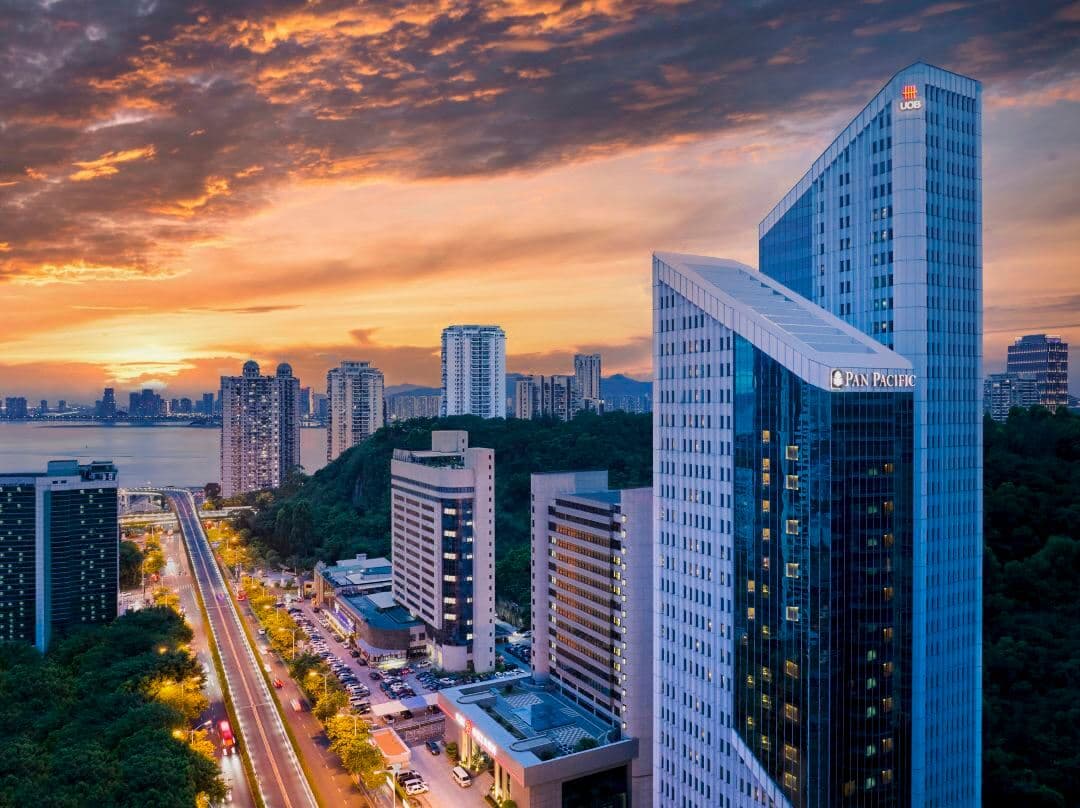
While the flashier newcomers in Xiamen chase the Instagram crowd with neon-lit lobbies, the Pan Pacific Xiamen—a 2009 vintage—commands the International Cruise Terminal with the stiff-upper-lip dignity of a grand dame who knows she owns the block. Standing tall on Hubin North Road, this is where the city’s trade history isn't just a mural in the lobby; it’s the live view from your floor-to-ceiling windows. The aesthetic here is strictly 'Old Amoy' business class—think dark wood paneling, heavy drapery, and bathrooms large enough to echo. It lacks the frenetic design quirks of a W, but replaces them with a reassuring solidity. The culinary game remains its sharpest weapon. Skip the generic international fare and head straight to Hai Tien Lo, where the 'Buddha Jumps Over the Wall' isn't just a soup; it’s a rich, collagen-heavy rite of passage involving abalone and sea cucumber that justifies the flight alone. Afterward, the fourth-floor outdoor pool offers a rare, quiet vantage point over the city’s skyline—a brutalist concrete embrace that feels strangely calming. Service is famously bilingual and crisp, a relic of an era when concierge desks were staffed by humans, not iPads. It’s not the newest face in town, but it’s arguably the most composed.
“Bypass the standard check-in and book a Pacific Club room for access to the Level 28 lounge; the sunset cocktails come with an unobstructed view of the Gulangyu ferries cutting through the harbor.”
Insider TipAvg. Nightly Rate
63USD
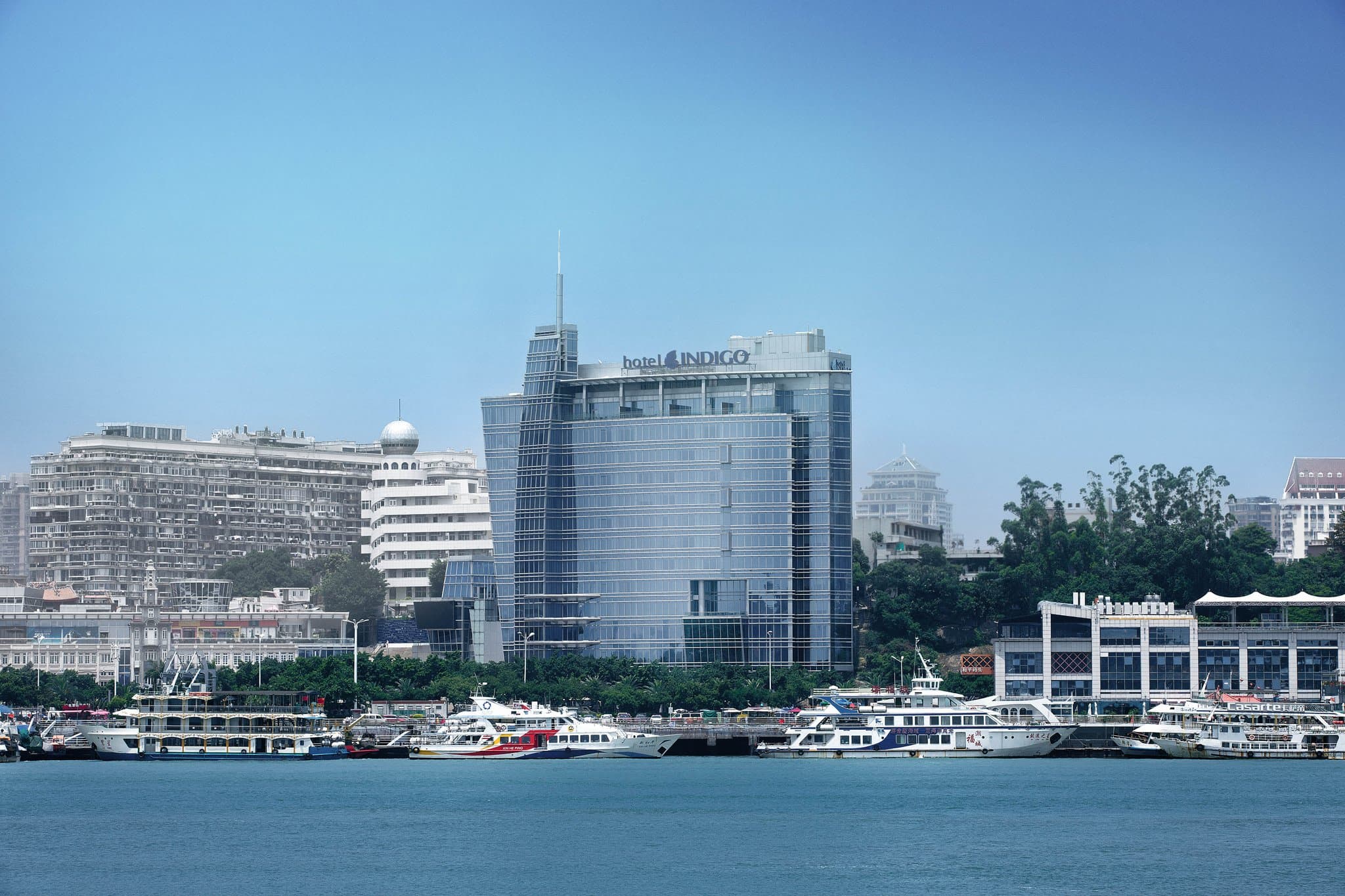
Forget the sprawling resorts on the island’s edge; Hotel Indigo Xiamen Harbour is for the urban archaeologist who wants the city’s pulse right against the glass. Positioned where the feverish energy of Zhongshan Road crashes into the Lujiang River, this property acts less like a hotel and more like a curated lens on the region's trading past. You enter past the “Lady Overlooking the Harbor”—a striking metal sculpture evoking families waiting for returning merchant ships—and the humidity of the street instantly fades into a cool, industrial-chic lobby. The rooms are efficient rather than palatial. At roughly 35 square meters, they mimic the tight, purposeful quarters of a ship’s cabin, yet the finishes feel expensive. The real currency here is the view: floor-to-ceiling windows frame the colonial architecture of Gulangyu Island so perfectly it looks like a painting. While there is no swimming pool—a dealbreaker for some families—the “shell-shaped SPA showers” in the bathrooms deliver high-pressure relief after a day of walking. Dining is best experienced at Quay Restaurant & Lounge. While the international menu is competent, the kitchen shines when it stays local. Order the Shacha noodles; the rich, peanut-heavy seafood broth rivals the famous street stalls of the Eighth Market (Ba Shi) without the plastic stools. Service is sharp, swift, and mercifully devoid of stiffness.
“Book a 'Harbour View' room on the 8th floor or higher. The lower floors face the traffic of Lujiang Road, but the elevation kills the noise and frames the sunset over the ferry terminal perfectly.”
Insider TipAvg. Nightly Rate
81USD