No. 01
P.O. BOX 4255 ZANZIBAR TZ Zanzibar374 verified reviews
10
.0
Bitvoya Edit
Layering imagery, place, and detail before the page opens.
Stepping into Stone Town is like entering a living museum where the air is thick with the scent of cloves and the salt of the Indian Ocean. This UNESCO World Heritage site is a labyrinth of winding alleys, bustling bazaars, and grand coral-stone mansions that once belonged to wealthy Omani traders and Indian merchants. The architecture tells a story of cultural fusion, characterized by intricately carved wooden doors and airy courtyards. For the discerning traveler, the best way to experience this magic is by staying in the historic Shangani district. Here, properties like the Park Hyatt Zanzibar have transformed these ancient merchant palaces into sanctuaries of modern luxury, offering a front-row seat to the dhows sailing across the turquoise horizon.
Zanzibar is not merely a beach destination; it is a layered tapestry of history where Africa meets Arabia and India. Choosing to stay in a merchant palace in Stone Town offers an immersive experience that modern resorts simply cannot replicate. These buildings, constructed from coral rag and mangrove timber, were the power centers of the 18th and 19th centuries. Staying in a place like the Park Hyatt Zanzibar allows you to physically inhabit this history. You aren't just booking a room; you are residing in a UNESCO World Heritage site where the walls whisper secrets of the spice trade, sultans, and explorers. It is the ultimate blend of educational travel and high-end indulgence.
When seeking the merchant palace experience, location within the labyrinth of Stone Town is crucial.
Expect a sensory journey. Architecturally, these palaces feature soaring ceilings designed to trap cool air, thick coral walls, and the iconic Zanzibar doors—heavy teak masterpieces studded with brass. Inside, the interiors often blend Swahili artifacts with Persian rugs and European comforts. Service in these establishments, particularly at top-tier venues like the Park Hyatt, matches the grandeur of the setting. You can expect:
Staying in a merchant palace offers a rare opportunity to live within a UNESCO World Heritage site. These restored mansions, like the Park Hyatt Zanzibar, feature authentic Omani architecture, coral stone walls, and deep historical significance combined with modern luxury.
Yes, the Park Hyatt Zanzibar is located in Shangani, the most exclusive area of Stone Town. It is beachfront and within walking distance to the Forodhani Gardens, the Old Fort, and the House of Wonders.
The best time to visit remains the dry seasons: from June to October (Cool dry season) and January to February (Hot dry season), ensuring the best weather for exploring the winding alleys.
Explore our complete curated list of luxury accommodations, from boutique hideaways to grand dames.
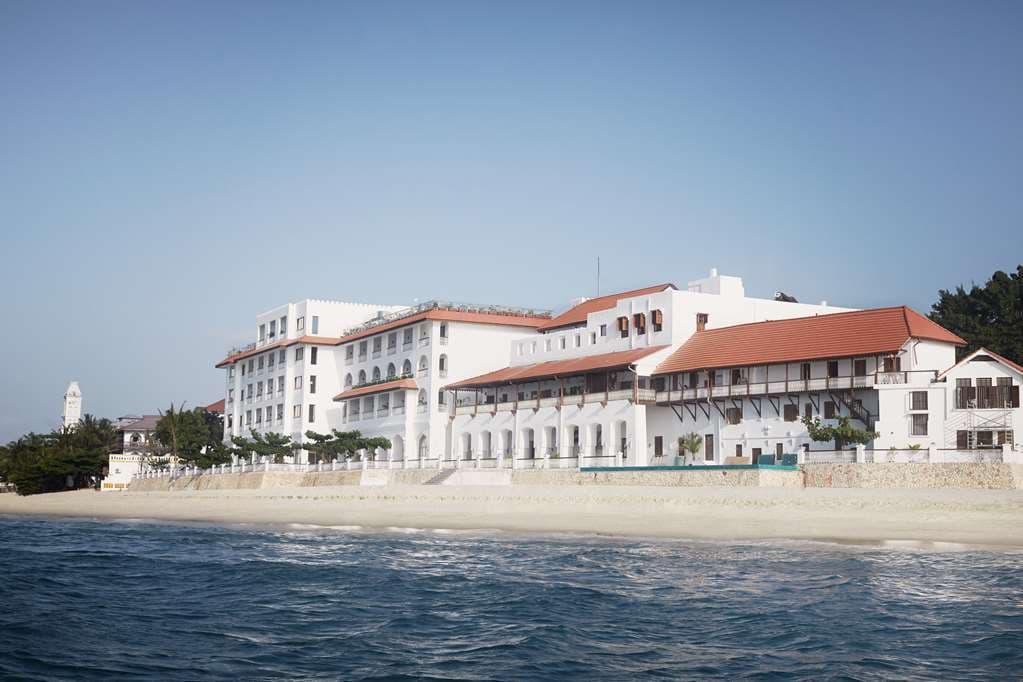
Explore All Zanzibar HotelsForget the cookie-cutter resorts lining the northern beaches; the true pulse of Zanzibar beats here, within the coral-stone walls of the Mambo Msiige. This 17th-century Omani mansion, now the heart of the Park Hyatt, doesn't just mimic history—it inhabits it. The arrival experience is a masterclass in atmosphere: heavy carved wooden doors open into a courtyard where the scent of cloves and sea salt hangs heavy in the humid air. It is the only property in Stone Town that successfully marries the raw, chaotic energy of the UNESCO-listed alleys with the hermetically sealed cool of a five-star sanctuary. While the rooms in the new wing offer reliable luxury, the real drama lies in the heritage suites, where high ceilings and dark timber evoke the island’s trading past. The 18-meter infinity pool is the hotel’s social anchor, positioned directly on the oceanfront. Here, the view is the entertainment: dhows with tattered white sails drift past as the call to prayer echoes from the city’s minarets. Dining is equally rooted in place. At The Dining Room, the Zanzibar Seafood Soup is a non-negotiable order—rich, spicy, and dense with the day’s catch. Service is eager, if occasionally operating on 'pole pole' (slowly, slowly) time, but the staff’s warmth is genuine. This isn't just a hotel; it's the most sophisticated vantage point for watching the Swahili coast go by.
“Request a room in the original Mambo Msiige wing for soaring ceilings and intricate architectural details that the newer Zamani wing lacks.”
Insider TipAvg. Nightly Rate
405USD