No. 01
BarcelonaBarcelona1335 verified reviews
9
.4
Bitvoya Edit
Layering imagery, place, and detail before the page opens.
In Barcelona, art is not confined to museums; it is woven into the very fabric of the city's hospitality. The distinct architectural movement known as Modernisme, which flourished in the late 19th and early 20th centuries, transformed the Catalan capital into an open-air gallery. Today, discerning travelers have the unique privilege of sleeping inside these protected heritage sites. Our curated selection takes you through the prestigious Eixample district and the historic Ciutat Vella, where properties like Hotel Casa Fuster and Monument Hotel offer more than just a room—they offer a portal to the past. These hotels preserve original floral motifs, wrought-iron balconies, and stained glass, blending them seamlessly with contemporary 5-star luxury to create an immersive cultural experience.
Choosing to stay in a Modernista hotel in Barcelona is an architectural pilgrimage. Unlike standard luxury accommodations, these properties are designated monuments that define the city's skyline. Hotels such as Hotel Casa Fuster and El Palace Barcelona were designed by contemporaries of Gaudí, including Lluís Domènech i Montaner and Josep Puig i Cadafalch. Staying here means waking up surrounded by craftsmanship that is impossible to replicate today—from intricate mosaics (trencadís) to vaulted ceilings. It is the ultimate way to connect with the Catalan spirit of Reneixença while enjoying world-class amenities like rooftop pools overlooking the Sagrada Família.
To experience the highest concentration of these architectural gems, focus on two primary neighborhoods:
Guests booking these Modernista masterpieces should expect a harmonious blend of history and modernity. While the facades and lobbies scream 1900s grandeur, the interiors are often refurbished with cutting-edge technology and contemporary design.
Yes, most are located in the Eixample district along or near Passeig de Gràcia, walking distance to Casa Batlló and La Pedrera.
Absolutely. While the structures are historic, interiors are renovated with 5-star amenities including air conditioning, Wi-Fi, and spas.
Hotel Casa Fuster is highly recommended as it is a designated UNESCO monument designed by Lluís Domènech i Montaner.
Explore our complete curated list of luxury accommodations, from boutique hideaways to grand dames.
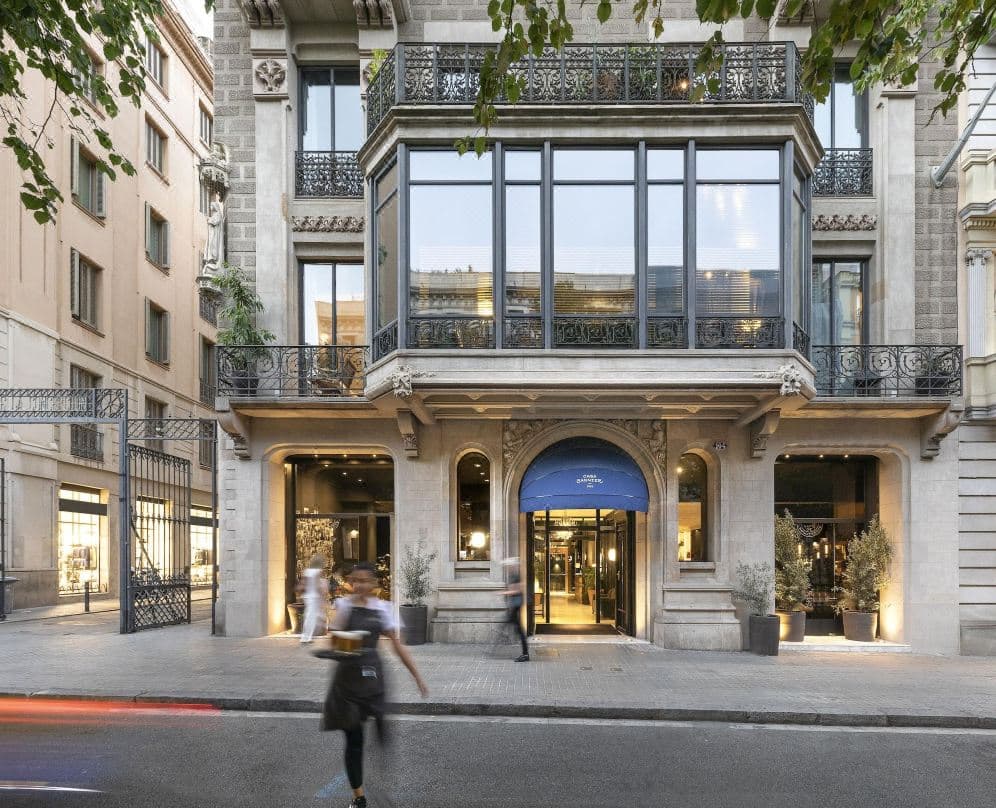
Explore All Barcelona HotelsWhile the masses queue for Gaudí’s Casa Milà just blocks away, a quieter, more intimate kind of Modernisme thrives here on the Rambla de Catalunya. Hotel Casa Sagnier isn't just a hotel; it is the restored 1892 family home and studio of Enric Sagnier, the prolific architect who defined much of the city's texture. Stepping inside feels less like checking in and more like inheriting a wealthy Catalan uncle’s townhouse. The design eschews aggressive minimalism for warmth—think pale parquet floors, heavy velvet drapes, and acoustic paneling that hushes the Eixample buzz. The real flex here is booking a Superior Deluxe Terrace room. It comes with a rare city-center luxury: a private outdoor shower and a sun-drenched patio that feels worlds away from the street below. In the bathroom, you’ll find Natura Bissé amenities—a nod to local heritage that feels appropriately indulgent. Downstairs at Cafè de l'Arquitecte, the vibe shifts from sanctuary to social hub. Do not skip the handmade pappardelle with seasonal mushrooms; it is an earthy, comforting masterclass. Service is hyper-personal—staff members like Judit and Alberto don’t just process requests; they curate your stay with the pride of housekeepers protecting a legacy. It’s a sophisticated, lived-in masterpiece.
“Skip the standard rooms and request a 'Superior Deluxe Terrace' for the outdoor shower. Also, the rooftop has an honesty bar—perfect for a quiet sunset drink away from the crowds.”
Insider TipAvg. Nightly Rate
250USD
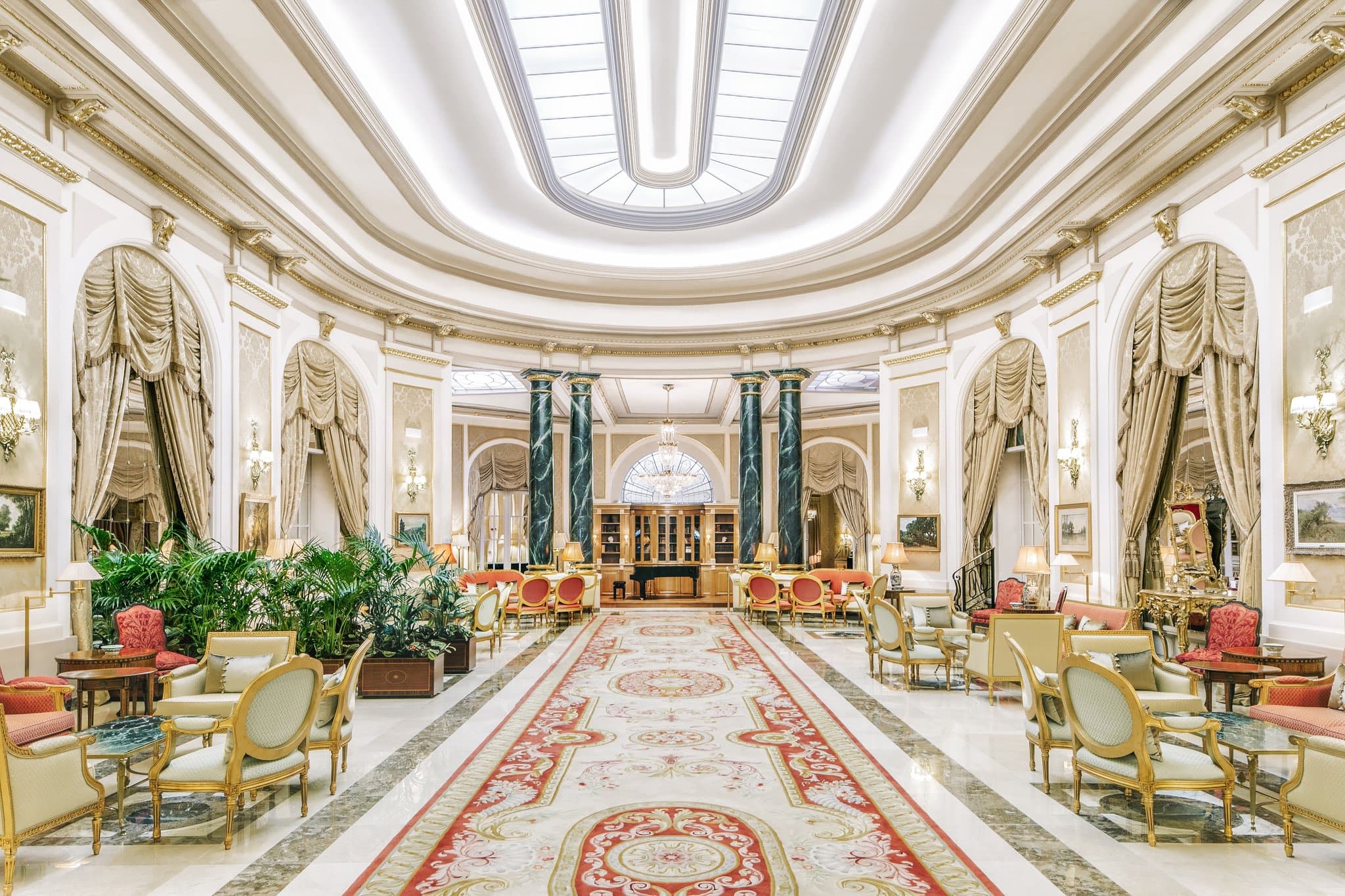
If Barcelona is a riot of Gaudi’s melted curves, El Palace is the starch in the city’s collar—a 1919 neoclassical fortress that refuses to bend to trends. Born as the Ritz, this Eixample icon remains a bastion of unapologetic opulence, where the Great Hall’s crystal chandeliers still chime with the ghosts of Salvador Dalí and Josephine Baker. But don’t mistake heritage for dust. Under the ornate cornicing, there is a pulse. The rooms are exercises in restraint—cream tones, plush 400-thread count linens, and heavy drapery that shuts out the city's hum—but the real drama is in the Art Suites. Choose the Ronnie Wood Suite for a rock-and-roll jukebox vibe, or the Josephine Baker for pure Jazz Age hedonism. Downstairs, the energy shifts from hushed to high-octane. ‘Amar Barcelona’, helmed by El Bulli alumnus Rafa Zafra, is currently the city's seafood altar—order the Carpaccio of small prawns as a non-negotiable rite of passage. Conversely, the Rooftop Garden offers a looseness the lobby lacks, with a Roman bath-inspired pool and 360-degree views that put the Sagrada Familia at eye level. While the Wi-Fi might occasionally lag behind the speed of modern life, the service—white-gloved, intuitive, and rigorously trained—never does. It’s a place to wear your best velvet and pretend, just for a night, that you own the place.
“Book the ‘Winter Rooftop’ experience if visiting off-season; they transform the terrace into a Swiss chalet pop-up serving authentic cheese fondue and mulled wine.”
Insider TipAvg. Nightly Rate
325USD
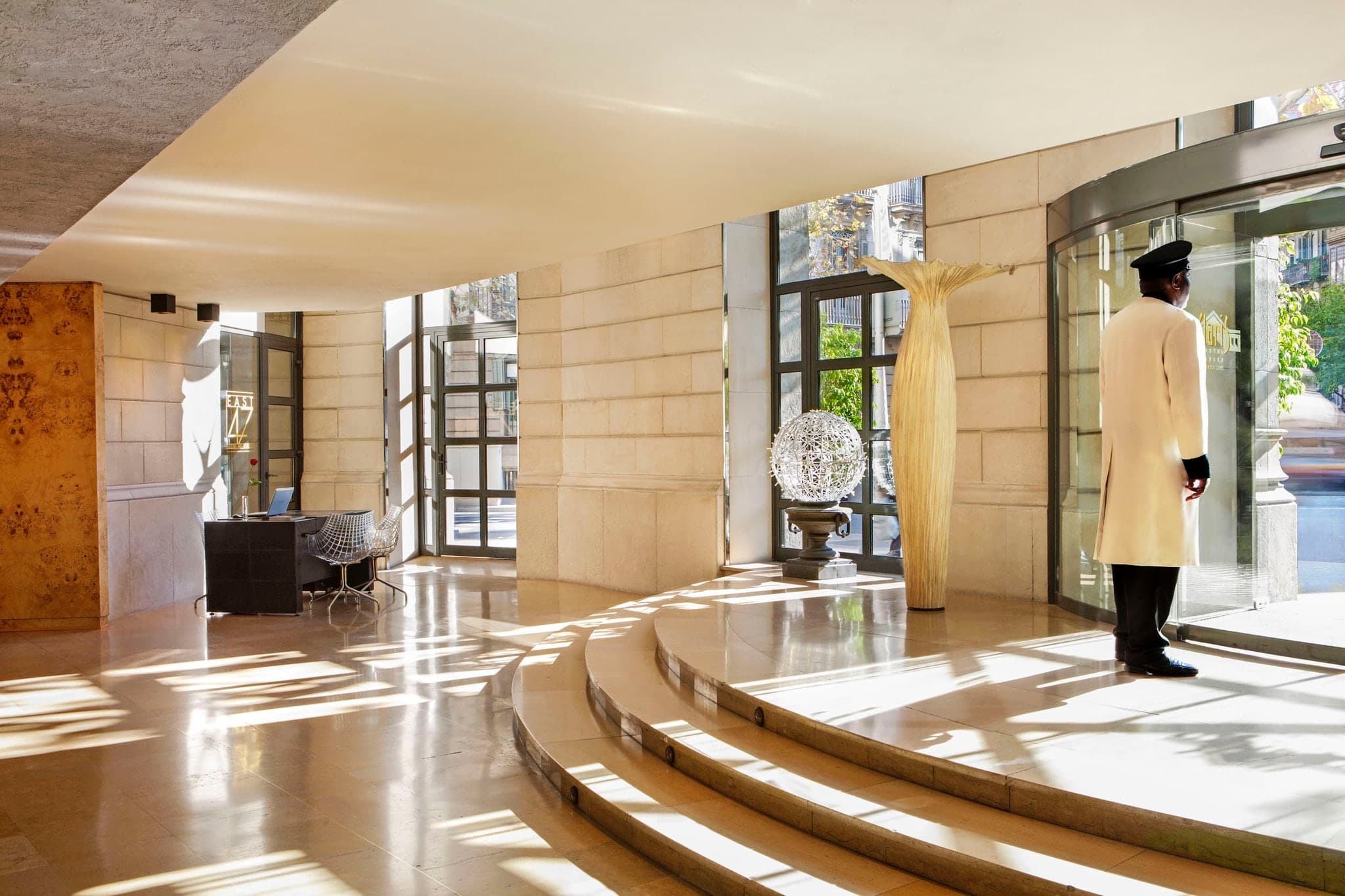
In a city where 'design hotel' often implies little more than a funky lobby chair, the Claris Hotel & Spa 5*GL plays a different game entirely. Occupying the shell of the 1883 Palau Vedruna, this property doesn’t just display art; it inhabits it. The owner, an avid Egyptologist, has curated a private collection that rivals small national museums, meaning you might find a 2nd-century Roman mosaic or a Hindu sculpture casually sharing space with your Egyptian cotton sheets. The recent renovations have smartly swapped older carpets for sleek hardwood, modernizing the feel without sterilizing the character. Dining offers a sharp contrast to the neoclassical surroundings: Os-Kuro Sushi Bar delivers precise Japanese robotics, with a standout soft-shell crab, while La Terraza on the roof serves the signature Prat artichokes with creamy foie. The rooftop pool is, truthfully, a 'dipping pool'—better suited for a cocktail backdrop than swimming laps. But the Mayan Secret Spa, with its pre-Hispanic Temazcal sauna, offers a detoxification ritual you won't find elsewhere. It is grand, slightly dark, and unapologetically intellectual.
“Book a Duplex Suite for the split-level layout and skylights, and request an interior-facing room if you are sensitive to Eixample street noise.”
Insider TipAvg. Nightly Rate
175USD
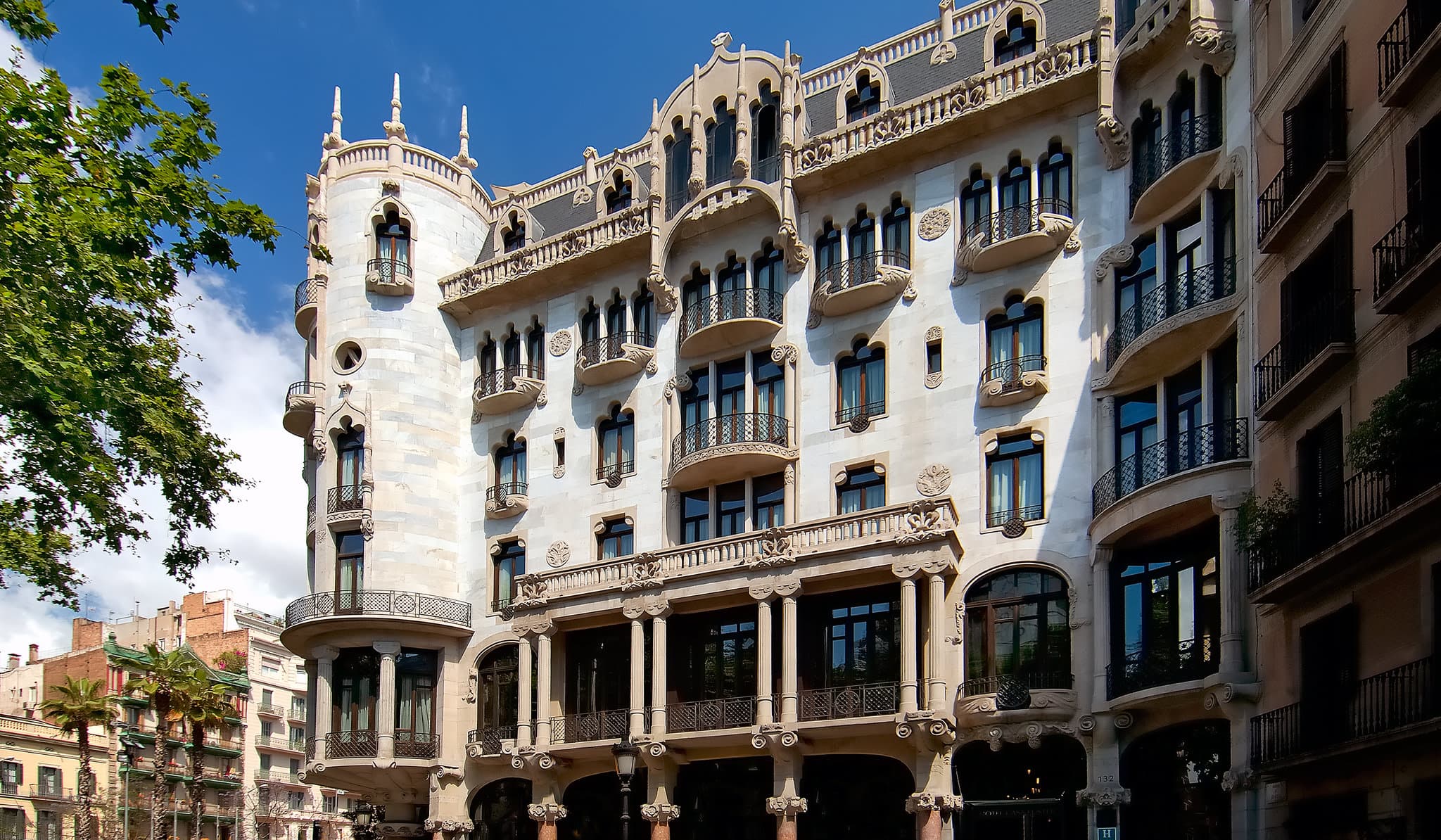
If you are seeking sleek, frictionless minimalism, you are in the wrong neighborhood. Hotel Casa Fuster is about the heavy, glorious weight of history. Originally built in 1908 as a wildly expensive gift from Lluís Domènech i Montaner to his wife, this UNESCO-listed landmark anchors the top of Passeig de Gràcia like a marble fortress. The headline news for 2026 isn't just the architecture, but the kitchen. The hotel’s flagship restaurant, Aleia, recently secured its second Michelin star, solidifying chefs Paulo Airaudo and Rafa de Bedoya as Barcelona’s culinary heavyweights. The Palamós red prawns with piriñaca salad are mandatory—a dish that justifies the flight alone. Upstairs, the experience is strictly Old World—for better and worse. The preservation orders mean base rooms are compact (25sqm), and the 'king' beds are often two twins courting each other. However, the Loewe amenities are generous, and the thick velvet drapes shut out the city entirely. End your night at Café Vienés. It’s not just a lobby bar; it’s a jazz institution where the stone arches have soaked up notes from Woody Allen’s clarinet. It is imperfect, expensive, and utterly magnificent.
“Skip the Standard rooms. Book a 'Junior Suite' to ensure a true King mattress and request a view facing Passeig de Gràcia to watch the city unfold from your balcony.”
Insider TipAvg. Nightly Rate
201USD
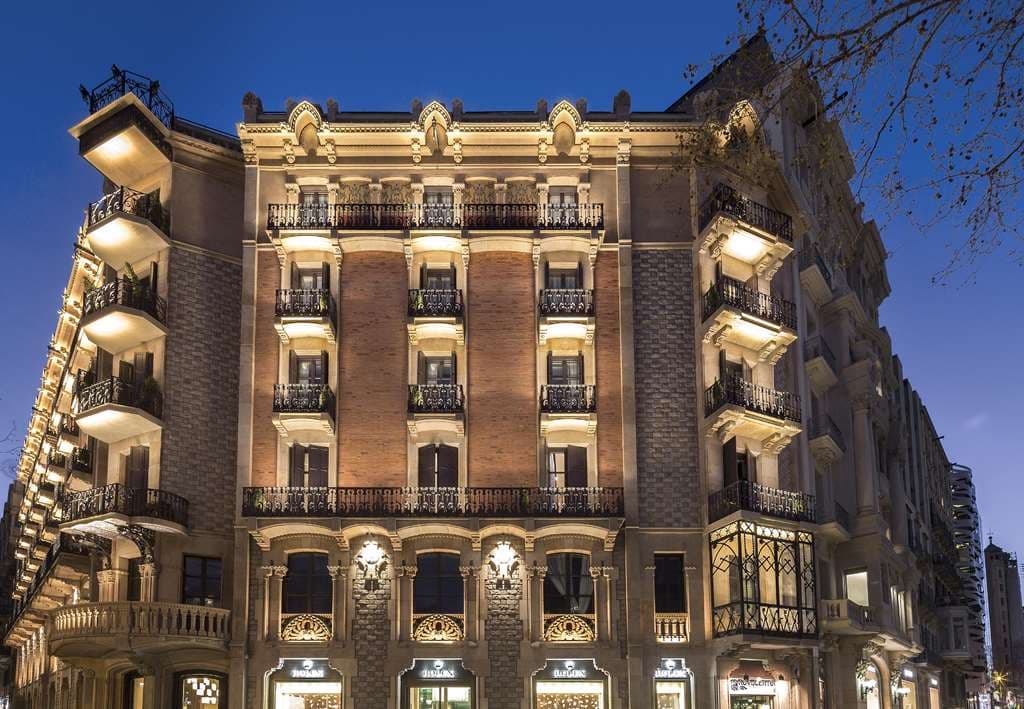
It is a rare feat for a hotel to hold more Michelin stars than it does elevators, yet the Monument Hotel—housed in the neo-Gothic Casa Enric Batlló—wears its four stars (three for Lasarte, one for Oria) with effortless grandeur. Located directly across from Gaudi’s La Pedrera, this property was fully relaunched in 2024, sharpening its 19th-century bones with a sleek, silent luxury. The lobby is a study in restored brickwork and iron, but the rooms are pure contemporary sanctuary: think oak flooring, Coco-Mat organic mattresses, and 300-thread count Egyptian cotton linens that feel dangerously conducive to sleeping in. Tech is top-tier, with Loewe TVs and Bluetooth sound systems, while bathrooms are stocked with generous Jo Malone amenities. The draw, undeniably, is the food. Under the direction of Martín Berasategui, Lasarte offers a spiritual experience; the millefeuille of smoked eel, foie gras, and green apple is a dish you will think about for years. For a (slightly) more casual affair, Oria serves modern Mediterranean under an inverted pyramid skylight. The rooftop pool is strictly for dipping—20 meters of cool water—but the view of the Eixample skyline makes up for the lack of lap space. Service is intuitive, led by a concierge team that treats restaurant reservations like state secrets.
“Request a Junior Suite facing Passeig de Gràcia to wake up to views of La Pedrera, but be warned: the city buzz can drift in. For total silence, opt for a courtyard-facing room.”
Insider TipAvg. Nightly Rate
350USD
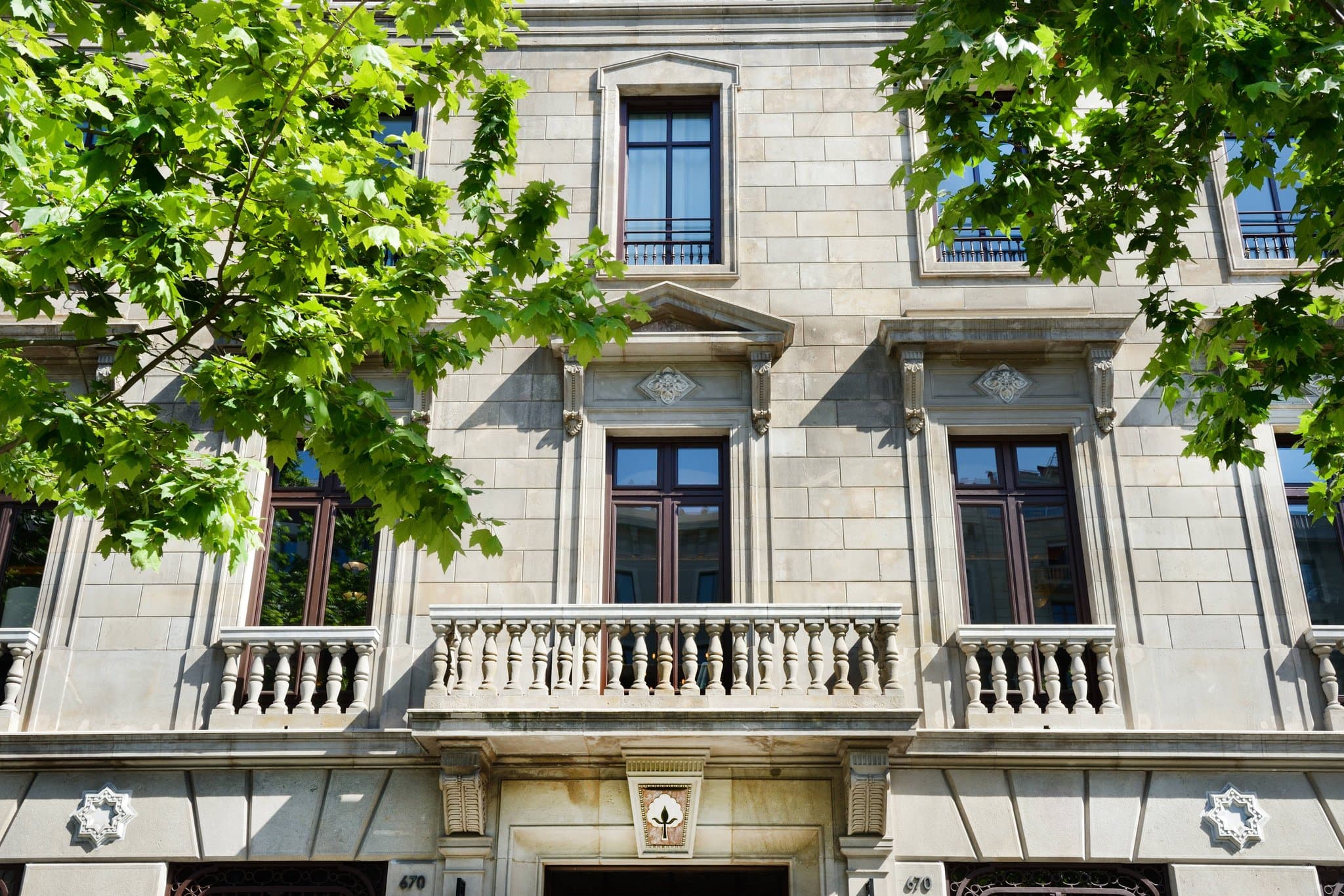
Step off the frenetic Gran Via and you aren’t just entering a lobby; you’re infiltrating the 19th-century headquarters of the Cotton Textile Foundation. The Cotton House Hotel avoids the trap of museum-stiffness by injecting a dose of colonial-chic wit into its bones. The showstopper is undoubtedly the 1957 suspended marble staircase—a gravity-defying ribbon of stone that demands a photograph—but the devil is in the details managed by the 'Gossypium' concierge team. Rooms here favor texture over sprawling square footage, dressed in 300-thread count Egyptian linens and stocked with Ortigia amenities that smell of Sicilian sun. While entry-level quarters feel intimate (read: compact), the tactile luxury distracts effectively. Dining at Batuar is non-negotiable; skip the street-side terrace for the lush interior courtyard and order the Duck Carpaccio. It’s a property that feels less like a hotel and more like the private residence of a very well-traveled textile baron. **Verdict**: A masterclass in adaptive reuse that trades rooftop pool size for serious architectural clout.
“Request a table in the glass-enclosed conservatory at Batuar for breakfast; the morning light hitting the original boiserie ceilings is unmatched.”
Insider TipAvg. Nightly Rate
320USD
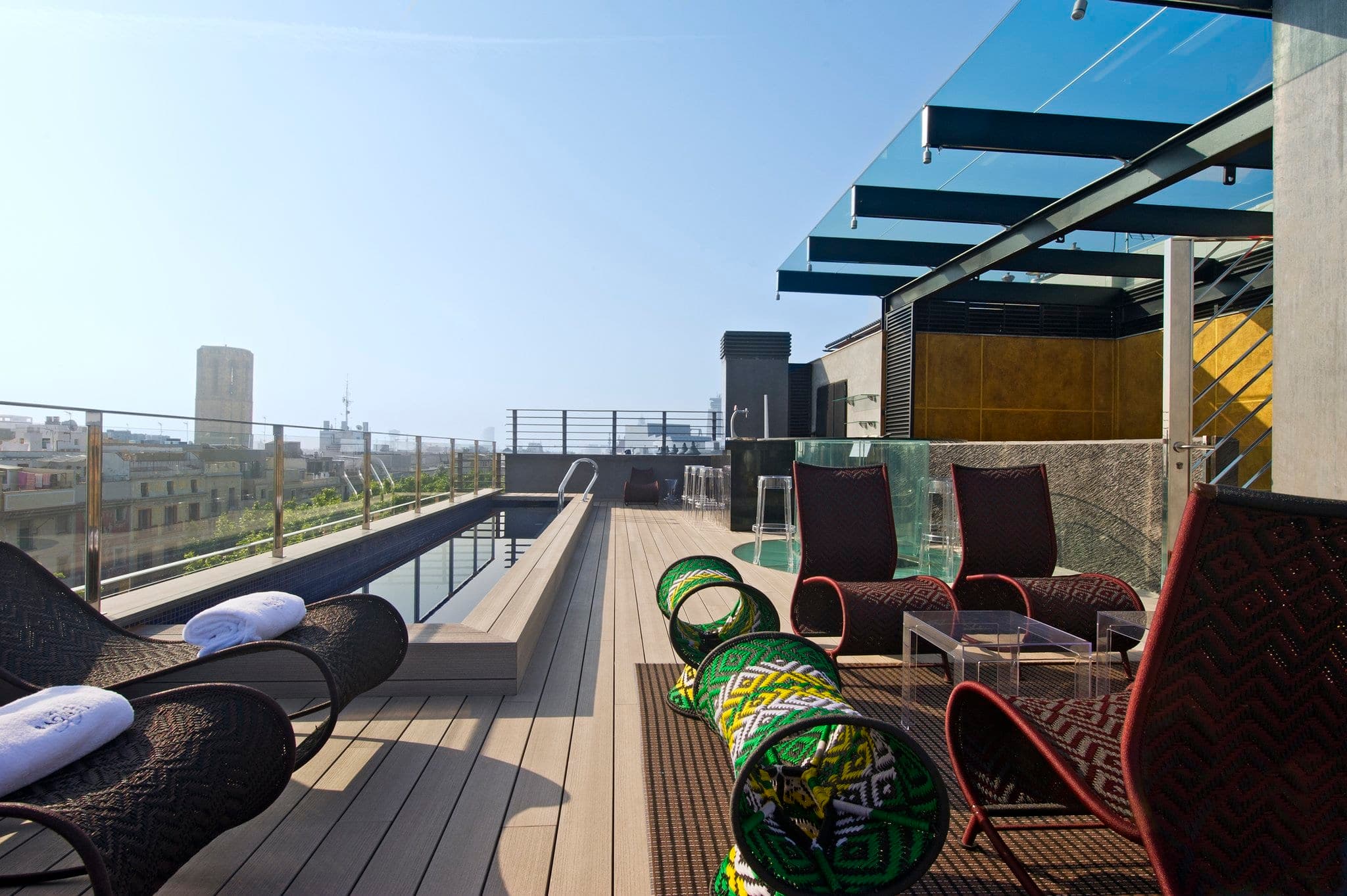
To stay at Hotel Bagués is to sleep inside a museum case, quite literally. While the chaotic pulse of La Rambla beats just outside, the interior of this former jewelry workshop—the historic ‘El Regulador’ palace—is a sanctuary of dark, moody glamour. The lobby sets a dramatic tone, not with a standard check-in desk, but with illuminated vitrines displaying original Masriera Art Nouveau jewelry, casting a gold-leaf glow against Madagascar ebony paneling. The 31 rooms continue this curatorial obsession; each is anchored by a unique piece of Masriera jewelry, transforming your sleeping quarters into a private gallery. The design is unapologetically rich—think dark leathers, intricate stucco, and efficient soundproofing that renders the street noise obsolete. Dining at El Regulador Bistrot is equally precise; the lobster carpaccio and red tuna tartare duo is a masterclass in Mediterranean texture. While the rooftop plunge pool is more for dipping your toes than swimming laps, the 360-degree view of the Gothic Quarter spires makes up for the square footage. Verdict: A sophisticated, curatorial hideaway for travelers who prefer their history with a side of high-gloss noir.
“Book a 'Jewel Suite' on the 6th floor for a private terrace that offers rare solitude above the crowds. Also, look down in the hallways—room numbers are projected onto the floor by light, a clever touch.”
Insider TipAvg. Nightly Rate
200USD
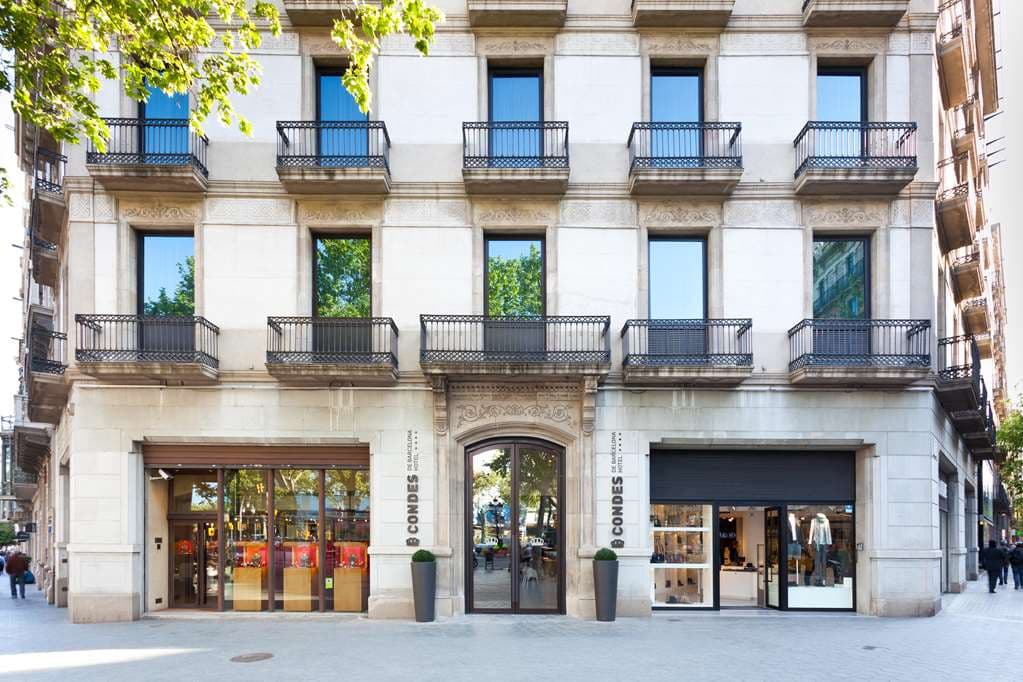
While the masses crane their necks on the pavement of Passeig de Gràcia, guests at Hotel Condes de Barcelona merely need to step onto their balcony to inspect the undulating stone facade of Casa Milà (La Pedrera). Occupying two 19th-century palaces—Casa Daurella and Casa E. Batlló—this property pulls off a difficult high-wire act: preserving the austere grandeur of its aristocratic bones while injecting a cosmopolitan, if slightly corporate, energy within. The interiors favor a muted, masculine palette that defers to the architecture, though the heavy wooden palace doors at the entrance remain the true showstoppers. Rooms are functional sanctuaries, stocked with Rituals amenities, though I’d trade the street noise of the lower 'city view' rooms for the tranquility of an interior courtyard suite. The trade-off, of course, is losing that direct line of sight to Gaudí’s masterpiece. The real pulse of the hotel is vertical. The Alaire Terrace Bar isn't just a rooftop; it’s a social anchor for the Eixample district. Between bites of 'Pop adobat' (marinated octopus) and sips of cava, the view of the Sagrada Família works harder than any concierge recommendation. Downstairs, Loidi offers a grounded counterpoint with Basque staples like 'Arroz de caserío', confirming that while the hotel leans on its location, it doesn't lazily rely on it.
“Book a room on the 4th floor or higher facing Passeig de Gràcia. The double-glazing is robust, but the elevation further dampens the street hum while keeping La Pedrera’s roof warriors at eye level.”
Insider TipAvg. Nightly Rate
215USD
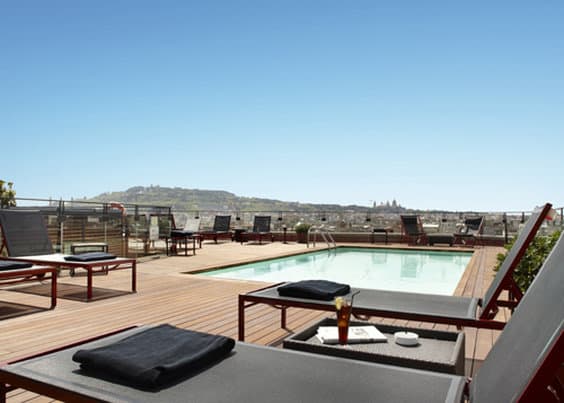
La Rambla is usually a chaotic tourist gauntlet, but Hotel 1898 acts as its silent, sophisticated fortress. Housed in the 1881 headquarters of the General Philippines Tobacco Company, this property skips the whimsy of Gaudí for a darker, brooding 'gentlemen’s club' aesthetic. Think heavy velvet drapes, original brickwork, and the distinct absence of the city's blinding midday sun. The design is unapologetically masculine and atmospheric. While the lobby’s marble staircase demands an entrance, the real drama lies underground. The Siargao Spa, constructed inside the building’s former coal bunker, offers a thermal circuit that feels subterranean and subversive, utilizing vegan SCENS products in a space once reserved for fuel. Dining at El Nido Restaurant leans into the local heritage; the acorn-fed Iberian ham is non-negotiable, though the swordfish ceviche offers a necessary sharp counterpoint. Upstairs, La Isabela Rooftop provides the requisite 360-degree skyline views and a pool, but be warned: it draws a crowd on weekends. Rooms are hermetically soundproofed—a feat of engineering given the location. However, the 'Classic' rooms facing the interior courtyard can feel darker than a confessional; they are perfect for deep sleep, but less so for sunlight chasers. **Verdict**: A moody, historical masterclass that offers the ultimate luxury in Barcelona: silence.
“Skip the crowded rooftop bar for sunset. Instead, book a late-night session at the Siargao Spa; the coal-bunker architecture looks even more dramatic in low light.”
Insider TipAvg. Nightly Rate
140USD