No. 01
Passeig De Gracia 132 Barcelona SpainBarcelona1648 verified reviews
9
.0
Bitvoya Edit
Layering imagery, place, and detail before the page opens.
Barcelona’s Eixample district is a living museum of Modernism, but within its grid lies the 'Cuadrat d\'Or' or Golden Square, an enclave where history meets avant-garde innovation. This curated collection highlights properties that redefine luxury through design, nestled between Passeig de Gràcia and Rambla de Catalunya. From the neoclassical grandeur of the Cotton House Hotel to the ceramic-clad façade of Ohla Eixample, these hotels are not just places to sleep but architectural landmarks in their own right. Staying here places you in the epicenter of Catalan culture, surrounded by Gaudi’s masterpieces and the city’s most exclusive boutiques.
The Eixample district, specifically the area known as the Golden Square (Cuadrat d\'Or), represents the pinnacle of Catalan Art Nouveau. Choosing a hotel here means immersing yourself in the densest concentration of Modernist architecture in the world. However, the appeal goes beyond history. Properties like the Mandarin Oriental, Barcelona and the Sir Victor Hotel have successfully bridged the gap between heritage preservation and contemporary, avant-garde interior design. Visitors choose this area for its seamless blend of high-end shopping, Michelin-starred gastronomy, and walkable access to architectural icons like Casa Batlló and La Pedrera.
While the entire Eixample is desirable, the avant-garde traveler should focus on these specific micro-neighborhoods:
When booking a stay in the Golden Square, expect a hospitality experience that prioritizes aesthetics and sensory details. Hotels like Claris Hotel & Spa 5*GL offer private art collections within the rooms, while others boast panoramic rooftop terraces overlooking the Sagrada Família. Expect rooms with high ceilings, restored mosaic flooring, and furniture by world-renowned designers. Service in these establishments is impeccable, catering to a clientele that values privacy, exclusivity, and cultural depth.
Ohla Eixample is renowned for its heated rooftop pool offering unique urban views, while Mandarin Oriental offers a luxurious terrace overlooking Passeig de Gràcia.
Yes, properties like Monument Hotel and Mandarin Oriental are located directly on Passeig de Gràcia, steps away from Casa Batlló and Casa Milà (La Pedrera).
Cotton House Hotel, Autograph Collection is a prime example, housed in a 19th-century headquarters with preserved neoclassical features blended with bold contemporary interiors.
Explore our complete curated list of luxury accommodations, from boutique hideaways to grand dames.
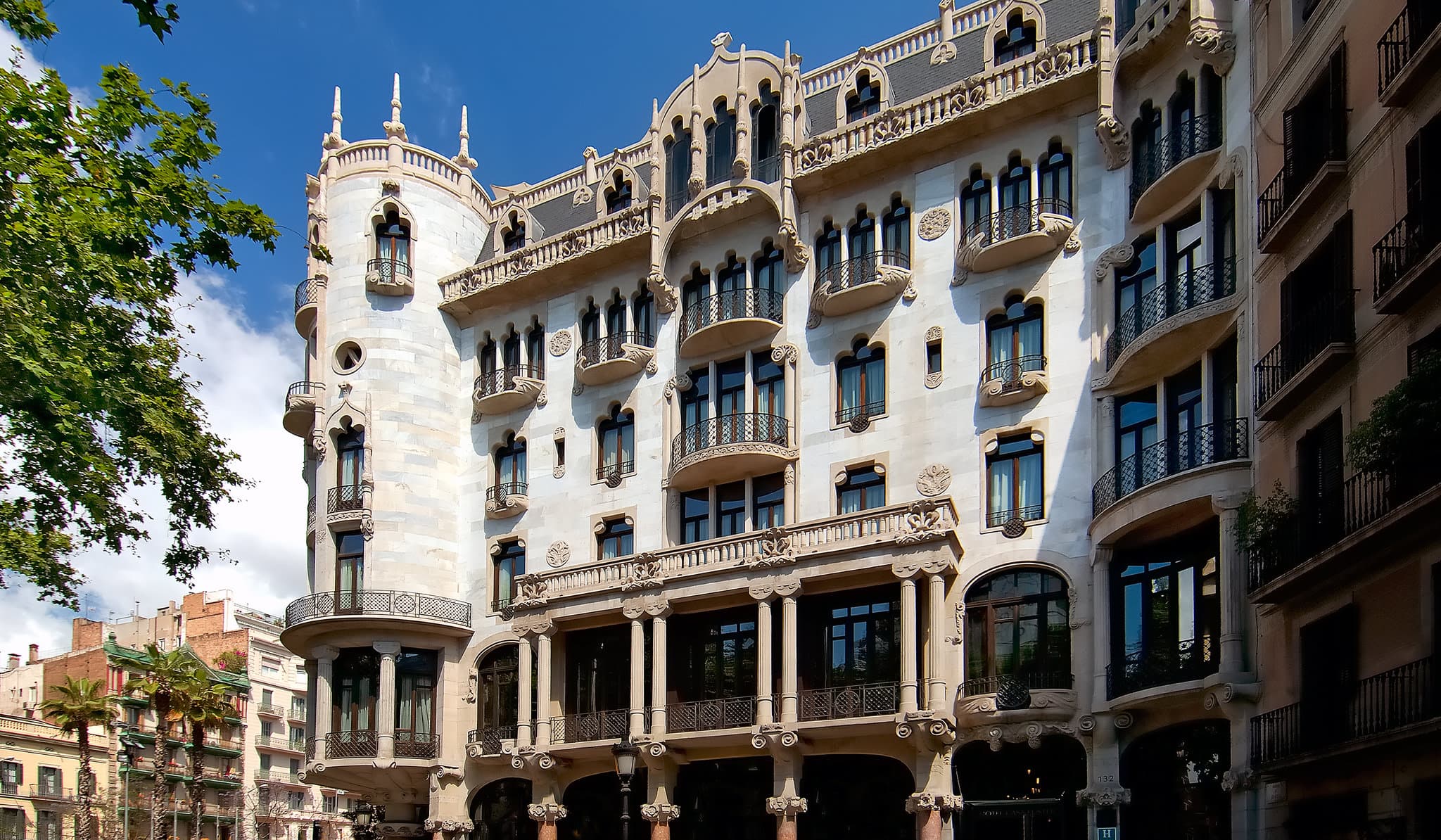
Explore All Barcelona HotelsForget the Gaudí gauntlet clogging the sidewalks below; the true sovereign of Passeig de Gràcia is Lluís Domènech i Montaner’s 1908 masterpiece. Casa Fuster doesn’t just sit in the Eixample; it crowns it. The marble façade is a prelude to an interior that balances heavy historic grandeur with a sultry, almost noirish atmosphere. While the entry-level rooms are a study in spatial economy (a polite 25sqm) and often feature the European ubiquity of twin-push beds rather than custom kings, they compensate with soundproofing that silences the city and decadent marble bathrooms stocked with custom therapeutic oils. The real currency here, however, is culinary. The hotel’s Aleia Restaurant has ascended the gastronomic ranks, recently clinching two Michelin stars (2025/2026) under Chef Rafa de Bedoya, where the Palamós red prawns with piriñaca salad are a non-negotiable order. Skip the laps in the unheated rooftop plunge pool—it’s strictly for posing with a vermouth while eyeing the Sagrada Família. Instead, retreat to the velvet shadows of Café Vienés, a jazz sanctuary with enough cultural gravity to have hosted Woody Allen. Verdict? A heavy-hitter for architecture buffs and gourmands who prefer their luxury with a side of history.
“Book a Junior Suite or higher to avoid the 'cozy' 25sqm base rooms. Request a room facing Passeig de Gràcia for the views, but bring earplugs if you're a light sleeper, though the double-glazing is robust.”
Insider TipAvg. Nightly Rate
201USD
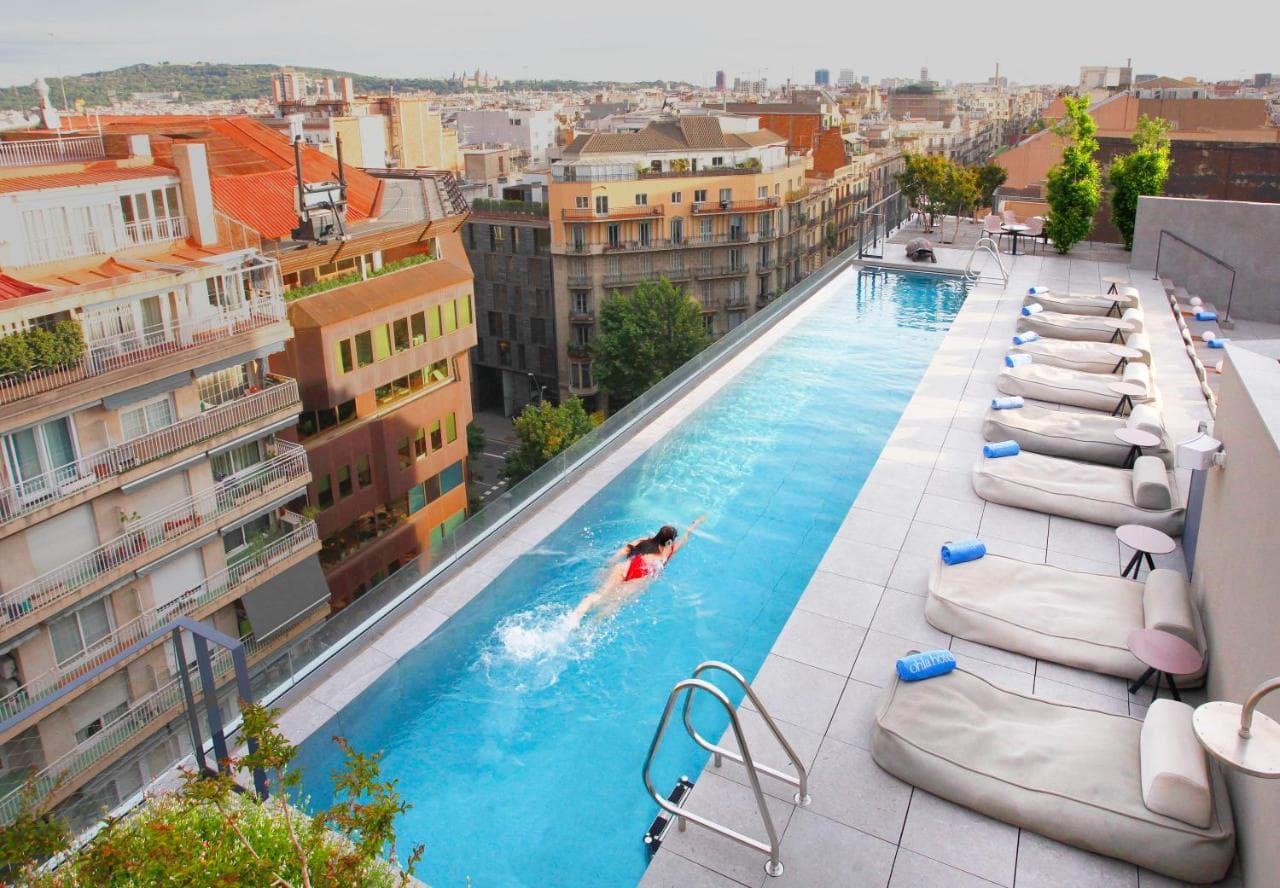
If the Eixample district is a grid, Ohla Eixample is its glitch—in the best possible way. The façade, a striking robotic lattice of ceramic, disrupts the classical streetscape with algorithmic beauty, signaling immediately that this isn't your grandmother’s modernista mansion. Inside, the vibe shifts from architectural spectacle to industrial intimacy. Exposed concrete pillars flirt with warm oak paneling, creating a backdrop for the design-literate traveler who prefers Technogym sessions to lazy siestas. The real draw, however, is culinary. While the rooftop’s year-round heated infinity pool—a heated rarity in this city—offers a skyline view that requires no filter, the ground floor houses the true heavyweight: Xerta Restaurant. Here, the kitchen doesn't just cook; it curates the Ebro Delta. The signature rice with sea anemones and seaweed mayonnaise is a brine-soaked revelation that demands your full attention. Rooms are exercises in restraint, stocked with Germaine de Capuccini amenities that smell of expensive spa days. It’s not just a hotel; it’s a masterclass in Catalan cool.
“Skip the summer crowds; the rooftop infinity pool is heated year-round, making a winter swim the ultimate power move.”
Insider TipAvg. Nightly Rate
209USD
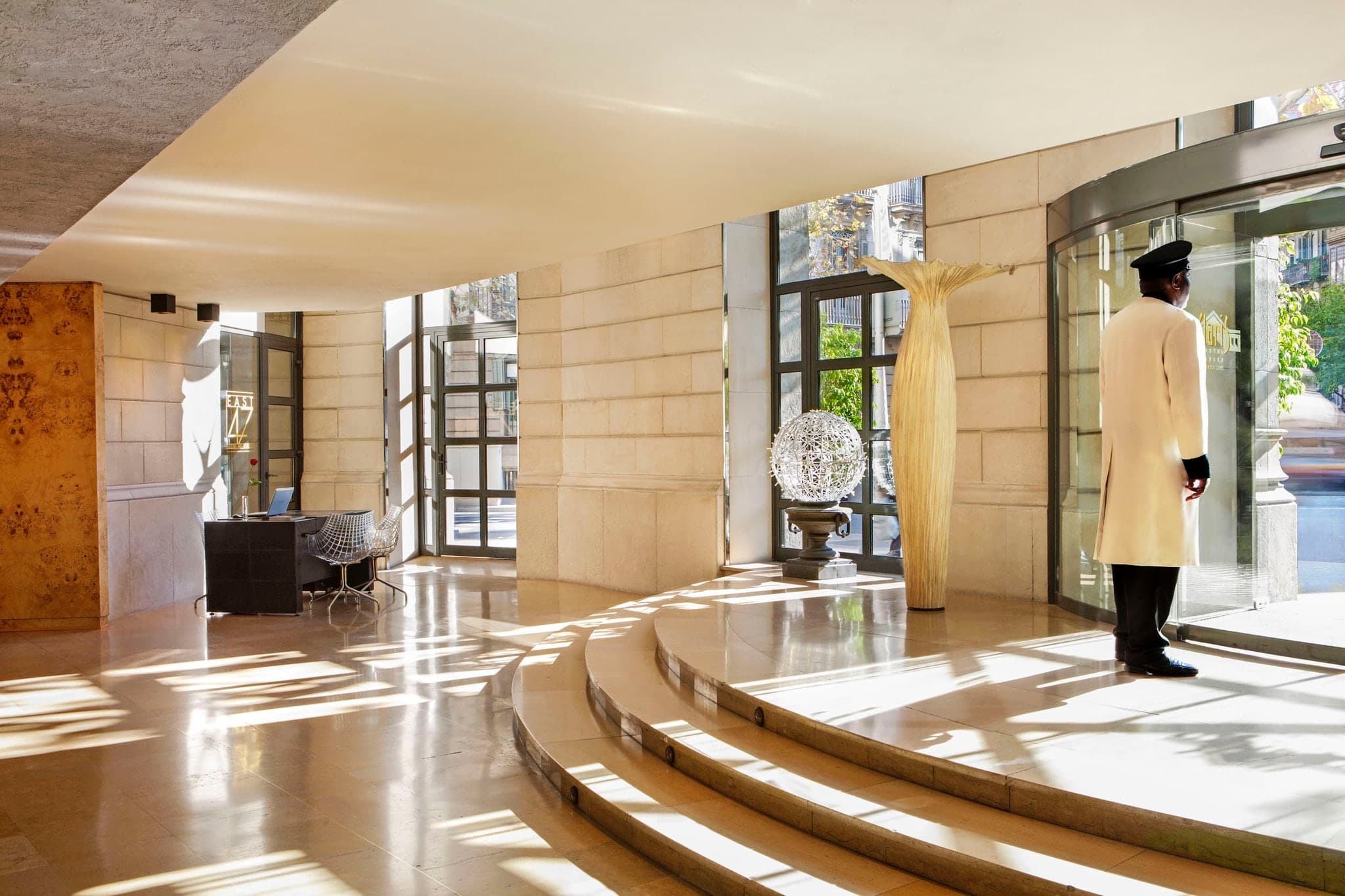
In a city defined by Gaudi’s whimsy, the Claris Hotel & Spa offers a darker, more brooding intellectualism. Housed in the 19th-century Vedruna Palace, this isn’t merely a place to sleep; it is a habitable museum. The lobby is less a reception and more a gallery of pre-Columbian sculptures, setting a tone that is serious, collected, and undeniably sophisticated. Upstairs, the rooms—particularly the Duplex Suites—feature split-level layouts adorned with genuine Roman mosaics and Hindu artifacts enclosed in glass. The aesthetic leans heavily on polished wood and leather; it’s a masculine, 90s-era luxury that feels substantial, even if some corners are beginning to show their vintage. Dining offers a sharp contrast: the rooftop ‘La Terraza del Claris’ serves excellent Prat artichokes with creamy foie and Perigord truffle under the open sky, while the ground-floor ‘Os-Kuro’ delivers precise Japanese robata in a seductive, dimly lit setting. The rooftop pool is strictly for dipping—it’s too compact for laps—but the Mayan Secret Spa, with its Temazcal sauna, provides a legitimate wellness escape. Service is polished, though the soundproofing in this historic structure can be forgivingly described as ‘atmospheric.’ **Verdict**: A moody, eclectic choice for art collectors who prefer history over hyper-modern minimalism.
“Request a Duplex Suite on a higher floor to minimize street noise and maximize natural light on your private antique collection.”
Insider TipAvg. Nightly Rate
175USD
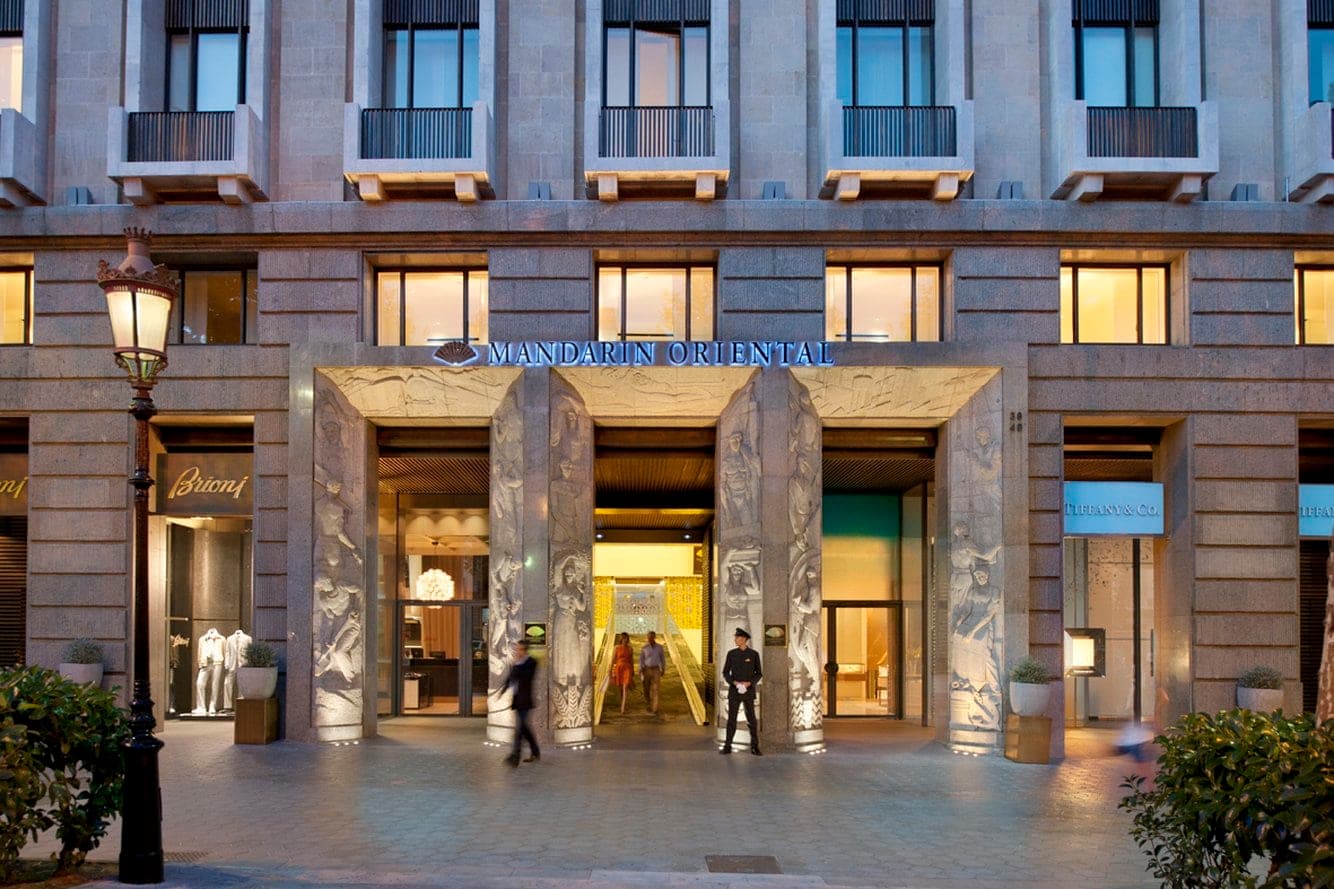
The arrival experience at Mandarin Oriental, Barcelona is an act of theatre. You don’t simply walk in; you ascend a 'catwalk'—a suspended ramp cutting through a light-drenched atrium that instantly severs ties with the chaotic hum of Passeig de Gràcia. Inside, Patricia Urquiola’s interiors masterfully subvert the building’s former life as a bank. Gone are the stuffy tellers, replaced by a visual language of white lacquer, floating walkways, and intricate gold latticework that feels simultaneously sci-fi and distinctly Catalan. Upstairs, the rooms function as calming, cream-hued capsules. While the entry-level categories (starting at 32 sqm) are undeniably compact, the layout is a triumph of ergonomics over square footage. Sliding oriental screens partition the bathrooms, and the amenities are strictly top-tier local luxury: Miriam Quevedo haircare products that leave a scent of caviar and botanicals. The culinary program is equally sharp. The two-Michelin-starred 'Moments' delivers neo-traditional Catalan precision, but the atmospheric winner is Banker’s Bar, where the ceiling is paved with the building’s original safe-deposit boxes—a witty nod to the vault below. For a more casual yet spectacular evening, Terrat on the rooftop serves Peruvian tiraditos against a backdrop of Casa Batlló’s dragon-scale roof. **Verdict**: This is not a hotel for those seeking sprawling, palatial suites, but for the design-literate traveler who values razor-sharp aesthetics, silence, and service that functions with the precision of a Swiss watch.
“Skip the crowded sidewalk for Gaudí photos. Order a 'L'or du Toffee' cocktail at Terrat on the roof; the view of Casa Batlló's facade from here is unobstructed and totally private.”
Insider TipAvg. Nightly Rate
834USD
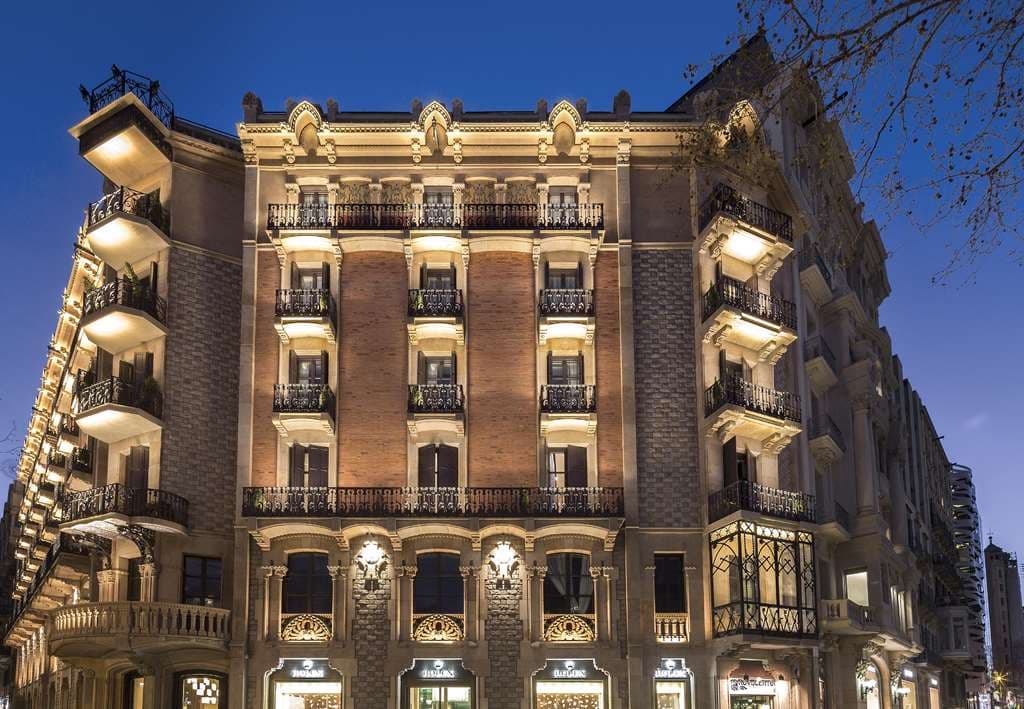
While tourists elbow their way toward Casa Batlló down the street, the smart money checks into the *other* Batlló residence: the Casa Enric Batlló, now the Monument Hotel. This is not a place for lobby gawkers; it is a fortress of pre-Modernist brick and industrial steel that feels like the grown-up, brooding cousin to the block’s technicolor Gaudí facades. The vibe here is deliberate silence. The rooms are exercises in masculine chic—think exposed brick walls, oak paneling, and soundproofing so effective it erases the Paseo de Gracia entirely. Details matter: 300-thread count Egyptian cotton linens, Jo Malone amenities, and Technogym equipment for the guilt-ridden. But let’s be honest: you are here to eat. With Martin Berasategui overseeing the kitchen, this hotel is essentially a dormitory for gourmands. Lasarte holds three Michelin stars (and the 2024 Service Award for Joan Carles Ibáñez), but the real flex is a casual lunch at Oria, where the steak tartare with green olive juice is served under an inverted pyramid skylight. The rooftop pool is architectural rather than recreational—a dipping strip meant for cooling off while staring directly at the chimneys of La Pedrera. It is sophisticated, caloric, and mercifully discreet.
“Skip the crowded street-level bars and head to the Verbena rooftop at sunset. Order the 'Bokata Martintxo'—it’s Berasategui’s elevated take on a filet mignon sandwich—and watch the light hit Casa Milà.”
Insider TipAvg. Nightly Rate
350USD
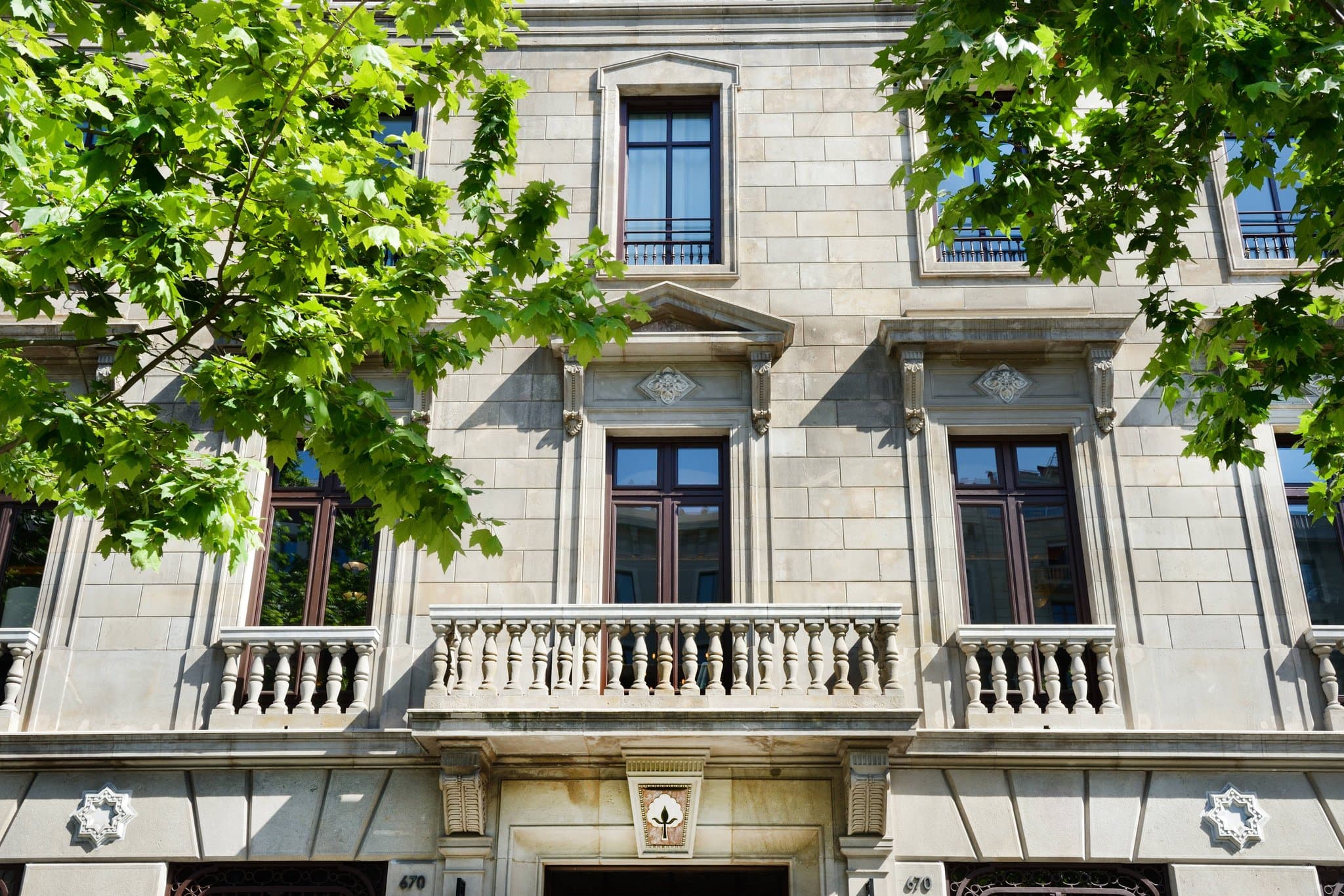
If walls could talk, these would whisper of textile tycoons and 19th-century trade deals. Housed in the former headquarters of the Cotton Textile Foundation, the Cotton House Hotel is a masterclass in adaptive reuse, where designer Lázaro Rosa-Violán has stitched together Neoclassical bones with a theatrical, contemporary lining. The showstopper isn’t the check-in desk, but the original 1957 spiral staircase—a suspended marvel that floats effortlessly through the building’s core. Rooms here aren’t just places to sleep; they are tactile experiences named after fabrics (Madras, Egyptian). Expect crisp, 300-thread-count Egyptian cotton linens and Ortigia Sicilia amenities that scent the air with Mediterranean citrus. At Batuar, the all-day dining venue, the Duck Carpaccio is a rich, savory triumph, best enjoyed on the lush interior terrace—a rare verdant lung in the city's grid. While the rooftop pool is more 'plunge' than 'Olympic,' the direct sightline to the Sagrada Família makes every dip feel monumental. Service is sharp, led by the 'Gossypium' concierge team who treat guest requests with the precision of a bespoke tailor. It’s a sophisticated, sensory weave of history and high design.
“Skip the main elevator at least once to walk the suspended spiral staircase—it's the hotel's most Instagrammable angle. Also, ask the Gossypium team about the seasonal workshops at the Algodonera Market Lab.”
Insider TipAvg. Nightly Rate
320USD
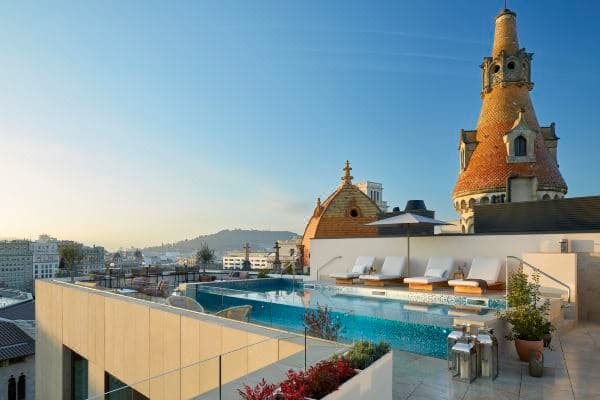
Just steps from the frenetic pulse of Plaça de Catalunya, ME Barcelona doesn't just sit in the Golden Square; it redefines it. This isn't your typical grand dame hotel. Instead, it’s a masterclass in industrial-chic, where the 'Living Lobby' greets you not with hushed tones but with a curated cultural energy that feels distinctly local yet aggressively cosmopolitan. The design is a sharp departure from Eixample’s Art Nouveau curves, favoring sleek lines and a verdant internal garden that acts as the property's lungs. Upstairs, the rooms are soundproofed sanctuaries of tech-forward minimalism, equipped with premium organic amenities and intuitive lighting that shifts from work-mode to pre-party glow at a touch. Dining is the real social anchor here. Skip the tourist traps outside and head to Belbo Terrenal for their signature Tajine of suckling lamb, a dish that perfectly bridges the Mediterranean gap. Afterward, the Furtivo Rooftop awaits. While the pool is more of a plunge—better for a collagen-infused mocktail and a selfie with the Sagrada Família than a swim—the DJ sets and skyline views are undeniable. It’s a polished, high-octane base for the modern aesthete.
“Request a room facing the inner courtyard garden (Patio). It offers a rare, silent reprieve from the Eixample buzz while still flooded with natural light.”
Insider TipAvg. Nightly Rate
260USD
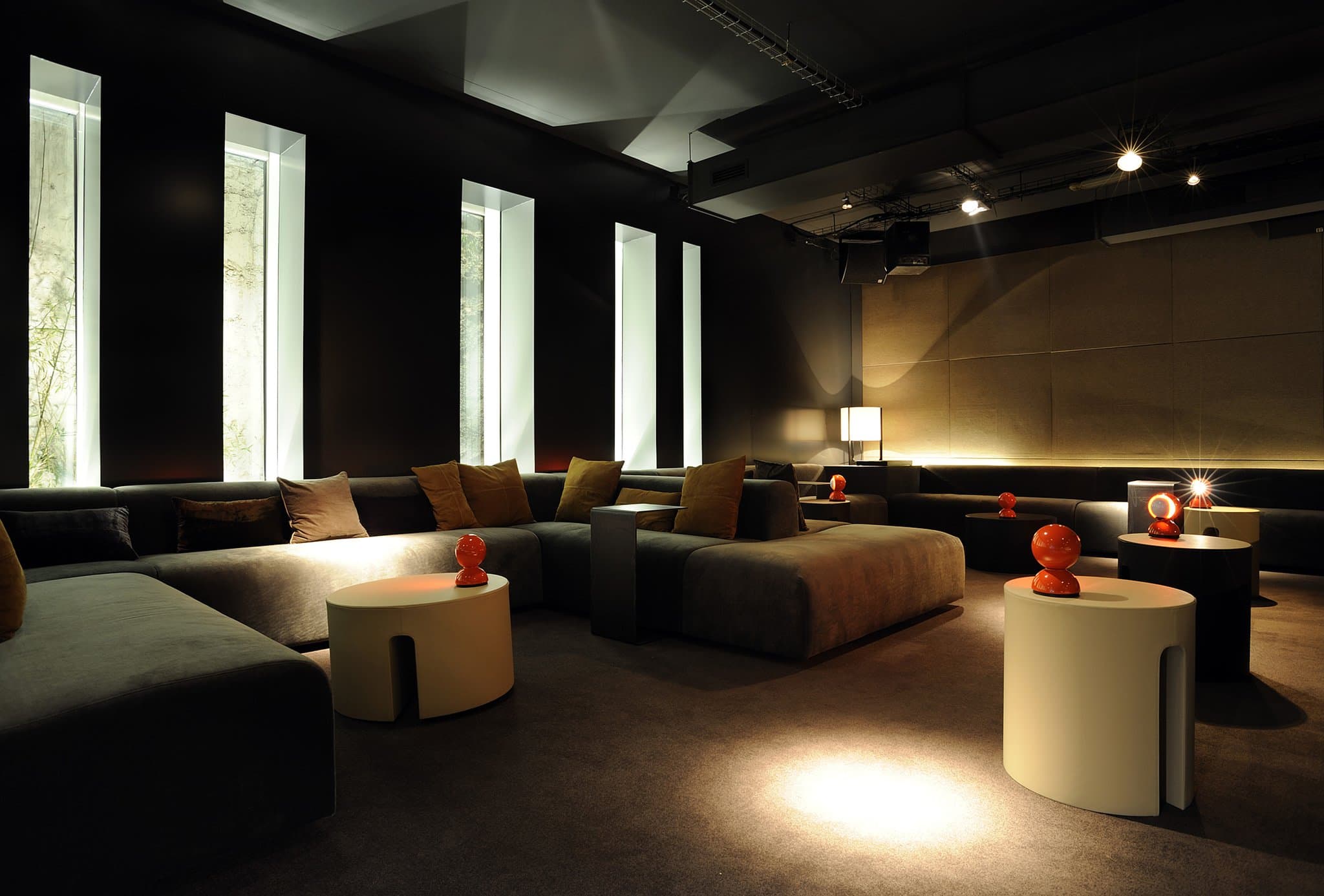
Forget the sun-bleached clichés of Catalan hospitality. Sir Victor, anchored on the sophisticated Passeig de Gràcia, offers a darker, sexier narrative. The façade, a peeling limestone skin by architect Juli Capella, acts as a kinetic sculpture, but the interiors by Baranowitz + Kronenberg are where the plot thickens. Corridors lined in sound-absorbing black rubber and lit by neon tubes feel less like a hotel and more like the VIP entrance to a Berlin nightclub. Inside the rooms, the mood lifts without losing its edge. The layout creates a fluid, open space where Egyptian cotton linens and oak floorboards soften the industrial chic. It’s a purposeful design—functional, tactile, and devoid of unnecessary frills. The social heartbeat, however, is MR PORTER. This isn't your standard hotel restaurant; it’s a high-octane steakhouse where the Chateaubriand with foie gras demands attention. For a detox after the retox, the spa uses Alqvimia products—a local luxury—and houses a rare indoor hydrotherapy pool. Yet, the real flex is the rooftop: sipping a cocktail while staring down the chimneys of Gaudí’s Casa Milà isn't just a perk; it’s the best art installation in the city. **Verdict**: A sharp, design-led power player that trades traditional luxury for cultural cachet.
“Skip the street-level cafes and head straight to 'The Rooftop' at sunset; the view of the Sagrada Família and Casa Milà creates a photo backdrop you can't manufacture.”
Insider TipAvg. Nightly Rate
240USD
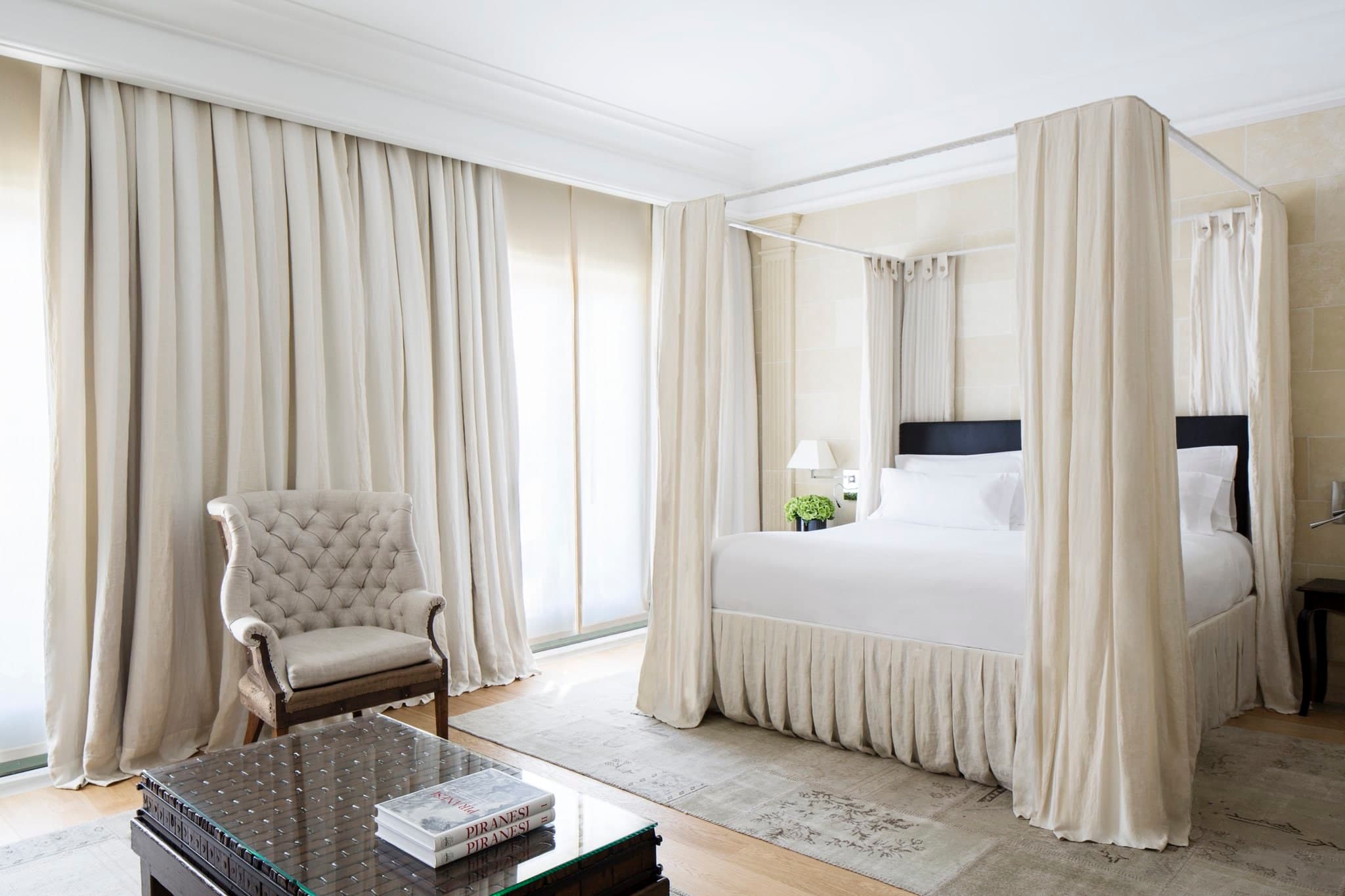
Anchoring the Passeig de Gràcia, the Majestic isn’t just a hotel; it is the grand dame of Eixample society, wearing its history with a heavy, unapologetic dose of perfume. While the lobby operates like a gallery—boasting a staggering 1,000-piece collection including works by Plensa and Chillida—the elevators whisk you up to a different era. Yes, the standard room interiors can feel surprisingly analogue; think beige bed skirts and heavy drapery rather than USB-C ports and minimalism. Yet, there is a profound comfort in this resistance to trends, aided significantly by Atelier Cologne amenities and soundproofing that silences the city. The real theatre, however, happens at the table. Nandu Jubany’s farm-to-table ethos at SOLC transforms the traditional coastal fish stew (*suquet*) into something religious, while the breakfast—recently crowned 'Best in Barcelona' at the Beyond Luxury Awards 2024—justifies the alarm clock. Come sunset, the vertical ascent to 'La Dolce Vitae' is mandatory. Here, the plunge pool frames the Sagrada Família in a way that feels almost staged. It gets crowded with locals, but sipping a glass of Cava while staring down Gaudí’s masterpiece makes every elbow-rub worth it. Verdict: A classic that refuses to fade.
“Skip the crowded sunset hour at the rooftop pool; instead, book a mid-morning slot at the spa's hydrotherapy circuit—it is often empty and features a potent ice fountain.”
Insider TipAvg. Nightly Rate
Check
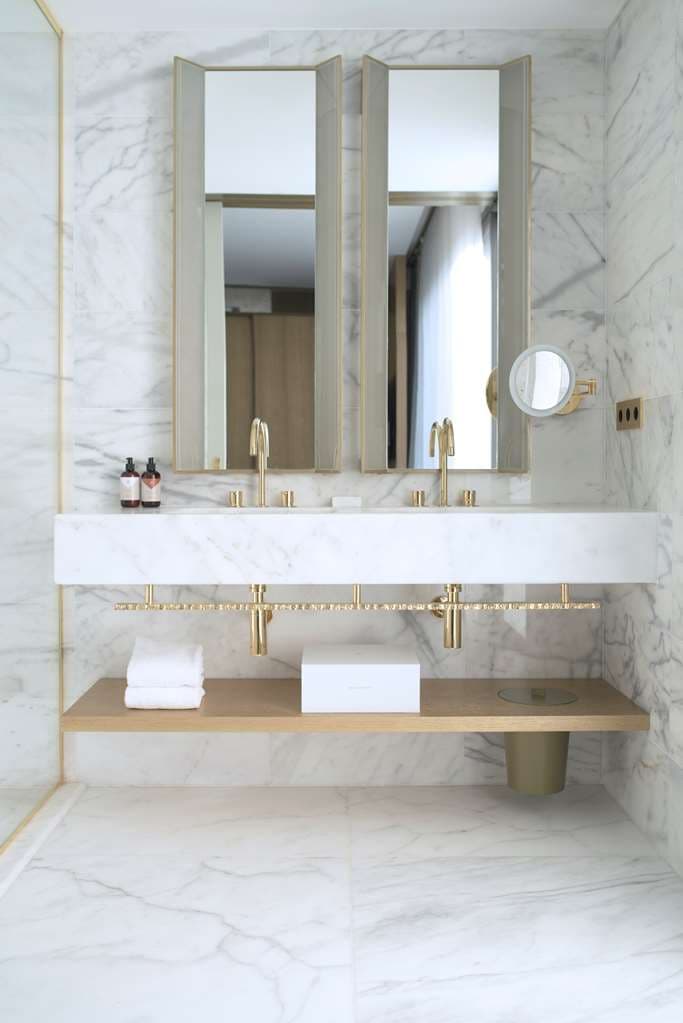
In the heart of the *Quadrat d'Or* (Golden Square), Almanac Barcelona isn't just a hotel; it is a masterclass in geometry and gold. Awarded a prestigious **One Michelin Key in 2024**, this Jaime Beriestain-designed property eschews the Gothic gloom of the old quarter for the sun-drenched sophistication of Gran Via. The lobby hits you first—a visual dialogue between Art Deco glam and 1970s luxe, anchored by a spectacular gold spiral staircase that demands an entrance. The rooms are studies in texture, layering walnut, brass, and marble, but the real showstopper is the **Cubic Window Nook**. Floating above the street, this glassed-in sofa niche transforms the urban bustle into a silent film, offering a private observatory that feels miles away from the tourist crush. Bathrooms feature double vanities and Ibizan marble, stocked with **Anne Semonin** amenities that smell of crisp citrus. Dining here is intellectual yet indulgent. At **Virens**, Chef Rodrigo de la Calle’s "gastrobotanical" philosophy shines; the beetroot tartare is a revelation, proving vegetables can outmuscle steak. For sunset, ascend to **Azimuth Rooftop Bar**. While the pool is strictly for plunging (a shallow 0.7m), the panoramic sightline to the **Sagrada Família**—best enjoyed with an Astral cocktail in hand—is deep enough to drown in. This is the smart traveler's Barcelona: polished, plant-forward, and precisely designed.
“Book a room ending in '01' or '05' for the best Cubic Window Nook views over Gran Via. Also, the rooftop pool is unheated—brace yourself for a refreshing dip.”
Insider TipAvg. Nightly Rate
315USD