No. 01
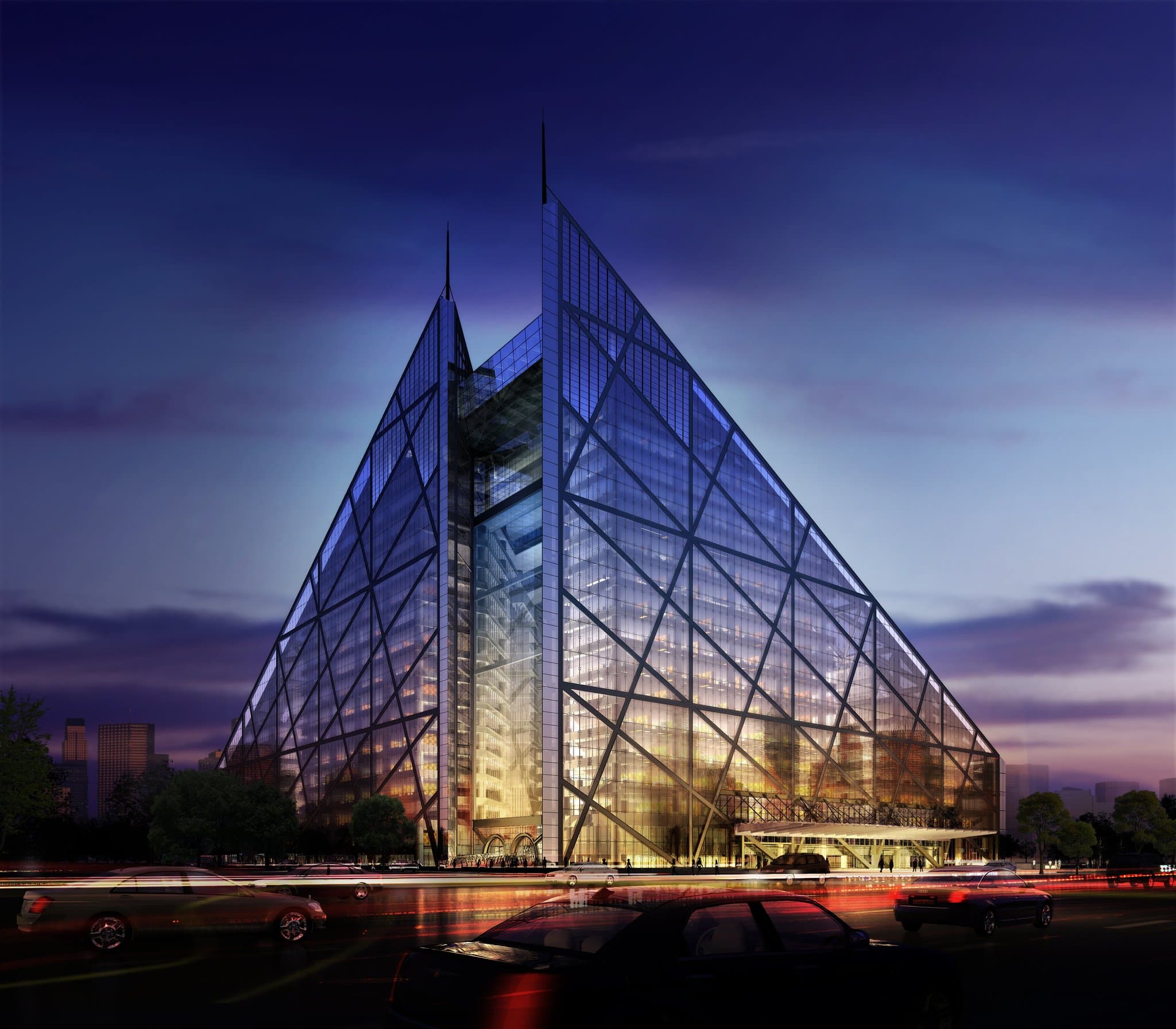
NO.9 DONGDAQIAO ROAD BEIJING CN 100020Beijing3631 verified reviews
9
.6
Bitvoya Edit
Layering imagery, place, and detail before the page opens.
Beijing is a city where imperial history collides with avant-garde creativity. For the art aficionado, the accommodation landscape has evolved beyond mere lodging into immersive galleries. Neighborhoods like Sanlitun and the 798 Art Zone vicinity are thriving with properties like CHAO Sanlitun and Hotel Eclat, boasting original works by Dali and Warhol. Nuo Hotel pays homage to the Ming Dynasty through contemporary lenses, while The PuXuan sits at the intersection of old and new near the Forbidden City. These hotels offer more than sleep; they offer a curated cultural dialogue amidst the urban sprawl, transforming your stay into a continuous exploration of canvas and concrete.
Beijing has rapidly transformed into one of the world's most exciting contemporary art hubs. Beyond the famous 798 Art Zone, the city's hospitality sector has embraced a design-forward philosophy that caters specifically to the 'Canvas & Concrete' traveler. Choosing an art-centric hotel in Beijing means immersing yourself in environments curated by top-tier designers and populated with museum-quality pieces. For instance, Hotel Eclat Beijing isn't just a place to sleep; it boasts the largest private collection of Salvador Dali works in China outside of a museum. Similarly, CHAO Sanlitun positions itself as a cultural center, regularly hosting exhibitions and workshops that connect guests with local creators.
To fully experience Beijing's artistic pulse, location is key. The following neighborhoods offer the best blend of luxury accommodation and gallery access:
When booking a stay at properties like the Bulgari Hotel Beijing or Conrad Beijing, expect more than standard amenities. These hotels prioritize aesthetics and intellectual stimulation. You can anticipate rotating art exhibitions in the lobby, libraries curated with design books, and architecture that challenges the skyline. EAST Beijing, located in the IndigO complex, integrates a business lifestyle with playful, industrial-chic art installations, making it perfect for the modern nomad. Expect high ceilings, concrete textures mixed with plush fabrics, and a concierge who knows exactly which gallery opening is happening tonight.
Hotel Eclat Beijing is renowned for having the largest private collection of Salvador Dali works in China outside of a museum, making it a top choice for art lovers.
Yes, Nuo Hotel Beijing is located in the Wangjing area, offering convenient access to the 798 Art Zone while providing a luxurious stay inspired by Ming Dynasty aesthetics.
CHAO Sanlitun functions as a cultural hub rather than just a hotel, regularly hosting art exhibitions, workshops, and events that connect travelers with Beijing's local creative community.
Explore our complete curated list of luxury accommodations, from boutique hideaways to grand dames.
Explore All Beijing HotelsForget the Forbidden City’s ancient timbers for a moment; Hotel Éclat is a shock of modern glass piercing the Chaoyang sky. Located within the biosphere-like Parkview Green complex, this property abandons the traditional lobby concept for a sensory overload of museum-grade art. We aren't talking generic hotel prints; this is the largest private collection of Salvador Dalí works in China, flanked by Andy Warhol originals and Chen Wenling sculptures. The 100 rooms are equally theatrical, rejecting beige neutrality for bold colors and high-spec toys. The Lagoon Suites are the showstoppers, featuring private 5-meter indoor pools—a structural marvel in a high-rise. Even standard quarters impress with Panasonic massage chairs (a godsend after navigating the Ring Roads) and Bang & Olufsen audio systems. Dining at George’s Restaurant offers a refined Mediterranean counterpoint to the avant-garde interiors, where the dry-aged 7-day beef tartare is as curated as the art on the walls. Recently awarded a One MICHELIN Key (2025), the Éclat is for the traveler who prefers their luxury loud, eccentric, and unapologetically modern.
“Request a room on the 18th floor to be neighbors with the collection of 18 original Dalí chairs, or book a Lagoon Suite for the rare private indoor pool experience.”
Insider TipAvg. Nightly Rate
143USD
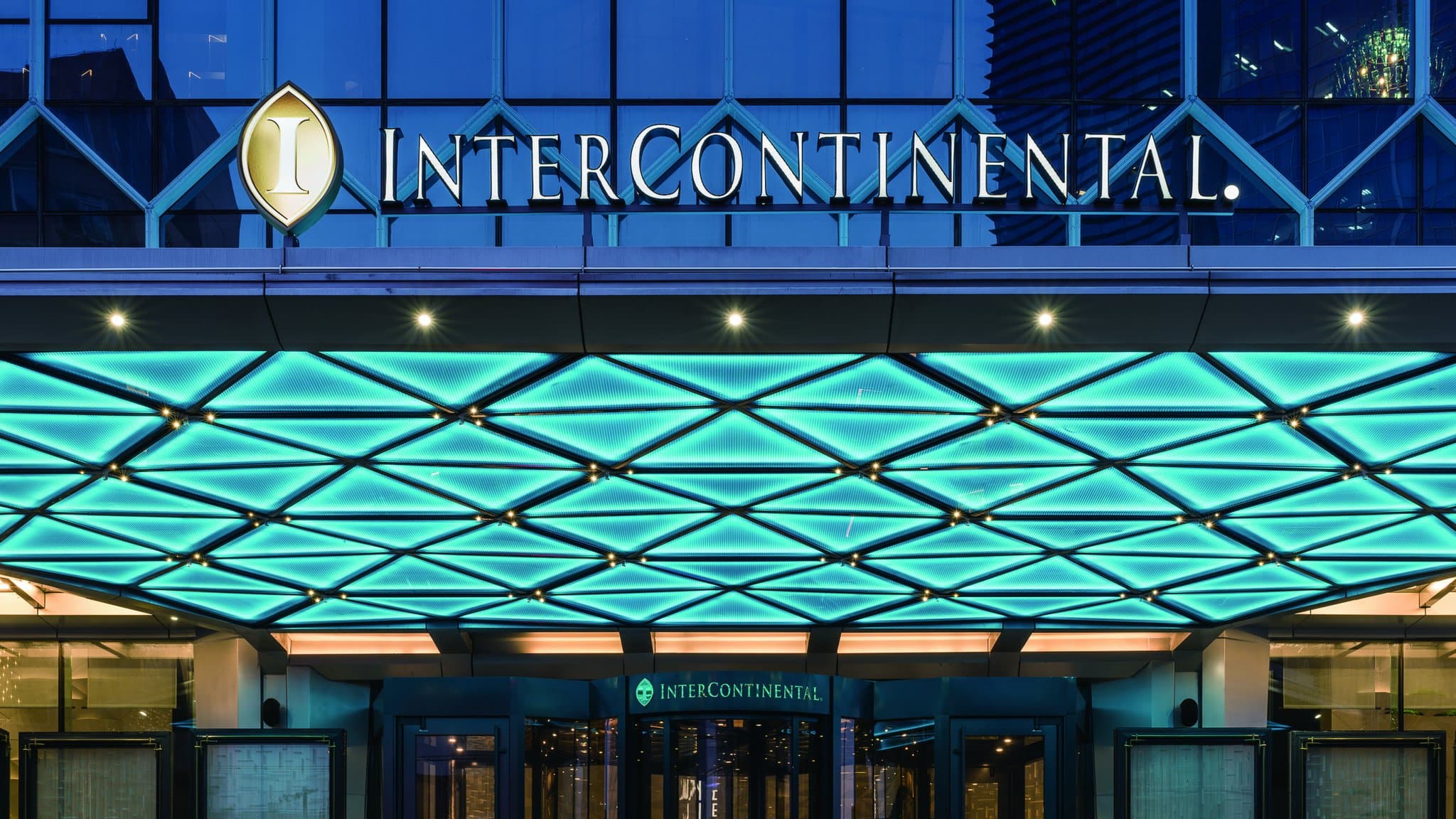
If architecture is frozen music, the InterContinental Beijing Sanlitun is a thumping bassline. Dominating the Sanlitun skyline, its hexagonal honeycomb facade doesn’t just glow; it performs, broadcasting a synchronized LED light show that rivals the nightclubs below. This isn't a retreat for the meditative; it is a stage for the 'New Yuppie' elite who treat lifestyle as high art. Inside, the lobby’s brass 'harp-string' bookshelves and aggressive modernism set a catwalk tone. The rooms continue the high-octane narrative with Dyson hair dryers, 400-thread count linens, and Byredo amenities that signal serious luxury. However, a word to the modest: the bathroom glass is unapologetically transparent, turning your morning routine into a spectator sport—ideal for couples, awkward for colleagues. Culinary theatrics abound at CHAR Bar & Grill, where the 1.5kg Australian Wagyu Tomahawk is carved with surgical precision. For a reprieve from the sensory overload, the 5th-floor pool offers a cinematic swim with underwater bikes and a front-row seat to the embassy district’s skyline. It is bold, loud, and relentlessly photogenic.
“Book a 'Sanlitun View' room on a high floor to watch the city's neon pulse without the street noise. Also, the pool is quietest during the dinner rush (7 PM–9 PM).”
Insider TipAvg. Nightly Rate
215USD
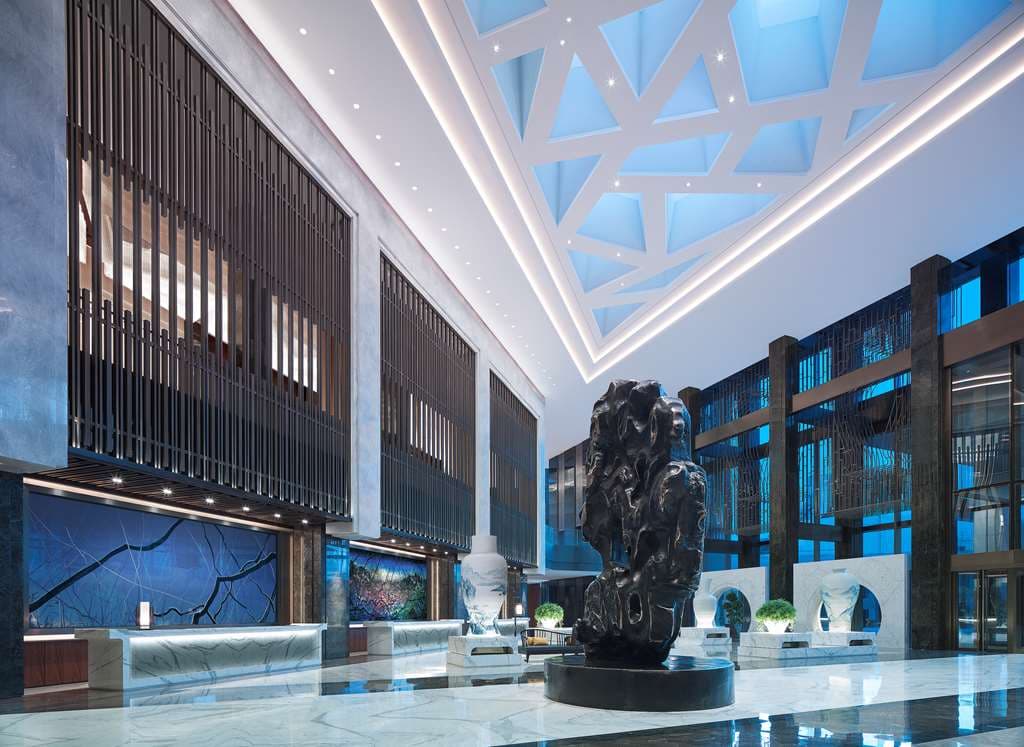
While most Beijing luxury hotels clamor for views of the Forbidden City, NUO Hotel Beijing confidently plants its flag in the north, serving as the high-design anchor for the 798 Art District. This is not a hotel that relies on gilded lilies; it is a curatorial triumph spearheaded by Kempinski and iconic Chinese artist Zeng Fanzhi. The arrival experience is dominated by 'Le Shan,' Zeng’s monumental 5-ton silver-and-bronze sculpture that instantly signals you’ve entered a space where art is the architecture, not just decoration. The interiors strip away imperial red-and-gold clichés in favor of a 'Ming Dynasty Scholar' aesthetic—brooding woods, cloud-patterned marble, and lantern-inspired lighting. Entry-level rooms are massive (starting at 41 sqm), equipped with floor-to-ceiling windows that frame the urban sprawl, deep soaking tubs, and dedicated tea sets for brewing loose-leaf Pu'er. Dining is equally serious. 'Jia' delivers a crispy roasted baby pigeon that rivals Hong Kong’s finest, while the Sunday Brunch at 'N'Joy' is a lobster-fueled institution among Beijing’s expats. Come evening, the O’Bar terrace—with its 2,200 sqm of outdoor space—transforms into a moody, speakeasy-style haunt for the city's creative class. It’s far from the Tiananmen tourist crush, and that is precisely the point.
“Book a treatment at NUO Spa that utilizes their proprietary essential oils derived from seasonal flowers; afterwards, head to the O'Bar terrace just before sunset for the best skyline silhouette shots.”
Insider TipAvg. Nightly Rate
133USD
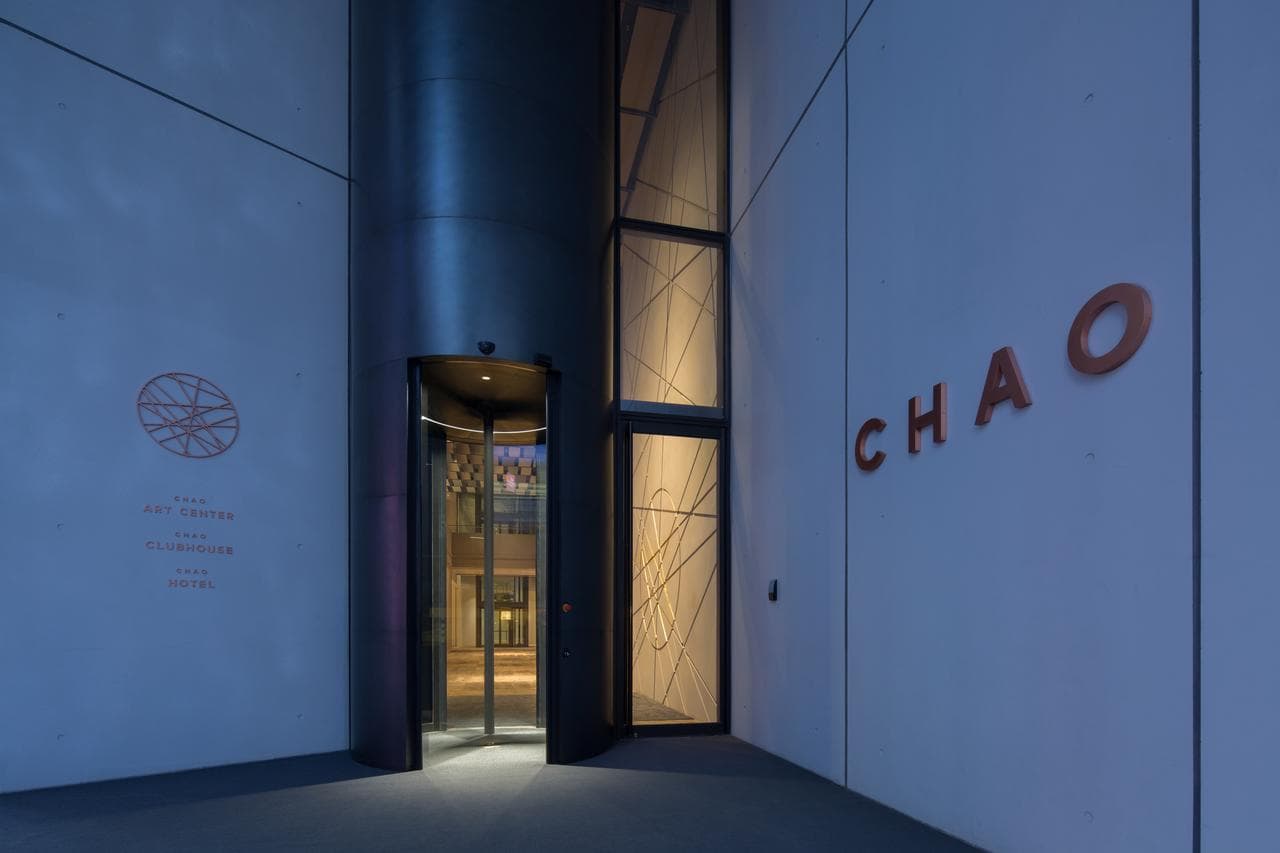
Sanlitun pulses with a frenetic, neon-charged energy, but stepping into CHAO is like putting on noise-canceling headphones. This isn’t merely a place to sleep; it’s a concrete fortress dedicated to the culturally curious. The design is unapologetically industrial—think raw concrete stairs in the Amphitheater and the geometric drama of the Art Center’s Daylight Hall—yet it manages to avoid feeling cold, thanks to the warmth of walnut furnishings and hand-worked leather in the rooms. The accommodations are sanctuaries of minimalism, equipped with Nespresso machines and a minibar that is, shockingly, mostly complimentary. The lighting controls are a high-tech intelligence test, prioritizing mood over function, but once you master them, the ambiance is impeccable. Dining here is a serious affair. Skip the street snacks for a night and commit to the ‘Living Room’ for the signature red wine stewed Australian beef shank, or navigate the 15-meter whiskey wall in the ‘Club Bar’, which houses a brandy collection that could rival a private museum. There is no pool, but with a library of 2,000 books and a private cinema, you won’t miss the chlorine. Verdict: A sharp, sophisticated hub for those who prefer exhibitions over treadmills.
“Skip the main entrance crowds; the English Afternoon Tea in the 'Drawing Room' is the city's most underrated power-meeting spot.”
Insider TipAvg. Nightly Rate
170USD
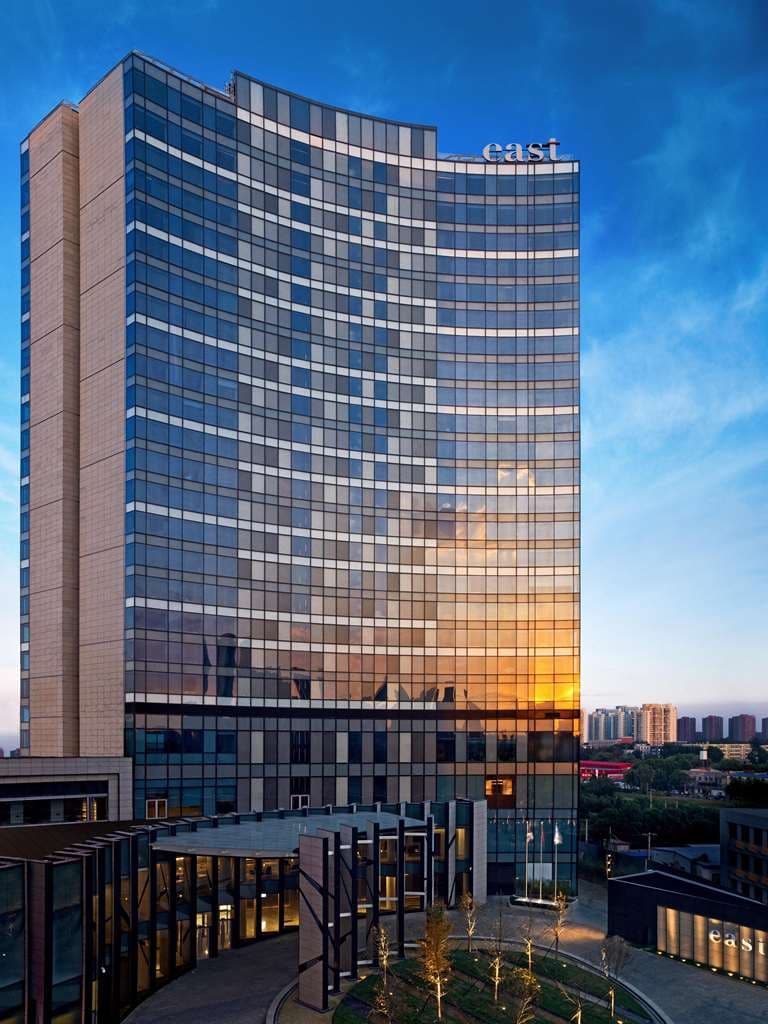
Forget the gilded dragons and red lanterns typical of the capital’s hospitality scene; EAST Beijing is a cool drink of water in the concrete heat of Chaoyang. Positioned strategically within the INDIGO complex, just a short walk from the 798 Art Zone, this property doesn't just hang art on the walls—it lives it. The lobby is a kinetic space where the 'business playground' ethos feels tangible, buzzing with tech entrepreneurs and gallery curators. Upstairs, the rooms are a lesson in high-functioning minimalism. You won't find extraneous fluff here; instead, expect floor-to-ceiling windows framing the urban sprawl, clever hidden charging ports that keep the lines clean, and Appelles apothecary amenities that smell like a spa day. For dining, 'FEAST (Food by EAST)' delivers a Pavlova that has garnered a cult following, while the 'Xian' bar offers a moody counterpoint with its sunken booths, craft whiskeys, and wood-fired pizzas. The heated indoor infinity pool, with its geometric ceiling, provides a rare moment of zen above the city traffic. It’s sharp, efficient, and unapologetically modern—exactly what the new Beijing creative class demands.
“Skip the main lobby entrance during rush hour and use the direct connection from the second floor of the INDIGO Mall for a seamless, private arrival.”
Insider TipAvg. Nightly Rate
91USD
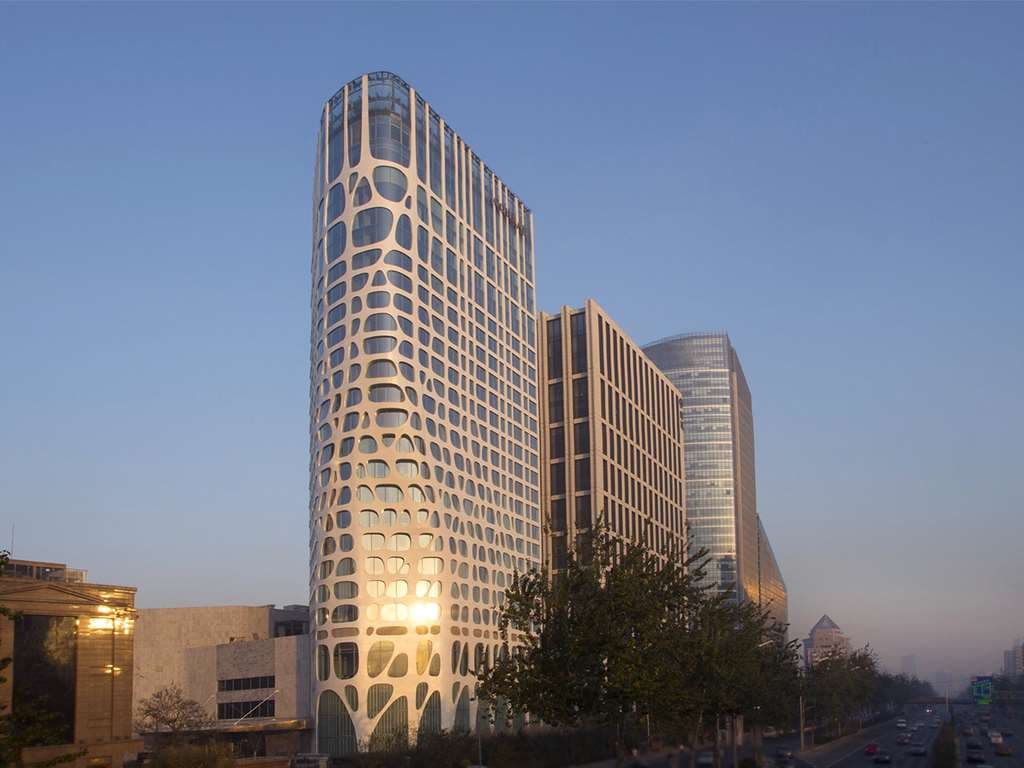
If the Beijing skyline is a conversation, the Conrad is shouting in abstract poetry. While the city’s grid remains rigid, architect Ma Yansong’s ‘nervous system’ facade disrupts the Chaoyang district with fluid, white lattice-work that looks less like a hotel and more like a melted ceramic sculpture. Inside, the lobby feels like a gallery pause—high ceilings and muted tones that act as a palate cleanser from the CBD’s frenetic energy. The rooms are substantial (starting at 46 sqm), but it’s the irregular, organic windows carved by that exterior lattice that define the stay, framing Tuanjiehu Park in unexpected geometries. Details matter here: Byredo Mojave Ghost amenities add a cult-favorite scent to the marble bathrooms, and Blueair purifiers—a non-negotiable Beijing luxury—hum silently in the corner. Dining is theatrical. ‘Chapter’ reimagines the buffet as a European library, where chefs plate roasted meats and seafood amongst towering bookshelves—a whimsical touch that rescues the meal from corporate banality. For purists, ‘Lu Yu’ offers a dramatic tea wall and a Peking Duck that rivals the city’s stalwarts. It’s a property that manages to feel like a sanctuary without feeling sleepy.
“Request a room on the East side (park view) to avoid the CBD glare. Also, the ‘Conrad Panda’ left at turndown is a collector’s item—don’t leave him behind.”
Insider TipAvg. Nightly Rate
135USD
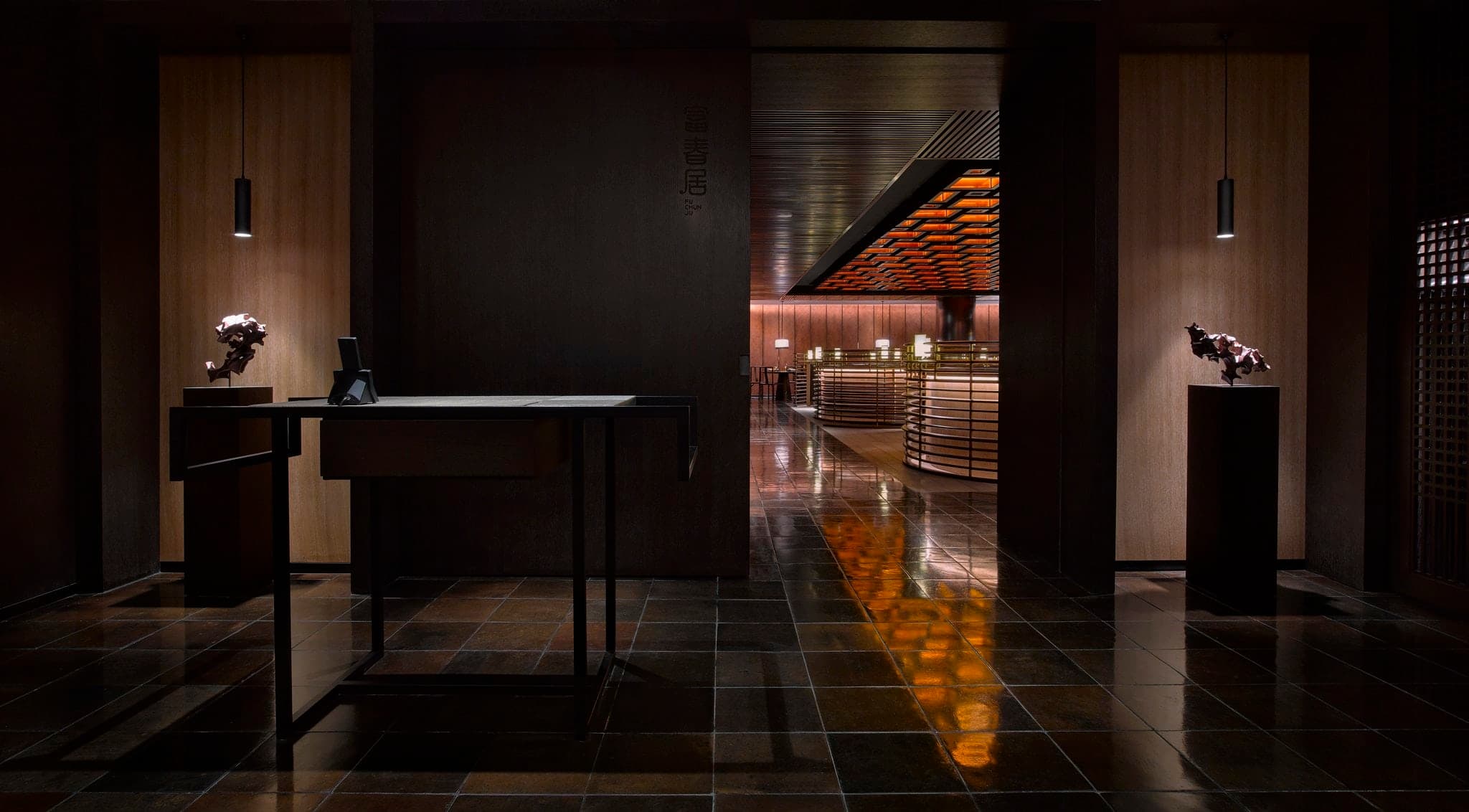
If the Forbidden City is Beijing’s imperial past, The PuXuan is its confident, pixelated future. Designed by Ole Scheeren, this architectural marvel doesn’t just sit opposite the National Art Museum—it stares it down with a façade of patterned glass that mimics the grey bricks of the hutongs. Inside, it’s a moodier affair. The lobby is a sanctuary of dark timber and amber glass, a deliberate pivot from the marble-heavy lobbies of its competitors. For the art aficionado, the rooms are the gallery. Book a Grand Studio; the window bays frame the Forbidden City like a living canvas, best enjoyed while wrapped in 400-thread count linens. While the absence of a swimming pool is a notable omission for a property of this caliber, the hotel compensates with mainland China’s first Guerlain Spa—a haven of Parisian technique. Dining is where The PuXuan truly flexes. Fu Chun Ju recently retained its Michelin Star and 2025 Black Pearl Diamond status, serving a Tea-Smoked Pigeon Eggs dish that is technically flawless. Downstairs at Rive Gauche, the Wagyu Beef Tartare bridges Parisian bistro culture with Yunnan’s spicy verve. It is a hotel that trades distinctively in 'Hostmanship'—a service philosophy that feels less like a script and more like a handshake.
“Book a suite to unlock 'Hostmanship' benefits, including a true 24-hour flexible check-in/check-out, allowing you to sync your stay entirely to your flight schedule.”
Insider TipAvg. Nightly Rate
307USD
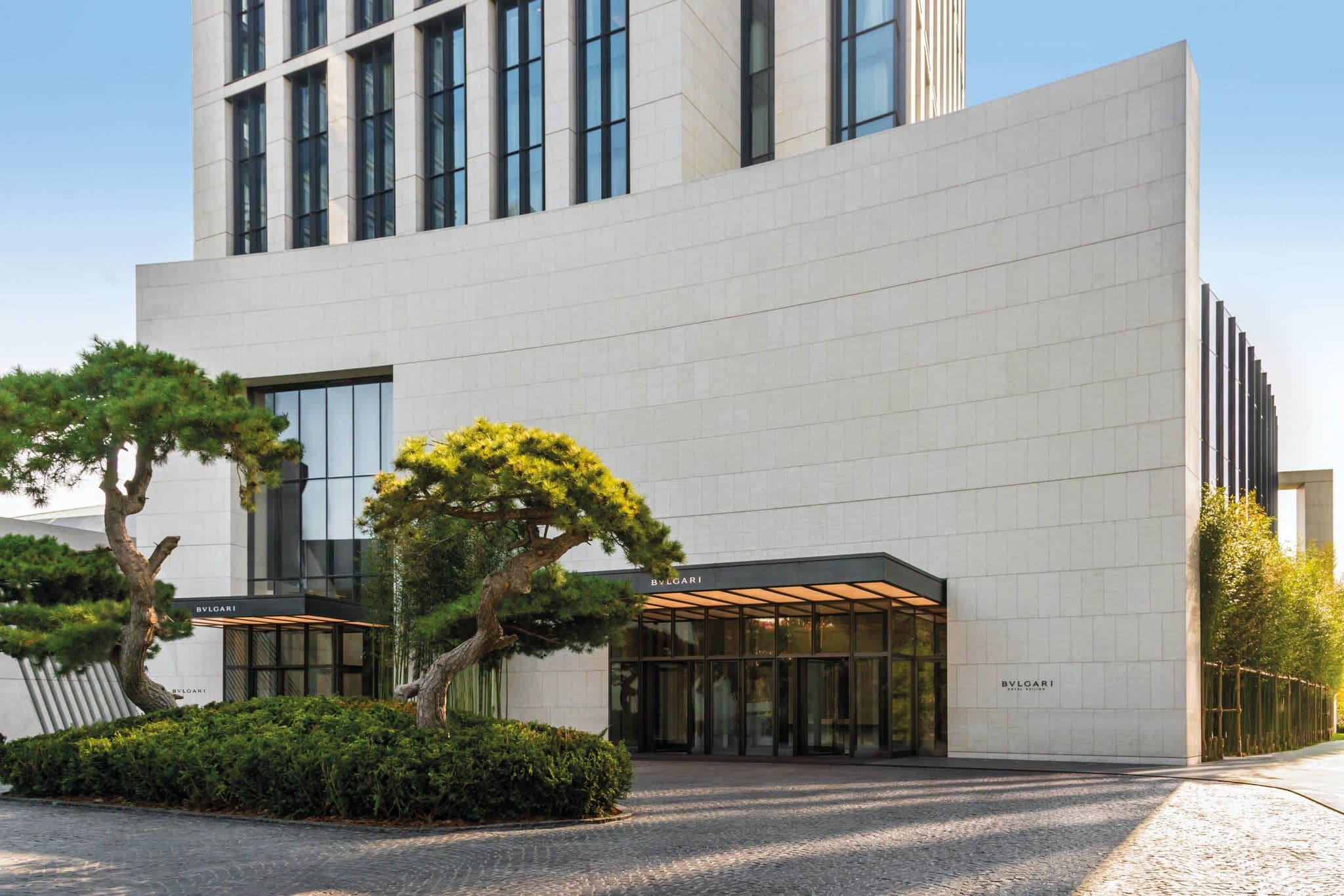
Forget the expected imperial reds and dragon motifs. The Bulgari Hotel Beijing is a defiant, monochromatic masterstroke of Italian precision dropped into the leafy Chaoyang District. Designed by Antonio Citterio Patricia Viel, the property functions less like a hotel and more like a habitable gallery, sharing its manicured grounds with the Tadao Ando-designed Genesis Art Foundation. The interiors are a study in restraint—black granite, elm wood, and travertine create a chiaroscuro effect that soothes the eyes after a day at the 798 Art Zone. In the rooms, the 'urban resort' promise holds up: Maxalto furniture and 400-thread count linens provide tactile luxury, while the copper bathtubs offer a vantage point over the weeping willows of the Liangma River. Dining here is non-negotiable; Il Ristorante - Niko Romito recently retained its Michelin star for the 2025 guide. The signature Vitello Tonnato is an architectural marvel of flavor—austere yet indulgent. While the à la carte breakfast lacks the sprawling excess of local competitors, the impeccable butler service (who will press your suit via their Berluti partnership) silences any complaints. It is a sanctuary for the traveler who finds peace in geometry.
“Skip the lobby lounge for sunset; head to The Bulgari Bar's outdoor terrace. Order the signature Bulgari Cocktail and watch the light hit the Tadao Ando architecture across the garden.”
Insider TipAvg. Nightly Rate
534USD
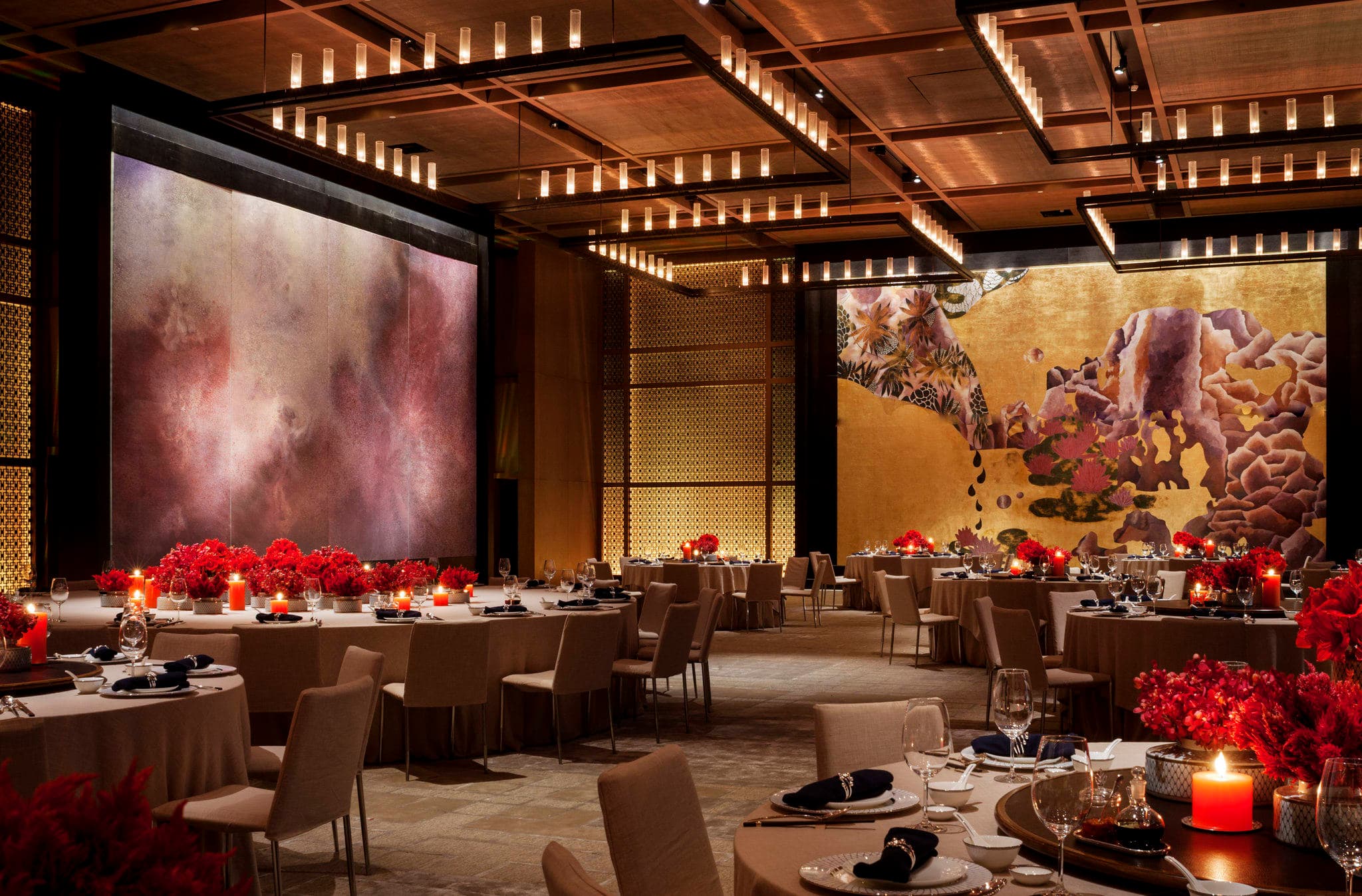
Forget the sterile gloss of standard business towers; arriving at Rosewood Beijing through the towering bronze 'Sons of Dragon' sculptures feels like stepping into a diplomat’s private Chaoyang estate. This property doesn't just display art; it lives it, with works by Li YongFei and Jiang ShanChun anchoring a vibe that is moody, textural, and profoundly local. The residential ethos hits its peak in the guestrooms. Starting at a generous 50sqm, these spaces are curated for lingering, outfitted with Frette robes, Lorenzo Villoresi amenities, and Geneva sound systems. The floor-to-ceiling windows don't just offer light; they frame the Rem Koolhaas-designed CCTV Headquarters like a cinematic backdrop. Dining is equally theatrical. Country Kitchen eschews white tablecloths for the rustic crackle of wood-roasted Peking Duck, while The House of Dynasties offers a hushed, temple-like atmosphere for Cantonese fish maw soup. For a pulse-check, the bubbling hot pot at Red Bowl draws the city’s creative set. Recently minted with Two Michelin Keys (2025), the Rosewood remains the definitive address for those who prefer their luxury with a pulse.
“Book a west-facing 'Manor Club' room for the most dramatic views of the CCTV Tower and access to the 24-hour butler service.”
Insider TipAvg. Nightly Rate
360USD