No. 01
BeijingBeijing4737 verified reviews
9
.2
Bitvoya Edit
Layering imagery, place, and detail before the page opens.
Beijing offers more than just a glimpse of history; it provides an opportunity to live within it. For the discerning traveler, the rugged peaks of Yanqing District and the serene valleys of Changping offer a sanctuary away from the metropolis. Our curated collection focuses on private retreats nestled in the shadow of the Great Wall. From the Zen-inspired architecture of Xitan Hotel in the foothills to the family-friendly luxury of Club Med Joyview, these properties redefine heritage tourism. Whether you are exploring the Badaling section or seeking solitude near the Water Great Wall, these havens provide an exclusive gateway to one of the wonders of the world, blending ancient grandeur with modern tranquility.
Staying near the Great Wall transforms a standard sightseeing trip into an immersive historical experience. Unlike the day-trippers who rush from downtown Beijing, guests at these private retreats enjoy the Wall in its most magical moments—during the quiet sunrise or the golden sunset. Properties like the Yanbai Villa and Tsingpu Badaling Retreat offer not just proximity, but a dialogue with the landscape, utilizing local materials and architecture that respects the ancient surroundings while providing world-class luxury.
Expect a blend of rugged outdoor adventure and refined indoor comfort. These retreats are designed to be destinations in themselves. At Club Med Joyview Yanqing, expect extensive recreational facilities perfect for families. In contrast, Yanbai Villa offers a contemplative atmosphere suited for couples or solo travelers seeking peace. Amenities often include natural hot springs, fine dining featuring northern Chinese cuisine, and private tours of less-crowded sections of the Wall.
The Crowne Plaza Beijing Badaling and Tsingpu Badaling Retreat are among the closest luxury properties, offering easy access to the Badaling section.
Yes, Xitan Hotel Beijing is renowned for its luxury amenities, including private hot spring facilities integrated into its Zen-inspired design.
Absolutely. Club Med Joyview Yanqing is designed with families in mind, featuring kids' clubs, indoor water parks, and various recreational activities.
Explore our complete curated list of luxury accommodations, from boutique hideaways to grand dames.
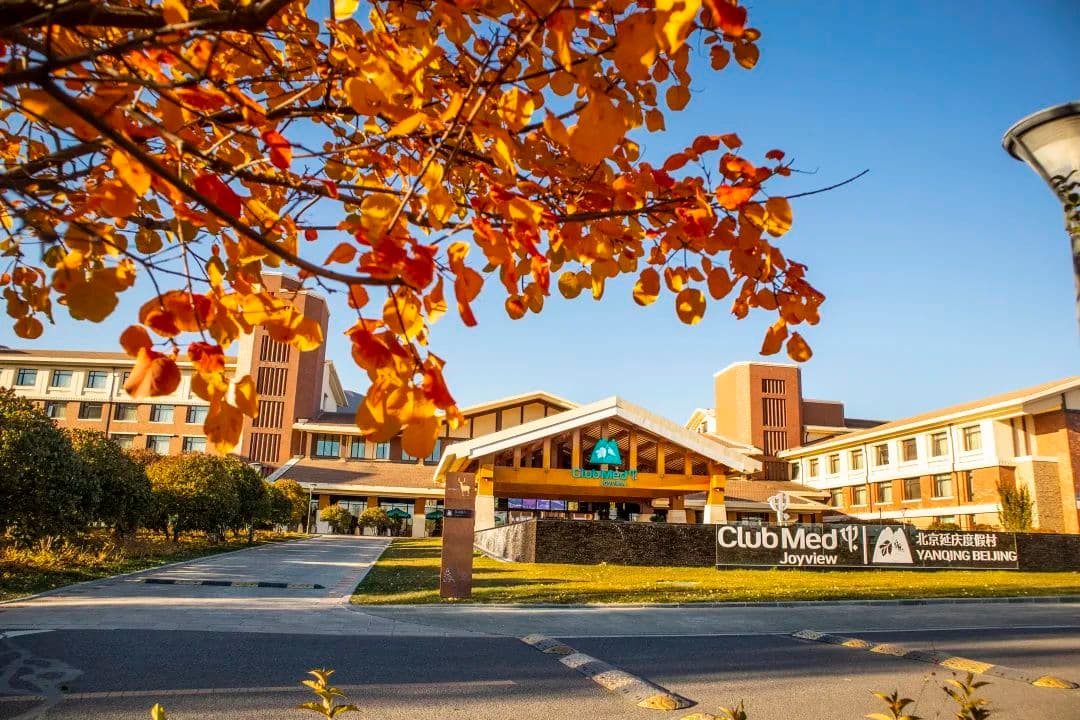
Explore All Beijing HotelsIt’s a disorienting, delightful proposition: a sprawling resort mimicking the rolling vineyards of Provence, positioned directly adjacent to the rugged crags of the Beijing Songshan National Nature Reserve. Club Med Joyview Yanqing doesn’t just lean into this duality; it builds an entire world around it. You aren’t here for a silent retreat. You’re here because 'The Playground'—a cavernous indoor complex housing a ski simulator and climbing walls—keeps the adrenaline high even when the Beijing winter bites. The design is unapologetically bold, swapping traditional Ming aesthetics for a 'South of France' floral exuberance that somehow works against the backdrop of Haituo Mountain. Rooms are functional but elevated, with premium linens and commanding views of the vineyard rows. The real draw, however, is the water. The 'Mediterranean Sea' indoor park offers a beach entry that feels surprisingly convincing, while the spa delivers a more serious comedown with British ELEMIS treatments and a steaming Onsen suite. Dining at 'The Marketplace' is a frantic, abundant affair of international stations, but the smart money is on 'Chateau Nuage' for a surprisingly robust local wine tasting that grounds you back in Yanqing’s terroir.
“Skip the main buffet chaos at peak hours; book a sunset tasting at Chateau Nuage (Yun Shang Jiu Zhuang) to see the vineyards glow pink against the mountains.”
Insider TipAvg. Nightly Rate
120USD
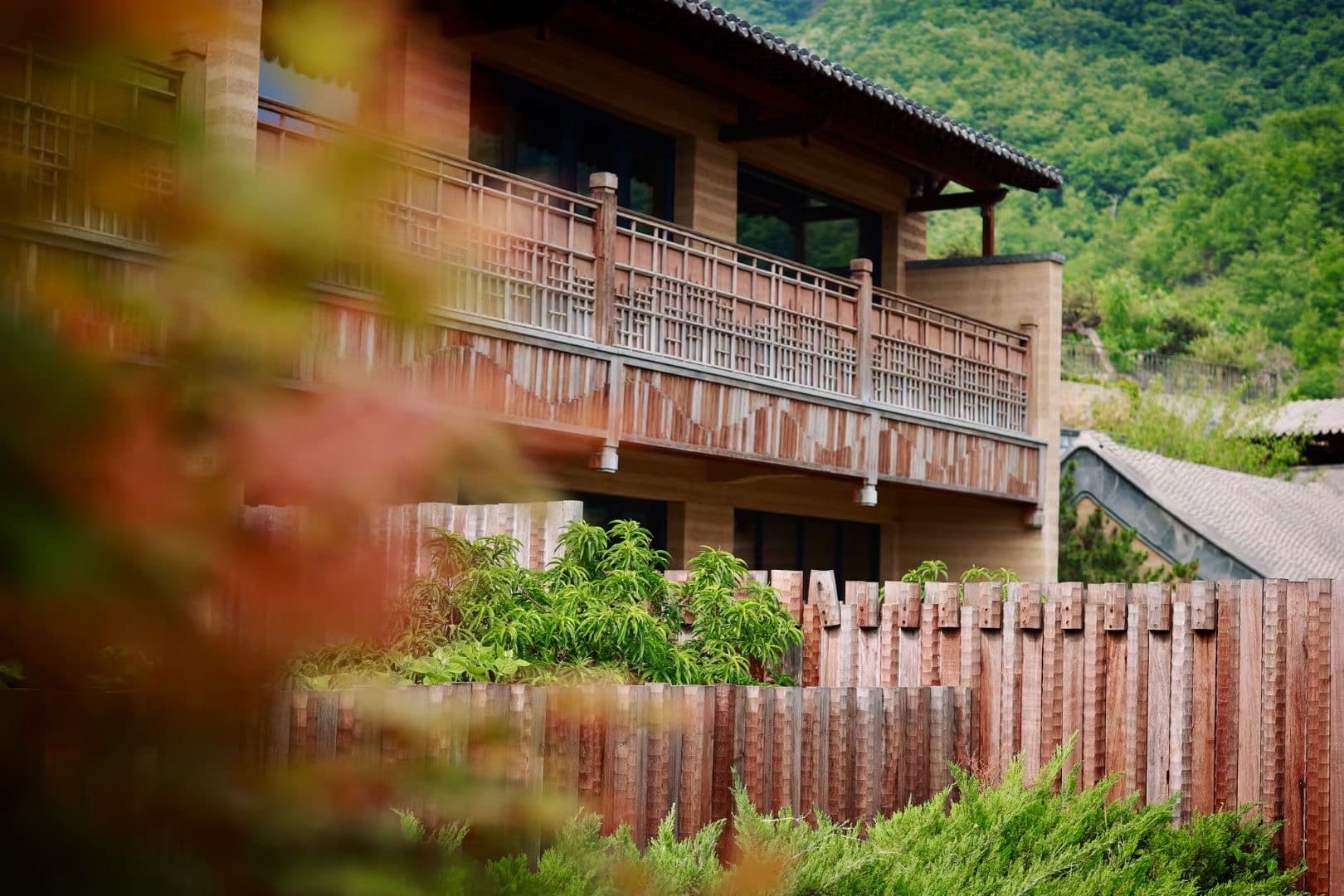
If the Forbidden City is Beijing’s public face, Xitan is its private conscience. Located in the Western Hills, a polite hour’s drive from the capital’s gridlock, this Relais & Châteaux member operates less like a hotel and more like a Ming Dynasty village reconstructed for the modern recluse. The architecture is the protagonist here—specifically the 'fish scale' stone waterfall in the courtyard that anchors the property’s Zen aesthetic. Inside, the rooms are exercises in hushed luxury. You won't find generic opulence; instead, expect Japanese Lapidem spa products, Technogym setups, and 400-thread count linens that feel frighteningly expensive. The 12+ age policy ensures the 20-meter outdoor infinity pool remains a serious place for laps, not splashing. But the real pull is 'The House of Rong.' As an outpost of the legendary Xin Rong Ji empire, the kitchen delivers a Braised Yellow Croaker that justifies the room rate alone. Service can be leisurely—this is the mountains, after all—but for those seeking the Great Wall without the tour buses, this is the only address that matters. **Verdict**: A rigorous, adults-only sanctuary where the food rivals the architecture.
“Secure your reservation at The House of Rong immediately after booking your room; the Pine Nut Shaqima sells out daily and is non-negotiable.”
Insider TipAvg. Nightly Rate
771USD
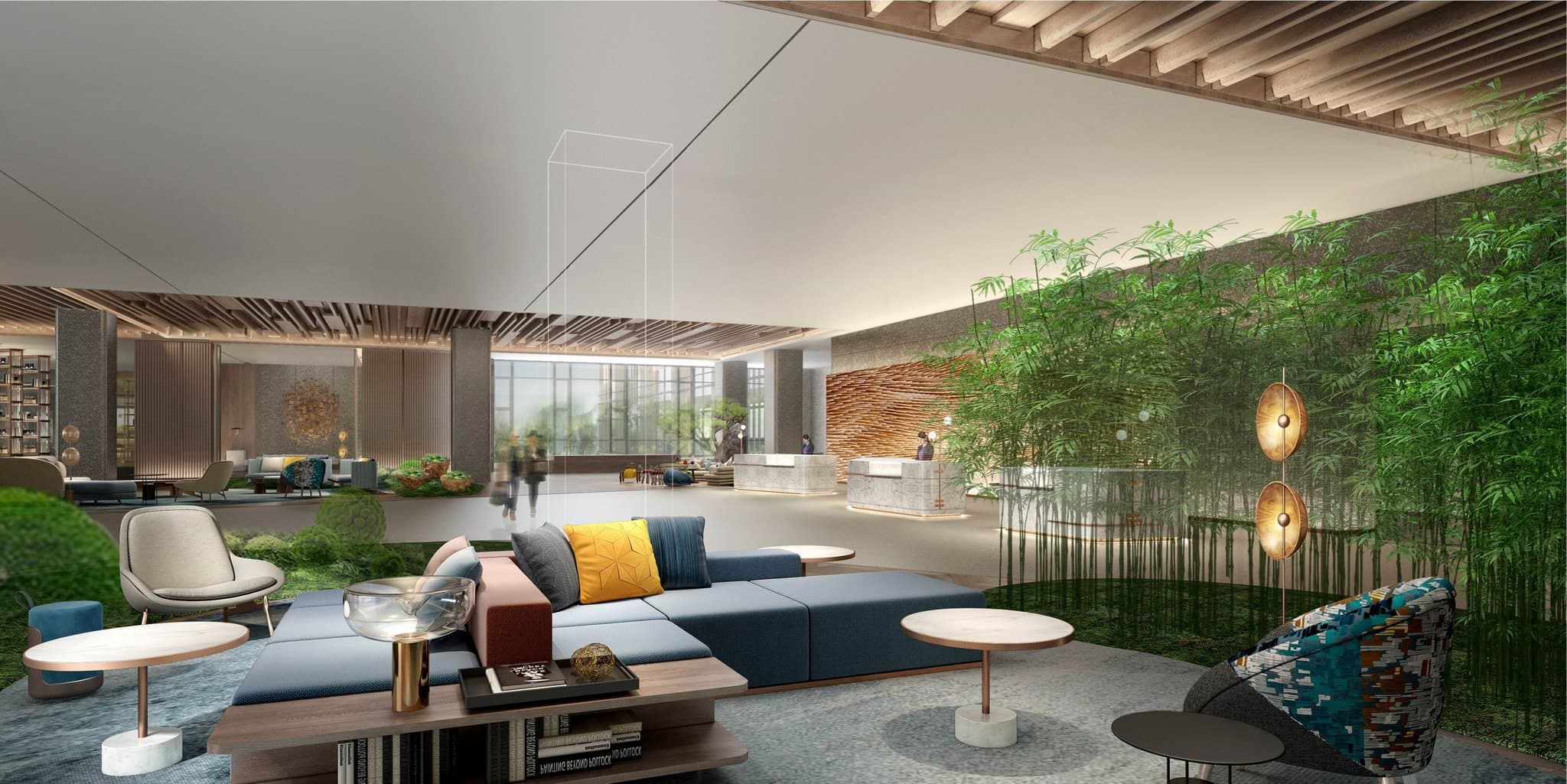
Forget your assumptions about the Crowne Plaza marque. This isn't a beige conference box on an airport ring road; it is a tactical, Art Deco-inflected base camp for conquering the Great Wall without the soul-crushing Beijing commute. Located in Yanqing, the property operates with the lungs of a resort, offering a distinct separation from the capital's smog and gridlock. The draw here is strategic: spacious 40-square-meter base rooms—palatial by Beijing standards—serve as the perfect staging ground for early morning ascents. But the real post-climb payoff is the Muyun Hot Spring complex. With 51 pools rich in fluorine and sulfur, it is the only civilized way to recover after traversing the vertical steps of Badaling. Dining maintains the high-end illusion; 'Yú Café' avoids the typical buffet fatigue with live cooking stations turning out credible Southeast Asian plates, while 'Cai Feng Xiao Guan' delivers a Beijing Roast Duck that rivals the city center’s heavy hitters. Service, often a variable in the outskirts, is anchored by a standout Concierge team. It’s not flawless—breakfast can descend into chaos by 9 AM—but for the savvy traveler, this is the smartest play in Beijing. You are here to see a Wonder of the World, not the bumper of a taxi.
“Connect with Head Concierge Leo Ma immediately upon arrival; his team can arrange early-access routes to the Wall that avoid the main tourist crush.”
Insider TipAvg. Nightly Rate
78USD
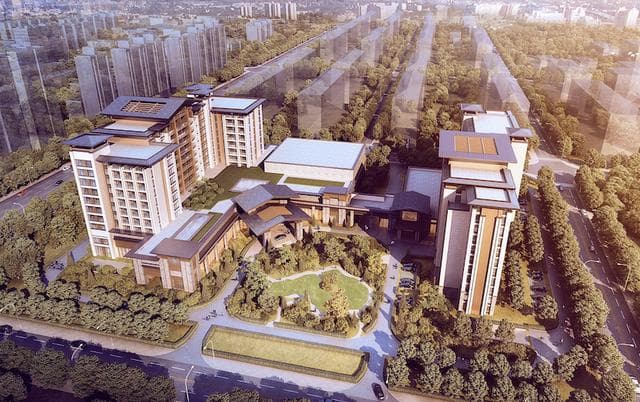
For decades, the Badaling Great Wall was a day-trip gauntlet: fight traffic, hike, flee. The Beijing Marriott Hotel Yanqing rewrites that script, positioning itself not just as a pitstop, but as a proper alpine outpost. Located in the Yanqing "Winter Olympics" zone, this property eschews kitsch for a sharp, glass-and-stone aesthetic that mirrors the jagged skyline. The lobby—a soaring "Greatroom" punctured by lantern-inspired fixtures—feels less like a hotel and more like a modern gallery. Rooms are the real draw here. Request a Premier Mountain View King; the balconies are vast, offering a private perch to survey the Jundu Mountains without the shoulder-to-shoulder crowds. Inside, the hardware is serious: 55-inch LED TVs, expansive soaking tubs, and Thann amenities that scrub off the trail dust. Dining is surprisingly robust. Man Ho serves a Roast Duck that rivals downtown Beijing’s stalwarts—crisp skin, juicy fat, zero pretension. For breakfast, Goji Kitchen + Bar covers the international spread, though the local noodle station is the sleeper hit. While the service can occasionally lag—a common trait in Beijing’s exurbs—the hardware, including a light-flooded indoor pool under a glass atrium, compensates. It’s the civilized way to conquer the Wall: hike hard, then retreat to high-thread-count solitude. Verdict: The definitive luxury launchpad for Badaling.
“Skip the lower floors. Request a high-floor 'Premier Mountain View' room facing away from Wanda Plaza to catch the sunset hitting the mountain ridges—it's the property's best unpaid amenity.”
Insider TipAvg. Nightly Rate
80USD

Forget the tourist-clogged slopes of Badaling. A mere stone’s throw away—yet psychologically worlds apart—Tsingpu Badaling Retreat is a masterclass in adaptive reuse. Constructed from recycled regional stone, this 15-room sanctuary feels less like a hotel and more like a wealthy friend’s Tuscan estate, provided that friend produces their own award-winning Chateau de Nubes wines. The vibe here is aggressively cerebral; there is no pool to distract you, a deliberate omission that steers guests toward cultural immersion. Instead of splashing around, you’ll find yourself in the subterranean cellar among oak barrels or painting Tu'er Ye (Rabbit God) figurines in a quiet atelier. The rooms are monastic yet plush, with private courtyards that offer absolute silence. Dining at Suishi Restaurant counters the rustic setting with sharp, modern execution. The M5 Australian Beef Belly is the standout—fatty, tender, and rich—while the Wasabi Cheese Shrimp Balls provide a sinus-clearing kick that cuts through the house red. Service is butler-style and telepathic; they know you need a refill before you do. It is a humble, high-minded hideaway that lets the Wall dominate the skyline while you dominate the wine list.
“Book a room facing the vineyard to catch the sunset over Beibalou Peak—it’s the only time the watchtowers look peaceful.”
Insider TipAvg. Nightly Rate
460USD
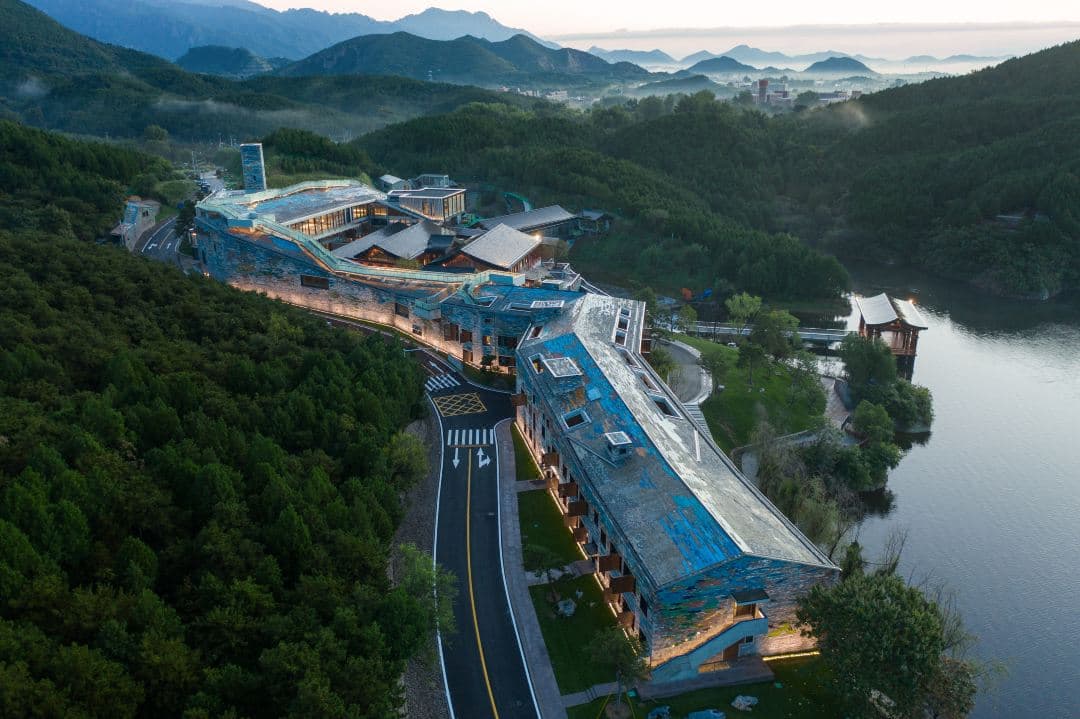
It is rare for a Pritzker Prize laureate to turn their hand to hospitality, which makes Yanbai Villa not just a hotel, but a curatorial event. Designed by Wang Shu (Amateur Architecture Studio), this retreat on the shores of Yanqi Lake is a physical manifestation of Wang Ximeng’s 12th-century scroll, 'A Thousand Li of Rivers and Mountains'. The arrival is dramatic: a lobby defined by a complex, interlocking timber roof structure that recalls the Forbidden City, yet feels entirely contemporary. Guests navigate through 'wapan' walls—Wang’s signature mosaic of recycled tiles and brick—before reaching the 67 suites. Inside, the vibe shifts from monumental to intimate. Hand-woven bamboo screens and brushed timber panels frame floor-to-ceiling views of the lake, creating a private scholar’s pavilion effect. Dining is a bifurcated affair of high-contrast excellence. At the Yanbai Chinese Restaurant, the Chaoshan claypot seafood porridge is a comforting, umami-rich masterpiece, while the Fountain View offers a precise French M9 Wagyu beef tenderloin. Service is 'invisible' yet omnipresent, with personal butlers appearing exactly when needed. **The Verdict**: A bucket-list pilgrimage for architecture nerds and solitude seekers who prefer their luxury with a heavy dose of intellectual heritage.
“Book the 'Mingyanju' suite for the most expansive lake-facing terrace. Also, visit the library for a rare collection of art books curated to match the Song Dynasty aesthetic.”
Insider TipAvg. Nightly Rate
430USD
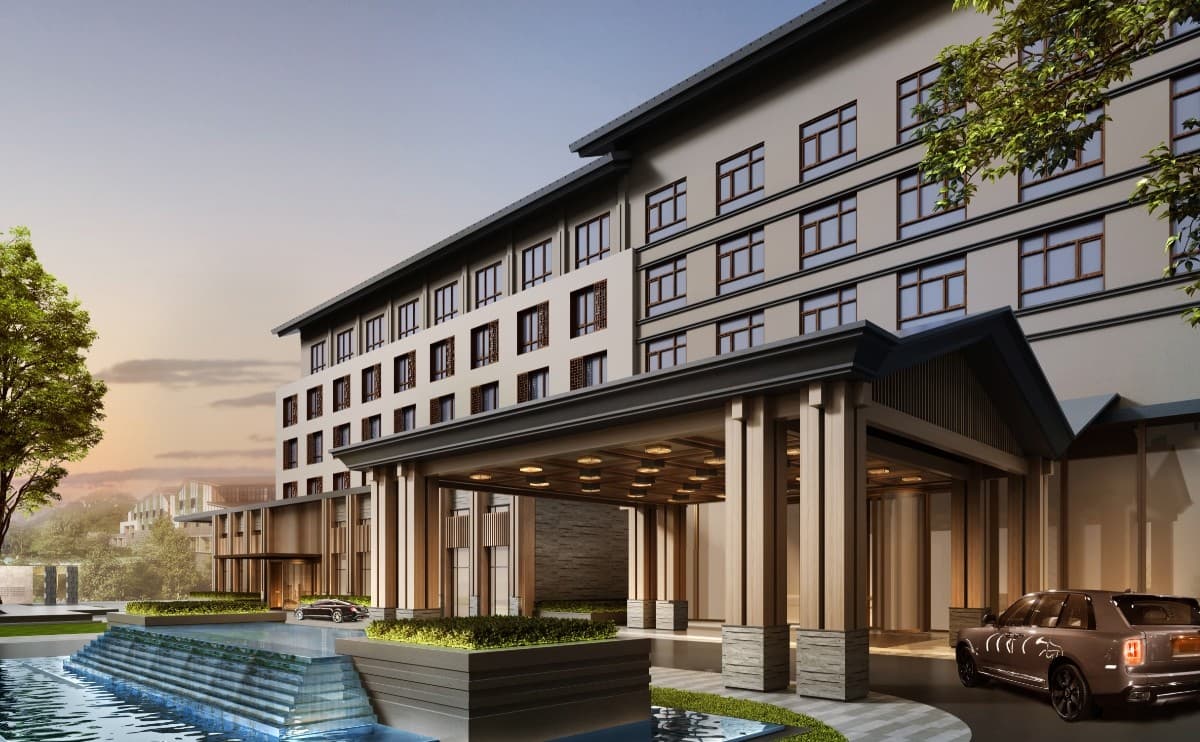
Forty-five miles from the hysterical traffic of the Third Ring Road, the DoubleTree by Hilton Beijing Badaling offers a sharp, architectural counterpoint to the ancient stones nearby. While the hotel’s 2021 debut missed the pre-Olympics rush, it has settled into its role as the definitive logistical hub for Great Wall expeditions. The lobby is a vast, light-flooded atrium that feels less like a hotel and more like a modern art gallery, anchored by the brand’s non-negotiable warm walnut cookie upon arrival. Rooms here favor function over frills, with 50-inch LCDs and the standard-issue Crabtree & Evelyn verbena toiletries that loyalists expect. The real draw is the floor-to-ceiling glass; ask for a mountain-facing room to watch the fog roll off the Yanqing hills. Dining at JU Chinese Restaurant is surprisingly robust, moving beyond generic Cantonese to feature Yanqing’s specific nutritional cuisine—hearty, tofu-heavy dishes essential after hiking the Badaling ramparts. While service can occasionally lag behind the frenetic pace of downtown Beijing (room service is on 'island time'), the pristine 26°C indoor pool and the sheer proximity to the Wall make this the smartest tactical play for travelers prioritizing geography over absolute perfection.
“Skip the crowded hotel breakfast at peak hours (8:30 AM). Instead, grab a coffee at the Lobby Lounge and head straight to the Wall by 7:30 AM to beat the tour buses, then return for a late lunch at OPUS.”
Insider TipAvg. Nightly Rate
64USD
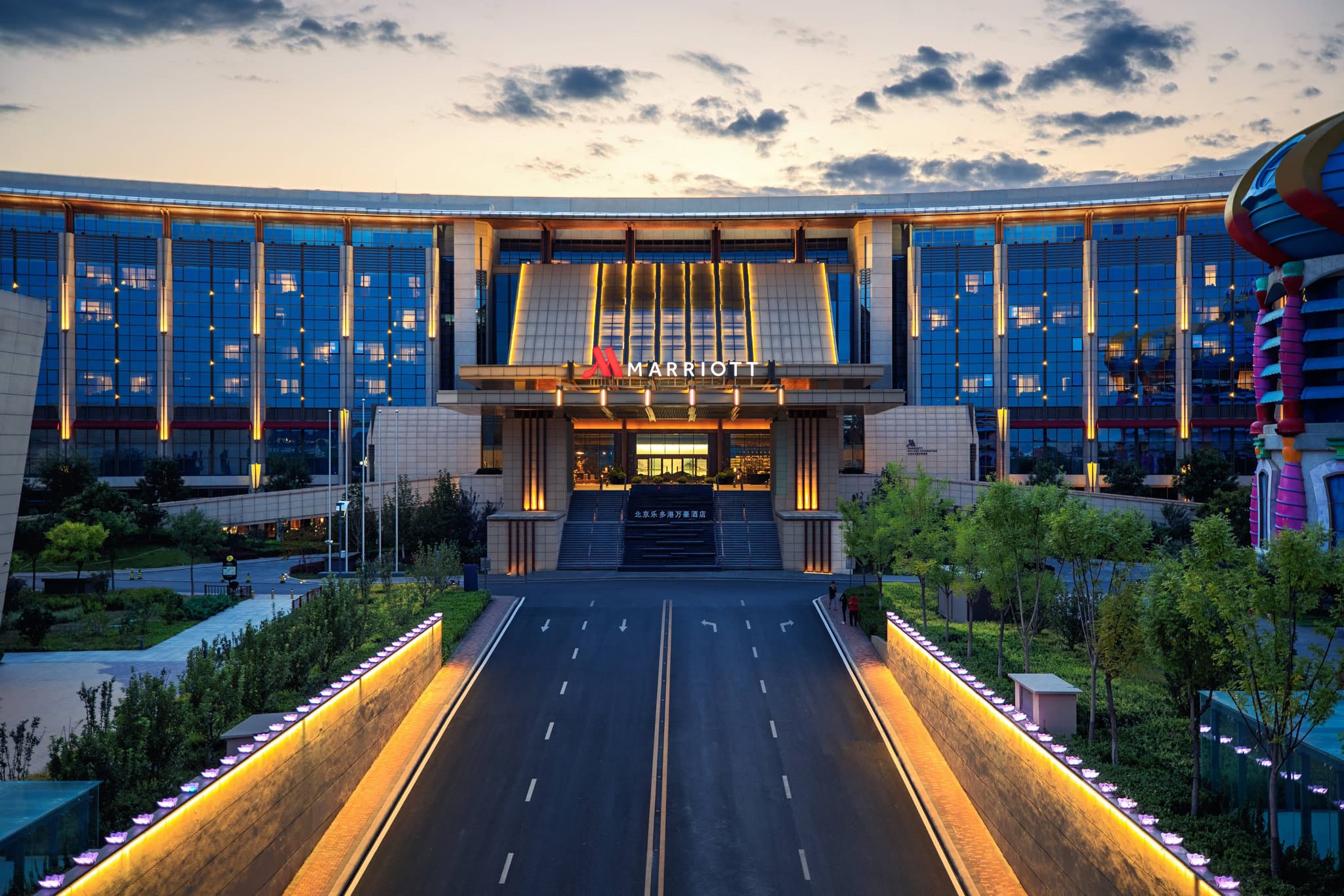
While the uninitiated scramble for photo-ops at Badaling, the true Beijing insider heads north to Changping, trading queue anxiety for thermal bliss. The Beijing Marriott Hotel Changping isn't just a dormitory for Great Wall hikers; it is a 6,500-square-meter cathedral of hydrotherapy. The property effectively captures the rugged serenity of the Jundu Mountains, juxtaposing the ancient stone of the Juyongguan Pass with the steamy indulgence of its Youxian SPA. The rooms are unapologetically vast, starting at 45 square meters, with balconies that actually invite you to sit and stare at the ridges rather than just dry your swimwear. While the in-room tech feels slightly circa-2018 (no casting on the TVs), you aren't here for Netflix. You are here for the 'Man Ho' restaurant, where the signature Rose Barbecued Pork offers a glaze sticky enough to make you forget your inbox. Service is brisk, managing the weekend family influx with the logistical precision of a military operation, thanks largely to the M Passport program that spirits children away to dinosaur-themed distractions. It’s a rare feat: a family resort that manages to preserve adult dignity.
“Skip the main buffet rush. Book a private treatment room in the Youxian SPA for sunset, then order the Rose Pork at Man Ho in advance—it sells out by 7 PM.”
Insider TipAvg. Nightly Rate
116USD
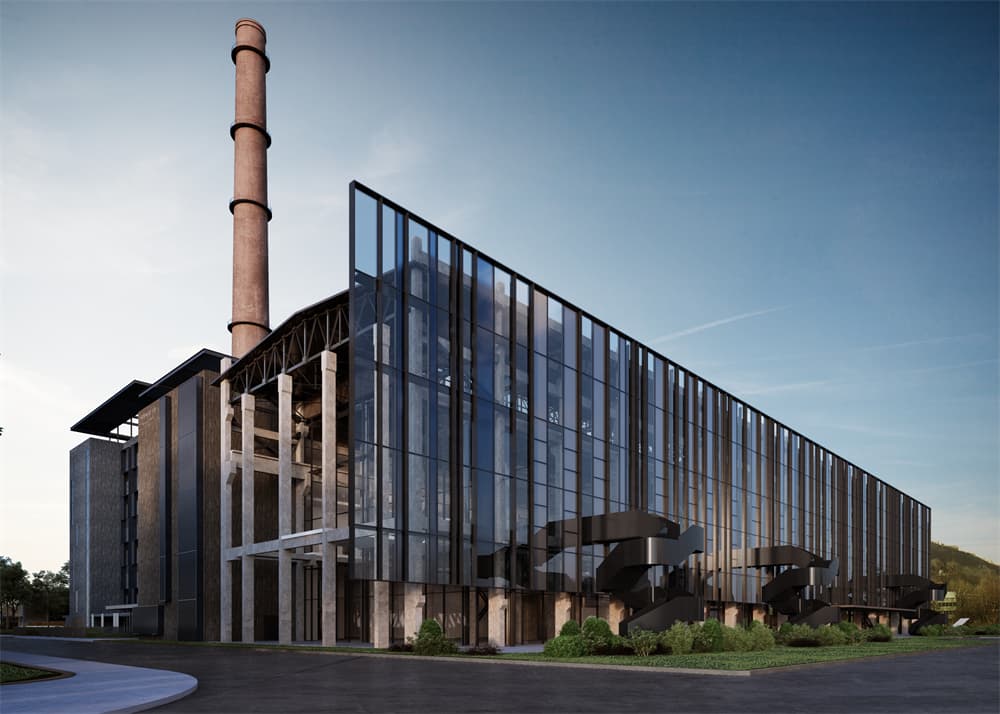
Forget the hutongs; the most compelling design narrative in Beijing right now is an hour west of the Forbidden City. Anchoring the New Shougang Park—a cyberpunk landscape of rusting blast furnaces and the Olympic Big Air ramp—the Shangri-La Shougang Park is a masterclass in adaptive reuse. Italian architect Piero Lissoni has wrapped the skeleton of a 1919 coal-fired power plant in a glass façade, preserving the soot-stained concrete columns while inserting a “nest-like” wooden staircase that dominates the cathedral-like lobby. The guest rooms soften the industrial edge with muted teals, warm walnut, and Dyson hair dryers, though the real visual drama lies outside the window: views of Shijingshan Hill or the steampunk grandeur of Blast Furnace No. 3. Dining is equally site-specific. Skip the international buffet and head straight to Shang Brew. Here, amidst copper brewing tanks, the kitchen serves elevated local street food—the ‘Gang Chuan’r’ (lamb skewers) are non-negotiable, paired perfectly with a pint of ‘Gang Pi’ Steel Skin lager. While the service occasionally misses the hyper-polished mark of its CBD sister property, the sheer architectural audacity makes this more than a hotel; it’s a destination. **Verdict**: A triumphant collision of grit and glamour.
“Request a room on a high floor facing Xiuchi Lake for the best view of the illuminated Blast Furnace No. 3 at night.”
Insider TipAvg. Nightly Rate
128USD