No. 01
5-15 Jinyu Hutong. Beijing China 100006Beijing337 verified reviews
9
.2
Bitvoya Edit
Layering imagery, place, and detail before the page opens.
Beijing is a city of grand contrasts, but its true soul resides in the Hutongs—the gray-tiled alleys that map the capital’s history. For the discerning traveler, staying in a converted Siheyuan (courtyard house) offers an intimate connection to Old Beijing without sacrificing modern opulence. This curated collection takes you from the bustling alleys of Qianmen, home to the exquisite Mandarin Oriental, to the serene lakeside of Houhai at Blossom House. We also explore the royal outskirts, featuring the architectural marvels of Xitan Hotel and the heritage-rich Beijing Yihe Hotel. These are not just hotels; they are private sanctuaries where imperial history meets contemporary luxury.
Choosing a Siheyuan conversion in Beijing is about embracing a narrative of preservation and privacy. Unlike standard luxury high-rises, properties like Cours Et Pavillons and the Waldorf Astoria Beijing's Hutong Villas offer a tactile history lesson. Guests live within walls that once housed scholars, merchants, or royalty. The defining characteristic of these properties is the inward-facing courtyard structure, designed centuries ago to provide seclusion and family unity—a feature that translates perfectly into modern exclusivity and peace amidst the capital's bustle.
Our collection spans the most historically significant districts:
Expect a fusion of Ming/Qing dynasty aesthetics with cutting-edge technology. While the exteriors retain their gray brickwork and red gates, interiors at properties like Xitan Hotel Beijing feature floor heating, air purification systems, and bespoke furniture. Service is typically highly personalized, with butler service being a standard at top-tier venues like Beijing Yihe Hotel. Dining is often an intimate affair, with many courtyards hosting private kitchens serving imperial cuisine.
The best areas are Qianmen (near Tiananmen Square) for history and luxury brands like Mandarin Oriental, and Houhai/Shichahai for a scenic, lakeside atmosphere with vibrant nightlife.
Yes, many luxury Siheyuan conversions like Waldorf Astoria Hutong Villas and Tsingpu Badaling offer private courtyards and multi-bedroom villas, providing safety and space for families.
Absolutely. Properties like Xitan Hotel and Cours Et Pavillons retain historic architecture but feature floor heating, modern plumbing, air filtration, and high-end concierge services.
Explore our complete curated list of luxury accommodations, from boutique hideaways to grand dames.
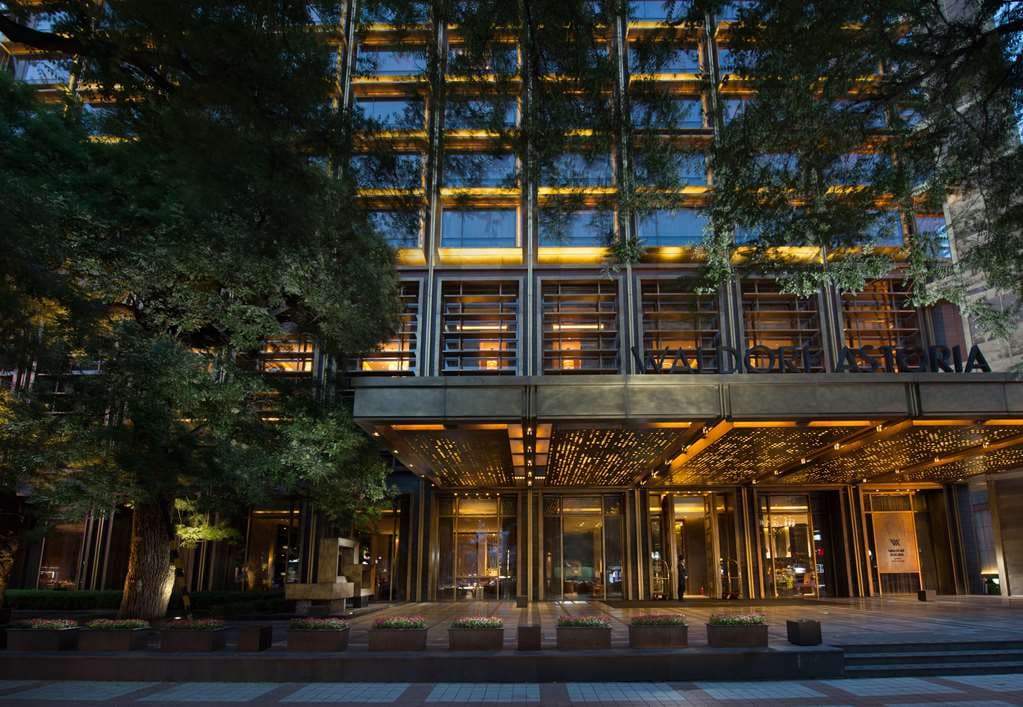
Explore All Beijing HotelsForget the beige neutrality of standard luxury; the Waldorf Astoria Beijing is a piece of architectural theater. The main tower, encased in a dramatic bronze lattice by Adrian Smith + Gordon Gill, is designed to oxidize naturally over time, literally living and breathing alongside the city. But the real flex here isn't the shiny tower—it’s the Hutong Villa wing. Tucked behind the main thoroughfare, these Ming-style courtyard suites offer a surreal, aristocrat-level privacy just steps from the chaotic energy of Wangfujing. Inside, the vibe shifts from brazen modernity to Yabu Pushelberg’s moody, high-lacquer interiors. The service is terrifyingly efficient—the kind where your coffee preference is remembered before you even sit down. Dining is a heavyweight contest: the Michelin-starred Zijin Mansion serves a braised pork belly that ruins you for all other pork, while Brasserie 1893 proves French technique plays surprisingly well with local tea-smoked squab. It’s expensive, imposing, and unapologetically grand.
“Book a West-facing room on a high floor for a direct line of sight into the Forbidden City's rooftops, or snag the Hutong Villa for private access to an underground pool that feels like a Bond villain's lair.”
Insider TipAvg. Nightly Rate
235USD
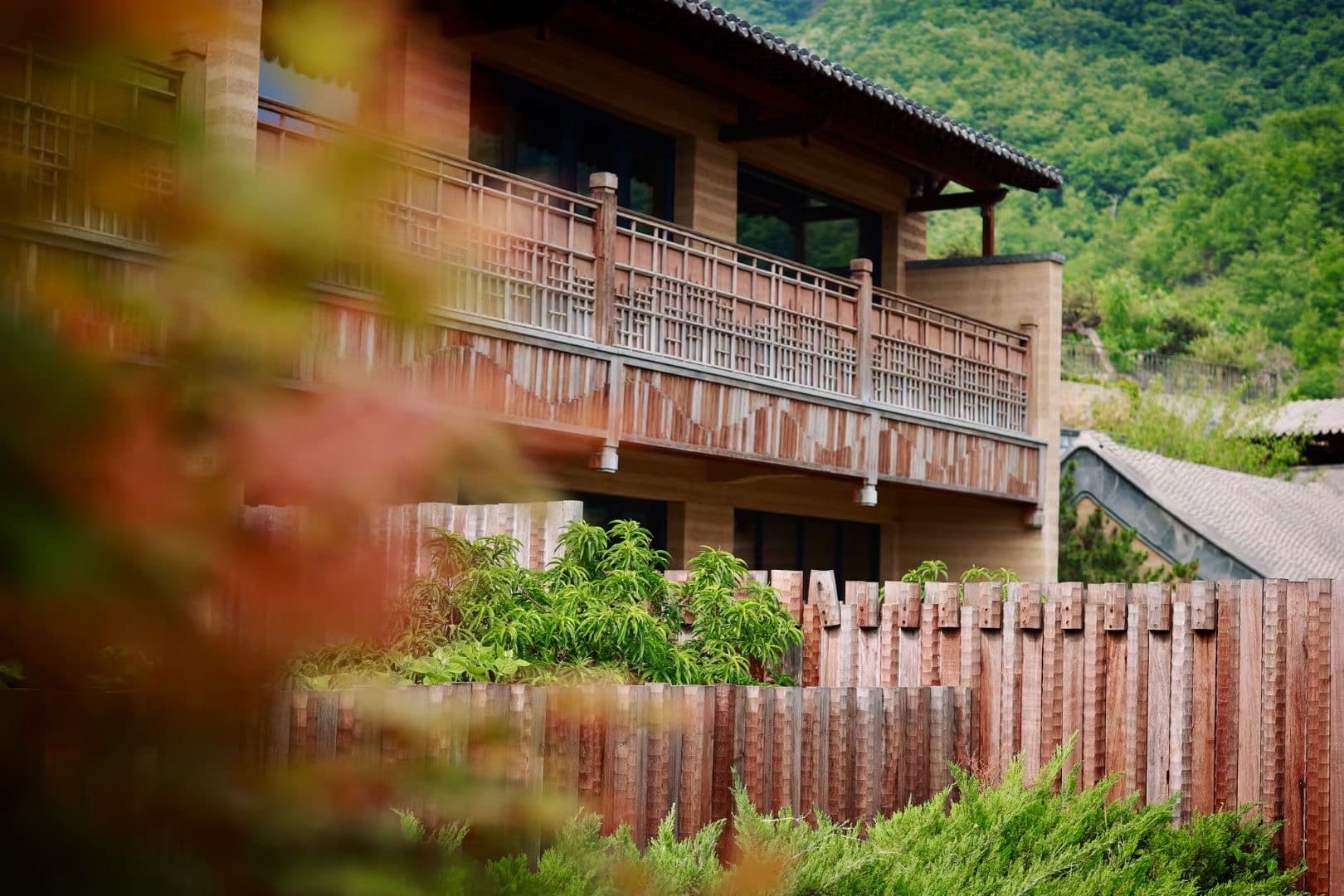
Beijing’s luxury landscape is often defined by vertical opulence, but Xitan looks inward—and backward. Located an hour west in the Mentougou district, this isn’t merely a hotel; it’s a village reborn. The property, a meticulous reconstruction of a historic settlement on the slopes of Tiger Mountain, operates with a monastic strictness regarding privacy: 38 keys, 17 distinct courtyards, and a rigid 12-plus age policy that ensures the only sound you hear is the wind in the ancient trees or the trickle of the lobby’s mesmerizing 'fish scale' stone waterfall. Interiors eschew the usual Forbidden City red-and-gold kitsch for a darker, cerebral aesthetic. In the rooms—opt for a 'Dicui' Mountain View suite to maximize the experience—you’ll find a curation of silence, broken only by the hum of Technogym gear or the scent of Japanese Lapidem bath amenities. But the real pilgrimage here is culinary. The on-site dining, The House of Rong, is an outpost of the legendary Xin Rong Ji empire, a brand with a cult-like following in China. The Braised Yellow Croaker here isn’t just dinner; it’s a cultural event, best followed by a pine nut shaqima. While the 20-meter outdoor infinity pool offers a dramatic reflection of the peaks, the vibe is less 'pool party' and more 'imperial retreat.' Xitan is difficult to reach and harder to leave—a masterclass in high-altitude heritage.
“Book a table at The House of Rong immediately upon room reservation; the 'Braised Yellow Croaker' often sells out days in advance.”
Insider TipAvg. Nightly Rate
771USD

The arrival feels like a cinematic secret: your taxi navigates the chaotic, grey-brick labyrinth of the Shichahai hutongs before depositing you at a gate that feels distinctly, defiantly modern. Inside, the Ministry of Design has stripped away the expected imperial red-and-gold for a sophisticated palette of coal-black and straw-gold. This isn't just a hotel; it's a piece of habitable installation art where giant wireframe pink rabbits—the property's surreal mascots—perch on rooftops and peer into courtyards. The rooms are sanctuaries of quiet luxury, featuring deep soaking tubs and Australian Appelles apothecaries that smell of rosemary and leather. While the heated floors contest the Beijing winter, the real draw is the social transformation. By day, the central courtyard is a sun-drenched library of silence; by night, the Moon Bar rooftop offers a voyeuristic view over the glistening Houhai Lake. Dining at 'The Pink Rabbit' is non-negotiable—order the Roasted Suckling Pig, a nod to both Spanish technique and local indulgence. It is a masterclass in contrast: the grit of the alleyways outside against the polished, avant-garde noir within.
“Ask the concierge for the 'back door' key card. It opens a discrete gate leading directly onto the Houhai lakeside promenade, letting you bypass the tourist throngs for a sunrise run.”
Insider TipAvg. Nightly Rate
118USD
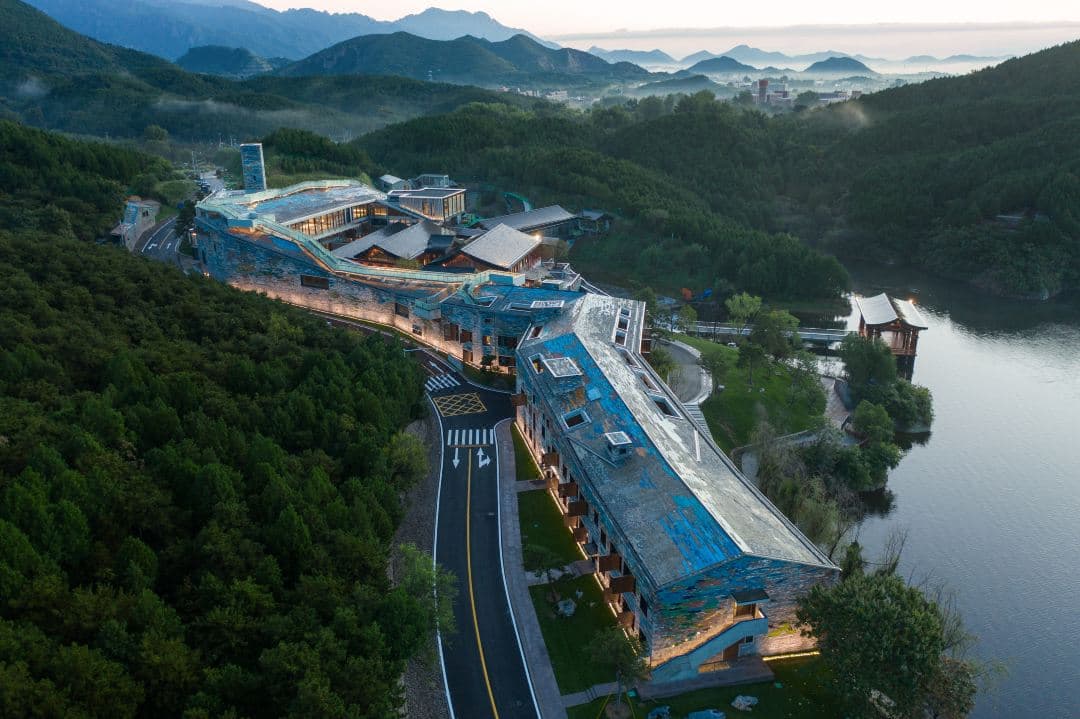
Forget the frenetic energy of the CBD; Yanbai Villa is a masterclass in stillness. Designed by Pritzker laureate Wang Shu, this isn't just a hotel—it’s a living, breathing architectural thesis on the Song Dynasty. Shu’s signature 'wapan' tiling technique, utilizing recycled materials from demolished villages, creates a textured, historic skin that feels ancient yet fiercely modern against the backdrop of Yanqi Lake. Inside, the lobby’s interlocking timber ceiling evokes the complex bracketing of imperial palaces, while a mosaic feature wall reinterprets Wang Ximeng’s *A Panorama of Rivers and Mountains* in pixelated stone. The strict 12+ adults-only policy preserves the scholarly silence. Guest rooms are sanctuaries of muted wood and stone, framing the lake through floor-to-ceiling glass like a scroll painting. Mornings here demand the signature Claypot Seafood Porridge at the Yanbai Chinese Restaurant—a comforting, umami-rich nod to Chaoshan cuisine that grounds you before a day of wandering the museum-grade gardens. For dinner, the M9 Wagyu at Fountain View offers a jarringly excellent French counterpoint to the surroundings. It is a rare, secluded triumph.
“Book a Lakeview Suite in autumn to see the foliage reflect perfectly on the water; avoid the outdoor hot spring pool in deep winter as it closes for the season.”
Insider TipAvg. Nightly Rate
430USD
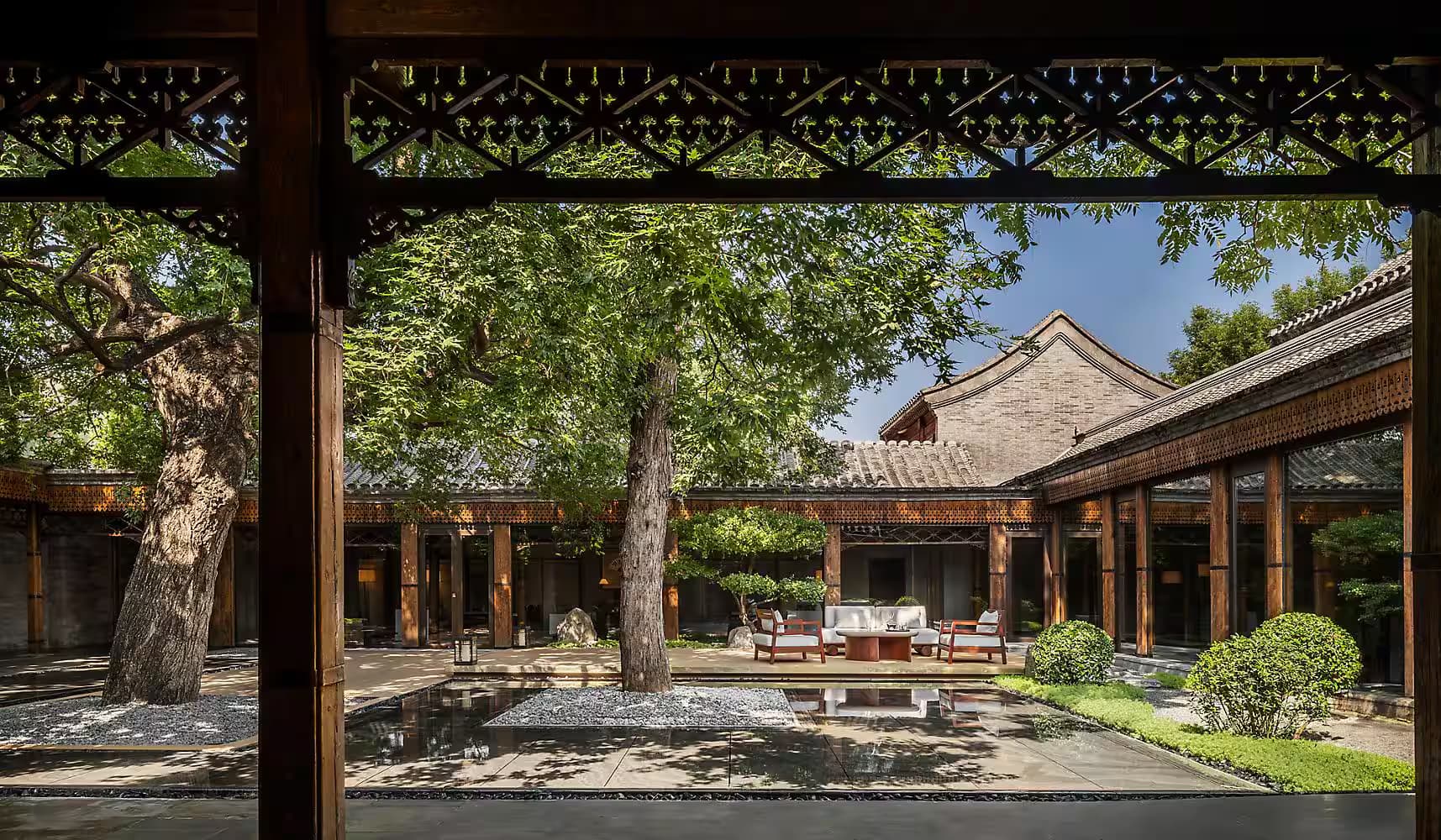
Forget the gleaming glass towers of the CBD; the real power move in Beijing is now hidden in the labyrinthine alleys of Qianmen. The Mandarin Oriental Qianmen isn't just a hotel—it’s a masterclass in urban resurrection, dispersing 42 keys across a jagged archipelago of restored Ming and Qing dynasty courtyards. Check-in feels less like a transaction and more like an induction into a secret society, orchestrated beneath a 130-year-old maple tree and Xu Bing’s 'Square Character Calligraphy'. The suites are unapologetically residential. You’re sleeping in history, but with 600-thread-count Quivera linens, heated floors that defy the Beijing winter, and full-sized Editions de Parfums Frédéric Malle amenities (a staggering upgrade from the usual hotel fare). The logistics of a dispersed hotel are complex—yes, you might need a buggy to get to dinner—but the payoff is absolute immersion. Dining is equally serious: Yan Garden by Chef Fei delivers Michelin-grade Cantonese (the fish maw is non-negotiable), while TIAO bar serves folklore-inspired cocktails in mini urns against a backdrop of tiered grey roof tiles. It is refined, notoriously private, and arguably the most atmospheric address in the capital.
“Skip the lobby arrival for drinks; head straight to TIAO’s terrace just before sunset. The view of the rolling grey-tiled rooftops turning gold is the city's best-kept secret.”
Insider TipAvg. Nightly Rate
683USD
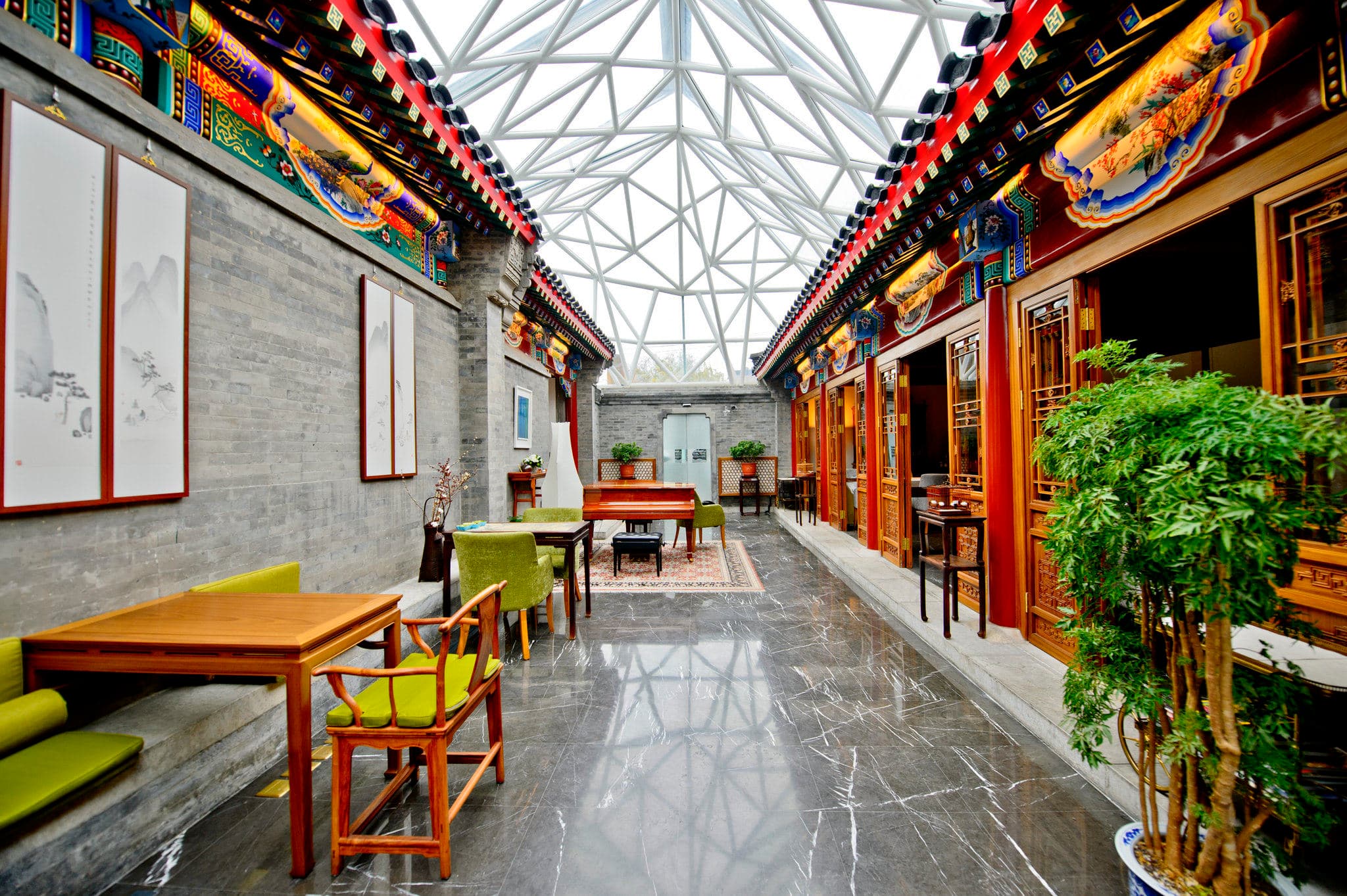
Beijing’s hutongs are often romanticized as quiet lanes, but the reality is frequently a chaotic tangle of electric scooters and tourists. Cours Et Pavillons flips the script entirely. Anchored in the weave of Weijia Hutong, this seven-room sanctuary feels less like a hotel and more like a structural intervention against noise. Behind the charcoal-grey doors, the roar of the city is instantly severed, replaced by the crunch of gravel and the scent of aged cypress. The renovation is aggressive yet respectful: a glass atrium roof now encases the courtyard, sealing the space in a climate-controlled, museum-quality silence that feels almost hermetic. Inside, the experience is strictly aristocratic. The suites feature carved wooden Moon Gates and heated floors that ground you in modern comfort. While many converted courtyards lean into rustic kitsch, this property doubles down on polish—expect pillowtop mattresses, 400-thread count linens, and high-end designer amenities that signal serious intent. Dining here is not an afterthought; the on-site French restaurant delivers Michelin-standard precision, with signature dishes like bamboo-smoked squab and foie gras with red wine sauce that rival the best tables in Paris. Service is telepathic rather than servile; staff members like Frank and Jessica are known to curate the experience with the discretion of private butlers. Verdict: The ultimate hideaway for the history buff who demands absolute silence.
“For the most dramatic light, book the North Courtyard Deluxe Room; the glass roof casts shifting geometric shadows across the grey tiles throughout the afternoon.”
Insider TipAvg. Nightly Rate
300USD

Forget the trite imperial reds and golds of the city center; the real flex in Beijing right now is sipping a Cabernet Gernischt within striking distance of the Great Wall. Tsingpu Badaling Retreat isn't just a hotel; it’s a confident, architectural rebuttal to the standard heritage stay. Here, the 'courtyard' concept—so central to the capital's DNA—is reimagined through the lens of a Tuscan vineyard, using reclaimed grey stone to ground 15 ultra-private suites into the Yanqing valley floor. The rooms are an exercise in textural restraint, featuring high-beamed ceilings and linens crisp enough to snap, but the real draw is the floor-to-ceiling framing of the vineyards against the Beibalou Peak. Dinner at Suishi Restaurant is mandatory; the M5 Australian Beef Belly is competent, but the Wasabi Cheese Shrimp Balls are the unexpected star, cutting through the richness of the estate’s own Château de Nubes red. While the absence of a pool might deter the splash-happy crowd, it preserves a monastic quiet that allows the cultural workshops—specifically the Tu'er Ye (Rabbit God) painting—to feel genuine rather than performative. It’s a sophisticated, mineral-rich pivot from the usual Hutong narrative.
“Ask your butler to arrange the 'Vineyard Walk' at golden hour—the light hitting the Beibalou Peak is superior to any view from the Badaling tourist scrum.”
Insider TipAvg. Nightly Rate
460USD
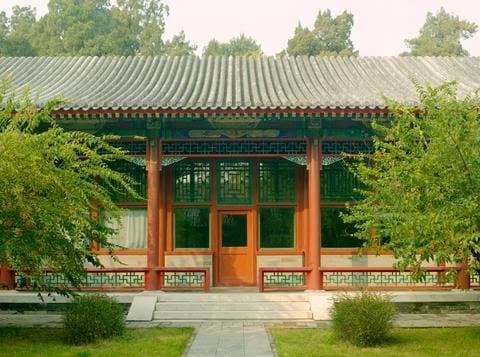
The Aman signage came down in December 2025, but the soul of this Qing Dynasty enclave remains refreshingly, stubbornly imperial. Now trading as the Beijing Yihe Hotel, this property offers the rarest privilege in the capital: a backstage pass to the Summer Palace. You are not merely near the UNESCO site; you are sleeping in the converted waiting pavilions once used by ministers seeking audience with the Empress Dowager Cixi. The architecture is a masterclass in preservation—think clay-tile roofs, bamboo blinds, and the fabled ‘Golden Bricks’ (flooring so dense it rings like metal) polished to a sheen. Rooms reject modern excess for Ming-dynasty austerity. You won’t find iPad controls or blinding LEDs here; instead, expect soaring open-beam ceilings and 400-thread count linens that feel appropriately regal. A critique? The hardware shows its age—the lack of smart toilets is a noticeable omission in high-tech Beijing, and the heating systems can be temperamental. However, the subterranean facilities silence any complaints. The 25-meter heated lap pool, hidden underground to avoid disturbing the historic sightlines, is a brutalist-chic sanctuary, accompanied by a private cinema and a Technogym-equipped fitness center. Dining requires a reservation at ‘The Chinese Restaurant,’ where the Imperial Peking Duck is carved with surgical precision, though the Beggar’s Chicken steals the show. While the 'Aman' name is gone, the service retains its white-glove intensity. The Beijing Yihe isn't just a hotel; it is historical inhabitation at its most exclusive.
“The ultimate perk is the 'Secret Red Door' near the lobby. It grants guests private access to the Summer Palace. Go at 6:30 AM to beat the public crowds and watch the sunrise over Kunming Lake in total solitude.”
Insider TipAvg. Nightly Rate
714USD