No. 01
1 Jianguomenwai Avenue. Beijing China 100004Beijing136 verified reviews
9
.4
Bitvoya Edit
Layering imagery, place, and detail before the page opens.
Beijing is a city of striking contrasts, where ancient alleyways whisper history beneath the shadows of avant-garde skyscrapers. For the design-conscious traveler, the Chinese capital offers a portfolio of accommodations that are not merely places to sleep, but architectural landmarks in their own right. From the glittering diamond-grid façade of the InterContinental Beijing Sanlitun in the fashionable Chaoyang district to the dramatic, industrial-chic transformation of the Shangri-La Shougang Park, these properties redefine the urban silhouette.
Experience the vertical majesty of the China World Summit Wing in the CBD, or the sleek, Italian minimalism of the Bulgari Hotel Beijing near the Liangma River. This curated collection invites you to explore the properties that are literally shaping Beijing's future skyline.
Beijing has rapidly evolved into a playground for the world's premier architects. The city's skyline is no longer defined solely by imperial palaces but by daring structures that push the boundaries of engineering and aesthetics. Staying in one of these "Skyline Shapers" offers more than luxury; it provides a front-row seat to the capital's architectural revolution. Hotels like the Pangu 7 Star Hotel, with its dragon-inspired form near the Olympic Green, or the geometrically complex Hotel Eclat Beijing, allow guests to inhabit art. This collection represents the pinnacle of modern Chinese ambition fused with global design standards.
Expect a sensory journey where the exterior grandeur is matched by interior innovation. These hotels often feature rotating art collections, as seen in Hotel Eclat, or bespoke furnishings by top designers like Antonio Citterio at the Bulgari Hotel. Beyond the visuals, expect state-of-the-art technology, floor-to-ceiling windows framing the cityscape, and spas that serve as urban sanctuaries. Whether it is the organic curves of the Conrad or the copper-clad luxury of the Waldorf, these properties promise a stay that is as visually stimulating as it is comfortable.
The China World Summit Wing, Beijing, located in the CBD, occupies the upper floors of the China World Tower, offering unparalleled panoramic views of the entire city skyline.
Yes, the InterContinental Beijing Sanlitun and Hotel Eclat Beijing are both prime examples of modern design located directly in the vibrant Sanlitun area.
It is a masterpiece of adaptive reuse architecture, transformed from an old power plant within a steel mill into a luxury hotel, blending industrial heritage with modern aesthetics.
Explore our complete curated list of luxury accommodations, from boutique hideaways to grand dames.
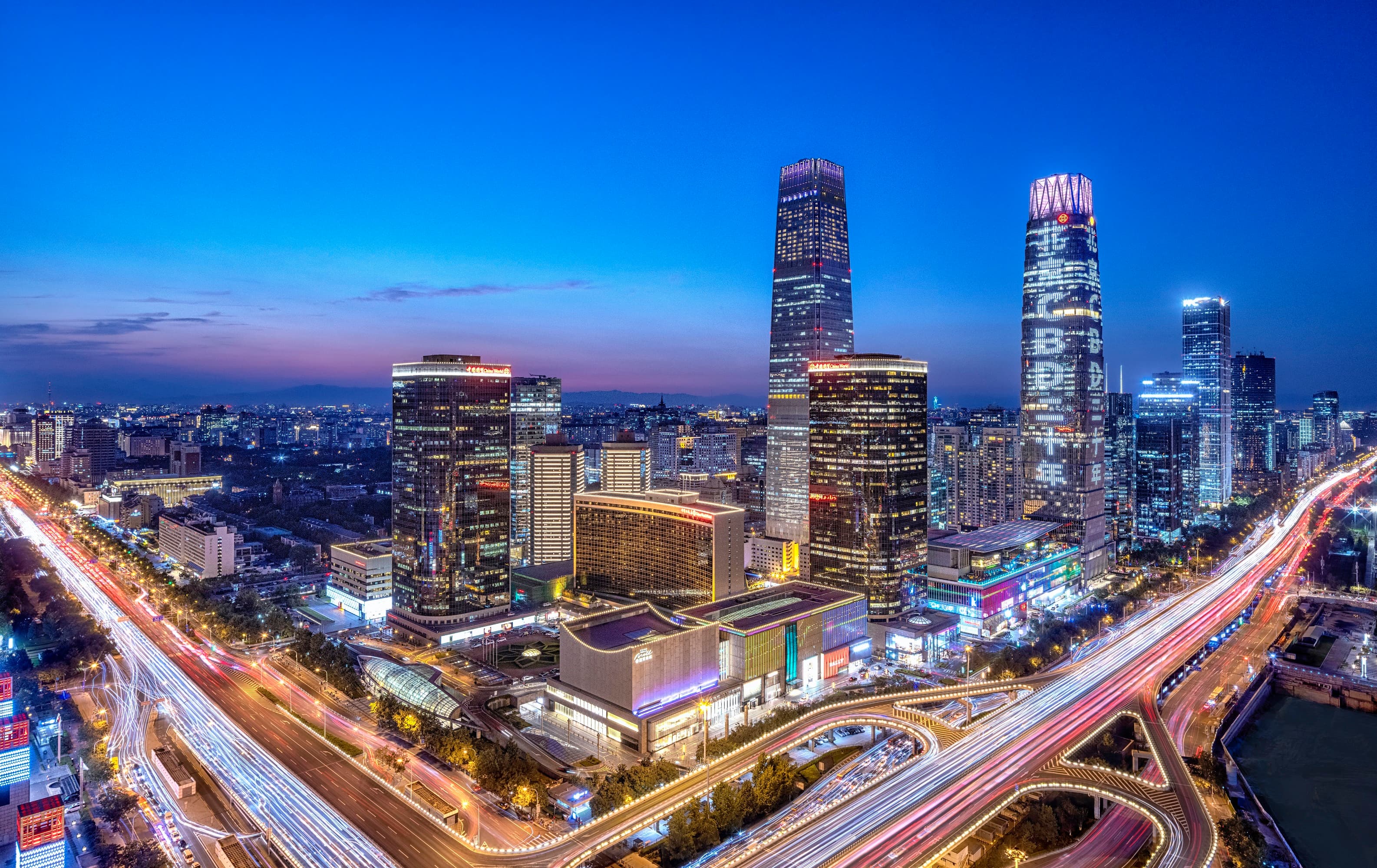
Explore All Beijing HotelsIf Gotham City had a Shangri-La, this would be it. Occupying the stratospheric upper reaches of the China World Trade Center Tower III, this hotel doesn’t just sit in the CBD—it pierces the smog to define it. The arrival experience is a theatrical ascent: a high-speed elevator shoots you to the 64th-floor lobby, where the chaotic sprawl of the Third Ring Road dissolves into a silent, painterly grid. The entry-level rooms are massive at 55 square meters, mocking the cramped quarters of competitors. On a rare clear day, the west-facing vistas of the Forbidden City are architectural pornography; on hazy days, you’re floating in a ethereal white void. The real flex here isn't just the height, but the democratization of luxury—the 'Resident’s Foyer' grants every guest club-lounge privileges, meaning endless coffee and snacks without the usual upcharge. Dining requires a sturdy constitution. Grill 79 serves a Tomahawk steak that could feed a small army, while Atmosphere on Level 80 remains the city's highest watering hole, boasting a ceiling mimicking a starry night—a necessary artifice when the real stars are obscured. Service is razor-sharp, catering to a clientele that measures time in billable hours. It’s not intimate, but it is undeniably impressive.
“Skip the standard sunset rush at Atmosphere. Instead, hit the infinity pool on Level 78 at 6:00 AM. You’ll likely have the lane—and the sunrise over the CCTV Headquarters—entirely to yourself.”
Insider TipAvg. Nightly Rate
231USD
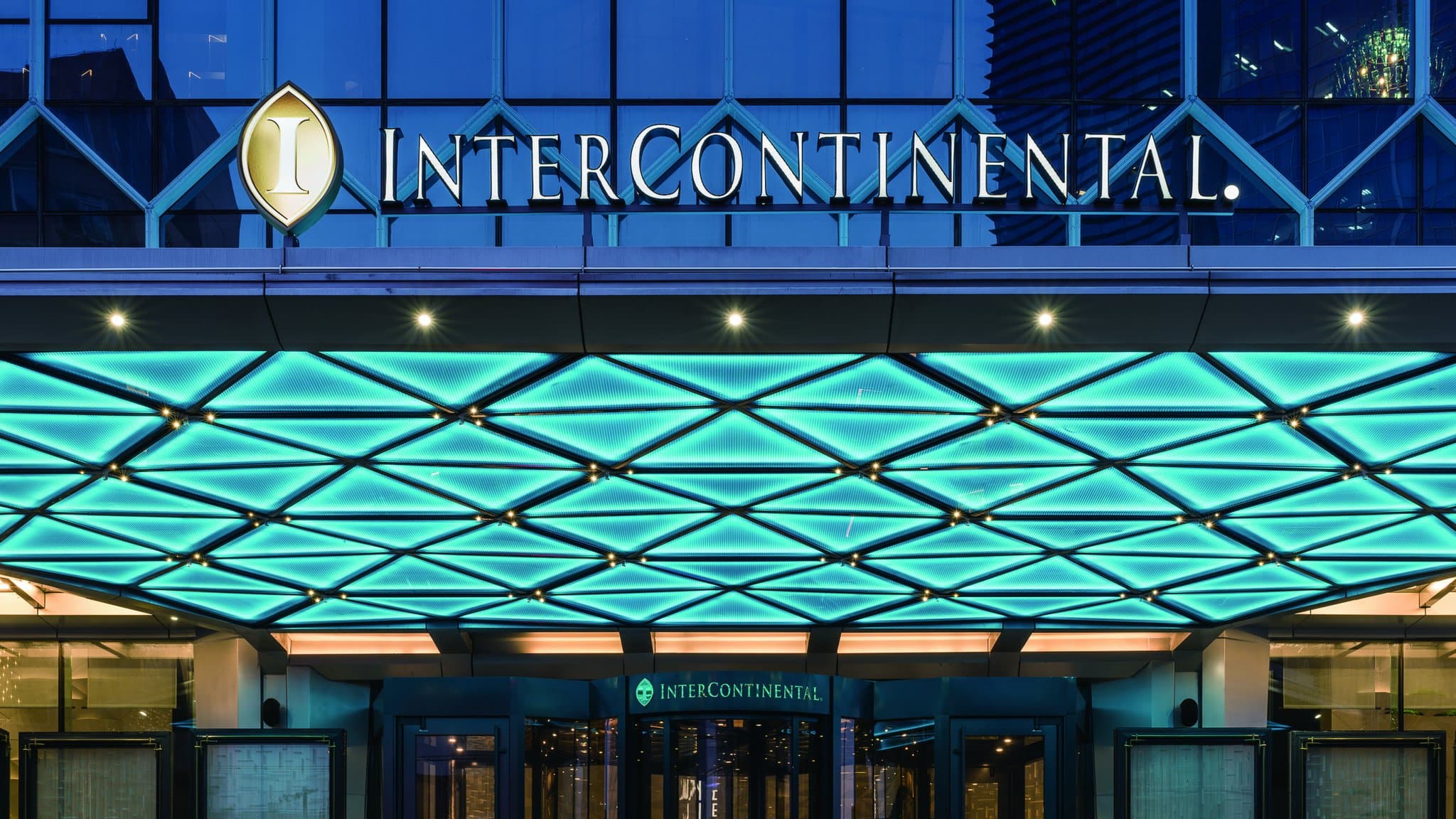
In a city defined by imperial symmetry, the InterContinental Beijing Sanlitun is a defiant, hexagonal jolt of energy. Commanding the fashionable intersection of Taikoo Li, its honeycomb glass facade doesn’t just reflect the district’s neon exuberance—it amplifies it. Inside, the 'New Yuppie' design ethos by CCD replaces traditional hotel stuffiness with theatrical flair; the lobby is a moody cathedral of brass 'harp-string' bookshelves and floral installations. Upstairs, the rooms are less a sanctuary and more a viewing platform. Floor-to-ceiling windows frame the diplomatic quarter and the distant Forbidden City, creating a cinematic backdrop for the high-tech interiors. The transition to sustainability is stylishly executed with wooden amenities and large-format Byredo toiletries, though the notorious glass-walled bathrooms remain a bold choice better suited for couples than colleagues. Dining is an event here: bypass the lobby snacks for CHAR Bar & Grill, where the Australian Wagyu and 1.5kg Tomahawk steak are served with a side of dramatic skyline views. It is not a retreat; it is a front-row seat to Beijing’s most electric neighborhood.
“Book a corner suite with the 'triangular floor' layout for a 270-degree panorama that captures both the CBD skyscrapers and the historic majestic roofs.”
Insider TipAvg. Nightly Rate
215USD
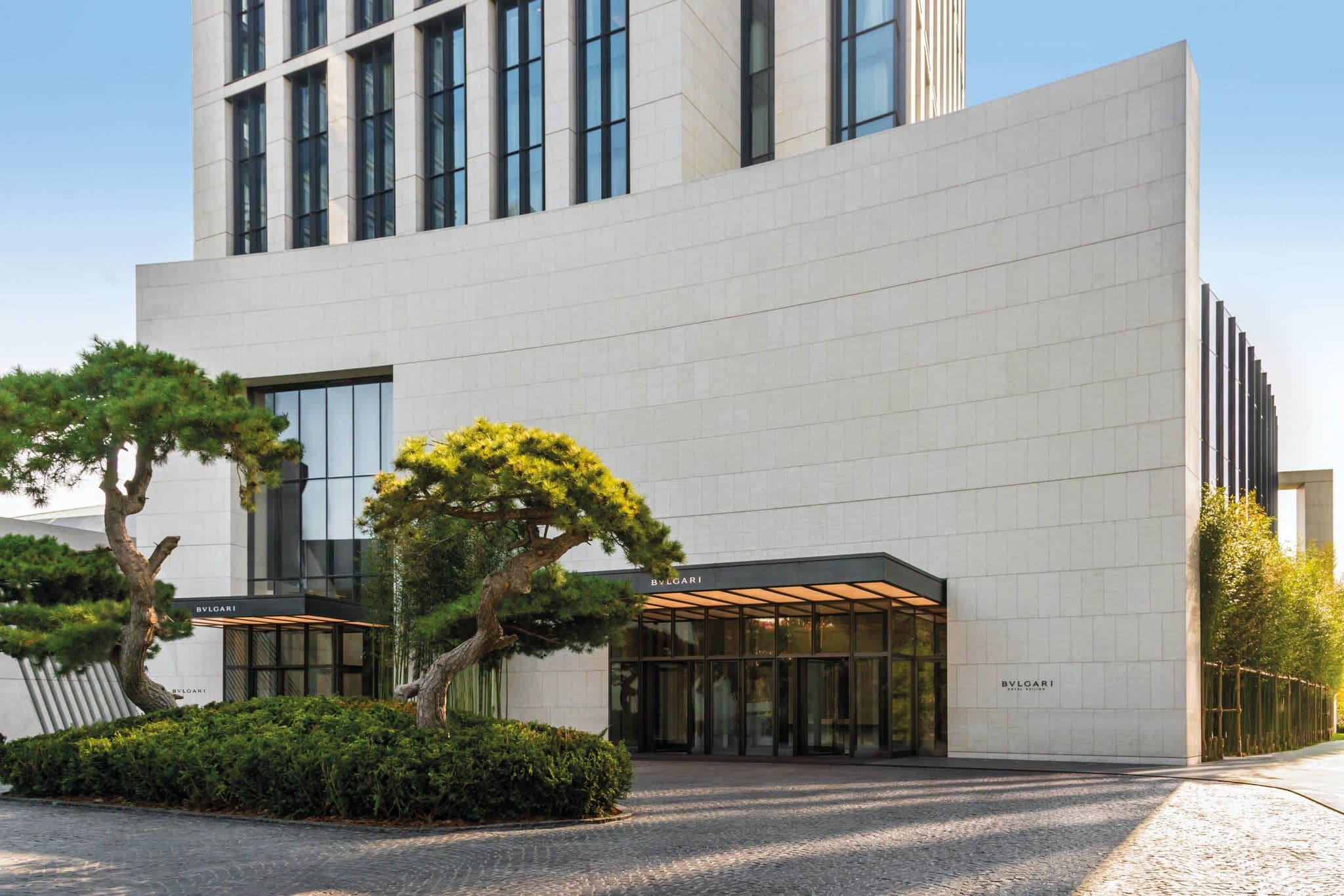
Upon entry, the oil painting of Sotirio Bulgari by Yan Pei-Ming acts less as a portrait and more as a declaration of intent: this is a temple of heritage, not just a hotel. Designed by Antonio Citterio, the property rejects the ornate for the elemental, utilizing black granite and Vicenza limestone to create a visual silence that is startlingly effective. The rooms are exercises in restraint, featuring Italian furniture from Maxalto and B&B Italia that prioritize clean lines over clutter. While the 'urban resort' moniker is often overused, here it feels earned, particularly when viewing the weeping willows of the Liangma River from the privacy of your teak-finished suite. The dining experience at Il Ristorante - Niko Romito is equally disciplined. Do not leave without trying the Vitello Tonnato; it is a revelation of texture that rivals anything in Milan. The 1,500sqm spa, however, is the true showstopper. The indoor pool, paved with gold and green mosaic tiles inspired by the Baths of Caracalla, offers a shimmering, subterranean escape that feels miles away from the Chaoyang district above. While the à la carte breakfast may frustrate buffet purists, the uncompromising quality of the execution makes the high price point palatable for the design-obsessed traveler.
“Skip the main lobby evenings and head straight to the Bulgari Bar for an Aperitivo; the handmade bronze oval bar is the hotel's social anchor.”
Insider TipAvg. Nightly Rate
534USD
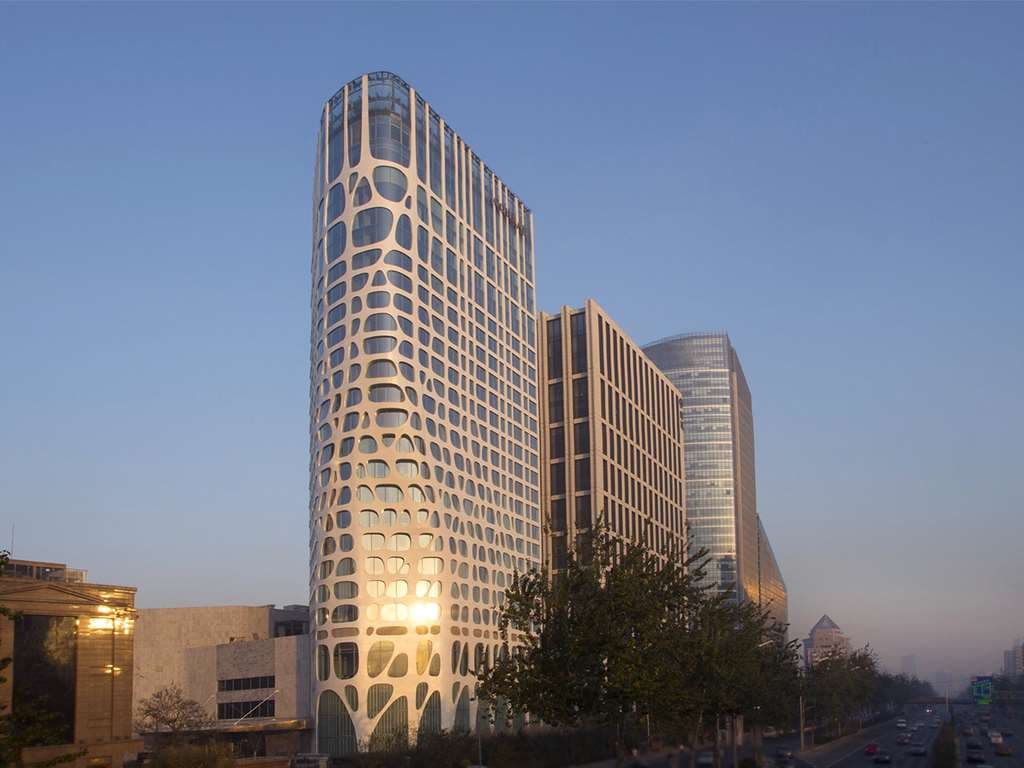
In a capital dominated by monolithic glass rectangles, the Conrad Beijing remains a defiant outlier. Its exoskeleton—a porous, white lattice mimicking nervous tissue—doesn’t just skin the building; it dictates the rhythm of light in the 46-square-meter entry-level rooms. While the interiors (unchanged since 2013) are beginning to show the subtle patina of age—specifically the carpets—the spatial luxury remains undeniable. Floor-to-ceiling windows frame the verdant Tuanjiehu Park, offering a rare visual exhale near the CBD. Dining here is pure theatre. 'Chapter' completely upends the buffet concept, staging it within a grand, spiral-staircased library where you hunt for Boston Lobster and Sunday roasts among faux-book stacks. Meanwhile, 'Lu Yu' imposes a sense of ceremony with its two-story wall of tea jars, serving a Peking Duck that rivals the city’s stalwarts. The basement wellness level is a serious sanctuary, housing a 25-meter heated pool and a spa rooted in Traditional Chinese Medicine rather than generic aromatherapy. Service has its quirks—younger staff may stumble with English nuances—but the dedicated WeChat Guest Relations team proves incredibly efficient. It is a sophisticated, if slightly weathered, fortress of 'slow design' in a city that never brakes.
“Ask for a room facing Tuanjiehu Park on a high floor (20+) to swap the Third Ring Road traffic noise for green treetops. Also, connect with the Guest Relations team via WeChat upon check-in for instant concierge support.”
Insider TipAvg. Nightly Rate
135USD
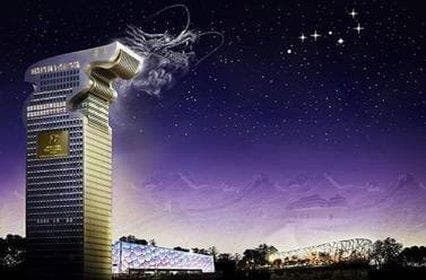
If the Burj Al Arab is a sailboat, the Pangu 7 Star Hotel is a dragon—quite literally. As the 'Dragon’s Head' of the sprawling Pangu Plaza, this C.Y. Lee-designed monolith doesn't just overlook the Olympic Green; it presides over it with an imperial gaze. The '7 Star' moniker is, of course, a self-appointed marketing flourish, but the audacity is part of the charm. Inside, the vibe is less hotel and more private museum. Interior designer Ricardo Bello Dias has clad the spaces in an almost suffocating amount of luxury: carved rosewood, acres of Italian marble, and hand-embroidered silk wallpapers that feel fiercely traditional yet undeniably expensive. The guest rooms are cavernous, starting at 45 square meters, and furnished with heavy Baker pieces that demand respect. Amenities are top-tier, featuring Frette Italian linens and Laufen bathrooms that feel like personal spas. Dining is where the hotel truly flexes its muscles; the Wenqi Chinese Restaurant serves a Teochew menu where the Double Boiled Wenchang Chicken is a non-negotiable order. While service can sometimes struggle with the nuances of English, the sheer physical grandeur and the unbeatably direct views of the Bird’s Nest make this a unique, if slightly surreal, power stay.
“Skip the lobby bustle and head straight to the Happiness Lounge on the 21st floor for the city's best golden-hour martini with a direct sightline into the illuminated Bird’s Nest.”
Insider TipAvg. Nightly Rate
220USD
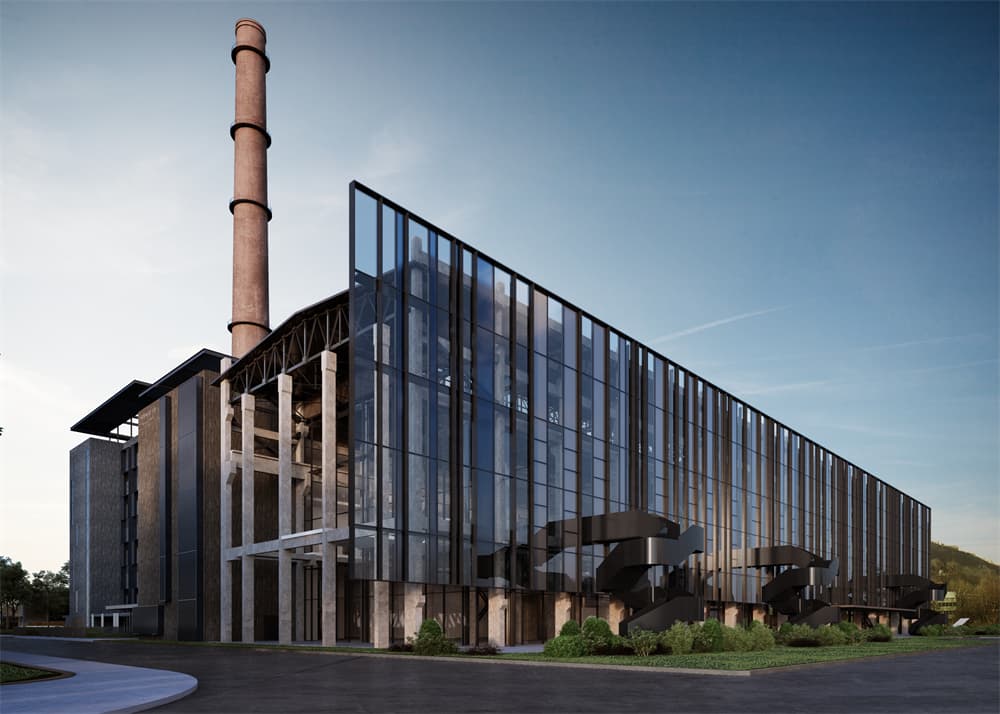
Forget the Forbidden City for a moment. The most arresting silhouette in Beijing’s sky isn’t a pagoda, but the cooling towers of the former Shougang Power Plant. Reimagined by Italian maestro Lissoni Casal Ribeiro, this property is a masterclass in adaptive reuse—a brutalist cathedral of concrete softened by a floating wooden 'nest' in the lobby and a cathedral-like indoor pool. The location is unapologetically remote, tethered to the 2022 Olympic Big Air ramp rather than Tiananmen, but that’s the draw. Rooms are sanctuaries of muted tones featuring Blueair purifiers and Luzerne handmade mugs, offering a quiet counterpoint to the steel giants outside. Dining is the anchor here: skip the buffet for 'Shang Brew', a steampunk gastropub where the 'Gang Pi' (Steel Skin) stout pairs aggressively well with the signature lamb skewers. While the service occasionally misses the hyper-polished mark of its CBD sister properties, the sheer architectural drama compensates. It is a habitable piece of modern history, proving that heavy industry can indeed have a soft, luxurious soul. **Verdict:** A destination stay for design purists willing to trek for the aesthetic.
“Request a room facing Xiuchi Lake to wake up to a cyberpunk view of the No. 3 Blast Furnace and the Big Air ramp.”
Insider TipAvg. Nightly Rate
128USD
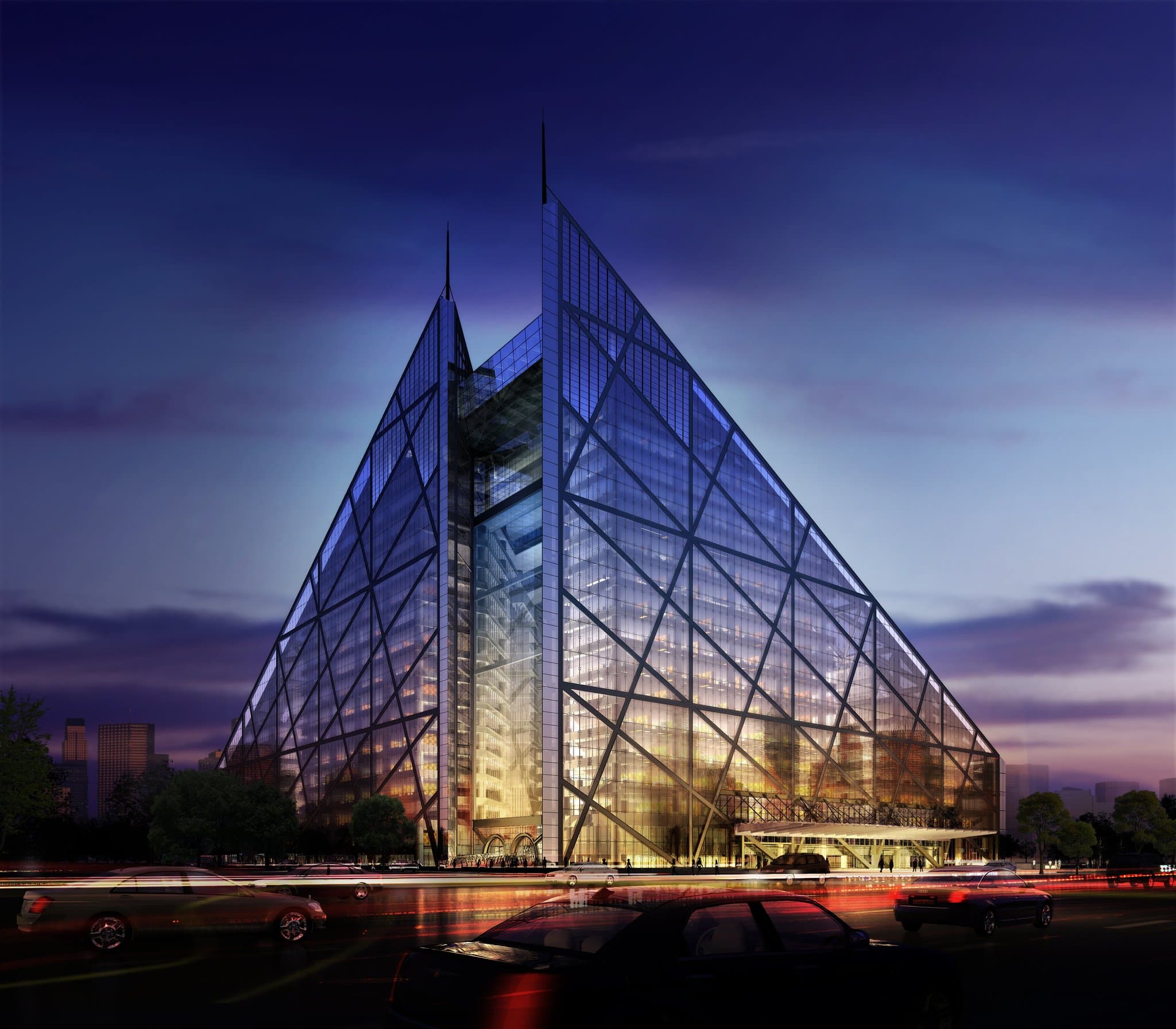
Forget the hushed tones of the Forbidden City. Hotel Eclat is a sensory riot anchored inside Parkview Green FangCaoDi, a glass-and-steel eco-pyramid that feels less like a hotel and more like a greenhouse for billionaires. It is aggressively not beige. The lobby assaults you pleasantly with the largest private Salvador Dalí collection outside Europe, while Chen Wenling’s 'Little Red Men' sculptures punctuate the vertical space with whimsical aggression. Upstairs, the experience veers into sci-fi hedonism. The 'Lagoon Suites' are the definitive power move, featuring private 5-meter lap pools enclosed within the room’s climate-controlled terrace—an engineering feat that renders the lack of a communal pool irrelevant. Even standard quarters are heavily armed with tech: Panasonic massage chairs and Bang & Olufsen audio systems are standard issue, not upgrades. While some rooms face the mall’s atrium, the theatrical lighting compensates for the lack of direct sun. Dining matches the avant-garde brief. George’s Restaurant delivers a Dry Aged 7-Day Beef Tartare that is technically flawless. Recently minted with a 2025 One MICHELIN Key, Eclat is a brave, bizarre masterpiece for the traveler who finds traditional luxury boring.
“Skip the standard rooms and book a 'Lagoon Suite'—it’s one of the only places in Beijing where you can swim privately in your own room.”
Insider TipAvg. Nightly Rate
143USD
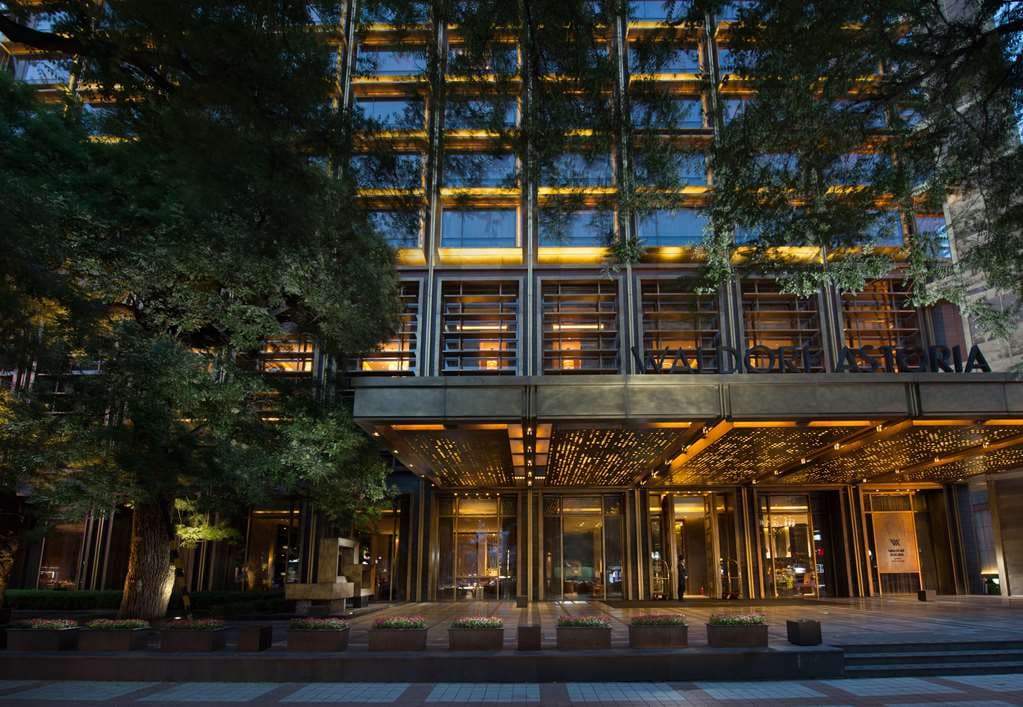
While the Forbidden City relies on ancient red walls to command respect, the Waldorf Astoria Beijing wears a coat of armor. Its spectacular bronze-lattice facade is less a building material and more a living skin, oxidizing gracefully from shiny penny-copper to a dignified, weather-beaten brown. Inside, the design dialogue by Yabu Pushelberg shifts from imperial might to intimate whisper. This isn't just a hotel; it’s a tactile experience—from the hand-painted silk wallpapers to the Ming-style Hutong Courtyard villas that offer a rare, ground-level dialogue with Beijing’s history. The service matches the aesthetic: 'True Waldorf Service' here means silent butlers who materialize only when needed, delivering polished unobtrusiveness. Dining is a headline act; the One Michelin Star Zijin Mansion doesn't rely on theatrics, just flawless execution of dishes like the braised pork belly, which dissolves on the tongue with dangerous ease. Recently awarded a Michelin Key (2024), this property proves that while the exterior is rigid bronze, its heart is pure, pliable silk. It is the sharpest, most sophisticated lens through which to view the capital.
“Book a Hutong Courtyard Suite for the 'underground' access to the pool—it feels like your own private Bond villain lair. Also, the Red Velvet Cake at Peacock Alley is non-negotiable.”
Insider TipAvg. Nightly Rate
235USD
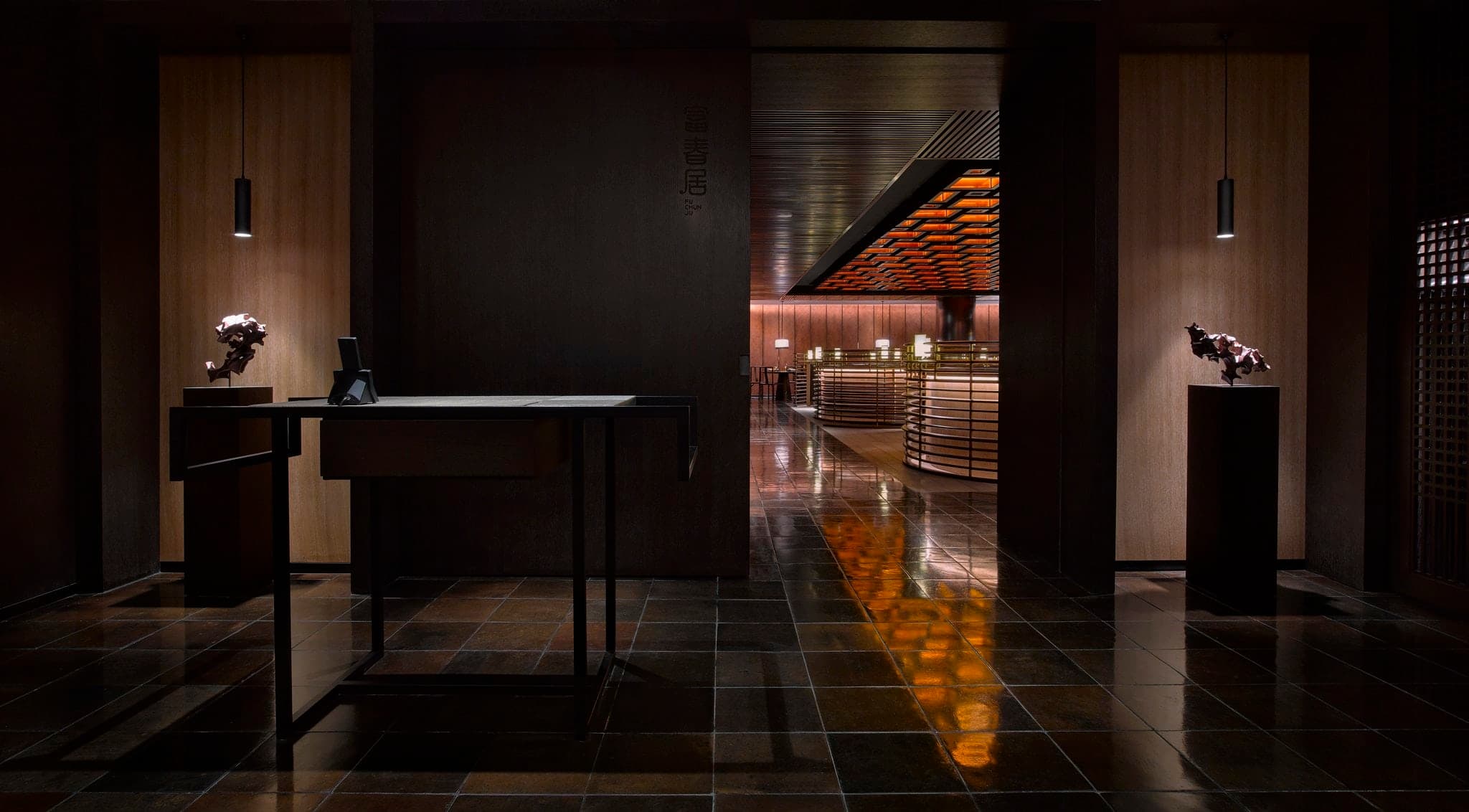
Ole Scheeren’s basalt-grey cube doesn’t blend in; it hovers. Perched atop the Guardian Art Center, The PuXuan acts as a modernist counterweight to the imperial red of the Forbidden City. Inside, the vibe shifts from architectural aggression to hermetic calm. You won’t find a lobby teeming with tourists here; instead, you enter a sanctuary of amber glass and timber lattice. The rooms, particularly the 'Grand Studios,' feature window bays that function less like glass and more like viewfinders, framing Jingshan Park as a living canvas. Service, branded as 'Hostmanship,' actually delivers on the corporate jargon—the 24-hour flexible check-in is a legitimate game-changer for international arrivals. Dining is equally precise: Fu Chun Ju’s Crispy Skin Roast Pigeon is technically perfect, while Rive Gauche applies French bistro logic to Yunnan ingredients like lobster with MiXian noodles. The omission of a swimming pool is bold for a hotel of this caliber, but the inaugural Guerlain Spa—with its hushed, labyrinthine corridors—compensates with treatments that feel medicinal rather than merely cosmetic. It’s a museum-grade hideaway where Beijing is strictly for viewing, not hearing.
“Book a 'Grand Studio' specifically for the enclosed window bays—they are deep enough to sit in and offer the best unobstructed sightlines of the Forbidden City at sunset.”
Insider TipAvg. Nightly Rate
307USD