No. 01
1 Gongmenqian Street. Beijing 11 China 100091Beijing1503 verified reviews
9
.8
Bitvoya Edit
Layering imagery, place, and detail before the page opens.
Beijing is a city of grand contrasts, where futuristic skyscrapers tower over ancient alleyways known as Hutongs. For the discerning traveler, the true soul of the capital is found not in its glass towers, but behind the heavy wooden doors of a traditional Siheyuan (courtyard house). These hidden sanctuaries offer an exclusive retreat into imperial history, blending centuries-old architecture with ultra-modern luxury.
From the bustling lanes near the Forbidden City in Dongcheng District to the lakeside serenity of Houhai and the historic depth of the Qianmen area, these properties transform the chaos of the city into a whispered secret. Staying in properties like Cours Et Pavillons or the Mandarin Oriental Qianmen allows you to live like modern nobility, enveloped in the quietude of private gardens and timeless design.
Choosing a Hutong courtyard hotel in Beijing is about more than just accommodation; it is an immersion into the 'Old Peking' lifestyle. Unlike standard luxury chains, these properties, known locally as Siheyuan, offer a layout that prioritizes privacy, feng shui, and a deep connection to nature through central courtyards. Hotels like the Mandarin Oriental Qianmen and Cours Et Pavillons exemplify this by restoring historic structures with artisanal craftsmanship while integrating floor heating, air purification, and butler services. Whether it's the art-filled corridors of The PuXuan Hotel and Spa or the lakeside romance of Blossom House·HouHai Beijing, these sanctuaries provide a tranquil counterpoint to the city's frantic energy.
Expect a blend of the Ming/Qing dynasty aesthetic with 21st-century comfort. Architecturally, look for gray brick walls, red wooden pillars, and intricate roof carvings. Inside, however, you will find Michelin-starred dining, private spas, and modern art. The service in these hidden sanctuaries is typically highly personalized; properties like Xitan Hotel Beijing pride themselves on anticipatory service that respects the quiet atmosphere. Be prepared for a stay that feels less like a hotel and more like a private residence of a scholar or noble, offering a profound sense of place that no high-rise can replicate.
A Hutong courtyard hotel, or Siheyuan, is a traditional Chinese residence featuring inward-facing buildings surrounding a private courtyard. Unlike standard hotels, they offer fewer rooms, higher privacy, cultural immersion, and direct access to ground-level gardens.
Yes. Top-tier properties like Mandarin Oriental Qianmen and Cours Et Pavillons are fully modernized with floor heating, air purification systems, luxury bedding, and modern bathrooms, blending heritage architecture with contemporary comfort.
The PuXuan Hotel and Spa and Waldorf Astoria Beijing offer luxury stays immediately adjacent to the Forbidden City area, while Cours Et Pavillons offers a more secluded authentic experience within the nearby Dongcheng hutongs.
Explore our complete curated list of luxury accommodations, from boutique hideaways to grand dames.
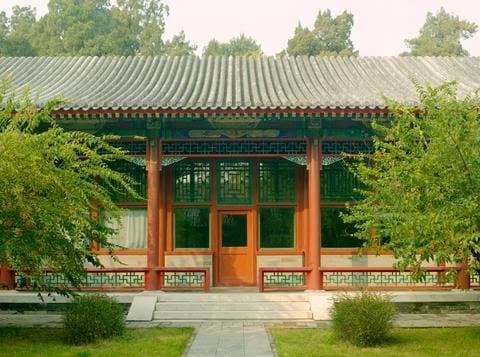
Explore All Beijing HotelsWhen the Aman flag was lowered in December 2025, Beijing held its breath. Could the newly christened **Beijing Yihe Hotel** maintain the stratospheric standards of its predecessor? The answer lies in the bones of this property. Housed in century-old pavilions once used by guests awaiting an audience with the Empress Dowager Cixi, the sense of place remains unrivaled. You are not just near the Summer Palace; you are *of* it. The "Golden Clay" floors and open-beam ceilings of the Courtyard Suites still whisper Ming Dynasty secrets, though the hardware is showing its age—the lack of smart toilets feels less like "historical charm" and more like an oversight in 2026. However, the cavernous underground spa, with its cinematic white double-helix staircase and 25-meter lap pool, remains a sanctuary from the capital's dust. Dining is a sturdy affair: **The Chinese Restaurant** still serves a Beggar's Chicken that demands cracking open with a mallet, a theatrical holdover we’re glad stayed. The service is earnest, if slightly less telepathic than the Aman days. It’s no longer an Aman, but it remains Beijing’s most hauntingly beautiful retreat.
“Ask for the key to the 'Secret Red Door' near the East Gate. It grants private access to the Summer Palace grounds, allowing you to beat the 8:00 AM tourist hordes.”
Insider TipAvg. Nightly Rate
714USD
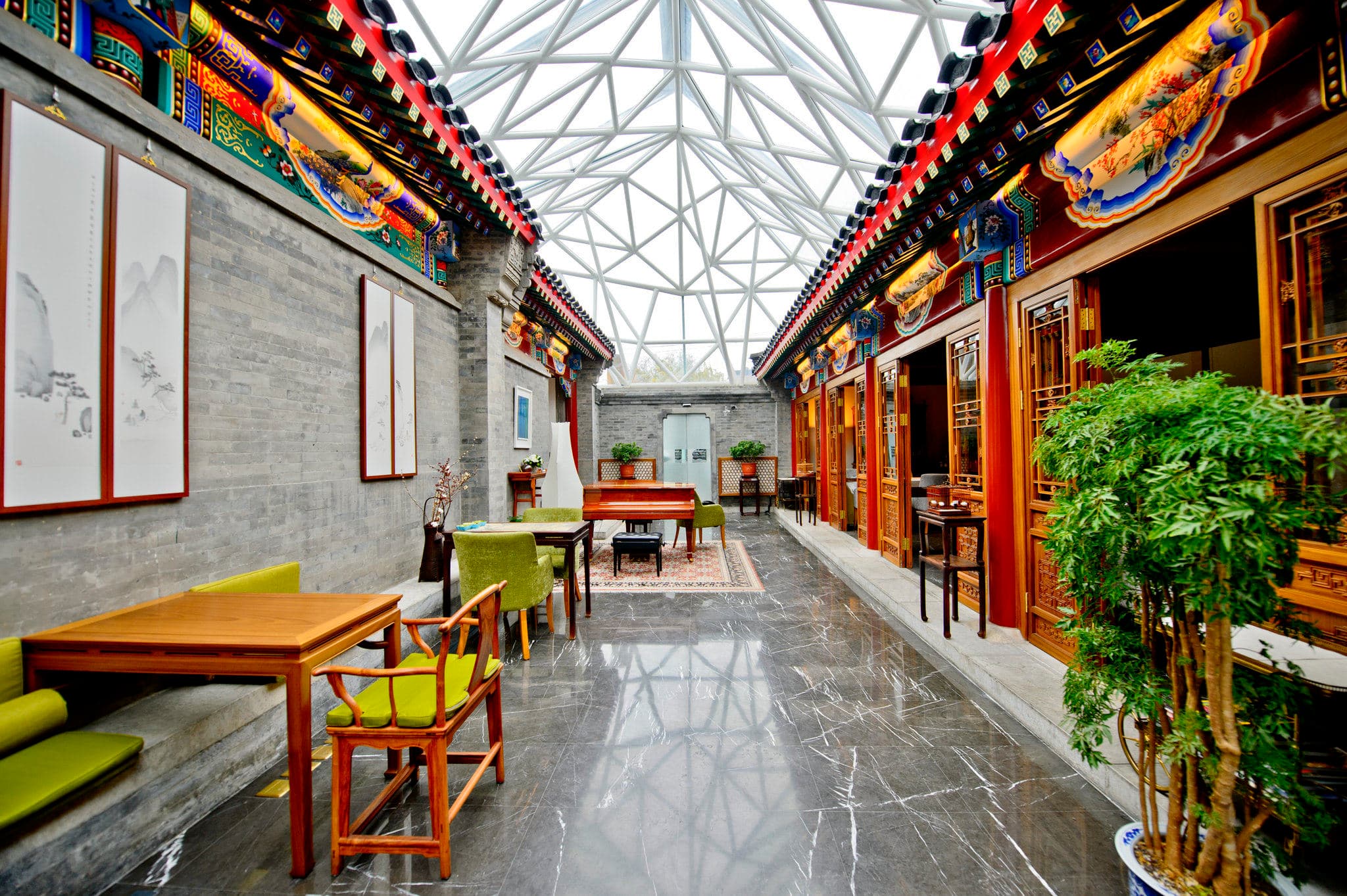
Forget the glitzy, glass-walled monoliths of Chaoyang; the true flex in Beijing is securing one of the seven keys at Cours Et Pavillons. Sequestered behind unassuming grey walls in the Weijia Hutong, this meticulously restored Siheyuan functions less like a hotel and more like the private residence of a Ming Dynasty scholar with a penchant for Italian furniture. The architecture is a masterclass in restoration—think centuries-old timber pillars and carved wooden Moon Gates—sharply contrasted by a strictly modern glass atrium roof that floods the grey tiles with natural light. Accommodation here is fiercely exclusive. With only seven suites, privacy is absolute. The interiors are uncompromisingly high-spec, featuring museum-quality antiques alongside contemporary necessities (you won't find weary plumbing here). Dining is equally ambitious. While the surrounding alleys teem with street food, the onsite 'Cours et Pavillons French Restaurant' serves a Michelin-standard Foie gras with red wine sauce that rivals anything in Paris, while 'Pin Quan' delivers Imperial grandeur with dishes like braised abalone with fish maw. It’s a sophisticated, silent rebuke to the noise of the capital—a place where history is lived, not just observed.
“Request the North Courtyard Deluxe Room (approx. 1,900 sq ft) for the deepest soaking tub and direct patio access under the glass atrium.”
Insider TipAvg. Nightly Rate
300USD
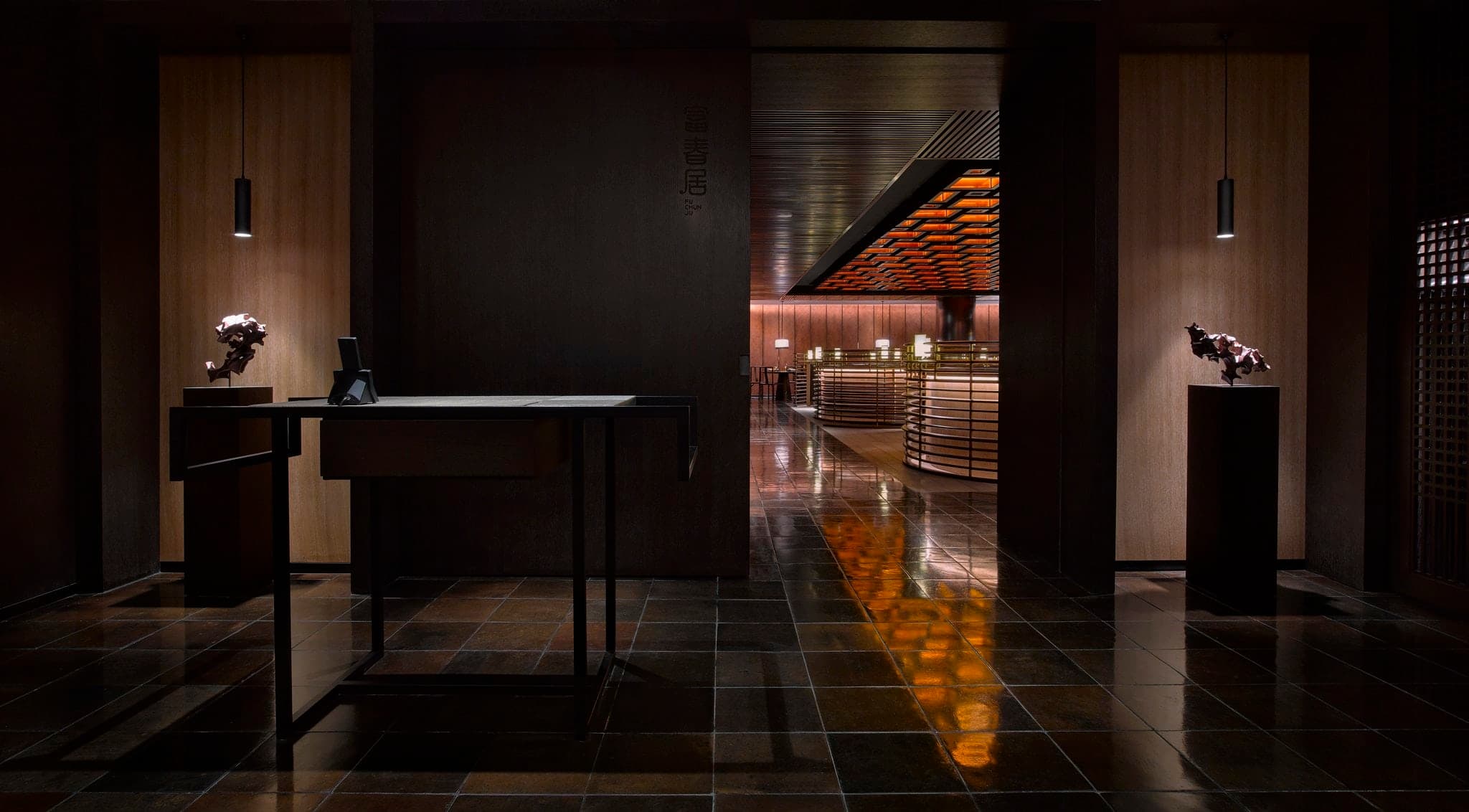
Forget the faux-historical courtyards. The PuXuan, designed by Ole Scheeren, plays a smarter game. It doesn’t mimic the *hutongs*; it abstracts them into a 'pixelated' basalt-and-glass fortress that floats above Wangfujing. Inside, the vibe is less hotel, more private gallery—hushed corridors of amber glass, gray stone, and a level of 'Hostmanship' that makes standard concierge service look administrative. Your move is the **Grand Studio**. While the Loewe TVs and full-size Guerlain bath amenities are standard luxury markers, the real flex is the window bay. It acts as a cinematic lens focused squarely on the Forbidden City’s golden rooftops. You’re not just looking at history; you’re framing it. Dining is serious. **Fu Chun Ju** isn't just a hotel restaurant; it holds a Michelin star. The Tea-Smoked Pigeon Eggs are non-negotiable. For a Parisian detour, **Rive Gauche** serves a Wagyu Beef Tartare that rivals the view. The elephant in the room? There’s no pool. But frankly, with mainland China’s first **Guerlain Spa** offering facials that undo jet lag in 60 minutes, you won’t miss the chlorine. **Verdict:** The ultimate architectural dialogue between Imperial Beijing and its future.
“Skip the rigid schedules. The 'Hostmanship' perks include 24-hour flexible check-in/out for suites—land at 6 AM, leave at 6 AM.”
Insider TipAvg. Nightly Rate
307USD

If Alice tumbled down the rabbit hole and landed in a 13th-century Beijing alleyway, she’d check in here. Formerly the VUE, this Ministry of Design-conceived property is a stark, sexy contrast to the traditional grey-brick hutongs that surround it. You aren't just sleeping in a courtyard; you’re inhabiting a sleek, geometric fantasy where giant wireframe pink rabbits perch on rooftops and gold lattice screens divide charcoal-hued spaces. The rooms are unapologetically modern—think soaking tubs that demand a bottle of red and premium Appelles amenities that smell like Australian botanicals. It’s moody, intimate, and distinctly 'fashion crowd.' Dinner at The Pink Rabbit is a non-negotiable event; skip the street snacks for one night and order the Spanish Seafood Rice and roasted suckling pig, served in an industrial-chic setting that feels lightyears away from the rickshaws outside. A word to the wise: The wet bathroom floors are famously slippery—form over function here, so tread carefully. But for the private back-gate access that spills you directly onto the Houhai lakeside greenway (bypassing the tourist crush), we’ll forgive the hazard.
“Book a Courtyard Room on the ground floor for direct access to the garden, but ask for one away from the Moon Bar if you plan to sleep before midnight.”
Insider TipAvg. Nightly Rate
118USD
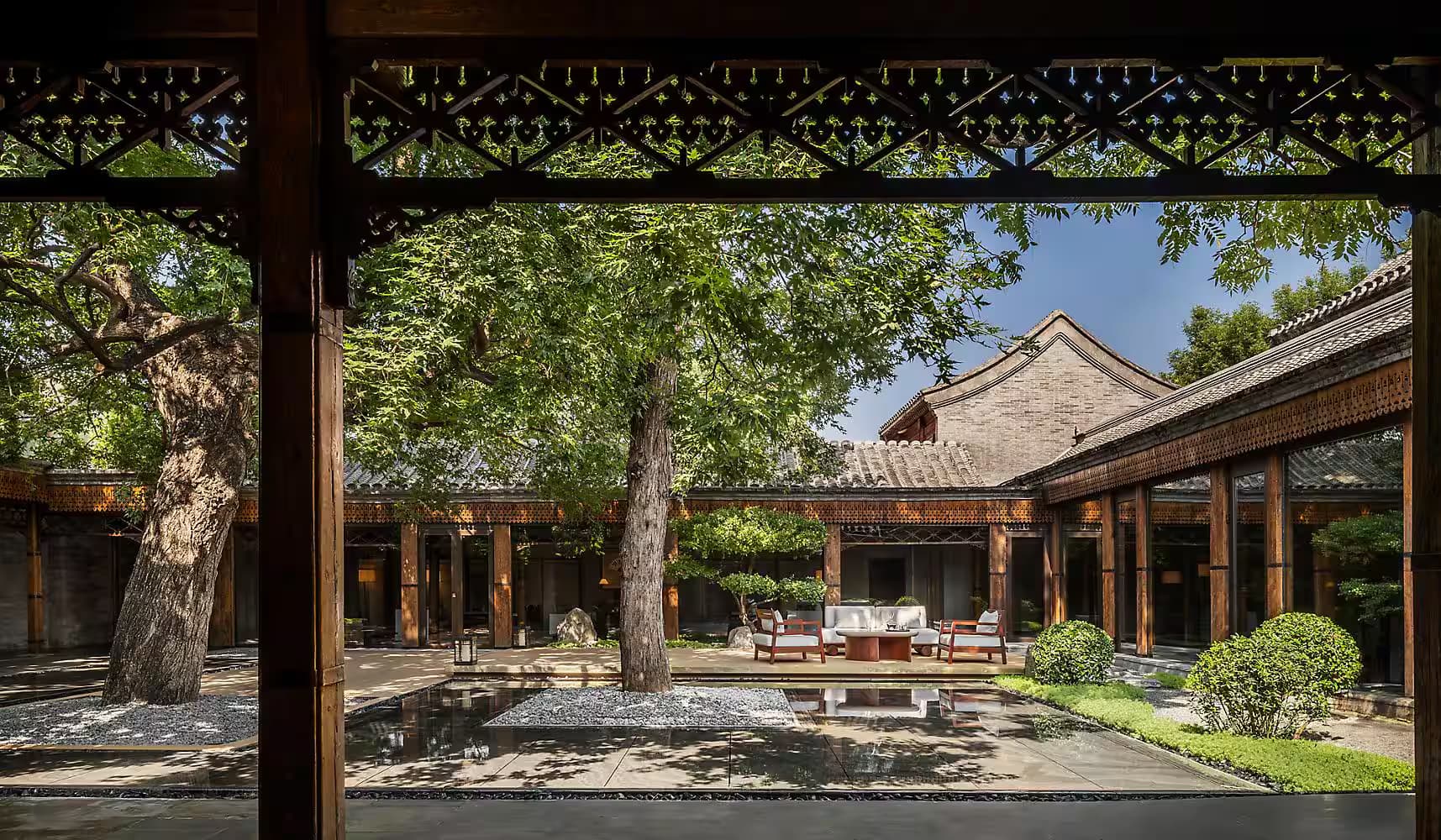
Forget the hermetically sealed glass towers of the CBD. Mandarin Oriental Qianmen is a radical, rigorous experiment in open-air preservation, dispersing 42 luxurious *siheyuan* (courtyard houses) across the grey-brick labyrinth of the Caochang Hutong conservation zone. The arrival experience is less 'hotel lobby' and more 'cinematic time travel': you pass a 130-year-old maple tree and a Xu Bing calligraphy fan before being whisked by buggy through public alleys where local neighbors dry laundry and play mahjong. Inside your private gate, the friction of history vanishes. The restoration is museum-grade—exposed timber beams and intricate lattice screens—but the living is strictly 21st-century, with heated stone floors, Dyson hair dryers, and Technogym kits in-room. Dining is a destination in itself: 'Yan Garden' imports the Michelin-starred prowess of Chef Fei for Cantonese masterpieces like braised fish maw, while the Italian bistro 'VICINI' offers a sunny terrace that feels bizarrely yet beautifully Roman in the heart of Old Beijing. Service is handled by personal butlers who manage the complex choreography of buggy transfers with military precision. It is an immersion into the capital’s soul that doesn't force you to sacrifice water pressure or thread count. Verdict? The most authentic Beijing experience money can buy, provided you can handle a few uneven flagstones.
“Skip the lobby evening rush and head straight to the rooftop terrace of TIAO Bar at sunset for a folklore-inspired cocktail and a view that looks *at* the tiled rooftops rather than down on them.”
Insider TipAvg. Nightly Rate
683USD
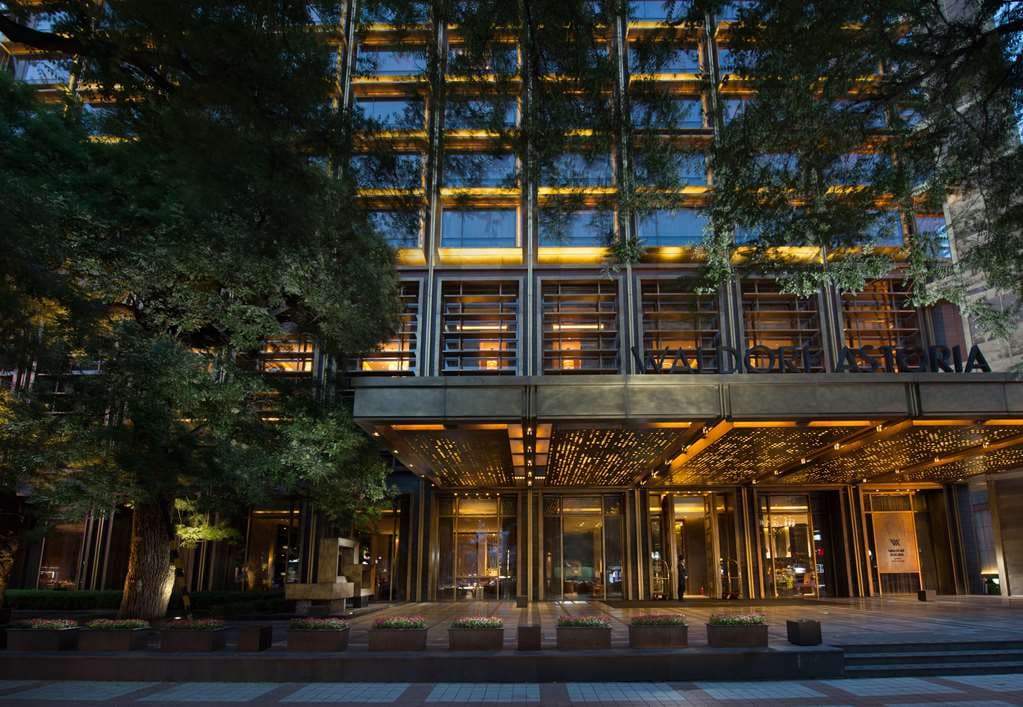
In a city where luxury often equates to glass-and-steel vertigo, the Waldorf Astoria Beijing pulls off a rarer feat: it feels indigenous. Located on Jinyu Hutong, the property is a architectural bisection. The main tower, clad in a kinetic bronze façade that oxidizes with the seasons, screams contemporary power. Yet, the real flex is the Hutong Villa wing. These aren't kitschy reproductions; they are masterfully reconstructed Ming-style residences featuring vermilion doors, gray slate bricks, and underground passages that connect you to the main hotel’s pulse while maintaining hermetic privacy. Inside the rooms, the 'silent butler' service—a hatch allowing laundry and shoe shines to vanish and reappear without a knock—is the definition of friction-free hospitality. Bathrooms are stocked with Aesop amenities (a welcome pivot from the usual floral hotel brands) and Ferragamo touches. Dining demands a reservation at Zijin Mansion; the braised pork belly ribs are gelatinous, savory art. While the spa lobby can feel a touch clinical, the treatments using Valmont products quickly correct the mood. Recently crowned 'China's Leading Luxury Hotel 2025' by the World Travel Awards, this is where you stay to feel the weight of Beijing's history without sacrificing the water pressure.
“Book the 'Hutong Studio' for the courtyard experience at a lower entry price than the Villas; you still get the private entrance and heated floor prestige.”
Insider TipAvg. Nightly Rate
235USD
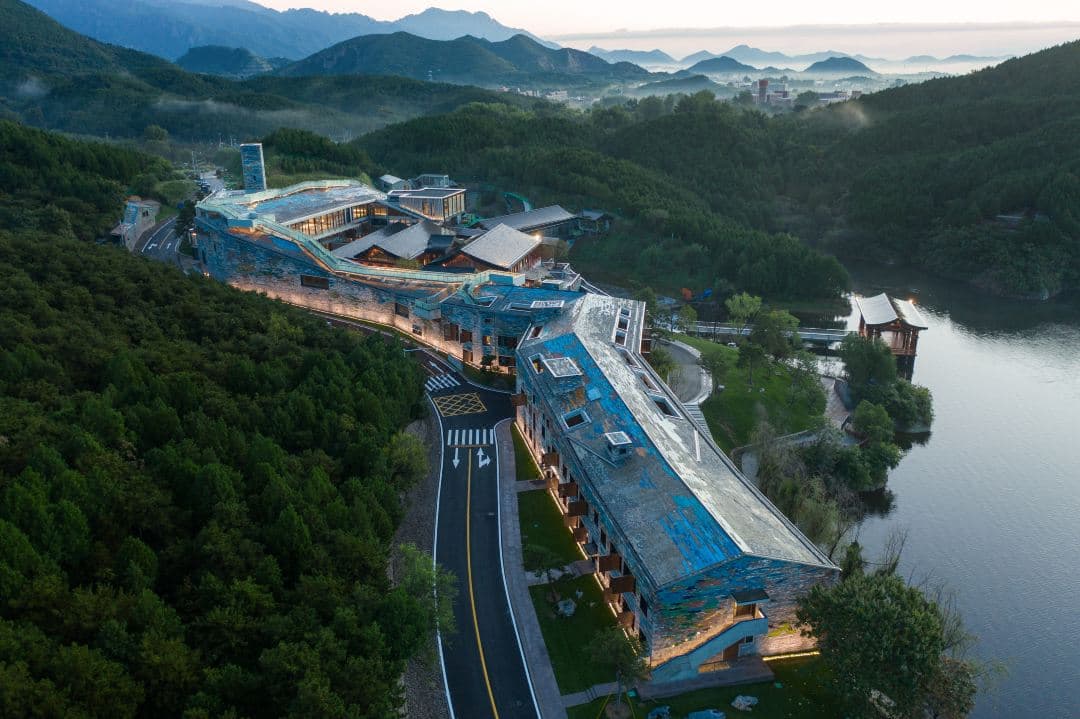
While the purists hunt for hutongs in the city center, the true architectural pilgrims are heading north to Yanqi Lake. Yanbai Villa isn’t just a hotel; it’s a thesis statement by Pritzker Prize laureate Wang Shu. He has taken the courtyard typology and exploded it into a brutalist, mesmerizing landscape inspired by Song Dynasty scrolls. The arrival experience is dominated by his signature 'wa pan' technique—a mosaic of millions of recycled bricks and tiles that feel like a fortress protecting a scholar’s secret. Inside, the vibe is aggressively tranquil. The strict 12+ policy ensures the silence remains heavy and expensive. Rooms are studies in texture—brushed timber, local granite, and Dyson-equipped bathrooms that frame the lake like a live painting. Dining at Yanbai Chinese Restaurant offers a masterclass in subtlety; order the Claypot Seafood Porridge, which is far more complex than its name suggests. It’s a museum you can sleep in, devoid of the usual gold-plated luxury tropes, offering something far rarer: intellectual peace.
“Book the 'Mingyanju' category for the vast balconies. Also, the outdoor hot spring is closed in winter, so book a tea ceremony in the 'Gongzi Hall' instead.”
Insider TipAvg. Nightly Rate
430USD
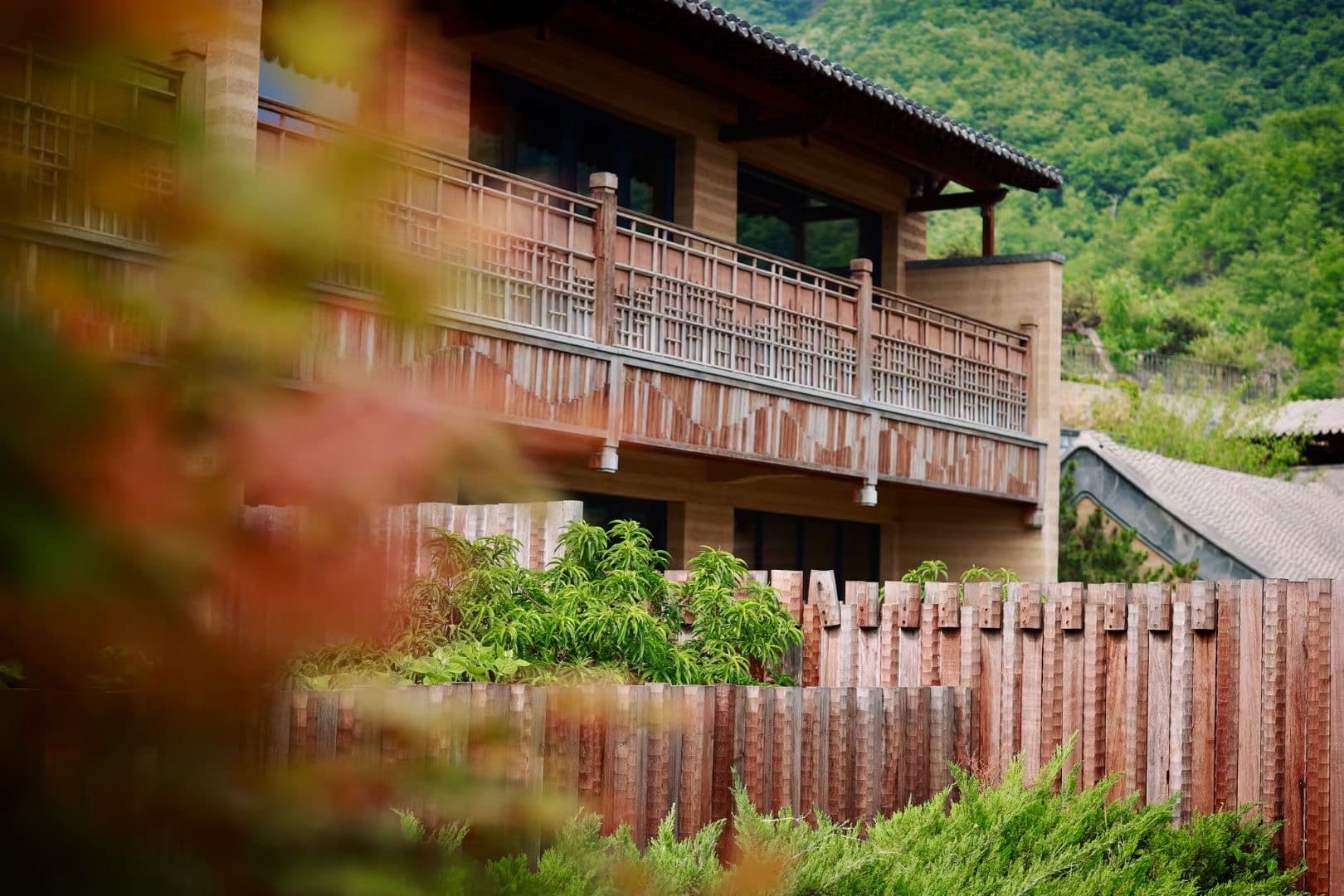
Forget the clamor of the Forbidden City; the true imperial exhale happens an hour west, in the shadow of the millennium-old Tanzhe Temple. Built on the footprint of the historic Zijin Village, Xitan Hotel isn’t just a hotel—it’s a masterclass in 'shakkei' (borrowed scenery), where Japanese landscape architect Kanji Nomura has dissolved the lines between the wild Tiger Mountain and the property’s 17 secluded courtyards. Inside, the vibe is monastic chic meets hyper-luxury. You aren’t just sleeping in a room; you’re inhabiting a curated void of warm wood and stone, equipped with Technogym weights and a minibar stocked with Thonon water. The real draw, however, is the silence—enforced by a strict 12+ age policy that preserves the meditative air. Dining is a pilgrimage in itself at The House of Rong (Rong Fu Yan). Skip the western fare and commit to the set menu: the signature Braised Yellow Croaker is gelatinous perfection, and the Pine Nut Shaqima redefines the sticky treat. After dinner, the Qin Spa’s hydrotherapy rituals using Japanese Lapidem products offer a final rinse of the city’s dust. **Verdict**: A sophisticated, adults-oriented sanctuary for the culturally exhausted.
“Book a 'Landscape Suite' with a private outdoor soaking tub for uninhibited mountain views. Visit the nearby Tanzhe Temple at 8 AM to beat the tour buses.”
Insider TipAvg. Nightly Rate
771USD