No. 01
21 Jianguomenwai Dajie. Beijing China 100020Beijing88 verified reviews
8
.2
Bitvoya Edit
Layering imagery, place, and detail before the page opens.
In the bustling capital of China, a resurgence of ancient wellness traditions is redefining luxury travel. Beijing is not just a political center but a historic hub for Traditional Chinese Medicine (TCM). Travelers seeking restoration can now find sanctuaries nestled within the historic Hutongs of Qianmen, the imperial gardens of Haidian, and the chic skyscrapers of Chaoyang. From the culturally immersive Beijing Yihe Hotel (formerly Aman Summer Palace) to the art-filled corridors of The PuXuan Hotel and Spa near the Forbidden City, these properties offer more than just a stay—they offer a journey into holistic health. Experience Qi-balancing massages, herbal baths, and tea rituals in the heart of Beijing.
Beijing offers a unique juxtaposition of imperial history and modern luxury, making it the premier destination for travelers seeking authentic Traditional Chinese Medicine (TCM) treatments. Unlike generic spa experiences, the wellness programs in Beijing are deeply rooted in centuries-old wisdom, utilizing local herbs, meridian theory, and Qi Gong practices. Hotels like the **Mandarin Oriental Wangfujing** and **The St. Regis Beijing** seamlessly blend 5-star hospitality with therapeutic rituals involving jade stones and moxibustion, providing a healing escape amidst the metropolis.
Visiting a TCM spa in Beijing is a holistic experience. Expect consultations with qualified practitioners who assess your body's constitution before recommending treatments. Signature therapies often include Tuina (therapeutic massage), cupping to improve blood flow, and reflexology. The ambiance in properties like **Xitan Hotel** emphasizes Feng Shui, using wood, stone, and water elements to calm the mind before the treatment even begins. Whether it's a tea ceremony at **The PuXuan** or a rose bath at the **St. Regis**, the focus is always on restoring harmony between the body and nature.
Top choices include the Beijing Yihe Hotel for imperial-style wellness, Mandarin Oriental Wangfujing for modern TCM integration, and The PuXuan Hotel and Spa for treatments focusing on Qi balance.
A TCM (Traditional Chinese Medicine) spa focuses on holistic health, using techniques like acupressure, cupping, herbal baths, and meridian massages to balance the body's energy (Qi), rather than just surface-level relaxation.
Yes, especially for high-end hotel spas like Xitan Hotel Beijing or Bulgari Hotel Beijing. Booking in advance ensures you can secure a consultation with a senior therapist.
Explore our complete curated list of luxury accommodations, from boutique hideaways to grand dames.
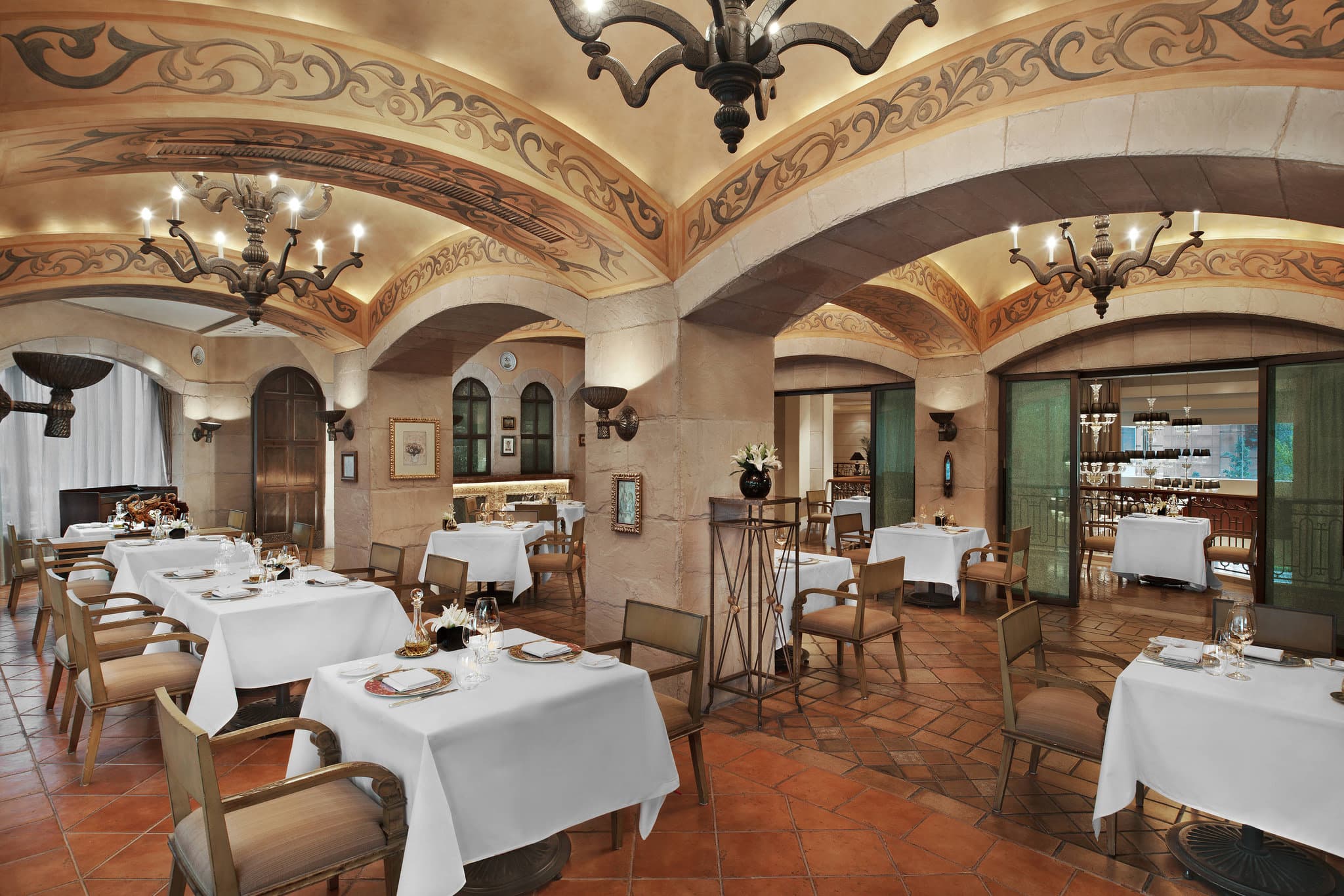
Explore All Beijing HotelsIn a city that never sleeps, the St. Regis Beijing offers a rare commodity: silence. Located in the fortress-like Diplomatic District, this property trades the flash of Sanlitun for the hushed gravitas of old-world power. Yes, the interiors (last refreshed in 2008) lean heavily into a mahogany-and-marble aesthetic that feels more 'Embassy Row' than 'Gen Z', but to dismiss it as dated would be a mistake. The real draw lies 1,500 meters beneath the foundation. The Iridium Spa isn’t just a brand exercise here; it taps into a genuine sodium bicarbonate hot spring, feeding a glass-walled pool and jacuzzis with therapeutic 31°C waters. It is a surreal, subterranean bunker of calm. Upstairs, the rooms—though entry-level ones are a snug 30sqm—feature Frette linens and those distinctively heavy curtains that block out the dawn. Dining remains a strong suit: Celestial Court’s seasonal Mantis Shrimp is a masterclass in Cantonese precision, while the Press Club Bar serves a Great Wall Bloody Mary that frankly outclasses the original. Service is white-glove and slightly formal, exactly as the diplomats prefer.
“Skip the main pool during family hours. Book a late-night soak (post-9 PM) in the hot spring jacuzzis when the diplomatic crowd has retired.”
Insider TipAvg. Nightly Rate
180USD
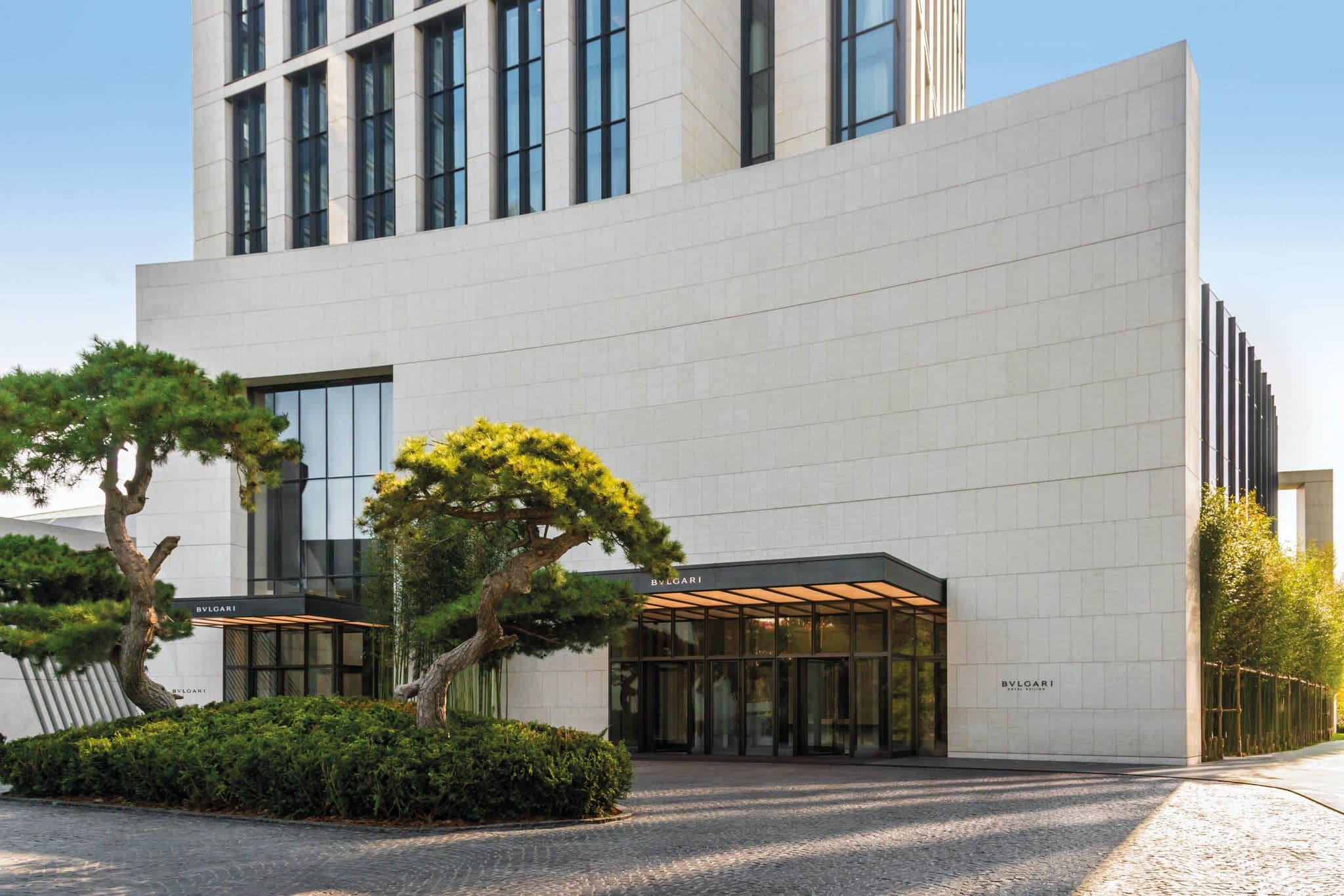
In the frenetic heart of the Embassy District, the Bulgari Hotel Beijing achieves the impossible: absolute silence. While the capital hums with 21 million people, this Antonio Citterio Patricia Viel-designed monolith stands as a fortress of solitude along the weeping willows of the Liangma River. It is not merely a hotel; it is a masterclass in Italian restraint. The 1,500-square-meter spa is the property's spiritual core, arguably eclipsing the rooms. Clad in Vicenza stone, the facility feels less like a commercial spa and more like a subterranean temple. The indoor pool, paved with shimmering gold and green mosaics inspired by the Baths of Caracalla, offers a hypnotic, almost meditative laps experience that rivals any TCM retreat for restorative power. Treatments feature Augustinus Bader and La Mer, ensuring the healing is as scientifically potent as it is soothing. Upstairs, the rooms feature B&B Italia furniture and 400-thread count linens, though the real draw is the service. Butlers anticipate needs before they arise, a crucial touch when you’re paying top-tier rates. Dining is equally exacting; at Il Ristorante, Niko Romito’s Vitello Tonnato is a study in precision. For those seeking an 'Urban Resort' that trades Beijing’s chaotic pulse for a slow, sophisticated Italian heartbeat, this is the definitive address.
“Skip the main lobby in the evening and head straight to the terrace at Il Bar. Order the signature Bulgari Cocktail and watch the sunset over the Liangma River—it’s the best vantage point in the city.”
Insider TipAvg. Nightly Rate
534USD
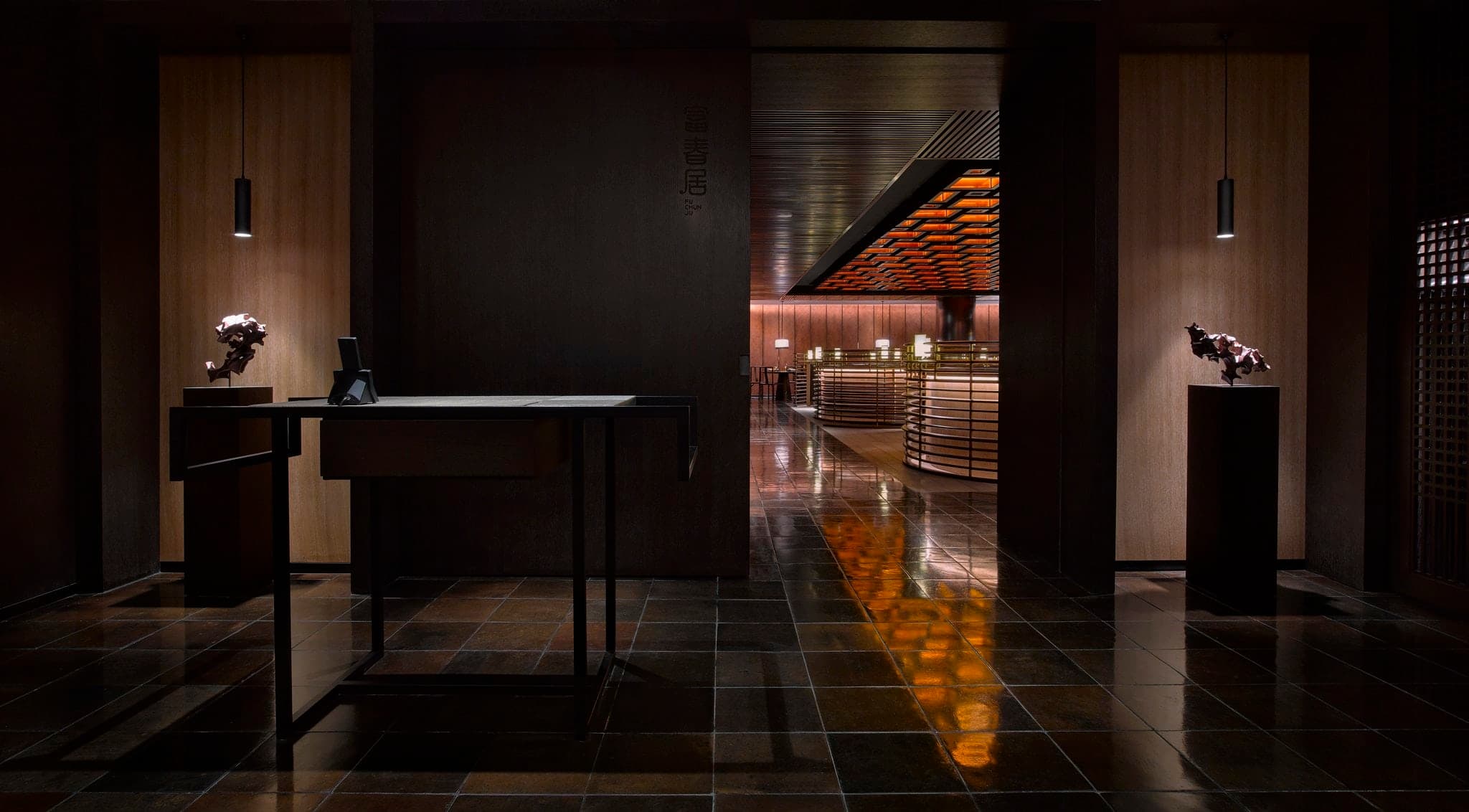
Beijing demands kinetic energy; The PuXuan restores it. Suspended above the chaotic charm of the hutongs, this property by Ole Scheeren operates less like a hotel and more like a high-design decompression chamber. The architecture is aggressive—a pixelated glass box hovering over the Guardian Art Center—but the interior is a study in monochromatic hush. You aren't checking in; you're entering a museum where you happen to sleep. The Grand Studios are the category to book. Their window bays function as portrait frames for the Forbidden City’s golden eaves, a view best consumed while wrapped in the room’s 400-thread count linens. Technology is present but invisible, from the intuitively hidden controls to the Dyson hair dryers, ensuring the modernism never feels cold. Downstairs, the UR Spa has secured its status as mainland China’s first Guerlain flagship. The treatment menu leans heavily on tea-infused rituals, using local botanicals to hammer out jet lag. Dinner requires a reservation at Fu Chun Ju, where the kitchen’s One-Michelin-Star status is justified by a single bite of the Crispy Skin Roast Pigeon. There is no swimming pool—a rare omission for a five-star Beijing property—but in a hotel this devoted to radical quietude, the splash of water would only break the spell.
“Book a treatment at the UR Spa during sunset; the glass-bottomed staircase leading down to the facility glows like amber, creating the most atmospheric transition in the city.”
Insider TipAvg. Nightly Rate
307USD
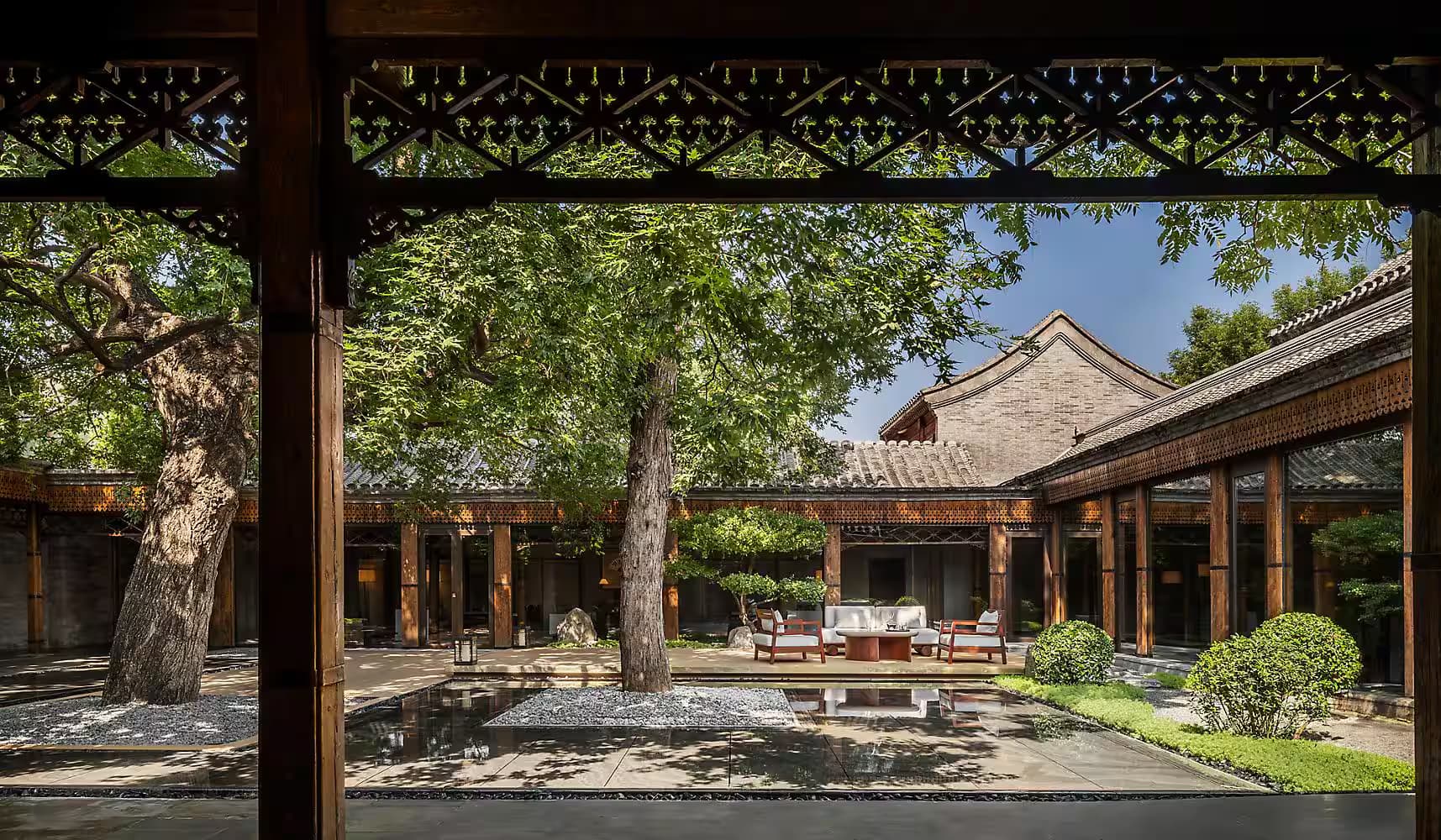
This is not a hotel; it is a walled compound where the 21st century politely waits outside. Occupying a restored pocket of the Caochang Hutong, the Mandarin Oriental Qianmen ditches the glass tower for 42 revitalized 'siheyuan' (courtyard houses). Arrival is a disarming transition: you leave the gridlock for grey-brick alleys where actual residents—neighbors who have lived here for generations—might be parking scooters or drying laundry. It is a friction that feels thrillingly real, not staged. Inside the suites, the silence is heavy. My room centered on a private, open-air atrium; looking up from the 400-thread count linens reveals only curved roof tiles and a square of Beijing sky. There is no swimming pool—preservation laws forbade digging one—so the spa pivots to cerebral recovery. The 'Qiyuan' healing space and Welnamis therapy beds use acoustic vibrations to hack the nervous system, a far more effective reset than a lap swim. Dinner at Yan Garden is mandatory; Chef Fei’s Chaozhou-style marinated seafood is a study in precision. Verdict: A Prix Versailles-winning design triumph (World's Most Beautiful Hotel 2025) that demands patience. It is not for the traveler who wants a lobby scene; it is for the one who wants to disappear.
“Book a courtyard suite near the 130-year-old maple tree for the best morning light, and skip the buggy to dinner—walking the alleys at dusk is the most atmospheric part of the stay.”
Insider TipAvg. Nightly Rate
683USD
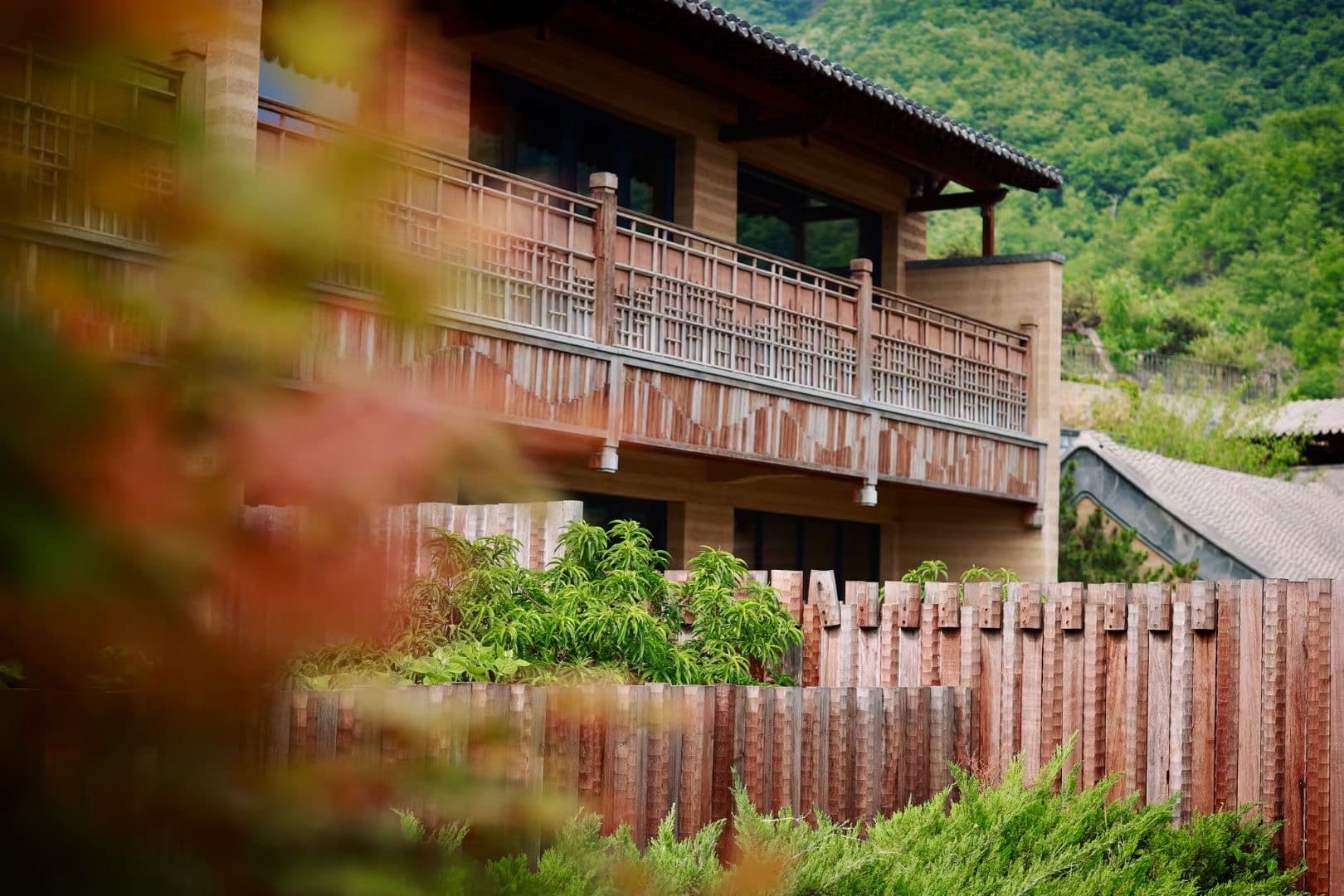
If the Forbidden City is Beijing’s imperial heart, Xitan is its exhale. Located an hour west of the capital in the Mentougou mountains, this Relais & Châteaux property occupies the footprint of a Ming Dynasty village, and the vibe is aggressively serene. You arrive not at a lobby, but at a stone courtyard where the signature 'Fish Scale' waterfall sets a meditative tone that banishes the ring road traffic from your memory instantly. The strictly enforced 12-plus age policy is the real luxury here; the silence is broken only by the sound of water and the occasional clink of porcelain. The 38 rooms are exercises in restraint—think darker woods, handmade silver artworks, and high-tech comforts like Dyson Supersonic dryers and freshly ground coffee machines. But the pièce de résistance is the wellness offering. The Qin Spa uses Japanese Lapidem products for a hydrotherapy experience that feels almost medicinal. Dinner at The House of Rong is non-negotiable; as a sibling to the legendary Xin Rong Ji, the Braised Yellow Croaker here is life-altering. Xitan isn't just a hotel; it’s a masterclass in ancient healing for the modern burnout.
“Book a second-floor Mountain View Suite for direct sightlines of the 'Tiger Mountain' peak from your bathtub. Go for a swim at sunset when the infinity pool acts as a perfect mirror.”
Insider TipAvg. Nightly Rate
771USD
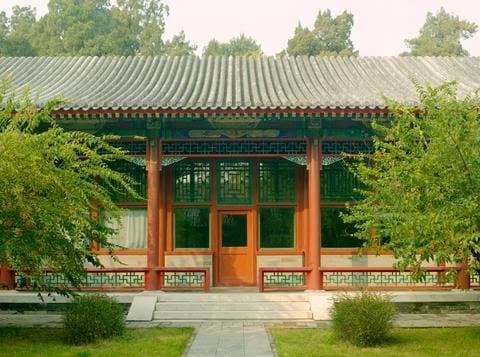
The sign on the gate has changed—the Aman branding vanished in late 2025, replaced by the independent 'Yihe' moniker—but the ghost of the Dowager Empress still runs the place. This isn’t a hotel; it is a preservation act. Occupying the century-old guest quarters of the Summer Palace, the property trades in a currency rarer than gold in Beijing: absolute, heavy silence. The aesthetic remains cinematic—grey brick courtyards, intricate wooden screens, and Ming Dynasty minimalism that makes modern luxury feel tacky. But the real flex is the key to the private 'Red Door,' allowing you to slip into the Summer Palace at dawn, hours before the megaphone-wielding tour groups arrive. Beneath the historic floorboards lies the property's modern spine: a vast underground spa with a blindingly white double-helix staircase. The 25-meter heated lap pool is a subterranean bunker of calm, and the TCM treatments here are medicinal, not recreational—expect bruise-inducing cupping, not fluffy aromatherapy. Dining at 'The Chinese Restaurant' is non-negotiable; the Peking Duck is carved with surgical precision, crisp and grease-free. However, the transition to independence exposes cracks. The hardware is aging—you won’t find Toto Neorests here, and the heating rattles with vintage charm. But for those who prefer Technogym equipment over gimmicks and history over high-tech, Yihe remains Beijing’s most untouchable address.
“Book a Courtyard Suite in the 300 block for the most privacy. Use the private Red Door access at exactly 6:00 AM for a mist-covered, solo walk around Kunming Lake.”
Insider TipAvg. Nightly Rate
714USD
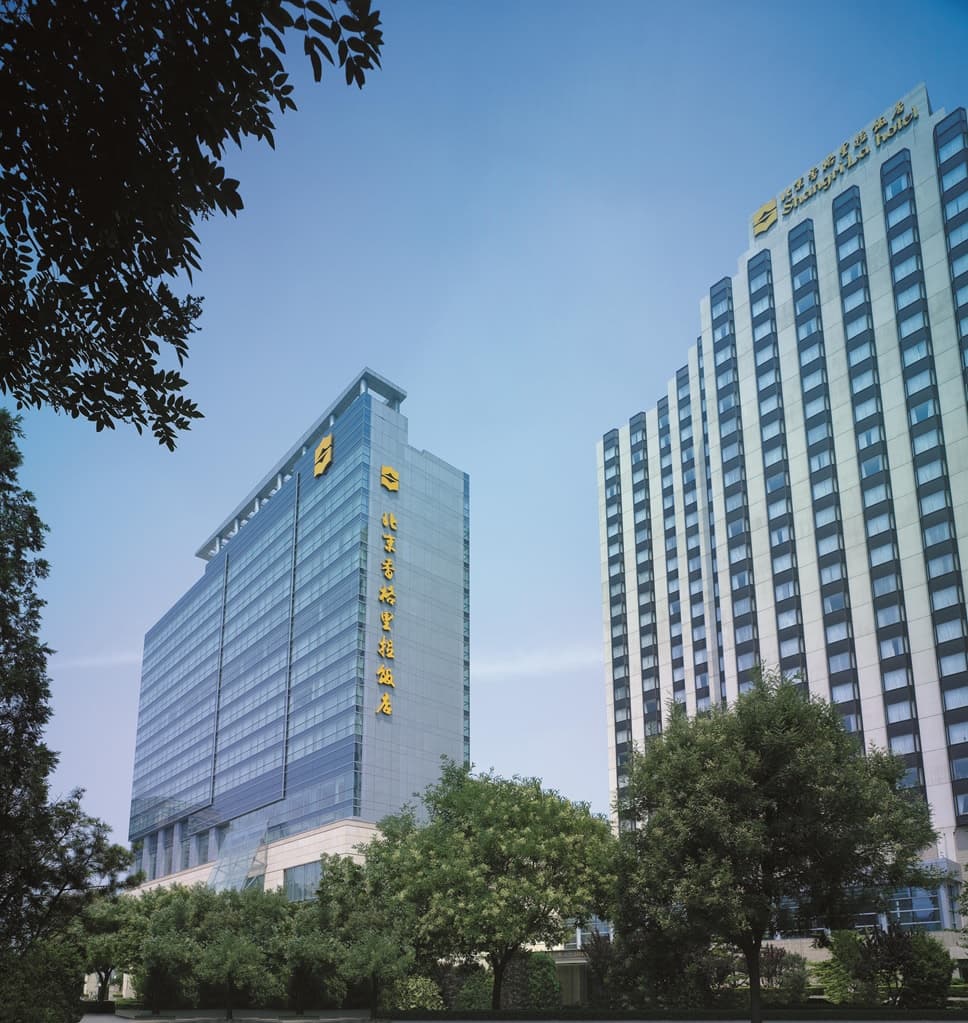
While the Sanlitun crowd chases the newest glass tower, the wise traveler heads west to Haidian. The Shangri-La Beijing isn’t trying to be cool; it’s trying to be correct. The property anchors itself with a 3,000-square-meter traditional garden—a leafy expanse of koi ponds and pagodas that feels impossible in this density. It is the spiritual backbone of the hotel and the setting for 'CHI, The Spa,' where the menu ditches generic aromatherapy for rigorous TCM-inspired rituals based on the Five Elements. Inside, the aesthetic is unapologetically classic. Think chandeliers, heavy drapes, and a lobby that hums with the hushed deals of tech executives. Base rooms in the Garden Wing show their age (you won't find a Toto Neorest here), so the move is strictly the Valley Wing for elevated hardware. Dining remains a powerhouse: AZUR by Mauro Colagreco delivers Michelin-level French precision, while Shang Palace’s wood-roasted Peking Duck rivals any specialist shop in town. It’s not the sharpest cutting edge, but for service that anticipates your need for a double espresso before you ask, this remains the grande dame.
“Skip the Garden Wing standard rooms. Book a Valley Wing Diplomat Suite for access to the Club Lounge and, crucially, renovated bathrooms.”
Insider TipAvg. Nightly Rate
130USD
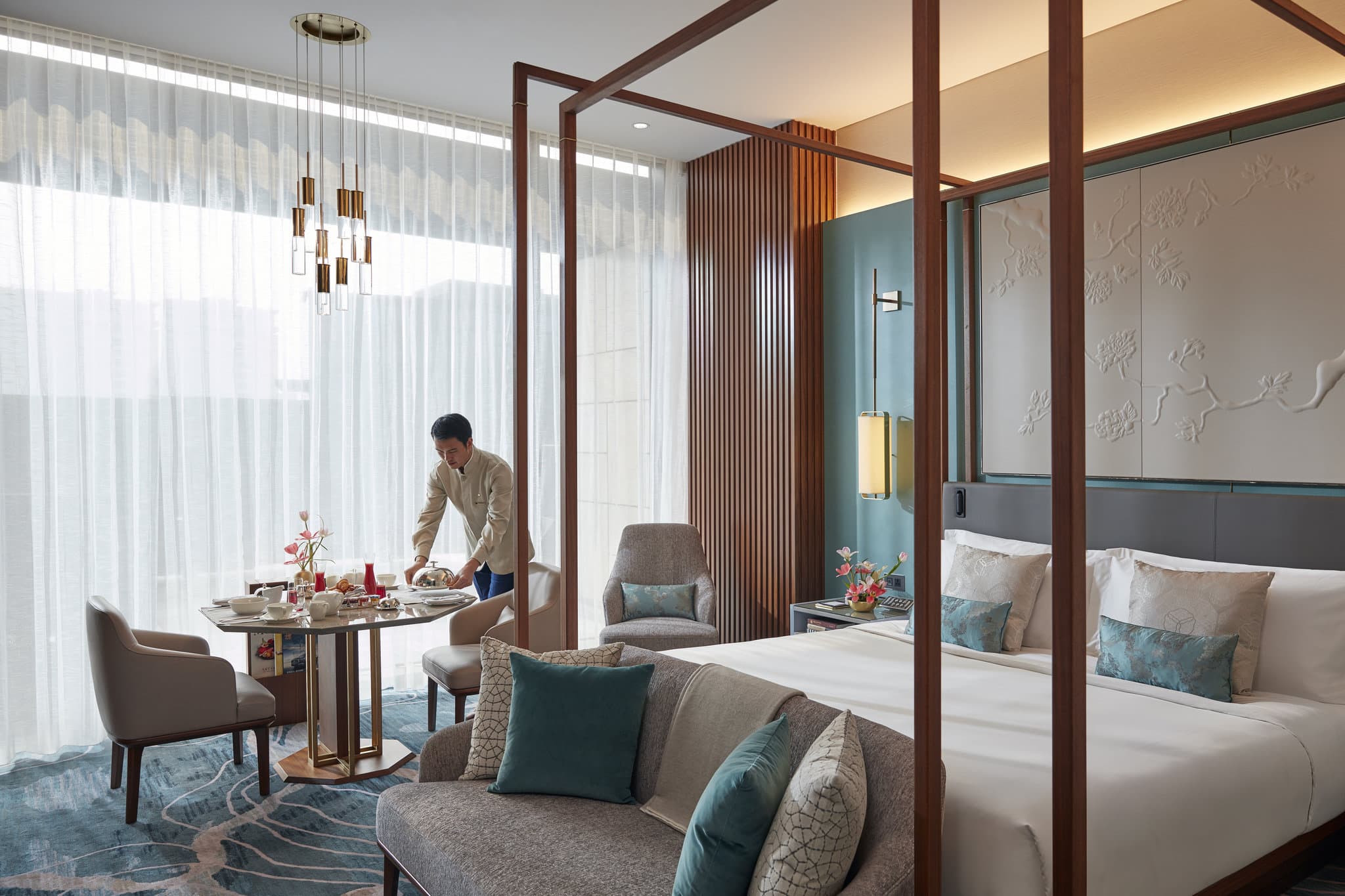
Wangfujing Street is a sensory assault of neon and noise, but the Mandarin Oriental executes a perfect disappearing act. Perched atop the WF Central complex, this property doesn’t just offer a room; it provides an acoustic airlock. With only 73 keys, the arrival experience feels less like checking in and more like being let in on a secret, anchored visually by Frank Gehry’s ethereal floating fish lamp. The 55-square-meter entry-level rooms are massive by capital standards, equipped with Dyson dryers, Bose systems, and floor-to-ceiling windows that frame the Forbidden City’s golden roofs. But for our 'Ancient Healing' itinerary, the spa is the non-negotiable centerpiece. Eschewing generic relaxation, the menu leans into TCM precision; the signature Jade Gemstone treatment uses heated wands to trace meridians, effectively ironing out long-haul inflammation. Afterward, the 25-meter lap pool, crowned by a dramatic glass skylight, offers a rare chance to backstroke beneath the Beijing sky. While dinner at Mandarin Grill + Bar delivers faultless charcoal-seared wagyu, the real verdict lies on the terrace of MO Bar: sipping a sunset cocktail in total silence while the city churns below is the ultimate luxury.
“Book a 'Mandarin Room' specifically for the direct Forbidden City views—the bathtub positioning is arguably the best in Beijing. Also, the pool is empty around 1 PM.”
Insider TipAvg. Nightly Rate
778USD
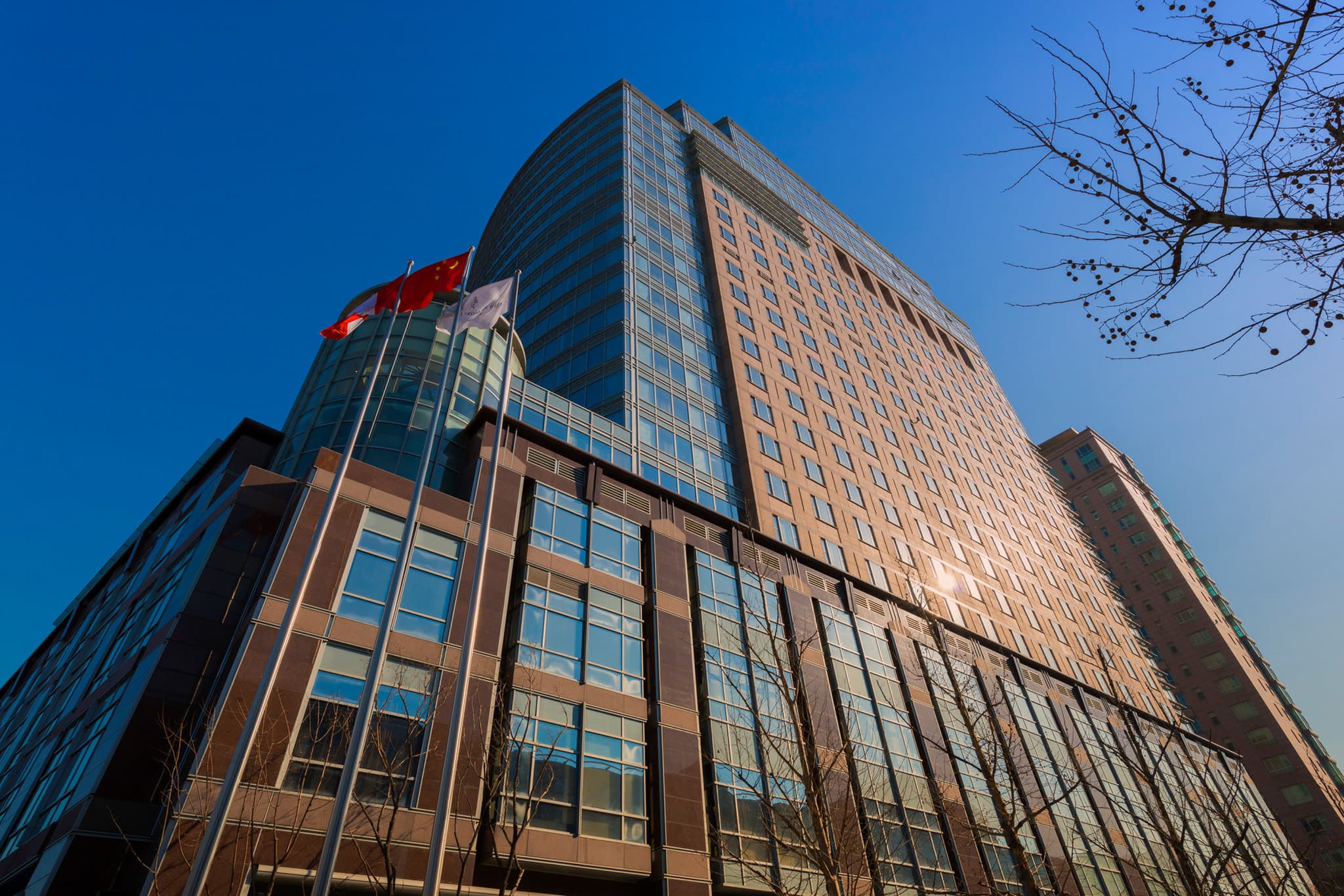
Forget the beige corporate monotony often plaguing the Liangmaqiao diplomatic quarter. The Four Seasons Beijing announces its pulse immediately: a storm of 400 stainless steel butterflies climbing the atrium wall, signaling that this property functions less like a dormitory for dignitaries and more like the city’s high-voltage living room. The hotel’s wellness philosophy is the real protagonist here, deftly sidestepping vague ‘wellness’ platitudes for legitimate TCM integration. The spa revolves around a bamboo-filled Tea Garden, where rituals don’t just smell nice—they utilize rare tea blends to forcefully reset circadian rhythms disjointed by trans-pacific hauls. Post-treatment, the sun-lit lap pool offers a rare Beijing commodity: natural light. Upstairs, rooms channel a moody ‘old money’ glamour, though a warning for the modest: bathrooms feature floor-to-ceiling glass that offers zero secrets, so choose your roommate wisely. Dining is a heavyweight bout between Mio’s modern Italian—order the Plin Ravioli—and the Michelin-starred precision of Cai Yi Xuan, where the deep-fried crab shell is non-negotiable. If you need a table at a booked-out hutong bistro, find Concierge Chris; he doesn't just make reservations, he performs minor miracles.
“Ask for a room ending in '08' for the best views of the Liangma River, and don't miss the 'Tea Garden' signature massage which uses warm tea poultices.”
Insider TipAvg. Nightly Rate
175USD
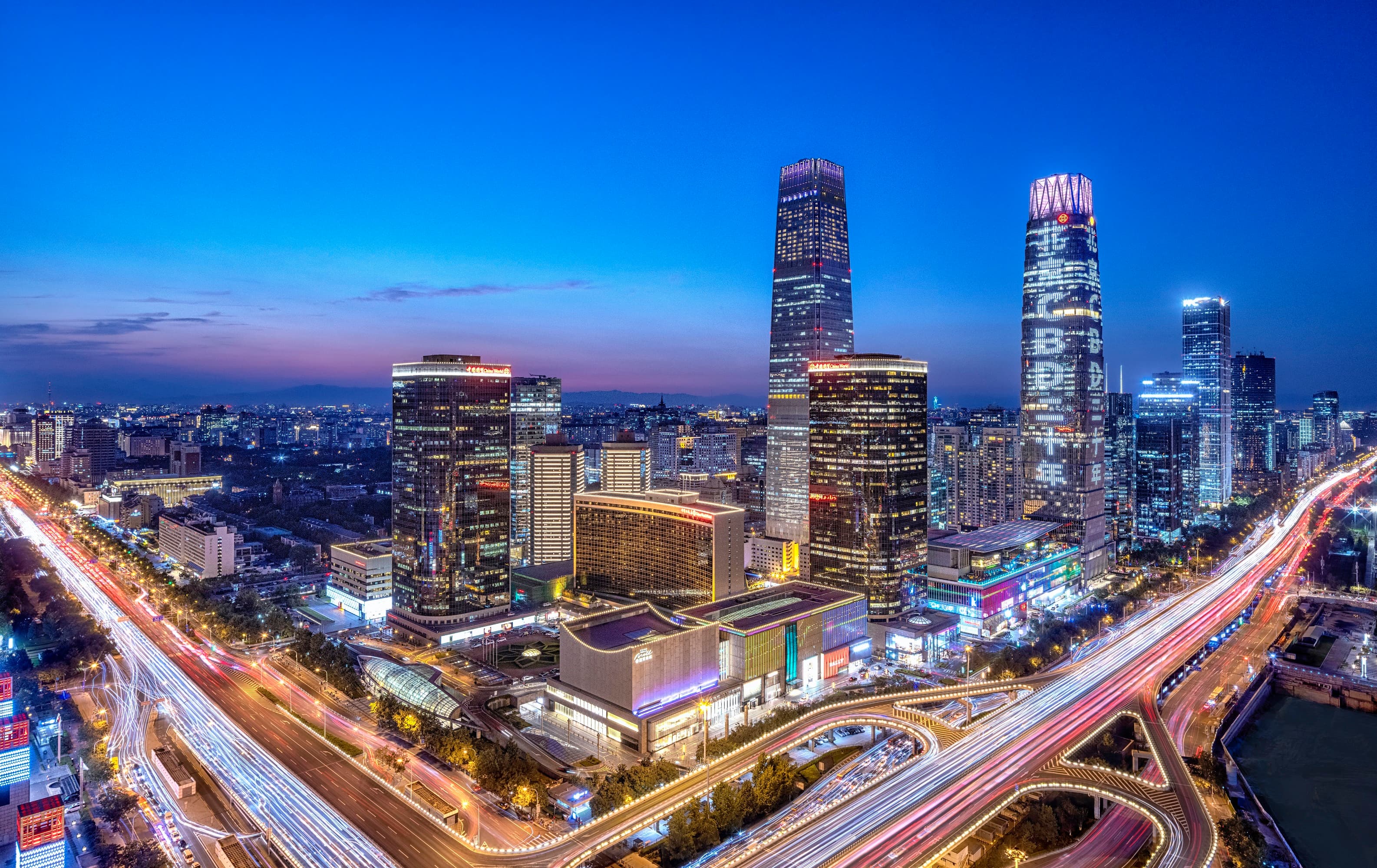
If the chaotic pulse of the Guomao CBD feels overwhelming, the antidote awaits exactly 64 floors up. The check-in at China World Summit Wing isn't just an arrival; it’s an ascension. Stepping out of the elevator, the sudden drop in decibels is palpable, replaced by the hushed clinking of fine china in the Resident’s Foyer—a rare egalitarian perk where every guest, regardless of room category, enjoys complimentary coffee and snacks. Your sanctuary is likely a Premier Room, starting at a massive 55 square meters. Forget the generic beige of business hotels; here, deep red lacquer and mountain-mural headboards frame floor-to-ceiling windows that, on a clear day, turn the Forbidden City into a distant, terracotta toy set. The real draw for the wellness-obsessed, however, is CHI, The Spa on Level 77. While many spas dabble in 'Asian-inspired' treatments, CHI commits to the bit with LVMH’s Cha Ling brand, utilizing Pu’er tea extracts for a detox that feels less like a facial and more like a TCM reset. Dinner requires a descent—but only by one floor—to Grill 79, where the Tomahawk steak is excellent, though the view of the Third Ring Road traffic snaking silently below is the real showstopper. Cap the night at Atmosphere on Level 80; the single malts are precise, but the 'starry' ceiling competes with the actual city lights. It’s not just a hotel; it’s a high-altitude fortress of solitude.
“Request a West-facing room on floors 70+ for the best chance of spotting the Forbidden City through the smog; for pool users, the infinity pool on Level 78 is emptiest during the 6 PM dinner rush.”
Insider TipAvg. Nightly Rate
231USD
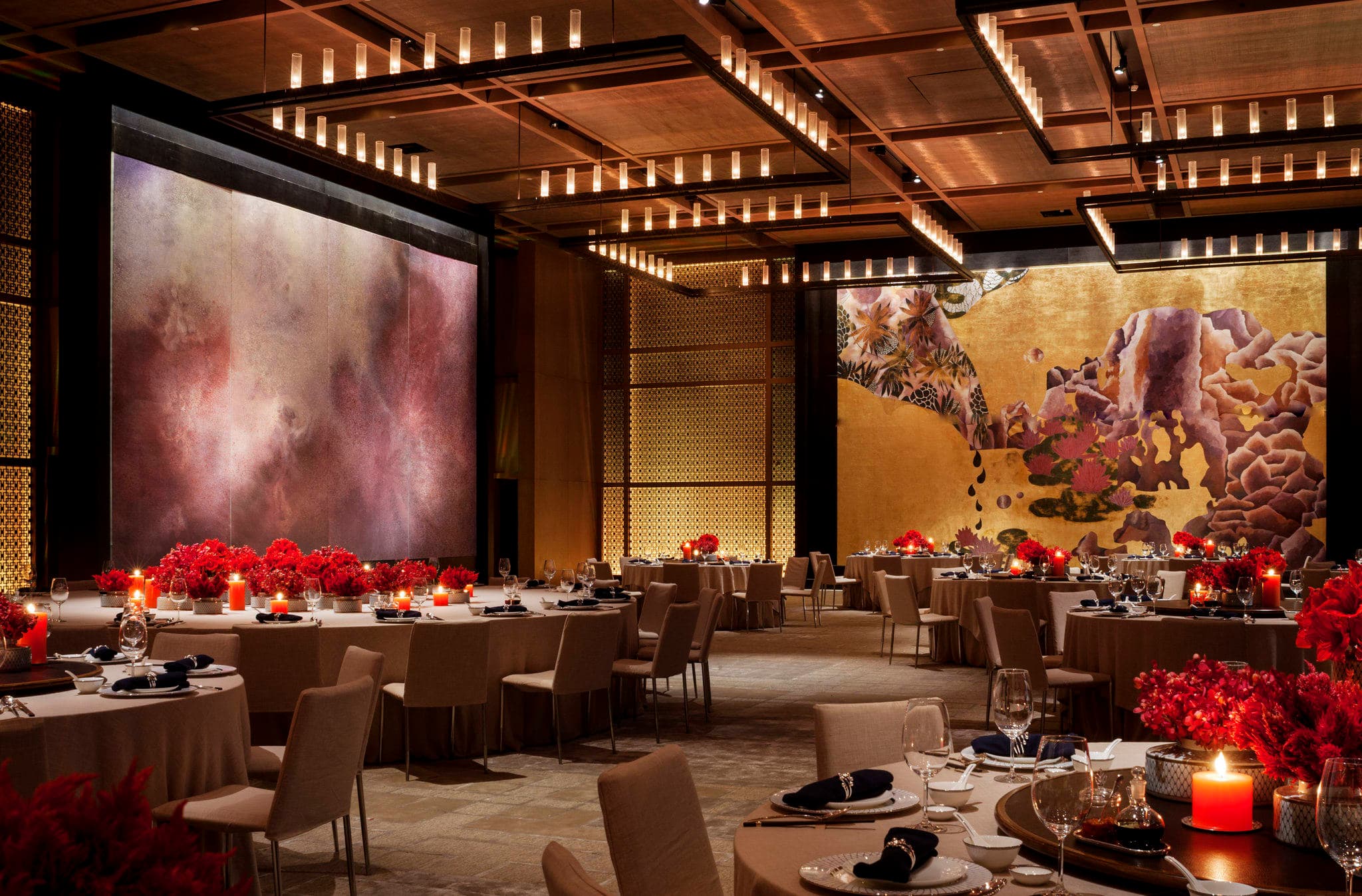
Forget the forbidden; this is the permitted indulgence. While Beijing hums with the electric freneticism of the CCTV Tower next door, Rosewood Beijing operates on a frequency of deep, resonant calm. It begins at the entrance—guarded not by velvet ropes but by towering bronze 'Sons of Dragon' sculptures—and deepens as you ascend into what feels less like a hotel and more like the private manor of a remarkably well-traveled diplomat. The residential concept is executed with surgical precision: 600-thread count Frette linens, bespoke Lorenzo Villoresi amenities, and actual books you’d want to read. But we are here for the *Qi*. The Sense Spa is a legitimate sanctuary, not just a basement with candles. The 'Lost Remedies' program is the real draw—I tested the 90-minute 'Empress Dowager Cixi Facial'. It involves a jade roller technique that arguably does more for contouring than a month of retinol. Post-treatment, the 830-square-meter pool, domed and dripping with tropical foliage, makes you forget you’re in a northern metropolis. Dining matches the wellness in intent if not calories. Country Kitchen’s wood-roasted duck revives lost Northern recipes, while The House of Dynasties (Two Michelin Keys, thank you very much) serves Cantonese soul food like fish maw soup that feels restorative. Verdict? A sophisticated urban reboot that takes its history seriously, but not itself.
“Skip the standard booking and secure a Manor Club room. The executive lounge features a dedicated butler, free-flowing champagne, and a library terrace that offers the single best sunset view of the CCTV headquarters.”
Insider TipAvg. Nightly Rate
360USD