No. 01
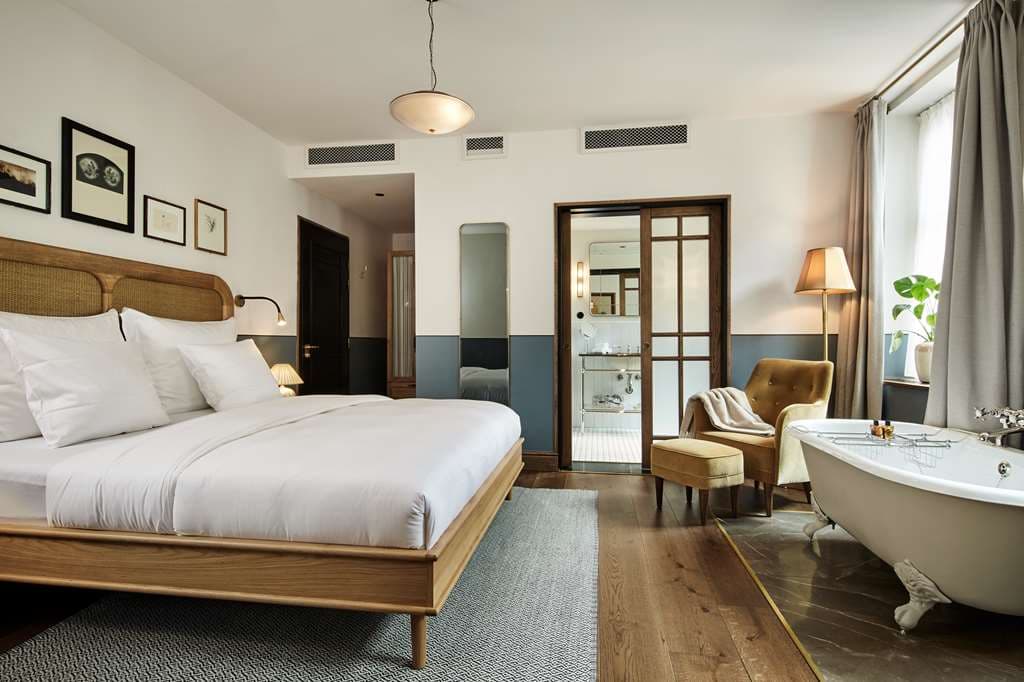
TORDENSKJOLDSGADE 15 COPENHAGEN DK Copenhagen621 verified reviews
9
.0
Bitvoya Edit
Layering imagery, place, and detail before the page opens.
Copenhagen is not merely a capital city; it is a living museum of functionalist beauty and the epicenter of Mid-Century Modern design. For the discerning traveler, staying in Copenhagen offers a unique opportunity to inhabit spaces created by legends like Arne Jacobsen. Our curated collection invites you to explore properties that blend historical significance with contemporary luxury. From the bustling streets of Indre By where the Nobis Hotel stands, to the waterfront charm of Nyhavn housing the 71 Nyhavn Hotel, and the sophisticated vibes of Vesterbro near Villa Copenhagen, these hotels are more than just places to sleep—they are cultural landmarks.
Whether you are drawn to the world's first design hotel, the Radisson Collection Royal, or the seaside serenity of Kurhotel Skodsborg, each property narrates a story of Danish craftsmanship. Immerse yourself in the timeless elegance of the mid-20th century, redefined for the modern luxury traveler.
Copenhagen is rightfully revered as the cradle of Scandinavian design. The Mid-Century Modern movement here wasn't just a trend; it was a fundamental shift in lifestyle that prioritized functionalism, simplicity, and organic forms. Staying in properties like the Radisson Collection Royal Hotel—celebrated as the world's first design hotel designed entirely by Arne Jacobsen—allows travelers to physically inhabit a piece of art. Unlike museums where you can only look, these hotels invite you to sit in an original Egg Chair, touch the warm teak wood finishes, and experience the 'Hygge' atmosphere that these architectural masters intended.
Guests should anticipate a seamless blend of heritage and high-tech convenience. In hotels like Hotel Sanders and NH Collection Copenhagen, the mid-century aesthetic is preserved through curated vintage furniture, bespoke lighting, and tactile materials like velvet, leather, and wood. However, the service and amenities are thoroughly modern. Expect sustainable practices—a core tenet of Danish hospitality—alongside world-class gastronomy. These 'masterpieces' are not frozen in time; they are vibrant social hubs where the lobby areas often serve as living rooms for both locals and international guests, fostering a sophisticated yet relaxed social scene.
The Radisson Collection Royal Hotel is widely considered the most iconic. Designed by Arne Jacobsen in 1960, it is the world's first design hotel, featuring famous furniture pieces like the Egg and Swan chairs created specifically for the property.
Yes, most listed properties like Nobis Hotel, Hotel Sanders, and Villa Copenhagen are located in Indre By (Inner City) or Vesterbro, providing easy walking access to Tivoli Gardens, Nyhavn, and major shopping streets.
Absolutely. While they preserve the mid-century aesthetic, properties like NH Collection and Villa Copenhagen offer luxury amenities including high-speed Wi-Fi, modern spa facilities, air conditioning, and sustainable dining options.
Explore our complete curated list of luxury accommodations, from boutique hideaways to grand dames.
Explore All Copenhagen HotelsForget the clinical minimalism often mislabeled as ‘Scandi-chic.’ Hotel Sanders, the brainchild of former Royal Danish Ballet principal Alexander Kølpin, is a moody, mid-century set piece where you are the protagonist. Located a pirouette away from the Royal Theatre, the interiors by Lind + Almond eschews stark white walls for a warmer, tactile nostalgia. Think rattan-clad joinery, aged velvet upholstery, and a palette that borrows from the 1950s rather than the 2020s. The entry-level ‘Coupé’ rooms are admittedly intimate—inspired by luxury train cabins, they pack high design into 12 square meters, featuring bespoke carpentry and complimentary minibars stocked with curated snacks. It’s a bold spatial gamble that pays off for the solo traveler but might test a couple with heavy luggage. The real drama, however, happens downstairs. The TATA Cocktail Bar, with its heavy red curtains and vintage glassware, serves a TATA Old Fashioned that rivals any in London or New York. Breakfast at Sanders Kitchen is a laid-back affair of trufflebikinis and organic produce, devoid of the usual buffet chaos. Verdict? A masterclass in atmospheric luxury that trades square footage for soul.
“Skip the street-level tables and head straight to the Rooftop Conservatory for your evening drink; it’s an unpretentious, glass-encased hideout that feels like a wealthy friend’s greenhouse.”
Insider TipAvg. Nightly Rate
327USD
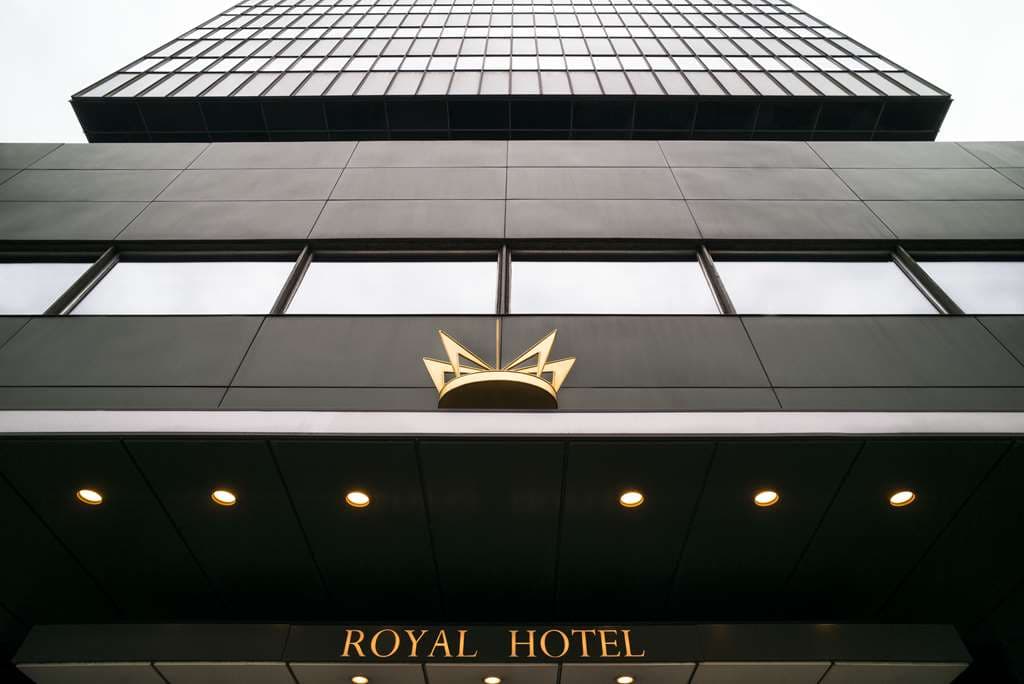
It is easy to forgive the Radisson Collection Royal Hotel its quirks; you are, after all, sleeping inside a piece of art. Designed by Arne Jacobsen in 1960 as the world’s first design hotel, this tower anchors the Vesterbro district like a modernist sentinel. The lobby is a pilgrimage site, dominated by the suspended spiral staircase and original Egg and Swan chairs that feel more like sculptures than seating. Upstairs, the experience is a study in mid-century authenticity—sometimes to a fault. The standard rooms retain their 1960s footprints, meaning they are compact (approx. 20 sqm) and bathrooms can feel tight for two. However, the renovation has refreshed the interiors with a moody, cosmopolitan gloss, and the skyline views over Tivoli Gardens are unmatched. Dining at ‘ISSEI Copenhagen’ offers a sharp pivot from Danish tradition with its Peruvian-Japanese Nikkei menu—the Salmon Tataki is a standout. While it lacks a pool, the SATS gym is functional. Service has seen a recent boost, earning the hotel the 'Art of Hospitality' award at the 2024 European Hotel Awards. **Verdict**: A non-negotiable stay for design purists; others might find the historic dimensions testing.
“Book a 'Corner Room' for dual-aspect views of the city and Tivoli, or request a tour of the preserved Room 606 to see the original 1960 decor untouched.”
Insider TipAvg. Nightly Rate
186USD
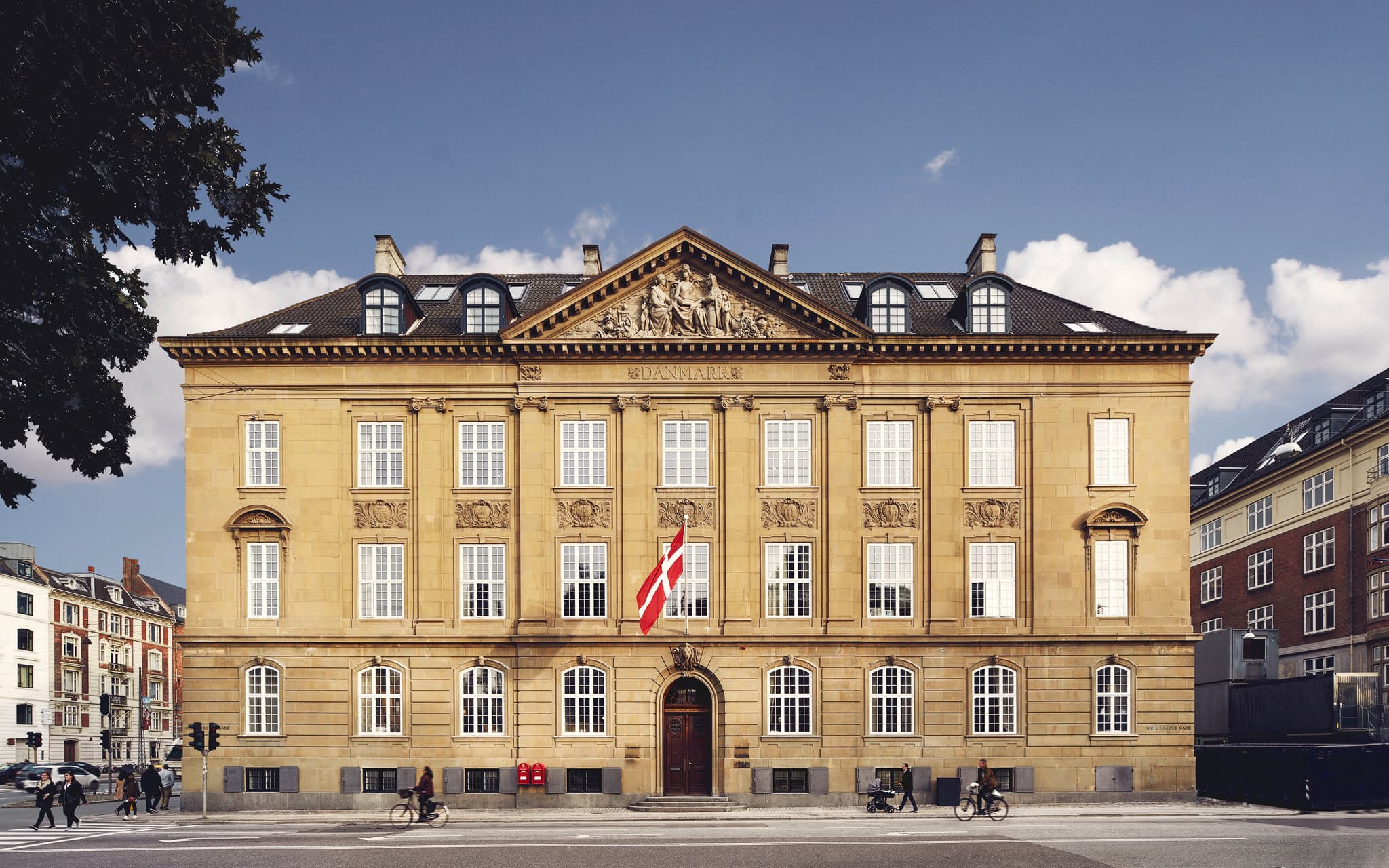
It takes a certain bravado to pour concrete into a 1903 landmark that once housed the Royal Danish Conservatory of Music, but Swedish architect Gert Wingårdh has never been one for half-measures. At Nobis Hotel Copenhagen, the result is a masterclass in tension: the grand, historic shell of the building clashes brilliantly with a fiercely contemporary, almost brutalist interior. It’s a design gamble that has paid off, recently earning the property a coveted **One Michelin Key**. The rooms are a study in Scandinavian restraint—perhaps too much restraint for some. Entry-level quarters are tight (a mere 18 square meters), but what they lack in footprint, they make up for in verticality and finish. Soaring ceilings, chevron parquet floors, and beds topped with DUX mattresses make the space feel tailored rather than cramped. The bathrooms are the real stars, clad floor-to-ceiling in Bardiglio gray marble and stocked with Byredo amenities that scent the air with a distinct, woody sophistication. Downstairs, Restaurant NOI offers a respite from the stark minimalism. Here, the vibe is darker and sexier, with a menu that leans heavily into modern European comfort. Order the signature Nobis beef tartare with rye bread crumble—it is textural perfection. While the service adheres to the "Nordic cool" school (efficient, polite, but rarely effusive), the location—flanked by Tivoli Gardens and the Ny Carlsberg Glyptotek—is unbeatable. This is Copenhagen distilled: sharp, stylish, and unapologetically cool.
“Skip the entry-level 'Superior' rooms if you are traveling with more than a carry-on. Book a 'Deluxe' room or higher to secure a window seat overlooking the Glyptotek.”
Insider TipAvg. Nightly Rate
400USD
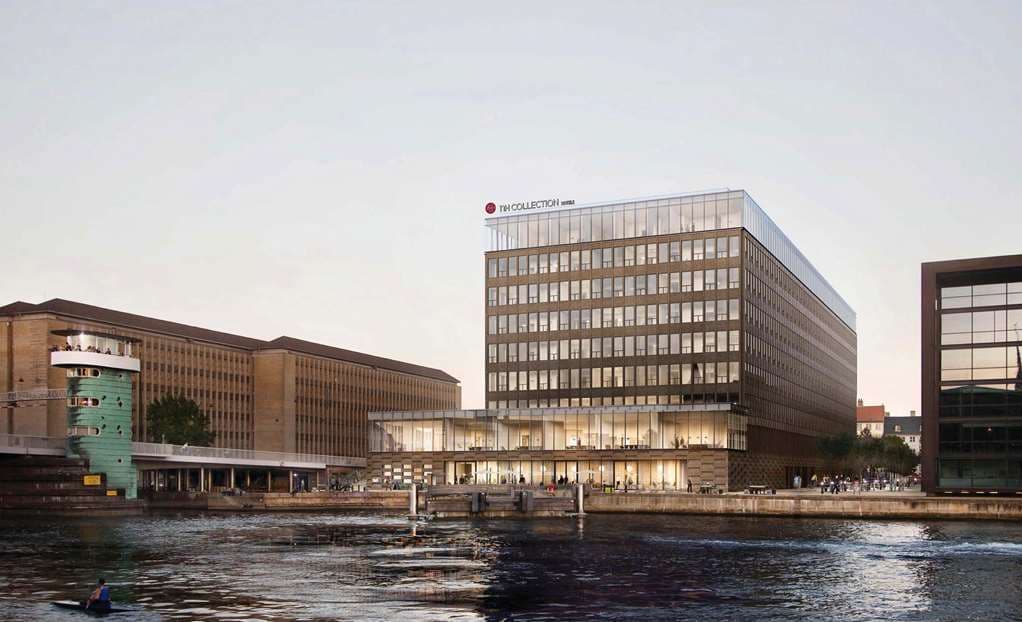
If Palle Suenson’s 1962 brutalist landmark—affectionately dubbed the 'Desert Fort' (Ørkenfortet)—was originally designed to keep secrets as a shipyard headquarters, its current incarnation as the NH Collection Copenhagen is intent on shouting its virtues from the rooftops. The transformation is striking. You enter not into a standard lobby, but an architectural statement: a dramatic escalator ride beneath Anna Bak’s suspended sculpture, transporting you from the gritty harborside street level into a realm of polished International Style. The guest rooms respect the building's rigid, piano-key facade, offering framing that turns the Christianshavn canal traffic into live art. However, form occasionally bullies function; the wardrobes are notoriously compact—barely sufficient for a weekend’s worth of layers—and the climate control can be temperamental. But these are architectural quirks easily forgiven once you ascend to the top floor. While the ground-floor 'Tablafina' offers credible Spanish tapas with a Nordic twist, the hotel’s pulse beats strongest at ROOF. It is here, flanked by the city’s iconic verdigris copper spires, that the property flexes its social muscles. Skip the standard G&T for a 'Nasty slider' and lobster croustades as the sun dips below the skyline. It’s a masterful pivot from administrative austerity to the city’s premier sundowner spot, proving that even a fortress can learn to have fun. Just don't look for a pool; the harbor is your cold plunge.
“Request a 7th-floor corner room for dual-aspect views that frame both the Knippelsbro bridge and the city spires.”
Insider TipAvg. Nightly Rate
154USD
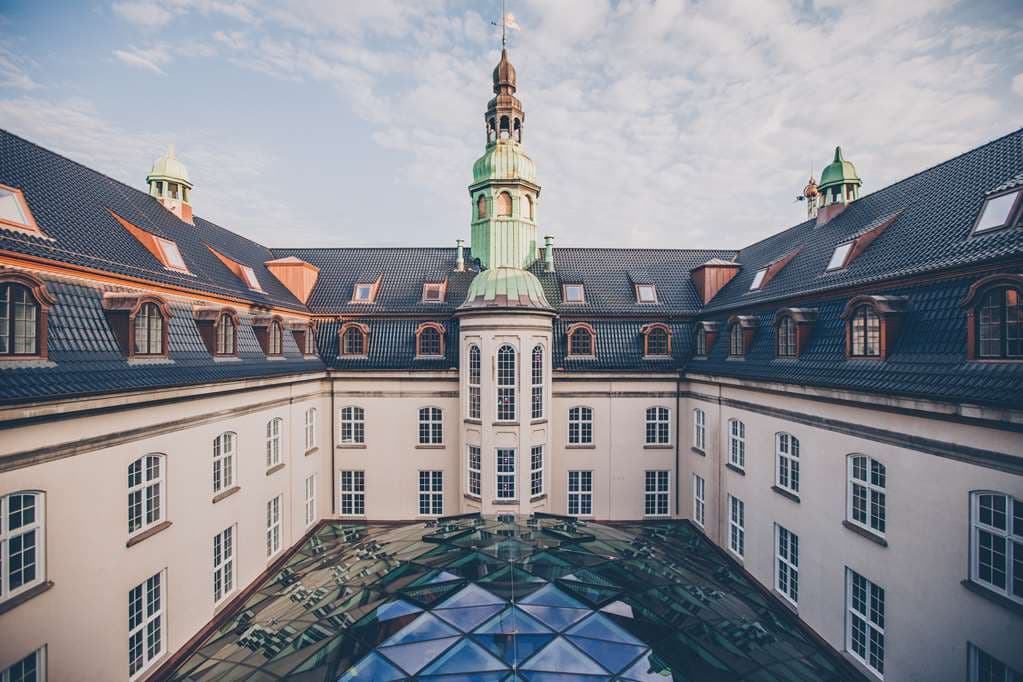
If the 1912 Central Post Office was where Danes once sent love letters, Villa Copenhagen is where they now send Instagram stories. This isn't just a hotel; it’s a masterclass in adaptive reuse, transforming a Neo-Baroque fortress into a 'conscious luxury' playground. The design narrative here is a sharp dialogue between the heavy, heritage brickwork and the light, functionalist interiors that define Danish Modernism. The heart of the operation is the Courtyard—a massive, glass-roofed atrium that feels less like a lobby and more like the city's most stylish living room. While the public spaces scream grandeur, the standard rooms whisper 'compact efficiency'—a polite way of saying they are tight (approx. 20 sqm). Smart travelers book the Deluxe category to breathe. Inside, the aesthetic is fiercely Nordic: high ceilings, massive windows, and Skandinavisk amenities that scent the air with notes of pine and boreal forests. The rooftop lap pool, heated by the building’s excess energy, is the visual hero, but the real pilgrimage site is the ground-floor Rug Bakery for their legendary 'Kanelsnegle' (cinnamon snails). Service can be charmingly sporadic during rush hour—a side effect of its immense popularity—but for a stay that feels plugged directly into the current of Copenhagen, the Villa is unbeatable. Winner of 'Denmark's Leading Hotel 2025' for good reason.
“Standard rooms are cozy to a fault. Upgrade to a 'Superior Plus' or 'Deluxe' for actual suitcase space. Also, the rooftop pool is busiest at sunset; go at 7 AM for a solitary swim.”
Insider TipAvg. Nightly Rate
213USD
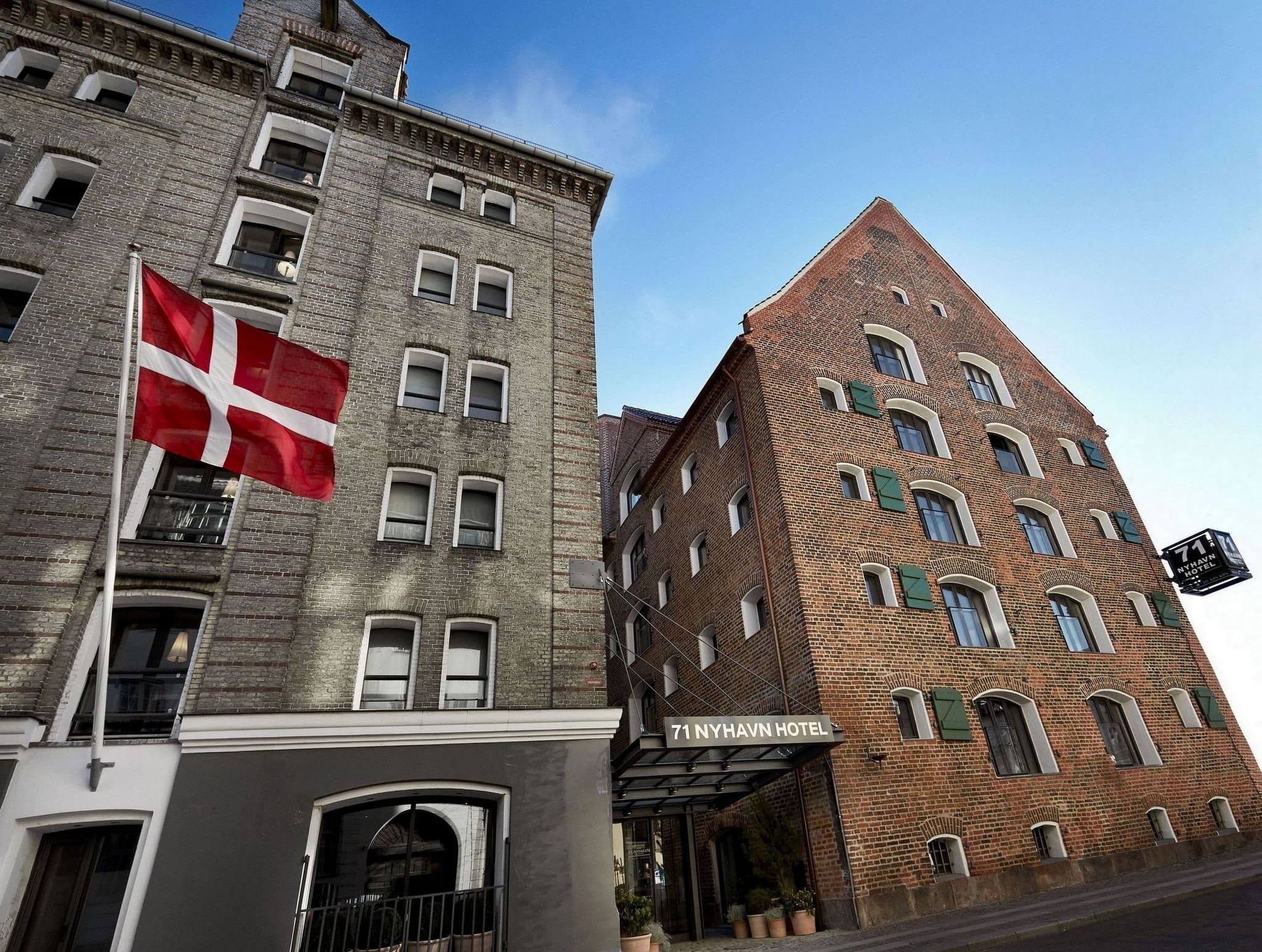
While the tourist hordes selfie their way down the candy-colored Nyhavn canal, 71 Nyhavn Hotel sits smugly at the quiet end of the quay, a red-brick refuge from the chaos. Housed in two converted warehouses from 1805 and 1830, this property doesn’t just lean into its history; it frames it in Pomeranian pine. The interiors are a masterclass in Danish restraint—think exposed rustic beams slicing through whitewashed rooms, curated COBRA avant-garde art, and Carpe Diem beds that make jet lag feel like a luxury. Base rooms are admittedly compact—a common Copenhagen trade-off for heritage architecture—but the trade-up to a Junior Suite nets you Nespresso machines and harbor views that justify the price tag. Dining is surprisingly global for such a hyper-local setting: 'Il Rosmarino' serves a Filetto di Manzo that rivals Milan’s best, while 'SEA by Kiin Kiin' brings high-end Thai heat to the waterfront. Breakfast is the real scene-stealer, though; the 'Morning Stories' buffet rejects the standard continental sad-spread in favor of homemade pancakes and local organic cheeses worth waking up for. Service is swift, Scandinavian, and devoid of stiff formality.
“Request a room in the Red Warehouse (built 1805). It houses the Deluxe rooms and Suites, offering the best combination of original exposed beams and unobstructed views of the Royal Opera House across the water.”
Insider TipAvg. Nightly Rate
198USD
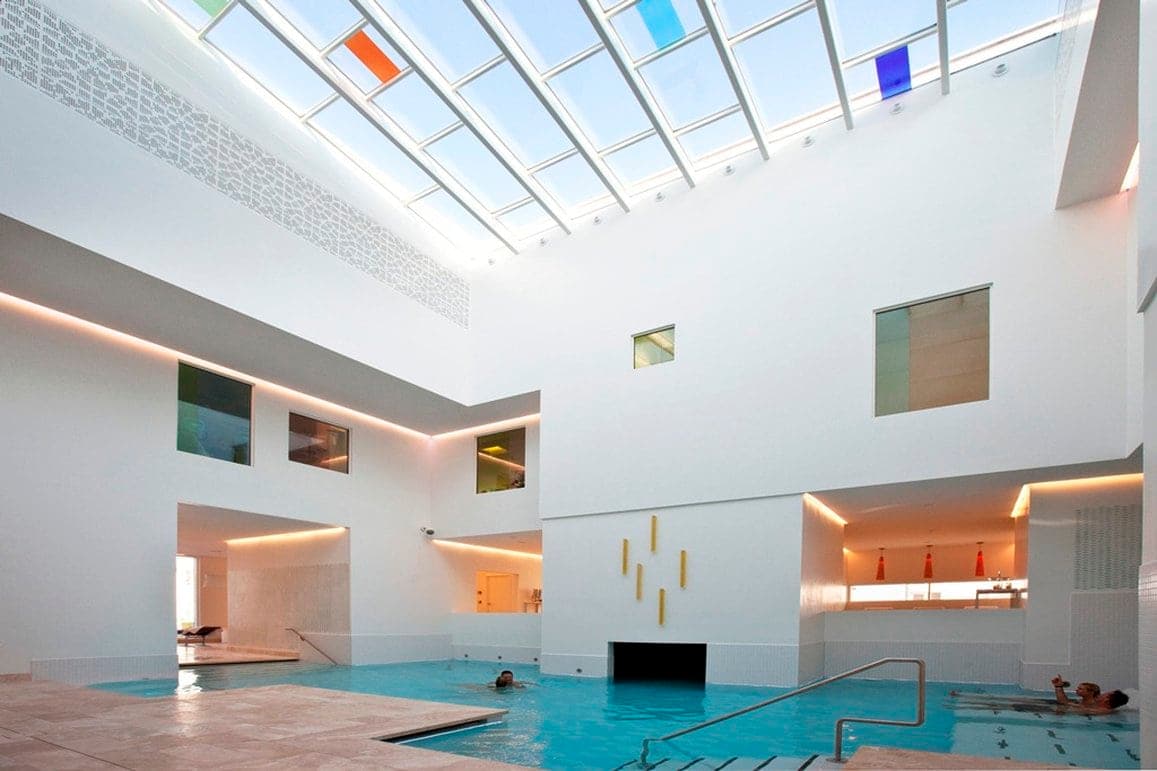
Kurhotel Skodsborg is less a hotel and more a temple to the Nordic body. Originally founded in 1898 by Dr. Carl Ottosen as a sanatorium, the property retains a clinical—yet luxurious—white-walled purity, now aggressively modernized by a striking spa extension from Henning Larsen Architects. The design ethos is strict Functionalism: clean lines, abundant natural light, and a seamless flow between the deer-filled Dyrehaven forest and the sea. Do not expect sprawling suites in the standard category; the rooms here are intentionally modest, bordering on monastic. They serve as mere recharging stations between bouts of wellness. The real square footage is dedicated to the spa, a concrete-and-glass cathedral featuring 16 distinct thermal experiences. The 'SaunaGus' (mist ceremony) is non-negotiable—a sensory theatre of essential oils and heat that leaves you pliable enough for the inevitable plunge off the private jetty into the biting Baltic water. Dining at Brasserie Carl feels appropriately virtuous without sacrificing flavor. The signature fried plaice fillet with marinated shrimp is a study in texture, while the organic breakfast spread puts continental buffets to shame with its dense ryes and high-quality local dairy. Service can occasionally falter with a distinctly Danish casualness—you might wait a beat too long for a check—but the staff’s genuine warmth usually compensates. Skodsborg isn't for the guest who wants to lounge in bed all day; it’s for the urbanite seeking a high-design reboot.
“Book your 'SaunaGus' session immediately upon check-in as slots vanish quickly. Post-steam, skip the room service and grab a Paleo sandwich at The Lobby.”
Insider TipAvg. Nightly Rate
279USD