No. 01
No 57 Changsheng Road. Hangzhou China 310006Hangzhou57 verified reviews
8
.8
Bitvoya Edit
Layering imagery, place, and detail before the page opens.
Hangzhou is not merely a city of scenic lakes and tea plantations; it is a canvas where history and modernity blend seamlessly. Our collection, 'Hidden Ateliers,' curates the finest art-centric boutique stays that serve as gateways to the city's soul. From the misty tranquility of the Xixi National Wetland Park, home to the serene Hangzhou Xixi Jingshun Rezen Hotel and The Lucid Resort Xixi, to the bustling heritage of the West Lake District where the Chaptel Hangzhou stands as a testament to Shikumen architecture, these properties are destinations in themselves. Whether you seek the republican-era elegance of Hangzhou The New Hotel near the Broken Bridge or the secluded luxury of Seven Villas Hangzhou, each stay promises an immersive artistic journey.
Hangzhou has long been a retreat for poets, artists, and emperors. Today, this legacy translates into a hospitality scene that values aesthetics as much as comfort. Choosing a 'Hidden Atelier' stay means immersing yourself in properties that are curators of culture. Unlike standard luxury chains, hotels like Tsingpu Hangzhou Retreat offer cultural immersion activities ranging from tea ceremonies to calligraphy. These boutique stays act as galleries, showcasing local craftsmanship, Song Dynasty architectural influences, and contemporary art installations. Whether it is the preserved brickwork of Chaptel Hangzhou or the eco-conscious design of SSAW Boutique Hotel Hangzhou Xixi Park, these accommodations offer a deeper narrative of the city.
Expect an experience that transcends the ordinary. In Hangzhou’s art-centric hotels, the lobby is often a library or an exhibition space. Rooms are designed with a keen eye on texture and light—think silk tapestries, bamboo flooring, and floor-to-ceiling windows framing garden views. Service is personalized; concierges at places like Hangzhou Xixi Jingshun Rezen Hotel often act as local culture guides. Dining is also an art form, with on-site restaurants serving delicate Hang帮 (Hangzhou) cuisine that emphasizes fresh, seasonal ingredients from the surrounding lakes and hills.
For art enthusiasts, Chaptel Hangzhou offers a deep dive into Shikumen architectural history, while Tsingpu Hangzhou Retreat provides curated cultural activities. The Lucid Resort Xixi offers a nature-integrated artistic experience.
Xixi National Wetland Park is the ideal area for a quiet, secluded retreat. Hotels like The Lucid Resort Xixi and SSAW Boutique Hotel Hangzhou Xixi Park are located within or near the park, offering tranquility away from the city center.
Yes, Hangzhou The New Hotel is a prominent heritage property dating back to the Republic of China era, located right by West Lake. Chaptel Hangzhou is another heritage option featuring traditional Shikumen style villas.
Explore our complete curated list of luxury accommodations, from boutique hideaways to grand dames.
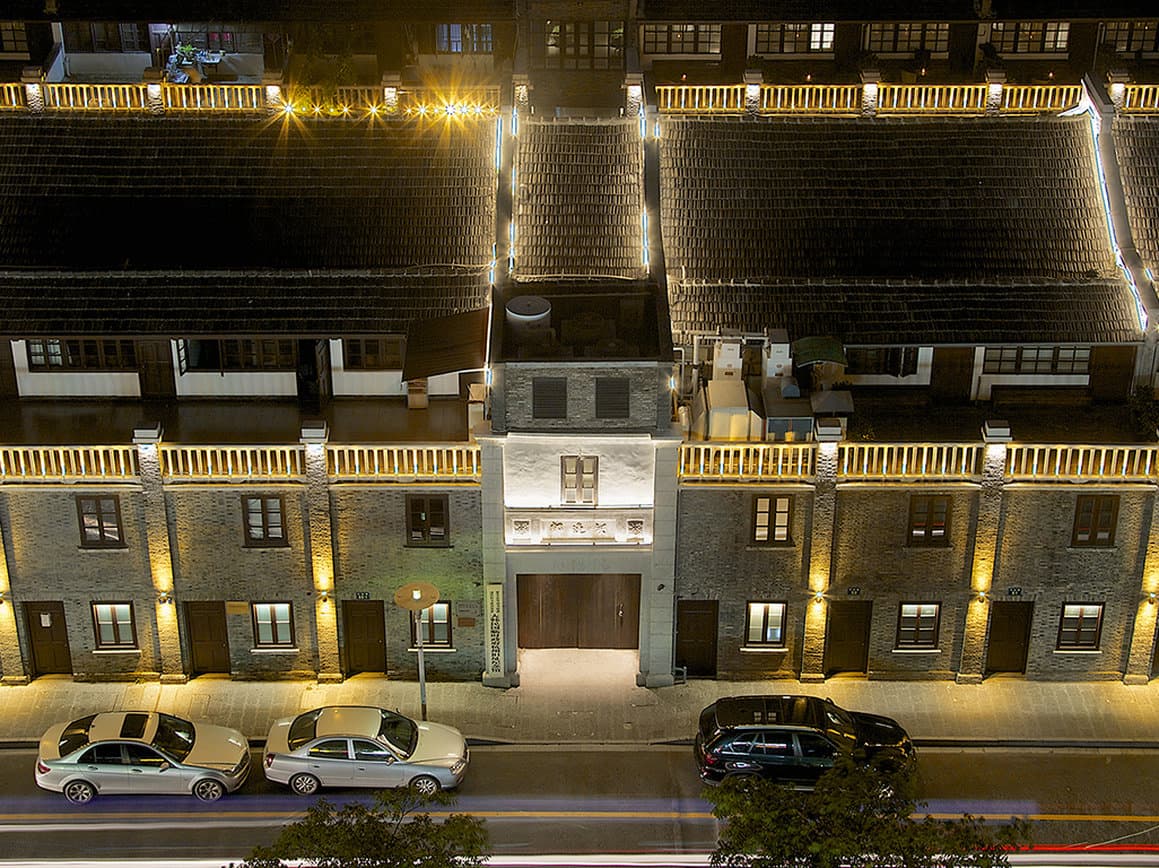
Explore All Hangzhou HotelsForget the cookie-cutter glass towers. Chaptel Hangzhou is a moody, cinematic time capsule anchoring the edge of the frantic Kerry Centre. Occupying a cluster of restored 1930s Shikumen villas, this property trades lobby excess for grey-brick austerity and lantern-lit alleys that feel ripped from a Wong Kar-wai set. The silence here is heavy, broken only by the click of your butler's shoes on the stone pavement. Inside, the all-suite layout mocks the cramped quarters of nearby competitors. We’re talking cathedral ceilings, wrought-iron balconies, and dark wood furniture that demands a scotch in hand. Bathrooms are stocked with Molton Brown amenities, a sharp modern counterpoint to the vintage architecture. Dining is equally serious: Le Lotus serves a Pan-fried Foie Gras that justifies the calorie count, while Xike Hall’s British afternoon tea draws the local fashion set. Service is Relais & Châteaux standard—telepathic rather than intrusive. **Verdict**: A sophisticated heritage stay that offers the ultimate luxury in modern China: absolute silence.
“Request a second-floor suite in the 'E' block for a private balcony overlooking the slate rooftops—perfect for morning espresso.”
Insider TipAvg. Nightly Rate
270USD
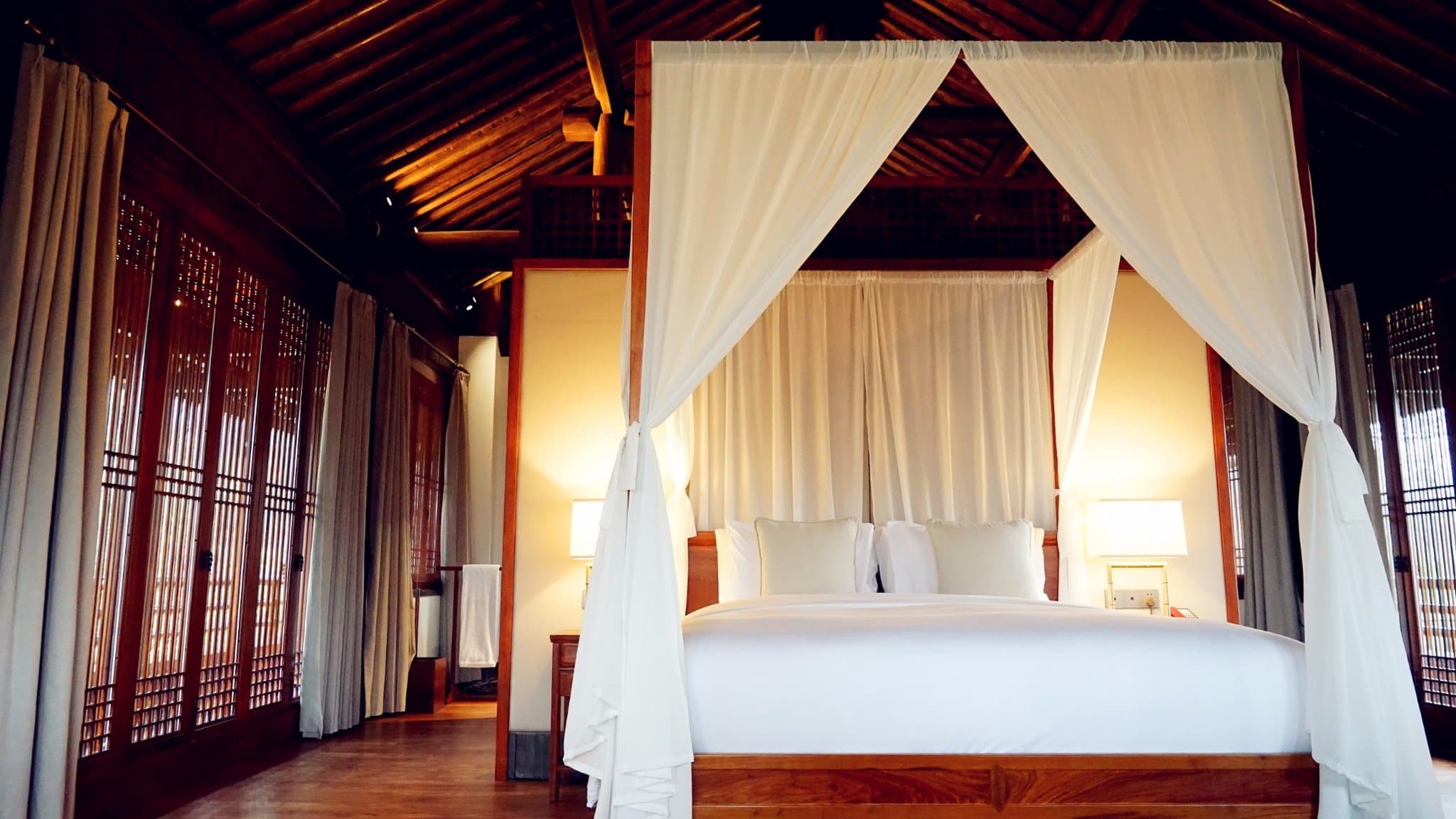
Forget the gilded lobbies of Hangzhou’s grand dames; Seven Villas is where the city’s cognoscenti go to disappear. Tucked inside the Maojiabu tea fields, this Relais & Châteaux property feels less like a hotel and more like a Song Dynasty scholar’s private compound—if that scholar had a penchant for heated floors and Dyson hair dryers. The absence of a swimming pool is a deliberate flex, ensuring the soundtrack is strictly rustling bamboo rather than splashing toddlers. The 48 villas are exercises in voyeuristic restraint; floor-to-ceiling glass walls invite the forest inside, though the path-facing rooms require strategic blind management. But the real draw is the pilgrimage-worthy dining. You are essentially sleeping at the backdoor of Jie Xiang Lou, a Michelin 1-star heavyweight where the Golden Medallion Wagyu and Veggie Beggar’s Purse justify the room rate alone. Service is 'shadow' style—invisible until you need a golf cart or a reservation modification. It is moody, expensive, and utterly devoid of gimmicks.
“Book the 'Xanadu' or 'Villa' categories for maximum seclusion; standard rooms can feel exposed to the pathways. Pre-book your spa treatment at Xiaoqing Spa—the TCM-inspired massages are legitimate.”
Insider TipAvg. Nightly Rate
625USD
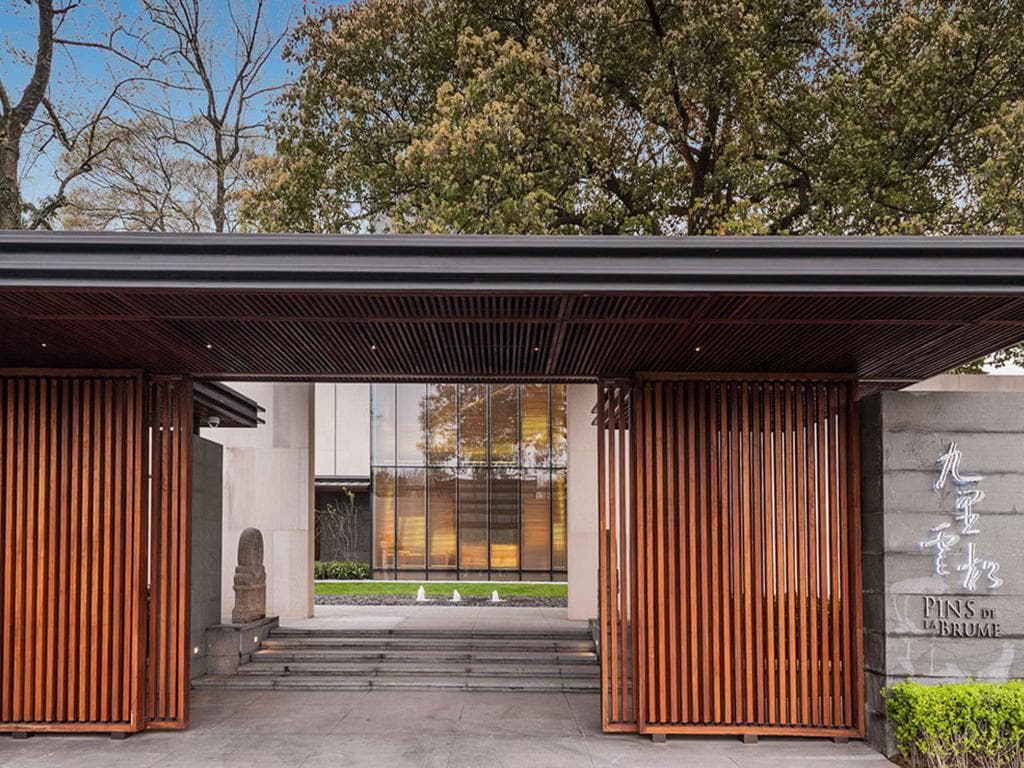
Forget the grandiose West Lake resorts where the lobby doubles as a railway station. Pins De La Brume (Jiuli Yunsong) is an exercise in subtraction. Hidden on Lingyin Road, this property feels less like a hotel and more like a wealthy curator’s private sanctuary. The architecture is a moody dialogue between raw concrete, glass, and the surrounding ancient pines, creating a visual silence that is rare in this city. The 42 rooms are minimalist without being barren, featuring blond wood interiors and Le Labo amenities that actually reinforce the hotel's 'La Parfum' concept rather than just checking a luxury box. Dining at Tianxiang is a serious affair; while the West Lake Vinegar Fish is the obligatory local homage, the Crispy Beef Ribs with Lime are the technical marvel you should actually order. The downside? The isolation is real. Getting a Didi here is a competitive sport, and the WiFi often enforces an involuntary digital detox. But if you view the unheated outdoor pool as a 'water mirror' for meditation rather than a place to swim laps, you’ll understand the assignment perfectly.
“Book a Garden Suite on the ground floor for direct courtyard access, but bring your own mobile hotspot—the in-house WiFi struggles with non-Chinese numbers.”
Insider TipAvg. Nightly Rate
180USD

Forget the crowded banks of West Lake; the real pulse of Hangzhou’s heritage beats fifty kilometers away in Fuyang. Tsingpu Hangzhou Retreat is not merely a place to sleep—it is a habitable lesson in 'wabi-sabi' rigor. The architecture, defined by raw rammed earth walls and stark minimalist lines, frames the surrounding bamboo forests like living artwork. There is no generic spa menu here. Instead, the property leans into its 'hidden atelier' concept, offering guests direct access to local craftsmanship. I spent my afternoon mastering ancient bamboo paper making—a tactile meditation far superior to a standard massage. The outdoor pool, shallow at 0.7 meters, functions less for laps and more as a reflecting basin for the mountains. Dinner at Tsingpu Kitchen is strictly farm-to-table. The Zhuangyuan Tofu is deceptively simple but texturally profound, while the Beggar’s Chicken arrives with theatrical, earthy aplomb. Service is handled by personal butlers who anticipate needs without hovering. This is a remote, deliberate disconnect from the modern world, requiring a private transfer to reach, but the payoff is absolute clarity.
“Book a room facing the 300-year-old Ginkgo trees for the best morning light, and don't skip the guided insect tracking if you're interested in the local ecosystem.”
Insider TipAvg. Nightly Rate
310USD
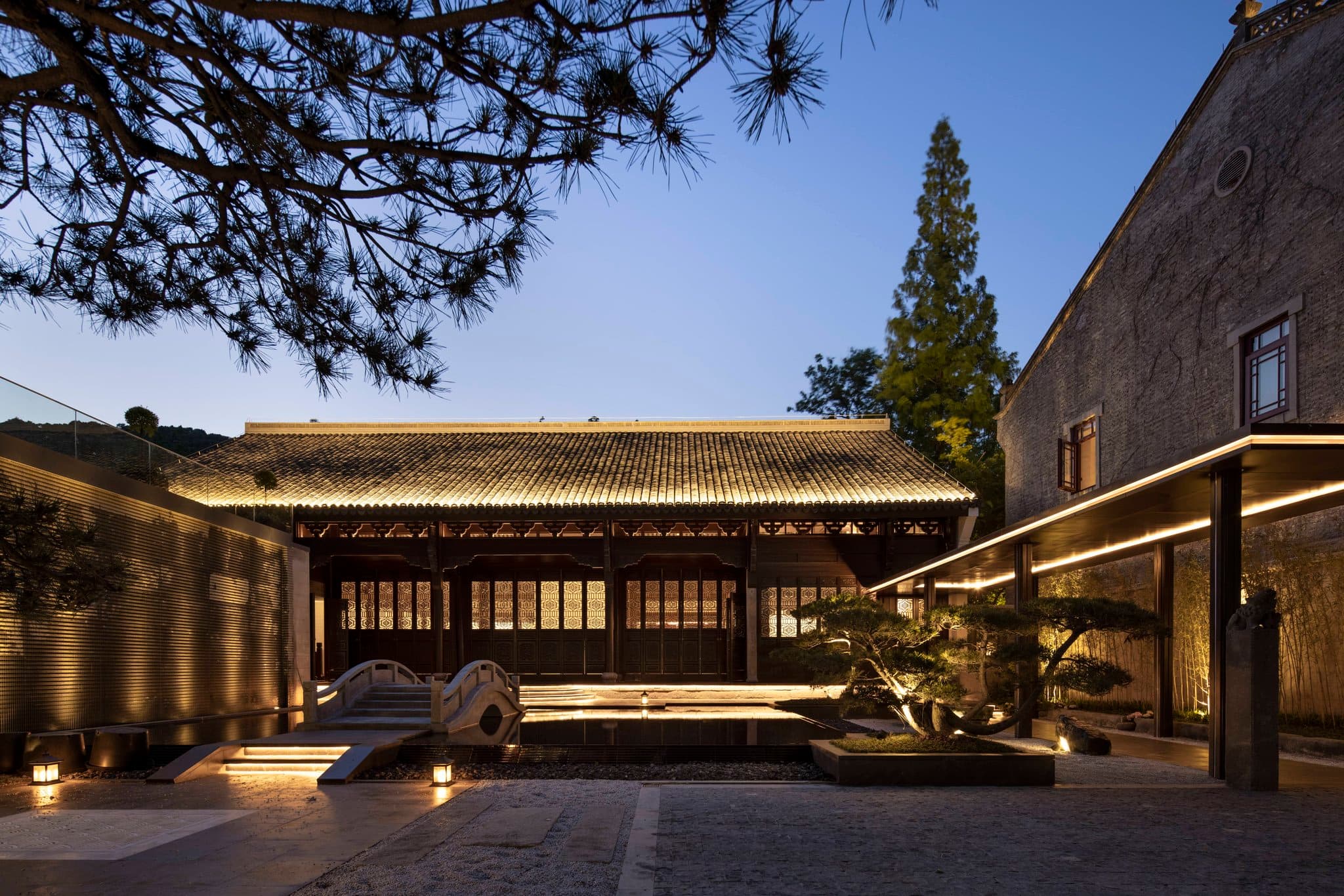
Forget the sprawling resorts; Qiushui Villa is a lesson in intimacy. Originally built in 1913 by newspaper tycoon Shi Liangcai for his muse, Shen Qiushui, this lakeside heritage site has been meticulously restored into a member of Small Luxury Hotels of the World. The juxtaposition is sharp and deliberate: century-old brickwork meets facial recognition entry. With only a dozen keys, the vibe is less 'hotel' and more 'private curator’s residence.' Inside the 'Wenqin Pavilion' suite, beige tones and a traditional guqin instrument anchor the space, offering a tactile connection to the villa's romantic past. The infinity pool, crowned by a surreal drip-shaped sculpture, offers a front-row seat to West Lake without the tourist jostle. Dining at 'In Villa' challenges the palate—order the fried crab with stinky tofu, a pungent yet sophisticated nod to Zhejiang innovation. Service is hyper-local and invisible; butlers don't just book tables, they arrange in-room chef services for a breakfast that feels like a performance. This is Hangzhou’s most sophisticated hideaway.
“Request the 'Evening Glow' room for a Master Hongyi-inspired Zen experience, complete with curated tea sets and rare books.”
Insider TipAvg. Nightly Rate
1450USD
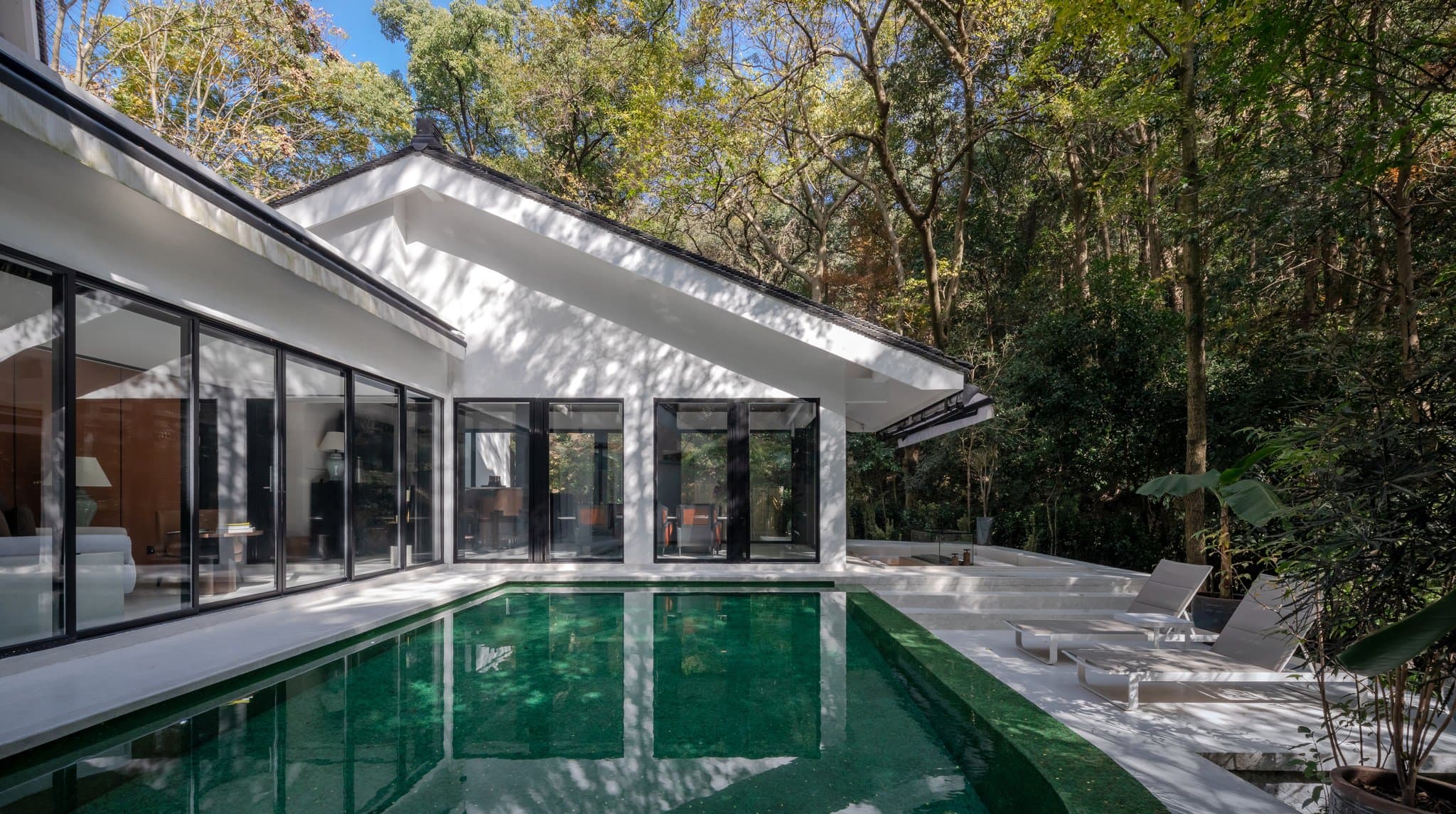
If the frenetic energy of West Lake feels like a contact sport, Vallie Hotel is the bench where you sit out the game in high style. Hidden within the rustling embrace of the Six Harmonies Pagoda park, this eight-room retreat isn’t just a hotel; it’s a masterclass in 'modest refinement.' The vibe? Think former tea farmer’s estate meets Milanese design studio. Exposed wooden beams frame spaces that feel curated, not decorated. The real flex here isn't the B&O sound system or the plush amenities; it’s the private dipping pools fed directly by the legendary Hupao Spring—the same water emperors allegedly coveted. Dining at Shijiu Gastro Lounge (L’éclat 19) is non-negotiable. The Fennel Caviar Tart is a texture bomb, and the Yellow Wine Scampi bridges French technique with Hangzhou soul. Service is telepathic via WeChat but invisible in person. It’s pricey, sure, but can you really put a price tag on not seeing another soul? Verdict: A design-forward hermitage for those who prefer trees to tourists.
“Book the ground-floor Courtyard Suite specifically for the direct forest access; the morning mist over the private Hupao spring pool is unmatched.”
Insider TipAvg. Nightly Rate
554USD
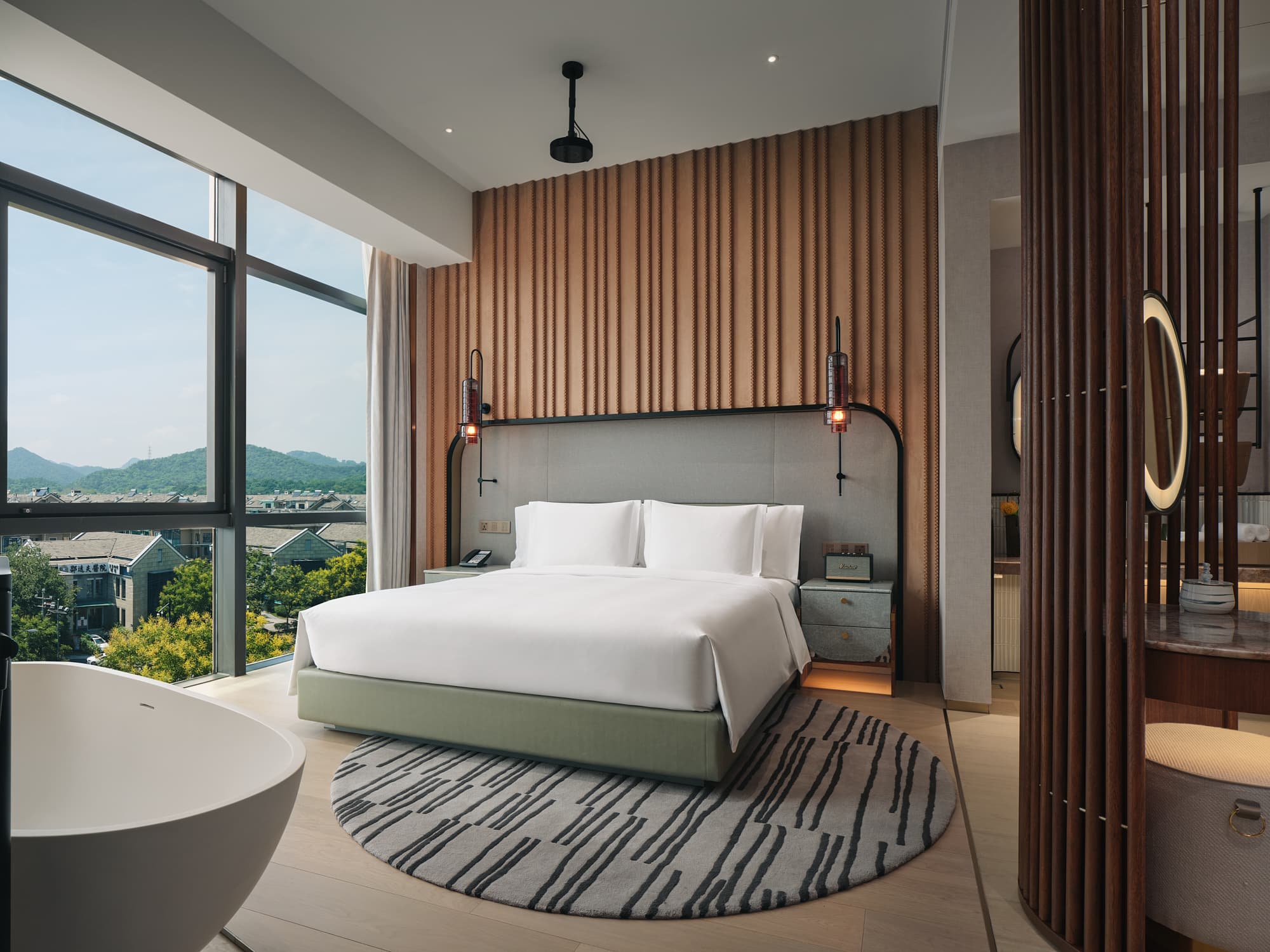
Forget the predictable lakeside resorts. The Hotel Indigo Hangzhou Uptown is a masterclass in spatial storytelling, anchored just steps from the Southern Song Imperial City ruins. Your arrival is a cinematic event: passing through the “Golden Avenue”—a shimmering entrance tunnel evoking the Lantern Festival—you aren’t just checking in; you’re stepping into a curated reimagining of 12th-century Lin’an. The interiors are a triumph of 'Neighborhood Story' curation, recently crowned a winner at the LIT Lighting Design Awards 2026. The lobby functions less like a waiting area and more like a scholarly retreat, but the visual anchor is in ING Restaurant, where a floor-to-ceiling movable-type printing wall pays homage to the era’s innovation. Rooms continue the narrative with 'Four Arts' motifs—calligraphy brushes and tea sets—balanced by modern necessities like free-flow minibars and plush 400-thread count linens. Service is the property’s quiet superpower (rated an exceptional 9.3), with staff who navigate quirks like the indoor pool’s mid-week maintenance with grace. End your night at ING Bar; the signature 'Yellow Rice Wine Tea Cocktail' is a complex, savory-sweet sip that perfectly bridges ancient poetry and modern mixology.
“The indoor pool is closed for maintenance Monday through Wednesday, so schedule your swim for the weekend. For the best local immersion, walk the 120m to Shuichengqiao Metro to explore beyond the immediate precinct.”
Insider TipAvg. Nightly Rate
109USD
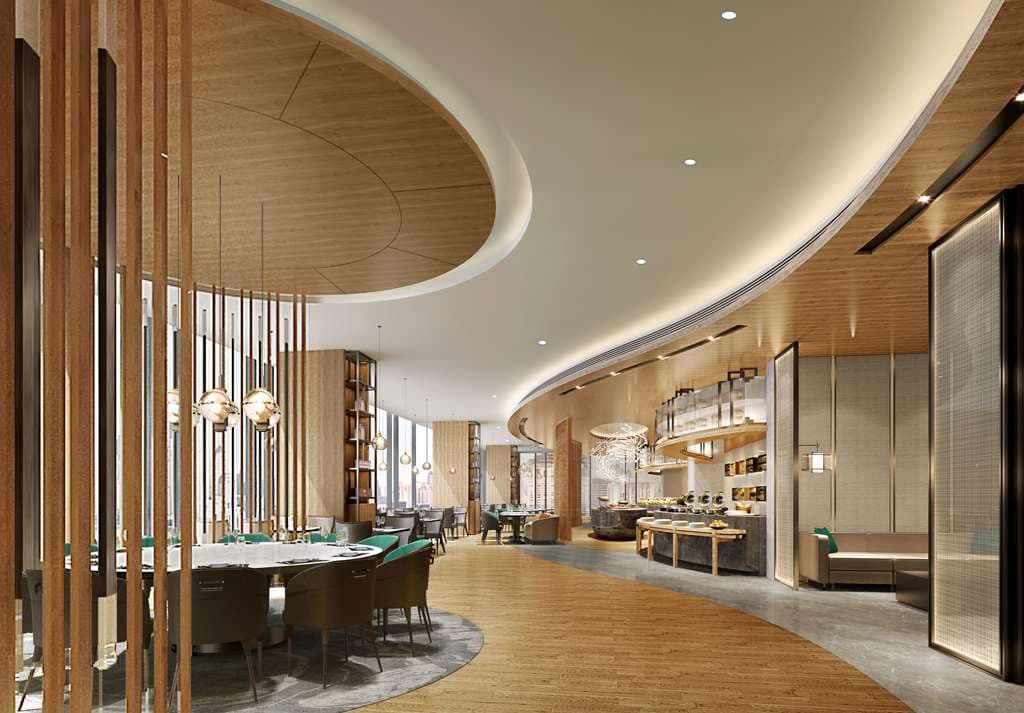
Forget the willow-swept clichés of West Lake for a moment. The Radisson Blu Hotel, Hangzhou Xintiandi plants its flag firmly in the city’s gritty-cool future. Anchoring the Hangzhou Xintiandi district—a former factory zone reborn as a creative nerve center—this property is less about imperial nostalgia and more about sharp, contemporary edges. Inside, the lobby’s massive white marble spiral staircase acts as a dramatic sculptural spine, immediately signaling that this isn't your standard corporate sleepover. The rooms are a study in modern restraint, but the real flex is the hardware. Fitness obsessives will appreciate the PRECOR-equipped gym, while the indoor heated pool is a rare basement-free joy, flooded with natural light. Dinner demands a table at Li Yuan Chinese Restaurant, where the Cantonese staples are executed with surgical precision, though the local Hangzhou specialties steal the spotlight. Afterward, the Lobby Lounge offers a front-row seat to the district’s neon transformation. It’s the perfect base camp for catching the Cirque du Soleil 'X' theater show next door—just don’t expect a quiet retreat; you’re here for the pulse, not the peace. Verdict: A sharp, art-forward pivot for the traveler tired of beige.
“Book a treatment at Li Spa immediately after checking in, then head to the indoor pool around 2 PM when the natural light hits the water perfectly for photos.”
Insider TipAvg. Nightly Rate
89USD
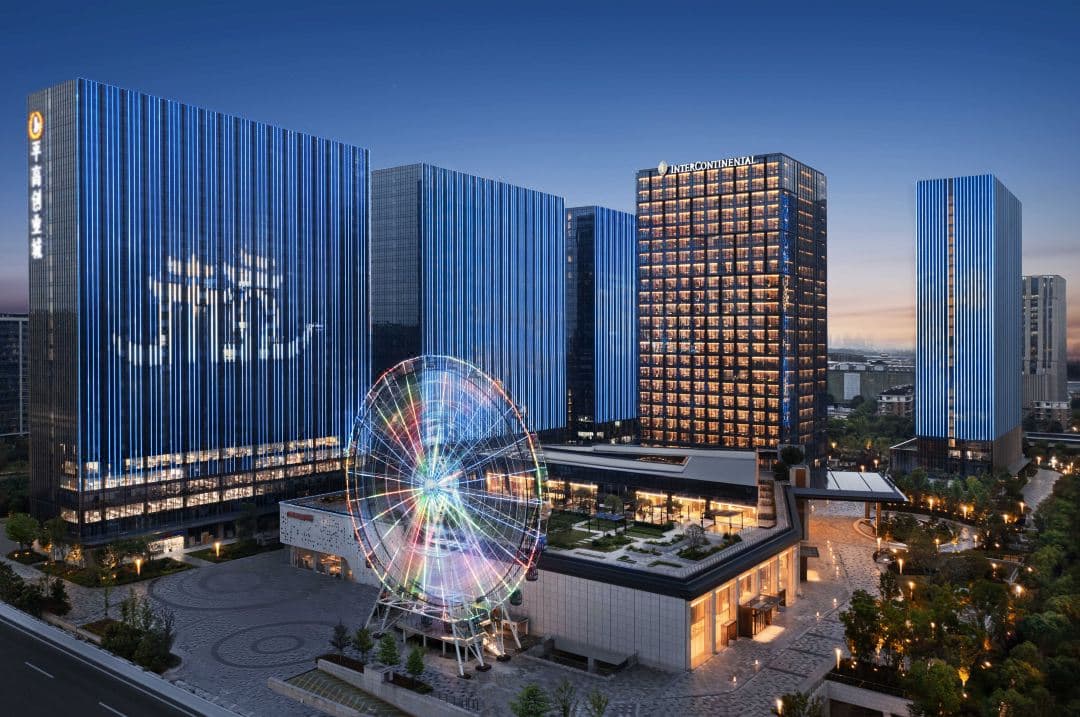
Forget the golden sphere of the CBD; the InterContinental Hangzhou Liangzhu is a different beast entirely. Situated in the heart of the Liangzhu cultural cluster, this property serves as the ultimate base camp for the design-obsessed, sitting just moments from Tadao Ando’s concrete-clad Art Center and the Chipperfield-designed museum. Designed by HBA, the hotel mirrors its ancient surroundings with a stark, limestone-heavy aesthetic softened by a spectacular 9-meter crystal waterfall in the lobby and a photogenic resin spiral staircase that demands a pause. The rooms are a masterclass in quiet luxury, outfitted with the requisite Dyson hair dryers and Byredo amenities that scent the air with Bal d'Afrique. While the international buffet at Commune is serviceable, the real culinary draw is Hehui Liangzhu Restaurant. Here, the kitchen executes Hangzhou classics with precision—do not leave without trying the Jasmine smoked fish and the seasonal black truffle spring bamboo shoots. It is a polished, serene retreat that feels less like a corporate hotel and more like a curator’s private residence.
“Ask Concierge to book a table at Hehui, but save your evening stroll for 'Birland' (Yu Niao Ji) just 50 meters away—an artsy commercial village perfect for a post-dinner coffee.”
Insider TipAvg. Nightly Rate
106USD
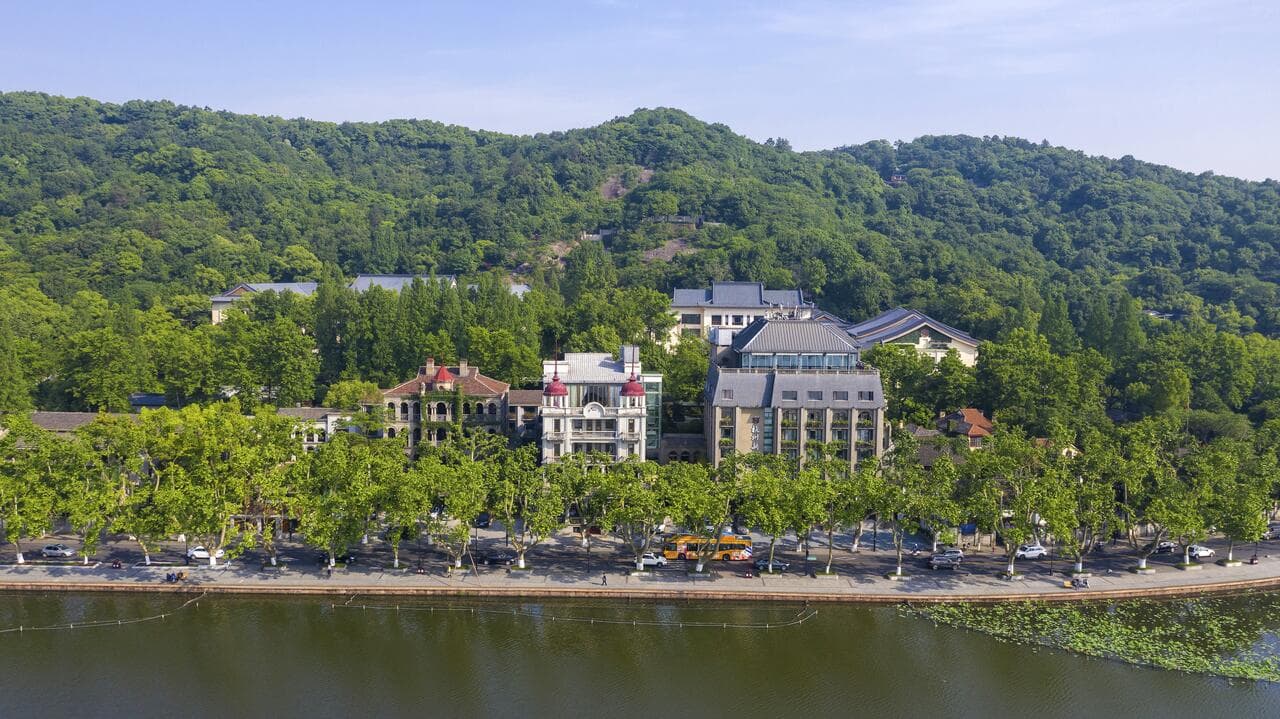
Forget the cookie-cutter glass towers; The New Hotel (Xinxin Hotel) is a mood. Anchored on Beishan Road since 1913, this red-brick heritage complex commands the most cinematic view of the Broken Bridge, practically demanding you don a cheongsam and channel your inner 'Lust, Caution' protagonist. The property isn't just near the history; it *is* the history, composed of former private villas like the 'He Zhuang' and 'Qiushui Villa' where literary titans like Hu Shi once debated. Inside, the vibe shifts from bustling tourist hotspot to hushed, vintage sanctuary. The interiors favor dark woods, brass accents, and a melancholic elegance that feels curated, not staged. Rooms can be quirky—expect firm mattresses (a local preference) and the faint, inevitable scent of a century-old lakeside building, but the tradeoff is waking up to mist rolling off the water through arched frame windows. Dining is a serious affair at the '1913 Restaurant', where the West Lake Vinegar Fish is served with Michelin-selected precision. It’s imperfect, atmospheric, and utterly refusing to be anything but itself.
“Book a 'Lake View Suite' in the main 1913 building for the original arched windows. Skip the generic buffet and order the 'Republic of China' afternoon tea set in the Lobby Bar for the best photo op.”
Insider TipAvg. Nightly Rate
93USD

If Christopher Nolan designed a co-working space, it would look like the lobby of the Hangzhou Xixi Jingshun Rezen. Far from the tourist-clogged West Lake, this property in the Xixi district functions less like a hotel and more like a high-concept atelier for the digital nomad. The centerpiece is the 'Lobby Coffee & Art Book Bar', where Inception-style bookshelves and a pure white spiral staircase create a dramatic, gallery-like atmosphere perfect for deep focus. Upstairs, the experience pivots from academic to futuristic. Smart rooms feature floor-to-ceiling windows and voice-controlled tech that manages everything from the blackout curtains to the climate—a godsend given the notoriously finicky central AC in the region. Dining is admittedly eccentric: the 'Metaverse Cloud Restaurant' serves a solid international buffet, though the real draw is the Hangzhou-style breakfast snacks. Service is hyper-efficient, often involving robot delivery and a welcome tea ritual that grounds the sci-fi aesthetic in local hospitality. It’s not central, but for creatives needing a quiet, photogenic bunker, it’s a steal.
“Skip the standard city views and request a room facing the distant mountains for better light. Also, the 3rd-floor self-service laundry is a lifeline for long-stay nomads.”
Insider TipAvg. Nightly Rate
50USD

Forget the tired tropes of the 'urban retreat.' The Lucid Resort Xixi isn't hiding from Hangzhou; it’s curating it. Located in the creative pulse of the Xixi National Wetland Park, this property operates less like a hotel and more like a concrete frame for the landscape outside. The architecture is unapologetically minimalist—think sharp lines and 'hidden hut' aesthetics that prioritize silence over spectacle. Inside, the soundproofing is studio-grade, a necessary luxury that turns your room into a true vacuum against the city's hum. The amenities strike a rare balance between analog comfort and digital efficiency. While you’re soaking in a private Japanese sauna or scrubbing down with self-branded artisanal toiletries, a service robot is likely gliding silently down the hall to deliver extra towels. It’s high-tech hospitality without the gimmickry. Dining at 'Jing Yan' offers a deep dive into local terroir, specifically the seafood sourced from the East China Sea, though the service operates on 'wetland time'—leisurely, bordering on slow. The real showstopper? The 'Sky Mirror' rooftop infinity pool. It’s not just a place to swim; it’s a architectural statement that pulls the wetland horizon right to your deck chair. Verdict: A sharp, sophisticated stay for the creative nomad who prefers TechnoGym sessions to tea ceremonies.
“Skip the standard rooms and request a suite on the 5th floor facing the wetlands—the balcony views are unblocked. Also, the rooftop bar’s 'Sunset Drinks' menu is best enjoyed at 5:30 PM sharp.”
Insider TipAvg. Nightly Rate
71USD

Forget the generic beige boxes; the Pagoda Junting is where Hangzhou’s design-conscious crowd crashes. Anchored right in the Wulin Square power grid, this independent property takes its 'living in an art gallery' mandate seriously. The lobby isn’t just a waiting area—it’s the 'Go-to Place,' a social hub pouring a surprisingly legitimate Australian Flat White alongside local Xiaolongbao, proving that caffeine and dumplings are the ultimate power couple. Rooms are dubbed 'Me-time Spaces,' featuring floor-to-ceiling windows ('photosynthetic spaces') that flood the interiors with natural light—a necessary counterpoint to the moody, Art Deco corridors which, while atmospheric, can feel a touch dim for applying winged eyeliner. The bathrooms are compact, a common trade-off for the prime postcode, but stocked with thoughtful amenities. Service is sharp and proactive, often upgrading guests before they even ask. It’s not a sprawling resort; it’s a curated, vertical atelier for the urban explorer who values aesthetics over square footage. **Verdict**: A moody, visual feast for the traveler who drinks their coffee strong and likes their hotels photogenic.
“Request a high-floor room facing Wulin Square. You’ll get a private box seat for the evening musical fountain show without fighting the street-level crowds.”
Insider TipAvg. Nightly Rate
57USD

In the tech-heavy heart of Binjiang, the Pagoda Hotel isn’t just a place to sleep—it’s a 'photosynthetic' social organism. The lobby, dubbed the 'Go-To Place,' dissolves the rigid traditional check-in counter into a fluid gallery space where spiral staircases and minimalist portraits invite you to linger over freshly brewed coffee from the integrated bar. It’s a masterclass in the 'Me-time/We-time' philosophy, catering perfectly to the digital nomads visiting nearby Alibaba or NetEase. Upstairs, the 40sqm rooms feel less like hotel units and more like curated studio apartments. Floor-to-ceiling windows frame the Qiantang River, while the 'Full House Smart Home System' lets you control the ambiance without lifting a finger—a nod to the district’s innovation DNA. The complimentary minibar and Japanese-style yukatas add a layer of domestic comfort, but it’s the window-side tatami area that steals the show—perfect for sipping tea while watching the skyline. Dining at Tingxia Garden Restaurant surprises with a competent Steak Dinner Set, though the real insider move is ordering late-night snacks delivered by the hotel’s service robot. **Verdict:** A sharp, art-forward sanctuary for the modern creative who values aesthetics as much as bandwidth.
“Book the 'Concept Room - River View' for the best vantage point of the Qiantang River light show, and don't skip the free late-night snack service delivered by robot.”
Insider TipAvg. Nightly Rate
66USD

While the design pilgrims flock to Renzo Piano’s OōEli (Tianmuli) complex for its concrete minimalism, the savvy insiders retreat just 800 meters away to SSAW Xixi Park. This isn’t merely a hotel; it operates as a sophisticated 'Lobby Book Bar' that blurs the line between a boutique stay and a neighborhood cultural salon. The aesthetic is a confident Modern Oriental Zen—think warm timber, ceramics, and a pervasive sense of calm that counters the bustle of the nearby Ant Group HQ. The rooms are surprisingly generous for a boutique footprint, but it’s the hyper-local hospitality that lands the punch. We’re talking complimentary face masks and a free minibar that actually stays stocked. Mornings here are non-negotiable: the breakfast at Four Seasons Restaurant punches well above its weight class, rivaling five-star stalwarts. Don’t leave without trying the signature ‘mini wontons’—hand-wrapped daily and devastatingly comforting. While there’s no pool, the central garden courtyard offers a different kind of immersion: pure, unadulterated quiet.
“Skip the standard coffee run; the Lobby Bar serves a standout hand-brewed coffee that pairs perfectly with the afternoon light in the book lounge. For the best soak, request a room with a whirlpool tub.”
Insider TipAvg. Nightly Rate
85USD