No. 01
22 Fayun Lane. Hangzhou 33 China 310013Hangzhou1105 verified reviews
9
.0
Bitvoya Edit
Layering imagery, place, and detail before the page opens.
Immerse yourself in the mist-shrouded beauty of Hangzhou, a city where ancient poetry meets modern luxury. Our curated collection focuses exclusively on the serenity of West Lake (Xihu), a UNESCO World Heritage site that serves as the spiritual heart of the region. We guide you away from the crowds to the exclusive enclaves of Beishan Road, where historic villas like Qiushui Villa stand as guardians of the past, and deep into the lush canopy of the Yanggong Causeway, home to the hidden pavilions of the Four Seasons. Whether you seek the state-guest prestige of Liuying Hotel or the urban chic of Sofitel near the vibrant Hubin District, these addresses offer an intimate dialogue with the water.
Staying directly on the water in Hangzhou transforms a standard trip into a poetic experience. The properties listed in our 'Coveted Addresses' collection, such as the Seven Villas and the Shangri-La, offer exclusive access to West Lake, allowing guests to witness the scenery change from the misty dawn to the golden sunset. Unlike standard city hotels, these sanctuaries provide a direct connection to the UNESCO World Heritage landscape, blending high-end hospitality with the tranquility of Jiangnan's natural beauty. Choosing a waterfront property ensures you are not just an observer of the lake, but a part of its living history.
Expect nothing less than world-class service fused with local cultural heritage. Guests at these premier addresses often enjoy private boat tours directly from the hotel docks, particularly at places like Liuying Hotel. Culinary experiences are paramount, with many in-house restaurants serving authentic Hangzhou cuisine, including Longjing Shrimp and Dongpo Pork. Architecture ranges from traditional Chinese courtyards with tiled roofs to French colonial elegance, ensuring that your stay is as visually stunning as it is comfortable.
While many offer stunning views, Qiushui Villa and Liuying Hotel West Lake are renowned for their unobstructed, absolute waterfront locations directly on the lake's edge.
Yes, properties like Four Seasons Hotel Hangzhou and Sofitel Hangzhou Westlake offer excellent family amenities, including kid's clubs, pools, and spacious garden areas.
Yes, select top-tier properties like the Four Seasons and Liuying Hotel offer exclusive private boat experiences directly from their own docks for guests.
Explore our complete curated list of luxury accommodations, from boutique hideaways to grand dames.
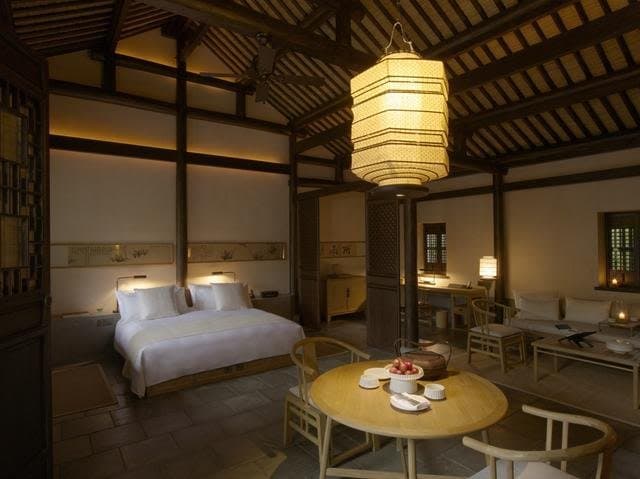
Explore All Hangzhou HotelsForget the sweeping lake views; you come here to disappear into the trees. Amanfayun isn’t a hotel—it is a 19th-century tea village frozen in amber, then quietly injected with modern necessities like Dyson dryers and fierce underfloor heating. The property sits so close to Lingyin Temple that the morning wake-up call is a distant gong, not an alarm clock. The vibe is aggressively low-key: stone pathways are purposefully dimly lit (bring your phone torch), and the 'rooms' are restored village dwellings with paper screens and calligraphy that feels monastic, until you hit the 400-thread count sheets. Dining has serious pedigree: the on-site Hangzhou House (Lan Xuan) finally snagged a Michelin Star in 2025. Order the double-boiled chicken with termite mushrooms—it’s medicinal, rich, and worth the high price tag. Yes, the public path cutting through the resort means dodging day-trippers, and the rustic nature means the occasional beetle is your roommate, but that’s the price of authentic time travel. Verdict: The ultimate spiritual detox, provided you don’t mind the dark.
“Skip the main pool during midday. Instead, book the 'Bath House' wooden soaking tub experience at 8 PM; the steam rising against the dark bamboo forest is pure cinema.”
Insider TipAvg. Nightly Rate
716USD
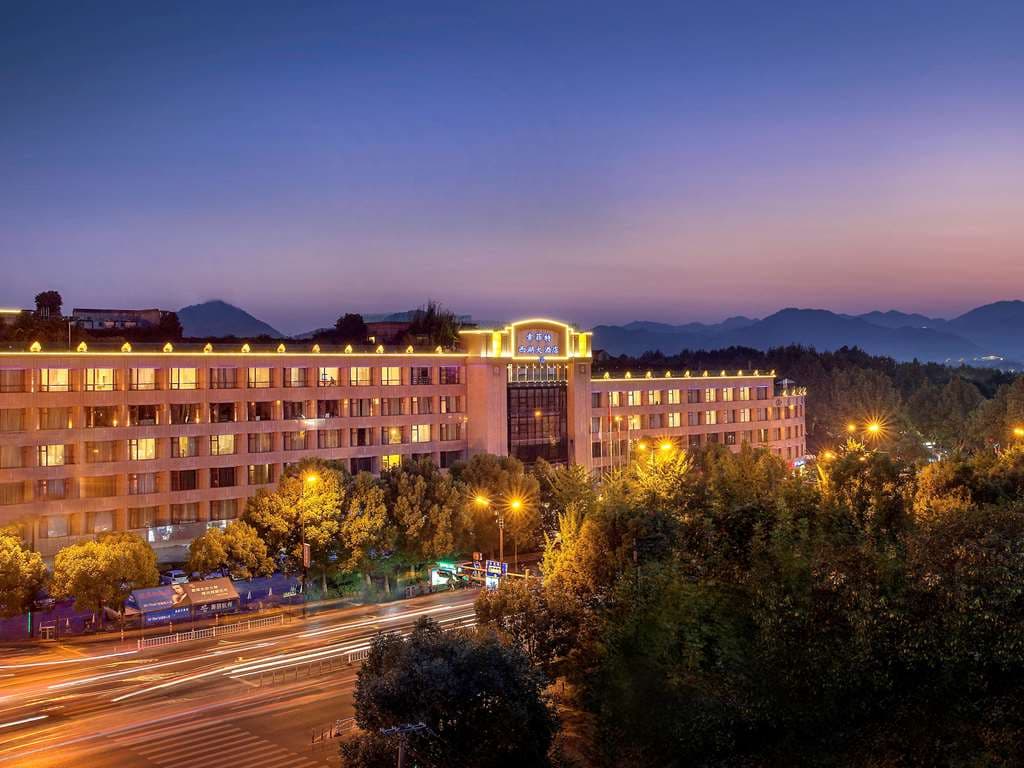
While the glistening new properties in Hangzhou chase slick minimalism, the Sofitel Hangzhou Westlake remains the grande dame who knows that true luxury is about access. It is not the newest property in town—the hardware in the standard rooms whispers of the early 2000s rather than shouting 2025—but it holds an ace card that few can match: the Sky Garden. This rooftop terrace offers what is arguably the most panoramic, unblocked vista of the West Lake, a view usually reserved for drone pilots and poets. Inside, the lobby is a heady mix of silk frescoes and Art Deco geometry, a nod to the brand’s French lineage. The rooms, anchored by the legendary, cloud-like Sofitel MyBed™ and stocked with Balmain amenities, prioritize comfort over avant-garde design. But you aren’t here to stare at the wallpaper. You are here to dine at Yong Jin Ge, where the 'Gold Medal Monk Jump over The Wall' offers a savory depth that rivals the lake’s history. Service is the hotel's redeeming modernity; the concierge team, particularly the indefatigable Tim, can procure bicycles and navigate the complex reservation systems for local temples with military precision. Verdict: Come for the location, stay for the sunset negroni on the roof.
“Skip the standard lake-view rooms if the budget is tight and head straight to the public rooftop Sky Garden for sunset—the view is superior. Also, ask Concierge Tim to secure a bicycle rental early; his fleet is better maintained than the public street bikes.”
Insider TipAvg. Nightly Rate
113USD

While the big-box luxury chains jostle for lakefront scraps, the **Liuying Hotel** (formerly the Liuyingli) quietly monopolizes the water’s edge with a staggering 400-meter private shoreline. This isn’t just a hotel; it’s a masterclass in Hangzhou’s 'Slow Life' aesthetic, occupying a historic Song Dynasty-style estate that feels less like a lobby and more like a scholar’s private retreat. The architecture is low-slung and deferential to the landscape, ensuring that nothing obstructs your view of the **Three Pools Mirroring the Moon**. Inside, the vibe is hushed and expensive—think dark wood lattices, silk brocades, and a butler service that materializes before you realize you need it. Rooms are sanctuaries of calm, equipped with high-spec amenities and soundproofing that blocks out everything but the lapping water. Dining is equally serious here. At **Wenying Hall**, the **West Lake Vinegar Fish** is served with a precision that belies its rustic roots, while the **Tingli Pavilion** offers a tea ceremony so authentic it feels almost meditative. For families, the presence of **Octonauts-themed rooms** is a witty, unexpected nod to modern parenting amidst the heritage. It is, quite simply, the closest you can sleep to the water without a boat.
“Book a table at the Tingli Pavilion for afternoon tea at 4 PM. The tour boats depart by then, leaving you with an empty, silent West Lake sunset that belongs entirely to you.”
Insider TipAvg. Nightly Rate
120USD
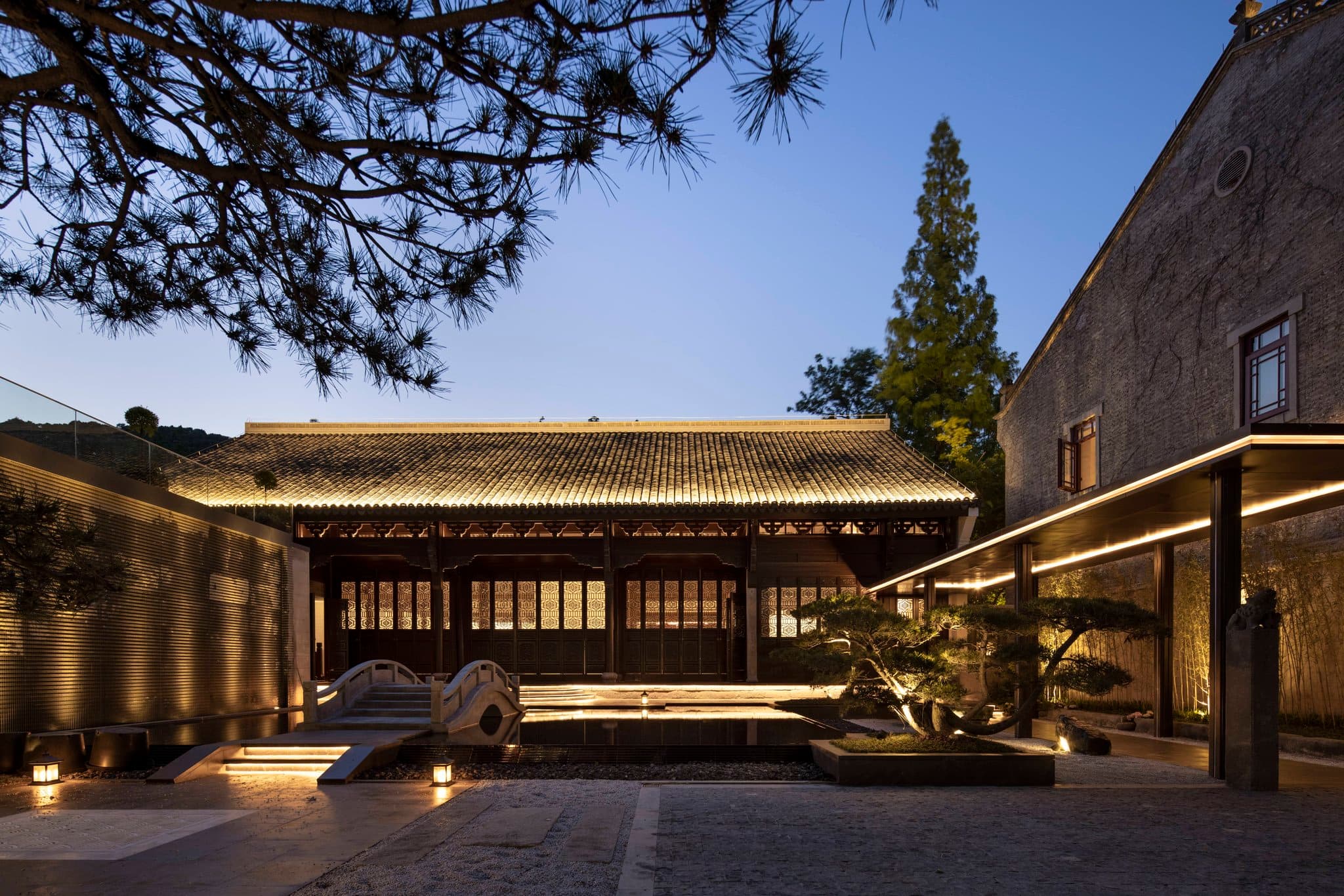
If the walls of Qiushui Villa could talk, they’d whisper of 1930s newspaper tycoons and illicit romances. Anchored precariously on the bustling Beishan Road, directly adjacent to the iconic Broken Bridge, this restored residence of Shi Liangcai operates less like a hotel and more like a private epoch. The noise of modern Hangzhou evaporates the moment facial recognition software unlatches the heavy gates, revealing a courtyard that feels cinematically suspended in time. Inside, the juxtaposition is sharp and deliberate. While the architecture remains faithfully Republic-era, the amenities are aggressively contemporary—think Dyson hair dryers, Le Labo toiletries, and a semi-open infinity pool crowned with a retractable glass roof that defies the city’s humid unpredictability. Dining at ‘In Villa’ is a non-negotiable experience; the signature fried crab with stinky tofu is a pungent, buttery revelation that challenges the delicate surroundings. Service is invisible until it’s essential, with butlers who anticipate your need for a reservaion at the neighboring Lou Wai Lou before you’ve even checked the weather. It is not merely a place to sleep, but a place to inhabit a bygone, slower Hangzhou.
“Book the 'Wenqin Pavilion' suite for its panoramic balcony, and ask for the new in-room breakfast service where a chef prepares your morning meal tableside.”
Insider TipAvg. Nightly Rate
1450USD
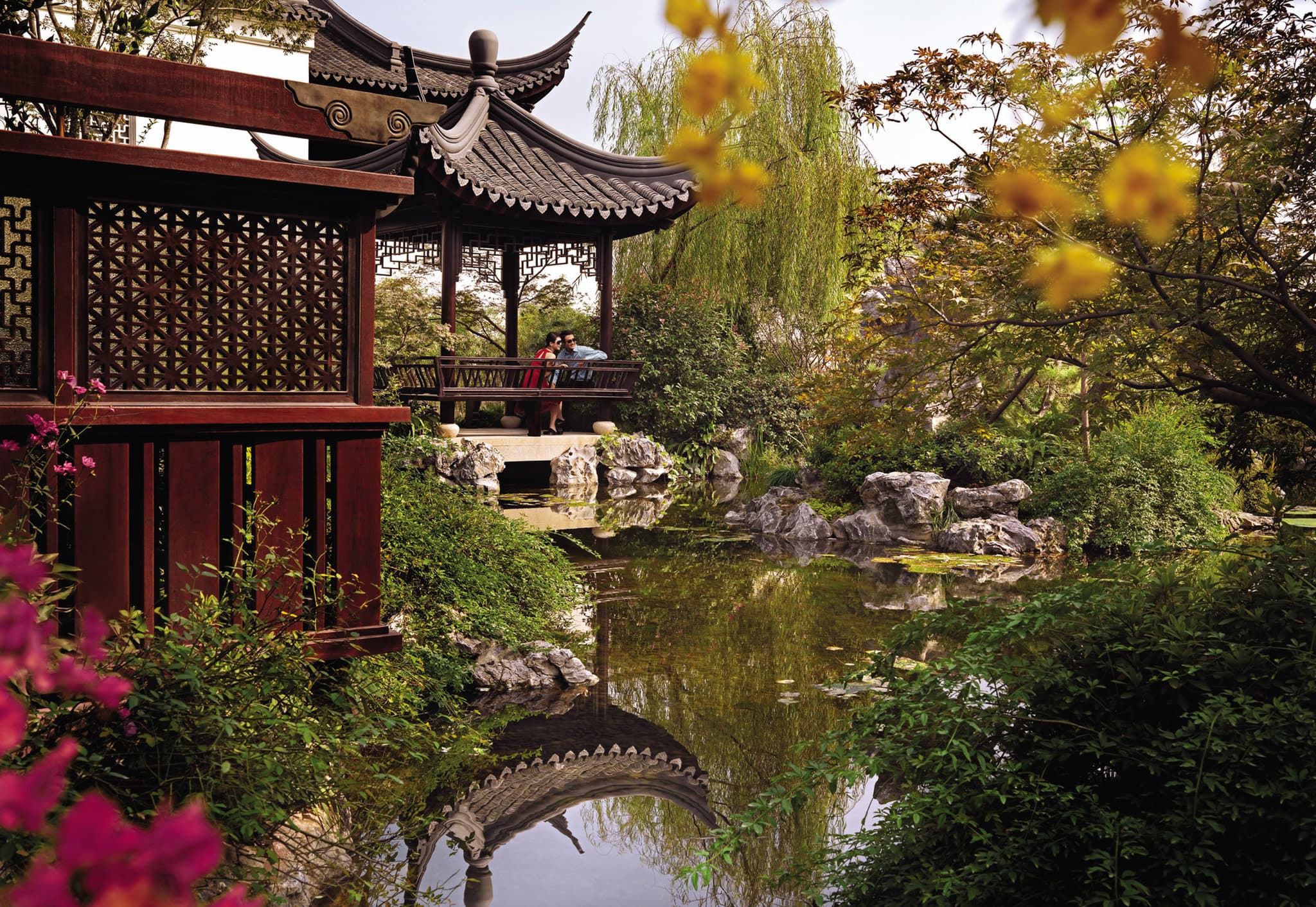
While the masses elbow through the willow-lined causeways of Hangzhou’s UNESCO-listed West Lake, there exists a parallel universe just beyond the tree line. The Four Seasons doesn’t just occupy the wetlands; it colonizes them with a moody, cinematic maze of timber-framed pavilions and mossy ponds designed by landscape architect Bill Bensley. It is less a hotel and more a private Qing Dynasty estate where the humidity is controlled and the champagne is always chilled. The rooms are exercises in expensive restraint—expect hand-painted silk panels, cavernous dressing areas, and terraces that open directly onto the mist-topped water. But the real pilgrimage here is culinary. Jin Sha, the hotel’s Black Pearl 3-Diamond heavyweight, retains its Michelin Star (2024) for good reason. Forget the club sandwich; you are here for the Shanghainese Braised Pork with Abalone, a dish so rich it feels illicit. Service is telepathic, managing to be omnipresent yet invisible. It’s an investment, certainly, but for the silence alone, the price tag feels entirely justified.
“Skip the main breakfast buffet at least once to book a lunch table at Jin Sha specifically for the dim sum menu—it’s the only time they serve their legendary walnut puffs.”
Insider TipAvg. Nightly Rate
535USD
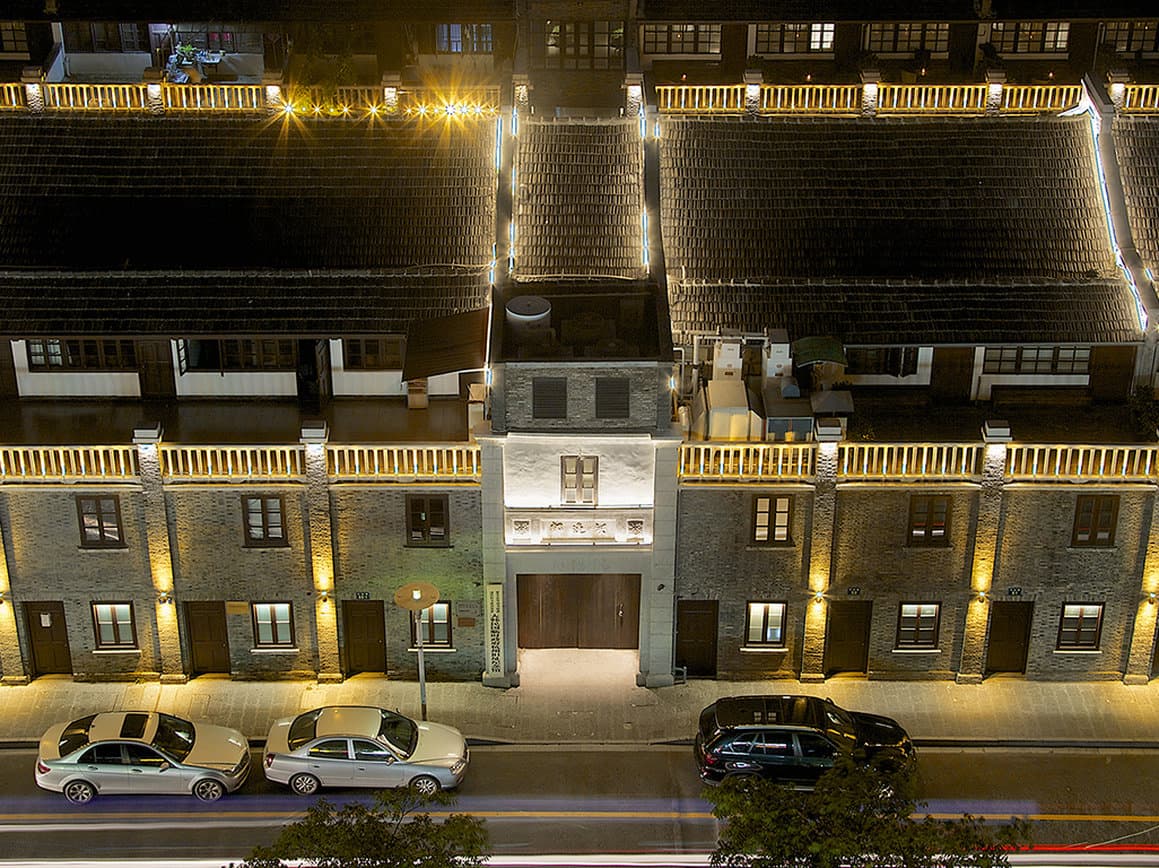
While Hangzhou’s skyline races toward the future, Chaptel Hangzhou stubbornly—and seductively—refuses to leave the 1930s. Housed in a cluster of restored Shikumen brick villas just steps from the clamor of the Hubin district, this Relais & Châteaux property feels less like a hotel and more like the private residence of a Republican-era diplomat. The arrival experience is cinematic: passing through the heavy brick archway on Changsheng Road, the roar of the city vanishes, replaced by the clip-clop of footsteps on stone pavement and the glow of gas-style lanterns. There is no lobby scene here; instead, personalized butlers guide you to one of the suites, which are cavernous by local standards. Expect soaring ceilings, dark wood paneling, and a balcony that begs for a gin tonic at dusk. The lack of a pool is a bold omission, but one you won’t mourn while soaking in a deep tub with Molton Brown amenities or sinking into 400-thread count linens. Dining is equally atmospheric; ‘Le Lotus’ serves a pan-fried foie gras that rivals the Bund’s best, while the afternoon tea at ‘Xike Hall’ offers a British sensibility that feels entirely at home in this anglo-chinese architectural gem. It is not a hotel for the activity-obsessed family, but for the mood-obsessed aesthete, it is perfection.
“Request a second-floor suite with a balcony facing the internal 'longtang' (alleyway). It offers the most cinematic vantage point of the lantern-lit courtyards at night.”
Insider TipAvg. Nightly Rate
270USD
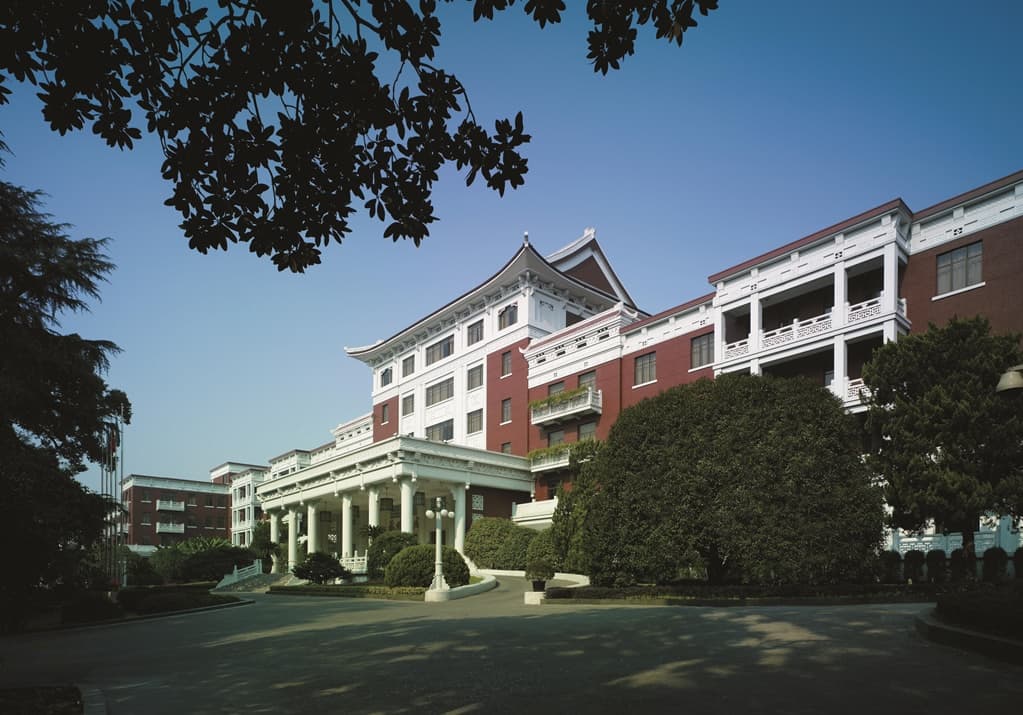
Before the Aman arrived, there was the Shangri-La. Occupying the prime real estate of Beishan Road—once the playground of emperors and later the site of state guesthouses—this property carries a pedigree that newer builds can’t fabricate. While the West Wing admittedly wears its 1980s heritage a bit too proudly (read: dated bathrooms), the real draw is the re-energized identity of 'The Silk Lakehouse' and the sprawling 40-acre private park that buffers you from the Su Causeway crowds. The aesthetic here isn't minimalist beige; it’s a confident, botanical maximalism. The lobby’s 'Crystal Willow' installation sets a shimmering contemporary tone, but the soul of the place remains in the old-world gardens where camphor trees shade private villas. Wellness is taken seriously: the 'Chi, The Spa' suites feature bamboo-walled courtyards that feel miles away from the city, and the gym is stocked with top-tier Technogym kit. Dining is a tale of two eras. Purists head to Shang Palace for the sticky, gelatinous Dongpo Pork, a rite of passage in Hangzhou. However, the surprise is 'The Living Room', where the kitchen abandons tradition for plates like Mackerel Escabeche and Foie Gras Torchon—dishes that prove this historic institution still has a pulse. The pièce de résistance? The indoor 'Grotto' pool. Carved to resemble a natural cliffside cave, it’s moody, cinematic, and entirely unique to the region. **Verdict**: It may lack the razor-sharp polish of the Four Seasons, but for location and atmospheric depth, the Silk Lakehouse remains the lake’s most charming elder stateswoman.
“Skip the crowded lakeside paths at sunset. Instead, head to the hotel's 'Sky Garden' rooftop for a private, 270-degree panorama of West Lake without the jostling tourists.”
Insider TipAvg. Nightly Rate
120USD
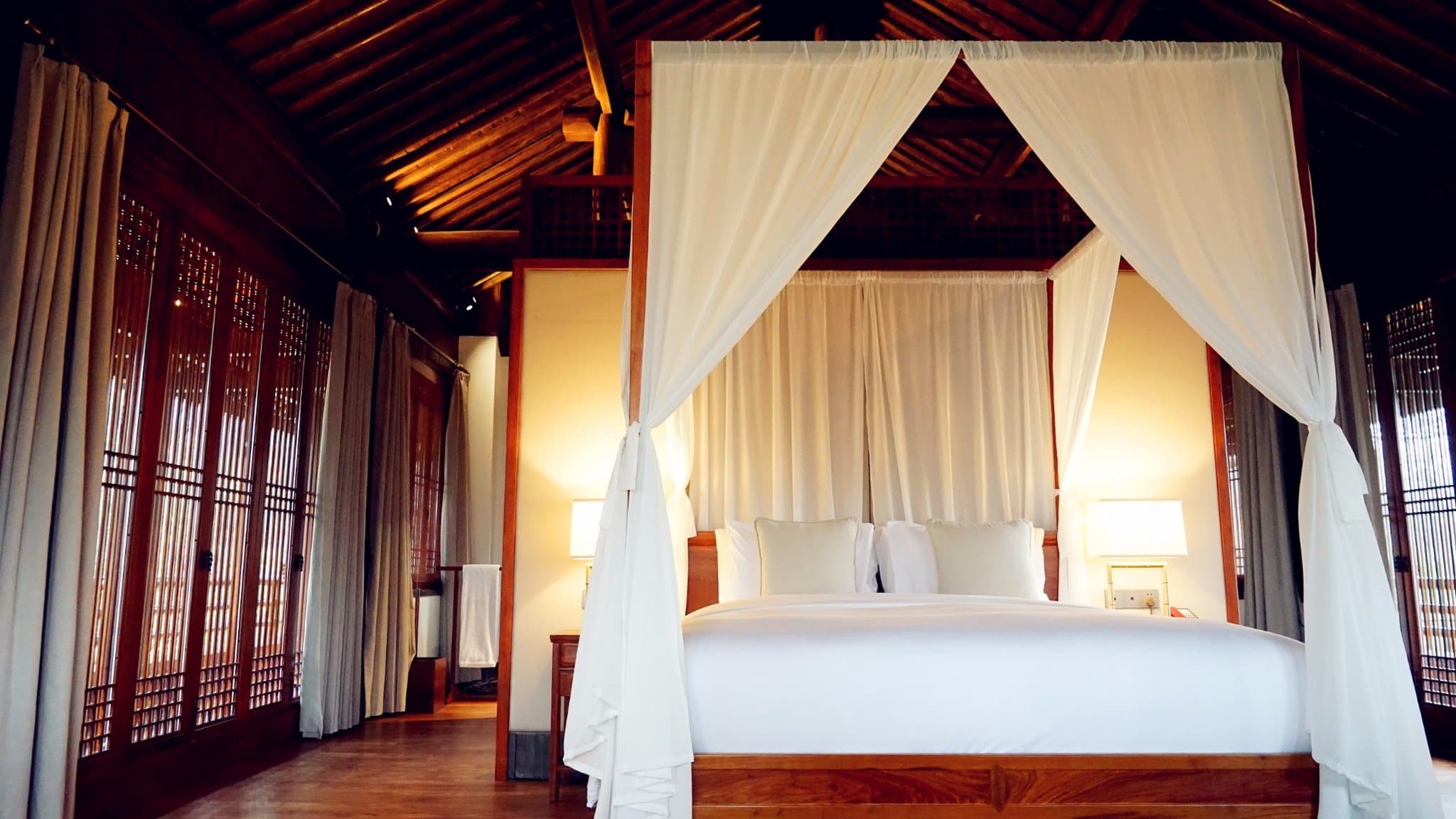
Forget the chaotic clamor of the broken bridge; the real Hangzhou hides deep within the Maojiabu scenic area, where Seven Villas (Zixuan) operates with the discretion of a state secret. This isn’t a hotel—it’s a masterclass in Jiangnan aesthetics, comprising just seven heritage-style villas scattered across a bamboo-choked labyrinth. The architecture is a moody dialogue of dark wood and grey slate, dissolving seamlessly into the surrounding tea plantations. Inside, the experience is obsessively curated. You won’t find a grand lobby, but you will find Dyson hair dryers, intricate wood carvings, and floor-to-ceiling glass that risks voyeurism for the sake of unadulterated nature views. The service is hyper-personalized; butlers anticipate needs with uncanny precision, replacing the impersonal efficiency of chains. The true draw, however, is the gastronomy. This is a pilgrimage site for serious gourmands. Jie Xiang Lou, the property's crown jewel, holds both a Michelin star and the coveted Black Pearl 2-Diamond status (2025). Here, the Golden Medallion Wagyu isn't just dinner; it's an event. For a more cerebral meal, Manshu offers kaiseki that rivals Kyoto’s best. It’s quiet, it’s expensive, and without a pool or gym to distract you, it demands you slow down and simply exist.
“Book the 'Xanadu' Villa for the best water views, but ensure you reserve your table at Jie Xiang Lou weeks in advance—staying here doesn't guarantee a seat.”
Insider TipAvg. Nightly Rate
625USD
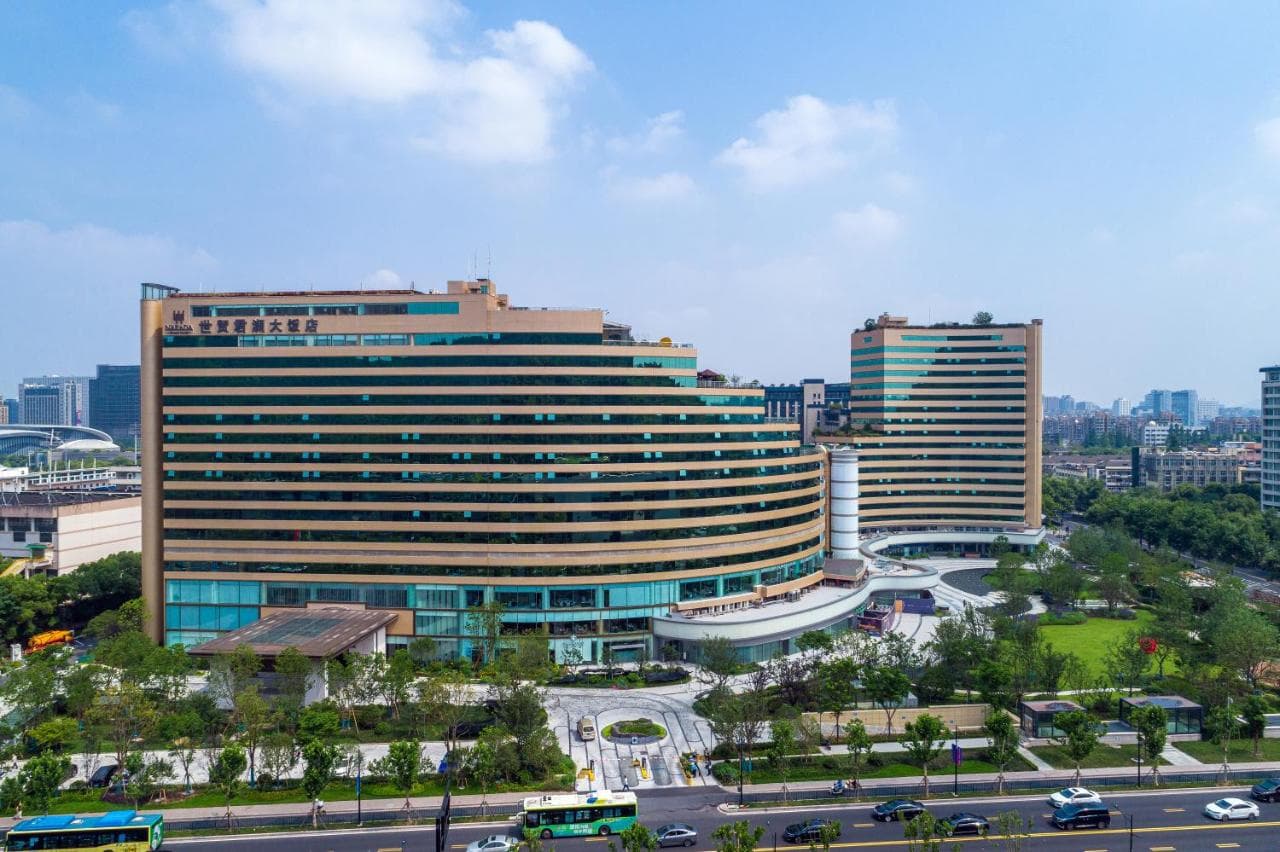
In a city obsessed with the new—new tech, new money, new minimalism—the Zhejiang Narada Grand Hotel is a defiant, towering classic. Perched on the slopes of Baoshi (Precious Stone) Hill, this property doesn’t whisper; it commands. While the lobby’s marble might feel reminiscent of the frantic 90s boom, the geography is unbeatable. You aren't just near West Lake; you are looking down the barrel of its most famous axis, the Broken Bridge, from a vantage point that newer, low-rise boutiques simply cannot replicate. The rooms retain a corporate solidity—think heavy drapery and serious desks—but the real draw is the sensory experience. Mornings here begin with the smell of wet pine from the adjacent forest, not the exhaust of the city center. Dining is an institution in itself: ‘Lotus Chinese Restaurant’ serves a ‘Buddha Jumps Over The Wall’ soup so rich it feels like consuming history, while ‘Nasubi’ offers a Kobe beef teppanyaki that rivals anything in Shanghai. It’s not cutting-edge cool; it’s established power. For the traveler who prefers a wide-angle lens to a selfie mode, this is the address.
“Skip the standard lake view. Ask specifically for a corner suite on the 15th floor or higher facing the 'Broken Bridge' for a direct line of sight over the causeway.”
Insider TipAvg. Nightly Rate
85USD
To call Amanfayun a hotel is a category error; it is a restoration of a rhythm long forgotten. Situated just beyond the incense clouds of Lingyin Temple, this collection of 47 stone dwellings was once a village for tea farmers. Today, it stands as a study in supreme restraint. There is no grand lobby, only a series of moss-slicked pathways leading through bamboo groves where saffron-robed monks from the neighboring monastery are as common as guests. Inside, the experience is intentionally moody. The design refuses to compete with the 100-year-old structures; expect Elmwood furniture, intricate calligraphy, and lighting so dim it feels candlelight-adjacent (a blessing for romance, a challenge for reading). The tactile details save it from feeling austere—specifically the radiant underfloor heating that turns the stone floors into a mercy during Hangzhou’s damp winters. Dining here feels like a secret. At Lan Xuan, the signature double-boiled deboned chicken with termite mushrooms is a masterclass in broth—complex, golden, and deeply restorative. While the price point for transfers and dining is steep, you are paying for the rarest commodity in China: absolute silence, broken only by the temple bells.
“Request a Village Suite on the upper levels for better natural light. Wake up at 6:30 AM to walk the Fayun Pathway—you’ll catch the monks’ morning procession through the mist before the public crowds arrive.”
Insider TipAvg. Nightly Rate
716USD
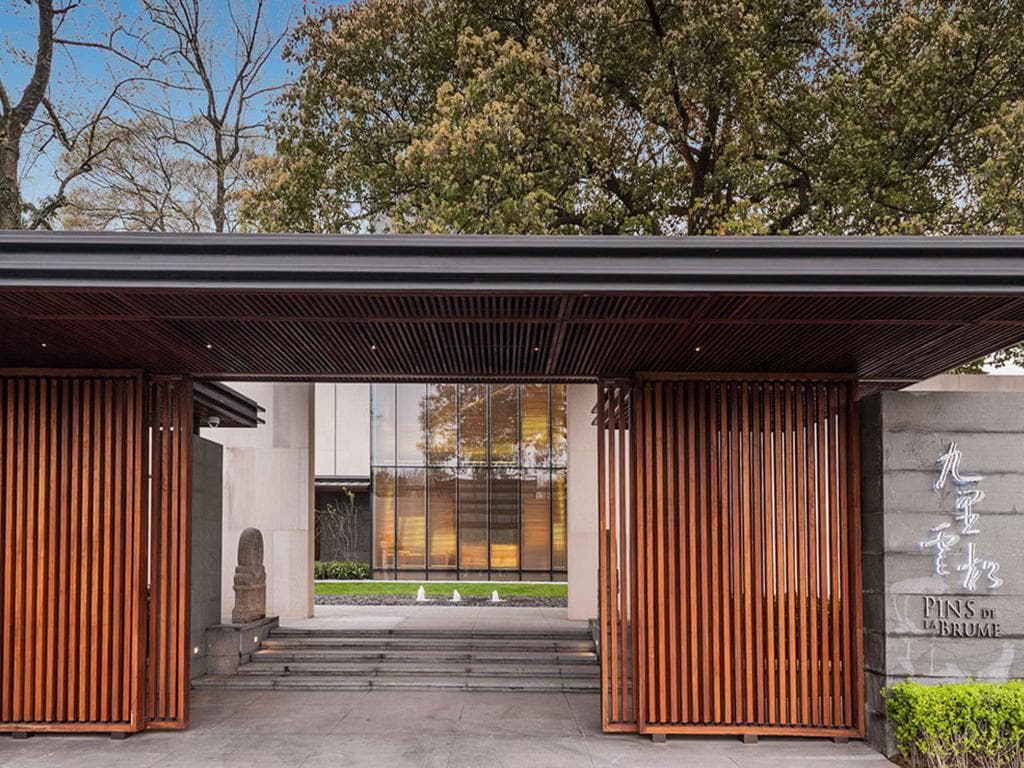
Forget the crowded lakeside promenades; the real Hangzhou hides in the hills. Pins De La Brume isn’t just near Lingyin Temple—it shares its incense-laced air. The arrival sets a deliberate tempo: a glass-walled lobby framing ancient pines and a central courtyard featuring a 'water mirror' that demands you pause and reflect, quite literally. Inside, the vibe is less 'hotel' and more 'wealthy abbot’s guest house.' Rooms are exercises in restraint, featuring crisp linens and a complimentary minibar stocked with high-end snacks, though the real flex is the Le Labo and L'Occitane amenities that elevate the daily ritual of scrubbing off the humidity. Dining at Tianxiang (La Parfum) is a serious affair; their West Lake Vinegar Fish debunks the myth that this dish is merely a tourist trap, serving it with a balance of tartness and tenderness that demands respect. Service is well-meaning if occasionally analog—the WiFi login sometimes requires a local number, a quirk that forces a digital detox whether you want one or not. But when you’re sipping seasonal Longjing tea in the Lobby Lounge, watching the mist roll off the hills, you realize the disconnection is the point. This is the Hangzhou of poetry, not postcards.
“Book a ground-floor suite with a private courtyard; the stone walls offer total privacy for morning meditation (or just drinking coffee in a robe).”
Insider TipAvg. Nightly Rate
180USD
While the masses clamor for West Lake’s edge, Amanfayun sits stubbornly inland, a restored Tang Dynasty village ensconced in bamboo and silence. This is not a hotel for those who fear the dark. The lighting is intentionally moody—bordering on abyssal—forcing your eyes to adjust to a slower, pre-electric rhythm. But when the damp Hangzhou winter bites, the heated stone floors in your Village Room are a technological embrace you won’t want to leave. The property’s spine is the Fayun Pathway, a public cobblestone road connecting nearby temples. Yes, day-trippers will peer into your courtyard, but that’s the price of living in a museum. The trade-off is worth it at Lan Xuan, where the double-boiled deboned chicken with termite mushrooms justifies the humidity. For a lighter touch, The Steam House executes dim sum with surgical precision. Service is less 'white glove' and more 'spiritual guide'—monks from Lingyin Temple drift through the mist, and the spa’s circular wooden soaking tubs offer a baptism by timber and steam. It’s imperfect, dimly lit, and utterly transporting.
“Book a table at Lan Xuan for lunch, not dinner—the view of the tea fields is wasted in the dark. Also, rooms 16-18 offer the best elevation and privacy from the public path.”
Insider TipAvg. Nightly Rate
716USD
Forget the chaotic clamor of the West Lake’s main causeway. Pins De La Brume (locally *Jiuli Yunsong*) plays a different game entirely. Positioned within the Botanical Gardens, a mere stroll from the spiritual epicenter of Lingyin Temple, this property trades imperial opulence for the sharp, clean lines of Patrick Leung’s design. It is a study in restraint—white walls and glass corridors framing the ancient pines outside, turning the hotel into a viewing gallery for nature rather than a competitor to it. The interiors are unapologetically polished. Suites forgo traditional silk-heavy chinoiserie for a tactile mix of stone and wood, stocked with Dyson hairdryers and Le Labo amenities that signal a thoroughly modern interpretation of luxury. Dining at ‘Tianxiang’ (La Parfum) is mandatory; their West Lake Vinegar Fish offers a precise, acidic kick that loyalists of Jiangnan cuisine demand, while the Longjing Shrimp is sourced from the very tea fields flanking the property. Service here operates on a frequency of quiet efficiency, though the seclusion does come with a caveat: hailing a ride-share requires patience. But perhaps that’s the point. You come here to disconnect, sink into the 400-thread count linens, and watch the mist roll off the pines. It is not just a hotel; it is a pause button.
“The stunning outdoor pool is a 'water mirror' landscape feature and is strictly unheated. Do not pack your swimsuit expecting a warm dip; instead, book a corner suite for the best views of the pine canopy.”
Insider TipAvg. Nightly Rate
180USD