No. 01
PALACE ROAD-RAJASTHAN JAIPUR IN 302006 Jaipur7502 verified reviews
9
.2
Bitvoya Edit
Layering imagery, place, and detail before the page opens.
Jaipur, India’s fabled Pink City, is a living canvas of terracotta facades and intricate craftsmanship. For the discerning traveler, the accommodation scene has evolved beyond traditional heritage stays into a vibrant design-led movement. From the manicured lawns of the Rambagh Palace in the heart of the city to the rugged grandeur of Alila Fort Bishangarh on the outskirts, these properties embody a specific aesthetic: soft pastel hues and indigenous block print textiles. Exploring neighborhoods like the historic walled city or the leafy avenues near the ITC Rajputana reveals a seamless blend of Rajput grandeur and contemporary flair. This collection highlights boutique sanctuaries where hand-painted frescoes meet modern luxury, defining the new visual identity of Rajasthani hospitality.
Jaipur is not merely a destination; it is a global capital of craft. The city's moniker, the 'Pink City,' sets the stage for a travel experience deeply rooted in color psychology and design. Choosing a design-led boutique hotel here means immersing yourself in an environment where every cushion cover is a piece of art created by local artisans using centuries-old wooden block printing techniques. Hotels like The Oberoi Rajvilas and Fairmont Jaipur utilize soft sandstone hues, intricate archways (jharokhas), and hand-painted motifs to create a calming, royal atmosphere. This aesthetic appeals to design lovers who seek accommodation that tells a story of heritage while providing the soft, pastel visual palette that is currently defining luxury travel trends.
The geography of Jaipur offers distinct flavors of luxury.
Guests at these curated properties can expect a sensory journey. The interiors often feature Thikri (glass inlay work), frescoes, and bespoke furniture upholstered in Jaipur's famous cotton block prints. Service is elevated to an art form, often referred to as 'Royal Rajasthani Hospitality.' Expect courtyards designed for golden-hour photography, spas utilizing ancient Ayurvedic recipes, and culinary experiences that serve local delicacies on pastel ceramicware. Whether it is the art-deco influence at ITC Rajputana or the resort tranquility of Trident, Jaipur, these hotels promise a stay that is as visually inspiring as it is comfortable.
Jaipur's hotels often mirror the city's terracotta-pink heritage, incorporating intricate 'Jharokha' balconies, sandstone facades, and inner courtyards designed for natural cooling and aesthetic grandeur.
Guests at central hotels like The Leela or Rambagh Palace are minutes away from Johari Bazaar and Bapu Bazaar, famous for authentic Bagru and Sanganeri block prints.
Alila Fort Bishangarh is the premier choice for a fortress stay. Located about an hour from the city, it is a converted 230-year-old warrior fort offering luxury modern amenities.
Explore our complete curated list of luxury accommodations, from boutique hideaways to grand dames.
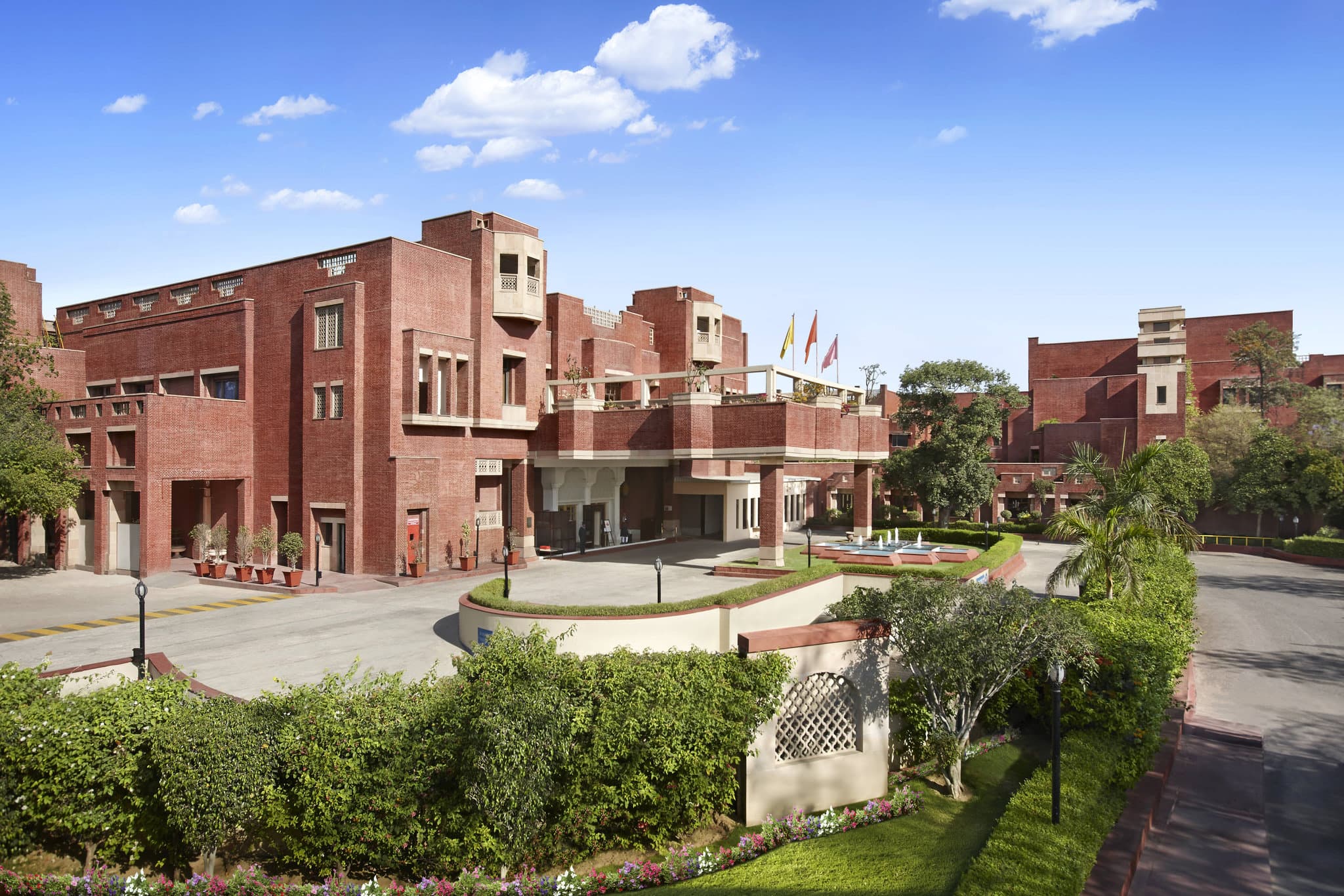
Explore All Jaipur HotelsIn a city awash with pink stucco, the ITC Rajputana’s architectural integrity has always been its trump card. This isn't just a hotel; it’s a red-brick homage to Rajasthan’s spatial geometries, designed to echo the region’s traditional Havelis. Fresh off a 2024 renovation, the property has shed its 'faded glory' critique, introducing refreshed interiors that balance its brute masonry with softer, contemporary textiles. The 218 rooms now feel intentional rather than antique, but the real draw remains the public spaces. The central courtyard pool is a lesson in scale, while the Kaya Kalp spa uses indigenous ingredients that actually work. Dining is non-negotiable: Peshawri serves a Dal Bukhara that frankly ruins you for lentils anywhere else, and the Sikandari Raan is a masterclass in tandoor precision. Service is swift, intuitive, and devoid of the stiff pageantry that plagues lesser palaces. It’s the smart traveler’s alternative to the city’s over-gilded heritage properties.
“Skip the lobby bustle for a nightcap at Sheesh Mahal; the mirror-work walls are stunning, and the single malt collection is the best in the city.”
Insider TipAvg. Nightly Rate
94USD
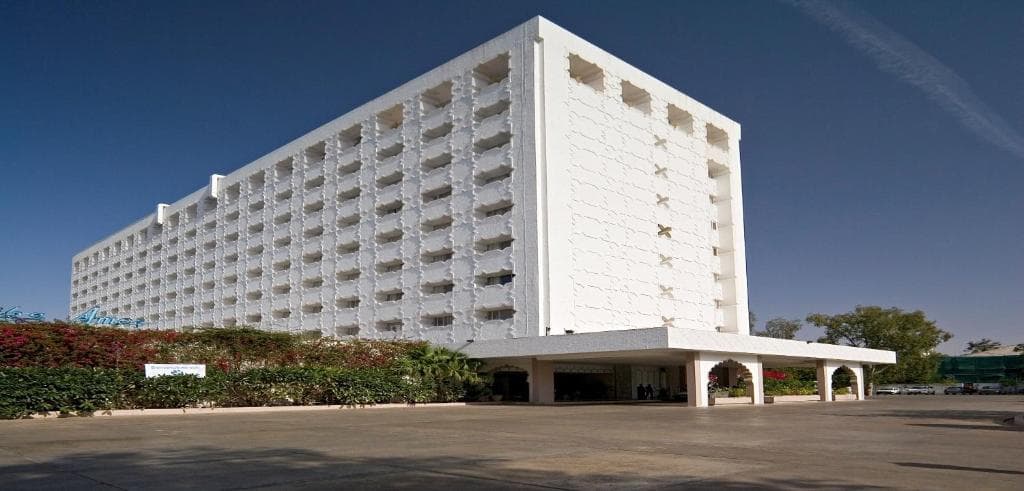
Forget the gilded excess of the usual Rajasthani palaces; Hotel Clarks Amer has executed the pivot of the decade. Once a mid-century stalwart, it has reinvented itself as the nerve center of Jaipur’s contemporary creative scene—literally, as the new permanent home of the Jaipur Literature Festival. The vibe here isn't 'maaraja cosplay'; it’s sustainable chic with a distinct brutalist edge. The real draw is the ecosystem they’ve built. You wake up not to peacock calls, but to the smell of sourdough from Zolocrust, their 24/7 chef-led polymath of a bakery where the crockery is handmade and the Jungle Marinara pizza uses greens plucked from the hotel’s own organic Poly House. Rooms have shed their dated carpets for cleaner lines and eco-conscious linens, though the vintage structure still whispers its 70s heritage. Sunset demands a move to ta BLU, the rooftop bar where the cheese garlic cups are legendary and the blue-on-white decor feels more Santorini than Pink City. It’s imperfect, artistic, and fiercely modern—a rare sanctuary that feels lived-in rather than staged.
“Book a Club Room on the 5th floor for the best renovated interiors. Also, Zolocrust operates 24/7—perfect for a post-flight 3 AM tiramisu run.”
Insider TipAvg. Nightly Rate
40USD
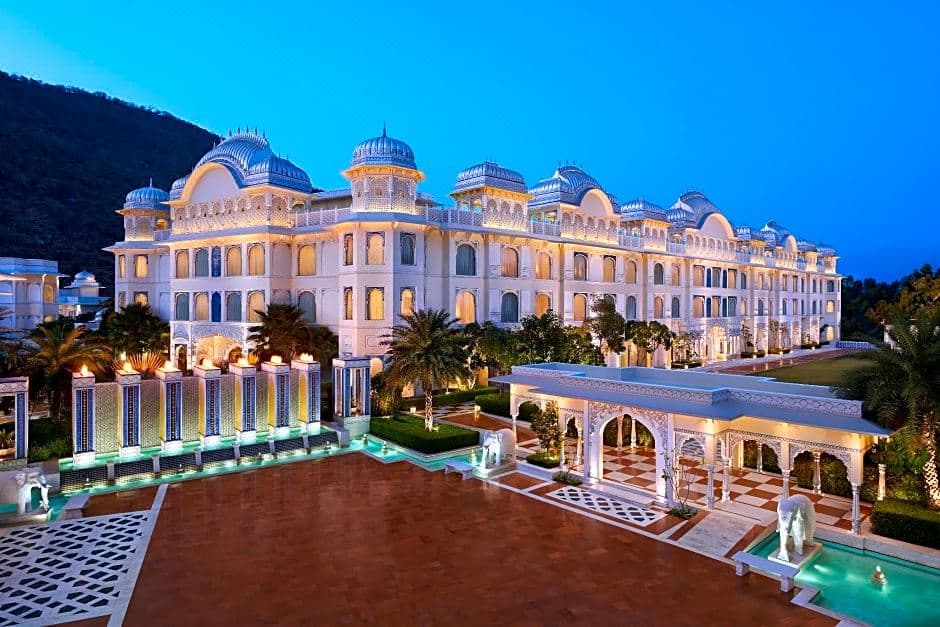
If you are coming to Jaipur to tick off the Hawa Mahal and City Palace in a frenzied afternoon, look elsewhere. Located in Kukas, a dusty 30-minute drive from the city center, The Leela Palace Jaipur is not a base for sightseeing; it is the sight. This is a destination hotel, a blindingly white marble fortress that trades the Pink City’s terracotta tones for a shimmering, silver-leafed aesthetic that feels less like a hotel and more like a modern Rajput nobleman’s fever dream. The design narrative here is obsessive. Over 350,000 pieces of Thikri (glass inlay) cover the walls, catching the desert light in a way that makes filters redundant. It’s opulent, yes, but tempered by a cool, pastel palette that prevents sensory overload. Book a Royal Villa with a private plunge pool. These aren't just glorified tubs; they are proper swimming spots flanked by high walls that ensure total seclusion. Inside, the beds are vast, lined with high-thread-count sheets that feel like spun silk, and the bathrooms feature Le Labo amenities and Dyson hair dryers. Dining is where the property flexes its muscles. 'Mohan Mahal', the candlelit Indian restaurant, eschews electric bulbs entirely, relying on the reflection of mirrors to illuminate your 'Sharabi Maas' (rum-soaked lamb). It’s theatrical, moody, and surprisingly authentic. The only gripe? The isolation. You are marooned on the highway. But floating in the temperature-controlled pool staring at the Aravalli hills, you realize that being cut off from the chaos is exactly what you paid for. Verdict: A self-contained sanctuary for those who have already done the tourist circuit.
“Book a dinner at Mohan Mahal at 8:00 PM sharply to watch the staff light the candles, transforming the room into a glittering jewelry box.”
Insider TipAvg. Nightly Rate
273USD
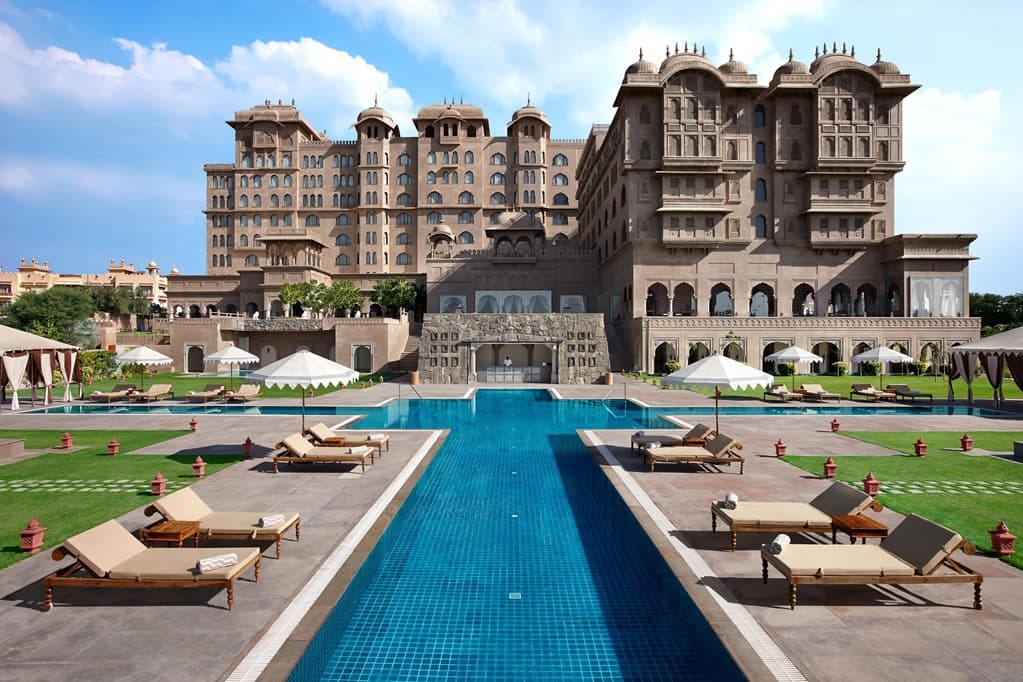
If subtlety is your virtue, look away now. Fairmont Jaipur is an unapologetic, thundering ode to maximalism—a mock-Mughal fortress that doesn’t just nod to history; it stages a full-blown opera. The arrival is less a check-in and more a coronation: thumping nagada drums, a shower of rose petals, and a gong that vibrates through your jet-lagged bones. Inside, it’s a riot of texture. Architect Clive Gray has layered the space with scalloped arches, silver-leaf furniture, and the hotel’s ubiquitous mascot, the parrot, hidden in frescoes like a playful 'Where’s Waldo?'. The rooms are sanctuaries of excess, featuring four-poster beds high enough to require a running jump and stone bathtubs hand-carved from the Pink City’s native sandstone. While the Le Labo Rose 31 amenities are a familiar global touch, the scent feels native here. Dining at Zarin offers a rare Indo-Persian narrative—order the Atta Raan, a slow-cooked lamb leg encased in sourdough that is pure theatre. A word of warning: the spectacular Chaupar-shaped pool is unheated, a bracing wake-up call that rivals the espresso. Service is polished, though the hotel’s popularity as a wedding venue means you might occasionally share your sunset with a thousand revelers.
“Book a 'Fairmont Gold' room for access to the private lounge—a necessary quiet sanctuary when the main courtyard is taken over by a lavish wedding.”
Insider TipAvg. Nightly Rate
142USD
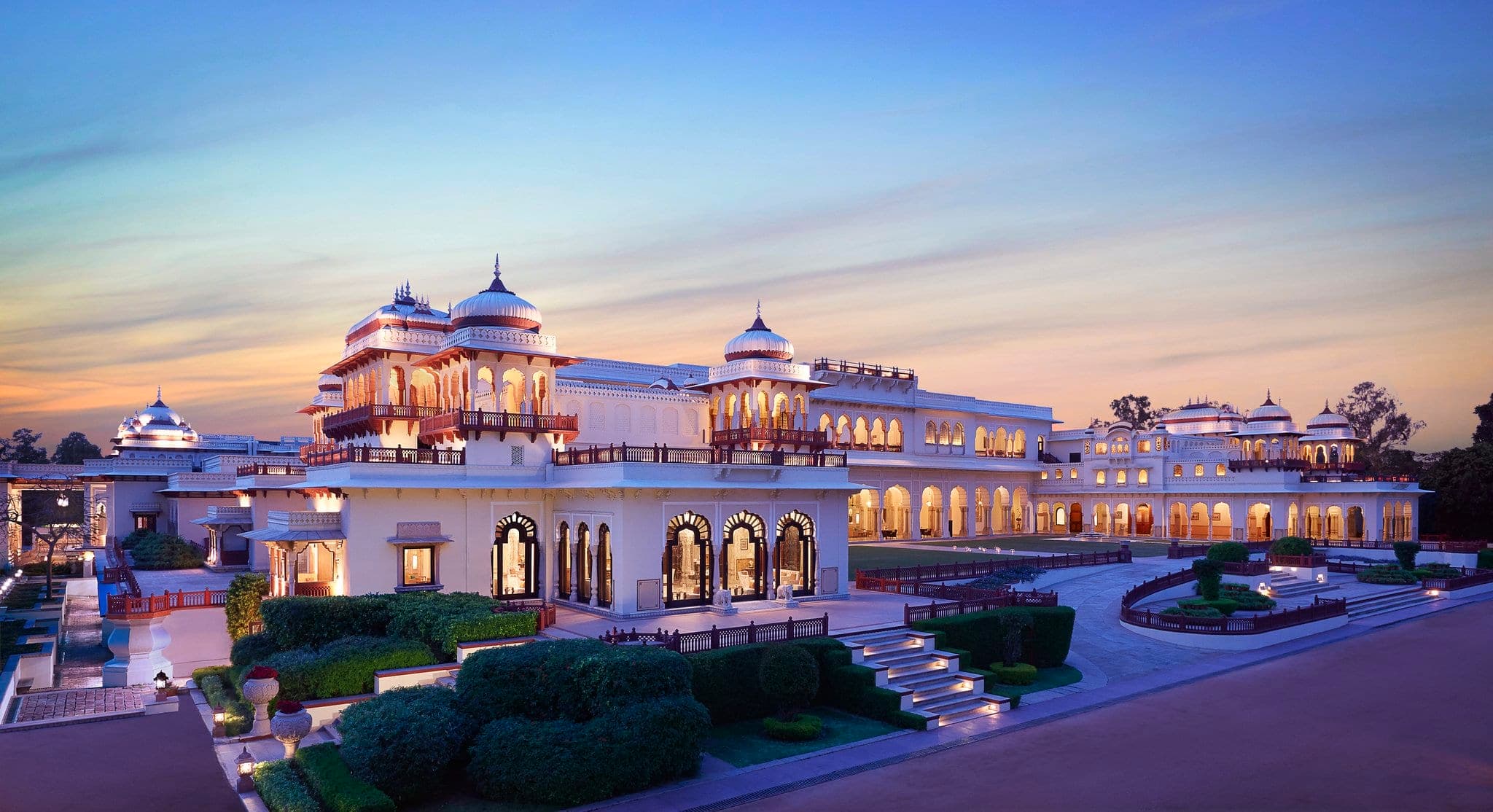
Forget mere accommodation; Rambagh Palace is a masterclass in living theater. The arrival sequence alone—often involving a vintage 1930s car and a literal shower of rose petals—sets a high-camp, high-glamour tone that never wavers across the 47-acre estate. Recently crowned a Top 10 Luxury Heritage Hotel for 2025 by LuxuryTravelMag, the property justifies the hype by balancing Rajput grandeur with sharp, modern service. The aesthetic is unadulterated maximalism. In the Suvarna Mahal, you dine under original hand-painted frescoes and gold-leaf ceilings, the heat of the signature Laal Maas tempered only by the room’s sheer opulence. For a jarringly delightful pivot, 'Steam' serves wood-fired thin-crust pizzas inside a restored Victorian steam engine, ensuring the heritage vibe never feels stagnant. Rooms are vast, draped in heavy period textiles and block prints that nod to Jaipur’s craft history, grounded by modern necessities like Dyson hair dryers and J Wellness Circle amenities. The service is psychic rather than reactive; butlers don't just unpack, they curate your chaos. **Verdict**: The definitive Jaipur experience. It ruins you for anywhere else.
“Skip the main Polo Bar for sunset; instead, secure a table at The Verandah. It offers the prime vantage point for watching the resident peacocks parade across the Mughal gardens at dusk.”
Insider TipAvg. Nightly Rate
540USD
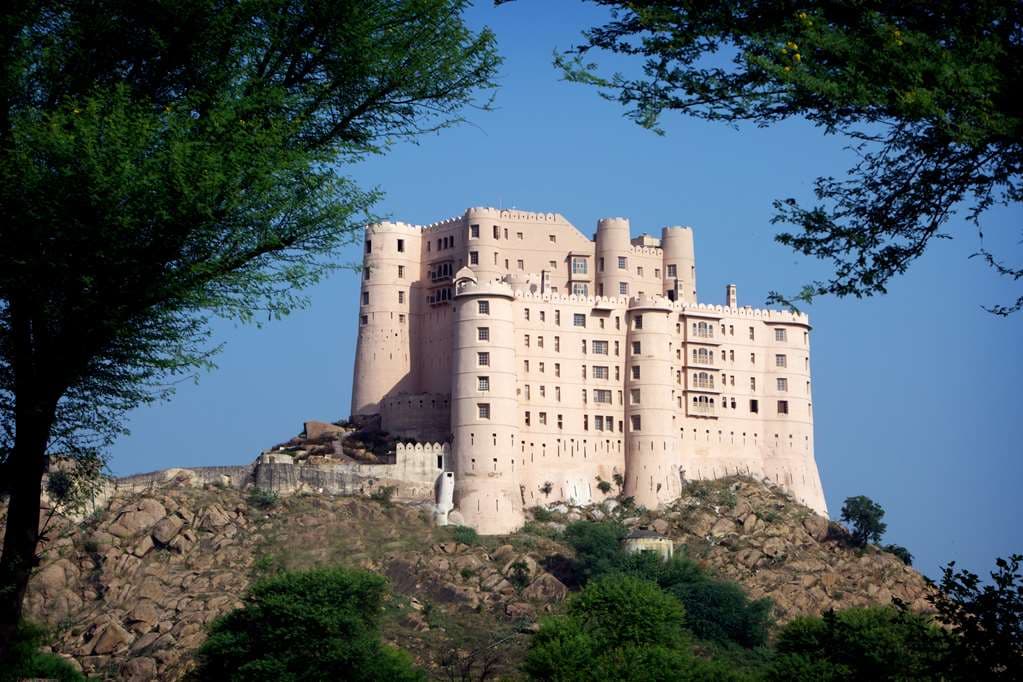
Forget the gilded palaces of Jaipur; Alila Fort Bishangarh is a masterclass in Stark Luxury. Rising from a granite hill like a brooding sentry, this 230-year-old warrior fortress demands an arrival that sets the tone—you leave your car at the Haveli base camp and ascend by jeep, a transition from the mundane to the majestic. The interiors are a triumph of adaptive reuse, where two-meter-thick stone walls meet clean, white plaster and curated minimalist furniture, stripping away the expected Rajasthani kitsch. The rooms are carved from the fort’s eccentric layout, featuring deep-set Jharokha windows and circular layouts that feel both cavernous and cozy. Alila Living amenities and 400-thread count linens soften the martial edge. Dining reaches its zenith at Nazaara, the rooftop terrace where sand-pit cooked meats and the signature Laal Maas are served against a backdrop of the twinkling village below. While the service at the pool—inconveniently located back at the base—can be as relaxed as the rural setting, the staff’s warmth is undeniable. This is a sanctuary for the design-obsessed who prefer their heritage served with grit rather than gilt.
“Skip the main dining room for sunset; book a corner table at Nazaara well in advance for the best 360-degree views of the Aravalli range.”
Insider TipAvg. Nightly Rate
180USD
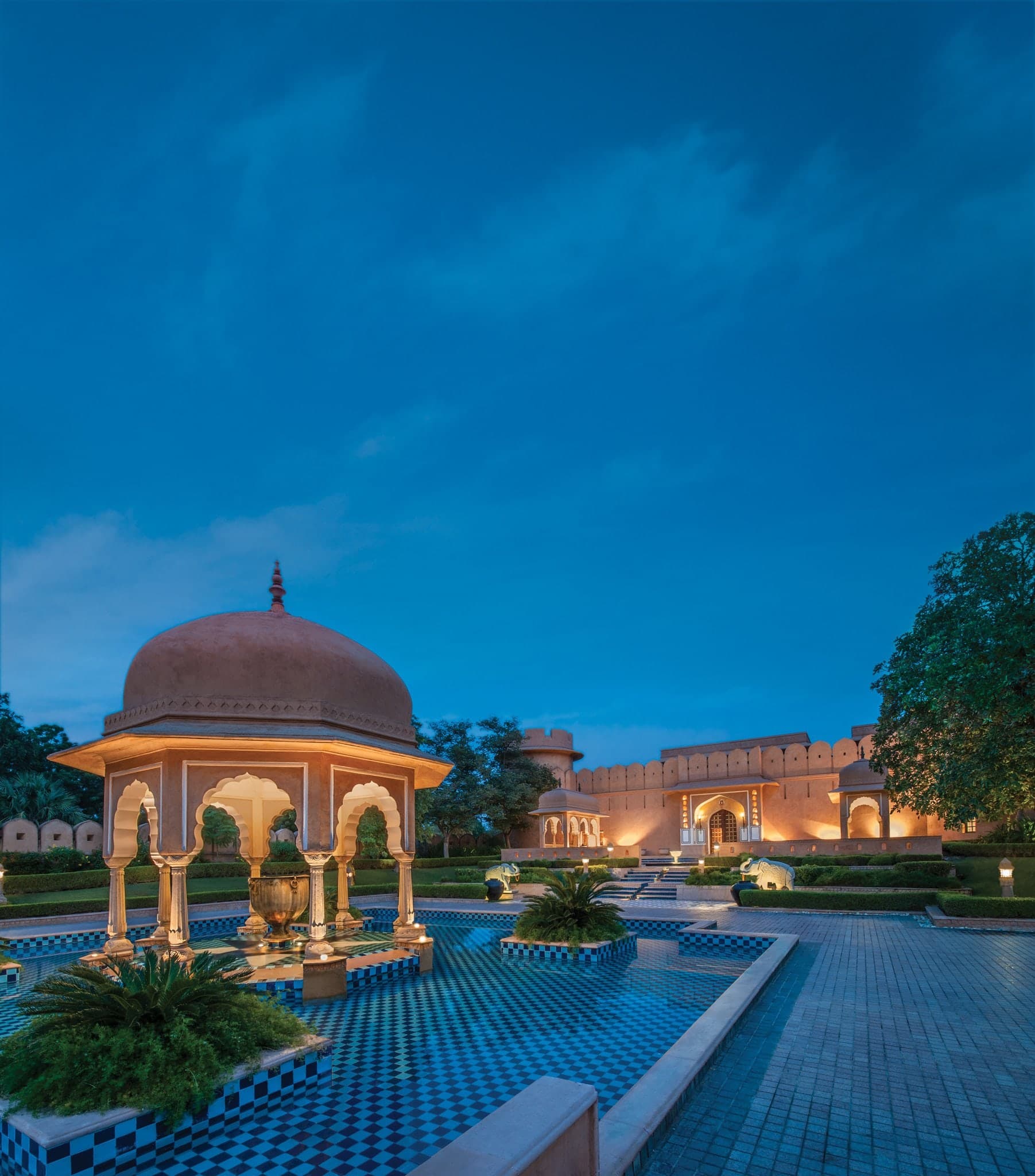
It takes a certain swagger to be named the #1 Hotel in the World by Travel + Leisure in 2024, but the Oberoi Rajvilas wears the crown with nonchalant grace. While Jaipur’s newer openings chase the flash of glass and steel, this 32-acre fortress remains the gold standard of slow, deliberate luxury. The design is a masterclass in Rajasthani vernacular—think pink lime plaster that mimics the sunset and Mughal gardens patrolled by an army of 150 peacocks. The accommodation offers a choice, but the style set knows to book the luxury tents. Far from camping, these are climate-controlled sanctuaries draped in block-printed textiles that nod to the city’s craft heritage, complete with clawfoot tubs that demand a long soak. The distance from the city center (a dusty 20-minute drive) is actually its greatest asset; once past the torches at the gate, the chaos of the Hawa Mahal dissolves. Critics might whisper that the bathrooms lean more 1990s than 2025, but when the service is this clairvoyant—staff seem to anticipate your need for a gin and tonic before you do—chrome fixtures feel irrelevant. Dining at Surya Mahal is a ritual, where the morning Dosa is crisp enough to shatter, and the seasonal Malabar Fish Curry at Raj Mahal warrants the flight alone.
“Skip the main block. Request a villa near the 280-year-old Shiva Temple to wake up to the faint sound of morning chants, and book the private sunken dining experience by the elephant-fountained pool.”
Insider TipAvg. Nightly Rate
863USD
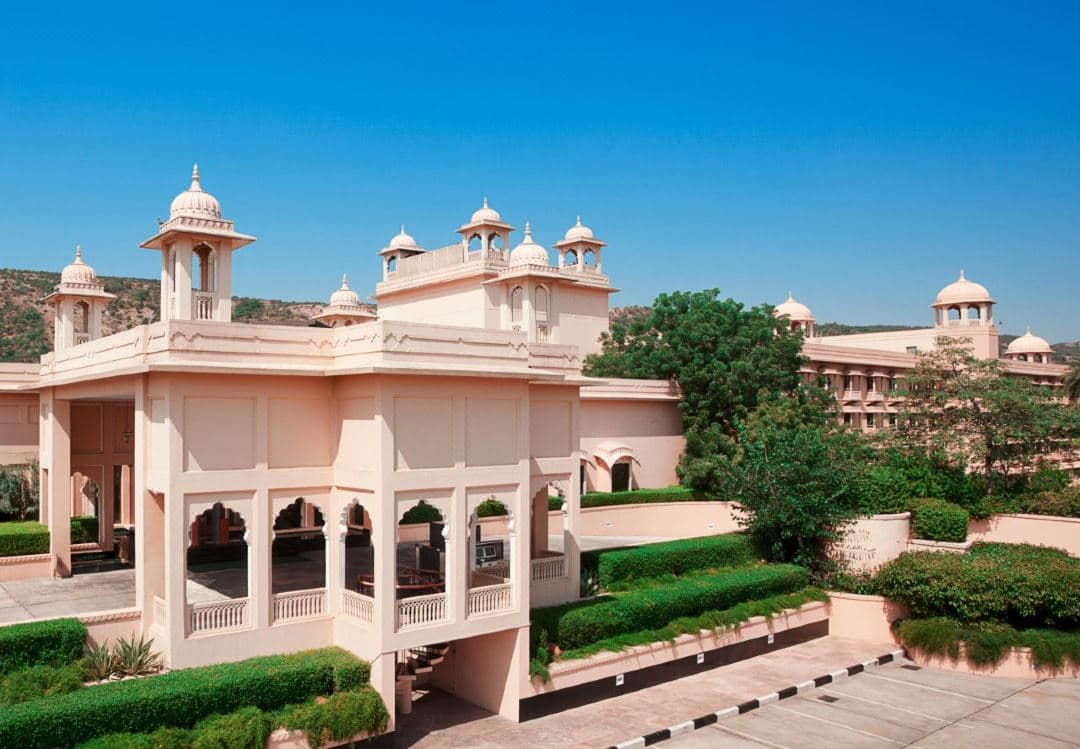
Facing the Man Sagar Lake, the Trident Jaipur has long functioned as the Pink City’s architectural mirror—a sprawling, rose-hued structure defined by scalloped jharokhas and Rajasthani block-print textiles. While the 25-square-meter Base Rooms have historically felt compact—arguably snug for a property of this stature—the operational precision of The Oberoi Group has always compensated for the square footage. Housekeeping is telepathic, and the ‘Jal Mahal’ restaurant serves a Laal Maas that rivals any heritage haveli in the walled city. However, even icons require reinvention. As of late 2025, the property has shuttered for a comprehensive, multi-year renovation to address its vintage bathrooms and dated interiors. While the unheated courtyard pool and the Aravalli-facing terrace remain legendary design blueprints, the hotel is currently in a cocoon phase. It remains a definitive example of Jaipur’s 'Pastel Hues' aesthetic, but one that is currently taking a necessary beauty sleep. Expect a sharp, modernized return in 2027 that marries that classic rose sandstone shell with the contemporary amenities (think automated lighting and upgraded soaking tubs) it previously lacked.
“The hotel is closed for renovation until January 2027. For now, catch the best view of its lit-up rose facade from the Jal Mahal promenade at dusk.”
Insider TipAvg. Nightly Rate
120USD